 Help & Contact
 Track order












Fish Mouth Rot: Columnaris, Mouth Fungus & Bacterial Infection Explained
Fish Mouth Rot: Columnaris, Mouth Fungus & Bacterial Infection Explained
You notice a pale patch around your fish's mouth.
At first it looks small.
Perhaps the lips simply appear:
- White
- Gray
- Slightly swollen
- Rough around the edges
Then the lesion begins to spread.
The mouth may look:
- Fuzzy
- Cottony
- Eroded
- Ulcerated
- Red or inflamed
The fish may also stop eating.
This creates one of the most confusing aquarium-health questions:
Does my fish have mouth fungus—or is it Columnaris?
The distinction matters.
One of the most common causes of so-called:
“cotton mouth”
or
“mouth fungus”
is actually a bacterial disease known as:
Columnaris.
Columnaris is commonly associated with Flavobacterium columnare.
It can damage:
- Mouth tissue
- Skin
- Fins
- Gills
True cotton-like fungal or water-mold infections can also occur, especially on tissue already damaged by:
- Trauma
- Poor water quality
- Other infections
The strongest treatment plan therefore starts with:
correctly identifying what is damaging the mouth.
Fish Mouth Rot: Quick Answer
Fish mouth rot is progressive inflammation, erosion or ulceration around the mouth.
A common bacterial cause is Columnaris, associated with Flavobacterium columnare.
Possible signs include:
- White or gray areas around the lips
- Cotton-like surface material
- Redness
- Swelling
- Mouth erosion
- Fin damage
- Skin lesions
- Rapid breathing if the gills are affected
- Reduced appetite
Despite the name “mouth fungus,” Columnaris is bacterial. True fungus-like infections such as Saprolegnia are a different disease category and require a different treatment approach.
Explore Fish Antibiotics
Browse our Fish Antibiotics collection and explore aquarium bacterial-care products organized in one convenient place.
EXPLORE PRODUCTS →What Is Fish Mouth Rot?
Mouth rot describes visible destruction or inflammation affecting the tissues around a fish's mouth.
It is a descriptive term rather than one single diagnosis.
Possible causes include:
- Columnaris
- Other bacterial infections
- True fungal or water-mold infection
- Traumatic injury
- Aggression
- Repeated rubbing
- Environmental irritation
What Is Columnaris?
Columnaris is an important bacterial disease of freshwater fish.
The organism most strongly associated with the disease is:
Flavobacterium columnare.
It is particularly important in warmwater fish.
The disease can affect:
- Skin
- Mouth
- Fins
- Gills
Why Is Columnaris Called Cotton Mouth?
Columnaris lesions can develop pale or cotton-like surface material.
That appearance led aquarium owners to use names such as:
- Cotton mouth disease
- Mouth fungus
- Cotton wool disease
But the fuzzy appearance does not automatically mean fungus.
Columnaris Is Bacterial—not Fungal
This is one of the most important facts in this entire guide.
Columnaris is:
bacterial.
Saprolegnia-type disease is:
fungus-like water mold.
The conditions may look similar from a distance.
But they are biologically different.
Explore Fish Antibiotics
Browse our Fish Antibiotics collection and explore aquarium bacterial-care products organized in one convenient place.
EXPLORE PRODUCTS →What Does Early Mouth Rot Look Like?
Early disease may begin with:
- A small white area on the lips
- Gray discoloration
- Slight swelling
- Mild redness
- A roughened mouth edge
The fish may still:
- Swim normally
- Eat
- Remain active
Why Early Detection Matters
Mouth tissue is essential for:
- Feeding
- Handling food
- Normal respiration in some species
If the lesion progresses, the fish may become unable or unwilling to eat.
Advanced Mouth Rot
More severe disease can cause:
- Large white or gray lesions
- Mouth erosion
- Ulceration
- Necrotic tissue
- Bleeding
- Severe swelling
- Loss of normal mouth structure
Serious Columnaris Warning Signs
Take the disease particularly seriously when mouth lesions occur together with:
- Rapid tissue destruction
- Gill damage
- Rapid breathing
- Surface gasping
- Saddleback lesions
- Fin erosion
- Loss of appetite
- Severe lethargy
- Multiple affected fish
Columnaris can involve more than the mouth. Gill and systemic disease can make an outbreak considerably more serious.
Columnaris Symptoms
Depending on the location and severity of infection, signs may include:
- White or gray mouth lesions
- Cotton-like surface material
- Skin ulceration
- Fin deterioration
- Gill lesions
- Excess mucus
- Red or inflamed tissue
- Loss of appetite
- Clamped fins
- Lethargy
- Rapid breathing
What Are Saddleback Lesions?
Columnaris can create distinctive lesions across the dorsal surface.
These can appear as:
- Pale areas
- Gray-white bands
- Skin erosion
- Ulcerated areas
Because the lesion may extend across the fish's back, it is commonly called:
a saddleback lesion.
Columnaris on the Gills
Gill involvement can be especially dangerous.
The fish may develop:
- Rapid gill movement
- Gasping
- Surface breathing
- Reduced activity
- Loss of appetite
A Fish Can Have Columnaris Without Severe Mouth Damage
Do not assume Columnaris must always begin on the lips.
Some fish show primarily:
- Gill disease
- Skin lesions
- Fin erosion
- Saddleback lesions

Mouth Rot vs True Fungus
This is the most important visual comparison.
| Feature | Columnaris / Bacterial Mouth Rot | Saprolegnia / Water Mold |
|---|---|---|
| Cause | Bacteria | Fungus-like water mold |
| Typical appearance | White-gray film, erosion, necrosis or cotton-like exudate | Gray-white cottony or filamentous growth |
| Common locations | Mouth, skin, fins, gills | Damaged skin, fins, eyes, gills or eggs |
| Underlying damage | Can create necrosis and ulcers | Often colonizes previously damaged tissue |
What Is Saprolegnia?
Saprolegnia is a fungus-like water mold found in freshwater environments.
It commonly affects:
- Damaged skin
- Fins
- Gills
- Eyes
- Fish eggs
Gross lesions often look:
- Gray-white
- Cottony
- Filamentous
Fungus Often Follows Another Problem
Water molds frequently invade tissue already weakened by:
- Physical injury
- Poor water quality
- Other infections
- Environmental stress
This means the fuzzy growth may be:
secondary rather than the original problem.
Can a Fish Have Bacteria and Fungus at the Same Time?
Yes.
Damaged tissue can become vulnerable to secondary organisms.
A fish may begin with:
bacterial tissue damage
and later develop:
secondary fungus-like growth.
Mouth Rot vs Physical Injury
Not every damaged mouth is infectious.
A fish may injure its mouth by:
- Fighting
- Running into aquarium glass
- Rubbing on rocks
- Trying to escape through tight decorations
- Rough netting
- Transport
More Consistent With Simple Injury
The lesion:
- Appears after a known accident
- Remains localized
- Stops worsening
- Begins healing in clean water
More Concerning for Infection
The lesion:
- Continues spreading
- Develops white-gray material
- Becomes ulcerated
- Causes tissue loss
- Appears on other fish
Explore Fish Antibiotics
Browse our Fish Antibiotics collection and explore aquarium bacterial-care products organized in one convenient place.
EXPLORE PRODUCTS →What Causes Columnaris Outbreaks?
Columnaris outbreaks commonly become more likely when fish are already under environmental stress.
Risk Factor #1 — Poor Water Quality
Always investigate:
- Ammonia
- Nitrite
- Nitrate
- pH
- Temperature
- Oxygenation
Risk Factor #2 — High Organic Load
Excess:
- Fish waste
- Uneaten food
- Decaying plants
- Dirty substrate
can create conditions that favor disease outbreaks.
Risk Factor #3 — Overcrowding
Dense fish populations increase:
- Stress
- Organic waste
- Competition
- Disease transmission
Risk Factor #4 — Handling & Transport
Rough handling can damage:
- Skin
- Mucus barrier
- Mouth tissue
and make bacterial invasion easier.
Risk Factor #5 — Injury
Any disruption to the protective skin or mucus barrier can create an entry point for opportunistic bacteria.
Risk Factor #6 — Low Oxygen
Hypoxia creates significant physiological stress.
This becomes especially dangerous when Columnaris also affects the gills.
Risk Factor #7 — Temperature
Flavobacterium columnare is particularly important in warmwater fish.
Temperature can influence:
- Bacterial growth
- Fish metabolism
- Oxygen availability
- Disease progression
Do not make dramatic temperature changes without considering the requirements of the fish species.
Why Raising Temperature Can Be a Bad Idea With Suspected Columnaris
Some aquarium diseases are managed with warmer water.
That does not mean heat is appropriate for every white lesion.
If the problem is Columnaris, unnecessarily raising temperature may create:
- Additional stress
- Lower dissolved oxygen
- Conditions favorable to faster bacterial progression in some systems
This is another reason distinguishing Columnaris from Ich is important.
Columnaris vs Ich
Ich usually produces:
- Multiple discrete salt-like white spots
- Flashing
- Gill irritation
Columnaris more commonly produces:
- White-gray patches
- Skin erosion
- Mouth lesions
- Saddleback lesions
- Fin deterioration
Columnaris vs Epistylis
Epistylis may produce raised white spots associated with skin irritation or bacterial disease underneath.
Columnaris more typically causes:
- Patch-like lesions
- Necrosis
- Mouth damage
- Fin erosion
Microscopic examination can help separate similar-looking conditions.
How Is Columnaris Diagnosed?
A presumptive diagnosis may be based on:
- Characteristic lesions
- Disease progression
- Water conditions
- Microscopic examination
Wet-Mount Examination
Material collected from:
- Skin lesions
- Gill lesions
can be examined microscopically.
Columnaris organisms may appear in characteristic bacterial aggregates sometimes described as:
haystack-like formations.
Bacterial Culture
Culture may help confirm the organism in important, severe or recurrent cases.
Columnaris requires specialized culture conditions.
Should a Fish With Mouth Rot Be Quarantined?
A hospital or quarantine tank is often useful when:
- One fish is affected
- The lesion is progressing rapidly
- The fish is being bullied
- Medication may affect the main aquarium
- You need close observation
Hospital Tank Setup
Depending on the species, provide:
- Clean conditioned water
- Stable temperature
- Strong aeration
- Simple biological filtration when possible
- Minimal decoration
- Easy access to food
Why Strong Aeration Matters
Columnaris may involve the gills.
A fish with gill damage can already be struggling to obtain sufficient oxygen.
Good aeration can therefore be an important supportive measure.
Check the Aquarium Before Medication
Test:
- Ammonia
- Nitrite
- Nitrate
- pH
- Temperature
and examine:
- Stocking level
- Filtration
- Organic debris
- Aggressive tankmates
Clean Water Is Part of Mouth-Rot Treatment
Correcting environmental stress may include:
- Appropriate partial water changes
- Removing uneaten food
- Cleaning accumulated debris
- Improving aeration
- Correcting overcrowding
When Antibacterial Products Become Relevant
Antibacterial treatment becomes especially relevant when mouth lesions are:
- Progressive
- Ulcerative
- Associated with tissue erosion
- Associated with fin damage
- Accompanied by saddleback lesions
- Accompanied by signs of bacterial gill disease
Explore Fish Antibiotics
Browse our Fish Antibiotics collection and explore aquarium bacterial-care products organized in one convenient place.
EXPLORE PRODUCTS →Fish Doxy — Doxycycline
Fish Doxy is the BirdAntibiotic.com doxycycline-based aquarium product family.
Fish Doxy 100 mg is commercially relevant to searches involving:
- Columnaris-type bacterial disease
- External bacterial lesions
- Fin deterioration
- Gill-related bacterial concerns
Explore Fish Doxy
Compare BirdAntibiotic.com Fish Doxy 100 mg options by capsule, tablet and package count.
Fish Flox — Ciprofloxacin
Fish Flox contains ciprofloxacin-based aquarium antibacterial options.
The current BirdAntibiotic.com Fish Flox family is commercially positioned for aquarium owners researching bacterial conditions including:
- Columnaris
- Fin rot
- Ulcerative bacterial disease
- Gill disease
- Other susceptible bacterial infections
Explore Fish Flox Ciprofloxacin
Compare BirdAntibiotic.com aquarium ciprofloxacin products for bacterial fish-care programs.
Fish Flex — Cephalexin
Fish Flex is the BirdAntibiotic.com cephalexin aquarium product family.
It is commercially relevant when aquarium owners are researching:
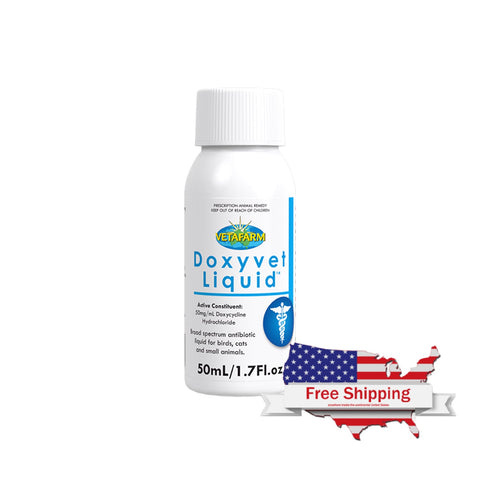
- External bacterial lesions
- Skin infections
- Wound-related bacterial disease
- Fin deterioration
Fish Sulfa — SMZ/TMP
Fish Sulfa contains:
sulfamethoxazole + trimethoprim
commonly abbreviated:
SMZ/TMP.
Fish Sulfa belongs in a broader aquarium bacterial-care comparison when bacterial disease has been identified as the relevant problem.
Compare Aquarium Antibacterial Options
Browse Fish Doxy, Fish Flox, Fish Flex, Fish Sulfa and other antibacterial products organized by active ingredient and strength.
Which Antibiotic Is Best for Columnaris?
There is no responsible universal answer based only on the appearance of the mouth.
Different bacterial organisms have different antimicrobial susceptibility patterns.
Severe, rapidly progressive or recurrent disease may benefit from:
- Microscopic examination
- Bacterial identification
- Culture when practical
- Susceptibility information
Product choice should match the bacterial disease rather than simply selecting the strongest-looking medication.
Why Randomly Combining Antibiotics Is a Poor Strategy
Do not automatically combine several antibacterial products because a lesion looks severe.
If the disease continues progressing, reassess:
- Diagnosis
- Water quality
- Temperature
- Oxygenation
- Medication compatibility
- Whether the lesion is actually fungal
Can Antibiotics Treat True Mouth Fungus?
Antibiotics target bacteria.
They do not directly treat Saprolegnia-type water mold.
This is why distinguishing:
Columnaris from true fungal growth
is so important.
Can Antifungal Medication Treat Columnaris?
A purely antifungal treatment does not target the bacterial cause of Columnaris.
A fish may appear to have fungus because the lesion looks cottony, yet the primary disease may still be bacterial.
What About Secondary Fungus?
If damaged mouth tissue later develops true Saprolegnia-type colonization, both:
- The original disease
- The secondary fungal growth
may need attention.
Why Is My Fish Not Eating With Mouth Rot?
Mouth lesions can make feeding:
- Painful
- Difficult
- Mechanically challenging
More severe systemic illness can also reduce appetite.
Supporting a Fish That Has Difficulty Eating
Depending on the species and condition, consider:
- Smaller food pieces
- Softer foods
- Foods that require less biting
- Reducing competition at feeding time
Remove uneaten food promptly so it does not worsen organic loading.
Fish Mouth Rot and Rapid Breathing
When mouth lesions occur together with rapid breathing, consider possible:
- Gill involvement
- Low oxygen
- Poor water quality
- Severe systemic illness
Check aeration and water parameters immediately.
Fish Mouth Rot and Fin Rot
Columnaris can affect multiple external tissues.
A fish may develop:
- Mouth lesions
- Frayed fins
- Skin patches
during the same disease process.
Fish Mouth Rot and Saddleback Lesions
This combination is particularly suggestive of broader Columnaris-type disease.
The fish may have:
- Mouth erosion
- A pale band across the back
- Skin ulceration
- Fin damage
Fish Mouth Rot and White Fuzzy Growth
A fuzzy mouth can represent:
- Cotton-like bacterial exudate from Columnaris
- True water-mold growth
- A secondary fungal infection on damaged tissue
Do not diagnose by the word:
“fuzzy”
alone.
Can Columnaris Spread Between Fish?
Yes.
Columnaris can spread within shared aquatic systems.
Disease risk becomes higher when fish are:
- Stressed
- Overcrowded
- Injured
- Exposed to poor water quality
If Several Fish Develop Mouth Lesions
Immediately assess:
- Water quality
- Temperature
- Oxygenation
- Recent fish additions
- Shared equipment
- Stocking density
Can Columnaris Kill Fish Quickly?
Some infections can progress rapidly.
Speed depends on:
- Bacterial strain
- Fish species
- Temperature
- Gill involvement
- Environmental stress
- Overall fish condition
How Do You Know Mouth Rot Is Improving?
Positive signs include:
- Lesion stops expanding
- Redness decreases
- No new tissue erosion appears
- Fish begins eating again
- Activity improves
- Breathing normalizes
How Do You Know Mouth Rot Is Getting Worse?
Concerning progression includes:
- Increasing tissue loss
- Deeper ulceration
- Spreading white-gray patches
- Gill involvement
- Fin deterioration
- Loss of appetite
- Rapid breathing
- Severe lethargy
Can Fish Mouth Tissue Grow Back?
Minor superficial injuries may heal well once the cause is corrected.
Severe destruction of:
- Lips
- Jaw tissue
- Cartilage
may result in permanent deformity.
How to Prevent Mouth Rot & Columnaris
1. Maintain Excellent Water Quality
Routine testing should include the important parameters for your aquarium.
2. Avoid Overcrowding
Match stocking level to:
- Tank size
- Filtration
- Species
3. Reduce Organic Waste
Remove:
- Uneaten food
- Dead material
- Excess debris
4. Prevent Physical Injury
Use:
- Appropriate nets
- Smooth decorations
- Compatible tankmates
5. Quarantine New Fish
Observe new arrivals before introducing them into an established aquarium.
6. Maintain Strong Oxygenation
This is particularly important in warmwater systems and when gills are involved.
7. Avoid Unnecessary Temperature Swings
Rapid environmental changes stress fish and may worsen disease susceptibility.
Explore Fish Antibiotics
Browse our Fish Antibiotics collection and explore aquarium bacterial-care products organized in one convenient place.
EXPLORE PRODUCTS →Frequently Asked Questions About Fish Mouth Rot
What causes mouth rot in fish?
Possible causes include Columnaris and other bacterial infections, true fungus-like disease, injury and environmental stress.
What is cotton mouth disease in fish?
Cotton mouth is a common hobby name for Columnaris, a bacterial disease associated with Flavobacterium columnare.
Is mouth fungus actually a fungus?
Not always. Many cases called mouth fungus are actually bacterial Columnaris.
Is Columnaris bacterial?
Yes. Columnaris is a bacterial disease.
What does early Columnaris look like?
Early lesions may begin as pale, white-gray or slightly swollen areas around the mouth, skin or fins.
What does severe Columnaris look like?
Advanced disease may produce ulcers, mouth erosion, saddleback lesions, fin damage, gill disease and rapid decline.
Why is my fish's mouth turning white?
Possible causes include Columnaris, other bacterial disease, injury or true fungus-like growth.
Why does my fish have cotton around its mouth?
Cotton-like material may represent Columnaris exudate or Saprolegnia-type water-mold growth.
How do I tell Columnaris from fungus?
Columnaris commonly causes white-gray patches, erosion and necrosis, while Saprolegnia typically forms more filamentous gray-white cotton-like growth. Microscopic examination provides better differentiation.
What is Saprolegnia?
Saprolegnia is a fungus-like water mold that commonly colonizes injured or otherwise damaged external fish tissue.
Can Columnaris affect the gills?
Yes. Gill involvement can cause rapid breathing, gasping and serious respiratory compromise.
Can Columnaris cause fin rot?
Yes. Columnaris can damage fins as well as the skin, mouth and gills.
What is a saddleback lesion?
It is a pale or ulcerative lesion across the dorsal surface that can occur with Columnaris.
Is Columnaris contagious?
Yes. It can spread between susceptible fish within a shared aquatic environment.
Can poor water quality cause Columnaris?
Poor water quality creates stress that can increase susceptibility to opportunistic bacterial disease.
Can ammonia contribute to mouth rot?
Ammonia damages fish and weakens normal protective barriers, increasing the risk of secondary disease.
Does warm water make Columnaris worse?
Columnaris is especially important in warmwater species, and temperature can influence disease progression. Avoid blindly raising temperature when Columnaris is suspected.
Should I quarantine a fish with mouth rot?
A hospital tank can help with observation, treatment and preventing aggression or competition.
What is Fish Doxy?
Fish Doxy is the BirdAntibiotic.com doxycycline-based aquarium antibacterial product family.
What is Fish Flox?
Fish Flox contains ciprofloxacin-based aquarium antibacterial products used for ornamental fish bacterial-care programs.
What is Fish Flex?
Fish Flex contains cephalexin and belongs to the BirdAntibiotic.com aquarium antibacterial collection.
What is Fish Sulfa?
Fish Sulfa contains sulfamethoxazole and trimethoprim, commonly abbreviated SMZ/TMP.
Which antibiotic treats Columnaris?
Antibacterial selection depends on the organism, severity and susceptibility. Severe or recurrent cases may benefit from diagnostic testing rather than choosing a medication from appearance alone.
Will antibiotics treat fish fungus?
Antibiotics target bacteria and do not directly treat true Saprolegnia-type water mold.
Will antifungal medicine treat Columnaris?
A purely antifungal medication does not target the bacterial cause of Columnaris.
Can fish have Columnaris and fungus together?
Yes. Severely damaged tissue may develop secondary fungus-like growth.
Why did my fish stop eating?
Painful mouth lesions and systemic disease can make feeding difficult or suppress appetite.
Can fish recover from mouth rot?
Many fish can recover when the disease is recognized early, the environment is corrected and appropriate treatment is used.
Will the mouth grow back?
Superficial tissue may heal, but severe destruction of the lips or jaw can leave permanent deformity.
How do I know Columnaris is getting better?
Lesions stop spreading, tissue inflammation decreases, feeding improves and no new skin, fin or gill lesions appear.
How do I stop Columnaris from coming back?
Maintain stable water quality, reduce organic waste and overcrowding, prevent injuries and quarantine new fish.
The Professional Mouth-Rot Decision Framework
Step 1 — Determine whether the lesion is progressing.
Step 2 — Test aquarium water.
Step 3 — Compare Columnaris with Saprolegnia and trauma.
Step 4 — Look for saddleback, fin and gill lesions.
Step 5 — Increase aeration when respiratory signs are present.
Step 6 — Reduce organic waste and environmental stress.
Step 7 — Use a hospital tank when appropriate.
Step 8 — Match antibacterial treatment to bacterial disease.
Step 9 — Monitor appetite and mouth-tissue progression daily.
Step 10 — Reassess the diagnosis if the lesion continues worsening.
Compare Aquarium Bacterial-Care Products
Explore Fish Doxy, Fish Flox, Fish Flex, Fish Sulfa and other BirdAntibiotic.com aquarium antibacterial products organized by active ingredient, strength and package size.
The Most Important Mouth-Rot Rule
Do not diagnose fungus simply because the mouth looks white or cottony.
Ask:
Is the tissue eroding?
Is the lesion spreading quickly?
Are the fins also deteriorating?
Are there saddleback lesions?
Are the gills involved?
Is the growth truly filamentous and cotton-like?
The strongest care plan combines:
correct diagnosis + excellent water quality + reduced environmental stress + strong aeration + targeted antibacterial or antifungal care according to the actual disease.
Recommended Products
Products selected to complement this guide.


Shop Related Products
Explore the products featured for this topic.


