 Help & Contact
 Track order












Fish Antibiotics by Active Ingredient: Complete Comparison Guide
Fish Antibiotics by Active Ingredient: Complete Comparison Guide
Fish Mox.
Fish Flex.
Fish Doxy.
Fish Flox.
Fish Sulfa.
Fish Min.
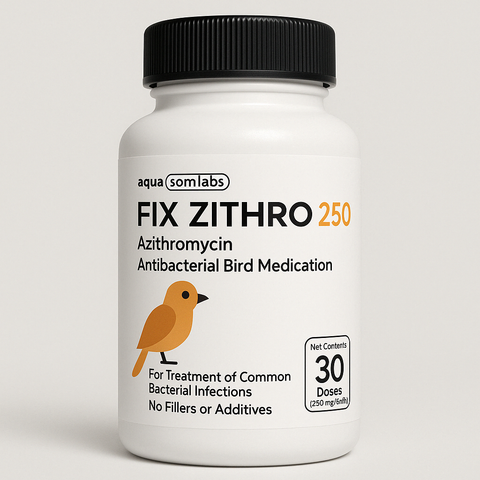
Fish Zithro.
Fish Cin.
These aquarium product names are familiar to many fish keepers.
But they do not contain the same medicine.
Each product family is built around a different active ingredient.
That ingredient determines:
- The antimicrobial class
- The mechanism of action
- The bacterial spectrum
- The types of aquarium problems owners commonly research it for
- The products it should be compared with
This is why selecting aquarium medication should not begin with:
“Which fish antibiotic is strongest?”
A more useful question is:
“Which active ingredient best matches the bacterial problem being investigated?”
This guide compares the major aquarium medication families currently available from BirdAntibiotic.com by:
- Active ingredient
- Product family
- Drug class
- Commercial search intent
- Common aquarium disease categories
- Important differences between similar products
Fish Antibiotics: Quick Comparison
Fish Mox = Amoxicillin
Fish Flex = Cephalexin
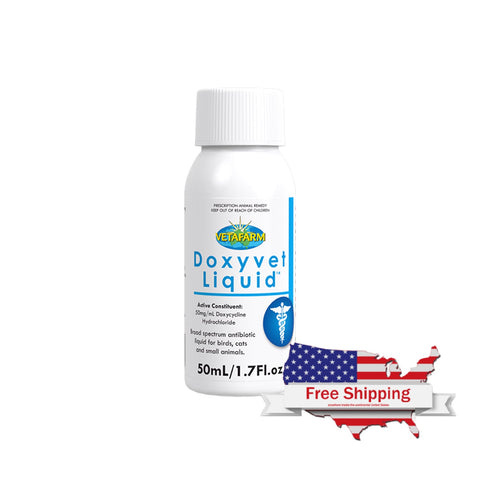
Fish Doxy = Doxycycline
Fish Flox = Ciprofloxacin
Fish Zithro = Azithromycin
Fish Sulfa = Sulfamethoxazole + Trimethoprim
Fish Min = Minocycline
Fish Levo = Levofloxacin
Fish Cin = Clindamycin
Fish Pen = Penicillin
Fish Mox Clavulanate = Amoxicillin + Clavulanate
Fish Zole, Fish Flucon and Fish Ketoconazole also belong in a complete aquarium medicine cabinet, but they are different categories: metronidazole is used for selected protozoal/anaerobic problems, while fluconazole and ketoconazole are antifungal medicines.
Explore Fish Antibiotics
Browse our Fish Antibiotics collection and explore aquarium bacterial-care products organized in one convenient place.
EXPLORE PRODUCTS →Why Active Ingredient Matters More Than the Product Name
Two aquarium products can both be described commercially as “fish antibiotics” while belonging to completely different pharmaceutical classes.
For example:
Fish Mox contains amoxicillin.
Fish Flox contains ciprofloxacin.
These products:
- Do not work through the same mechanism
- Do not have identical bacterial coverage
- Should not automatically be substituted for one another
The same principle applies to every product in this guide.

Fish Antibiotic Comparison Table
| Product Family | Active Ingredient | Class | Common Aquarium Search Intent |
|---|---|---|---|
| Fish Mox | Amoxicillin | Aminopenicillin / beta-lactam | Fin, skin, ulcer and general susceptible bacterial searches |
| Fish Flex | Cephalexin | Cephalosporin / beta-lactam | External skin, fin and wound-related bacterial searches |
| Fish Doxy | Doxycycline | Tetracycline | Gill, fin, columnaris-type and broader bacterial searches |
| Fish Flox | Ciprofloxacin | Fluoroquinolone | Persistent ulcers, lesions, septicemia-like and gram-negative bacterial searches |
| Fish Zithro | Azithromycin | Macrolide | Gill, skin, fin and chronic bacterial-condition searches |
| Fish Sulfa | Sulfamethoxazole + Trimethoprim | Potentiated sulfonamide | Broad bacterial, internal infection and SMZ/TMP searches |
| Fish Min | Minocycline | Tetracycline | Internal, difficult and broader bacterial-disease searches |
| Fish Levo | Levofloxacin | Fluoroquinolone | Persistent and systemic bacterial-condition searches |
| Fish Cin | Clindamycin | Lincosamide | Selected gram-positive and anaerobic bacterial searches |
| Fish Pen | Penicillin | Penicillin / beta-lactam | Traditional fish penicillin and susceptible bacterial searches |
| Fish Mox Clavulanate | Amoxicillin + Clavulanate | Protected aminopenicillin combination | Amoxicillin-clavulanate and broader beta-lactam searches |
Explore Fish Antibiotics
Browse our Fish Antibiotics collection and explore aquarium bacterial-care products organized in one convenient place.
EXPLORE PRODUCTS →1. Fish Mox — Amoxicillin
Fish Mox is one of the most recognizable aquarium antibacterial product families.
The active ingredient is:
Amoxicillin.
Amoxicillin belongs to the:
aminopenicillin / beta-lactam family.
How Amoxicillin Works
Amoxicillin interferes with bacterial cell-wall synthesis.
Susceptible bacteria cannot maintain a normal protective cell wall.
Common Fish Mox Search Intent
Aquarium owners commonly research Fish Mox in connection with:
- Fin rot
- Tail rot
- Skin infections
- Ulcer-like lesions
- General bacterial disease
Current Fish Mox Options
BirdAntibiotic.com carries Fish Mox in:
- 250 mg
- 500 mg
with multiple capsule-count options.
Shop Fish Mox Amoxicillin
Compare Fish Mox 250 mg and 500 mg aquarium products by strength and package count.
2. Fish Flex — Cephalexin
Fish Flex contains:
Cephalexin.
Cephalexin is a:
first-generation cephalosporin.
How Cephalexin Works
Like penicillins, cephalosporins interfere with bacterial cell-wall synthesis.
However, cephalexin and amoxicillin are not identical products and do not have identical spectra.
Common Fish Flex Search Intent
Fish Flex frequently appears in searches involving:
- External bacterial disease
- Fin infections
- Skin lesions
- Open sores
- Wound-related bacterial problems
Current Fish Flex Options
BirdAntibiotic.com currently carries:
- Fish Flex 250 mg — 30 Capsules
- Fish Flex 250 mg — 100 Capsules
- Fish Flex 500 mg — 30 Capsules
- Fish Flex 500 mg — 100 Capsules
3. Fish Doxy — Doxycycline
Fish Doxy contains:
Doxycycline.
Doxycycline belongs to the:
tetracycline class.
How Doxycycline Works
Doxycycline inhibits bacterial protein synthesis.
Its mechanism therefore differs substantially from beta-lactam drugs such as amoxicillin and cephalexin.
Common Fish Doxy Search Intent
Fish Doxy is frequently researched for:
- Fin and tail bacterial disease
- Gill disease
- Columnaris-type problems
- Broader bacterial infection searches
Current Fish Doxy Products
BirdAntibiotic.com carries Fish Doxy 100 mg in several package sizes, including:
- 30-count options
- 60-count options
- 100-count options
4. Fish Flox — Ciprofloxacin
Fish Flox contains:
Ciprofloxacin.
Ciprofloxacin belongs to the:
fluoroquinolone class.
How Ciprofloxacin Works
Ciprofloxacin interferes with bacterial DNA replication by targeting enzymes involved in DNA processing.
Common Fish Flox Search Intent
Fish Flox commonly appears in searches involving:
- Persistent bacterial infections
- Ulcers
- Red lesions
- Septicemia-like signs
- Gram-negative bacterial concerns
- Columnaris-type disease
Current Fish Flox Options
BirdAntibiotic.com currently carries Fish Flox / fish ciprofloxacin products including 500 mg formats in multiple counts.
Shop Fish Flox Ciprofloxacin
Compare BirdAntibiotic.com aquarium ciprofloxacin products.
5. Fish Zithro — Azithromycin
Fish Zithro contains:
Azithromycin.
Azithromycin belongs to the:
macrolide class.
How Azithromycin Works
Azithromycin interferes with bacterial protein synthesis.
Common Fish Zithro Search Intent
Aquarium owners commonly research azithromycin for:
- Gill-related bacterial disease
- Skin infections
- Fin bacterial problems
- Chronic bacterial conditions
Explore Fish Antibiotics
Browse our Fish Antibiotics collection and explore aquarium bacterial-care products organized in one convenient place.
EXPLORE PRODUCTS →6. Fish Sulfa — Sulfamethoxazole + Trimethoprim
Fish Sulfa contains two active ingredients:
Sulfamethoxazole + Trimethoprim.
The combination is commonly abbreviated:
SMZ/TMP.
How SMZ/TMP Works
The two ingredients interrupt bacterial folate metabolism at different points.
Using both ingredients together creates a potentiated antibacterial combination.
Common Fish Sulfa Search Intent
- Internal bacterial infection
- Broad bacterial disease
- SMZ/TMP aquarium searches
- Skin and systemic bacterial concerns
Current Fish Sulfa Products
BirdAntibiotic.com currently carries Fish Sulfa 960 mg in:
- 30 Tablets
- 60 Tablets
- 100 Tablets
7. Fish Min — Minocycline
Fish Min contains:
Minocycline.
Minocycline belongs to the:
tetracycline family.
Minocycline vs Doxycycline
Both are tetracycline-class antibacterial ingredients.
But they are different molecules and should not be treated as identical products.
Common Fish Min Search Intent
- Internal bacterial disease
- Persistent bacterial problems
- Broad aquarium bacterial-care searches
8. Fish Levo — Levofloxacin
Fish Levo contains:
Levofloxacin.
Levofloxacin belongs to the:
fluoroquinolone family.
Levofloxacin vs Ciprofloxacin
Both belong to the same broad antimicrobial class.
However, they are distinct ingredients with different susceptibility profiles.
Common Fish Levo Search Intent
- Persistent aquarium bacterial disease
- Internal bacterial infection
- Systemic bacterial concerns
9. Fish Cin — Clindamycin
Fish Cin contains:
Clindamycin.
Clindamycin belongs to the:
lincosamide class.
Common Fish Cin Search Intent
Clindamycin is more often researched in connection with:
- Selected gram-positive bacterial problems
- Selected anaerobic bacterial concerns
- Deep tissue bacterial infection searches
It is therefore very different from fluoroquinolones such as Fish Flox or tetracyclines such as Fish Doxy.
10. Fish Pen — Penicillin
Fish Pen contains penicillin-class antibacterial products.
Penicillin belongs to the:
beta-lactam family.
Common Fish Pen Search Intent
- Fish penicillin
- Penicillin aquarium medicine
- Traditional aquarium antibacterial searches
11. Fish Mox Clavulanate — Amoxicillin + Clavulanate
Fish Mox Clavulanate contains:
Amoxicillin + Clavulanate.
Why Add Clavulanate?
Some bacteria produce enzymes called:
beta-lactamases.
These enzymes can inactivate certain beta-lactam antibiotics.
Clavulanate inhibits selected beta-lactamase enzymes and helps protect the amoxicillin component.
Fish Mox vs Fish Mox Clavulanate
| Feature | Fish Mox | Fish Mox Clavulanate |
|---|---|---|
| Ingredient | Amoxicillin | Amoxicillin + Clavulanate |
| Drug family | Aminopenicillin | Protected aminopenicillin combination |
| Key difference | Amoxicillin alone | Adds beta-lactamase inhibitor |
What About Fish Zole?
Fish Zole contains:
Metronidazole.
Metronidazole deserves to be included in a complete aquarium medication comparison, but it should not simply be grouped with conventional broad-spectrum bacterial antibiotics.
Where Metronidazole Fits
Metronidazole is especially associated with:
- Selected protozoal infections
- Selected anaerobic bacterial problems
- White-stringy-feces searches
- Hexamita / Spironucleus-type aquarium searches
What About Fish Flucon?
Fish Flucon contains:
Fluconazole.
Fluconazole is:
an antifungal medication.
It should therefore not be chosen simply because a fish appears to have a bacterial infection.
What About Fish Ketoconazole?
Fish Ketoconazole contains ketoconazole.
Ketoconazole is also an:
antifungal medication.
It belongs in fungal-disease comparison sections rather than conventional bacterial treatment comparisons.
Explore Fish Antibiotics
Browse our Fish Antibiotics collection and explore aquarium bacterial-care products organized in one convenient place.
EXPLORE PRODUCTS →Antibiotic vs Antifungal vs Antiprotozoal
| Category | Examples | Primary Target |
|---|---|---|
| Antibacterial | Amoxicillin, Cephalexin, Doxycycline, Ciprofloxacin | Susceptible bacteria |
| Antiprotozoal / anaerobic antimicrobial | Metronidazole | Selected protozoa and anaerobic organisms |
| Antifungal | Fluconazole, Ketoconazole | Susceptible fungal organisms |
Fish Mox vs Fish Flex
This is one of the most common aquarium medication comparisons.
Fish Mox: Amoxicillin.
Fish Flex: Cephalexin.
Both affect bacterial cell walls, but they belong to different beta-lactam subfamilies and have different susceptibility profiles.
Fish Mox vs Fish Doxy
Fish Mox: Amoxicillin.
Fish Doxy: Doxycycline.
Amoxicillin targets cell-wall production.
Doxycycline targets bacterial protein synthesis.
These are fundamentally different mechanisms.
Fish Mox vs Fish Flox
Fish Mox: Amoxicillin.
Fish Flox: Ciprofloxacin.
Ciprofloxacin has a substantially different bacterial spectrum and mechanism from amoxicillin.
Fish Flex vs Fish Doxy
Fish Flex: Cephalexin.
Fish Doxy: Doxycycline.
The important distinction is not which product is “stronger.”
It is:
which bacteria are susceptible to the ingredient.
Fish Doxy vs Fish Min
Both products belong to the tetracycline family.
Fish Doxy contains:
Doxycycline.
Fish Min contains:
Minocycline.
They are related but not identical.
Fish Flox vs Fish Levo
Both are fluoroquinolones.
Fish Flox contains:
Ciprofloxacin.
Fish Levo contains:
Levofloxacin.
They should be compared according to bacterial susceptibility rather than assuming one is automatically superior.
Which Fish Antibiotic Is Best for Fin Rot?
Fin rot is a visible syndrome, not one single bacterial organism.
Commonly researched product families include:
- Fish Mox
- Fish Flex
- Fish Doxy
- Fish Flox
But fin damage may also result from:
- Poor water quality
- Fin nipping
- Physical injury
- Columnaris
- Secondary fungal growth
Correct the underlying environmental problem as part of treatment.
Which Fish Antibiotic Is Best for Columnaris?
Columnaris is a bacterial disease involving Flavobacterium organisms.
Commercial searches commonly compare:
- Fish Doxy
- Fish Flox
- Fish Zithro
- Other antibacterial options
Because susceptibility can vary, severe or recurrent outbreaks may benefit from culture and antimicrobial susceptibility testing.
Which Fish Medicine Is Used for Ulcers?
Fish ulcers may involve organisms such as:
- Aeromonas
- Pseudomonas
- Other opportunistic bacteria
Frequently researched product families include:
- Fish Flex
- Fish Flox
- Fish Doxy
- Fish Sulfa
What About Dropsy?
Dropsy is a syndrome of fluid accumulation rather than one bacterial diagnosis.
Antibiotics become relevant when a susceptible bacterial infection is contributing to the syndrome.
If the underlying problem is:
- Organ failure
- A tumor
- Parasites
- Another nonbacterial condition
an antibacterial drug will not correct that underlying cause.
What About White Spots?
White spots may represent:
- Ich
- Epistylis
- Fungus
- Other skin disease
Do not automatically select a bacterial antibiotic because the fish has a white lesion.
Internal vs External Bacterial Disease
External Bacterial Signs
Examples include:
- Fin erosion
- Skin redness
- Open ulcers
- Wound infection
- External lesions
Internal or Systemic Signs
Possible signs include:
- Loss of appetite
- Lethargy
- Swelling
- Red streaking
- Hemorrhage
- Popeye
- General decline
Different antibacterial classes may be researched depending on whether disease appears predominantly external or systemic.
Should Fish Antibiotics Be Used in the Main Aquarium?
A hospital tank is often useful because it allows:
- Accurate water-volume measurement
- Close observation
- Strong aeration
- Protection of plants or invertebrates
- Reduced exposure of the main biological filter
Fish Antibiotics and the Biofilter
Aquarium biological filtration depends on beneficial microbial communities.
Any antibacterial treatment has the potential to alter bacterial populations.
During treatment, monitor:
- Ammonia
- Nitrite
- Fish respiration
- Water quality
Activated Carbon During Medication
Activated carbon can remove many dissolved medications from aquarium water.
Some products therefore instruct users to temporarily remove carbon during treatment.
Always follow the exact medication directions.
Aeration During Aquarium Medication
Strong oxygenation is particularly important when:
- Fish are already breathing rapidly
- Gill disease is present
- Temperature has increased
- Medication is being used in a hospital tank
Do Not Automatically Mix Fish Antibiotics
Using two, three or four antibiotics simultaneously is not automatically better.
Combining medications can create problems involving:
- Compatibility
- Fish tolerance
- Biological filtration
- Difficulty judging which drug is working
When Treatment Failure Means the Diagnosis Should Be Reconsidered
If a fish continues worsening, ask:
- Is the problem actually bacterial?
- Could it be parasitic?
- Could it be fungal?
- Is water quality still poor?
- Is another fish causing repeated trauma?
- Was the original disease misidentified?
- Is the bacterial organism resistant to the chosen drug?
Culture and Susceptibility Testing
For valuable fish, recurrent disease or severe outbreaks, bacterial culture can identify the organism.
Susceptibility testing can then compare which antimicrobial ingredients are active against that isolate.
This is much more informative than repeatedly switching medications based only on product name.
How Do You Know a Fish Antibiotic Is Working?
Improvement depends on the original disease.
Possible positive signs include:
- Fin erosion stops progressing
- Ulcers stop enlarging
- Redness decreases
- Appetite improves
- Activity increases
- Breathing becomes easier
- No new lesions appear
How Do You Know Treatment Is Failing?
Warning signs include:
- New ulcers
- Increasing redness
- Continued tissue loss
- Loss of appetite
- Increasing lethargy
- Rapid breathing
- More fish becoming affected
Explore Fish Antibiotics
Browse our Fish Antibiotics collection and explore aquarium bacterial-care products organized in one convenient place.
EXPLORE PRODUCTS →Frequently Asked Questions About Fish Antibiotics
What are fish antibiotics?
Fish antibiotics are antibacterial products containing active ingredients intended for susceptible bacterial conditions in ornamental aquarium fish.
Are all fish antibiotics the same?
No. Amoxicillin, cephalexin, doxycycline, ciprofloxacin, azithromycin and other ingredients belong to different antibacterial classes.
What is Fish Mox?
Fish Mox is the familiar aquarium product family containing amoxicillin.
What is Fish Flex?
Fish Flex contains cephalexin, a cephalosporin-class antibacterial ingredient.
What is Fish Doxy?
Fish Doxy contains doxycycline, a tetracycline-class antibacterial ingredient.
What is Fish Flox?
Fish Flox contains ciprofloxacin, a fluoroquinolone antibacterial ingredient.
What is Fish Zithro?
Fish Zithro contains azithromycin, a macrolide antibacterial ingredient.
What is Fish Sulfa?
Fish Sulfa contains sulfamethoxazole and trimethoprim, commonly abbreviated SMZ/TMP.
What is Fish Min?
Fish Min contains minocycline, a tetracycline-class antibacterial ingredient.
What is Fish Levo?
Fish Levo contains levofloxacin, a fluoroquinolone antibacterial ingredient.
What is Fish Cin?
Fish Cin contains clindamycin, a lincosamide antibacterial ingredient.
What is Fish Pen?
Fish Pen contains a penicillin-class antibacterial ingredient.
What is Fish Mox Clavulanate?
Fish Mox Clavulanate combines amoxicillin with clavulanate.
What is Fish Zole?
Fish Zole contains metronidazole and is used in aquarium medicine for selected protozoal and anaerobic conditions.
Is metronidazole the same as amoxicillin?
No. They belong to very different antimicrobial categories.
What is Fish Flucon?
Fish Flucon contains fluconazole, an antifungal ingredient.
What is Fish Ketoconazole?
Fish Ketoconazole is an antifungal aquarium medication family.
Is fluconazole an antibiotic?
It is an antimicrobial medicine, but more specifically it is an antifungal rather than a conventional antibacterial drug.
Which fish antibiotic is strongest?
“Strongest” is not the most useful comparison. The important question is which ingredient the suspected bacterial organism is susceptible to.
Is Fish Mox stronger than Fish Flex?
They contain different active ingredients and have different susceptibility profiles rather than simply representing weak versus strong products.
Fish Mox or Fish Doxy?
Fish Mox contains amoxicillin, while Fish Doxy contains doxycycline. They belong to different antimicrobial classes.
Fish Flex or Fish Flox?
Fish Flex contains cephalexin. Fish Flox contains ciprofloxacin. Their antibacterial spectra differ substantially.
Fish Doxy or Fish Flox?
Doxycycline and ciprofloxacin use different mechanisms and target different bacterial susceptibility profiles.
What fish antibiotics are commonly researched for fin rot?
Commercial searches commonly include Fish Mox, Fish Flex, Fish Doxy and Fish Flox, although environmental causes and the actual bacterial organism should also be considered.
What fish antibiotics are researched for ulcers?
Fish Flex, Fish Flox, Fish Doxy and Fish Sulfa frequently appear in aquarium ulcer and bacterial-skin-disease searches.
What is used for columnaris?
Doxycycline, ciprofloxacin, azithromycin and other antibacterial classes may be researched, but bacterial susceptibility can vary.
Do fish antibiotics treat Ich?
No conventional antibacterial should be considered a direct treatment for classic Ich because Ich is caused by a protozoan parasite.
Do fish antibiotics treat fungus?
No. True fungal disease requires antifungal treatment rather than conventional antibacterial medication.
Do fish antibiotics treat worms?
No. Worms require antiparasitic therapy.
Can antibiotics affect aquarium beneficial bacteria?
Yes. Antibacterial treatment can potentially alter microbial populations, so ammonia and nitrite should be monitored.
Should activated carbon be removed?
Some aquarium medications can be removed by activated carbon. Follow the specific product directions.
Should I use a hospital tank?
A hospital tank can simplify medication, observation, aeration and protection of the display aquarium.
Can I use two fish antibiotics together?
Do not automatically combine antibacterial products. Compatibility and the treatment rationale should be established first.
How do I know if a fish infection is bacterial?
Possible clues include ulcers, red streaks, progressive fin destruction, hemorrhage, inflamed wounds and systemic illness, but similar signs can occur with other diseases.
When is bacterial culture useful?
Culture is particularly useful for severe, recurrent, valuable-fish or treatment-resistant cases.
How do I know antibiotics are working?
Look for stabilization of lesions, reduced inflammation, improved appetite and activity, and no new tissue damage.
Why does a fish infection keep returning?
Common causes include poor water quality, overcrowding, repeated injury, incorrect diagnosis, continued environmental stress or bacterial resistance.
The Professional Fish-Antibiotic Selection Framework
Step 1 — Decide whether the disease appears bacterial.
Step 2 — Correct water-quality problems first.
Step 3 — Separate bacterial disease from parasites and fungus.
Step 4 — Decide whether the problem is primarily external or systemic.
Step 5 — Compare active ingredients rather than product names alone.
Step 6 — Consider a hospital tank.
Step 7 — Review activated-carbon and filtration instructions.
Step 8 — Maintain strong aeration.
Step 9 — Monitor ammonia and nitrite during treatment.
Step 10 — Reassess diagnosis if the fish continues worsening.
Shop Fish Antibiotics by Active Ingredient
Compare BirdAntibiotic.com aquarium medications by active ingredient, strength, antimicrobial class and package size.
The Most Important Fish-Antibiotic Rule
Do not choose aquarium medication only because the product name is familiar.
Fish Mox, Fish Flex, Fish Doxy, Fish Flox, Fish Zithro, Fish Sulfa, Fish Min and Fish Cin contain:
different active ingredients.
Those ingredients:
- Belong to different antimicrobial classes
- Use different mechanisms
- Have different susceptibility profiles
And not every aquarium disease is bacterial.
White spots may be parasitic.
Fuzzy lesions may be fungal.
White stringy feces may involve protozoal disease.
Fin damage may begin with poor water quality or aggression.
The strongest aquarium medication program combines correct disease identification, excellent water quality, comparison by active ingredient, appropriate product selection and careful monitoring of the fish's response.
Recommended Products
Products selected to complement this guide.


Shop Related Products
Explore the products featured for this topic.


