 Help & Contact
 Track order












Doxycycline vs Enrofloxacin vs Tylosin for Bird Respiratory Problems
Doxycycline vs Enrofloxacin vs Tylosin for Bird Respiratory Problems
Your bird is sneezing.
Maybe the eyes are watery.
The nostrils look wet.
You hear an occasional respiratory click.
Or your pigeon is sitting fluffed with reduced performance and mild breathing difficulty.
Then you start researching bird respiratory medicine and quickly find three ingredient names appearing again and again:
- Doxycycline
- Enrofloxacin
- Tylosin
All three are antibacterial medications.
All three appear in avian respiratory-care discussions.
But they are:
not the same drug.
They belong to different antimicrobial classes.
They have different target profiles.
And one is not automatically “stronger” or “better” simply because it belongs to a different antibiotic family.
The correct comparison is:
Which ingredient best fits the suspected or identified bacterial respiratory problem?
Doxycycline vs Enrofloxacin vs Tylosin: Quick Comparison
Doxycycline is a tetracycline-class antibacterial with especially strong relevance to avian Chlamydia / ornithosis searches and selected Mycoplasma-associated respiratory disease.
Tylosin is a macrolide antibacterial commonly associated with Mycoplasma and chronic respiratory disease in pigeons and other aviary birds.
Enrofloxacin is a fluoroquinolone antibacterial used against a broader range of susceptible bacterial organisms, including many gram-negative bacteria and selected respiratory pathogens.
None of these products treats every cause of sneezing, wheezing or breathing difficulty because bird respiratory disease can also be viral, fungal, parasitic, nutritional or environmental.
Explore Bird Antibiotics
Browse our Best Bird Antibiotics collection and explore bird care products organized in one convenient place.
EXPLORE PRODUCTS →Why Bird Respiratory Problems Need More Than One Antibiotic Category
“Respiratory infection” is not one diagnosis.
A bird with respiratory signs may have a problem involving:
- Chlamydia psittaci
- Mycoplasma species
- Other susceptible bacteria
- Fungal disease
- Viral disease
- Air-sac mites
- Environmental irritation
- Smoke or fumes
- Foreign material
That is why the same symptom can lead to very different treatment choices.
Common Bird Respiratory Symptoms
Owners frequently notice:
- Sneezing
- Wet nostrils
- Nasal discharge
- Watery eyes
- Swollen sinuses
- Wheezing
- Clicking
- Voice changes
- Tail bobbing
- Open-mouth breathing
- Reduced activity
- Appetite loss
Respiratory Emergency Signs
A bird showing:
- Continuous open-mouth breathing
- Marked tail bobbing
- Severe respiratory effort
- Collapse
- Profound weakness
- Inability to perch
needs prompt avian veterinary attention.
Do not repeatedly chase or force oral medication into a bird already struggling to breathe.

Doxycycline for Bird Respiratory Problems
Doxycycline belongs to the:
tetracycline antibiotic family.
It is one of the most important antibacterial ingredients in avian respiratory medicine because of its established relevance to:
- Chlamydia psittaci
- Ornithosis
- Psittacosis
- Selected Mycoplasma infections
- Other susceptible bacterial respiratory disease
Where Doxycycline Has the Strongest Search Relevance
Doxycycline is particularly relevant when owners are researching:
- Bird ornithosis treatment
- Pigeon ornithosis
- Bird Chlamydia
- Psittacosis birds
- Pigeon respiratory infection
- Mycoplasma birds
Chlamydia psittaci and Doxycycline
Chlamydia psittaci can cause:
- Eye discharge
- Nasal discharge
- Conjunctivitis
- Difficulty breathing
- Reduced appetite
- Depression
- Abnormal droppings
Doxycycline is the best-established first-line antimicrobial in avian Chlamydia treatment.
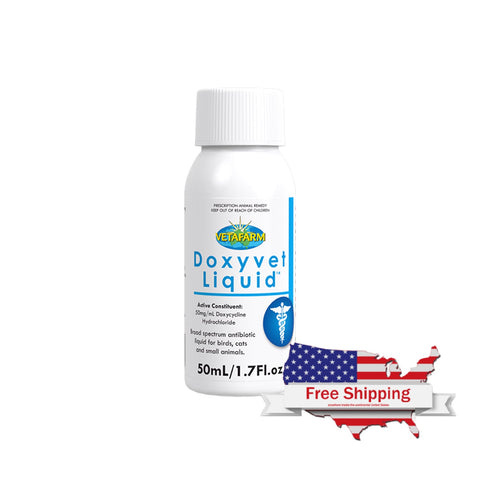
Doxycycline 20% Powder at BirdAntibiotic.com
Doxycycline 20% for Birds is currently available from BirdAntibiotic.com.
Product profile:
- Active ingredient: Doxycycline hyclate
- Concentration: 20%
- Format: Water-soluble powder
- Net weight: 100 g
- Commercial category: Bird and pigeon respiratory care
Shop Doxycycline 20% for Birds
A strong commercial match for doxycycline, ornithosis, Chlamydia and selected bacterial respiratory searches.
When Doxycycline May Not Be the Answer
Doxycycline does not treat:
- Viruses
- Fungal infections
- Air-sac mites
- Environmental irritation
- Smoke or chemical exposure
This matters because these problems can also produce respiratory symptoms.
Explore Bird Antibiotics
Browse our Best Bird Antibiotics collection and explore bird care products organized in one convenient place.
EXPLORE PRODUCTS →Tylosin for Bird Respiratory Problems
Tylosin belongs to the:
macrolide antibiotic family.
It is especially familiar to:
- Pigeon keepers
- Aviary owners
- Bird breeders
researching:
- Mycoplasma
- CRD
- Chronic respiratory disease
- Selected bacterial respiratory problems
Why Tylosin Is Closely Associated With Mycoplasma
Mycoplasma organisms are unusual bacteria because they lack a conventional cell wall.
This means antibiotic selection matters.
Tylosin has long-standing veterinary relevance to susceptible Mycoplasma organisms.
Possible Mycoplasma-Associated Signs
Depending on species and disease severity, affected birds may show:
- Sneezing
- Watery eyes
- Nasal discharge
- Swollen sinuses
- Respiratory noise
- Reduced performance
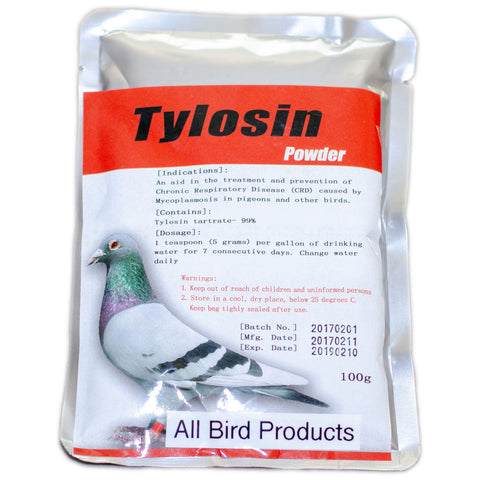
Tylosin Tartrate 99% Powder
Tylosin Powder for Pet Birds is currently available at BirdAntibiotic.com.
Product profile:
- Active ingredient: Tylosin Tartrate
- Composition: 99%
- Format: Powder
- Net weight: 100 g
- Commercial category: Pet-bird respiratory antibacterial
Shop Tylosin Tartrate 99%
A strong commercial match for pigeon Mycoplasma, CRD and tylosin respiratory-care searches.
Enrofloxacin for Bird Respiratory Problems
Enrofloxacin belongs to the:
fluoroquinolone antibacterial family.
It has a different antibacterial profile from both:
- Doxycycline
- Tylosin
and is commonly researched for:
- Selected gram-negative bacterial infections
- Some gram-positive organisms
- Respiratory bacterial disease
- Systemic bacterial illness
- E. coli
- Salmonella
- Pasteurella
- Selected Mycoplasma-associated disease
Where Enrofloxacin Fits Best
Enrofloxacin becomes particularly relevant when the respiratory problem appears to be part of a broader bacterial illness.
For example:
- Respiratory signs + severe lethargy
- Respiratory signs + abnormal droppings
- Respiratory signs + systemic bacterial signs
- Confirmed susceptible bacterial infection
Is Enrofloxacin Better Than Doxycycline?
No antibiotic is universally better.
Doxycycline has particularly strong importance when:
Chlamydia psittaci is involved.
Enrofloxacin has a different antibacterial spectrum and may be selected for other susceptible organisms.
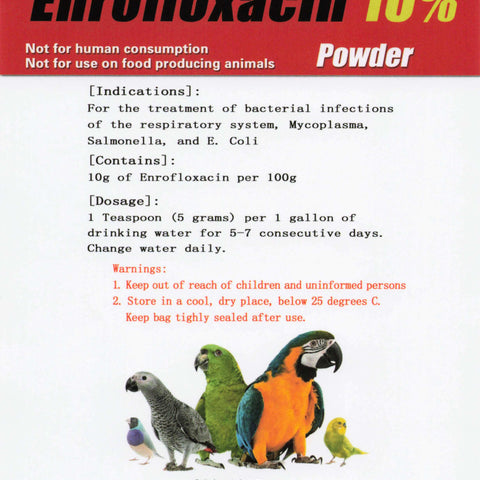
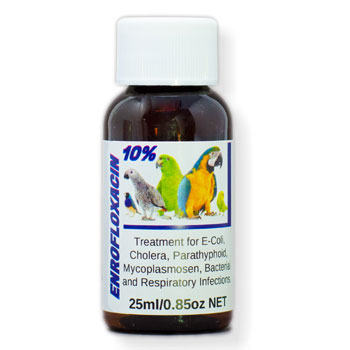
Enrofloxacin 10% Powder
Enrofloxacin 10% Powder is available from BirdAntibiotic.com.
Product profile:
- Active ingredient: Enrofloxacin
- Strength: 10%
- Format: Powder
- Net weight: 100 g
Enrofloxacin 10% Oral Solution
BirdAntibiotic.com also carries:
Enrofloxacin 10% Oral Solution.
The current liquid formulation is:
- Enrofloxacin 10%
- Equivalent to 100 mg/mL
- Available in liquid formats
Explore Enrofloxacin 10%
Compare Enrofloxacin 10% powder and oral-solution formats for pet-bird antibacterial care.
Explore Bird Antibiotics
Browse our Best Bird Antibiotics collection and explore bird care products organized in one convenient place.
EXPLORE PRODUCTS →Doxycycline vs Enrofloxacin vs Tylosin: Direct Comparison
| Ingredient | Antibiotic Class | Strongest Avian Search Relevance | BirdAntibiotic Product |
|---|---|---|---|
| Doxycycline | Tetracycline | Chlamydia, ornithosis, selected Mycoplasma and bacterial respiratory disease | Doxycycline 20% Powder |
| Tylosin | Macrolide | Mycoplasma, CRD and selected susceptible respiratory bacteria | Tylosin Tartrate 99% Powder |
| Enrofloxacin | Fluoroquinolone | Broader susceptible bacterial infections including selected respiratory and systemic disease | Enrofloxacin 10% Powder / Oral Solution |
Doxycycline vs Tylosin
This is one of the most common pigeon respiratory comparisons.
Doxycycline Is Especially Relevant for:
- Ornithosis
- Chlamydia psittaci
- Selected Mycoplasma infections
- Tetracycline-susceptible respiratory bacteria
Tylosin Is Especially Relevant for:
- Mycoplasma
- CRD-type respiratory disease
- Selected macrolide-susceptible organisms
Which Is Better?
The correct answer depends on the target organism.
If Chlamydia is the major concern, doxycycline has a particularly strong evidence base.
If the primary concern is a susceptible Mycoplasma respiratory problem, tylosin may have stronger relevance.
Doxycycline vs Enrofloxacin
These ingredients have substantially different antibacterial profiles.
Doxycycline
Particularly important for:
- Chlamydial respiratory disease
- Selected Mycoplasma disease
- Other susceptible bacteria
Enrofloxacin
Often considered for:
- Broader susceptible bacterial disease
- Gram-negative organisms
- Respiratory + systemic infection patterns
Tylosin vs Enrofloxacin
Tylosin has strong commercial and veterinary association with:
Mycoplasma and CRD.
Enrofloxacin has broader search relevance to:
systemic and gram-negative bacterial disease.
The correct product depends on what organism is actually involved.
What About Doxy-Tyl?
Doxy-Tyl Powder combines:
- Doxycycline 20%
- Tylosin 40%
in a:
100 g powder format.
Why Combine Doxycycline + Tylosin?
The rationale is not simply:
“two antibiotics are stronger.”
They belong to different antimicrobial classes and have different target profiles.
Doxy-Tyl therefore attracts strong search intent around:
- Pigeon respiratory problems
- Mycoplasma
- Ornithosis
- Doxycycline + tylosin
- Combination respiratory products
Compare Doxy-Tyl Powder
Doxy-Tyl combines Doxycycline 20% + Tylosin 40% in one 100 g respiratory powder.
Doxycycline vs Doxy-Tyl
The distinction is simple.
Doxycycline 20%
Single active antibacterial ingredient:
Doxycycline.
Doxy-Tyl
Two antibacterial ingredients:
- Doxycycline
- Tylosin
The combination is most relevant when both antimicrobial classes have a clear role in the treatment strategy.
Explore Bird Antibiotics
Browse our Best Bird Antibiotics collection and explore bird care products organized in one convenient place.
EXPLORE PRODUCTS →Why More Antibiotics Are Not Automatically Better
Adding multiple respiratory antibiotics together can make a treatment program more complicated without addressing the actual cause.
If the bird has:
- A viral infection
- Aspergillosis
- Air-sac mites
- Smoke irritation
- Another nonbacterial problem
adding doxycycline, enrofloxacin and tylosin together does not solve the underlying disease.
Air-Sac Mites Can Look Like Respiratory Infection
This is especially important in:
- Canaries
- Gouldian finches
- Other susceptible small birds
Signs may include:
- Clicking
- Sneezing
- Open-mouth breathing
- Voice changes
- Respiratory effort
An antibacterial product does not treat a mite infestation.
Fungal Disease Can Also Mimic Bacterial Respiratory Disease
Aspergillosis can produce:
- Breathing difficulty
- Voice changes
- Exercise intolerance
- Weight loss
- Respiratory noise
Doxycycline, tylosin and enrofloxacin do not treat fungal disease.
Environmental Respiratory Irritation
Respiratory symptoms may also result from exposure to:
- Smoke
- Cooking fumes
- Aerosols
- Strong fragrances
- Dust
- Poor ventilation
Medication should not replace removal of an environmental irritant.
Which Respiratory Pattern Points More Toward Doxycycline?
Doxycycline becomes especially relevant when the history and testing support:
- Chlamydia
- Ornithosis
- Psittacosis
- Selected Mycoplasma disease
Which Pattern Points More Toward Tylosin?
Tylosin becomes especially relevant when:
- Mycoplasma is suspected or identified
- The respiratory syndrome resembles CRD
- Pigeon or aviary respiratory disease is being managed
Which Pattern Points More Toward Enrofloxacin?
Enrofloxacin may have stronger relevance when:
- The infection is broader than an isolated upper-airway problem
- Gram-negative bacterial disease is suspected
- Systemic bacterial signs are present
- Culture indicates susceptibility
Respiratory Signs Alone Cannot Identify the Bacterium
For example:
sneezing + watery eye
can occur with several different conditions.
Likewise:
tail bobbing + respiratory noise
does not tell you whether the cause is:
- Chlamydia
- Mycoplasma
- Another bacterium
- Fungus
- Mites
- Environmental irritation
How Bird Respiratory Disease Can Be Investigated
Depending on the situation, an avian respiratory workup may involve:
- Physical examination
- Body weight
- Oral and choanal examination
- Choanal swab
- Conjunctival swab
- PCR testing
- Bacterial culture
- Antimicrobial susceptibility testing
- Imaging
Why Culture and Susceptibility Matter
Bacterial culture can help answer:
What organism is present?
Susceptibility testing can help answer:
Which antibacterial ingredients are most likely to work against it?
Drinking-Water Medication Considerations
Several bird respiratory products are available in water-soluble formats.
When a drinking-water medication is being used:
- Follow the specific product directions
- Prepare fresh solution as directed
- Keep drinkers clean
- Monitor actual water consumption
A sick bird that drinks much less than normal may receive less medication than expected through water.
Budgies
Budgie respiratory signs may include:
- Sneezing
- Tail bobbing
- Nasal discharge
- Reduced activity
Chlamydial disease is one important differential in budgerigars.
Cockatiels
Cockatiels are particularly important in discussions of:
- Chlamydia psittaci
- Mycoplasma-associated sinus disease
Doxycycline therefore appears frequently in cockatiel respiratory searches.
Pigeons
Pigeon respiratory disease may involve:
- Chlamydia
- Mycoplasma
- Other bacteria
- Mixed respiratory infections
- Environmental factors
This is why pigeon owners commonly compare:
- Doxycycline
- Tylosin
- Doxy-Tyl
- Enrofloxacin
Canaries and Finches
Respiratory clicking in small passerines should always raise another differential:
air-sac mites.
Do not assume every clicking canary needs an antibiotic.
Parrots
Larger parrots may show respiratory disease through:
- Voice change
- Reduced speech
- Tail bobbing
- Nasal discharge
- Exercise intolerance
- Open-mouth breathing
Explore Bird Antibiotics
Browse our Best Bird Antibiotics collection and explore bird care products organized in one convenient place.
EXPLORE PRODUCTS →Frequently Asked Questions
Is doxycycline or enrofloxacin better for bird respiratory infections?
Neither is universally better. Doxycycline has particularly strong relevance to Chlamydia and selected Mycoplasma disease, while enrofloxacin covers a different susceptible bacterial profile.
Is doxycycline or Baytril better for birds?
Baytril is a familiar brand name associated with enrofloxacin. Doxycycline and enrofloxacin belong to different antibiotic classes and are selected for different bacterial targets.
Is tylosin or doxycycline better for pigeon respiratory disease?
Doxycycline is particularly important when Chlamydia or ornithosis is involved. Tylosin is strongly associated with susceptible Mycoplasma and CRD-type respiratory disease.
What is doxycycline used for in birds?
Doxycycline is a tetracycline-class antibacterial commonly used in avian medicine for Chlamydia and selected susceptible bacterial respiratory infections.
What is tylosin used for in birds?
Tylosin is a macrolide antibiotic commonly researched for Mycoplasma and chronic respiratory disease.
What is enrofloxacin used for in birds?
Enrofloxacin is a fluoroquinolone antibacterial used against selected susceptible bacterial respiratory and systemic infections.
Is Baytril the same as enrofloxacin?
Baytril is a well-known veterinary brand associated with the active ingredient enrofloxacin.
What is Doxy-Tyl?
Doxy-Tyl is a combination product containing doxycycline and tylosin.
What is in BirdAntibiotic Doxy-Tyl?
The current 100 g Doxy-Tyl product contains Doxycycline 20% and Tylosin 40%.
Is Doxy-Tyl stronger than doxycycline alone?
It contains two antimicrobial classes rather than one, but that does not automatically make it the correct choice. The combination should match the respiratory problem being treated.
Can doxycycline treat Mycoplasma in birds?
Doxycycline has activity against selected Mycoplasma organisms and is commonly considered in avian Mycoplasma disease.
Can tylosin treat Mycoplasma?
Tylosin is one of the antibiotic ingredients most strongly associated with susceptible Mycoplasma respiratory disease.
Can enrofloxacin treat Mycoplasma?
Enrofloxacin may have activity against selected Mycoplasma organisms, but susceptibility and the overall respiratory diagnosis matter.
Which antibiotic is best for bird Chlamydia?
Doxycycline has the strongest established role and is considered the treatment of choice for avian Chlamydia.
Which antibiotic is best for ornithosis in pigeons?
Doxycycline is especially important because ornithosis commonly refers to Chlamydia-associated disease.
Which bird antibiotic is best for CRD?
CRD is often associated with Mycoplasma-type respiratory disease, making tylosin and doxycycline common search targets. The actual organism should guide selection.
Can I combine doxycycline and tylosin?
Combination products such as Doxy-Tyl exist, but combination therapy should have a clear treatment rationale.
Can I combine doxycycline, tylosin and enrofloxacin?
Do not automatically stack multiple antibiotics simply to cover more organisms. Reassess the diagnosis and bacterial target first.
Does doxycycline treat air-sac mites?
No. Air-sac mites are parasites rather than bacteria.
Does tylosin treat fungal respiratory disease?
No. Tylosin is antibacterial.
Does enrofloxacin treat Aspergillus?
No. Aspergillus is fungal and requires a different treatment category.
Why is my bird sneezing despite antibiotics?
The underlying cause may not be susceptible bacteria. Other possibilities include mites, fungal disease, environmental irritation or a different bacterial organism.
Why is my bird tail bobbing?
Pronounced tail bobbing synchronized with breathing may indicate increased respiratory effort and deserves attention.
Is open-mouth breathing an emergency?
Persistent open-mouth breathing at rest can indicate serious respiratory distress and warrants prompt assessment.
Can a bird respiratory infection cause appetite loss?
Yes. Respiratory and systemic bacterial disease can reduce appetite and activity.
Can respiratory disease cause watery eyes?
Yes. Some upper respiratory and sinus diseases can cause eye and nasal discharge.
What tests can identify bird respiratory infections?
Depending on the case, testing can include PCR, swabs, bacterial culture and antimicrobial susceptibility testing.
Why should a bird respiratory infection be diagnosed before choosing antibiotics?
Because very similar respiratory signs can result from different bacteria as well as fungal, parasitic, viral and environmental causes.
The Professional Comparison Framework
Doxycycline: strongest relevance to Chlamydia / ornithosis and selected Mycoplasma disease.
Tylosin: strongest relevance to Mycoplasma / CRD-type respiratory disease.
Enrofloxacin: broader susceptible bacterial profile, including selected gram-negative and systemic bacterial disease.
Doxy-Tyl: combination option when both doxycycline and tylosin have a reason to be included.
Compare Bird Respiratory Antibiotics
BirdAntibiotic.com carries doxycycline, tylosin, enrofloxacin and combination respiratory products for pigeons, parrots and other pet birds.
Shop Doxycycline Shop Tylosin Shop Enrofloxacin Shop Doxy-Tyl
Explore Our Best Bird Antibiotics
Browse the complete Bird Antibiotics collection and explore available bird care products in one convenient place.
EXPLORE PRODUCTS →The Most Important Rule
Do not choose a bird respiratory antibiotic simply because one product sounds stronger than another.
Doxycycline, tylosin and enrofloxacin have:
- Different antibiotic classes
- Different antibacterial profiles
- Different strongest-use contexts
The better question is:
What organism or disease pattern are you trying to treat?
For Chlamydia-type disease, doxycycline has especially strong relevance.
For Mycoplasma/CRD searches, tylosin becomes highly relevant.
For broader susceptible bacterial and systemic infection profiles, enrofloxacin may become more relevant.
Match the ingredient to the respiratory problem instead of treating every sneeze, wheeze or tail bob as the same disease.
Recommended Products
Products selected to complement this guide.


Shop Related Products
Explore the products featured for this topic.


