 Help & Contact
 Track order












Bird Antibiotics by Active Ingredient: Amoxicillin, Doxycycline, Azithromycin & More
Bird Antibiotics by Active Ingredient: Amoxicillin, Doxycycline, Azithromycin & More
Two bird medications can both be called antibiotics and still be very different products.
One may contain:
Amoxicillin.
Another:
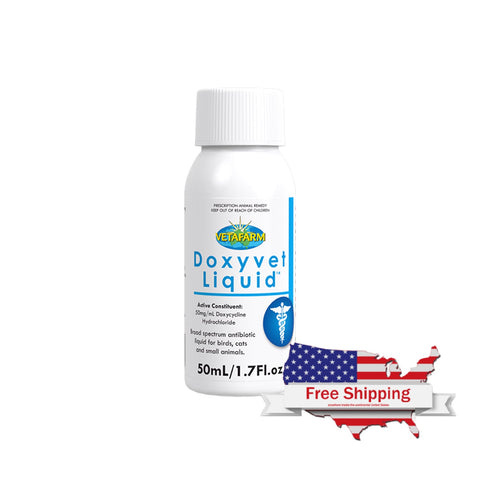
Doxycycline.
Another:
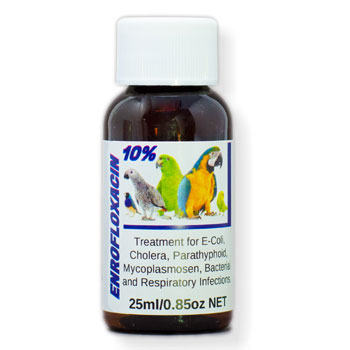
Enrofloxacin.
Another:
Tylosin.
These active ingredients belong to different antimicrobial classes and are commonly selected for different bacterial disease patterns.
This is why choosing bird medicine by brand name alone can be confusing.
A much better way to compare products is:
by active ingredient.
This guide covers the major ingredients bird owners frequently research:
- Amoxicillin
- Doxycycline
- Azithromycin
- Enrofloxacin
- Tylosin
- Metronidazole
- Sulfamethoxazole / Trimethoprim
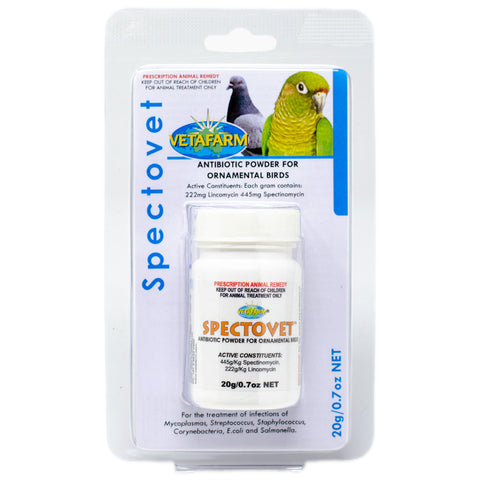
- Combination products
and explains how each fits into the broader BirdAntibiotic.com bird-health range.
Bird Antibiotics by Ingredient: Quick Comparison
Amoxicillin: broad antibacterial ingredient commonly researched for susceptible intestinal, respiratory and systemic bacterial problems.
Doxycycline: tetracycline antibiotic especially important in avian respiratory medicine and Chlamydia-related disease.
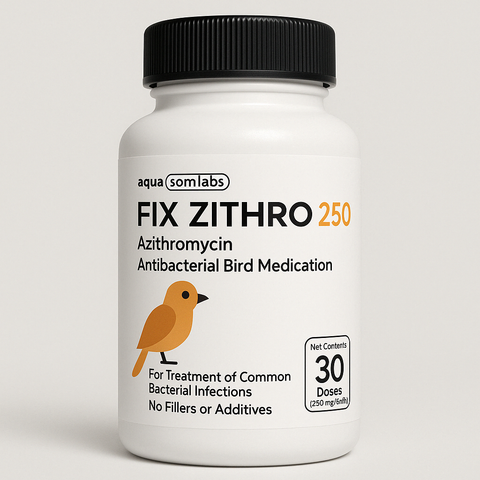
Azithromycin: macrolide antibiotic used in selected avian bacterial conditions.
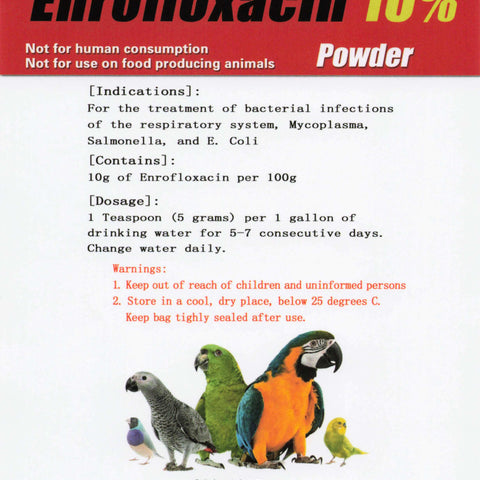
Enrofloxacin: broad-spectrum fluoroquinolone commonly researched for respiratory, gastrointestinal and systemic bacterial infections.
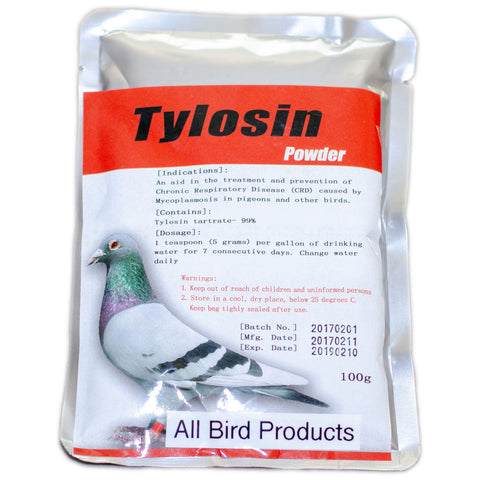
Tylosin: macrolide antibiotic strongly associated with Mycoplasma and chronic respiratory disease in birds.
Metronidazole: antimicrobial/antiprotozoal ingredient particularly associated with Trichomonas canker and selected anaerobic or protozoal problems.
SMZ-TMP: sulfamethoxazole plus trimethoprim combination used for selected bacterial infections.
The active ingredient matters because different bird diseases respond to different medication classes.
Explore Bird Antibiotics
Browse our Best Bird Antibiotics collection and explore bird care products organized in one convenient place.
EXPLORE PRODUCTS →What Are Bird Antibiotics?
Bird antibiotics are antibacterial medications used when a susceptible bacterial organism is involved in disease.
They may be available as:
- Powders
- Tablets
- Capsules
- Oral liquids
- Combination formulas
BirdAntibiotic.com currently carries numerous active ingredients and formats for:
- Pet birds
- Pigeons
- Parrots
- Budgies
- Cockatiels
- Canaries
- Finches
- Other aviary birds
Why Compare Antibiotics by Active Ingredient?
The ingredient tells you much more than the front product name.
It helps identify:
- The medication class
- The bacterial spectrum
- The health problems commonly associated with the ingredient
- Whether a product is single-ingredient or combination therapy

Bird Antibiotic Comparison Table
| Active Ingredient | Medication Class | Common Avian Search Intent | BirdAntibiotic.com Example |
|---|---|---|---|
| Amoxicillin | Penicillin-type antibacterial | E. coli, enteric disease, respiratory bacterial disease | Amoxicillin 10% / 25% Powder |
| Doxycycline | Tetracycline | Respiratory disease, Chlamydia, ornithosis, psittacosis | Doxycycline 20% Powder |
| Azithromycin | Macrolide | Selected respiratory and bacterial infections | Azithromycin-based bird-care options where available |
| Enrofloxacin | Fluoroquinolone | Respiratory, gastrointestinal and systemic bacterial disease | Enrofloxacin / Baytril products |
| Tylosin | Macrolide | Mycoplasma, CRD, respiratory disease | Tylosin Tartrate 99% |
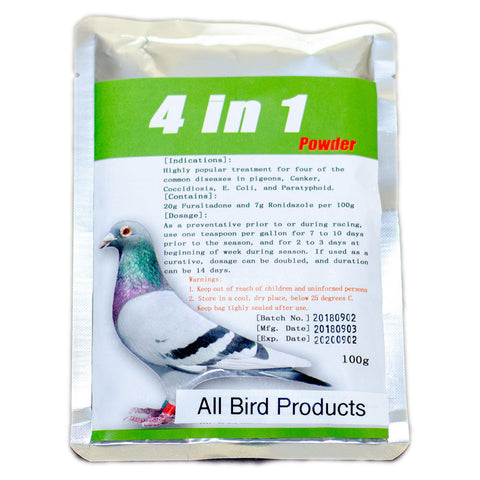
| Metronidazole | Antimicrobial / antiprotozoal | Canker, Trichomonas and selected anaerobic/protozoal problems | Metronidazole 20% Powder |
| SMZ-TMP | Sulfonamide + trimethoprim combination | Selected bacterial infections | Bird Sulfa / SMZ-TMP products |
Explore Bird Antibiotics
Browse our Best Bird Antibiotics collection and explore bird care products organized in one convenient place.
EXPLORE PRODUCTS →1. Amoxicillin for Birds
Amoxicillin is one of the most familiar antibiotic names searched by bird owners.
It belongs to the penicillin family of antibacterial medications.
BirdAntibiotic.com currently carries a dedicated:
Amoxicillin for Birds collection.
What Is Amoxicillin Commonly Researched for in Birds?
Commercial and avian-care searches commonly associate amoxicillin with:
- E. coli
- Enteritis
- Intestinal bacterial disease
- Respiratory bacterial infections
- Paratyphoid / Salmonella-related bacterial concerns
BirdAntibiotic.com Amoxicillin Options
The current collection includes products such as:
- Amoxicillin 10% Powder
- Amoxicillin 25% Powder
- Additional amoxicillin powder formats
Shop Amoxicillin for Birds
Compare BirdAntibiotic.com amoxicillin powder options for pigeons, parrots, cage birds and other pet birds.
Amoxicillin 10% vs Amoxicillin 25%
The main difference is:
concentration.
A 25% powder contains a higher proportion of active ingredient than a 10% powder.
They should not be treated as interchangeable scoop-for-scoop products.
Always compare:
- Concentration
- Product directions
- Formulation
- Package size
2. Doxycycline for Birds
Doxycycline is one of the most important avian respiratory antibiotics.
It belongs to the tetracycline class.
Doxycycline Is Strongly Associated With Avian Chlamydial Disease
Current avian veterinary references identify doxycycline as a primary antimicrobial used in the management of Chlamydia psittaci.
This organism is associated with:
- Psittacosis
- Ornithosis
- Respiratory disease
- Ocular discharge
- Nasal discharge
- Appetite loss
- Greenish droppings in some cases
Doxycycline Is Also Commonly Researched for:
- Respiratory bacterial infections
- Mycoplasma-associated disease
- Pigeon respiratory disease
- Bird respiratory support
BirdAntibiotic.com Doxycycline 20%
Doxycycline 20% for Birds is currently available from BirdAntibiotic.com.
The product contains:
Doxycycline hyclate 200 mg/g.
Shop Doxycycline for Birds
Explore doxycycline powder products for pigeons, cage birds, parrots and other pet birds.
3. Azithromycin for Birds
Azithromycin is a macrolide antimicrobial.
It is researched in avian medicine for selected bacterial and respiratory conditions.
Veterinary references list azithromycin among antimicrobial ingredients that may be used in pet birds in appropriate situations.
Azithromycin vs Doxycycline
These are different antimicrobial classes.
Doxycycline is a:
tetracycline.
Azithromycin is a:
macrolide.
The most appropriate ingredient depends on:
- The suspected organism
- The bird species
- The disease pattern
- Diagnostic findings
Explore Bird Antibiotics
Browse our Best Bird Antibiotics collection and explore bird care products organized in one convenient place.
EXPLORE PRODUCTS →4. Enrofloxacin for Birds
Enrofloxacin is one of the most frequently searched broad-spectrum avian antibacterial ingredients.
Bird owners may also recognize it through the:
Baytril
product family.
What Is Enrofloxacin Commonly Researched for?
- Respiratory bacterial infection
- E. coli
- Salmonella-related disease
- Pasteurella
- Selected Mycoplasma-associated disease
- Gastrointestinal bacterial disease
- Systemic bacterial infection
BirdAntibiotic.com Enrofloxacin Products
The current Bird Antibiotics catalog includes several enrofloxacin formats, including:
- Enrofloxacin 10% Powder
- Enrofloxacin 10% Oral Solution
- Baytril 10% Oral Solution
- Baytril 2.5% Oral Solution
10% vs 2.5% Enrofloxacin
The concentration difference matters.
10% = 100 mg/mL.
2.5% = 25 mg/mL.
This means the 10% solution is four times as concentrated as a 2.5% solution.
Do not treat the two formulations as equivalent volumes.
Explore Enrofloxacin & Baytril for Birds
Compare BirdAntibiotic.com enrofloxacin powder and oral-solution products by concentration and format.
5. Tylosin for Birds
Tylosin is another macrolide antimicrobial widely associated with avian respiratory medicine.
It is particularly well known among:
- Pigeon breeders
- Aviary keepers
- Poultry keepers
Tylosin and Mycoplasma
Tylosin is strongly associated with:
- Mycoplasma-related respiratory disease
- Chronic respiratory disease
- Sinus problems
- Sneezing
- Nasal discharge
- Respiratory noise
Tylosin Tartrate 99%
Tylosin Powder for Pet Birds contains:
Tylosin Tartrate 99%
in a 100 g powder format.
Shop Tylosin for Birds
Compare tylosin products for pigeons, cage birds, parrots, canaries, finches and other pet birds.
Doxycycline vs Tylosin for Bird Respiratory Problems
This is one of the most common commercial comparisons.
Doxycycline is especially prominent in searches involving:
- Chlamydia
- Ornithosis
- Psittacosis
- Broad respiratory bacterial disease
Tylosin is especially associated with:
- Mycoplasma
- CRD
- Chronic respiratory problems
The visible symptom alone—such as sneezing—does not reliably distinguish the organism involved.
Explore Bird Antibiotics
Browse our Best Bird Antibiotics collection and explore bird care products organized in one convenient place.
EXPLORE PRODUCTS →6. Metronidazole for Birds
Metronidazole occupies a different place in bird medicine from conventional broad-spectrum antibacterial products.
It has antimicrobial activity against selected anaerobic organisms and important antiprotozoal activity.
Metronidazole and Pigeon Canker
Its strongest commercial association in birds is:
Trichomonas canker.
Canker may produce:
- Yellow-white oral lesions
- Difficulty swallowing
- Repeated swallowing
- Regurgitation
- Weight loss
- Reduced appetite
Metronidazole 20% Powder
Metronidazole 20% Powder is currently available through BirdAntibiotic.com.
It is particularly relevant to pigeon and cage-bird owners researching canker and Trichomonas support.
Explore Metronidazole for Birds
View Metronidazole 20% Powder for pigeon and pet-bird Trichomonas/canker care.
7. Sulfamethoxazole / Trimethoprim for Birds
Another important antimicrobial combination is:
Sulfamethoxazole + Trimethoprim
often abbreviated:
SMZ-TMP
or
TMP-SMX.
Why Combine Sulfamethoxazole and Trimethoprim?
The two ingredients work at different points in bacterial folate metabolism.
The combination is therefore commonly used as one antibacterial product rather than treating the ingredients as separate medications.
Common Search Terms
- SMZ-TMP for birds
- Bird Sulfa
- Sulfamethoxazole trimethoprim birds
- Sulfa antibiotic birds
8. Doxy-Tyl — Doxycycline + Tylosin
Combination products can be particularly attractive commercially because they place two familiar respiratory ingredients into one formulation.
Doxy-Tyl Powder contains:
- Tylosin 40%
- Doxycycline 20%
in a 100 g powder format.
Why Bird Owners Search for Doxy-Tyl
The product combines two active ingredients heavily associated with avian respiratory care:
- Doxycycline
- Tylosin
Explore Doxy-Tyl Powder
Compare a dual-ingredient doxycycline + tylosin powder for organized pet-bird respiratory-care programs.
9. Amtyl — Amoxicillin + Tylosin
Another combination found in the BirdAntibiotic.com catalog is:
Amtyl.
It combines:
- Amoxicillin
- Tylosin
giving bird owners another combination option where both a broad antibacterial ingredient and a respiratory-focused macrolide are desired within one formulation.
Single-Ingredient vs Combination Bird Antibiotics
| Format | Main Advantage | Important Consideration |
|---|---|---|
| Single ingredient | Clear ingredient selection | Must match the organism and condition appropriately |
| Combination product | Provides two or more targeted ingredients in one formula | More ingredients do not automatically mean a better match for every disease |
Explore Bird Antibiotics
Browse our Best Bird Antibiotics collection and explore bird care products organized in one convenient place.
EXPLORE PRODUCTS →Which Bird Antibiotic Is Best for Respiratory Infection?
There is no universal answer.
“Bird respiratory infection” can involve different organisms and even nonbacterial causes.
Common ingredient searches include:
- Doxycycline
- Tylosin
- Enrofloxacin
- Azithromycin
- Amoxicillin
The most appropriate option depends on the disease pattern and suspected organism.
When Doxycycline Is Especially Relevant
Doxycycline has particularly strong relevance when the differential includes:
- Chlamydia
- Ornithosis
- Psittacosis
and is one of the most established antimicrobial ingredients in avian respiratory medicine.
When Tylosin Is Especially Relevant
Tylosin has particularly strong commercial relevance when owners are searching for:
- Mycoplasma treatment
- CRD treatment
- Pigeon respiratory medicine
When Enrofloxacin Is Commonly Researched
Enrofloxacin is commonly considered when owners are researching:
- Broad bacterial respiratory disease
- Gastrointestinal bacterial disease
- Systemic bacterial infection
Which Bird Antibiotic Is Best for E. coli?
Bird owners commonly search broad-spectrum ingredients such as:
- Amoxicillin
- Enrofloxacin
- SMZ-TMP
when researching bacterial intestinal or systemic disease.
The actual susceptibility of the organism remains important.
Which Bird Antibiotic Is Used for Pigeon Canker?
Canker requires a different medication category because:
Trichomonas is a protozoan parasite rather than a conventional bacterium.
Metronidazole is one of the major ingredients pigeon owners associate with canker treatment.
Can Antibiotics Treat Mites?
No.
Mites are parasites.
They require antiparasitic treatment rather than antibacterial medication.
Can Antibiotics Treat Coccidiosis?
Coccidia are protozoan parasites.
BirdAntibiotic.com carries targeted anticoccidial products separately from conventional bird-antibiotic categories.
Can Antibiotics Treat Fungal Disease?
No.
Fungal and yeast disease require antifungal treatment.
Examples include:
- Candida
- Aspergillus-associated disease
Why Diagnosis Matters Before Comparing Products
Several very different diseases can create similar symptoms.
For example, a bird that is:
- Sneezing
- Wheezing
- Tail bobbing
- Eating less
could have:
- Bacterial respiratory disease
- Chlamydial disease
- Mycoplasma-associated disease
- Fungal disease
- Respiratory mites
- Environmental irritation
Bird Antibiotics for Pigeons
Pigeon owners frequently search antibiotics for:
- Respiratory disease
- Paratyphoid
- E. coli
- Mycoplasma
- Other bacterial disease
BirdAntibiotic.com has a dedicated:
containing multiple ingredient families.
Bird Antibiotics for Parrots
Parrot owners frequently research:
- Doxycycline
- Amoxicillin
- Enrofloxacin
- Azithromycin
especially when investigating respiratory, intestinal or systemic bacterial conditions.
Bird Antibiotics for Budgies and Cockatiels
Budgies and cockatiels commonly generate searches around:
- Respiratory infection
- Chlamydia
- Eye and nasal discharge
- Sneezing
- Tail bobbing
Doxycycline is particularly important in the Chlamydia-related branch of these searches.
Bird Antibiotics for Canaries and Finches
Small passerines may develop respiratory signs from:
- Bacterial infection
- Mycoplasma-associated disease
- Air-sac mites
- Other causes
This is why respiratory clicking in a canary or finch should not automatically be treated as bacterial disease.
Powder vs Oral Solution
Powder Products
Powders are popular with:
- Aviaries
- Lofts
- Multi-bird households
because they can be convenient for organized flock-care programs when used according to product directions.
Oral Solutions
Liquid products can offer:
- Clearly labeled concentration
- Measured administration
- Individual-bird flexibility
Do Not Compare Different Concentrations as If They Are the Same Product
This is especially important with ingredients such as:
- Enrofloxacin
- Amoxicillin
- Doxycycline
A different percentage means a different concentration.
Bird Antibiotics and Digestive Recovery
After an appropriate antimicrobial program, digestive support may be useful.
BirdAntibiotic.com carries:
- Probiotics
- Electrolytes
- Vitamins
- Recovery products
through its Bird Medications & Supplements collection.
Frequently Asked Questions About Bird Antibiotics
What antibiotics are commonly used for birds?
Commonly researched active ingredients include amoxicillin, doxycycline, azithromycin, enrofloxacin, tylosin and sulfamethoxazole/trimethoprim.
What is the best antibiotic for birds?
There is no single best antibiotic for every bird infection. Selection depends on the organism, body system involved, species and disease pattern.
What is amoxicillin used for in birds?
Amoxicillin is commonly researched for susceptible bacterial respiratory, intestinal and systemic infections.
What is doxycycline used for in birds?
Doxycycline is strongly associated with respiratory bacterial disease and is especially important in avian Chlamydia-related disease.
What is azithromycin used for in birds?
Azithromycin is a macrolide antimicrobial used in selected avian bacterial and respiratory conditions.
What is enrofloxacin used for in birds?
Enrofloxacin is commonly researched for broad respiratory, gastrointestinal and systemic bacterial infections.
What is Baytril?
Baytril is a familiar product name associated with the active ingredient enrofloxacin.
What is tylosin used for in birds?
Tylosin is especially associated with Mycoplasma and chronic respiratory disease.
What is metronidazole used for in pigeons?
Metronidazole is strongly associated with Trichomonas canker and selected anaerobic or protozoal conditions.
What is SMZ-TMP?
SMZ-TMP combines sulfamethoxazole with trimethoprim in one antibacterial formulation.
Is doxycycline the same as tylosin?
No. Doxycycline is a tetracycline; tylosin is a macrolide.
Is Baytril the same as doxycycline?
No. Baytril contains enrofloxacin, which belongs to a different antimicrobial class from doxycycline.
Is amoxicillin the same as doxycycline?
No. Amoxicillin is a penicillin-type antibacterial, while doxycycline is a tetracycline.
What is Doxy-Tyl?
Doxy-Tyl is a combination powder containing doxycycline and tylosin.
What is Amtyl?
Amtyl combines amoxicillin with tylosin in one bird-care formulation.
Which antibiotic is commonly researched for bird respiratory infection?
Doxycycline, tylosin, enrofloxacin, azithromycin and amoxicillin all appear in respiratory-disease searches, but they are not interchangeable.
Which bird antibiotic is associated with Mycoplasma?
Tylosin is one of the strongest Mycoplasma-associated commercial search terms, with doxycycline also appearing in broader respiratory programs.
Which bird antibiotic is associated with Chlamydia?
Doxycycline is particularly important in avian Chlamydia management.
Which medication is associated with pigeon canker?
Metronidazole is one of the major ingredients associated with Trichomonas canker.
Can antibiotics treat bird mites?
No. Mites require antiparasitic products.
Can antibiotics treat coccidia?
Conventional antibacterial drugs are not the same as targeted anticoccidial products.
Can antibiotics treat yeast?
No. Yeast conditions require antifungal therapy.
Can the same bird symptom require different medications?
Yes. Sneezing, for example, can result from several bacterial, parasitic, fungal or environmental causes.
Is a higher-concentration antibiotic automatically better?
No. Concentration simply describes how much active ingredient is present. The appropriate product depends on the treatment plan.
What is the difference between Enrofloxacin 10% and 2.5%?
Enrofloxacin 10% contains 100 mg/mL, while 2.5% contains 25 mg/mL, making the 10% formulation four times as concentrated.
Why do bird owners use powder antibiotics?
Powder products are convenient for organized aviary and loft care and may be prepared according to the product's specific directions.
Why choose an oral solution?
Liquid formulations provide a clearly labeled concentration and can be useful when measured individual administration is preferred.
Should several antibiotics be combined automatically?
No. More ingredients do not automatically produce a better treatment. The medication should match the suspected bacterial problem.
What should I check before choosing bird medicine?
Consider the bird species, symptoms, body system involved, diagnostic findings, active ingredient, concentration and product format.
Where can I compare bird antibiotics by ingredient?
BirdAntibiotic.com organizes amoxicillin, doxycycline, enrofloxacin, tylosin and other avian medication families across its Bird Antibiotics and ingredient-specific collections.
The Professional Bird-Antibiotic Selection Framework
Step 1 — Identify the main body system involved.
Step 2 — Separate bacterial disease from parasites, fungi and noninfectious causes.
Step 3 — Compare active ingredients rather than only product names.
Step 4 — Check the medication class.
Step 5 — Check the exact concentration.
Step 6 — Compare powder, tablet and liquid formats.
Step 7 — Match respiratory products to the suspected organism.
Step 8 — Use canker products for the appropriate protozoal condition rather than as general antibiotics.
Step 9 — Avoid assuming combination products are always superior.
Step 10 — Support recovery with nutrition, hydration and digestive care where appropriate.
Shop Bird Antibiotics by Active Ingredient
Compare amoxicillin, doxycycline, enrofloxacin, tylosin, combination respiratory powders and other bird medication options available from BirdAntibiotic.com.
The Most Important Rule When Comparing Bird Antibiotics
Do not choose medication because two products both contain the word:
“antibiotic.”
Compare the active ingredient.
Amoxicillin is not doxycycline.
Doxycycline is not tylosin.
Tylosin is not enrofloxacin.
Metronidazole belongs in a very different part of avian medicine from conventional broad-spectrum antibacterial drugs.
Each product has:
- A different active ingredient
- A different antimicrobial class
- A different concentration
- A different range of common avian-care applications
The strongest bird-care strategy is to identify the actual health problem first, then compare products by active ingredient, concentration and formulation.
Recommended Products
Products selected to complement this guide.


Shop Related Products
Explore the products featured for this topic.


