 Help & Contact
 Track order









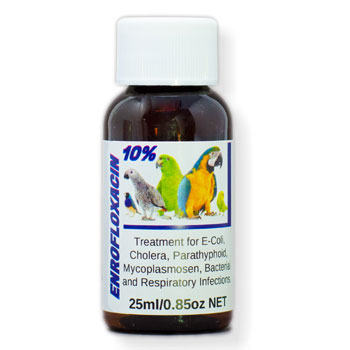

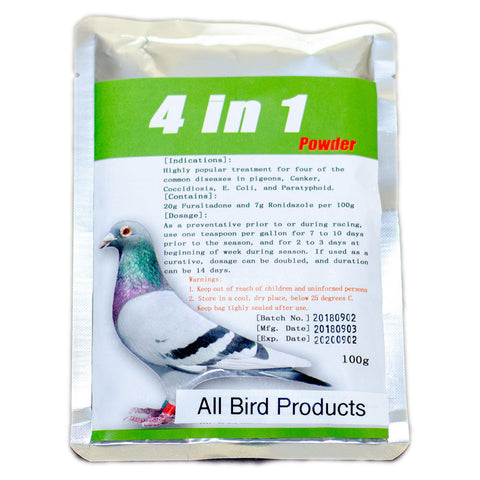
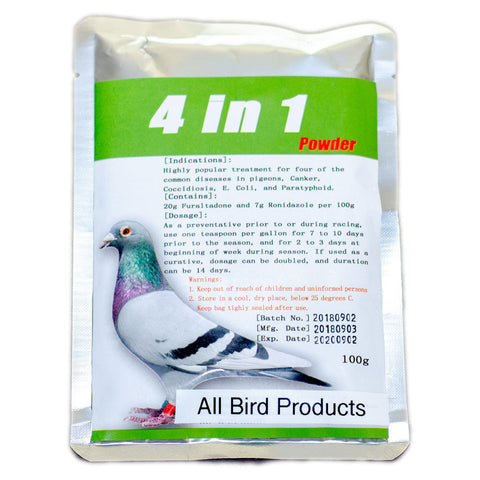
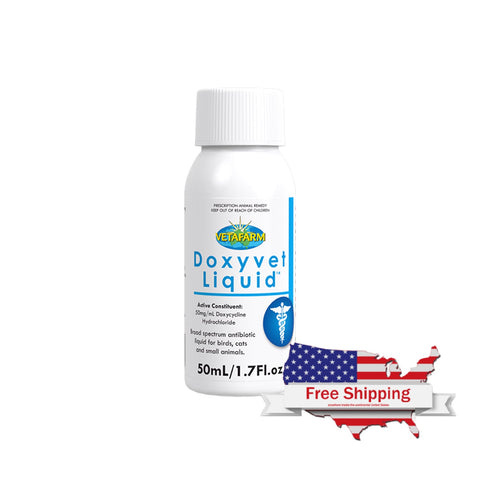


SMZ-TMP for Birds: Sulfamethoxazole/Trimethoprim Product Guide
SMZ-TMP for Birds: Sulfamethoxazole/Trimethoprim Product Guide
Bird owners researching antibiotics frequently encounter several similar terms:
- SMZ-TMP
- TMP-SMX
- Sulfamethoxazole/Trimethoprim
- Trimethoprim/Sulfa
- Bird Sulfa
- Potentiated sulfonamide
They are related—but they do not always describe exactly the same product.
SMZ-TMP specifically refers to sulfamethoxazole combined with trimethoprim.
The combination is widely known because the two active ingredients interfere with different steps in bacterial folate metabolism.
That complementary action can make the combination effective against a range of susceptible bacterial organisms.
In avian medicine, trimethoprim/sulfonamide combinations may be considered for selected:
- Digestive bacterial infections
- Systemic bacterial infections
- Respiratory-associated bacterial disease
- Other susceptible bacterial conditions
Some bird-specific trimethoprim/sulfa products are also marketed for:
- Coccidiosis
- Paratyphoid
- E. coli
- Pigeon and aviary intestinal-health programs
But the first rule is:
always confirm the actual sulfonamide listed on the product label.
A product called “Trimethoprim/Sulfa” may contain:
- Sulfamethoxazole
- Sulfaquinoxaline
- Another sulfonamide
depending on the formula.
SMZ-TMP for Birds: Quick Answer
SMZ-TMP means:
Sulfamethoxazole + Trimethoprim.
It is a potentiated sulfonamide antimicrobial combination used against selected susceptible bacterial infections.
The two ingredients block different stages of bacterial folate metabolism, creating a complementary antibacterial effect.
In bird-health searches, trimethoprim/sulfa combinations are commonly associated with:
- Bacterial intestinal disease
- E. coli
- Salmonella / paratyphoid
- Selected systemic bacterial infections
- Some coccidiosis-oriented bird products
Not every Trimethoprim/Sulfa bird product contains sulfamethoxazole, so compare the active-ingredient panel rather than relying only on the product name.
Explore Bird Antibiotics
Browse our Best Bird Antibiotics collection and explore bird care products organized in one convenient place.
EXPLORE PRODUCTS →What Does SMZ-TMP Stand For?
The abbreviation is built from the two ingredients:
SMZ = Sulfamethoxazole
TMP = Trimethoprim
You may also see the combination written as:
- TMP-SMX
- SMX-TMP
- Sulfamethoxazole/Trimethoprim
- Co-trimoxazole
What Is a Sulfonamide?
Sulfamethoxazole belongs to the sulfonamide family of antimicrobial drugs.
Sulfonamides interfere with bacterial production of folate compounds needed for normal bacterial growth and replication.
What Does Trimethoprim Do?
Trimethoprim interferes with another step in the same folate pathway.
That means the two ingredients work sequentially.
Why Combine Sulfamethoxazole and Trimethoprim?
The combination is often described as a:
potentiated sulfonamide.
Instead of attacking only one step in bacterial folate metabolism, the two ingredients block two sequential points.
This provides broader and stronger antibacterial activity against many susceptible organisms than either ingredient may provide alone.
How SMZ-TMP Works
In simplified form:
Sulfonamide → blocks an earlier bacterial folate step
Trimethoprim → blocks a later bacterial folate step
The result is:
two-step interference with bacterial folate metabolism.
Is SMZ-TMP a Broad-Spectrum Antibiotic?
It can have useful activity against a range of susceptible bacterial organisms.
But “broad spectrum” does not mean:
effective against every bird infection.
Bacteria can differ significantly in susceptibility.
Resistance patterns can also vary between:
- Species
- Flocks
- Aviaries
- Previous treatment histories
Explore Bird Antibiotics
Browse our Best Bird Antibiotics collection and explore bird care products organized in one convenient place.
EXPLORE PRODUCTS →What Is SMZ-TMP Used for in Birds?
Bird owners commonly research trimethoprim/sulfonamide combinations for bacterial problems involving:
- Intestinal tract
- Respiratory tract
- Systemic infection
- Other susceptible bacterial disease
SMZ-TMP and E. coli in Birds
Escherichia coli can cause significant disease in susceptible birds.
Clinical presentation may vary depending on:
- Bird species
- Age
- Immune status
- Site of infection
- Severity
Possible signs can include:
- Reduced appetite
- Lethargy
- Abnormal droppings
- Weight loss
- Systemic illness
Trimethoprim/sulfa products are commonly marketed in pigeon and aviary care for susceptible E. coli infections.

SMZ-TMP and Salmonella / Paratyphoid
Salmonella-associated disease is especially relevant in pigeon-health searches.
Bird owners may use terms such as:
- Pigeon paratyphoid
- Salmonella pigeons
- Paratyphoid treatment
- Pigeon bacterial infection
Possible Paratyphoid Signs
Depending on the form of disease, signs may include:
- Weight loss
- Reduced appetite
- Lethargy
- Green or abnormal droppings
- Poor performance
- Joint problems
- Neurological abnormalities in severe disease
The signs alone cannot establish that Salmonella is the cause.
Green Droppings Do Not Automatically Mean Salmonella
Green droppings can occur when:
- A bird is eating less
- Diet changes
- Systemic illness develops
- Digestive disease is present
Do not choose an antibacterial product solely from dropping color.

SMZ-TMP and Respiratory Disease
Some susceptible bacterial respiratory infections may be treated with potentiated sulfonamide combinations.
However, “bird respiratory infection” is not one disease.
Respiratory signs may result from:
- Bacteria
- Chlamydial disease
- Mycoplasma-associated disease
- Fungal disease
- Viruses
- Air-sac mites
- Environmental irritants
Respiratory Signs to Watch
- Sneezing
- Eye discharge
- Nasal discharge
- Wheezing
- Clicking
- Tail bobbing
- Voice changes
- Open-mouth breathing
Respiratory Emergency Signs
A bird with:
- Continuous open-mouth breathing
- Marked respiratory effort
- Severe tail bobbing
- Inability to perch
- Profound weakness
- Collapse
requires prompt avian veterinary attention rather than repeated trial-and-error medication changes.
Explore Bird Antibiotics
Browse our Best Bird Antibiotics collection and explore bird care products organized in one convenient place.
EXPLORE PRODUCTS →Is SMZ-TMP Used for Coccidiosis?
This requires a careful distinction.
Coccidia are:
protozoan parasites—not bacteria.
Several sulfonamide-based bird products have long been used in coccidiosis-management programs.
Some commercial bird formulas combine:
- Trimethoprim
- A sulfonamide
and are marketed for both:
- Bacterial disease
- Coccidiosis
The Exact Sulfonamide Matters
Do not assume every SMZ-TMP tablet and every Trimethoprim/Sulfa bird powder are identical.
For example:
sulfaquinoxaline is not sulfamethoxazole.
Both are sulfonamides, but they are different active ingredients.
SMZ-TMP vs Trimethoprim/Sulfa: Is It the Same?
Sometimes.
But not always.
“Trimethoprim/Sulfa” is a broad description.
“SMZ-TMP” specifically identifies:
Sulfamethoxazole + Trimethoprim.
A trimethoprim/sulfa bird product may instead contain another sulfonamide.
| Term | Meaning |
|---|---|
| SMZ-TMP | Sulfamethoxazole + Trimethoprim |
| TMP-SMX | Another abbreviation for sulfamethoxazole + trimethoprim |
| Trimethoprim/Sulfa | May refer to trimethoprim combined with one of several sulfonamides |
| Trimethoprim + Sulfaquinoxaline | A different sulfonamide combination used in some bird products |
BirdAntibiotic.com Trimethoprim/Sulfa Powder
Trimethoprim/Sulfa Powder is currently available from BirdAntibiotic.com for avian bacterial and coccidial care.
The product is marketed for bird-health programs involving conditions such as:
- E. coli
- Salmonella / paratyphoid
- Selected bacterial infections
- Coccidiosis
It is available in multiple powder sizes.
Shop Trimethoprim/Sulfa Powder
Explore BirdAntibiotic.com Trimethoprim/Sulfa Powder for pigeons, cage birds and aviary bacterial or coccidial-care programs.
Generic Trimethoprim/Sulfa Powder
Generic Trimethoprim/Sulfa Powder is another BirdAntibiotic.com option positioned for:
- Coccidiosis
- Paratyphoid
- E. coli
- Digestive bacterial disease
- Systemic bacterial concerns
Generic Trimethoprim/Sulfa for Birds
A water-soluble powder option for pigeon, cage-bird and aviary care.

Trimethoprim Sulfa by Medpet
Trimethoprim Sulfa by Medpet is a 100 g powder product.
This particular formula contains:
- Trimethoprim 20%
- Sulfaquinoxaline 13%
Important Ingredient Difference
This Medpet product is:
not the same formulation as sulfamethoxazole/trimethoprim.
It uses:
Trimethoprim + Sulfaquinoxaline.
This distinction is important for accurate product comparison.
Shop Trimethoprim Sulfa by Medpet
Explore the Medpet Trimethoprim + Sulfaquinoxaline formula for pigeon and bird coccidiosis, paratyphoid and E. coli care.
Explore Bird Antibiotics
Browse our Best Bird Antibiotics collection and explore bird care products organized in one convenient place.
EXPLORE PRODUCTS →SMZ-TMP vs Doxycycline for Birds
These are different antibiotic families.
SMZ-TMP is a potentiated sulfonamide combination.
Doxycycline is a tetracycline-class antibiotic.
Doxycycline is especially well known in avian medicine for selected respiratory and chlamydial disease contexts.
SMZ-TMP may be considered for other susceptible bacterial organisms.
The correct choice depends on:
- Likely organism
- Site of infection
- Bird species
- Culture and susceptibility when available
SMZ-TMP vs Enrofloxacin
Enrofloxacin belongs to the fluoroquinolone family.
SMZ-TMP and enrofloxacin:
- Have different mechanisms
- Have different antibacterial spectra
- Should not be treated as interchangeable
SMZ-TMP vs Amoxicillin
Amoxicillin is a beta-lactam antibiotic.
It interferes with bacterial cell-wall synthesis.
SMZ-TMP instead interferes with bacterial folate metabolism.
This difference is one reason bacterial identification matters when choosing among antibiotic families.
SMZ-TMP vs Azithromycin
Azithromycin belongs to the macrolide antibiotic family.
Again, these drugs have different:
- Mechanisms
- Tissue distribution
- Organism coverage
Why Culture and Sensitivity Testing Can Matter
When bacterial disease is severe, recurrent or failing to respond, laboratory testing can help determine:
- Which organism is present
- Which antimicrobials are most likely to work
Samples may come from:
- Choanal material
- Sinus material
- Cloacal samples
- Wounds
- Conjunctiva
- Other affected tissues
depending on the disease location.
Do Not Choose SMZ-TMP Solely From Symptoms
The same signs can have many causes.
For example:
green droppings can occur with bacterial disease, reduced food intake or other systemic illness.
sneezing may involve bacteria, mites, fungi or environmental irritation.
diarrhea can involve bacteria, parasites, diet or other digestive disease.
weight loss can occur with canker, coccidia, worms, avian gastric yeast or chronic organ disease.
What SMZ-TMP Does Not Treat
SMZ-TMP should not be expected to directly treat:
- Viruses
- True fungal infections
- Air-sac mites
- Scaly-face mites
- Most worms
- Feather-plucking behavior
- Nutritional deficiencies
- Toxic exposure
Hydration Matters With Sulfonamide Therapy
Maintaining appropriate hydration is especially important during sulfonamide treatment.
Birds should continue to have reliable access to fresh drinking water unless a specific veterinary treatment plan states otherwise.
Why Dehydration Is a Concern
Sulfonamide combinations can be associated with urinary crystal formation in some species.
That is one reason hydration and kidney status deserve attention.
Possible Side Effects
Any antimicrobial can cause unwanted effects.
Potential concerns with sulfamethoxazole/trimethoprim therapy can include:
- Reduced appetite
- Digestive upset
- Hypersensitivity reactions
- Changes associated with blood cells during prolonged therapy
- Urinary crystal formation
Not every bird will experience these effects.
Bird Stops Eating During Treatment
If a bird develops significant:
- Appetite loss
- Weakness
- Vomiting
- Major dropping changes
- Sudden behavioral change
during treatment, the treatment plan should be reassessed rather than automatically continuing without review.
Birds With Kidney or Liver Problems
Birds with known or suspected:
- Kidney disease
- Liver disease
- Severe dehydration
- Significant debilitation
deserve additional caution when medications are selected.
Drug and Supplement Interactions
Before combining SMZ-TMP with other products, consider everything the bird is receiving, including:
- Other antibiotics
- Antiparasitic products
- Vitamins
- Mineral supplements
- Herbal products
- Electrolytes
Do not assume that because two products are individually useful they should automatically be administered together.
Should Multiple Antibiotics Be Used Together?
Not automatically.
Adding multiple antibiotics can:
- Increase adverse-effect risk
- Complicate diagnosis
- Make it difficult to determine what worked
- Disrupt normal digestive flora
A combination strategy should have a clear reason.
Probiotics After Antibiotic Treatment
Antimicrobial therapy can alter normal digestive flora.
BirdAntibiotic.com carries Bio Plus, a multi-strain probiotic formula containing additional:
- Electrolytes
- Vitamins
- Minerals
- Digestive-support ingredients
It is commercially relevant for digestive recovery after an appropriate antimicrobial program.
Support Gut Recovery After Treatment
Bio Plus provides multi-strain probiotic and nutritional support for birds during digestive recovery.
SMZ-TMP for Pigeons
Pigeon owners frequently research sulfa/trimethoprim combinations in connection with:
- Paratyphoid
- E. coli
- Coccidiosis
- Digestive disease
- Post-racing health programs
Pigeons showing:
- Weight loss
- Green droppings
- Reduced performance
- Lethargy
still require differentiation among bacterial, parasitic and other diseases.
SMZ-TMP for Parrots
In parrots, trimethoprim/sulfamethoxazole may be considered when a susceptible bacterial infection has been identified.
Parrot symptoms should be interpreted with:
- Weight
- Appetite
- Droppings
- Respiratory signs
- Culture results when appropriate
SMZ-TMP for Budgies
Budgies can deteriorate quickly during systemic illness because of their small body size.
Monitor:
- Gram weight
- Food intake
- Droppings
- Activity
- Hydration
SMZ-TMP for Cockatiels
Cockatiel illness signs can include:
- Persistent fluffing
- Reduced appetite
- Daytime sleeping
- Dropping changes
- Respiratory abnormalities
These signs are not specific enough to select an antibiotic by themselves.
SMZ-TMP for Canaries and Finches
Small passerines have limited body reserves.
Any medication program should be accompanied by close monitoring of:
- Eating
- Body weight
- Hydration
- Droppings
- Respiratory effort
Explore Bird Antibiotics
Browse our Best Bird Antibiotics collection and explore bird care products organized in one convenient place.
EXPLORE PRODUCTS →Frequently Asked Questions About SMZ-TMP for Birds
What does SMZ-TMP mean?
SMZ-TMP means sulfamethoxazole combined with trimethoprim.
Is TMP-SMX the same as SMZ-TMP?
Yes. Both abbreviations generally refer to sulfamethoxazole and trimethoprim.
What is Bird Sulfa?
Bird Sulfa is a broad commercial term that may refer to bird medications containing a sulfonamide alone or combined with trimethoprim. Always check the active-ingredient label.
Is every Trimethoprim/Sulfa product SMZ-TMP?
No. Some products combine trimethoprim with sulfaquinoxaline or another sulfonamide rather than sulfamethoxazole.
How does SMZ-TMP work?
Sulfamethoxazole and trimethoprim interfere with sequential stages of bacterial folate metabolism.
Is SMZ-TMP broad spectrum?
It has activity against a range of susceptible bacteria, but no antibiotic is effective against every bacterial organism.
What bacterial infections is SMZ-TMP used for in birds?
It may be considered for selected susceptible intestinal, systemic, respiratory and other bacterial infections.
Is SMZ-TMP used for E. coli in birds?
Trimethoprim/sulfonamide combinations are commonly used or marketed for susceptible E. coli infections in avian and pigeon medicine.
Is SMZ-TMP used for paratyphoid?
Trimethoprim/sulfonamide combinations are commonly associated with Salmonella/paratyphoid management when the organism is susceptible.
Does SMZ-TMP treat coccidiosis?
Some sulfonamide/trimethoprim formulations are used in coccidiosis programs, but exact active ingredients differ between products and should be checked carefully.
Does SMZ-TMP treat canker?
Trichomonas canker is a different protozoal disease and is generally associated with different medication categories.
Does SMZ-TMP treat worms?
No. Conventional intestinal worms require appropriate deworming products.
Does SMZ-TMP treat mites?
No. Air-sac mites, scaly-face mites and other mite problems require antiparasitic treatment rather than antibacterial sulfonamides.
Does SMZ-TMP treat fungal disease?
No. True fungal infections require antifungal treatment.
Can SMZ-TMP be used for respiratory infections?
It may be relevant to susceptible bacterial respiratory infections, but respiratory disease has many bacterial and nonbacterial causes.
Can SMZ-TMP be used in pigeons?
Trimethoprim/sulfonamide combinations are commonly used in pigeon-health programs for selected bacterial and coccidial conditions.
Can SMZ-TMP be used in parrots?
It is among the antimicrobial combinations used in avian medicine when appropriate for the organism and species.
Can SMZ-TMP cause appetite loss?
Gastrointestinal or appetite changes can occur with antimicrobial therapy. Significant changes should be monitored closely.
Why is hydration important during sulfa treatment?
Sulfonamide combinations can be associated with urinary crystal formation, making appropriate hydration particularly important.
Can SMZ-TMP affect the kidneys?
Birds with kidney disease, dehydration or significant systemic illness deserve additional caution and monitoring when medications are selected.
Can SMZ-TMP be combined with another antibiotic?
Do not automatically combine antibiotics. Combination therapy should have a clear diagnostic and therapeutic reason.
SMZ-TMP or doxycycline for birds?
They belong to different antibiotic families and have different organism coverage. The better choice depends on the bacterial disease involved.
SMZ-TMP or enrofloxacin for birds?
These drugs have different antibacterial spectra and mechanisms. Culture and susceptibility testing can help guide selection in difficult cases.
SMZ-TMP or amoxicillin for birds?
SMZ-TMP targets bacterial folate metabolism, whereas amoxicillin interferes with bacterial cell-wall production. They are not interchangeable.
What is Trimethoprim Sulfa Medpet?
The current Medpet product on BirdAntibiotic.com combines Trimethoprim 20% with Sulfaquinoxaline 13%.
Is Trimethoprim Sulfa Medpet the same as SMZ-TMP?
No. The Medpet product uses sulfaquinoxaline rather than sulfamethoxazole.
What is Generic Trimethoprim/Sulfa Powder?
It is a BirdAntibiotic.com water-soluble bird product positioned for coccidiosis, paratyphoid, E. coli and other susceptible bacterial concerns.
Should probiotics be used after antibiotics?
Probiotic support can be useful for restoring digestive balance after an appropriate antimicrobial program.
How do I know whether the antibiotic is working?
Improvement may include normalized appetite, activity, droppings and condition-specific symptoms. Failure to improve should trigger reassessment of the diagnosis rather than repeated blind treatment.
SMZ-TMP Product Comparison Checklist
Before choosing a trimethoprim/sulfa product, compare:
1. Exact trimethoprim concentration.
2. Exact sulfonamide ingredient.
3. Powder, tablet or liquid format.
4. Bird species.
5. Suspected bacterial or coccidial condition.
6. Hydration status.
7. Other medications being used.
8. Previous treatment response.
9. Culture or diagnostic information when available.
10. Product-specific directions.
Shop Trimethoprim & Sulfa Products for Birds
Compare Trimethoprim/Sulfa powders, Medpet sulfa combinations and other bird antibacterial products available from BirdAntibiotic.com.
Trimethoprim/Sulfa Powder Generic Trimethoprim/Sulfa Explore Bird Antibiotics
Explore Our Best Bird Antibiotics
Browse the complete Bird Antibiotics collection and explore available bird care products in one convenient place.
EXPLORE PRODUCTS →The Most Important SMZ-TMP Rule
Do not choose a product simply because the label says:
“Sulfa.”
Check which sulfonamide is actually present.
SMZ-TMP specifically means:
Sulfamethoxazole + Trimethoprim.
Other bird products may combine trimethoprim with:
Sulfaquinoxaline
or another sulfonamide.
They may belong to the same general medication family, but they are not identical formulas.
The strongest bird-health program matches the active ingredients to the actual bacterial or coccidial problem, maintains good hydration and nutrition, monitors treatment response, and reassesses the diagnosis when improvement does not occur.
Recommended Products
Products selected to complement this guide.


Shop Related Products
Explore the products featured for this topic.


