 Help & Contact
 Track order












Pigeon Respiratory Problems in Fall: Causes, Symptoms & When Antibiotics Are Appropriate
Pigeon Respiratory Problems in Fall: Causes, Symptoms & When Antibiotics Are Appropriate
A racing pigeon finishes a normal loft flight but takes noticeably longer to recover.
Another bird begins sneezing.
A breeder notices that one pigeon's nostrils look damp.
A young pigeon develops watery eyes.
Then several birds begin flying less enthusiastically.
For pigeon keepers, respiratory problems often begin with changes that appear minor.
That is precisely why they deserve attention.
Pigeons can hide illness remarkably well, and respiratory disease does not always begin with dramatic gasping or obvious breathing difficulty.

Early signs may simply look like:
- Reduced loft flying
- Slower recovery after exercise
- Occasional sneezing
- Wet nostrils
- Watery eyes
- Reduced appetite
- A pigeon sitting slightly fluffed
During fall, these problems may become more noticeable as several things change simultaneously:
- Temperatures fall
- Lofts remain closed more often
- Humidity and condensation may increase
- Birds recover from racing season
- Molting increases nutritional demands
- Young birds are grouped together
- New pigeons may enter after races, shows or purchases
But Autumn itself does not create a respiratory infection.
The professional question is not:
“Which antibiotic should I put in the water?”
It is:
“What is causing these pigeons to breathe, fly or recover differently?”
Pigeon Respiratory Disease: The Professional Summary
Common signs: sneezing, wet nostrils, eye discharge, swollen sinuses, noisy breathing, reduced flight performance, tail bobbing and open-mouth breathing.
Possible infectious causes: susceptible bacteria, Chlamydia, Mycoplasma, viruses, fungi and mixed infections.
Possible noninfectious causes: dust, ammonia, poor ventilation, mold, excessive humidity, airway irritation and other internal disease.
Important diagnostic principle: a respiratory symptom does not identify an organism.
When antibiotics make sense: when bacterial disease is suspected or confirmed and the selected antimicrobial is appropriate for that organism.
When antibiotics do not solve the problem: viral disease, fungal disease, environmental irritation, respiratory parasites and many other nonbacterial conditions.
Emergency signs: continuous open-mouth breathing, severe tail bobbing, marked weakness, inability to stand normally or rapidly worsening breathing requires prompt veterinary care.
Explore Bird Antibiotics
Browse our Best Bird Antibiotics collection and explore bird care products organized in one convenient place.
EXPLORE PRODUCTS →What Do Pigeon Keepers Mean by “Respiratory”?
The word respiratory is often used very broadly in pigeon keeping.
It may describe disease affecting:
- Nostrils
- Nasal passages
- Sinuses
- Eyes and surrounding tissues
- Choana
- Trachea
- Lungs
- Air sacs
Two pigeons can therefore both have “respiratory problems” while actually suffering from very different diseases.

Upper vs Lower Respiratory Disease
Upper respiratory signs may include:
- Sneezing
- Wet nostrils
- Nasal discharge
- Swollen cere
- Watery eyes
- Periorbital swelling
- Repeated swallowing
Deeper respiratory involvement may include:
- Reduced exercise tolerance
- Tail bobbing
- Rapid breathing
- Open-mouth breathing
- Respiratory sounds
- Weakness
Explore Bird Antibiotics
Browse our Best Bird Antibiotics collection and explore bird care products organized in one convenient place.
EXPLORE PRODUCTS →Why Fall Can Expose Respiratory Problems in Pigeons
Fall does not generate respiratory pathogens.
But loft conditions often change.
A pigeon loft that was open and dry throughout summer may suddenly become:
- More enclosed
- More humid
- More dusty
- More crowded
- Less ventilated
Add molting, young-bird stress or racing recovery, and respiratory disease that was previously subtle may become easier to recognize.
The Biggest Fall Loft Mistake: Sealing Everything Shut
Pigeon keepers understandably want to protect birds from cold drafts.
But eliminating ventilation is not the solution.
A sealed loft can accumulate:
- Moisture
- Ammonia
- Dust
- Feather debris
- Microbial contamination
The goal is not a warm airtight loft.
The goal is:
dry, clean, draft-controlled housing with continuous appropriate air exchange.
Cold Air Is Not an Infection
Cold air does not create Mycoplasma, Chlamydia or bacteria.
Likewise, a draft does not spontaneously create respiratory pathogens.
But poor housing can stress birds and worsen respiratory comfort.
The distinction is important because closing a loft completely in an attempt to prevent “colds” can actually create worse air quality.
Humidity, Condensation and Respiratory Health
Condensation on loft surfaces is a warning that moisture management may be poor.
Look around:
- Windows
- Roof panels
- Walls
- Drinkers
- Floor corners
Persistent moisture can encourage mold growth and worsen environmental hygiene.
Ammonia and Pigeon Respiratory Health
Droppings accumulating in poorly ventilated lofts can degrade air quality.
Strong ammonia odor means management needs correction.
Good respiratory management includes:
- Regular droppings removal
- Good airflow
- Dry flooring
- Reasonable bird density
Overcrowding and Respiratory Disease
More pigeons in a limited section means:
- More respiratory secretions
- More dust
- More droppings
- More competition
- More stress
- Greater opportunity for infectious spread
Repeated respiratory medication cannot permanently compensate for poor stocking density.
The First Respiratory Sign May Be Poor Performance
Racing pigeons have tremendous oxygen demands during flight.
Early respiratory disease may therefore become visible as:
- Shorter loft flights
- Reluctance to train
- Rapid fatigue
- Slower recovery
- Poorer race performance
However:
poor performance is not a respiratory diagnosis.
Other Reasons a Pigeon May Fly Poorly
Reduced performance can also occur with:
- Coccidiosis
- Canker
- Worms
- Heavy molt
- Poor nutrition
- Dehydration
- Overtraining
- Other systemic disease
Treating every poor race result with antibiotics is therefore poor diagnostic medicine.
Pigeon Sneezing
An occasional sneeze does not prove infection.
Persistent sneezing becomes more important when combined with:
- Wet nostrils
- Discharge
- Watery eyes
- Facial swelling
- Reduced activity
- Poor appetite
Wet Nostrils in Pigeons
Healthy nostrils should generally remain relatively clean and dry.
Persistent moisture may reflect:
- Nasal inflammation
- Respiratory infection
- Sinus disease
- Environmental irritation
Pigeon Watery Eyes
Eye and upper-airway disease frequently overlap.
A respiratory pigeon may develop:
- Watery eyes
- Redness
- Swelling
- Discharge
- Repeated blinking
Eye symptoms plus sneezing or nasal discharge suggest that the problem may extend beyond the eye itself.
Swollen Sinuses and Face
Swelling around the eye, cere or facial region may indicate significant sinus involvement.
These cases deserve proper examination rather than simply placing an antibiotic in communal water.
Pigeon Wheezing and Noisy Breathing
Respiratory sounds may be described as:
- Wheezing
- Whistling
- Clicking
- Rasping
The sound alone does not tell you whether the cause is bacterial.
Tail Bobbing in Pigeons
When breathing effort increases, the tail may move strongly in rhythm with respiration.
Persistent pronounced tail bobbing while resting is concerning.
It becomes especially serious when combined with:
- Open-mouth breathing
- Weakness
- Reduced responsiveness
- Respiratory noise
Open-Mouth Breathing
A pigeon breathing through an open beak while resting may be experiencing significant respiratory difficulty.
Possible additional signs include:
- Neck extension
- Strong tail movements
- Wings held away from the body
- Weakness
Respiratory Emergency
Seek prompt veterinary help when a pigeon shows:
- Continuous open-mouth breathing
- Severe tail bobbing
- Marked respiratory distress
- Collapse
- Inability to stand normally
- Extreme weakness
- Rapid deterioration
Do not repeatedly catch, restrain or force oral medication into a pigeon already struggling to breathe. Handling can increase oxygen demand.

What Causes Respiratory Problems in Pigeons?
Possible causes include:
- Chlamydial infection
- Susceptible bacterial infection
- Mycoplasma-associated disease
- Pigeon herpesvirus
- Other viral disease
- Fungal respiratory disease
- Mixed infections
- Poor ventilation
- Excessive dust
- High ammonia
- Mold exposure
- Other internal disease
Chlamydia psittaci and Pigeons
Chlamydia psittaci is an important bacterial pathogen in birds and the cause of avian chlamydiosis, also called ornithosis or psittacosis.
Pigeons can carry Chlamydia while showing little or no obvious disease.
Clinical signs may include:
- Respiratory difficulty
- Eye discharge
- Nasal discharge
- Reduced appetite
- Lethargy
- Abnormal greenish droppings
Ornithosis, Psittacosis and Chlamydiosis
Pigeon keepers often use the term ornithosis.
Veterinary literature commonly uses avian chlamydiosis.
The human disease associated with Chlamydia psittaci is commonly called psittacosis.
The important point is that this is more than a simple local nasal infection.
It can be a systemic disease.
Why Chlamydia Matters to Pigeon Fanciers
Chlamydia psittaci is zoonotic.
This means it can infect people.
Human exposure may occur through inhalation of contaminated dried secretions or fecal material.
Suspected Chlamydia in a loft deserves veterinary and appropriate public-health attention rather than casual repeated home treatment.
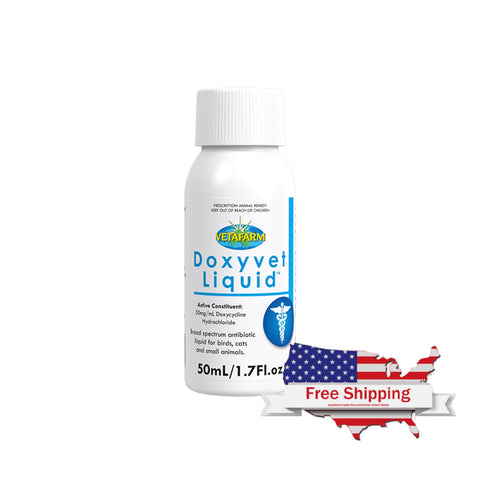
Doxycycline and Chlamydial Disease
Doxycycline is the tetracycline antibiotic most strongly associated with veterinary treatment of avian Chlamydia psittaci.
When an avian veterinarian identifies or strongly suspects chlamydiosis, doxycycline may therefore be particularly relevant.
BirdAntibiotic.com currently carries:
Doxycycline 20% Powder for Birds – Ornithosis & Respiratory Support – 100 g.
This product contains doxycycline at a listed 20% concentration.
Product selection and treatment duration should follow veterinary guidance and the exact product instructions.
Mycoplasma and Pigeon Respiratory Disease
Mycoplasma organisms are frequently discussed in pigeon respiratory medicine.
However, interpreting a positive Mycoplasma result can be complicated.
Mycoplasma species have been detected in both apparently healthy pigeons and pigeons showing respiratory symptoms.
This means:
finding Mycoplasma does not automatically prove it is the only cause of the loft's respiratory disease.
Mycoplasma Species Reported in Pigeons
Pigeon-associated species documented in veterinary literature include:
- Mycoplasma columbinum
- Mycoplasma columborale
- Mycoplasma columbinasale
Mixed infection is possible.
Tylosin and Mycoplasma-Associated Respiratory Disease
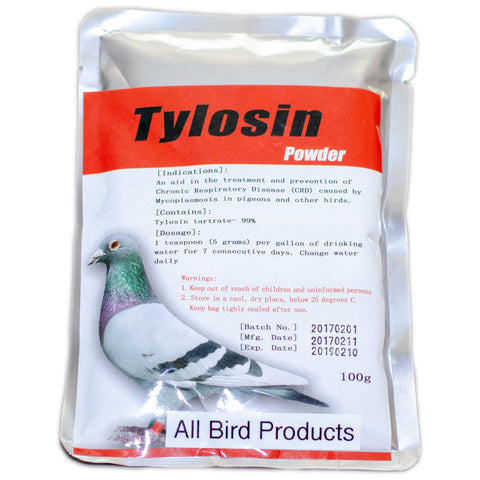
Tylosin is a macrolide antimicrobial widely associated with susceptible Mycoplasma and selected bacterial respiratory conditions in veterinary medicine.
When veterinary assessment supports tylosin use, BirdAntibiotic.com carries:
Tylosin Powder for Birds – CRD Support for Pigeons, Cage Birds & Chickens – 100 g.
Tylosin should not be interpreted as treatment for every pigeon that sneezes.
Doxy-Tyl: Why Combination Products Exist
Some respiratory products combine doxycycline with tylosin.
The reasoning is that the two antimicrobial classes have different spectra and veterinary roles.
BirdAntibiotic.com currently lists:
Doxy-Tyl Powder for Pet Birds – Tylosin & Doxycycline Avian Antibiotic Powder – 100 g.
The current product listing identifies:
- Tylosin 40%
- Doxycycline 20%
A combination product does not eliminate the need for diagnosis.
More active ingredients are not automatically better.
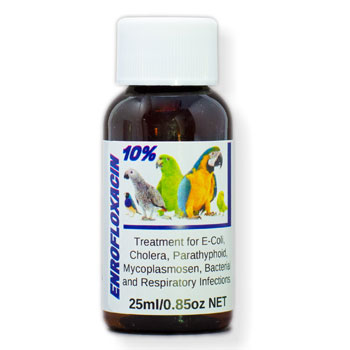
Enrofloxacin and Pigeon Respiratory Disease
Enrofloxacin is a fluoroquinolone antimicrobial used in avian veterinary medicine against selected susceptible bacterial organisms.
It is broader in antibacterial spectrum than some targeted choices but still does not treat:
- Viruses
- Fungi
- Respiratory parasites
- Environmental irritation
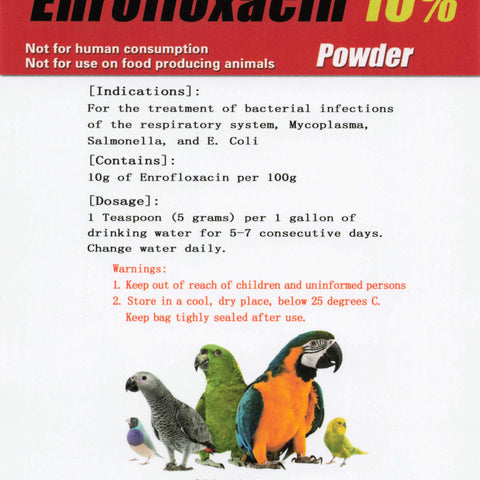
BirdAntibiotic.com carries:
Enrofloxacin 10% Powder for Pet Birds – 100 g.
The listed formulation contains enrofloxacin at 10% and is positioned for non-food pet birds.
Enrofloxacin Is Not the Automatic Choice for Ornithosis
When Chlamydia psittaci is the confirmed problem, doxycycline has a much more established veterinary role.
Antibiotics should be matched to the suspected organism rather than selected simply because one is considered “stronger.”
Pigeon Herpesvirus and Respiratory Disease
Pigeon herpesvirus can occur in racing pigeons and may be detected together with Mycoplasma.
This matters because a viral component will not be eliminated by antibacterial medication.
A loft with repeated respiratory disease despite multiple antibiotic courses deserves diagnostic reassessment.
Antibiotics Do Not Treat Viruses
This fundamental rule is easy to lose when a whole loft appears respiratory.
Antibiotics only act against susceptible bacteria.
They do not directly eliminate:
- Pigeon herpesvirus
- Paramyxovirus
- Avian influenza
- Other viruses
Fungal Respiratory Disease
Fungal organisms can also affect avian respiratory systems.
Aspergillus is especially important in birds.
Potential environmental sources include:
- Moldy feed
- Damp litter
- Wet loft material
- Poorly ventilated areas
- Heavily contaminated environments
Antibiotics Do Not Treat Aspergillus
Using repeated antibacterial products while fungal disease progresses can delay correct treatment.
This is one reason diagnosis is so important in persistent respiratory cases.
Moldy Feed Is a Respiratory Hazard
Inspect stored pigeon feed for:
- Moisture
- Musty odor
- Visible mold
- Poor storage conditions
Discard suspect feed.
Canker Can Confuse the Respiratory Picture
Severe pigeon canker can affect the throat and interfere with airflow.
A pigeon may therefore appear “respiratory” when its major problem is trichomonosis.
Look for:
- Repeated swallowing
- Regurgitation
- Excess saliva
- Yellow-white oral lesions
This is another example of why treating the sound of breathing without examining the bird can lead to the wrong medication.
Coccidiosis Can Also Reduce Flight Performance
A pigeon with coccidiosis may:
- Lose weight
- Become dehydrated
- Train poorly
- Recover slowly
That can look like a respiratory-performance problem even when the primary disease is intestinal.
What Does “CRD” Mean in Pigeons?
CRD usually means chronic respiratory disease.
It is a descriptive term—not one organism.
Using the term “CRD” should not replace determining whether the major issue is:
- Chlamydia
- Mycoplasma
- Another bacterial pathogen
- Viral infection
- Fungal disease
- Poor environment
- Mixed disease
Why “One-Eye Cold” Is Not a Complete Diagnosis
Pigeon keepers sometimes use the term “one-eye cold” for watery or inflamed eye disease.
But unilateral eye symptoms can occur with:
- Conjunctivitis
- Sinusitis
- Trauma
- Chlamydial disease
- Other infection
The nickname describes what the bird looks like, not what organism is responsible.
Explore Bird Antibiotics
Browse our Best Bird Antibiotics collection and explore bird care products organized in one convenient place.
EXPLORE PRODUCTS →How Veterinarians Investigate Pigeon Respiratory Disease
Depending on the case, veterinary diagnostics may include:
- Complete physical examination
- Oral and choanal examination
- Sinus evaluation
- Body-weight assessment
- PCR testing
- Bacterial culture
- Antimicrobial sensitivity testing
- Radiographs
- Blood testing
- Fecal testing for concurrent disease
PCR Testing
PCR is particularly useful for identifying specific infectious agents.
It may be used when investigating:
- Chlamydia psittaci
- Selected Mycoplasma organisms
- Pigeon herpesvirus
The sample site and timing matter.
Chlamydia PCR
When chlamydiosis is suspected, veterinary testing may involve combined samples from:
- Conjunctiva
- Choana
- Cloaca
Interpretation should consider clinical signs and other diagnostic information.
Why One Test May Not Tell the Entire Story
Pigeon respiratory disease can involve:
- Carrier organisms
- Mixed infection
- Intermittent shedding
- Environmental factors
A test result therefore belongs inside a clinical interpretation—not outside it.
Bacterial Culture and Sensitivity
When conventional bacteria are suspected, culture can help identify:
- Which organism is present
- Which antibiotics it may be susceptible to
- Which antibiotics may be ineffective
This becomes particularly valuable after previous treatment failure.
Why Treatment Failure Is Valuable Information
A pigeon that does not improve after an appropriate period of treatment may be telling you:
- The diagnosis was wrong
- The organism is resistant
- The disease is viral or fungal
- The bird is not consuming enough medication
- The loft environment remains poor
- A mixed infection is present
Explore Bird Antibiotics
Browse our Best Bird Antibiotics collection and explore bird care products organized in one convenient place.
EXPLORE PRODUCTS →When Are Antibiotics Appropriate?
Antibiotics are most appropriate when:
- A susceptible bacterial cause is demonstrated
- Clinical evidence strongly supports bacterial disease
- An avian veterinarian selects the appropriate antimicrobial
The treatment decision should consider:
- Organism
- Drug susceptibility
- Bird condition
- Other diseases
- Exact formulation
- Route of administration
When Are Antibiotics Not Appropriate?
Antibiotics should not be expected to solve:
- Viral infection
- Fungal infection
- Poor loft ventilation
- Excessive ammonia
- Dust exposure
- Mold exposure
- Noninfectious irritation
Do Not Use Antibiotics as a Substitute for Loft Management
A respiratory problem that repeatedly returns after medication often deserves an environmental audit.
Review:
- Bird density
- Ventilation
- Humidity
- Condensation
- Droppings removal
- Feed quality
- Waterer hygiene
Why Water Medication Can Be Inconsistent
Drinking-water medication can be practical in loft situations.
But pigeons do not all drink the same amount.
Water consumption varies with:
- Temperature
- Exercise
- Diet
- Health
- Body size
The sickest bird may drink less than healthy loft mates.
Do Not Arbitrarily Strengthen the Water Mixture
Increasing concentration because one pigeon drinks poorly changes exposure for every bird sharing the container.
A seriously ill individual should be assessed separately.
Fresh Medicated Water and Clean Equipment
When drinking-water medication is professionally directed:
- Follow the exact product instructions
- Measure accurately
- Prepare fresh solution as directed
- Use clean drinkers
- Monitor actual drinking
Do Not Stack Multiple Respiratory Antibiotics Blindly
Adding doxycycline, tylosin, enrofloxacin and other products together simply to “cover everything” can:
- Increase unnecessary drug exposure
- Complicate adverse-effect monitoring
- Confuse treatment response
- Increase resistance pressure
- Delay correct diagnosis
Doxycycline vs Tylosin vs Doxy-Tyl vs Enrofloxacin
| Active Ingredient | Veterinary Context | Important Limitation |
|---|---|---|
| Doxycycline | Especially important when avian Chlamydia is diagnosed or strongly suspected; also relevant to selected susceptible bacterial respiratory disease. | Does not treat viruses or fungal disease. |
| Tylosin | Used in veterinary contexts involving selected susceptible bacterial and Mycoplasma-associated respiratory problems. | Not an automatic treatment for every CRD case. |
| Doxycycline + Tylosin | Combination option where a veterinarian considers both antimicrobial classes relevant. | Combination therapy should not replace diagnosis. |
| Enrofloxacin | Fluoroquinolone option for selected susceptible bacterial infections. | Not the established first choice for avian chlamydiosis and does not treat viruses or fungi. |
Antimicrobial Resistance in Pigeon Medicine
Antibiotic resistance is not only a human-health issue.
Repeated unnecessary antimicrobial use can select for less-susceptible bacterial populations.
Good stewardship means:
- Use antibiotics when indicated
- Select the right drug
- Use the correct product concentration
- Complete the professionally directed course
- Investigate repeated failures
Fall Respiratory Problems in Young Pigeons
Young birds deserve particular attention because groups of youngsters often experience:
- Higher stocking density
- New social stress
- Training stress
- New pathogen exposure
- Less developed immunity
A young pigeon repeatedly sitting fluffed with watery eyes or nasal discharge should not simply be considered “weak.”
Post-Racing Respiratory Problems
After racing, a pigeon may temporarily be:
- Tired
- Thirsty
- Lower in body weight
That does not automatically indicate respiratory infection.
More concerning is persistent deterioration:
- Repeated sneezing
- Wet nostrils
- Eye discharge
- Failure to recover
- Continued loss of weight
Respiratory Problems During Molt
Molting does not cause bacterial respiratory infection.
But feather replacement increases nutritional demands.
A pigeon dealing simultaneously with respiratory disease and heavy molt may appear:
- More tired
- Lower in condition
- Slower to recover
Body Weight Is an Important Respiratory Marker
Regular weighing can reveal deterioration before the pigeon looks severely ill.
Track:
- Body weight
- Breast-muscle condition
- Appetite
- Water intake
- Flight recovery
Quarantine New Pigeons
A healthy-looking pigeon can carry respiratory pathogens.
Quarantine helps protect the established loft.
Monitor new birds for:
- Sneezing
- Eye discharge
- Nasal discharge
- Weight loss
- Abnormal droppings
- Reduced activity
Keep Quarantine Equipment Separate
Where possible, maintain dedicated:
- Drinkers
- Feeders
- Scrapers
- Transport crates
- Cleaning equipment
Transport Basket Hygiene
Racing pigeons encounter shared environments during transport.
After races:
- Remove organic debris
- Clean equipment appropriately
- Allow equipment to dry
- Monitor returning birds
Waterer Hygiene
Respiratory secretions and other infectious material can contaminate shared equipment.
Provide:
- Fresh water
- Clean containers
- Regular removal of biofilm
Feeder Hygiene
Do not allow:
- Wet feed
- Mold
- Droppings accumulation
- Long-term organic debris
to build up in feeding equipment.
Autumn Loft Ventilation Checklist
Before colder weather becomes established, inspect:
- Air inlets
- High-level exhaust openings
- Condensation
- Roof leaks
- Ammonia smell
- Dust accumulation
- Bird density
Do Not Judge Ventilation Only by How Warm the Loft Feels
A loft can be warm and still have unhealthy air.
Use:
- Observation
- Humidity measurement
- Condensation monitoring
- Odor
- Dust accumulation
to evaluate the environment.
When Several Pigeons Develop Respiratory Signs
A loft-level outbreak deserves a loft-level investigation.
Review:
- New pigeon introductions
- Recent racing or transport
- Ventilation changes
- Stocking density
- Feed quality
- Mold exposure
- Concurrent canker or coccidia
Why Mixed Disease Is Commonly Suspected
A pigeon can have more than one problem at once.
Examples include:
- Respiratory infection + canker
- Respiratory infection + coccidiosis
- Viral disease + secondary bacterial infection
- Mycoplasma + another respiratory organism
This is why increasingly broad blind medication is not equivalent to accurate diagnosis.
Supportive Care During Recovery
Depending on the bird's condition, supportive priorities may include:
- Rest
- Clean air
- Stable temperature
- Fresh drinking water
- Easy access to feed
- Reduced training pressure
Supportive care helps recovery but does not replace treatment of a confirmed infection.
Do Not Race a Bird Still Recovering From Respiratory Disease
Normal-looking nostrils are not the only recovery criterion.
Evaluate:
- Body weight
- Breast condition
- Normal breathing
- Normal activity
- Exercise tolerance
- Recovery after loft flying
Explore Bird Antibiotics
Browse our Best Bird Antibiotics collection and explore bird care products organized in one convenient place.
EXPLORE PRODUCTS →Frequently Asked Questions About Pigeon Respiratory Problems
What causes respiratory problems in pigeons?
Possible causes include bacterial disease, Chlamydia, Mycoplasma, viruses, fungi, mixed infection and poor environmental conditions.
Why is my pigeon sneezing?
Persistent sneezing may occur with nasal inflammation, respiratory infection or environmental irritation.
Why are my pigeon's nostrils wet?
Persistent wet nostrils may indicate upper-airway or sinus disease and deserve investigation.
Why does my pigeon have watery eyes?
Watery eyes may occur with conjunctivitis, sinus disease, Chlamydia and other respiratory conditions.
What is CRD in pigeons?
CRD means chronic respiratory disease. It describes a syndrome rather than one specific organism.
Is Mycoplasma the same as CRD?
No. Mycoplasma may be associated with respiratory disease, but CRD is a broader descriptive term.
What is ornithosis in pigeons?
Ornithosis commonly refers to avian chlamydiosis associated with Chlamydia psittaci.
Can pigeons carry Chlamydia without looking sick?
Yes. Carrier pigeons may show little or no obvious illness.
Can pigeon Chlamydia infect humans?
Yes. Chlamydia psittaci is zoonotic.
What antibiotic is commonly associated with avian chlamydiosis?
Doxycycline has an established veterinary role and is generally considered the treatment of choice for avian Chlamydia when appropriately diagnosed.
What is tylosin used for in pigeons?
Tylosin may be considered for selected susceptible bacterial and Mycoplasma-associated respiratory conditions under veterinary guidance.
What is Doxy-Tyl?
Doxy-Tyl combines doxycycline and tylosin in one formulation.
What is enrofloxacin used for?
Enrofloxacin is a fluoroquinolone antibacterial used for selected susceptible bacterial infections.
Does enrofloxacin treat viruses?
No.
Do antibiotics treat pigeon herpesvirus?
No. Antibiotics do not directly eliminate viruses.
Do antibiotics treat Aspergillus?
No. Aspergillus is fungal.
Can poor ventilation cause respiratory problems?
Poor ventilation can increase dust, moisture, ammonia and irritant exposure and can worsen respiratory health.
Should I completely close my loft in fall?
No. Protect birds from strong direct drafts while maintaining adequate air exchange.
Can high humidity hurt pigeons?
Excessive humidity can contribute to condensation, damp conditions and poor air quality.
Can mold cause breathing problems?
Yes. Mold exposure and Aspergillus are important avian respiratory concerns.
Why is my racing pigeon suddenly flying poorly?
Respiratory disease is one possibility, but molt, parasites, nutrition, dehydration and other illnesses should also be considered.
Can canker look like respiratory disease?
Yes. Severe throat lesions may interfere with swallowing and breathing.
Can coccidiosis reduce racing performance?
Yes. Weight loss and dehydration can reduce stamina without the primary problem being respiratory.
How is pigeon respiratory disease diagnosed?
Diagnosis may involve physical examination, PCR, culture, sensitivity testing, imaging and other laboratory tests.
Should I use antibiotics whenever pigeons sneeze?
No. Sneezing alone does not establish bacterial disease.
Can I combine several antibiotics?
Combination therapy should follow professional guidance rather than attempting to cover every possible organism blindly.
Why did antibiotics not work?
The cause may be viral, fungal, resistant bacterial disease, incorrect diagnosis, poor medication intake or persistent loft problems.
Can I medicate through drinking water?
Water medication can be used in selected loft situations, but intake varies between birds and exact product instructions matter.
Should I make medicated water stronger if a sick pigeon drinks less?
No. Reduced drinking is a reason to reassess the bird rather than increase exposure for the whole loft.
Should new pigeons be quarantined?
Yes. Quarantine can reduce introduction of respiratory pathogens and other diseases.
When is pigeon breathing an emergency?
Continuous open-mouth breathing, severe tail bobbing, collapse, profound weakness or rapidly worsening respiratory effort requires prompt care.
The Professional Pigeon Respiratory Decision Framework
Step 1 — Identify the symptom.
Sneezing, wet nostrils, watery eyes, sinus swelling, respiratory noise or reduced performance?
Step 2 — Determine severity.
Is the pigeon comfortable at rest or visibly struggling to breathe?
Step 3 — Examine the loft.
Check ventilation, humidity, ammonia, dust, crowding and mold.
Step 4 — Look for concurrent disease.
Check mouth, droppings, body weight and general condition.
Step 5 — Consider the major infectious categories.
Chlamydia, Mycoplasma, conventional bacteria, viruses and fungi.
Step 6 — Test when possible.
PCR and bacterial diagnostics can greatly improve treatment selection.
Step 7 — Use antibiotics only when the clinical picture supports bacterial disease.
Step 8 — Match the antibiotic to the suspected organism.
Step 9 — Correct the loft environment simultaneously.
Step 10 — Reassess treatment failure.
Do not simply move automatically to a stronger drug.
The Most Important Pigeon Respiratory Rule
Do not treat “respiratory.” Treat the cause of the respiratory disease.
Sneezing is a symptom.
Wet eyes are a symptom.
Poor racing performance is a symptom.
CRD is a description.
None of these tells you automatically whether the correct choice is doxycycline, tylosin, enrofloxacin—or no antibiotic at all.
The professional approach combines:
diagnosis + targeted medication + ventilation + hygiene + quarantine + recovery monitoring.
Explore Pigeon Respiratory Care
Compare respiratory-care products by active ingredient and formulation when veterinary assessment supports treatment of a susceptible bacterial condition.
Doxycycline for Ornithosis & Susceptible Bacterial Respiratory Disease
Review the 20% doxycycline powder formulation for non-food birds when doxycycline is professionally selected for the diagnosed respiratory problem.
Compare Tylosin & Doxy-Tyl Respiratory Options
Tylosin and doxycycline/tylosin formulations represent different antimicrobial strategies. Use the exact formulation appropriate to the diagnosed or strongly suspected bacterial condition.
Important pigeon-health notice: Sneezing, nasal discharge, watery eyes, sinus swelling, wheezing, tail bobbing and reduced flight performance do not identify one specific pathogen. Pigeon respiratory disease may involve bacterial, chlamydial, mycoplasmal, viral, fungal, environmental or mixed causes. Antibiotics do not treat viral or fungal disease and should not replace loft ventilation, sanitation, quarantine or diagnostic testing. Continuous open-mouth breathing, severe respiratory effort, collapse, profound weakness or rapid deterioration warrants prompt avian veterinary care.
Recommended Products
Products selected to complement this guide.


Shop Related Products
Explore the products featured for this topic.


