 Help & Contact
 Track order












Pet Birds and Dry Indoor Air: Humidity, Heating & Respiratory Health in Fall and Winter
Pet Birds and Dry Indoor Air: Humidity, Heating & Respiratory Health in Fall and Winter


The first cold nights of Autumn arrive.
The windows close.
The heating system turns on.
Within days, the environment inside the home can be completely different from the one your bird experienced during summer.
The air feels warmer—but drier.
Dust begins moving through heating vents.
Loose feathers and dander remain suspended indoors longer.
Your cockatiel seems dustier.
Your parrot begins preening more.
Your budgie sneezes occasionally.
A humidifier appears beside the bird room.
And a new question starts:
“Is the air too dry for my bird?”
That is an excellent question.
But it needs a professional answer.
Dry indoor air can influence:
- Skin comfort
- Feather condition
- Preening
- Respiratory comfort
- Airway moisture
However, dry air should not become an explanation for every respiratory symptom.
A bird with persistent sneezing, wheezing, nasal discharge, pronounced tail bobbing or open-mouth breathing may have a genuine respiratory disease requiring veterinary investigation.
The objective is therefore not simply to make the room humid.
The goal is to maintain:
comfortable humidity + clean air + good ventilation + safe heating + good hygiene + careful health monitoring.
Dry Indoor Air & Pet Birds: The Professional Summary
Common fall/winter problem: central heating can reduce indoor relative humidity.
Practical humidity range: around 40–50% relative humidity is commonly cited for many pet birds, although species and individual health needs vary.
Best monitoring tool: use a reliable digital hygrometer rather than guessing how humid the room feels.
Skin & feathers: excessively dry indoor environments may contribute to dry skin, increased dander and feather discomfort.
Respiratory comfort: appropriate humidity helps keep respiratory passages moist.
Humidifier rule: a humidifier must be kept exceptionally clean because contaminated units can disperse microorganisms or encourage mold problems.
Too much humidity: can increase condensation, mold and poor environmental hygiene.
Important distinction: dry air may irritate or reduce comfort, but it does not automatically explain significant respiratory disease.
Emergency signs: open-mouth breathing, severe tail bobbing, marked weakness, collapse or rapidly worsening breathing requires prompt avian veterinary attention.
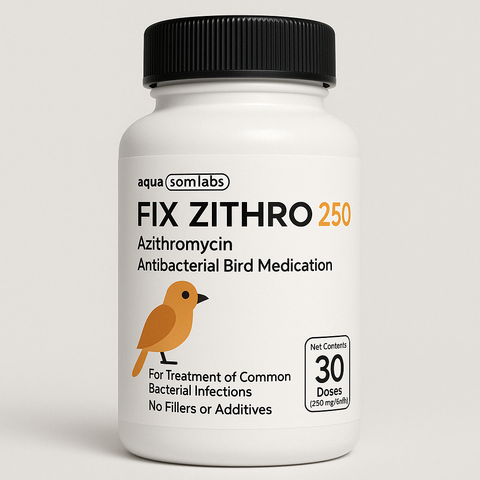
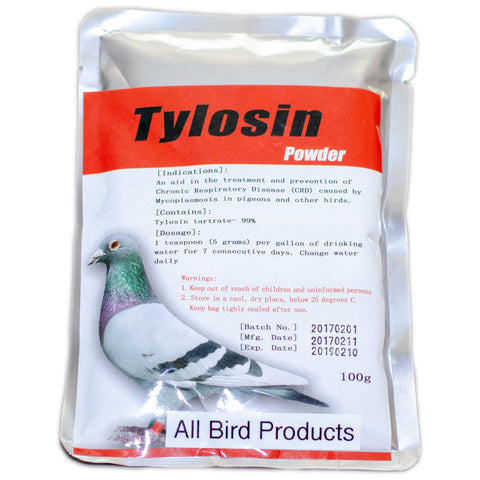
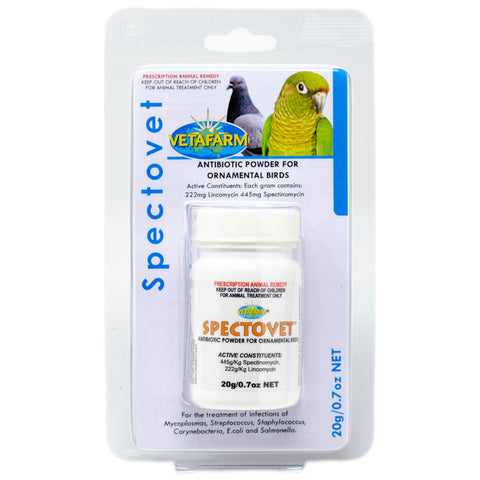
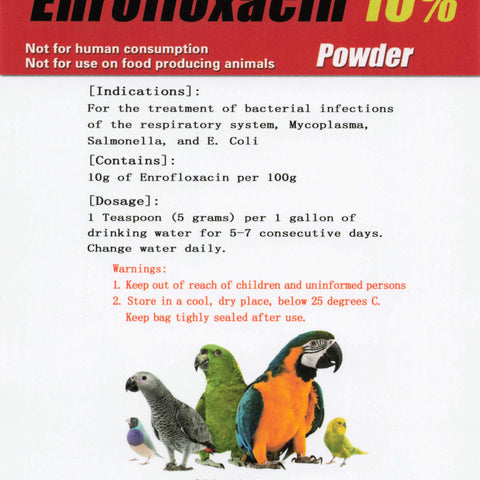
Explore Bird Antibiotics
Browse our Best Bird Antibiotics collection and explore bird care products organized in one convenient place.
EXPLORE PRODUCTS →Why Does Indoor Air Become So Dry in Fall and Winter?
Cold outdoor air naturally contains less moisture than warm summer air.
Once that air enters the home and is heated, its relative humidity can fall dramatically.
Homes using:
- Forced-air heating
- Furnaces
- Heat pumps
- Electric heaters
- Fireplaces
may therefore feel significantly drier during colder months.
People notice this as:
- Dry skin
- Dry lips
- Static electricity
- Dry nasal passages
Birds are living in the same environment.
Why Humidity Matters to Birds
Humidity influences the amount of moisture in the surrounding air.
For birds, this can affect:
- Skin hydration
- Feather condition
- Normal preening
- Respiratory comfort
- Mucous membranes
This becomes particularly relevant for tropical and subtropical companion species living inside centrally heated homes.
What Is Relative Humidity?
Humidity is usually discussed as relative humidity, abbreviated RH.
A reading of 40% RH means the air contains 40% of the moisture it could hold at that temperature.
Relative humidity changes when temperature changes.
This is why simply saying a room “feels dry” is not especially precise.
Explore Bird Antibiotics
Browse our Best Bird Antibiotics collection and explore bird care products organized in one convenient place.
EXPLORE PRODUCTS →What Is the Best Humidity for Pet Birds?
A practical household range commonly recommended for many pet birds is approximately:
40–50% relative humidity.
But this should not be treated as an absolute number for every species.
Birds come from environments ranging from:
- Tropical rainforest
- Dry woodland
- Grassland
- Desert-edge habitats
- Temperate climates
Species, current health, housing and acclimation all matter.
Do Not Chase One Exact Humidity Number
Humidity naturally changes throughout the day.
A room moving modestly between reasonable levels is different from a room remaining extremely dry for weeks.
The goal is environmental stability rather than perfect numerical control.
Use a Hygrometer
A small digital thermometer/hygrometer is one of the most useful winter bird-room tools.
It allows you to measure:
- Temperature
- Relative humidity
- Daily changes
This is far more reliable than guessing from how the room feels.
Where Should the Hygrometer Be Placed?
Measure conditions near the general area where the bird lives.
Avoid misleading placements directly beside:
- A humidifier outlet
- A heater
- A heating vent
- A cold window
- Direct sunlight
You want to understand the bird's normal room environment.
Can Air Be Too Dry for a Pet Bird?
Yes.
Persistently low household humidity can contribute to dryness of the bird's skin and feathers.
Some birds may:
- Preen more
- Produce more noticeable dry dander
- Appear less comfortable during molt
- Benefit from regular bathing
However, these observations are not specific enough to diagnose humidity as the only problem.
Dry Air and Bird Skin
Bird skin is normally protected by feathers, but it still responds to environmental conditions.
Low household humidity may contribute to skin dryness.
This can become more noticeable during:
- Heavy molting
- Heating season
- Periods with little bathing
Dry Air and Feather Condition
Good feather condition depends on much more than humidity.
Important factors include:
- Nutrition
- Bathing
- Preening
- Overall health
- Normal molt
- Appropriate humidity
A bird with poor feathers should therefore be assessed as a whole rather than treated only by increasing room humidity.
Dry Air and Feather Plucking
Inappropriate humidity may contribute to skin discomfort in some birds.
This may aggravate excessive preening or feather-destructive behavior.
But feather plucking has many possible causes, including:
- Poor nutrition
- Skin disease
- Pain
- Stress
- Boredom
- Hormonal behavior
- Internal medical disease
Increasing humidity is not a complete feather-plucking treatment.
Dry Air During Molting
Fall molt and heating season can overlap.
During this period, a bird may have large numbers of new pin feathers developing while indoor air becomes progressively drier.
Appropriate bathing and humidity can support skin and feather comfort.
But malformed feathers, bald patches or poor regrowth should still be investigated medically.
Why Bathing Becomes More Important Indoors
Regular bathing helps birds:
- Maintain feather cleanliness
- Hydrate skin
- Remove feather dust and dander
- Encourage normal preening
Central heating can make regular bathing particularly valuable during fall and winter.
How Often Should Pet Birds Bathe?
There is no single schedule for every species.
Bathing frequency depends on:
- Species
- Individual preference
- Humidity
- Feather type
- Health
Many birds enjoy frequent bathing.
Others prefer occasional misting.
The bird should not be forced into a frightening bathing routine.
Best Time to Bathe a Bird in Winter
Earlier in the day is generally more practical.
This allows plenty of time for plumage to dry before nighttime temperatures fall.
After bathing:
- Keep the bird in a comfortable room
- Avoid direct cold drafts
- Avoid direct heater airflow
- Allow natural preening and drying
Do Not Use a Hair Dryer Casually on a Pet Bird
Some hair dryers and other heated appliances may contain components or coatings that are unsafe around birds.
Hot airflow can also overheat or frighten the bird.
Normal drying in a comfortable environment is generally preferable.
Do Not Add Soap, Perfume or Essential Oils to Bird Bath Water
For normal bathing, clean water is usually sufficient.
Birds preen substances from their feathers and may inhale aerosolized products.
Avoid unnecessary:
- Perfumes
- Essential oils
- Human shampoos
- Scented sprays

Does Dry Air Cause Bird Respiratory Infection?
No.
Dry air does not create:
- Bacteria
- Viruses
- Fungi
- Respiratory parasites
However, dry conditions may reduce respiratory comfort and make mucous membranes feel less moist.
This distinction matters.
Dry Air vs Respiratory Disease
A bird may sneeze occasionally because of:
- Preening dust
- Temporary environmental irritation
- Dry air
But persistent respiratory symptoms deserve a broader investigation.
Respiratory Signs That Should Not Be Blamed on Dry Air
Watch for:
- Repeated persistent sneezing
- Nasal discharge
- Eye discharge
- Wheezing
- Clicking
- Pronounced tail bobbing
- Open-mouth breathing
- Reduced activity
- Loss of appetite
These signs can occur with actual respiratory disease.
Why Birds Are So Sensitive to Air Quality
Birds have highly specialized respiratory systems involving:
- Lungs
- Air sacs
- Extensive airflow pathways
They are highly efficient at exchanging gases.
That efficiency also makes airborne environmental hazards particularly important.
Humidity Can Support a Sick Bird—but It Is Not Treatment
Veterinary supportive care may include increased humidity for birds with respiratory problems because moisture can help maintain airway comfort.
But supportive humidity does not identify or eliminate the cause of disease.
A bird may still require treatment for:
- Bacterial infection
- Fungal disease
- Viral disease
- Respiratory parasites
When a Bird Needs Veterinary Care
Seek prompt veterinary assessment for respiratory signs that are:
- Persistent
- Progressive
- Accompanied by lethargy
- Accompanied by weight loss
- Accompanied by discharge
Respiratory Emergency Warning
Urgent veterinary care is warranted for:
- Continuous open-mouth breathing
- Severe respiratory tail bobbing
- Marked respiratory effort
- Collapse
- Inability to perch normally
- Profound weakness
- Rapid deterioration
Do not turn the humidifier higher and wait. A bird visibly struggling to breathe needs medical evaluation.
Explore Bird Antibiotics
Browse our Best Bird Antibiotics collection and explore bird care products organized in one convenient place.
EXPLORE PRODUCTS →Should You Use a Humidifier for Pet Birds?
A humidifier can be useful when indoor humidity becomes excessively low.
But it should be viewed as environmental equipment—not medical treatment.
Before using one:
- Measure actual humidity
- Read the manufacturer's instructions
- Choose a unit you can clean thoroughly
- Keep it away from direct access by the bird
- Keep cords protected
The Most Important Humidifier Rule: Keep It Clean
Water reservoirs create an environment where contamination can develop.
A neglected unit can accumulate:
- Mold
- Bacteria
- Biofilm
- Mineral deposits
A contaminated humidifier can turn a device intended to improve air comfort into an indoor-air problem.
Follow the Humidifier's Cleaning Schedule
Use the manufacturer's recommended:
- Cleaning procedure
- Water type
- Filter-replacement schedule
- Descaling procedure
Do not allow stagnant water to sit indefinitely in the reservoir.
Do Not Put Medication Into a Room Humidifier Without Veterinary Direction
A household humidifier is not automatically a nebulizer.
Do not place:
- Antibiotics
- Essential oils
- Disinfectants
- Respiratory medications
into a humidifier unless a veterinarian has specifically prescribed an appropriate delivery method.
Humidifier vs Nebulizer
These are different devices.
A humidifier changes moisture in the room air.
A nebulizer creates an aerosol for respiratory treatment when specifically prescribed.
Do not assume the devices are interchangeable.
Where Should a Humidifier Be Placed?
Do not direct a strong mist continuously into the cage.
The objective is to improve the general room environment.
Avoid creating:
- Wet cage surfaces
- Damp bedding
- Condensation
- Persistent moisture around food
Too Much Humidity Can Be a Problem
A bird room that is excessively humid may develop:
- Window condensation
- Mold
- Damp walls
- Wet cage materials
- Musty odors
More humidity is not always better.
Mold Is the Other Side of the Humidity Problem
When warm humid indoor air contacts colder surfaces, condensation can form.
Inspect areas such as:
- Windows
- Window frames
- Exterior walls
- Behind furniture
- Ceilings
- Humidifier surroundings
Why Mold Matters Around Birds
Birds can develop fungal respiratory disease.
Aspergillus is one of the most important fungal organisms in avian medicine.
High fungal-spore exposure can occur around:
- Moldy feed
- Wet nesting materials
- Damp environments
- Poorly ventilated areas
Never Feed Moldy Bird Food
Inspect stored:
- Seed
- Pellets
- Nuts
- Treats
- Nesting materials
for:
- Moisture
- Unusual odor
- Visible mold
- Insect contamination
When in doubt, discard contaminated food.
Heating Vents and Pet Birds
Forced-air heating can circulate:
- Household dust
- Feather dust
- Pet dander
- Particles accumulated in vents
Inspect heating systems before heavy seasonal use.
Do Not Place the Cage Directly Under a Heating Vent
Direct heated airflow can create:
- Local overheating
- Rapid drying
- Constant drafts
- Increased circulating dust
Move the cage into a more stable part of the room.
Clean HVAC Filters Matter
Appropriate heating and cooling filters should be maintained according to system instructions.
A heavily clogged filter reduces system efficiency and can worsen indoor air-management problems.
Heating Systems and Unusual Odors
The first heating cycle of the season may produce odors as dust heats.
More concerning are persistent or strong smells from:
- Burning material
- Melting plastic
- Electrical components
- New coatings
Birds should not remain exposed to suspicious fumes.
Space Heaters and Birds
Space heaters deserve special caution.
Potential concerns include:
- Burns
- Electrical cords
- Overheating
- Coatings on heating components
- Direct airflow
Investigate the materials used in the exact device before operating it around birds.
PTFE and Heating Appliances
PTFE and related nonstick coatings can release highly toxic fumes when overheated.
Birds are exceptionally sensitive.
Potential sources can include some:
- Nonstick pans
- Self-cleaning ovens
- Air fryers
- Toaster ovens
- Waffle makers
- Heat lamps
- Heating elements
- Hair dryers
PTFE Exposure Is an Emergency
Severe exposure may cause:
- Rapid breathing
- Wheezing
- Weakness
- Neurological signs
- Sudden death
Remove a surviving bird from exposure to clean air and seek immediate veterinary attention.
Explore Bird Antibiotics
Browse our Best Bird Antibiotics collection and explore bird care products organized in one convenient place.
EXPLORE PRODUCTS →Dry Air Is Not the Only Winter Air-Quality Problem
Closing a home for winter can concentrate many other airborne exposures.
These include:
- Tobacco smoke
- Vape aerosols
- Perfume
- Air fresheners
- Cleaning sprays
- Incense
- Candle smoke
- Cooking fumes
Birds Should Live in a Smoke-Free Environment
Secondhand tobacco smoke can contribute to chronic respiratory and skin problems in pet birds.
Smoke particles can also settle on:
- Hands
- Hair
- Clothing
before the bird is handled.
Perfume and Aerosols Around Birds
Avoid spraying products near the cage.
This includes:
- Perfume
- Deodorizer
- Hair spray
- Carpet freshener
- Cleaning aerosol
Clean indoor air is one of the safest environmental goals.
What About Air Purifiers?
An appropriate mechanical air-cleaning system can help reduce airborne particles such as:
- Feather dust
- Household dust
- Dander
But it does not replace:
- Cleaning
- Ventilation
- Humidity management
- Source control
Avoid any air-treatment device that intentionally introduces fragrances or unverified respiratory chemicals into the bird's environment.
Powder-Down Birds Need Special Attention
Some birds naturally produce substantial amounts of fine powder down.
Important examples include:
- Cockatiels
- Cockatoos
- African grey parrots
In a closed winter home, powder-down dust can become more noticeable.
Cockatiel Dust in Winter
A cockatiel may appear especially dusty during:
- Molting
- Dry indoor heating
- Periods with less bathing
Helpful environmental measures include:
- Regular bathing
- Routine cage cleaning
- Appropriate ventilation
- Good room-air management
Cockatoos and Powder Down
Cockatoos can produce considerable feather dust.
This is normal biology.
But significant airborne particle accumulation should still be managed with cleaning and good ventilation.
African Grey Parrots and Dry Indoor Air
African greys also produce powder down.
During winter, owners should monitor:
- Skin comfort
- Feather condition
- Bathing
- Indoor humidity
- Air quality
Macaws and Powder-Down Exposure
Some macaws can develop hypersensitivity pneumonitis associated with chronic exposure to heavy powder-down dust from species such as cockatoos and African greys.
This is particularly relevant in multi-bird households.
Good ventilation and environmental management matter.
Budgies and Winter Humidity
Budgies originate from comparatively dry environments and should not be treated as rainforest parrots.
Moderate household humidity and regular access to clean bathing water are generally more appropriate than creating an excessively humid room.
Canaries and Finches
Small birds can be sensitive to poor air quality.
Monitor:
- Song
- Respiratory sounds
- Tail movement
- Activity
- Weight
A canary that stops singing and begins clicking or tail bobbing needs more than a humidity adjustment.
Pigeons and Dry Indoor Lofts
Indoor pigeon environments require balance.
A loft that is too humid may develop:
- Condensation
- Damp droppings
- Higher microbial pressure
A loft with poor ventilation may accumulate:
- Dust
- Ammonia
- Feather debris
The objective is a clean, dry, well-ventilated environment rather than artificially humidifying every pigeon loft.
Parrots From Humid Climates
Some tropical parrot species may particularly enjoy frequent bathing and moderate indoor humidity.
But species origin does not justify allowing:
- Damp walls
- Wet cage floors
- Mold growth
- Standing water
Dry Air and Bird Eyes
Low humidity may contribute to general surface dryness or irritation.
But persistent:
- Redness
- Swelling
- Eye discharge
- Eye closure
should not be blamed on dry air without examination.
Dry Air and Bird Nostrils
A healthy bird's nostrils should remain clean.
Persistent:
- Discharge
- Crusting
- Blocked nares
- Repeated sneezing
deserves investigation for respiratory or sinus disease.
Dry Air vs Vitamin A Deficiency
Vitamin A deficiency can affect epithelial tissues of the respiratory tract.
Seed-heavy diets can predispose birds to nutritional deficiencies.
A bird with chronic nasal problems therefore needs a diet review as well as an environmental review.
Dry Air vs Aspergillosis
Aspergillosis is fungal respiratory disease.
It is not caused by dry air.
Risk is more closely associated with fungal spore exposure and susceptibility.
Do not assume a bird with respiratory noise simply needs a humidifier.
Dry Air vs Air-Sac Mites
Air-sac mites are respiratory parasites particularly relevant to selected small birds, including some canaries and finches.
Humidity does not eliminate respiratory mites.
Dry Air vs Bacterial Respiratory Infection
Bacterial infection requires diagnosis and appropriate antibacterial treatment when indicated.
Increasing humidity may improve comfort but does not kill the responsible bacteria.
Dry Air vs Chlamydiosis
Avian chlamydiosis can cause:
- Respiratory signs
- Nasal discharge
- Eye discharge
- Lethargy
- Appetite changes
A room-humidity adjustment is not a treatment for systemic infection.
Why Antibiotics Are Not a Treatment for Dry Air
Dry air is an environmental condition.
Antibiotics treat susceptible bacterial infections.
Do not begin an antibiotic simply because a bird starts sneezing when the heating system turns on.
First determine whether the problem is:
- Environmental
- Bacterial
- Fungal
- Viral
- Parasitic
The Best Winter Bird-Room Setup
A professional indoor environment should aim for:
- Stable comfortable temperature
- Moderate humidity
- Good air exchange
- No direct heater airflow
- No direct cold draft
- Minimal aerosol exposure
- Regular dust control
- Clean bathing water
- Clean food and water containers
Where Should the Cage Be Positioned?
Avoid placing it immediately beside:
- Heating vents
- Space heaters
- Fireplaces
- Drafty windows
- Frequently opened exterior doors
- Kitchen fumes
Do Not Seal the Room Completely
Trying to retain every degree of heat can reduce indoor air exchange.
A warm room with poor air quality is not automatically a healthy bird room.
Daily Winter Bird-Room Checklist
Each day, check:
- Room temperature
- Relative humidity
- Bird activity
- Breathing
- Nostrils
- Food and water intake
- Droppings
Weekly Indoor-Air Checklist
Review:
- Humidifier cleanliness
- HVAC filters
- Dust accumulation
- Cage placement
- Condensation
- Mold
- Food storage
Explore Bird Antibiotics
Browse our Best Bird Antibiotics collection and explore bird care products organized in one convenient place.
EXPLORE PRODUCTS →Frequently Asked Questions About Pet Birds and Dry Indoor Air
Is dry air bad for pet birds?
Persistently dry indoor air can reduce skin, feather and respiratory comfort, particularly during heating season.
What humidity is best for pet birds?
Approximately 40–50% relative humidity is a useful general household range for many pet birds, but species and individual health needs vary.
Is 30% humidity too low for birds?
Persistently low humidity may be uncomfortable for some birds. Consider species, bathing opportunities and the overall environment rather than using one number alone.
Is 40% humidity good for birds?
For many companion birds, 40% RH falls within a practical moderate household range.
Is 50% humidity good for birds?
For many birds, around 50% can be comfortable when ventilation is good and mold or condensation is not developing.
Is 60% humidity too high for birds?
Species and climate matter, but higher humidity becomes problematic if it leads to condensation, damp materials or mold.
How do I measure humidity around my bird?
Use a digital hygrometer placed in the general bird-room environment away from direct heater or humidifier output.
Can dry air make birds sneeze?
Dryness or airborne dust may contribute to temporary irritation, but persistent sneezing requires consideration of medical causes.
Can dry air cause bird respiratory infection?
No. Infection is caused by organisms such as bacteria, viruses, fungi or parasites.
Can dry air cause feather plucking?
Inappropriate humidity may contribute to skin discomfort, but feather-destructive behavior has many potential medical and behavioral causes.
Can dry air make my bird itchy?
Dry skin may contribute to discomfort, but persistent severe itching warrants investigation for skin disease, parasites or other causes.
Can dry air damage feathers?
Humidity contributes to skin and feather comfort, but abnormal feathers may also reflect nutrition, disease or feather-destructive behavior.
Should I use a humidifier around my bird?
A properly maintained humidifier can help when measured room humidity is too low.
Can humidifiers be dangerous for birds?
A dirty humidifier can develop microbial or mold contamination, and excessive humidity can create damp conditions.
Should the humidifier point directly at the cage?
No. The goal is appropriate room humidity rather than constantly wetting the cage.
Can I add essential oils to my bird's humidifier?
Do not add fragrances, essential oils or unprescribed substances to the bird's air environment.
Can I put antibiotics in a humidifier?
Not unless an avian veterinarian has specifically prescribed an appropriate respiratory delivery system. A household humidifier is not a medical nebulizer.
What is the difference between a humidifier and nebulizer?
A humidifier changes room humidity, while a nebulizer produces an aerosol for prescribed respiratory therapy.
Should birds bathe more in winter?
Regular bathing can help maintain skin and feathers when central heating dries the indoor environment.
Can I mist my bird in winter?
Many birds tolerate normal misting well when kept comfortable and allowed to dry completely.
When should I bathe my bird in winter?
Earlier in the day generally allows more time for complete drying.
Can I dry my bird with a heater?
Direct heater airflow is not recommended. Allow the bird to dry naturally in a stable comfortable room.
Why is my cockatiel so dusty in winter?
Cockatiels naturally produce powder down, and closed windows, heating and seasonal molt may make dust more noticeable indoors.
Why is my African grey dusty?
African greys naturally produce powder down. Regular bathing, cleaning and ventilation help manage indoor dust.
Can feather dust affect other birds?
Heavy chronic powder-down exposure can be problematic for susceptible birds; some macaws are particularly associated with hypersensitivity pneumonitis.
Can mold from a humidifier make birds sick?
Yes. Poorly maintained humidifiers can contribute to mold contamination, which is especially undesirable around avian respiratory systems.
Can birds get Aspergillus from mold?
Aspergillosis is associated with exposure to Aspergillus spores, especially from contaminated materials or poorly ventilated environments.
Should bird rooms have ventilation in winter?
Yes. Avoid direct drafts, but maintain healthy air exchange.
Can heating vents make my bird sneeze?
Heating vents can circulate dust and reduce humidity, potentially creating irritation. Persistent symptoms still need medical evaluation.
Should the cage be next to a heating vent?
No. Direct hot airflow creates an unstable and potentially uncomfortable environment.
Are space heaters safe around birds?
Safety depends on the exact appliance and materials used. Avoid unknown coatings, direct heat and accessible cords.
Can PTFE fumes kill birds?
Yes. Overheated PTFE-containing products can release fumes that are extremely toxic to birds.
Can candles irritate birds?
Smoke and fragrances can irritate sensitive bird respiratory systems.
Can perfume make my bird breathe differently?
Strong fragrances and aerosols may irritate avian airways and should be kept away from birds.
Why is my bird wheezing in winter?
Wheezing can occur with several respiratory conditions and should not be assumed to result from dry air alone.
Why is my bird tail bobbing?
Pronounced movement synchronized with breathing can indicate increased respiratory effort.
Is open-mouth breathing caused by dry air?
Open-mouth breathing at rest can indicate significant respiratory distress and requires prompt evaluation.
When should I call an avian veterinarian?
Persistent respiratory symptoms, discharge, weight loss, severe lethargy, pronounced tail bobbing or open-mouth breathing warrants professional care.
The Professional Dry-Air Decision Framework
Step 1 — Measure humidity.
Do not diagnose “dry air” by feeling alone.
Step 2 — Observe the bird.
Is the issue primarily dry skin and feathers, or are respiratory symptoms present?
Step 3 — Inspect heating.
Is hot air blowing directly toward the cage?
Step 4 — Inspect air quality.
Are dust, smoke, fragrances or aerosols present?
Step 5 — Review bathing.
Does the bird have appropriate opportunities to bathe?
Step 6 — Increase humidity carefully when genuinely low.
Use a clean, well-maintained device if needed.
Step 7 — Watch for excessive humidity.
Condensation and mold mean the strategy needs adjustment.
Step 8 — Do not medicalize dry air.
Antibiotics are not a treatment for humidity problems.
Step 9 — Do not environmentalize real disease.
A sick bird should not be dismissed as simply reacting to winter air.
Step 10 — Reassess.
Monitor breathing, weight, appetite, feathers and overall behavior.
The Best Fall/Winter Bird-Room Formula
You do not need to turn the home into a tropical greenhouse.
You need:
moderate humidity.
clean air.
stable temperature.
good ventilation.
regular bathing.
safe heating.
low dust.
no toxic fumes.
careful daily observation.
When these conditions are balanced, fall and winter can be just as comfortable for a companion bird as any other season.
Support Healthy Feathers & Skin Through Heating Season
Browse bird feather and skin care products for molting, plumage and seasonal feather support while keeping appropriate humidity, bathing and complete nutrition at the center of winter care.
Explore Complete Companion Bird Care
Browse BirdAntibiotic.com for bird-care products organized by health need, formulation and species while using veterinary diagnosis for persistent respiratory problems.
Important bird-health notice: Dry indoor air can influence skin, feather and respiratory comfort but does not itself diagnose bacterial, viral, fungal or parasitic respiratory disease. Persistent sneezing, nasal or eye discharge, wheezing, clicking, pronounced tail bobbing, appetite loss, weight loss or lethargy deserves veterinary evaluation. Continuous open-mouth breathing, severe respiratory effort, weakness, collapse or rapid deterioration is an emergency. Humidifiers should be maintained meticulously, because excessive humidity, dirty reservoirs and mold can create additional respiratory hazards.


