 Help & Contact
 Track order









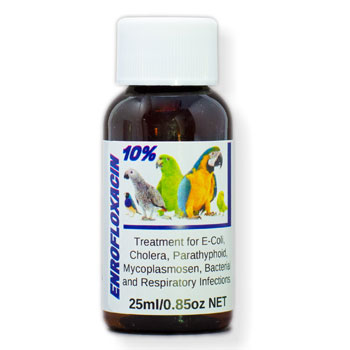

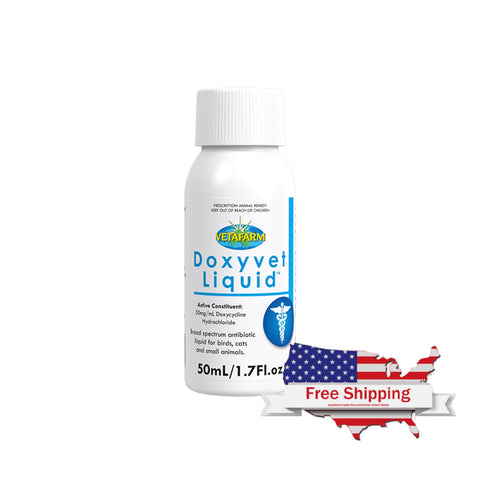


Fish Medication for Ornamental Aquariums: The Complete Guide to Bacterial Infections, Parasites, Treatment Selection, and Responsible Fish Care
Fish Medication for Ornamental Aquariums: The Complete Guide to Bacterial Infections, Parasites, Treatment Selection, and Responsible Fish Care
A healthy aquarium has a rhythm that experienced fish keepers learn to recognize.
The fish approach at feeding time. Their fins remain open and balanced. Their colors look consistent. They swim with purpose, interact normally with tank mates, and rest in predictable areas without remaining hidden for extended periods.
That rhythm can change quickly when something goes wrong.
A fish that normally eats immediately may ignore food. A betta may rest near the bottom. A goldfish may develop red streaks or frayed fins. A cichlid may begin hiding, darkening in color, or producing pale waste. A koi may flash against surfaces. A marine fish may breathe rapidly, develop cloudy eyes, or show an unexplained white film.
These visible changes naturally lead aquarium owners to search for fish medication. But a symptom is not the same as a diagnosis.
Fin damage can result from bacterial disease, aggression, poor water quality, or physical injury. A swollen abdomen may be connected to infection, constipation, organ dysfunction, parasites, egg retention, or fluid accumulation. Rapid breathing may be caused by low oxygen, ammonia, nitrite, gill parasites, bacterial gill disease, temperature stress, or chemical exposure.
Using the wrong medication can waste valuable time, place additional pressure on a stressed fish, interfere with biological filtration, and make the real problem harder to identify.
This guide provides a complete, practical framework for selecting fish medication responsibly. It also introduces every product currently available in the Fish Medication collection, including antibacterial, antiprotozoal, and antiparasitic powder formulas for systems ranging from home aquariums to larger ornamental ponds and multi-tank fish rooms.
The First Rule of Responsible Fish Treatment
Test the environment before treating the fish.
Ammonia, nitrite, incorrect temperature, unstable pH, low oxygen, chlorine exposure, overcrowding, and poor sanitation can produce symptoms that resemble infectious disease.
Medication cannot permanently solve a water-quality problem. In many cases, correcting the aquarium environment is the most important part of treatment.
Why Fish Illness Can Be Difficult to Diagnose
Fish cannot cough, vocalize discomfort, or clearly direct an owner toward the affected part of the body. Their outward responses to disease are limited, so very different problems can produce similar behaviors.
Common nonspecific signs include:
- Reduced appetite
- Hiding or isolation
- Clamped fins
- Loss of color
- Rapid gill movement
- Resting near the bottom
- Remaining near the water surface
- Erratic swimming
- Rubbing against rocks or decorations
- Weight loss or a sunken abdomen
- Abdominal swelling
- Cloudy eyes
- Damaged fins or skin
- Excess mucus or body slime
These signs can be associated with bacterial infections, parasites, protozoan disease, water-quality stress, nutritional problems, trauma, toxin exposure, temperature shock, or social aggression.
A professional treatment plan therefore begins with three questions:
- Is the aquarium environment safe and stable?
- Does the pattern look bacterial, parasitic, protozoan, environmental, or traumatic?
- Which medication category fits the most likely cause?
Step One: Test Water Quality Before Reaching for Medication
Water is the environment in which fish breathe, eat, eliminate waste, maintain mineral balance, and regulate body functions. A fish cannot escape poor water conditions in the same way a land animal can move away from a contaminated area.
Before beginning treatment, test and record:
- Ammonia
- Nitrite
- Nitrate
- pH
- Temperature
- Salinity or specific gravity in marine systems
- Water hardness when relevant
- Alkalinity when relevant
- Dissolved oxygen when equipment is available
Ammonia
Ammonia is produced by fish metabolism, uneaten food, decomposing organic material, and waste. It can damage gills and other tissues, increase stress, reduce appetite, and make fish more susceptible to infection.
Ammonia can be dangerous even when the water looks clear. It must be measured with a reliable test rather than judged by appearance or smell.
Nitrite
Nitrite interferes with the blood’s ability to transport oxygen. Affected fish may breathe rapidly, remain near the surface, become weak, or show darkened gills.
These symptoms can easily be mistaken for respiratory infection or gill parasites.
Temperature
Temperature influences fish metabolism, oxygen availability, immune function, parasite development, and medication tolerance.
Warm water generally holds less dissolved oxygen. A temperature that rises above the preferred range of a species may therefore produce rapid breathing even when no infectious disease is present.
pH and hardness
Sudden pH changes can stress or kill fish. Water hardness may also affect the performance of certain medications. Oxytetracycline, for example, can bind with calcium and magnesium, making water chemistry particularly relevant when that product is being considered.

Step Two: Correct Immediate Environmental Problems
When testing identifies unsafe water conditions, correcting them takes priority.
Depending on the problem, responsible action may include:
- Performing an appropriately sized water change
- Using properly conditioned replacement water
- Increasing aeration
- Removing decomposing food or organic waste
- Reducing feeding temporarily
- Correcting an equipment failure
- Restoring filtration
- Adjusting temperature gradually
- Reducing overcrowding
- Separating aggressive tank mates
Avoid sudden, extreme changes. A massive shift in temperature or pH can add another layer of stress to an already compromised fish.
Step Three: Decide Whether a Hospital Tank Is Appropriate
A hospital or quarantine tank is one of the most useful tools in responsible aquarium care.
It allows the fish keeper to:
- Observe the affected fish more closely
- Measure medication for a known water volume
- Protect sensitive tank mates
- Protect plants and invertebrates
- Reduce exposure of the main biological filter
- Monitor food intake and waste
- Perform repeat water changes more easily
- Prevent possible disease transmission
A simple hospital system may include:
- A clean, appropriately sized tank
- A heater when required by the species
- A thermometer
- Strong aeration
- A simple filter or pre-seeded sponge filter
- A secure cover
- Minimal, easy-to-clean shelter
- Dedicated nets and siphoning equipment
Hospital tanks should still be monitored for ammonia and nitrite. A newly established treatment tank may not contain a mature biological filter, and medication can place additional pressure on nitrifying bacteria.
Understanding the Main Fish Medication Categories
The Fish Medication collection includes three broad treatment categories.
Antibacterial medications
These products are intended for selected bacterial problems and include:
- Oxytetracycline
- Nitrofurazone
- Kanamycin sulfate
- Erythromycin
- Neomycin sulfate
Antiprotozoal and anaerobic treatment
Metronidazole is used for selected protozoan and anaerobic concerns, including conditions commonly associated with Hexamita and hole-in-the-head disease.
Antiparasitic treatment
Praziquantel targets selected flatworms, flukes, and tapeworm-type parasites. It is not an antibiotic.
Do Not Treat Every Fish Illness With an Antibiotic
Antibiotics do not treat flukes, tapeworms, most protozoan diseases, poor water quality, oxygen deficiency, physical injury, or every condition described by hobby terms such as “fungus.”
Selecting the medication category correctly is more important than choosing the strongest-looking product.
How to Read Common Fish Symptoms
Frayed or deteriorating fins
Fin damage may result from bacterial fin rot, biting, sharp decorations, poor water quality, or chronic stress.
Look for progression. A clean split caused by injury may remain stable and begin healing once the cause is removed. Bacterial deterioration may continue moving toward the body and may be accompanied by inflammation, discoloration, or loss of tissue.
Cloudy or protruding eyes
Cloudy eyes and popeye can be associated with bacterial disease, trauma, poor water conditions, gas supersaturation, or internal illness.
When several fish develop eye problems simultaneously, an environmental cause deserves immediate investigation.
Open sores and red streaks
Ulcers, hemorrhagic areas, and red streaking may be associated with bacterial infection, parasites that damage the skin, injury, ammonia exposure, or systemic disease.
Water quality should be corrected immediately, and affected fish may need professional evaluation.
White patches described as “fungus”
Hobbyists often use the word fungus for any pale, fuzzy, or white lesion. Some conditions described as mouth fungus or body fungus may actually involve bacterial organisms, while true fungal disease requires a different treatment category.
Correct identification prevents the use of an antibacterial product against a true fungus or an antifungal product against bacterial tissue damage.
Hole-in-the-head and abnormal feces
Pitting around the head, weight loss, pale stringy waste, poor appetite, and changes in behavior may lead fish keepers to consider Hexamita or related intestinal flagellates.
Nutrition, water quality, chronic stress, and other diseases should also be evaluated.
Flashing and rubbing
Fish that rub against objects may be responding to external parasites, poor water quality, chemical irritation, damaged gills, or skin inflammation.
Flashing alone does not prove that praziquantel or any other parasite medication is required.
Choosing Between 200-Gallon and Large-System Products
Several active ingredients in this collection are offered in more than one treatment capacity.
The smaller formats are designed for systems treating approximately 200 or 250 gallons, while the larger formats cover approximately 1,000 or 2,000 gallons according to their labels.
Smaller treatment-capacity products may suit:
- Home aquariums
- Individual hospital tanks
- Quarantine systems
- Small fish rooms
- Occasional treatment needs
Larger treatment-capacity products may suit:
- Multi-tank fish rooms
- Larger quarantine facilities
- Retail holding systems
- Breeding operations
- Large ornamental ponds
- Experienced keepers treating a high total water volume
Choose by actual treatment volume rather than package size alone. Calculate the true volume of water after accounting for substrate, rocks, decorations, and displacement.
Complete Product Guide: Every Fish Medication in the Collection
1. Oxytetracycline Fish Antibiotic Powder – Treats 200 Gallons
Oxytetracycline Fish Antibiotic Powder – Treats 200 Gallons is a tetracycline-class antibacterial powder for ornamental aquarium and pond fish.
The product is positioned for selected gram-positive and gram-negative bacterial concerns. Its product information discusses conditions including raised scales, abdominal swelling, inflamed swim-bladder presentations, bloody fins or scales, gill disease, marine ulcer concerns, and bacterial organisms such as Aeromonas and Pseudomonas.
Oxytetracycline is especially important to evaluate in relation to water chemistry. Calcium and magnesium can bind tetracycline-class medication and reduce the amount available for activity. Hard water and higher pH can therefore influence how the product is used, and label guidance may favor medicated food in some circumstances.
This 200-gallon format may be suitable for:
- Home freshwater aquariums
- Quarantine tanks
- Hospital systems
- Smaller ornamental ponds
It should not be selected solely because a fish has a swollen belly or buoyancy problem. Those signs can have bacterial and nonbacterial causes.
2. Nitrofurazone Fish Antibiotic Powder – Treats 200 Gallons
Nitrofurazone Fish Antibiotic Powder – Treats 200 Gallons is an antibacterial aquarium powder for ornamental fish.
The product information associates it with visible external concerns such as red areas, body streaks, damaged or peeling tissue, open ulcers, sores, fin and tail deterioration, wasting, and selected bacterial complications following injury or transport stress.
Nitrofurazone may be considered when the clinical pattern appears primarily external, although systemic disease and environmental factors must still be evaluated.
A red lesion after transport, for example, may involve physical abrasion, ammonia exposure, poor acclimation, or bacterial invasion. Medication works best when the underlying husbandry problem is also corrected.
The 200-gallon format is practical for hobby aquariums and controlled hospital-tank treatment where the fish can be observed closely.
3. Metronidazole Fish Medication Powder – Treats 200 Gallons
Metronidazole Fish Medication Powder – Treats 200 Gallons is a concentrated aquarium treatment associated with selected protozoan and anaerobic conditions.
Its product information specifically discusses:
- Hole-in-the-head disease
- Hexamita
- Intestinal flagellates
- Body slime
- Selected freshwater protozoan concerns
Metronidazole is different from a conventional broad antibacterial bath. It may be used through the water or incorporated into food when the label directs that method.
Food-based administration can be valuable when an internal condition is suspected and the fish is still eating. When the fish refuses food, an aquatic veterinarian or fish-health professional may need to recommend another approach.
This 200-gallon product is positioned for home aquariums, quarantine tanks, and smaller hospital systems.
4. Kanamycin Sulfate Fish Antibiotic Powder – Treats 200 Gallons
Kanamycin Sulfate Fish Antibiotic Powder – Treats 200 Gallons is an aminoglycoside antibacterial powder for ornamental aquarium fish.
The product information highlights activity against selected gram-positive and gram-negative organisms associated with Aeromonas, Pseudomonas, and myxobacterial concerns.
Conditions listed on the product page include:
- Fin and tail rot
- Mouth sores
- Cloudy eyes
- Protruding eyes or popeye
- Hemorrhagic septicemia
- Selected bacterial diseases of mollies and tetras
Kanamycin is often chosen by experienced keepers when internal involvement is suspected or when treating fish that may not tolerate every aquarium medication equally. The product is described as suitable for many scaleless species when used according to the label.
Sensitivity still varies among species, and careful observation remains essential.
5. Erythromycin Fish Antibiotic Powder – Treats 200 Gallons
Erythromycin Fish Antibiotic Powder – Treats 200 Gallons is a macrolide aquarium medication positioned primarily for selected gram-positive bacterial concerns, with additional activity against some susceptible gram-negative organisms.
The product information includes conditions commonly described as:
- Fin rot
- Tail rot
- Mouth and eye sores
- Cloudy eyes
- Popeye
- Wasting
- Swollen belly
- Molly or tetra disease
- Cyanobacteria or red slime
The presence of cyanobacteria is often connected to excess nutrients, light, flow, and aquarium maintenance. Medication alone should not replace correction of the environmental conditions allowing the problem to return.
This 200-gallon format is suitable for controlled home-aquarium and quarantine use according to the label.
6. Praziquantel Fish Parasite Treatment Powder – Treats 250 Gallons
Praziquantel Fish Parasite Treatment Powder – Treats 250 Gallons is a targeted antiparasitic treatment—not an antibiotic.
It is designed for selected flatworm-type parasites, including:
- Gill flukes
- Skin flukes
- Tapeworms
- Flatworms
- Turbellaria
- Other susceptible worm concerns
Fish with flukes may show flashing, rapid breathing, excess mucus, clamped fins, irritation, reduced appetite, or unexplained weakness. These signs overlap with poor water quality and bacterial gill disease, making proper identification important.
Praziquantel is positioned for ornamental freshwater and marine systems when used according to the label. The 250-gallon format may suit home aquariums, quarantine tanks, and smaller ornamental ponds.
7. Neomycin Sulfate Fish Antibiotic Powder – Treats 200 Gallons
Neomycin Sulfate Fish Antibiotic Powder – Treats 200 Gallons is a water-soluble aminoglycoside antibacterial powder.
The product information discusses selected gram-positive and gram-negative bacterial conditions associated with organisms such as Aeromonas, Pseudomonas, and myxobacteria.
Commonly listed concerns include:
- Open sores
- Internal swelling
- Loss of color
- Body distortion
- Body and fin rot
- Furunculosis
- Columnaris-type presentations
- Popeye
The product information also provides a medicated-feed option. Feed administration may be considered when internal exposure is desired and the fish continues eating normally.
Neomycin should not be combined with copper sulfate unless compatibility is specifically established by the product directions or a qualified fish-health professional.
8. Nitrofurazone Fish Antibiotic Powder – Treats 1,000 Gallons
Nitrofurazone Fish Antibiotic Powder – Treats 1,000 Gallons provides the same active medication category as the smaller nitrofurazone product in a large-system treatment capacity.
It is intended for ornamental fish concerns involving selected gram-positive and gram-negative bacteria and conditions such as:
- Open ulcers
- Red body areas or streaks
- Fin and tail deterioration
- Open sores
- Wasting
- Selected myxobacterial and Vibrio-related concerns
The 1,000-gallon capacity may be more practical for:
- Large quarantine systems
- Multiple hospital tanks
- Fish rooms
- Retail ornamental systems
- Larger pond-treatment volumes
The larger capacity does not mean the powder should be used more aggressively. Accurate water-volume calculation and label-based dosing remain essential.
9. Metronidazole Fish Medication Powder – Treats 1,000 Gallons
Metronidazole Fish Medication Powder – Treats 1,000 Gallons offers a larger treatment capacity for selected protozoan and anaerobic aquarium concerns.
Its product information includes:
- Hexamita
- Hole-in-the-head presentations
- Intestinal flagellates
- Body slime
- Selected internal parasite-support applications
This format may suit breeders, large fish rooms, multi-tank quarantine operations, or ornamental pond keepers managing a substantial total water volume.
Metronidazole treatment should still be paired with nutrition review, water-quality correction, sanitation, and observation of feces and appetite. Hole-in-the-head presentations may involve multiple contributing factors rather than a single isolated organism.
10. Kanamycin Sulfate Fish Antibiotic Powder – Treats 1,000 Gallons
Kanamycin Sulfate Fish Antibiotic Powder – Treats 1,000 Gallons is the larger-capacity version of the kanamycin sulfate formula.
The product is positioned for selected bacterial concerns including:
- Fin and tail rot
- Cloudy or protruding eyes
- Mouth and body sores
- Hemorrhagic septicemia
- Selected Aeromonas and Pseudomonas infections
- Myxobacterial concerns
The 1,000-gallon format may be valuable where multiple tanks require the same professionally selected treatment or where a large ornamental system is being managed.
When several tanks share one filtration system, remember that medication introduced into one section may circulate throughout the complete system.
11. Erythromycin Fish Antibiotic Powder – Treats 1,000 Gallons
Erythromycin Fish Antibiotic Powder – Treats 1,000 Gallons provides large-system capacity for selected bacterial and cyanobacteria-related aquarium concerns.
Its product information highlights:
- Fin and tail deterioration
- Mouth or eye sores
- Cloudy eyes
- Popeye
- Wasting
- Swollen belly
- Selected molly and tetra disease presentations
- Cyanobacteria or red slime
This format may be useful for ornamental fish facilities, larger quarantine systems, and fish rooms where the total treatment volume makes a small package impractical.
When using erythromycin against cyanobacteria, remove dead material and monitor oxygen closely. A large die-off of organic material can affect water quality and oxygen demand.
12. Praziquantel Fish Parasite Treatment Powder – Treats 2,000 Gallons
Praziquantel Fish Parasite Treatment Powder – Treats 2,000 Gallons is the highest-capacity antiparasitic product in the collection.
It is intended for selected:
- Gill flukes
- Skin flukes
- Tapeworms
- Flatworms
- Turbellaria
- Other susceptible worm concerns
The 2,000-gallon treatment capacity may be appropriate for:
- Large koi or ornamental ponds
- Multi-tank fish facilities
- Large quarantine operations
- Retail or breeding systems
Large ponds require especially careful volume calculation. Pond dimensions, irregular shapes, shelves, rocks, and variable water depth can make estimated gallonage inaccurate.
Parasite control may also require repeat treatment or environmental management because eggs and life stages outside the fish can survive the first application, depending on the organism.
Quick Product Comparison
| Product | Category | Treatment capacity | Common selection context |
|---|---|---|---|
| Oxytetracycline | Tetracycline antibacterial | 200 gallons | Selected systemic or external bacterial concerns; water hardness requires consideration |
| Nitrofurazone | Antibacterial | 200 or 1,000 gallons | External sores, ulcers, red areas, and selected fin or tissue problems |
| Metronidazole | Antiprotozoal and anaerobic treatment | 200 or 1,000 gallons | Hexamita, intestinal flagellates, and hole-in-the-head presentations |
| Kanamycin sulfate | Aminoglycoside antibacterial | 200 or 1,000 gallons | Selected internal and external bacterial concerns, cloudy eyes, sores, and fin damage |
| Erythromycin | Macrolide antibacterial | 200 or 1,000 gallons | Selected gram-positive bacterial concerns and cyanobacteria management |
| Praziquantel | Antiparasitic | 250 or 2,000 gallons | Flukes, tapeworms, flatworms, and selected worm concerns |
| Neomycin sulfate | Aminoglycoside antibacterial | 200 gallons | Open sores, internal swelling, fin or body rot, and selected bacterial conditions |
Why One Medication Should Not Be Chosen Only by Symptom
Several products list similar visible concerns, including fin rot, cloudy eyes, open sores, swollen belly, and bacterial infection.
This does not mean the products are interchangeable.
Medication selection may depend on:
- Whether the problem is external or systemic
- Whether bacteria, protozoa, or worms are involved
- The likely organism
- The fish species
- Freshwater or marine conditions
- Water hardness and pH
- Presence of plants or invertebrates
- Previous medication exposure
- Whether the fish is still eating
- Availability of a hospital tank
A medication that worked for a previous fish should not automatically be reused for a new illness.
Responsible Treatment Workflow
1. Document the symptoms
Take clear photographs and short videos before beginning treatment. Record when the symptoms started and whether one fish or several fish are affected.
2. Test the water
Record ammonia, nitrite, nitrate, pH, and temperature. In marine systems, record salinity.
3. Review recent changes
Consider:
- New fish
- New plants or invertebrates
- Recent shipping
- Filter cleaning
- Power failures
- Temperature changes
- Medication recently added
- Aggression
- Diet changes
4. Isolate when practical
Move the affected fish into a suitable hospital tank unless the transfer itself would create greater risk.
5. Select the correct medication category
Distinguish antibacterial, antiprotozoal, and antiparasitic treatment.
6. Calculate actual water volume
Do not rely only on the tank’s advertised size. Substrate, rocks, and decorations displace water.
7. Follow the exact label
Do not copy dosing instructions from a different product containing the same ingredient. Concentration and formulation may differ.
8. Monitor daily
Record behavior, breathing, appetite, lesions, feces, ammonia, and nitrite.
9. Complete water changes as directed
Many repeat-treatment schedules require a water change before the next application.
10. Reassess when the fish deteriorates
Do not automatically increase the dose or combine medications when the fish fails to improve.
Filtration, Activated Carbon, and UV Equipment
Chemical filtration may remove some medications from the water. Activated carbon, certain resins, and similar media are often paused during treatment when the label instructs.
UV sterilizers may also affect some medications or reduce their exposure time.
Do not automatically shut down all filtration. Biological and mechanical filtration may remain important for oxygenation and water quality.
Follow the exact product directions and monitor ammonia and nitrite more frequently during and after treatment.
Aeration During Treatment
Medication, warm water, organic waste, algae die-off, and fish illness can all reduce available oxygen or increase respiratory demand.
Strong aeration is often valuable during treatment, especially when:
- The fish are breathing rapidly
- Water temperature is elevated
- A large pond is being treated
- Cyanobacteria or algae are dying
- The biological filter may be affected
- Several fish are being treated together
Ensure water movement suits the species. Weak or long-finned fish may need a calmer resting area even when oxygenation is increased.
Why Combining Medications Can Be Risky
Using two or more products simultaneously does not guarantee broader or faster treatment.
Unplanned combinations may:
- Increase toxicity
- Reduce oxygen
- Damage biological filtration
- Stress sensitive fish
- Create chemical incompatibility
- Make adverse reactions harder to interpret
- Obscure which treatment was effective
Use a combination only when compatibility is established by the labels or directed by an aquatic veterinarian or experienced fish-health professional.
Monitoring During Treatment
Create a daily treatment record containing:
- Date and time
- Medication and amount used
- Actual treatment volume
- Water temperature
- Ammonia and nitrite
- pH
- Fish appetite
- Breathing rate
- Swimming behavior
- Appearance of lesions
- Feces or waste changes
- Water changes completed
Improvement may include:
- Return of appetite
- More normal swimming
- Reduced redness
- Stabilization of damaged fins
- Less rubbing or flashing
- Clearer eyes
- Reduced respiratory effort
Some tissue damage takes time to repair even after the underlying cause is controlled.
Signs That Require Reassessment
Stop and reassess the treatment plan when:
- Fish begin gasping after medication is added
- Previously healthy tank mates become distressed
- Ammonia or nitrite rises
- The fish loses balance
- Lesions spread rapidly
- Appetite continues to fall
- Several fish die unexpectedly
- The water becomes severely cloudy
- No improvement appears within the expected label period
Perform emergency water correction when needed and consult a fish-health professional.
Quarantine as the Best Long-Term Medication Strategy
The best disease treatment is often prevention.
New fish may carry bacteria or parasites without showing immediate symptoms. Stress from transport can suppress immune function and allow disease to appear several days later.
A quarantine period allows the keeper to:
- Observe appetite and behavior
- Check for parasites
- Identify damaged fins or skin
- Monitor feces
- Treat without exposing the display aquarium
- Avoid introducing disease to valuable established fish
Use separate nets, siphons, buckets, and maintenance tools for quarantine systems whenever possible.
Medication Storage and Handling
Store every fish medication:
- In its original labeled package
- In a cool, dry place
- Away from direct sunlight
- Away from excessive heat
- Protected from moisture
- Separate from food and human medications
- Out of reach of children and animals
Use clean, dry measuring equipment. Do not return unused powder to the package after it has contacted water, food, or another surface.
Never transfer medication into an unmarked container. The original label identifies the ingredient, capacity, storage directions, and safety warnings.
Ornamental Fish Only
The products in this collection are intended for ornamental aquarium and ornamental pond fish.
They are not intended for:
- Human use
- Human consumption
- Fish intended for human consumption
- Food-fish aquaculture without lawful veterinary authorization
Food-producing fish are subject to separate drug-approval, residue, and withdrawal requirements.
Frequently Asked Questions
How many products are in the Fish Medication collection?
The collection currently includes 12 products covering seven active ingredients and treatment capacities from 200 to 2,000 gallons.
What types of medication are included?
The collection includes antibacterial powders, a metronidazole antiprotozoal treatment, and praziquantel parasite-treatment products.
Which products treat approximately 200 gallons?
The 200-gallon options include oxytetracycline, nitrofurazone, metronidazole, kanamycin sulfate, erythromycin, and neomycin sulfate.
Which product treats approximately 250 gallons?
The smaller praziquantel parasite-treatment powder is packaged for up to 250 gallons when used according to its label.
Which products treat approximately 1,000 gallons?
Nitrofurazone, metronidazole, kanamycin sulfate, and erythromycin are available in 1,000-gallon formats.
Which product has the largest treatment capacity?
The Praziquantel Fish Parasite Treatment Powder – Treats 2,000 Gallons has the largest labeled capacity in the collection.
Which medication is best for fin rot?
There is no universal best choice. Fin damage can result from bacteria, aggression, injury, or poor water quality. Nitrofurazone, kanamycin, erythromycin, and neomycin product information all discusses selected fin-related bacterial concerns, but the correct choice depends on the complete case.
Which medication is used for Hexamita?
The metronidazole products are positioned for selected protozoan and anaerobic concerns, including Hexamita and hole-in-the-head presentations.
Which medication is used for flukes?
The praziquantel products are targeted antiparasitic treatments for selected gill flukes, skin flukes, tapeworms, and other flatworm-type parasites.
Is praziquantel an antibiotic?
No. Praziquantel is an antiparasitic medication.
Is metronidazole the same as a regular fish antibiotic?
Metronidazole is mainly used for selected protozoan and anaerobic concerns. Its role differs from products such as oxytetracycline, kanamycin, or erythromycin.
Can I treat the display aquarium?
Some labels permit aquarium-water treatment, but a hospital tank is often preferable because it protects plants, invertebrates, tank mates, and biological filtration while allowing more precise monitoring.
Should activated carbon be removed?
Activated carbon may remove some medications. Follow the exact label for the chosen product rather than applying one rule to every treatment.
Can UV sterilization remain on?
Some medication labels recommend pausing UV equipment. Follow the exact product directions.
Can I combine antibiotics?
Do not combine medications unless compatibility is established by the labels or a qualified aquatic professional.
Can medication damage the biological filter?
Some treatments may reduce nitrifying bacteria or otherwise affect aquarium stability. Test ammonia and nitrite frequently throughout treatment.
Why did the fish become worse after treatment?
Possible reasons include an incorrect diagnosis, unsafe water conditions, inaccurate dosing, medication sensitivity, reduced oxygen, biological-filter disruption, or advanced disease.
Can I use medication when ammonia is high?
Correct the ammonia problem immediately. Medication cannot replace safe water quality and may add further stress to the system.
How do I calculate actual tank volume?
Use the internal tank dimensions and account for substrate, rocks, decorations, and incomplete filling. For irregular ponds, use reliable volume measurements rather than visual estimates.
Can these products be used for marine fish?
Some product pages mention freshwater and saltwater use where permitted by the label. Confirm the exact directions, species sensitivity, and compatibility with marine invertebrates before treatment.
Are these products safe for shrimp, snails, and corals?
Do not assume safety for invertebrates. Use a hospital tank when possible and follow the exact product label.
Can I medicate fish food?
Some products include feed-use directions. Use only the instructions supplied for the exact product and do not improvise a food concentration.
What should I do when a fish will not eat?
Check water quality, observe breathing, isolate the fish when appropriate, and seek professional advice. A medicated-food plan will not work if the fish refuses food.
How long should treatment continue?
Duration differs by active ingredient, formulation, diagnosis, and administration method. Follow the exact label.
Should I stop when the fish looks better?
Do not shorten or extend the labeled course without qualified guidance. Early visible improvement may not mean the problem has been fully controlled.
Can I use leftover medication for a future illness?
Only when the product remains correctly stored, clearly identified, within its usable period, and appropriate for the newly diagnosed condition.
How should unused medication be disposed of?
Do not pour concentrated powder into drains, toilets, ponds, natural waterways, or outdoor soil. Follow local medication-disposal guidance.
A Better Way to Choose Fish Medication
Responsible fish care does not begin by matching one symptom to one bottle.
It begins by looking at the entire aquarium:
- Water quality
- Temperature
- Oxygenation
- Filtration
- Recent additions
- Aggression
- Nutrition
- Visible symptoms
- Number of fish affected
Once environmental causes are investigated, the treatment category becomes clearer.
Bacterial concerns may lead to consideration of oxytetracycline, nitrofurazone, kanamycin sulfate, erythromycin, or neomycin sulfate. Protozoan and anaerobic concerns may lead to metronidazole. Flukes, tapeworms, and selected flatworms may lead to praziquantel.
The right product is not automatically the broadest or largest package. It is the medication that best matches the likely condition, the species being treated, and the real water volume of the system.
Explore the Complete Fish Medication Collection
Compare antibacterial, antiprotozoal, and antiparasitic aquarium powders for home tanks, quarantine systems, fish rooms, and ornamental ponds.
Important safety notice: These products are intended for ornamental aquarium and ornamental pond fish only. They are not for human use, human consumption, or fish intended for human consumption. Water-quality problems, parasites, bacterial disease, protozoan infection, fungal disease, injury, and environmental stress can produce similar symptoms. Test the water, follow the complete product label, use a hospital tank when practical, and consult an aquatic veterinarian or qualified fish-health professional for severe, recurring, or unexplained illness.


