 Help & Contact
 Track order













Bird Respiratory Infection: Sneezing, Wheezing, Tail Bobbing & Treatment Options
Bird Respiratory Infection: Sneezing, Wheezing, Tail Bobbing & Treatment Options
Your bird sneezes once.
Then again.
Later you notice moisture around the nostrils.
The next morning, one eye looks watery.
Perhaps the voice sounds different.
Then the tail begins moving noticeably with every breath.
For a bird owner, these changes immediately raise an important question:
Does my bird have a respiratory infection?
Respiratory disease in birds deserves attention because the avian breathing system is highly specialized.
Birds do not rely only on lungs.
Their respiratory system includes:
- Nostrils and nasal passages
- Sinuses
- Trachea
- Syrinx
- Lungs
- A network of air sacs
Disease affecting one part of this system can produce very different symptoms from disease affecting another.
A bird with sinus disease may have:
- Sneezing
- Watery eyes
- Nasal discharge
while a bird with lower respiratory or air-sac disease may develop:
- Tail bobbing
- Exercise intolerance
- Wheezing
- Open-mouth breathing
The most important point is:
“Respiratory infection” describes a group of symptoms—not one single cause.
Bird Respiratory Infection: Quick Answer
Possible respiratory warning signs in birds include:
- Repeated sneezing
- Wet or blocked nostrils
- Nasal discharge
- Watery or swollen eyes
- Wheezing
- Clicking
- Voice changes
- Tail bobbing
- Reduced flight stamina
- Open-mouth breathing
Possible causes include bacterial infection, Chlamydia, Mycoplasma-associated disease, fungal infection, respiratory parasites and environmental irritation.
Continuous open-mouth breathing, pronounced respiratory effort, severe tail bobbing, weakness, inability to perch or collapse should be treated as urgent warning signs.
Explore Bird Antibiotics
Browse our Best Bird Antibiotics collection and explore bird care products organized in one convenient place.
EXPLORE PRODUCTS →Upper vs Lower Respiratory Disease in Birds
The location of the problem can change the symptom pattern.
Upper Respiratory Tract
This includes areas such as the:
- Nostrils
- Nasal passages
- Sinuses
- Upper trachea
Common signs may include:
- Sneezing
- Nasal discharge
- Blocked nares
- Watery eyes
- Swelling around the eyes
- Voice changes
Lower Respiratory Tract
This includes the:
- Lungs
- Air sacs
- Lower airways
Possible signs include:
- Tail bobbing
- Rapid breathing
- Wheezing
- Clicking
- Reduced exercise tolerance
- Open-mouth breathing
Explore Bird Antibiotics
Browse our Best Bird Antibiotics collection and explore bird care products organized in one convenient place.
EXPLORE PRODUCTS →12 Common Signs of Bird Respiratory Disease
1. Repeated Sneezing
An occasional sneeze can occur when a bird clears:
- Dust
- Food particles
- Feather debris
Repeated sneezing becomes more concerning when accompanied by:
- Wet nostrils
- Eye discharge
- Voice changes
- Lethargy
2. Nasal Discharge
A healthy bird's nostrils should normally appear clean.
Watch for:
- Clear fluid
- Thick mucus
- Crusting
- Blocked nares
- Wet feathers above the cere
3. Watery or Swollen Eyes
Sinus and upper-airway disease can produce:
- Watery eyes
- Eye discharge
- Swelling beneath or around the eye
- Persistent squinting
4. Wheezing
Wheezing suggests that air movement is becoming abnormal.
The sound may originate from:
- Upper airway narrowing
- Tracheal disease
- Lower respiratory disease
5. Clicking or High-Pitched Breathing Sounds
Clicking is particularly important in:
- Canaries
- Gouldian finches
- Other small cage birds
because respiratory mites such as air-sac mites can produce clicking or high-pitched sounds.
6. Voice or Song Changes
A bird's voice can change when disease affects the:
- Trachea
- Syrinx
- Respiratory passages
A canary may stop singing.
A parrot's voice may sound:
- Hoarse
- Quieter
- Different in tone
7. Tail Bobbing
A small amount of body movement occurs normally during breathing.
The concerning pattern is:
pronounced rhythmic up-and-down tail movement synchronized with every breath.
This often indicates increased respiratory effort.
8. Open-Mouth Breathing
A bird continuously breathing with its beak open while resting may be experiencing significant respiratory difficulty.
Possible causes can include:
- Lower respiratory disease
- Airway obstruction
- Respiratory parasites
- Severe systemic illness
9. Neck Stretching
A bird may extend its neck in an attempt to:
- Improve airflow
- Clear the airway
- Compensate for respiratory obstruction
10. Reduced Flight Endurance
One early clue may be:
the bird tires sooner than normal.
A pigeon may fly poorly.
A parrot may avoid longer flights.
A small cage bird may climb instead of flying between perches.
11. Appetite Loss & Weight Loss
Respiratory illness can make eating difficult because the bird must coordinate:
- Breathing
- Chewing
- Swallowing
Chronic disease can also lead to progressive loss of body condition.
12. Fluffing, Sleeping & Weakness
A bird with respiratory disease may not initially show dramatic breathing signs.
Some birds simply become:
- Fluffed
- Quiet
- Sleepy
- Less willing to perch
Bird Respiratory Emergency Signs
Seek prompt avian veterinary care when your bird has:
- Continuous open-mouth breathing
- Severe tail bobbing
- Major chest or abdominal effort with breathing
- Neck extension with respiratory distress
- Profound weakness
- Inability to perch
- Collapse
- Blue or severely abnormal mucous membranes
Minimize unnecessary handling.
Do not force oral food, water or medication into a bird that is struggling severely to breathe because restraint and aspiration can make the situation worse.
What Causes Respiratory Infection Symptoms in Birds?
Similar symptoms can come from very different conditions.
This is why treatment should target the cause rather than only the symptom.
Cause #1 — Bacterial Respiratory Disease
Bacterial organisms can affect the:
- Nasal passages
- Sinuses
- Trachea
- Lungs
- Air sacs
Possible bacterial respiratory signs include:
- Sneezing
- Nasal discharge
- Eye discharge
- Wheezing
- Tail bobbing
- Appetite loss
- Reduced activity
Which Bacteria Can Affect Birds?
Different species and environments can involve different organisms.
Bacterial respiratory disease may involve organisms from several groups, including:
- Chlamydia
- Mycoplasma-associated organisms
- Various gram-positive bacteria
- Various gram-negative bacteria
Cause #2 — Chlamydia psittaci
Chlamydia psittaci is an important avian pathogen associated with:
- Psittacosis
- Ornithosis
- Avian chlamydiosis
Possible Chlamydia Signs
- Nasal discharge
- Eye discharge
- Respiratory signs
- Reduced appetite
- Weight loss
- Fluffed appearance
- Systemic illness
Some infected birds may show mild or intermittent symptoms.
Chlamydia Can Be Zoonotic
Chlamydia psittaci can infect people.
If avian chlamydiosis is suspected, use good hygiene and seek appropriate veterinary and medical guidance.

Doxycycline & Chlamydial Respiratory Disease
Doxycycline has an established veterinary role in avian chlamydiosis.
BirdAntibiotic.com carries several doxycycline-based options for pet-bird care.
Doxycycline 20% Powder
Doxycycline 20% Powder for Pet Birds contains:
Doxycycline 20%
in a 100 g powder format.
It is one of the strongest commercial fits for a respiratory article because owners commonly research doxycycline for:
- Avian respiratory disease
- Chlamydial concerns
- Ornithosis
- Selected susceptible bacterial infections
Shop Doxycycline 20% Powder
Professional 20% doxycycline powder in a 100 g pet-bird format.
Cause #3 — Mycoplasma-Associated Respiratory Disease
Mycoplasma organisms can be associated with chronic respiratory and sinus disease in birds.
Possible signs include:
- Sneezing
- Watery eyes
- Sinus swelling
- Nasal discharge
- Wheezing
- Reduced performance
Mycoplasma detection alone does not always prove that it is the only cause of symptoms, particularly because mixed respiratory disease can occur.
Explore Bird Antibiotics
Browse our Best Bird Antibiotics collection and explore bird care products organized in one convenient place.
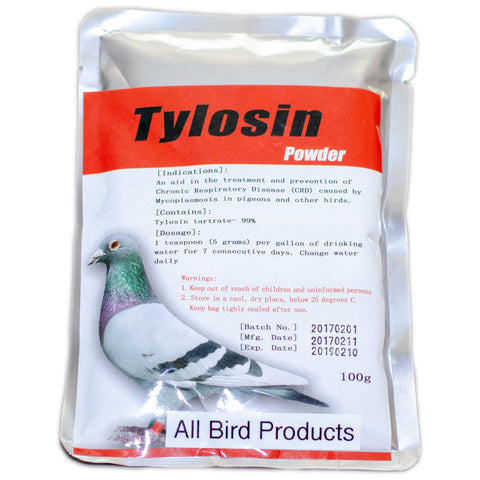
EXPLORE PRODUCTS →Tylosin 99% Powder
Tylosin Powder for Pet Birds contains:
Tylosin Tartrate 99%
in a 100 g powder format.
Tylosin is a macrolide-class antibacterial ingredient commonly researched in connection with:
- Mycoplasma-associated respiratory disease
- Chronic respiratory disease
- Pigeon respiratory problems
Shop Tylosin Tartrate 99%
High-purity tylosin tartrate powder for organized pet-bird care.
Doxy-Tyl — Doxycycline + Tylosin
Doxy-Tyl Powder combines:
- Tylosin 40%
- Doxycycline 20%
in one 100 g avian powder.
This combination is highly relevant commercially for bird owners researching respiratory formulas involving both doxycycline and tylosin.
A combination product should not automatically be assumed to be appropriate simply because a bird is sneezing.
It belongs in a care plan when both active ingredients fit the suspected or identified respiratory condition.
Compare Doxy-Tyl Powder
Combination Tylosin 40% + Doxycycline 20% powder for pet-bird care.
Cause #4 — Other Susceptible Bacterial Infections
Not every bacterial respiratory disease is caused by Chlamydia or Mycoplasma.
When other susceptible bacterial organisms are involved, different antibacterial ingredients may be considered.
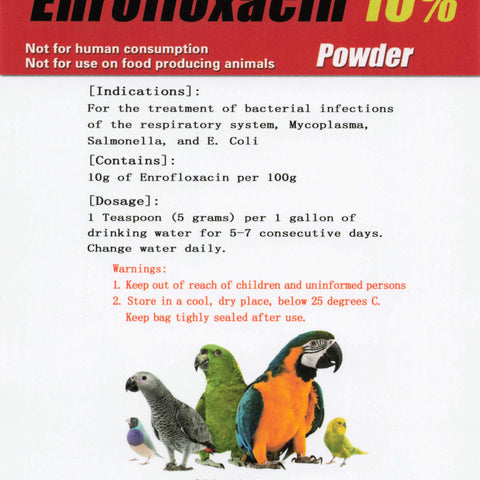
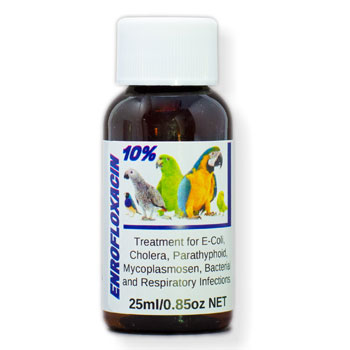
Enrofloxacin 10% Powder
Enrofloxacin 10% Powder is another BirdAntibiotic.com respiratory-care option for pet birds.
Its commercial relevance includes searches involving:
- Bird respiratory infection
- Mycoplasma-associated disease
- Other susceptible bacterial infections
Enrofloxacin should not be treated as a universal answer for every bird with respiratory signs.
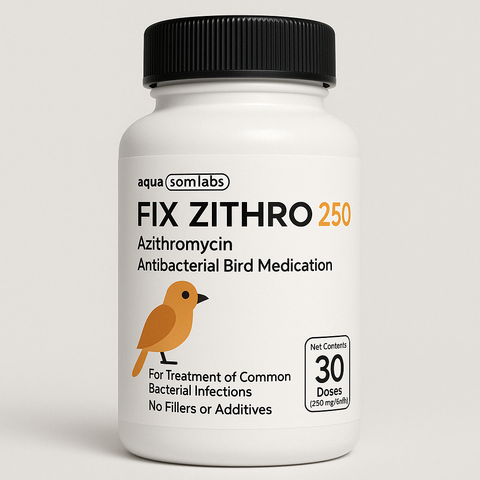
Bird Zithro 250 — Azithromycin
Bird Zithro 250 contains:
Azithromycin 250 mg
per tablet, with 30 tablets per bottle.
Azithromycin is another macrolide antibacterial ingredient researched for selected susceptible bacterial respiratory and systemic conditions.
How to Compare Bird Respiratory Antibiotics
| Product | Ingredient | Format | Common Search Intent |
|---|---|---|---|
| Doxycycline 20% | Doxycycline | 100 g powder | Chlamydial and selected bacterial respiratory-care searches |
| Tylosin Powder | Tylosin Tartrate 99% | 100 g powder | Mycoplasma and CRD-related searches |
| Doxy-Tyl | Tylosin 40% + Doxycycline 20% | 100 g powder | Combination respiratory-care searches |
| Enrofloxacin 10% | Enrofloxacin | Powder | Broad bacterial respiratory-care searches |
| Bird Zithro 250 | Azithromycin 250 mg | 30 tablets | Azithromycin and bird respiratory antibiotic searches |
Explore Bird Antibiotics
Browse our Best Bird Antibiotics collection and explore bird care products organized in one convenient place.
EXPLORE PRODUCTS →Cause #5 — Air-Sac Mites
Not every clicking, wheezing or open-mouth-breathing bird needs an antibiotic.
Air-sac mites are respiratory parasites that can infect the respiratory system, especially in:
- Canaries
- Gouldian finches
- Other susceptible cage birds
Possible signs include:
- Clicking
- High-pitched respiratory sounds
- Sneezing
- Tail bobbing
- Open-mouth breathing
- Reduced song
SCATT — Air-Sac Mite Care
SCATT is a BirdAntibiotic.com topical parasite-control product positioned for:
- Air-sac mites
- Scaly-face mites
- Selected external parasite concerns
Its place in a respiratory article is important because mite-related respiratory disease requires:
parasite treatment—not antibacterial treatment.
Respiratory Clicking in Canaries or Finches?
Air-sac mites belong high on the differential list when susceptible birds develop clicking, respiratory noise and open-mouth breathing.
Cause #6 — Aspergillosis & Other Fungal Disease
Aspergillosis is an important fungal respiratory disease in birds.
It can involve the:
- Nasal passages
- Sinuses
- Trachea
- Syrinx
- Lungs
- Air sacs
Possible Aspergillosis Signs
- Breathing difficulty
- Increased respiratory rate
- Voice change
- Tail bobbing
- Exercise intolerance
- Weight loss
- Reduced appetite
Mold Exposure Does Not Automatically Mean Aspergillosis
Moldy feed, poor ventilation and heavy environmental spore exposure can increase risk.
But visible mold exposure alone does not prove fungal infection.
Diagnosis may require:
- Blood testing
- Imaging
- Endoscopy
- Cytology
- Culture or molecular testing
Antibiotics Do Not Treat Aspergillus
A bacterial antibiotic does not treat fungal respiratory disease.
Fungal infection requires an antifungal treatment strategy.
Cause #7 — Viral Respiratory Disease
Several viral diseases can produce respiratory signs.
Antibiotics do not directly treat viruses.
However, secondary bacterial infections can occasionally complicate viral disease.
Cause #8 — Environmental Irritation
A bird can sneeze or breathe abnormally without having an infectious disease.
Potential irritants include:
- Dust
- Feather dander
- Smoke
- Vaping aerosols
- Perfume
- Air fresheners
- Cleaning sprays
- Cooking fumes
Sudden Breathing Problems After Fume Exposure
Rapid respiratory deterioration after household fumes should be treated urgently.
Move the bird away from the contaminated air and arrange veterinary care.
Cause #9 — Dry Air
Very dry indoor air can irritate the:
- Nasal passages
- Eyes
- Respiratory mucosa
Dry air may contribute to irritation.
It does not create a bacterial infection by itself.
Cause #10 — Nutritional Problems
Birds maintained on nutritionally poor diets may develop abnormal respiratory epithelial health.
Vitamin A deficiency is particularly associated with epithelial changes in seed-heavy diets.
However:
do not automatically give large doses of vitamin A because a bird is sneezing.
The overall diet should be evaluated first.
How Is Bird Respiratory Disease Diagnosed?
A veterinarian may use different tests depending on the species and symptoms.
Possible diagnostics include:
- Physical examination
- Body-weight assessment
- Oral and choanal examination
- Swabs
- Cytology
- Culture and susceptibility testing
- PCR testing
- Blood tests
- Radiographs
- CT imaging
- Endoscopy
Why Testing Matters
The same symptom may have very different causes.
For example:
clicking may be associated with respiratory parasites.
tail bobbing can occur with lower respiratory disease of several causes.
nasal discharge can occur with bacterial, fungal or inflammatory sinus disease.
voice changes can involve the syrinx or trachea.
Should Every Sneezing Bird Receive Antibiotics?
No.
Sneezing alone may result from:
- Dust
- Irritation
- Dry air
- Respiratory infection
- Parasites
Repeated sneezing plus discharge, weight loss, respiratory effort or systemic illness deserves closer evaluation.
Should You Combine Several Bird Antibiotics?
Do not automatically combine:
- Doxycycline
- Tylosin
- Enrofloxacin
- Azithromycin
- Other antibiotics
simply because breathing appears severe.
More ingredients do not automatically mean:
- Better treatment
- Faster recovery
- Broader useful coverage
The medication should match the disease process involved.
Supportive Care for a Bird With Respiratory Disease
While the underlying cause is being addressed, supportive care can help reduce unnecessary stress.
Keep the Bird Calm
Limit:
- Repeated catching
- Forced exercise
- Unnecessary handling
Keep Food and Water Easy to Reach
A weak bird should not need to climb extensively to reach its bowls.
Maintain Clean Air
Avoid:
- Smoke
- Fragrance
- Aerosols
- Dust
- Strong cleaning fumes
Maintain Good Ventilation
Fresh air is important.
Avoid directly blowing cold air onto the bird.
Monitor Weight
Respiratory disease can lead to reduced food intake and weight loss.
Use a gram scale when it can be done without excessive stress.
Bird Respiratory Infection in Budgies
Watch for:
- Sneezing
- Wet cere
- Tail bobbing
- Reduced chatter
- Fluffing
- Open-mouth breathing
Budgies can deteriorate quickly because of their small body size.
Cockatiel Respiratory Infection
Cockatiels may show:
- Repeated sneezing
- Watery eyes
- Sinus swelling
- Voice changes
- Tail bobbing
Mycoplasma-associated chronic sinus disease is one differential in cockatiels.
Canary Respiratory Problems
Canaries deserve special attention when respiratory disease includes:
- Clicking
- Reduced song
- Open-mouth breathing
- Tail bobbing
because air-sac mites are an important differential.
Finch Respiratory Problems
Gouldian finches and other susceptible finches can develop respiratory mite infestations.
Do not automatically assume every clicking finch has a bacterial infection.
Pigeon Respiratory Infection
Common search terms include:
- Pigeon respiratory infection
- Pigeon CRD
- Pigeon ornithosis
- Pigeon Mycoplasma
Signs may include:
- Wet eyes
- Sneezing
- Nasal discharge
- Swollen sinuses
- Wheezing
- Poor flying performance
- Tail bobbing
BirdAntibiotic.com has a dedicated Pigeon Respiratory collection for owners comparing respiratory-care products.
Parrot Respiratory Infection
Large parrots may initially show subtle changes such as:
- Reduced talking
- Reduced activity
- Voice changes
- Poor appetite
before obvious respiratory distress appears.
Explore Bird Antibiotics
Browse our Best Bird Antibiotics collection and explore bird care products organized in one convenient place.
EXPLORE PRODUCTS →Frequently Asked Questions About Bird Respiratory Infections
How do I know if my bird has a respiratory infection?
Common warning signs include repeated sneezing, nasal discharge, watery eyes, wheezing, clicking, voice changes, tail bobbing and breathing difficulty.
Is bird sneezing always an infection?
No. Occasional sneezing may clear dust or debris. Persistent sneezing with discharge or other illness signs is more concerning.
Why is my bird wheezing?
Wheezing can occur with bacterial, fungal, parasitic or obstructive respiratory disease.
Why is my bird clicking when breathing?
Respiratory clicking can occur with airway disease and is particularly associated with air-sac mites in susceptible canaries and finches.
Why is my bird's tail bobbing?
Pronounced tail movement synchronized with each breath can indicate increased respiratory effort.
Is tail bobbing an emergency?
Mild body movement can occur normally, but pronounced tail bobbing combined with respiratory effort, weakness or open-mouth breathing is concerning.
Why is my bird breathing with its mouth open?
Persistent open-mouth breathing at rest can indicate significant airway or respiratory compromise.
Why does my bird stretch its neck to breathe?
Neck extension may occur when the bird is attempting to improve airflow through a compromised airway.
Can a respiratory infection cause watery eyes?
Yes. Sinus and upper respiratory disease can affect the tissues surrounding the eyes.
Can a respiratory infection make a bird stop eating?
Yes. Sick birds may become weak, and breathing difficulty can interfere with normal eating.
Can Chlamydia cause respiratory symptoms in birds?
Yes. Avian chlamydiosis can produce respiratory, ocular and systemic illness.
Can people catch Chlamydia from birds?
Chlamydia psittaci can infect people, which is why good hygiene and appropriate professional evaluation matter.
What is doxycycline used for in birds?
Doxycycline is an avian antibacterial ingredient with an established role in treatment programs for Chlamydia and selected susceptible bacterial conditions.
What is Tylosin used for in birds?
Tylosin is a macrolide antibacterial ingredient commonly researched for Mycoplasma-associated and chronic respiratory disease.
What is Doxy-Tyl?
BirdAntibiotic.com Doxy-Tyl Powder combines Tylosin 40% and Doxycycline 20% in a 100 g pet-bird powder.
What is Enrofloxacin used for in birds?
Enrofloxacin is a broad-spectrum veterinary antibacterial ingredient considered for selected susceptible bacterial infections.
What is Bird Zithro?
Bird Zithro 250 contains azithromycin 250 mg per tablet and is sold in a 30-tablet bottle.
Can antibiotics treat air-sac mites?
No. Air-sac mites are parasites and require antiparasitic treatment.
What is SCATT?
SCATT is a topical BirdAntibiotic.com parasite-control product positioned for air-sac mites, scaly-face mites and selected other mite concerns.
Can antibiotics treat aspergillosis?
No. Aspergillosis is fungal and requires antifungal treatment rather than conventional antibacterial treatment.
Can dry air make a bird sneeze?
Very dry indoor air can irritate respiratory tissues, but it does not itself create a bacterial infection.
Can smoke cause breathing problems in birds?
Yes. Smoke and airborne irritants can seriously affect the avian respiratory system.
Can mold cause bird respiratory problems?
Heavy mold exposure can increase fungal respiratory risk, but exposure alone does not confirm aspergillosis.
Can vitamin A deficiency cause respiratory problems?
Vitamin A deficiency can contribute to abnormal epithelial health, especially in birds maintained on poor seed-heavy diets, but respiratory symptoms still require a full differential diagnosis.
Should I use several bird antibiotics together?
Not automatically. Combination treatment should be selected only when the active ingredients fit the suspected or identified bacterial disease.
When is bird breathing an emergency?
Continuous open-mouth breathing, marked tail bobbing, major respiratory effort, collapse or inability to perch requires prompt attention.
The Professional Bird Respiratory Checklist
1. Observe breathing before catching the bird.
2. Check for tail bobbing.
3. Look at the nostrils.
4. Check the eyes and sinuses.
5. Listen for clicking, wheezing or voice changes.
6. Monitor appetite and body weight.
7. Consider bacterial disease.
8. Consider Chlamydia and Mycoplasma.
9. Consider fungal respiratory disease.
10. Consider air-sac mites in susceptible species.
11. Remove smoke, aerosol and other respiratory irritants.
12. Match medication to the actual respiratory problem.
Shop Bird Respiratory Care
Compare doxycycline, tylosin, Doxy-Tyl, enrofloxacin, azithromycin and other bird respiratory-care products by active ingredient and format.
The Most Important Respiratory Rule
Do not diagnose the cause from one symptom.
A bird may sneeze because of:
- Dust
- Irritation
- Bacteria
- Chlamydia
- Mycoplasma
- Fungal disease
- Respiratory parasites
A bird may tail-bob because breathing has become more difficult.
A clicking canary may need parasite evaluation rather than another antibiotic.
A bird with aspergillosis needs a completely different treatment category from a bird with bacterial sinusitis.
The strongest bird respiratory-care strategy combines symptom recognition, correct diagnosis, clean air, supportive care and a treatment selected for the actual cause.
Recommended Products
Products selected to complement this guide.


Shop Related Products
Explore the products featured for this topic.


