 Help & Contact
 Track order













Fish Antibiotics Purchase USA: Where to Buy Ornamental Fish Antibiotics Online Safely
Why Ornamental Fish Owners in the USA Need Reliable Antibiotic Access
Ornamental fish keeping has grown into a serious hobby across the United States. From freshwater community tanks to large cichlid setups and reef aquariums, hobbyists invest time, money, and care into maintaining healthy aquatic environments. When disease appears, especially bacterial infections, having timely access to proper fish antibiotics becomes critical.
Unlike dogs or cats, fish often show symptoms late. A small tear in a fin, a pale patch on the body, or subtle behavioral changes can quickly escalate into fin rot, ulcers, or systemic infections. In many cases, waiting several days to locate treatment locally simply isn’t realistic. This is why more aquarium owners are choosing to purchase fish antibiotics online in the USA.
Reliable access allows hobbyists to respond early, reduce losses, and protect entire tanks — especially in community or breeder systems where infections can spread rapidly.
What Ornamental Fish Antibiotics Are (And Why They Exist)
Ornamental fish antibiotics are medications specifically labeled and intended for treating bacterial infections in aquarium fish. These products exist because fish live in closed aquatic systems where bacteria behave very differently than in mammals.
In an aquarium, infections are often waterborne. Bacteria spread through shared water, surfaces, and stress-compromised immune systems. Antibiotics formulated for fish are designed to dissolve properly, distribute evenly, and remain stable in aquatic environments during treatment cycles.
These medications are commonly used to address conditions such as:
- fin rot and tail rot
- columnaris and mouth rot
- skin ulcers and open sores
- internal bacterial infections
- post-injury infections
For ornamental fish owners, antibiotics are not optional tools — they are essential components of responsible aquarium care.
Common Bacterial Diseases in Ornamental Fish That Require Antibiotics
Bacterial diseases are among the most common and destructive health problems affecting ornamental fish in home aquariums across the United States. Unlike parasites or temporary stress reactions, bacterial infections often worsen quickly if left untreated and can spread from one fish to the entire tank.
Understanding which conditions typically require antibiotic treatment helps aquarium owners act earlier, choose the correct medication, and avoid unnecessary losses.
Fin Rot and Tail Rot
Fin rot is one of the earliest and most recognizable bacterial infections in ornamental fish. It usually begins as fraying, whitening, or darkening at the edges of the fins. As the infection progresses, fins may shorten, develop jagged edges, or recede toward the body.
While mild fin damage can sometimes be caused by aggression or poor water quality, true bacterial fin rot continues to worsen even after environmental conditions are corrected. In these cases, antibiotics such as amoxicillin or cephalexin are commonly used by U.S. hobbyists to stop the infection and allow regrowth.
Columnaris (Mouth Rot, Cotton Wool Disease)
Columnaris is a fast-moving and potentially deadly bacterial infection often mistaken for fungus due to its white or gray, cotton-like appearance. It commonly affects the mouth, gills, fins, and body surface.
Unlike slow-developing infections, columnaris can progress within hours, especially in warm water. Fish may show rapid breathing, mouth erosion, skin lesions, or sudden lethargy. Because of its aggressive nature, stronger antibiotics such as ciprofloxacin or combination treatments are often required.
Skin Ulcers and Open Sores
Ulcers appear as red, inflamed, or open wounds on the body of the fish. They are frequently the result of underlying bacterial infections that enter through minor injuries, stress-related immune suppression, or poor water conditions.
Ulcerative infections typically do not heal on their own. Without antibiotics, tissue damage can deepen, leading to systemic infection. Many aquarium owners in the USA rely on broad-spectrum antibiotics to stop ulcer progression and prevent secondary infections.
Internal Bacterial Infections
Not all bacterial diseases are visible externally. Internal infections may present as bloating, loss of appetite, abnormal swimming, white or stringy feces, or sudden weight loss.
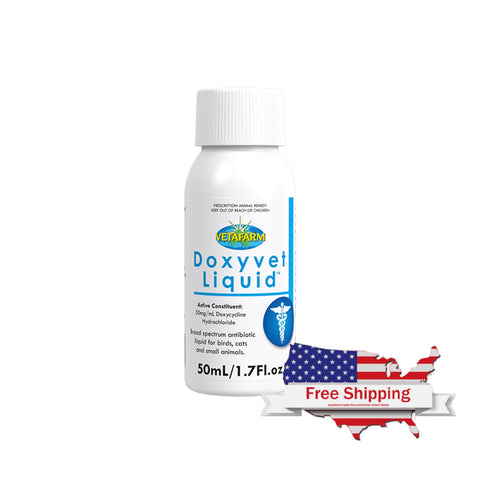
Because these symptoms can overlap with parasitic or digestive issues, internal infections are often overlooked until the fish becomes severely weakened. Antibiotics that absorb well and distribute systemically in the water, such as doxycycline or metronidazole, are commonly used in these cases.
Gill Infections
Bacterial gill infections interfere directly with a fish’s ability to breathe. Symptoms include rapid gill movement, gasping at the surface, red or inflamed gills, and reduced activity.
Gill infections are particularly dangerous because oxygen deprivation accelerates stress and weakens immune response. Prompt antibiotic treatment is often necessary to prevent suffocation or permanent damage.
Why Early Treatment Matters
In ornamental fish, bacterial infections rarely resolve without intervention. Because fish live in shared water systems, bacteria can spread quickly, especially in community tanks.
Early antibiotic treatment:
- prevents disease spread to healthy fish
- reduces tissue damage and scarring
- improves recovery rates
- shortens overall treatment duration
This is one of the main reasons many U.S. aquarium owners choose to keep fish antibiotics readily available or purchase them online before emergencies occur.
Why Buying Fish Antibiotics Online Is Now the Preferred Option
For many ornamental fish owners in the United States, purchasing fish antibiotics online has become the most practical and reliable option. While local pet stores once served as the primary source for aquarium medications, availability has declined significantly over the years, especially for broad-spectrum and prescription-strength fish antibiotics.
Today’s aquarium hobbyists are increasingly turning to specialized online suppliers because they offer consistency, selection, and speed that brick-and-mortar stores often cannot match.
Limited Availability at Local Pet Stores
Most local pet stores focus on general supplies such as food, filters, and decorative items. While some carry basic treatments, many no longer stock antibiotics strong enough to treat serious bacterial infections like columnaris, deep ulcers, or internal infections.
When these medications are available locally, they are often limited to small quantities or discontinued products. This leaves fish owners scrambling during emergencies, especially outside of business hours or on weekends.
Broader Selection Online
Online aquarium-focused stores typically offer a full range of ornamental fish antibiotics, allowing hobbyists to choose treatments based on the specific infection rather than settling for whatever happens to be in stock.
This includes access to commonly used medications such as amoxicillin, cephalexin, doxycycline, ciprofloxacin, metronidazole, and sulfa-based combinations — all in clearly labeled strengths and bottle sizes.
Faster Response During Emergencies
Bacterial infections in aquariums progress quickly. Waiting several days to locate medication locally can result in worsening symptoms, increased mortality, or the loss of an entire tank.
Reputable U.S.-based online suppliers typically ship within one business day, allowing aquarium owners to begin treatment much sooner than if they relied solely on local availability.
Consistency and Reliability
Another major reason hobbyists prefer online purchasing is consistency. Specialty aquarium vendors rotate stock frequently, maintain proper storage conditions, and provide clear product descriptions. This reduces the risk of receiving expired, degraded, or improperly stored medications.
By contrast, medications purchased from informal sources or small-volume sellers may have unknown storage histories or inconsistent quality.
Convenience for Modern Aquarium Owners
Many U.S. aquarium owners manage busy schedules. Ordering fish antibiotics online eliminates the need to visit multiple stores, make phone calls, or drive long distances hoping to find the correct medication.
With online purchasing, hobbyists can research symptoms, compare treatment options, and place an order within minutes — often from the same source they trust for repeat purchases.
Discreet and Professional Delivery
Specialty aquarium stores understand the importance of professional handling and discreet packaging. Medications are typically shipped in plain, secure packaging with tracking provided, ensuring privacy and peace of mind.
This level of professionalism is especially valued by experienced hobbyists who treat fishkeeping as a serious responsibility rather than a casual pastime.
A Shift Toward Preparedness
Rather than reacting to disease outbreaks, many ornamental fish owners now choose to keep antibiotics on hand as part of a proactive aquarium care strategy. Online purchasing makes this preparation easy by offering predictable access and bulk options.
This shift toward preparedness has helped reduce panic-driven decisions and improve overall fish health outcomes.
For these reasons, buying fish antibiotics online in the USA has become the preferred choice for ornamental fish keepers seeking reliability, selection, and timely treatment.
The Difference Between Ornamental Fish Antibiotics and Other Pet Medications
One of the most important concepts for aquarium owners to understand is that ornamental fish antibiotics are fundamentally different from medications designed for other pets. While the names of certain antibiotics may sound familiar, the way these medications are used, delivered, and regulated in aquariums reflects the unique biological and environmental needs of fish.
Recognizing these differences helps hobbyists make informed purchasing decisions and avoid incorrect assumptions when treating aquatic animals.
Fish Live in a Shared, Water-Based Environment
Unlike dogs, cats, or birds, ornamental fish live in a closed aquatic system where medication is delivered through water rather than direct oral dosing. This means fish antibiotics must dissolve properly, distribute evenly throughout the tank, and remain stable during the treatment period.
Medications formulated for mammals are designed to be metabolized through the digestive system or bloodstream after ingestion. In contrast, fish antibiotics are intended to be absorbed through gills, skin, and limited ingestion from the water column.
Different Stress and Immune Responses
Fish respond to stress and infection very differently from land-based animals. Environmental factors such as water quality, temperature, oxygen levels, and tank dynamics play a direct role in immune response.
Ornamental fish antibiotics are selected and used with these stressors in mind. Treatment protocols often include water changes, aeration adjustments, and temporary removal of filtration media to ensure effectiveness without harming the biological balance of the aquarium.
Labeling and Intended Use Matter
Ornamental fish antibiotics are clearly labeled for aquarium use. This labeling reflects the product’s intended purpose, dosage approach, and treatment environment.
Other pet medications — even when they share a similar active ingredient — are not designed for water-based delivery systems. They may include binders, coatings, or formulations that do not dissolve correctly in aquariums or may impact water chemistry.
Treatment Scope and Target Organisms
Fish antibiotics are chosen to address bacteria commonly found in aquatic environments, including waterborne pathogens that rarely affect mammals. These bacteria thrive in moist conditions and can spread rapidly between fish in shared water.
By contrast, medications for dogs, cats, or birds target pathogens associated with terrestrial living and are not selected based on aquatic transmission patterns.
Why Similar Names Can Be Confusing
Many ornamental fish antibiotics share names with medications used in human or veterinary medicine, such as amoxicillin, doxycycline, or ciprofloxacin. This similarity can create confusion for new hobbyists.
However, the similarity in naming does not mean the products are interchangeable. In aquariums, the emphasis is on water compatibility, stability, and appropriate exposure levels rather than direct dosing based on body weight.
Regulatory and Distribution Differences
Ornamental fish antibiotics are distributed through aquarium-focused suppliers and are intended for use in non-food, ornamental species. This classification reflects the long-standing role of antibiotics in fish health management within the aquarium hobby.
Other pet medications are regulated, prescribed, and dispensed under entirely different frameworks based on the species being treated and the method of administration.
Why This Difference Matters When Buying Online
Understanding these distinctions is essential when purchasing fish antibiotics online in the USA. Reliable aquarium suppliers provide medications specifically labeled and packaged for ornamental fish use, ensuring compatibility with aquarium systems.
Buying the correct type of medication protects both the fish and the stability of the tank, while reducing the risk of ineffective treatment or unintended consequences.
For ornamental fish owners, choosing antibiotics designed for aquatic environments is not just a preference — it is a fundamental part of responsible fishkeeping.
Which Fish Antibiotics Are Most Commonly Purchased in the USA
Across the United States, ornamental fish owners tend to rely on a core group of antibiotics that have proven effective, widely available, and practical for aquarium use. These medications are purchased repeatedly because they address the majority of bacterial infections encountered in home aquariums.
Understanding which fish antibiotics are most commonly purchased — and why — helps hobbyists make informed decisions and prepare appropriately for emergencies.
Amoxicillin-Based Fish Antibiotics
Amoxicillin is one of the most frequently purchased fish antibiotics in the U.S. aquarium hobby. It is commonly used as a first-line treatment for mild to moderate bacterial infections such as early fin rot, skin lesions, and minor wounds.
Hobbyists favor amoxicillin-based fish antibiotics because they are broad-spectrum, generally well tolerated, and effective against many gram-positive bacteria commonly found in aquariums.
Cephalexin for Persistent External Infections
Cephalexin-based fish antibiotics are widely purchased by aquarium owners dealing with stubborn or recurring infections. When fin rot continues despite water quality correction or initial treatment, cephalexin is often selected as the next step.
Its strength against gram-positive bacteria makes it a popular choice for advanced fin damage, ulcers, and chronic skin infections.
Ciprofloxacin for Aggressive or Rapid Infections
Ciprofloxacin is commonly purchased by U.S. hobbyists for fast-moving or severe bacterial outbreaks. It is particularly valued for treating columnaris, mouth rot, gill infections, and aggressive gram-negative pathogens.
Because these infections can spread rapidly and cause sudden losses, many experienced aquarium keepers keep ciprofloxacin on hand as part of their emergency treatment kit.
Doxycycline for Internal and Systemic Issues
Doxycycline-based fish antibiotics are often chosen when symptoms suggest an internal bacterial infection rather than a visible external problem. Loss of appetite, abnormal feces, bloating, or unexplained lethargy often prompt hobbyists to use doxycycline.
Its broad coverage and ability to penetrate tissue make it a versatile option when symptoms are unclear or mixed.
Metronidazole for Anaerobic and Internal Conditions
Metronidazole is frequently purchased by aquarium owners dealing with internal infections, anaerobic bacteria, or conditions such as white stringy feces and hole-in-the-head disease.
It is often used alone or in combination with other antibiotics when internal bacterial involvement is suspected.
Sulfa-Based Combination Antibiotics
Combination antibiotics containing sulfamethoxazole and trimethoprim are commonly purchased for resistant or recurring infections. These medications are valued for their dual-action approach and are often used when other antibiotics have failed.
They are especially popular among breeders and advanced hobbyists managing multiple tanks.
Antifungal and Specialty Treatments
While bacterial infections dominate aquarium disease management, antifungal medications such as ketoconazole are also commonly purchased. These treatments are used when infections resemble fungus or when bacterial and fungal issues occur together.
Having access to both antibiotic and antifungal options allows aquarium owners to respond accurately rather than guessing.
Why These Antibiotics Dominate the US Market
The popularity of these fish antibiotics in the USA comes down to a few key factors:
- effectiveness against common aquarium bacteria
- availability through specialty aquarium suppliers
- clear dosing practices for water-based treatment
- reliability across freshwater and many marine setups
By focusing on these proven medications, ornamental fish owners can build a treatment strategy that covers the majority of disease scenarios they are likely to encounter.
Understanding Broad-Spectrum vs Targeted Fish Antibiotics
When purchasing fish antibiotics in the USA, one of the most important decisions aquarium owners face is whether to use a broad-spectrum antibiotic or a more targeted treatment. Understanding the difference between these two categories helps ensure effective treatment while minimizing unnecessary exposure in the aquarium.
Both approaches have a place in ornamental fish care, and knowing when to use each one is a key skill for responsible hobbyists.
What Broad-Spectrum Fish Antibiotics Are
Broad-spectrum fish antibiotics are designed to act against a wide range of bacterial types, including both gram-positive and some gram-negative organisms. These medications are commonly chosen when the exact cause of infection is unclear or when multiple symptoms are present.
Because ornamental fish often show subtle or overlapping symptoms, broad-spectrum antibiotics are frequently used as first-line treatments in home aquariums.
Common situations where broad-spectrum antibiotics are preferred include:
- early-stage infections with unclear symptoms
- mixed community tanks with multiple affected fish
- initial outbreaks where time is critical
- cases where external and internal symptoms overlap
Examples of Broad-Spectrum Antibiotics
In the U.S. aquarium hobby, commonly used broad-spectrum fish antibiotics include:
- amoxicillin-based treatments
- doxycycline-based treatments
- sulfa combination antibiotics
These medications are popular because they offer flexibility and are effective in many common bacterial scenarios encountered by ornamental fish owners.
What Targeted Fish Antibiotics Are
Targeted fish antibiotics are designed to focus on specific types of bacteria. These treatments are most effective when the infection has been clearly identified or when previous broad-spectrum treatment has failed.
Targeted antibiotics allow aquarists to apply a more precise solution without unnecessarily exposing the aquarium to medications that may not be needed.
When Targeted Antibiotics Are the Better Choice
Targeted antibiotics are often selected in situations such as:
- confirmed columnaris infections
- severe ulcers with known bacterial involvement
- recurrent infections that did not respond to first-line treatment
- advanced symptoms indicating a specific bacterial group
In these cases, medications like ciprofloxacin or metronidazole may be chosen to address the specific bacteria involved.
Balancing Effectiveness and Aquarium Stability
One of the concerns aquarium owners have when using antibiotics is the impact on beneficial bacteria. Broad-spectrum antibiotics may affect a wider range of microorganisms, which is why many hobbyists use them carefully and follow recommended treatment durations.
Targeted antibiotics, when correctly chosen, may reduce unnecessary disruption while still addressing the infection.
Why Many Hobbyists Keep Both Options Available
Experienced ornamental fish owners in the USA often keep both broad-spectrum and targeted antibiotics on hand. This approach allows them to:
- respond quickly to early symptoms
- adjust treatment if symptoms evolve
- avoid delays while waiting for medication to arrive
Having multiple options available reduces guesswork and increases the likelihood of successful treatment.
Choosing the Right Approach When Buying Online
When purchasing fish antibiotics online, it’s important to select a supplier that offers both broad-spectrum and targeted options. This ensures hobbyists can tailor treatment to their specific situation rather than relying on a single medication for all problems.
Understanding the difference between these two categories helps aquarium owners make confident, informed decisions and use antibiotics responsibly within their tanks.
Where Aquarium Hobbyists Actually Buy Fish Antibiotics Online in the US
When ornamental fish owners in the United States need antibiotics, they tend to gravitate toward a few specific online sources. Over time, buying patterns have shifted away from general marketplaces and toward specialized aquarium-focused vendors that understand the urgency and technical needs of fish health.
Knowing where hobbyists actually buy fish antibiotics — and why — helps new aquarium owners make safer, more informed purchasing decisions.
Specialty Aquarium Medication Stores
The most trusted source for fish antibiotics online is specialty aquarium stores that focus exclusively on aquatic medications and supplies. These vendors are built around the needs of fishkeepers and typically offer:
- a complete range of ornamental fish antibiotics
- clear labeling and dosage information
- fresh, frequently rotated inventory
- fast, US-based shipping
Because these stores specialize in aquarium care, they understand which medications hobbyists actually use and keep them consistently in stock.
Why Experienced Hobbyists Prefer Specialty Stores
Long-time aquarium owners often avoid large online marketplaces when purchasing antibiotics. While marketplaces may appear convenient, they frequently rely on third-party sellers with unknown storage conditions, inconsistent stock rotation, and limited accountability.
Specialty aquarium vendors, by contrast, operate as dedicated suppliers. Their reputation depends on product quality, reliability, and repeat customers — not one-time sales.
Direct-to-Consumer Aquarium Suppliers
Another popular option among U.S. hobbyists is purchasing directly from aquarium-focused suppliers that sell through their own websites. These companies often control the entire supply chain, from storage to shipping, resulting in better consistency and faster fulfillment.
This direct model allows aquarium owners to know exactly where their medication comes from and how it has been handled.
Why Online Marketplaces Are Less Trusted for Antibiotics
While general e-commerce platforms offer convenience, many aquarium owners avoid them for antibiotics due to:
- uncertain expiration dates
- unknown storage environments
- mixed batches from multiple sellers
- limited or no customer support
For non-urgent items, these platforms may be acceptable. For medications that directly affect fish health, most hobbyists prefer the additional reliability of specialized vendors.
Community Recommendations and Word of Mouth
Online aquarium forums, local fish clubs, and social media groups play a significant role in where hobbyists choose to buy fish antibiotics. Recommendations often focus on vendors that consistently deliver fresh stock, ship quickly, and provide accurate product information.
Over time, these community-driven recommendations help steer buyers toward reliable sources and away from questionable sellers.
What This Means for New Buyers
For aquarium owners new to buying fish antibiotics online in the US, the takeaway is simple: follow the habits of experienced hobbyists. Specialty aquarium stores exist because they solve real problems — availability, reliability, and speed — that general retailers often cannot.
Choosing the same trusted sources used by long-term fishkeepers reduces risk and improves treatment outcomes.

Why Specialty Aquarium Stores Are Safer Than Marketplaces
When it comes to purchasing fish antibiotics online in the United States, not all sellers operate under the same standards. While large online marketplaces may appear convenient, many aquarium hobbyists have learned that specialty aquarium stores offer a much safer and more reliable option — especially for medications.
The difference comes down to control, accountability, and focus.
Controlled Storage Conditions
Fish antibiotics are sensitive to heat, humidity, and light. Specialty aquarium stores typically store medications in climate-controlled environments designed to preserve potency and stability.
Marketplace sellers, on the other hand, may store products in garages, warehouses without climate regulation, or shared fulfillment centers where conditions are unknown. Even short exposure to heat or moisture can reduce the effectiveness of antibiotics.
Consistent Inventory Rotation
Dedicated aquarium vendors move inventory regularly. High turnover means customers receive newer stock with longer remaining shelf life.
In contrast, marketplace listings often remain active for long periods, increasing the chance that a bottle has been sitting unused for months or years before shipping.
Clear Product Information
Specialty aquarium stores invest time in providing accurate descriptions, dosage guidance for aquarium use, and clear labeling. Their product pages are built specifically for fishkeepers.
Marketplace listings frequently rely on generic descriptions, copied text, or incomplete information, leaving buyers unsure whether they are purchasing the correct medication.
Reduced Risk of Counterfeit or Repackaged Products
One of the biggest risks with third-party marketplaces is repackaged or tampered products. Because multiple sellers can list similar items, oversight is limited.
Specialty aquarium stores sell factory-sealed bottles sourced directly through controlled supply chains, significantly reducing this risk.
Reliable Customer Support
If something goes wrong with an order, specialty aquarium stores provide direct customer support from people familiar with aquarium medications. This makes resolving issues faster and more reliable.
Marketplace disputes often involve automated systems, delayed responses, or sellers who disappear after the sale.
Focused Expertise
Specialty aquarium stores exist specifically to serve fishkeepers. Their entire business revolves around aquatic health, not general retail.
This focus leads to better product selection, clearer guidance, and an overall safer buying experience for ornamental fish antibiotics.
Why This Matters for Fish Health
When treating bacterial infections, medication quality matters. Inconsistent potency, degraded tablets, or incorrect products can delay recovery and worsen outbreaks.
By choosing a specialty aquarium store over a general marketplace, U.S. hobbyists reduce uncertainty and increase the likelihood of successful treatment.
For aquarium owners who value their fish and their tanks, safety and reliability are worth prioritizing.
What to Expect When Purchasing Fish Antibiotics Online
For aquarium owners in the United States who are purchasing fish antibiotics online for the first time, knowing what to expect can remove uncertainty and make the process far less stressful. Reputable aquarium-focused suppliers follow predictable, professional steps that help ensure customers receive the correct medication quickly and safely.
Understanding this process allows hobbyists to plan treatment effectively and avoid surprises.
Clear Product Listings and Descriptions
When buying from a reliable aquarium supplier, product pages clearly display the medication name, dosage strength, quantity per bottle, and intended aquarium use. This transparency helps buyers confirm they are selecting the correct antibiotic for their situation.
Well-structured listings also reduce confusion between similar products and make it easier to compare options.
Multiple Strength and Quantity Options
Most specialty aquarium stores offer fish antibiotics in different strengths and bottle sizes. This allows hobbyists to choose the most appropriate option based on tank volume, number of fish, and treatment duration.
Smaller quantities may suit single-tank setups, while larger bottles are often preferred by breeders or hobbyists maintaining multiple aquariums.
Professional Packaging
Fish antibiotics purchased online typically arrive in factory-sealed bottles placed inside secure, discreet packaging. Reputable vendors prioritize protecting the medication during transit to prevent damage or contamination.
Packaging is usually plain and professional, reflecting the seriousness of the product rather than retail branding.
Predictable Shipping Timelines
Most U.S.-based aquarium suppliers ship orders within one business day. Standard delivery typically ranges from two to four days, with faster options available for urgent situations.
Tracking information is usually provided so buyers can plan treatment timing accordingly.
Customer Communication and Support
Reputable sellers send confirmation emails, shipping updates, and tracking details. If questions arise, customers can usually reach knowledgeable support staff who understand aquarium medications.
This level of communication reassures buyers and helps prevent delays during treatment.
Receiving and Inspecting the Order
Upon arrival, aquarium owners should inspect the package to ensure:
- the bottle is sealed and undamaged
- the medication name and strength match the order
- the expiration date is clearly visible
Once verified, medications should be stored properly until needed or used immediately if treatment is already underway.
A More Confident Buying Experience
For many hobbyists, the first online purchase of fish antibiotics is a learning experience. After seeing how smoothly the process works, most aquarium owners gain confidence and prefer online ordering for future needs.
This predictability and convenience are key reasons why purchasing fish antibiotics online in the USA has become the standard approach for many ornamental fish keepers.
Popular Ornamental Fish Antibiotics and Their Uses
When purchasing ornamental fish antibiotics online in the United States, certain medications appear repeatedly because they address the most common bacterial conditions encountered in home aquariums. These antibiotics are trusted by hobbyists due to their effectiveness, availability, and suitability for water-based treatment.
Below is an overview of the most commonly purchased fish antibiotics and the situations in which aquarium owners typically use them.
Amoxicillin (Fish Mox)
Common Uses: early-stage fin rot, minor skin infections, mouth sores, bacterial infections following injury.
Amoxicillin-based fish antibiotics are often chosen as a first response when symptoms are mild to moderate. Many ornamental fish owners rely on this medication because it is broad-spectrum and widely tolerated in aquarium environments.
Fish Mox (Amoxicillin 500 mg) – View Product
Cephalexin (Fish Flex)
Common Uses: persistent fin rot, advanced skin infections, ulcers that do not heal with milder treatment.
Cephalexin is commonly selected when infections continue despite initial treatment or when visible tissue damage suggests a more established bacterial problem.
Fish Flex (Cephalexin 500 mg) – View Product
Ciprofloxacin (Fish Flox)
Common Uses: columnaris, mouth rot, gill infections, rapid fin deterioration, aggressive gram-negative infections.
Ciprofloxacin is often reserved for fast-moving or severe infections. Many experienced hobbyists keep it on hand for emergencies where symptoms escalate quickly.
Fish Flox (Ciprofloxacin 500 mg) – View Product
Doxycycline (Fish Doxy)
Common Uses: internal bacterial infections, cloudy eyes, systemic infections, unclear or mixed symptoms.
Doxycycline is valued for its ability to address infections that do not present obvious external signs. It is frequently used when appetite loss or abnormal waste suggests internal involvement.
Fish Doxy (Doxycycline 100 mg) – View Product
Metronidazole (Fish Zole)
Common Uses: anaerobic infections, internal bacterial conditions, white or stringy feces, hole-in-the-head–type symptoms.
Metronidazole is often chosen when internal infections are suspected or when symptoms do not respond to standard antibiotics.
Fish Zole (Metronidazole 500 mg) – View Product
Sulfa-Based Combination Antibiotics
Common Uses: resistant infections, recurring bacterial outbreaks, ulcers that fail to heal.
Combination antibiotics containing sulfamethoxazole and trimethoprim are popular among breeders and advanced hobbyists who manage multiple tanks or recurring issues.
Fish Sulfa (SMZ-TMP) – View Product
Antifungal Options for Mixed Infections
Common Uses: fungal growths, cotton-like patches, post-injury fungal infections, ambiguous lesions.
Antifungal treatments are sometimes needed alongside antibiotics, especially when bacterial and fungal infections appear together.
Fish Ketoconazole – View Product
Why Having Multiple Options Matters
No single antibiotic treats every condition. This is why many U.S. ornamental fish owners maintain access to several medications, allowing them to respond appropriately based on symptoms rather than guessing.
A complete overview of available options can be found here:
Understanding how each medication is used helps aquarium owners treat infections more effectively and avoid unnecessary delays.
How to Choose the Right Antibiotic for Your Ornamental Fish
Selecting the correct antibiotic is one of the most important decisions an aquarium owner can make when disease appears. Using the right medication early can stop an infection quickly, while using the wrong one may delay recovery or allow symptoms to worsen.
This process does not require guesswork when approached methodically. By observing symptoms carefully and understanding how different antibiotics are typically used in aquariums, hobbyists can make confident, informed choices.
Start With Careful Observation
Before choosing any medication, take time to observe the fish and the tank environment. Note whether symptoms are external, internal, or behavioral.
Key questions to ask include:
- Are fins fraying, receding, or discolored?
- Are there white, gray, or cotton-like patches on the body or mouth?
- Is the fish eating normally?
- Is breathing rapid or labored?
- Are there visible sores, ulcers, or redness?
Clear observation helps narrow down whether the issue is likely bacterial and what type of infection may be present.
Match Symptoms to the Likely Infection Type
Different antibiotics are commonly chosen based on the pattern of symptoms rather than a single sign.
- Early fin rot or minor wounds: often treated with broad-spectrum antibiotics such as amoxicillin.
- Persistent fin damage or ulcers: may respond better to cephalexin.
- Rapid tissue damage, mouth rot, or columnaris: typically requires stronger gram-negative coverage such as ciprofloxacin.
- Internal symptoms without obvious external signs: commonly treated with doxycycline or metronidazole.
- Recurring or resistant infections: may benefit from combination sulfa antibiotics.
Using symptom patterns rather than assumptions improves treatment accuracy.
Consider the Speed of the Infection
The rate at which symptoms progress can help guide antibiotic choice. Slow, gradual changes often indicate milder infections, while rapid deterioration suggests aggressive bacteria that require stronger treatment.
Fast-moving infections should be addressed promptly with appropriate antibiotics to prevent spread throughout the tank.
Account for Tank Size and Setup
The size of the aquarium and the number of fish affected also influence medication choice. Community tanks may require broader coverage to protect multiple fish, while quarantine tanks allow more targeted treatment.
In larger systems, ensuring sufficient medication volume for the entire treatment period is especially important.
Avoid Treating Non-Bacterial Issues With Antibiotics
Not all fish health problems are bacterial. Parasites, fungal infections, water quality issues, and stress-related symptoms can mimic bacterial disease.
If symptoms improve rapidly after water changes, temperature correction, or stress reduction, antibiotics may not be necessary. Treating non-bacterial conditions with antibiotics does not improve outcomes and may disrupt tank balance.
When in Doubt, Choose a Broad-Spectrum Approach
When symptoms are unclear but bacterial infection is strongly suspected, many hobbyists begin with a broad-spectrum antibiotic. This approach provides coverage while symptoms are monitored more closely.
If improvement is not seen within the expected timeframe, treatment can be adjusted based on how the fish responds.
Why Reliable Product Information Matters
Choosing the right antibiotic also depends on purchasing from a supplier that provides clear product descriptions, strengths, and intended aquarium use. Reliable information reduces confusion and ensures the medication selected aligns with the treatment plan.
Making a thoughtful choice based on observation, symptom patterns, and tank conditions leads to better outcomes and healthier ornamental fish.
How to Order Fish Antibiotics Online Step by Step
Ordering fish antibiotics online in the United States is a straightforward process when approached methodically. Knowing each step in advance helps aquarium owners avoid mistakes, select the correct medication, and receive treatment in time to protect their fish.
This step-by-step overview outlines what most hobbyists experience when purchasing ornamental fish antibiotics online.
Identify the Infection and Treatment Goal
Before placing an order, confirm that the issue is likely bacterial and determine whether the symptoms appear external, internal, or aggressive in nature. This guides which antibiotic category to select.
Clear identification reduces the risk of ordering an unnecessary or ineffective medication.
Select the Appropriate Antibiotic
Once symptoms are evaluated, choose an antibiotic commonly used for that condition. Many aquarium owners rely on broad-spectrum options first, while others select targeted treatments when symptoms are clear.
Review the product description carefully to confirm the medication is labeled for ornamental fish and aquarium use.
Choose the Correct Strength and Quantity
Fish antibiotics are offered in different strengths and bottle sizes. Selecting the correct option depends on:
- aquarium volume
- number of fish being treated
- expected treatment duration
It is generally better to have slightly more medication than needed rather than running out mid-treatment.
Add the Product to Cart
After confirming the medication, strength, and quantity, add the item to your cart. Many hobbyists take a moment at this stage to double-check details before proceeding.
Some aquarists also choose to add additional medications or supplies to prepare for future needs.
Review Shipping Options
Most U.S.-based aquarium suppliers offer multiple shipping options. Standard shipping typically arrives within a few business days, while expedited options are available for urgent situations.
During active infections, faster shipping can be an important factor in treatment success.
Enter Shipping and Payment Information
Complete checkout by entering your shipping details and selecting a secure payment method. Reputable aquarium stores use encrypted checkout systems and provide order confirmation immediately.
Receive Order Confirmation and Tracking
After placing the order, customers typically receive a confirmation email followed by tracking information once the package ships. This allows aquarium owners to plan treatment timing.
Inspect the Medication Upon Arrival
When the order arrives, inspect the package to ensure:
- the bottle is sealed and intact
- the product name and strength match the order
- the expiration date is clearly marked
Once verified, treatment can begin or the medication can be stored properly until needed.
Store Medication Correctly
Fish antibiotics should be stored in a cool, dry place away from sunlight and moisture. Proper storage preserves potency and ensures the medication remains effective for future use.
By following these steps, aquarium owners can confidently order fish antibiotics online and be prepared to respond quickly when health issues arise.
Shipping, Storage, and Shelf Life of Fish Antibiotics
Once fish antibiotics are ordered online, proper handling does not end at checkout. How these medications are shipped, stored, and maintained over time plays a major role in their effectiveness when they are finally needed.
Understanding these factors helps aquarium owners protect their investment and ensure reliable treatment outcomes.
How Fish Antibiotics Are Typically Shipped
Reputable U.S.-based aquarium suppliers ship fish antibiotics in sealed, factory-labeled containers designed to protect the medication during transit. Orders are usually packed in sturdy packaging to minimize exposure to heat, light, and moisture.
Most suppliers avoid unnecessary delays by shipping within one business day, reducing the time medication spends in uncontrolled environments.
Why Temperature and Handling Matter
Antibiotics can degrade if exposed to extreme heat, freezing temperatures, or high humidity. While short transit times generally prevent issues, prolonged exposure during shipping or improper storage afterward can reduce potency.
This is one reason experienced hobbyists prefer U.S.-based sellers with predictable shipping timelines.
Best Practices for Storing Fish Antibiotics at Home
Once received, fish antibiotics should be stored carefully to preserve their effectiveness. Ideal storage conditions include:
- a cool, dry location
- away from direct sunlight
- protected from moisture and humidity
- out of reach of children and pets
A dedicated cabinet or storage box for aquarium medications helps keep products organized and protected.
Understanding Expiration Dates
All reputable fish antibiotics include a clearly marked expiration date. This date reflects the period during which the medication is expected to maintain full potency when stored correctly.
Using antibiotics past their expiration date may result in reduced effectiveness, making treatment less predictable.
Why Fresh Inventory Matters
Specialty aquarium stores tend to rotate inventory frequently, meaning customers receive products with longer remaining shelf life. This is another reason many hobbyists prefer buying from dedicated aquarium suppliers rather than general marketplaces.
Fresh inventory provides peace of mind and ensures medications will be effective when needed.
Can Fish Antibiotics Be Stored for Emergencies?
Many experienced aquarium owners keep commonly used antibiotics on hand for emergencies. When stored properly, unopened bottles can remain effective until their expiration date.
Having medication available before an infection becomes severe allows for faster response and better outcomes.
What to Do With Unused or Expired Medication
Expired or unused fish antibiotics should not be added to aquariums. Instead, follow local guidelines for medication disposal or consult your supplier for recommendations.
Proper disposal helps prevent accidental misuse and protects aquatic environments.
Why Storage Knowledge Improves Treatment Success
Correct shipping, careful storage, and attention to expiration dates ensure that fish antibiotics perform as expected when used. These simple steps help aquarium owners avoid treatment failure due to degraded medication.
By treating antibiotics as precision tools rather than general supplies, hobbyists improve both fish health and overall aquarium stability.
Common Questions Aquarium Owners Ask Before Buying Fish Antibiotics Online
Before purchasing fish antibiotics online, many ornamental fish owners have similar questions. These concerns are natural, especially when dealing with the health of living animals and the responsibility of maintaining a stable aquarium environment.
Addressing these questions clearly helps hobbyists feel confident and prepared when making a purchase.
Are Fish Antibiotics Legal to Buy Online in the USA?
Fish antibiotics labeled for ornamental fish use are commonly sold online through aquarium-focused suppliers in the United States. These products are intended for non-food, ornamental species and are distributed through specialty aquarium retailers.
Buying from reputable U.S.-based aquarium stores ensures the products are correctly labeled and intended for aquarium use.
Do I Need a Prescription to Buy Fish Antibiotics?
Ornamental fish antibiotics are typically available without a prescription when purchased from aquarium suppliers. This accessibility allows hobbyists to respond quickly to bacterial outbreaks without delays.
While no prescription is required, responsible use based on symptoms and aquarium conditions remains essential.
How Do I Know Which Antibiotic to Choose?
Choosing the right antibiotic depends on observing symptoms, understanding whether the infection is external or internal, and recognizing how quickly symptoms are progressing.
Many aquarium owners consult educational resources, supplier descriptions, or community experiences to guide their decision.
How Much Medication Should I Buy?
The amount needed depends on tank size, number of fish, and treatment duration. Many hobbyists choose a quantity that allows them to complete a full course of treatment without running out.
Having a small reserve can also be useful for future needs, provided the medication is stored correctly.
How Long Does Shipping Usually Take?
Most U.S.-based aquarium suppliers ship orders within one business day. Standard shipping generally takes two to four business days, with expedited options available for urgent situations.
Planning ahead reduces the pressure of needing overnight delivery during active infections.
What If I Order the Wrong Medication?
Reputable aquarium stores typically offer customer support to help resolve issues. Checking product details carefully before checkout minimizes the risk of ordering the wrong item.
Some suppliers may allow returns of unopened products, though policies vary.
Can I Store Fish Antibiotics for Future Use?
Yes. Many experienced hobbyists keep common antibiotics on hand for emergencies. Proper storage in a cool, dry place helps maintain effectiveness until the expiration date.
Why Buying From a Trusted Supplier Matters
Most concerns around online purchasing are resolved by choosing a reliable, aquarium-focused supplier. Clear labeling, fresh inventory, and responsive support contribute to a smooth buying experience.
By asking the right questions upfront, aquarium owners can purchase fish antibiotics online with confidence and clarity.
How to Build a Safe Fish Medicine Cabinet at Home
Many experienced aquarium owners prefer to be prepared before problems appear. Building a simple, well-organized fish medicine cabinet allows hobbyists to respond quickly when illness occurs, rather than waiting days for supplies while symptoms worsen.
A proper fish medicine cabinet does not need to be large or complicated. It simply needs to cover the most common situations encountered in ornamental aquariums.
Start With Core Antibiotics
Most fish health issues encountered in home aquariums fall into a few predictable categories. For this reason, hobbyists often keep a small selection of commonly used antibiotics on hand.
A balanced medicine cabinet typically includes:
- a broad-spectrum antibiotic for early or unclear infections
- a stronger option for fast-moving or aggressive infections
- an internal-use antibiotic for systemic symptoms
This combination allows aquarium owners to respond appropriately based on symptoms rather than guessing.
Include an Antifungal Option
Not all visible infections are purely bacterial. Fungal growth can appear after injury, stress, or water quality issues.
Keeping an antifungal medication available helps address cotton-like growths or mixed infections without delay.
Quarantine and Hospital Tank Supplies
Medication is only one part of treatment. A safe medicine cabinet also includes items that support proper isolation and recovery.
- a small quarantine or hospital tank
- air pump and sponge filter
- heater appropriate for the species
- measuring tools for dosing accuracy
Having these supplies ready makes treatment more controlled and reduces stress on the main display tank.
Water Quality Support Items
Many bacterial infections are triggered or worsened by environmental stress. Supporting water quality during treatment improves outcomes.
Useful items include water conditioners, test kits, and equipment for partial water changes.
Organize and Label Everything Clearly
Storing medications in a labeled container or cabinet helps prevent mistakes during stressful situations. Each medication should be clearly marked with:
- name of the antibiotic
- dosage strength
- expiration date
This organization saves time when treatment needs to begin quickly.
Store Medications Properly
All fish antibiotics should be stored in a cool, dry place away from sunlight and humidity. Avoid storing them near aquariums where moisture is high.
Proper storage preserves potency and ensures the medication will be effective when needed.
Review and Refresh Periodically
At least once or twice a year, review your medicine cabinet. Remove expired products and replace items that are commonly used.
This habit ensures readiness and prevents last-minute scrambling during an outbreak.
Preparedness Leads to Better Outcomes
A well-maintained fish medicine cabinet allows aquarium owners to act calmly and confidently when illness appears. Instead of reacting in panic, hobbyists can focus on observation, proper dosing, and supportive care.
Preparation is one of the most effective tools for protecting ornamental fish health.
Mistakes to Avoid When Buying Fish Antibiotics Online
Buying fish antibiotics online is convenient and efficient, but like any specialized purchase, there are common mistakes that can reduce treatment effectiveness or create unnecessary stress. Understanding these pitfalls helps aquarium owners make smarter decisions and avoid problems before they happen.
Most of these mistakes are easy to avoid with a little preparation and awareness.
Choosing Based on Name Alone
One of the most common mistakes is selecting an antibiotic solely because the name sounds familiar. While certain medications are widely used, no single antibiotic treats every bacterial issue.
Different infections respond to different treatments. Choosing based on symptoms rather than name recognition leads to better outcomes.
Ignoring Dosage Strength and Quantity
Fish antibiotics are sold in various strengths and bottle sizes. Ordering too small a quantity or the wrong strength can interrupt treatment before it is complete.
Running out of medication mid-treatment may allow bacteria to persist and symptoms to return. It is generally safer to order enough medication to complete the full course.
Buying From Unverified Sellers
General marketplaces often host multiple third-party sellers with unknown storage conditions and limited accountability. Medications may be old, improperly stored, or inconsistently labeled.
Purchasing from aquarium-focused suppliers reduces uncertainty and ensures products are intended for ornamental fish use.
Overlooking Expiration Dates
Failing to check expiration dates can result in receiving medication with limited remaining shelf life. Expired or near-expired antibiotics may be less effective.
Reliable aquarium stores clearly display expiration information and rotate inventory regularly.
Assuming Faster Is Always Better
While expedited shipping can be helpful during emergencies, rushing an order without reviewing details increases the chance of mistakes.
Taking a few extra minutes to confirm the correct product, strength, and quantity is often more important than shaving off a day of delivery time.
Not Considering the Entire Treatment Plan
Antibiotics are only one part of treatment. Failing to consider water quality, tank conditions, and isolation practices can limit the effectiveness of even the best medication.
Successful treatment usually involves medication plus supportive care.
Buying Without Future Preparedness in Mind
Many hobbyists wait until symptoms are severe before purchasing antibiotics. This can lead to delays that worsen outcomes.
Keeping commonly used medications on hand allows for faster response and less stress when illness appears.
Why Avoiding These Mistakes Matters
Avoiding these common errors saves time, money, and frustration. More importantly, it improves the chances of successful recovery for ornamental fish.
By purchasing thoughtfully and choosing reliable suppliers, aquarium owners can approach treatment with confidence and clarity.
How to Evaluate If an Online Fish Antibiotic Seller Is Trustworthy
With many websites offering fish antibiotics online, knowing how to identify a trustworthy seller is essential. A reliable source does more than simply list products — it demonstrates consistency, transparency, and a clear understanding of aquarium care.
Evaluating a seller carefully helps aquarium owners avoid poor-quality products and ensures a safer buying experience.
Clear Focus on Aquarium and Ornamental Fish Care
Trustworthy sellers are typically specialized. Their websites are clearly built around aquarium care, ornamental fish health, and aquatic supplies rather than general retail.
This focus signals that the business understands the needs of fishkeepers and curates products accordingly.
Detailed Product Information
Reliable sellers provide clear product pages that include medication name, strength, quantity, and intended aquarium use. Descriptions should be easy to understand and consistent across listings.
Vague or incomplete descriptions are often a red flag.
Transparent Policies
Trustworthy aquarium suppliers clearly display shipping policies, return information, and customer support contact details. Buyers should be able to find answers without digging through the site.
Transparency builds confidence and reflects accountability.
Consistent Branding and Professional Presentation
Legitimate sellers invest in professional website design, clear navigation, and accurate product imagery. While design alone is not proof of quality, a well-maintained site indicates long-term operation rather than a short-term listing.
Positive Community Reputation
Many hobbyists rely on recommendations from aquarium forums, local fish clubs, and online communities. Sellers that consistently receive positive feedback over time tend to be more reliable.
Repeated mentions from experienced hobbyists are often more valuable than anonymous reviews.
US-Based Shipping and Support
For U.S. aquarium owners, domestic shipping reduces transit time and limits exposure to extreme temperatures. Reliable sellers usually ship from within the United States and offer responsive customer support.
Why Seller Evaluation Matters
Choosing the right seller protects more than your wallet — it protects your fish. Quality medication, proper storage, and timely delivery all contribute to successful treatment.
Taking a few moments to evaluate a seller before purchasing helps ensure the antibiotics you receive are suitable, effective, and reliable.
Summary: What Makes a Vendor Truly Trustworthy
As aquarium owners search for where to buy fish antibiotics online in the USA, certain qualities consistently separate trustworthy vendors from unreliable ones.
A dependable seller is focused on ornamental fish care, provides clear and accurate product information, and maintains transparent business practices.
Trustworthy vendors also prioritize proper storage, fast and reliable shipping, and responsive customer support. Their goal is long-term customer relationships rather than one-time sales.
For hobbyists, choosing such a vendor reduces uncertainty, saves time, and improves treatment outcomes. When fish health is involved, reliability matters.
Final Recommendation: Buy From Reliable, US-Based Aquarium Stores
For ornamental fish owners in the United States, purchasing fish antibiotics online has become a practical and widely accepted option. The key is choosing the right source.
Reliable, U.S.-based aquarium stores offer medications specifically intended for ornamental fish, handled under appropriate conditions, and shipped quickly when time matters most.
By buying from specialized aquarium suppliers, hobbyists gain access to accurate information, consistent product quality, and support from sellers who understand aquatic health.
When approached thoughtfully, buying fish antibiotics online can be both safe and effective — allowing aquarium owners to focus on what matters most: maintaining healthy, thriving fish.


