 Help & Contact
 Track order












Bird Azithromycin 250mg: The Complete Guide to Azithromycin for Birds, Respiratory Infections, Safety, and Responsible Avian Care
Bird Azithromycin 250mg: The Complete Guide to Azithromycin for Birds, Respiratory Infections, Safety, and Responsible Avian Care
A bird owner usually notices illness through changes that may seem insignificant to everyone else.
A cockatiel that whistles every morning may suddenly remain silent. A pigeon that usually approaches the feeder first may stay in the back of the loft. A budgie may stop playing with its favorite toy. A parrot that normally demands attention may become quiet, sleepy, or unusually defensive.
These changes matter because birds naturally conceal weakness. In the wild, showing signs of illness can attract predators or affect a bird’s position within its flock. Companion birds often retain that instinct, which means a medical problem may already be well established by the time the symptoms become obvious.
Respiratory changes are especially concerning.
A bird may begin sneezing, develop wet nostrils, breathe noisily, move its tail with every breath, lose its voice, or struggle during normal flight. These symptoms often lead owners to search for terms such as:
- Bird azithromycin
- Azithromycin for birds
- Azithromycin bird antibiotic
- Bird antibiotic for respiratory infection
- Azithromycin 250mg for birds
- Bird Zithro 250
- Pigeon respiratory infection treatment
- Parrot antibiotics
Searching for treatment is understandable, but visible symptoms cannot identify the responsible organism.
Sneezing, open-mouth breathing, eye discharge, appetite loss, abnormal droppings, and reduced activity may be caused by bacterial disease, but they can also result from viruses, fungal infections, parasites, household toxins, nutritional deficiencies, heat stress, heart disease, air-sac disorders, reproductive problems, or physical trauma.
Bird Azithromycin should therefore not be treated as a general remedy for every bird that appears unwell.
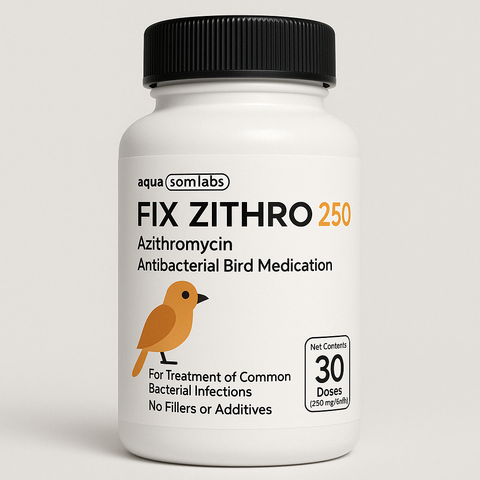
Fix Zithro 250 is an azithromycin tablet product for birds. Each tablet contains 250 mg of azithromycin, and each bottle contains 30 tablets. Azithromycin belongs to the azalide subgroup of macrolide antimicrobials and may be considered by an avian veterinarian for selected bacterial infections caused by susceptible organisms.
This guide explains:
- What bird azithromycin is
- How azithromycin works
- Why a 250 mg tablet requires accurate veterinary planning
- Which avian symptoms may suggest bacterial disease
- Which conditions azithromycin does not treat
- Why avian diagnostic testing matters
- How respiratory emergencies should be handled
- How to protect other birds in the home or aviary
- How to monitor a bird during treatment
- How to store and handle azithromycin tablets responsibly
The Most Important Principle
Azithromycin should be selected for the bird and the diagnosed condition—not simply for the symptom.
A bird with open-mouth breathing may need oxygen or emergency stabilization. A bird with fungal respiratory disease needs antifungal care. A bird exposed to fumes needs clean air and urgent veterinary support.
An antibiotic helps only when a susceptible bacterial organism is part of the problem.
What Is Bird Azithromycin?
Bird azithromycin refers to azithromycin-based antimicrobial products used in avian-care settings under appropriate professional guidance.
Azithromycin is related to erythromycin and other macrolide antibiotics, but its chemical structure places it within a subgroup known as azalides.
Its activity depends on several factors:
- The bacterial organism involved
- The organism’s susceptibility
- The location of the infection
- The bird’s species
- The bird’s exact body weight
- The administration route
- The formulation being used
- The bird’s liver, kidney, and digestive health
Azithromycin should not be described as effective against every bacterial infection. Some organisms are naturally less susceptible, while others may possess or develop antimicrobial resistance.

Fix Zithro 250 Product Profile
Fix Zithro 250 – Azithromycin Bird Antibiotic is supplied in tablet form.
| Product name | Fix Zithro 250 |
|---|---|
| Active ingredient | Azithromycin |
| Strength | 250 mg per tablet |
| Package quantity | 30 tablets |
| Product form | Tablets |
| Brand | Aqua Soma Labs |
| Intended category | Pet birds and non-food-producing avian species under appropriate guidance |
| Human use | Not for human medical treatment |
The tablet format provides a clearly identified active ingredient, strength, and count. These features support organized storage and accurate product identification.
They do not make one tablet an appropriate amount for every bird.
How Does Azithromycin Work?
Susceptible bacteria require proteins to grow, function, and reproduce.
Azithromycin binds to part of the bacterial ribosome, which is the structure responsible for assembling proteins. By interfering with that process, azithromycin can slow or stop the growth of susceptible organisms.
This activity allows the bird’s immune system and supportive veterinary care to participate in controlling the infection.
The medication is most useful when:
- The illness is bacterial
- The responsible organism is susceptible
- The medication reaches the affected tissue
- The product is measured accurately
- The bird receives the intended treatment consistently
- The underlying environmental or husbandry problems are corrected
What Does “Macrolide Antibiotic for Birds” Mean?
Macrolides are a family of antimicrobial medications with related mechanisms of action.
Members of the broader macrolide group include:
- Azithromycin
- Erythromycin
- Clarithromycin
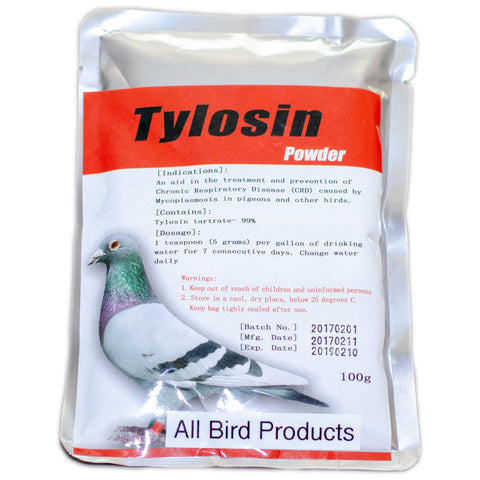
- Tylosin
These medications are not interchangeable.
They can differ in:
- Activity against particular organisms
- Absorption
- Tissue distribution
- Duration within the body
- Species-specific handling
- Potential interactions
- Regulatory status
A bird that did not respond to one macrolide should not automatically be switched to another without reassessment.
Why Azithromycin Is Discussed in Avian Respiratory Care
Azithromycin is frequently researched by owners dealing with persistent respiratory concerns in parrots, pigeons, cockatiels, budgies, and other aviary birds.
A veterinarian may consider a macrolide when evaluating selected susceptible bacterial organisms affecting:
- The upper respiratory tract
- The sinuses
- The eyes and surrounding tissues
- The lower respiratory system
- The air sacs
- Other internal tissues
However, the phrase bird respiratory infection describes a location and symptom pattern. It does not identify the cause.
A bird with respiratory symptoms may have:
- A susceptible bacterial infection
- A resistant bacterial infection
- Avian chlamydiosis
- A mycoplasma-related condition
- A viral infection
- Fungal respiratory disease
- Air-sac mites
- Vitamin A deficiency
- Household fume exposure
- Heart disease
- An internal mass
- Heat-related respiratory distress
These conditions require different treatment pathways.
Bird Respiratory Symptoms That Need Attention
Possible warning signs include:
- Repeated sneezing
- Wet or blocked nostrils
- Nasal discharge
- Eye discharge
- Swelling around the eyes
- Changes in voice or song
- Wheezing, clicking, or whistling sounds
- Tail bobbing with every breath
- Open-mouth breathing
- Neck extension while breathing
- Reduced flight endurance
- Reluctance to move
- Loss of appetite
- Weight loss
These signs do not confirm that Bird Azithromycin is needed.
They indicate that the bird’s respiratory system should be evaluated.
When Breathing Problems Are an Emergency
Do not wait for an oral antibiotic to work when a bird is in respiratory distress.
Seek urgent veterinary assistance for:
- Continuous open-mouth breathing
- Severe tail bobbing
- Blue, gray, or unusually pale oral tissue
- Collapse
- Inability to perch
- Repeated falling
- Extreme weakness
- Breathing difficulty after possible fume exposure
- Rapid deterioration
A bird in respiratory distress may require:
- Supplemental oxygen
- Reduced handling
- Controlled temperature support
- Fluid therapy
- Imaging
- Emergency stabilization
Excessive restraint can worsen respiratory distress by increasing stress and oxygen demand.
Why Birds Hide Illness
Birds have evolved to conceal weakness. A sick bird may continue perching, eating small amounts, or moving when approached even when its condition is significant.
Owners should learn the bird’s normal:
- Morning activity
- Vocalization
- Appetite
- Water intake
- Dropping appearance
- Body weight
- Breathing pattern
- Social behavior
- Preferred sleeping location
- Flight and climbing ability
A change from the individual bird’s normal routine can be more important than comparing it with another bird.
General Signs of Illness in Birds
Behavioral changes
- Becoming quieter than usual
- Sleeping for longer periods
- Loss of interest in toys
- Avoiding interaction
- Unexpected aggression
- Remaining in one area of the cage
- Sitting on the cage floor
- Reluctance to fly or climb
Appetite and weight changes
- Eating less
- Refusing favorite foods
- Dropping food while eating
- Difficulty swallowing
- Vomiting or repeated regurgitation
- Reduced water consumption
- Measurable weight loss
- A more prominent breastbone
Dropping changes
- Persistent watery droppings
- Unexpected color changes
- Blood or dark material
- Undigested food
- Major changes in volume
- Fewer droppings than normal
- Dirty feathers around the vent
Physical changes
- Persistently fluffed feathers
- Drooping wings
- Weak grip
- Loss of balance
- Swollen joints or feet
- Abdominal enlargement
- Skin wounds
- Abnormal posture
What Bird Azithromycin Does Not Treat
Azithromycin is an antibacterial medication. It is not a universal avian treatment.
Viral infections
Azithromycin does not directly eliminate viruses. Viral illness may require isolation, supportive care, disease-specific testing, and management of secondary complications.
Fungal infections
Aspergillosis, candidiasis, and other fungal conditions require appropriate antifungal evaluation and treatment.
Fungal respiratory disease may resemble a bacterial respiratory infection, particularly when the bird develops voice changes, exercise intolerance, weight loss, or open-mouth breathing.
Air-sac mites and other parasites
Azithromycin is not a treatment for mites, lice, worms, coccidia, or trichomonads.
Canker or trichomoniasis
Trichomoniasis is caused by a protozoan organism. It requires a suitable antiprotozoal treatment rather than a macrolide antibiotic.
Coccidiosis
Coccidiosis is caused by protozoan parasites and generally requires an anticoccidial medication.
Nutritional deficiencies
Vitamin A deficiency, calcium imbalance, inadequate protein intake, and other nutritional conditions cannot be corrected with an antibiotic.
Household toxins
Smoke, aerosols, cleaning fumes, heated nonstick cookware, paint fumes, gas, and other airborne hazards can cause severe respiratory distress.
Azithromycin does not neutralize inhaled toxins.
Heat stress
Azithromycin does not lower body temperature, correct dehydration, or treat heatstroke.
Heart disease and internal disorders
Cardiovascular disease, liver enlargement, fluid accumulation, reproductive disorders, or internal masses can interfere with breathing and require another treatment approach.
Azithromycin and Avian Chlamydiosis
Bird owners frequently encounter azithromycin while researching psittacosis, parrot fever, ornithosis, and avian chlamydiosis.
Avian chlamydiosis is caused by Chlamydia psittaci.
Possible signs in birds include:
- Eye or nasal discharge
- Respiratory difficulty
- Reduced appetite
- Weight loss
- Fluffed feathers
- Reduced activity
- Green or yellow-green droppings
- Dehydration
Some infected birds may carry and shed the organism without showing obvious illness.
Because Chlamydia psittaci can pass from birds to people, suspected avian chlamydiosis should not be managed as an ordinary minor respiratory problem.
Veterinary management may involve:
- Diagnostic testing
- Isolation
- A professionally selected antimicrobial regimen
- Extended treatment when required
- Cleaning precautions
- Monitoring of exposed birds
- Public-health guidance when applicable
Do not assume that azithromycin is automatically the preferred or complete treatment for suspected avian chlamydiosis.
Human Psittacosis Awareness
People may become exposed to Chlamydia psittaci by breathing dust containing dried bird droppings or respiratory secretions.
Risk can be higher for:
- Bird owners
- Aviary workers
- Pigeon keepers
- Bird breeders
- Pet-shop employees
- Bird-rescue workers
- Veterinary professionals
When avian chlamydiosis is suspected:
- Avoid dry sweeping
- Reduce airborne dust
- Wash hands after bird care
- Use dedicated cleaning equipment
- Follow veterinary isolation instructions
- Tell a physician about bird exposure if a household member becomes ill
Why Veterinary Diagnosis Matters
A veterinarian experienced with birds may begin by asking:
- When did the symptoms begin?
- Did they appear suddenly or gradually?
- Is one bird or the entire aviary affected?
- Was a new bird recently introduced?
- Has the bird traveled, boarded, raced, or attended a show?
- Has the bird lost weight?
- What is the bird’s regular diet?
- Has the bird received another antibiotic?
- Could the bird have been exposed to smoke or fumes?
- Are any people in the household experiencing respiratory illness?
The physical examination may include:
- Accurate body-weight measurement
- Body-condition assessment
- Hydration evaluation
- Examination of the eyes and nostrils
- Inspection of the mouth and choana
- Observation of respiratory effort
- Evaluation of the crop and abdomen
- Assessment of the heart and respiratory system
- Review of droppings
Diagnostic Tests for Bird Respiratory Disease
Depending on the bird’s condition, tests may include:
- Gram staining
- Microscopic examination
- Choanal or throat swabs
- Eye or nasal samples
- Bacterial culture
- Antimicrobial-sensitivity testing
- PCR testing
- Complete blood count
- Blood chemistry testing
- X-rays
- Air-sac or respiratory sampling
- Disease-specific testing
Testing is especially valuable when:
- The bird is seriously ill
- Several birds are affected
- The condition repeatedly returns
- Previous antibiotics have failed
- A zoonotic disease is suspected
- The bird is young, elderly, or medically fragile
Culture-and-Sensitivity Testing
A bacterial culture attempts to identify organisms from a carefully collected sample.
Sensitivity testing evaluates how those organisms respond to different antimicrobial medications.
Results can help answer:
- Are bacteria likely to be involved?
- Which organism was identified?
- Does the organism appear susceptible to azithromycin?
- Would another antibiotic be more appropriate?
- Could antimicrobial resistance be present?
This can reduce unnecessary trial-and-error treatment.
Why Previous Antibiotic Use Must Be Disclosed
Tell the veterinarian about every medication the bird has recently received.
Previous treatment may:
- Change visible symptoms
- Reduce bacterial shedding temporarily
- Alter laboratory test results
- Encourage resistant organisms
- Affect digestive microbial balance
- Influence the next medication choice
Complete information helps the veterinarian make a more accurate decision.
Thirty Tablets Are Not Thirty Universal Bird Doses
Fix Zithro 250 contains 30 tablets. Each tablet contains 250 mg of azithromycin.
This does not mean that one tablet is an appropriate amount for one bird.
Companion birds vary enormously in size.
Consider the difference between:
- A small finch weighing only a few grams
- A budgie weighing several dozen grams
- A cockatiel weighing around or below 100 grams
- A pigeon weighing several hundred grams
- An African grey weighing several hundred grams
- A large macaw weighing approximately one kilogram or more
The correct treatment plan may depend on:
- Exact body weight
- Species
- Age
- Diagnosis
- Infection location
- Disease severity
- Administration route
- Other medications
- Liver and kidney health
This article therefore does not provide a universal tablet fraction, water mixture, food ratio, or treatment schedule.
Why Tablet Splitting Can Be Inaccurate
Breaking a 250 mg tablet into visually equal pieces does not guarantee that every piece contains the same amount.
Possible problems include:
- Unequal fragments
- Powder loss during cutting
- Crushed material remaining on the work surface
- Difficulty creating very small fractions
- Confusion between prepared pieces
- Inconsistent repeated administration
For a small bird, a seemingly minor measuring error may represent a large difference relative to its body weight.
A veterinarian may recommend professional compounding into a measured liquid when very small quantities are required.
Crushing Azithromycin Into Food or Water
Do not automatically crush a tablet into communal food or drinking water.
Shared administration can create uncertainty because birds consume different amounts.
Intake varies with:
- Species
- Body size
- Diet
- Room temperature
- Illness severity
- Water taste
- Social rank
- Access to alternative food or water
A dominant bird may receive more than intended, while the sickest bird may eat or drink very little.
Additional concerns include:
- Uneven distribution
- Tablet material settling
- Reduced palatability
- Food being discarded
- Water being spilled
- Birds bathing in the bowl
- Inability to confirm individual intake
Use only the administration method selected for the individual bird.
Bird Azithromycin for Parrots
Parrots range from small budgies and lovebirds to large cockatoos and macaws.
Possible illness signs include:
- Reduced interaction
- Changes in speech or vocalization
- Loss of interest in toys
- Reduced appetite
- Weight loss
- Eye or nasal discharge
- Respiratory changes
- Abnormal droppings
A treatment plan developed for one parrot species should not automatically be copied for another.
Azithromycin for Pigeons and Doves
Pigeon keepers frequently research azithromycin when respiratory symptoms affect a loft.
Possible transmission routes include:
- Direct contact
- Respiratory secretions
- Droppings
- Shared water containers
- Shared feed containers
- Transport baskets
- Hands, clothing, and footwear
- Cleaning equipment
Loft respiratory problems may involve bacteria, chlamydial organisms, mycoplasmas, viruses, fungi, dust, ammonia, overcrowding, or multiple simultaneous conditions.
Good management includes:
- Ventilation
- Fresh water
- Regular bowl cleaning
- Dry housing
- Reduced crowding
- Quarantine of new birds
- Monitoring of body weight and performance
Azithromycin for Budgies and Parakeets
Budgies are small birds with limited physical reserves.
Warning signs include:
- Reduced chirping
- Persistent feather fluffing
- Tail bobbing
- Wet nostrils
- Reduced seed-hulling
- Changes in droppings
- Weight loss measured in grams
The 250 mg tablet strength makes accurate veterinary preparation especially important for small birds.
Azithromycin for Cockatiels
Cockatiels often reveal illness through behavioral and vocal changes.
A normally active cockatiel may require evaluation if it:
- Stops whistling
- Sleeps for long periods
- Avoids interaction
- Remains fluffed
- Develops discharge
- Begins breathing with visible effort
Respiratory symptoms may result from bacterial disease, fungal illness, nutritional deficiency, toxin exposure, or another condition.
Azithromycin for Canaries and Finches
Canaries and finches can deteriorate quickly when illness affects appetite or respiration.
Owners should pay attention when:
- A canary stops singing
- A finch separates from the flock
- The bird remains fluffed
- Movement between perches decreases
- Breathing becomes visible
- Body weight falls
Small aviary species require precise measurement and close monitoring.
Azithromycin for Large Parrots
African greys, Amazons, cockatoos, and macaws may appear physically strong while concealing significant disease.
Respiratory and behavioral symptoms can also result from:
- Aspergillosis
- Heart disease
- Obesity
- Liver enlargement
- Poor nutrition
- Chronic household-air exposure
Weight measurement, blood testing, imaging, and respiratory sampling may be needed before an antibiotic is selected.
Responsible Antibiotic Stewardship
Antibiotic stewardship means using antimicrobial medication only when it is likely to provide meaningful benefit.
Confirm that bacterial disease is likely
Do not use Bird Azithromycin simply because a bird is quiet, molting, stressed, or producing one unusual dropping.
Use species-specific guidance
Bird species process medications differently. A published or online amount for one species should not be copied to another.
Measure accurately
A 250 mg tablet can require professional division or compounding for small birds.
Do not stop treatment independently
A bird may appear better before the condition has been adequately controlled.
Do not extend treatment automatically
Persistent symptoms may indicate an incorrect diagnosis, resistance, inadequate intake, fungal disease, or a need for supportive care.
Do not combine antibiotics casually
Adding doxycycline, tylosin, amoxicillin, or enrofloxacin does not automatically improve treatment.
Do not use routine preventive courses
Unnecessary antibiotic use may interfere with diagnostic testing and contribute to resistant bacteria.
Understanding Antimicrobial Resistance
Antimicrobial resistance occurs when bacteria develop or acquire the ability to survive exposure to a medication that previously controlled them.
Practices that may encourage resistance include:
- Using antibiotics for nonbacterial disease
- Selecting an unsuitable medication
- Inaccurate measurement
- Inconsistent administration
- Repeated unnecessary treatment
- Changing the plan without professional guidance
- Using medication instead of correcting poor hygiene
Resistant infections may require additional testing, alternative medication, stricter infection control, and more intensive veterinary management.
Monitoring a Bird During Treatment
Record the following every day:
- Body weight in grams
- Medication time
- Amount administered
- Food intake
- Water intake
- Breathing rate and effort
- Tail movement
- Eye or nasal discharge
- Dropping appearance
- Activity level
- Perching ability
- Vomiting or regurgitation
- Any new symptom
Use the same gram scale and weigh the bird at approximately the same time each day.
Signs That Require Reassessment
Contact the treating professional if:
- Breathing becomes more difficult
- The bird cannot perch
- Appetite continues to decline
- Weight continues to fall
- Vomiting or repeated regurgitation develops
- Droppings change significantly
- Eye or nasal discharge becomes worse
- The bird develops balance problems
- No improvement appears within the expected period
- Symptoms return after treatment
Do not respond by increasing the amount or adding another antibiotic independently.
Possible Unwanted Reactions
Any medication can potentially cause an unwanted reaction.
Seek veterinary guidance if the bird develops:
- Sudden worsening
- Repeated vomiting
- Severe digestive changes
- Marked weakness
- Loss of balance
- Facial swelling
- Difficulty breathing
- Collapse
Severe breathing difficulty, collapse, or rapidly progressing swelling should be treated as an emergency.
Supportive Care During Recovery
An antibiotic may be only one part of a complete treatment plan.
A sick bird may also require:
- Supplemental oxygen
- Fluid therapy
- Nutritional support
- A quiet recovery environment
- Reduced handling
- Easy access to food and water
- Temperature management
- Pain control
- Temporary isolation
- Follow-up testing
Do not force-feed or force water into a bird that is struggling to breathe unless a veterinarian has demonstrated a safe technique.
Creating a Recovery Cage
Depending on the bird’s condition:
- Lower the perches
- Provide a clean padded floor
- Place food and water near the resting area
- Reduce household noise
- Limit unnecessary handling
- Maintain a stable light-and-dark schedule
- Protect the bird from drafts
- Monitor room temperature
A weak bird should not remain on a high perch where a fall may cause additional injury.
Quarantine and Protecting Other Birds
When one bird develops respiratory or digestive symptoms, every bird sharing the environment should be observed.
Protective measures may include:
- Separating the sick bird
- Using dedicated food and water bowls
- Washing hands between cages
- Cleaning healthy-bird areas first
- Changing contaminated clothing or footwear
- Disinfecting carriers and equipment
- Avoiding movement of bowls between cages
- Monitoring exposed birds
- Testing other birds when recommended
Quarantine for Newly Acquired Birds
A new bird may appear healthy while carrying an infectious organism.
A responsible quarantine process may involve:
- A separate room
- Separate food and water equipment
- An avian veterinary examination
- Recommended diagnostic testing
- Daily weight monitoring
- Observation of appetite and droppings
- Monitoring for respiratory signs
Aviary Hygiene
Antibiotics cannot compensate for poor sanitation.
Good routine care includes:
- Providing fresh water
- Cleaning bowls thoroughly
- Removing spoiled food
- Changing cage liners
- Cleaning perches and surfaces
- Keeping housing dry
- Maintaining ventilation without harsh drafts
- Preventing overcrowding
- Storing food in sealed containers
- Controlling rodents and insects
Environmental Hazards That Resemble Infection
Before assuming a bird has a bacterial respiratory infection, investigate exposure to:
- Cigarette or fireplace smoke
- Aerosol sprays
- Strong perfume
- Scented candles
- Essential-oil diffusers
- Cleaning fumes
- Paint or renovation fumes
- Overheated nonstick cookware
- Gas leaks
- Dust
- Mold
- Ammonia from accumulated waste
Sudden breathing difficulty after possible fume exposure is an emergency.
Nutrition and Respiratory Health
Diet influences immune function and the health of tissues lining the respiratory and digestive systems.
An unbalanced seed-heavy diet may contribute to:
- Vitamin deficiencies
- Mineral imbalance
- Obesity
- Poor feather condition
- Reduced tissue health
- Lower resistance to illness
An antibiotic cannot correct the nutritional cause of recurring illness.
Important U.S. Veterinary Considerations
Azithromycin use in pet birds is generally an extra-label veterinary use in the United States.
Extra-label use should be directed by a licensed veterinarian within a valid veterinarian-client-patient relationship.
Bird owners should:
- Use the medication under qualified guidance
- Follow the veterinarian-provided label
- Keep complete treatment records
- Do not share tablets with another bird owner
- Do not transfer tablets into an unlabeled container
- Do not use the product for human treatment
Pet Birds and Food-Producing Birds
This guide focuses on pet birds and non-food-producing avian species.
Birds producing meat or eggs for human consumption require separate veterinary, regulatory, residue, and withdrawal considerations.
Do not apply companion-bird guidance to:
- Laying hens whose eggs are consumed
- Chickens or turkeys raised for meat
- Commercial poultry
- Food-producing pigeons or game birds
How to Store Bird Azithromycin
Store the bottle:
- In its original labeled container
- With the cap tightly closed
- In a cool, dry location
- Away from direct sunlight
- Away from excessive heat
- Separate from human medications
- Away from food-preparation areas
- Out of reach of children and animals
Do not leave the bottle in a hot vehicle, outdoor aviary, humid bird room, or sunny windowsill.
Safe Handling
- Read the complete label before handling
- Use clean, dry hands
- Avoid inhaling crushed tablet powder
- Prepare medication away from human food
- Clean tablet-cutting or preparation equipment
- Wash hands afterward
- Keep tablets away from children and other animals
People with a known allergy to azithromycin or other macrolide antibiotics should avoid contact with crushed tablet material.
Responsible Disposal
Do not dispose of tablets by placing them in:
- A sink
- A toilet
- An aquarium
- A pond
- An outdoor water source
- An animal enclosure
Ask a veterinarian, pharmacist, local waste authority, or medication-disposal program about appropriate disposal.
Bird Azithromycin Compared With Other Bird Antibiotics
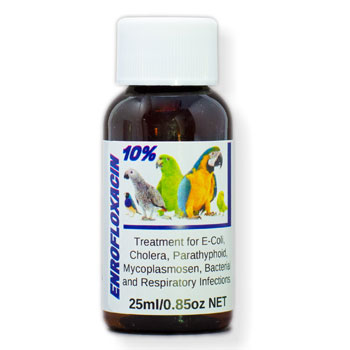
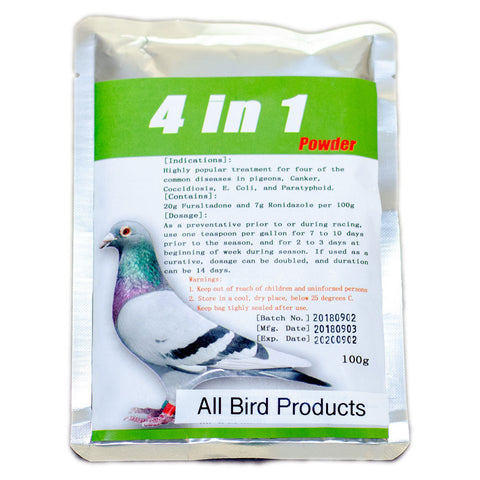
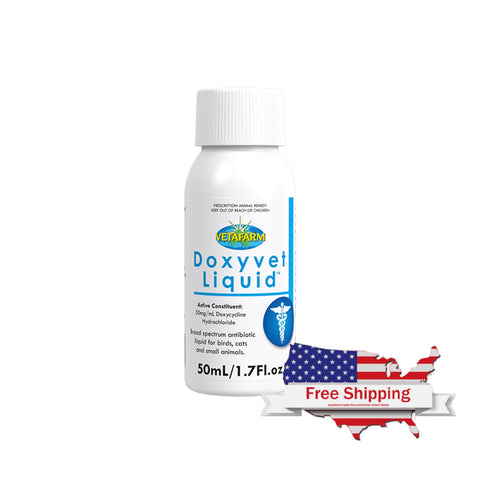
The Bird Antibiotics collection contains products from several antimicrobial classes.
These products are not interchangeable.
| Ingredient | Antimicrobial class | Important distinction |
|---|---|---|
| Azithromycin | Azalide/macrolide | Selected susceptible bacterial infections; fixed-strength tablet requires accurate preparation |
| Tylosin | Macrolide | Different veterinary macrolide with its own activity and formulations |
| Doxycycline | Tetracycline | Different susceptibility profile and a major role in professionally managed avian chlamydiosis |
| Amoxicillin | Penicillin/beta-lactam | Acts on bacterial cell-wall formation rather than protein synthesis |
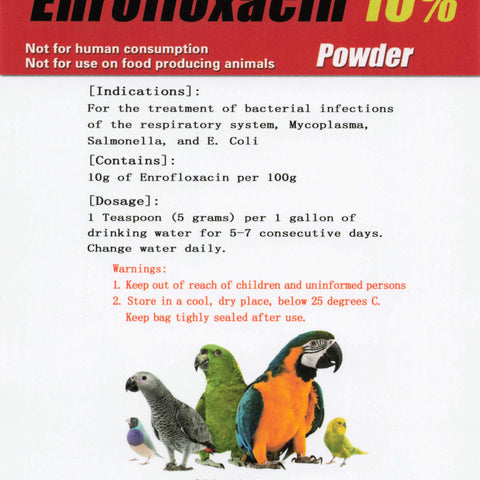
| Enrofloxacin | Fluoroquinolone | Different activity and significant U.S. restrictions involving poultry |
Questions to Ask an Avian Veterinarian
- What are the most likely causes of my bird’s symptoms?
- Is bacterial disease confirmed or strongly suspected?
- Could the condition be viral, fungal, parasitic, nutritional, or environmental?
- Which diagnostic tests are recommended?
- Should bacterial culture be performed?
- Why is azithromycin being considered?
- Is the likely organism susceptible to azithromycin?
- Is a 250 mg tablet practical for this bird?
- Should the tablet be professionally compounded?
- Which administration method is most dependable?
- How should the bird be monitored?
- Does the bird require supportive care?
- Should the bird be isolated?
- Do other birds require testing?
- Which symptoms require emergency care?
Frequently Asked Questions
What is Bird Azithromycin?
Bird Azithromycin refers to azithromycin-based antimicrobial treatment considered for selected susceptible bacterial infections in birds under appropriate veterinary guidance.
What is Fix Zithro 250?
Fix Zithro 250 is an Aqua Soma Labs product containing 30 azithromycin tablets, with 250 mg of azithromycin per tablet.
Is azithromycin an antibiotic?
Yes. Azithromycin is an azalide within the macrolide antimicrobial family.
Is one 250 mg tablet one bird dose?
No. The appropriate amount depends on the bird’s exact weight, species, diagnosis, and veterinary treatment plan.
Can Bird Azithromycin treat respiratory infections?
Azithromycin may be considered for selected susceptible bacterial respiratory conditions. Respiratory symptoms alone do not prove that it is the correct medication.
Does azithromycin treat every bacterial infection?
No. Some bacteria are not susceptible, and antimicrobial resistance may be present.
Does azithromycin treat viruses?
No. Antibiotics do not directly eliminate viruses.
Does azithromycin treat fungal respiratory disease?
No. Fungal disease requires appropriate antifungal diagnosis and treatment.
Does it treat air-sac mites?
No. Air-sac mites require an appropriate antiparasitic treatment.
Does it treat canker?
No. Canker or trichomoniasis is caused by a protozoan organism.
Can azithromycin be used for parrots?
Azithromycin may be considered in parrots when a veterinarian determines that a susceptible bacterial infection is present.
Can azithromycin be used for pigeons?
It may be considered for selected pigeon bacterial conditions, but loft respiratory disease should be properly investigated.
Can it be used for budgies and cockatiels?
Small birds require particularly accurate calculation and may need professionally compounded medication rather than visually divided tablet fragments.
Can it be used for canaries and finches?
Suitability depends on diagnosis and precise avian guidance. Their small body size makes accurate preparation essential.
Can I split the tablet myself?
Do not create small tablet fractions by estimation. Ask whether professional compounding or another formulation is more appropriate.
Can I crush the tablet into drinking water?
Do not improvise communal-water treatment. Individual consumption and mixing uniformity may make exposure unreliable.
Can I mix azithromycin with doxycycline or tylosin?
Do not combine antibiotics unless a qualified veterinarian specifically directs the combination.
Can azithromycin treat psittacosis?
Suspected avian chlamydiosis requires testing and a professionally selected treatment protocol. Do not assume azithromycin is automatically the correct choice.
Can a bird with chlamydiosis infect people?
Yes. Infected birds can shed Chlamydia psittaci in respiratory secretions and droppings.
Should every bird in the aviary receive treatment?
Not automatically. Other birds may require testing, isolation, observation, or individual treatment.
What should I do if the bird becomes worse?
Contact an avian veterinarian promptly. Severe breathing difficulty, collapse, repeated vomiting, or inability to perch may require emergency care.
How should Fix Zithro 250 be stored?
Keep it in its original bottle in a cool, dry place protected from sunlight, moisture, children, and animals.
Can people take Bird Azithromycin?
No. An animal-labeled product should not be used for human medical treatment.
Can this product be used for laying hens?
Food-producing birds require separate veterinary and regulatory guidance, including residue and withdrawal considerations.
Choosing Bird Azithromycin Responsibly
Bird Azithromycin can be a relevant avian antimicrobial option when the responsible organism is susceptible and the treatment has been selected for the individual bird.
Responsible care follows a clear sequence:
- Recognize changes from the bird’s normal behavior
- Determine whether emergency stabilization is needed
- Obtain an avian veterinary examination
- Investigate bacterial and nonbacterial causes
- Select the appropriate antimicrobial class
- Prepare the 250 mg tablet accurately
- Follow the complete treatment plan
- Monitor weight, appetite, breathing, and droppings
- Protect other birds through quarantine and hygiene
- Return for reassessment when improvement is incomplete
Fix Zithro 250 provides:
- Azithromycin as the active ingredient
- 250 mg per tablet
- 30 tablets per bottle
- A clearly labeled tablet format
- Aqua Soma Labs branding
Its value depends on accurate selection and responsible use.
It should never be treated as:
- A universal respiratory remedy
- A treatment for every sick bird
- Thirty automatic bird doses
- A substitute for diagnostic testing
- A replacement for oxygen or emergency care
- A treatment for fungal, viral, or parasitic disease
- A routine preventive product
Review Fix Zithro 250 Bird Azithromycin
View the complete product presentation, 250 mg tablet strength, 30-tablet bottle, current availability, and product information.
Explore More Bird Antibiotics
Compare clearly labeled macrolide, tetracycline, penicillin, fluoroquinolone, and combination products for responsible pet-bird and aviary care.
Important safety notice: Fix Zithro 250 contains 250 mg of azithromycin per tablet. One tablet is not one universal bird dose. Azithromycin does not treat viruses, fungi, parasites, heatstroke, toxin exposure, or every bacterial organism. Use requires licensed avian veterinary guidance in the United States. Keep the product away from children and never use an animal-labeled product for human medical treatment. This article is educational and does not replace veterinary examination, diagnostic testing, emergency stabilization, or individualized treatment instructions.


