 Help & Contact
 Track order












Avian Gastric Yeast in Budgies & Small Birds: Weight Loss & Undigested Seed
Avian Gastric Yeast in Budgies & Small Birds: Weight Loss & Undigested Seed
Your budgie seems to be eating.
It visits the food bowl.
It cracks seeds.
It may even appear hungry.
But week after week, something is wrong.
The bird is getting thinner.
The breastbone feels sharper.
Droppings may contain:
- Whole seeds
- Partially digested food
- Loose fecal material
Some birds begin regurgitating.
Others become:
- Quiet
- Fluffed
- Weak
- Less active
This combination raises an important digestive differential in small companion birds:
Avian Gastric Yeast.
Its scientific name is:
Macrorhabdus ornithogaster.
The infection is also called:
- Macrorhabdosis
- Avian gastric yeast or AGY
- Megabacteria
“Megabacteria” is an older name.
Despite that name, Macrorhabdus ornithogaster is not a bacterium.
It is a fungal organism.
Avian Gastric Yeast: Quick Answer
Avian gastric yeast is a digestive fungal infection caused by Macrorhabdus ornithogaster.
It is especially important in smaller companion birds such as:
- Budgies
- Finches
- Canaries
- Lovebirds
- Parrotlets
- Cockatiels
Common signs include:
- Progressive weight loss
- Regurgitation
- Lethargy
- Diarrhea
- Undigested seeds or food in droppings
A bird may continue eating while still losing weight because the digestive system is no longer processing food normally.
Explore Bird Antibiotics
Browse our Best Bird Antibiotics collection and explore bird care products organized in one convenient place.
EXPLORE PRODUCTS →What Is Avian Gastric Yeast?
Macrorhabdus ornithogaster is an unusual fungal organism that lives primarily around the junction between the:
- Proventriculus
- Ventriculus
These are important parts of the bird's digestive tract.
Why Was It Called “Megabacteria”?
When the organism was first described, its very large rod-like appearance led researchers to believe it was a bacterium.
Further investigation showed that it is actually fungal.
This distinction matters because:
antibiotics used for bacterial infections do not directly treat Macrorhabdus.
Which Birds Commonly Develop Avian Gastric Yeast?
Macrorhabdus is particularly associated with small companion birds.
Budgies
Budgerigars are among the species most frequently associated with AGY.
Finches
Several finch species can develop infection and wasting disease.
Canaries
Canaries may show:
- Progressive weight loss
- Weakness
- Digestive abnormalities
Lovebirds
Lovebirds are another recognized susceptible group.
Parrotlets
Small parrots such as parrotlets can also be affected.
Cockatiels
Cockatiels can develop Macrorhabdus, although several other digestive diseases can produce similar symptoms.
Can a Bird Carry Macrorhabdus Without Looking Sick?
Yes.
This is an important feature of the disease.
Some birds can carry and shed Macrorhabdus ornithogaster without obvious symptoms.
Clinical disease becomes more likely when the bird's ability to control the organism is reduced.
What Makes Clinical Disease More Likely?
Factors that may accompany clinical macrorhabdosis include:
- Other illness
- Immune suppression
- Poor nutritional condition
- Stress
- Poor husbandry
Explore Bird Antibiotics
Browse our Best Bird Antibiotics collection and explore bird care products organized in one convenient place.
EXPLORE PRODUCTS →7 Important Symptoms of Avian Gastric Yeast
1. Progressive Weight Loss
This is one of the most important signs.
The bird gradually becomes thinner.
You may notice:
- A sharper keel bone
- Reduced breast muscle
- Lower gram-scale weight
Why Weight Loss Can Be Easy to Miss
Feathers hide body condition extremely well.
A fluffed budgie may look:
round.
Yet underneath the feathers the bird may be severely underweight.
Use a Gram Scale
When practical, record the healthy bird's normal weight and monitor for trends.
The trend is much more valuable than simply saying:
“The bird looks thin.”
2. Eating but Still Losing Weight
This is one of the search patterns that should make owners consider a digestive problem.
A bird may:
- Continue visiting the food bowl
- Appear unusually hungry
- Still lose body condition
This pattern can occur because food is not being processed normally.
Bird Eating More but Getting Thinner
In some birds, increased appetite can briefly accompany chronic digestive disease.
Do not assume a bird is healthy solely because it still eats enthusiastically.
3. Undigested Seeds or Pellets in Droppings
This is one of the most recognizable owner observations associated with avian gastric yeast.
You may see:
- Whole seed
- Seed fragments
- Visible food material
mixed into the fecal component.
Undigested Food Is Not Normal
Seeing recognizable food repeatedly in droppings suggests that normal digestion is not occurring properly.
Macrorhabdus is one important cause—but not the only one.
4. Regurgitation
Affected birds may bring food back up after eating.
This can result in:
- Wet feathers around the face
- Food around the beak
- Head shaking
- Repeated swallowing
Behavioral Regurgitation vs Digestive Disease
Some parrots intentionally regurgitate toward:
- A mate
- An owner
- A mirror
- A favorite toy
That behavior tends to occur in a predictable social context.
Illness-associated regurgitation is more concerning when combined with:
- Weight loss
- Weakness
- Abnormal droppings
- Undigested food
5. Diarrhea or Abnormal Droppings
Some Macrorhabdus-affected birds develop loose fecal material.
Always distinguish:
true diarrhea
from
polyuria.
True diarrhea means the fecal portion itself is poorly formed.
Polyuria means the dropping contains more clear urine while the fecal portion may still be formed.
6. Lethargy and Persistent Fluffing
As nutritional condition declines, a bird may:
- Sleep more
- Become less active
- Stop singing
- Remain fluffed
- Interact less
7. Weakness
Advanced weight loss can leave birds unable to maintain normal activity.
A severely affected bird may:
- Perch low
- Have reduced grip strength
- Spend time on the cage floor
Serious Warning Signs
Seek prompt avian veterinary assessment when a bird with suspected digestive disease develops:
- Rapid progressive weight loss
- Profound weakness
- Repeated vomiting or regurgitation
- Inability to maintain a perch
- Severe dehydration
- Complete appetite loss
- Collapse
A small bird can become critically depleted before its feathers make the weight loss visually obvious.

Avian Gastric Yeast vs Candida
This distinction is extremely important.
Both are fungal digestive problems.
But they are not the same disease.
| Feature | Avian Gastric Yeast | Candida |
|---|---|---|
| Organism | Macrorhabdus ornithogaster | Candida species |
| Main location | Proventriculus / ventriculus | Often mouth, esophagus and crop |
| Classic clues | Chronic weight loss, undigested food, regurgitation | Crop stasis, oral plaques, regurgitation |
| Common commercial treatment category | Amphotericin B | Antifungals selected for Candida |
Why “Crop Yeast” and “Gastric Yeast” Should Not Be Used Interchangeably
Owners sometimes call every digestive yeast problem:
“crop yeast.”
But Macrorhabdus primarily affects deeper digestive structures.
The name:
avian gastric yeast
is much more accurate.
Avian Gastric Yeast vs PDD
Proventricular dilatation disease, or PDD, can create a very similar symptom cluster.
PDD can produce:
- Weight loss
- Regurgitation
- Undigested food in droppings
- Poor appetite
Some affected birds also develop neurological signs.
Neurological Signs Make PDD More Concerning
Watch for:
- Poor coordination
- Tremors
- Weakness
- Difficulty perching
- Seizures
Similar Symptoms Do Not Mean the Same Disease
A bird with:
weight loss + regurgitation + seeds in droppings
does not automatically have Macrorhabdus.
Other possibilities can include:
- PDD
- Candidiasis
- Trichomoniasis
- GI obstruction
- Other gastrointestinal infections
- Internal disease
Explore Bird Antibiotics
Browse our Best Bird Antibiotics collection and explore bird care products organized in one convenient place.
EXPLORE PRODUCTS →How Is Avian Gastric Yeast Diagnosed?
Diagnosis should focus on identifying the organism rather than relying solely on symptoms.
Fresh Fecal Examination
A fresh dropping can be examined microscopically.
Macrorhabdus organisms are unusually large and rod-shaped.
Wet Mount
Direct examination of fresh feces can reveal the organism.
Gram Stain
Macrorhabdus can appear as large Gram-positive rod-shaped organisms.
Other Stains
Modified Wright-type staining can also assist identification.
PCR Testing
Selected veterinary laboratories offer PCR testing for Macrorhabdus.
Why One Negative Test May Not Be Enough
This is an important diagnostic limitation.
Birds can shed Macrorhabdus:
intermittently.
That means:
a negative fecal examination does not always rule out infection.
Repeated fresh fecal examinations may be necessary when clinical suspicion remains high.
Does a Positive Test Always Mean the Bird Is Sick?
Not necessarily.
Asymptomatic carriage can occur.
The veterinarian should interpret:
- Organism burden
- Clinical signs
- Body weight
- Other test findings
together.
Can Avian Gastric Yeast Spread Between Birds?
Yes.
Macrorhabdus can spread between birds living in close contact.
Recovered birds may also continue shedding the organism.
How Can Macrorhabdus Move Through an Aviary?
Potential transmission is associated with contaminated:
- Droppings
- Food areas
- Water systems
- Shared cage environments
Hygiene Matters
During a suspected digestive outbreak:
- Keep food dishes clean
- Clean water containers thoroughly
- Remove contaminated cage-liner material
- Keep sick birds separated when appropriate
- Avoid transferring dirty feeding equipment between cages
Should a Bird With AGY Be Isolated?
Separating a clinically sick bird can provide several advantages:
- Better weight monitoring
- Better food-intake monitoring
- Better dropping observation
- Reduced exposure to cage mates
- Easier treatment administration
Treatment of Avian Gastric Yeast
Macrorhabdosis is a fungal disease.
The primary medication category is therefore:
antifungal treatment.
Amphotericin B and Macrorhabdus
Amphotericin B is one of the best-established antifungal ingredients used in avian gastric yeast treatment programs.
Current avian veterinary references identify Amphotericin B as having a strong treatment-success record against Macrorhabdus.
Megabac-S — Amphotericin B for Avian Gastric Yeast
Megabac-S is the most directly relevant BirdAntibiotic.com product for this article.
Megabac-S contains:
Amphotericin B 2%
and is specifically positioned for fungal digestive infections including:
- Avian Gastric Yeast
- Megabacteria / Macrorhabdus
- Selected Candida infections
It is marketed for species including:
- Budgies
- Finches
- Pigeons
- Parrots
- Cage birds
Target Avian Gastric Yeast With Megabac-S
Megabac-S is a targeted Amphotericin B antifungal formula carried by BirdAntibiotic.com for Avian Gastric Yeast, megabacteria and selected digestive fungal infections.
Use according to the product directions and the treatment plan appropriate for the bird.
Explore the Megabacteria Collection
BirdAntibiotic.com also has a dedicated collection for:
Avian Gastric Yeast / Megabacteria care.
This gives owners a direct path from:
symptom → condition information → targeted product.
Do Antibiotics Treat Avian Gastric Yeast?
No.
Macrorhabdus is fungal.
Standard antibacterial drugs such as:
- Amoxicillin
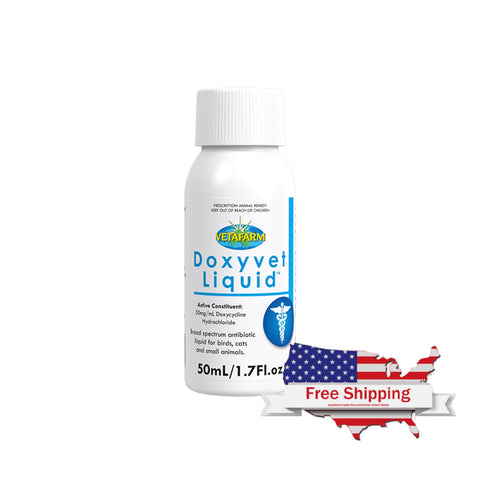
- Doxycycline
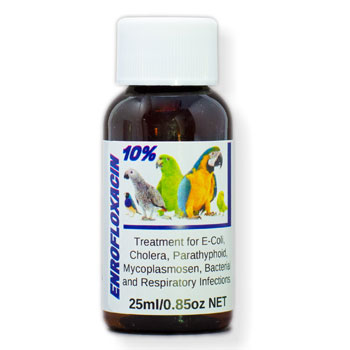
- Enrofloxacin
- Tylosin
do not directly eliminate Macrorhabdus.
Why Correct Diagnosis Matters
A bird may have:
- A bacterial GI infection
- Macrorhabdus
- Candida
- Trichomonas
- PDD
and each problem requires a different treatment strategy.
Explore Bird Antibiotics
Browse our Best Bird Antibiotics collection and explore bird care products organized in one convenient place.
EXPLORE PRODUCTS →Nutrition During Avian Gastric Yeast Recovery
Chronic wasting can leave birds nutritionally depleted.
Recovery management may therefore include attention to:
- Body weight
- Hydration
- Energy intake
- Digestibility
- Gut support
Survive — Emergency Nutritional Support
Survive is available through the BirdAntibiotic.com recovery range.
It is designed for birds experiencing:
- Severe underweight condition
- Starvation
- Critical nutritional depletion
- Recovery from serious illness
This makes it commercially relevant when Macrorhabdus has caused major weight loss.
Assisted feeding requires correct technique and should not be improvised in a bird that cannot swallow normally.
Bio Plus — Digestive Recovery Support
Bio Plus is a multi-strain probiotic formula with:
- Beneficial bacteria
- Electrolytes
- Vitamins
- Minerals
- Additional digestive-support ingredients
It fits best into the:
recovery and gut-support stage
rather than being positioned as the primary treatment for Macrorhabdus itself.
Support Digestive Recovery After Illness
Bio Plus supports normal intestinal flora, digestion and nutritional recovery in birds experiencing digestive stress or recovering after treatment.
Potent Brew — Live Probiotic Support
Potent Brew is another digestive-support option carried by BirdAntibiotic.com.
It provides live probiotic support for:
- Gut health
- Digestive balance
- Stress recovery
- Birds recovering from digestive disruption
Nekton-Biotic-Bird
Nekton-Biotic-Bird combines probiotic organisms with prebiotic support.
It is commercially relevant for:
- Digestive recovery
- Maintaining normal gut flora
- Supporting nutrient absorption
Probiotics Do Not Replace Antifungal Treatment
This distinction should remain clear.
Probiotics can support digestive recovery.
They do not directly replace appropriate antifungal treatment of confirmed clinical macrorhabdosis.
Should Apple Cider Vinegar Be Used for Macrorhabdus?
Acidification of the upper digestive tract has historically been discussed because Macrorhabdus appears less comfortable in a more acidic environment.
However:
acidification should not be presented as a replacement for targeted antifungal treatment in a clinically ill bird.
Why Birds Can Relapse
Some birds improve and later show symptoms again.
Possible explanations include:
- Incomplete organism suppression
- Underlying immune problems
- Continued exposure
- Persistent shedding
- Other concurrent disease
Monitor Weight After Treatment
Do not judge success only from:
“The bird looks better.”
Use measurable indicators such as:
- Gram-scale body weight
- Keel condition
- Appetite
- Dropping quality
- Presence or absence of undigested food
- Regurgitation frequency
How Do You Know a Bird Is Improving?
Positive signs include:
- Weight stabilizes
- Weight begins increasing
- Undigested food decreases
- Regurgitation stops
- Droppings become more normal
- Activity increases
- Feathers are less persistently fluffed
Can Avian Gastric Yeast Come Back?
Yes.
Relapses can occur.
Recovered birds can also continue shedding organisms.
This makes:
- Follow-up monitoring
- Weight tracking
- Hygiene
particularly important.
Budgie Losing Weight but Still Eating
This is one of the strongest search patterns associated with digestive disease.
Possible causes include:
- Macrorhabdus
- PDD
- Parasites
- Other malabsorption or digestive disorders
Do not simply increase food quantity without investigating why the bird is failing to maintain weight.
Budgie Passing Whole Seeds in Droppings
Repeated whole seed in feces is abnormal.
Macrorhabdus is an important possibility.
But it should be differentiated from:
- PDD
- Other gastrointestinal disease
- Digestive obstruction
Budgie Regurgitating and Losing Weight
The combination of:
- Regurgitation
- Weight loss
- Undigested food
makes digestive investigation particularly important.
Canary or Finch Losing Weight
Small passerines can lose substantial condition before owners notice visually.
Regular gram-scale monitoring can identify declining weight much earlier.
Explore Bird Antibiotics
Browse our Best Bird Antibiotics collection and explore bird care products organized in one convenient place.
EXPLORE PRODUCTS →Frequently Asked Questions About Avian Gastric Yeast
What is avian gastric yeast?
Avian gastric yeast is a fungal digestive infection caused by Macrorhabdus ornithogaster.
Is avian gastric yeast the same as megabacteria?
Yes. “Megabacteria” is an older name for Macrorhabdus, although the organism is actually fungal rather than bacterial.
What birds commonly get Macrorhabdus?
It is particularly associated with budgies, parrotlets, lovebirds, cockatiels, finches and other smaller companion birds.
What are the symptoms of avian gastric yeast?
Common signs include chronic weight loss, regurgitation, lethargy, diarrhea and undigested food in droppings.
Can a bird have Macrorhabdus without symptoms?
Yes. Asymptomatic carriage can occur.
Why is my budgie losing weight but still eating?
Digestive disease can prevent normal food utilization even when appetite remains present. Macrorhabdus is one important differential.
Why are there whole seeds in my bird's droppings?
Repeated undigested seed can indicate abnormal digestive function. Macrorhabdus and PDD are two important possibilities.
Does Macrorhabdus affect the crop?
Its primary location is the proventriculus and ventriculus, unlike classic crop candidiasis.
Is avian gastric yeast the same as Candida?
No. They are different fungal organisms and commonly affect different parts of the digestive tract.
How is avian gastric yeast diagnosed?
Fresh fecal wet mounts, Gram staining, other microscopic techniques and PCR can be used to identify the organism.
Can one fecal test miss Macrorhabdus?
Yes. Shedding can be intermittent, so a negative examination does not always exclude infection.
What does Macrorhabdus look like under a microscope?
It appears as unusually large elongated rod-like organisms compared with normal digestive bacteria.
Can avian gastric yeast spread between birds?
Yes. Transmission can occur between birds in close contact, and recovered birds may continue shedding the organism.
Should an infected bird be isolated?
Isolation may help with monitoring, treatment administration and reducing exposure to cage mates.
What is the treatment for avian gastric yeast?
Antifungal therapy—particularly Amphotericin B—is commonly used in treatment programs for clinical Macrorhabdus infection.
What is Megabac-S?
Megabac-S is a BirdAntibiotic.com antifungal product containing Amphotericin B 2%, specifically positioned for avian gastric yeast, megabacteria and selected digestive fungal infections.
Does Megabac-S contain Amphotericin B?
Yes. The current BirdAntibiotic.com Megabac-S formula lists Amphotericin B 2%.
Do antibiotics cure avian gastric yeast?
No. Macrorhabdus is fungal, not bacterial.
Can probiotics cure Macrorhabdus?
Probiotics can support digestive recovery but should not replace appropriate antifungal therapy for clinical infection.
Can Bio Plus be used during digestive recovery?
Bio Plus is positioned as a probiotic, electrolyte and nutritional digestive-support product and can fit into recovery support when appropriate.
What is Potent Brew?
Potent Brew is a live liquid probiotic product for avian digestive and gut support.
What is Nekton-Biotic-Bird?
Nekton-Biotic-Bird combines probiotic organisms and prebiotic ingredients to support normal avian digestive flora.
Can a bird recover from avian gastric yeast?
Yes. Birds can recover, although relapse and continued organism shedding can occur.
How do I know treatment is working?
Weight stabilization, improved activity, reduced regurgitation and disappearance of undigested food are useful recovery indicators.
Can avian gastric yeast come back?
Yes. Recurrence is possible.
Is avian gastric yeast fatal?
Severe clinical disease can be serious, particularly when substantial wasting has already occurred.
Can Macrorhabdus cause diarrhea?
Yes. Diarrhea is among the recognized clinical signs.
Can Macrorhabdus cause regurgitation?
Yes. Regurgitation is a common digestive symptom.
Is undigested food always Macrorhabdus?
No. PDD and other gastrointestinal diseases can also cause undigested food in droppings.
What is the difference between Macrorhabdus and PDD?
Macrorhabdus is a fungal digestive infection. PDD is associated with avian bornavirus and may cause both gastrointestinal and neurological abnormalities.
When should I see an avian veterinarian?
Prompt assessment is appropriate for progressive weight loss, repeated regurgitation, undigested food, major appetite changes or significant weakness.
The Professional Macrorhabdus Checklist
1. Record body weight on a gram scale.
2. Check the keel and breast-muscle condition.
3. Examine several fresh droppings.
4. Look specifically for undigested food.
5. Record regurgitation episodes.
6. Distinguish AGY from crop Candida.
7. Consider PDD and other causes of wasting.
8. Use fresh fecal examination and repeat testing when needed.
9. Use targeted antifungal treatment when Macrorhabdus is confirmed or appropriately diagnosed.
10. Support weight, hydration and digestion during recovery.
11. Improve cage, food and water hygiene.
12. Continue monitoring after apparent recovery because relapse and shedding can occur.
Shop Avian Gastric Yeast & Digestive Support
BirdAntibiotic.com carries targeted Amphotericin B treatment plus probiotics, digestive-support products and nutritional recovery formulas for birds experiencing Macrorhabdus-related digestive problems.
The Most Important Avian Gastric Yeast Rule
Do not diagnose a wasting bird from one symptom.
A bird that:
eats but loses weight,
regurgitates,
and
passes undigested food
may have Macrorhabdus.
But similar signs can also occur with:
- PDD
- Candida
- Trichomonas
- Digestive obstruction
- Other gastrointestinal disease
The strongest plan combines:
weight monitoring + fresh fecal testing + accurate differentiation + targeted antifungal treatment + nutritional and digestive recovery support.
Recommended Products
Products selected to complement this guide.


Shop Related Products
Explore the products featured for this topic.


