 Help & Contact
 Track order














Why Is My Bird Sitting on the Bottom of the Cage? 12 Possible Causes
Why Is My Bird Sitting on the Bottom of the Cage? 12 Possible Causes
You walk toward the cage and immediately notice something different.
Your bird is not sitting on its usual perch.
Instead, it is:
- Standing on the cage floor
- Huddled in a corner
- Sitting underneath a perch
- Resting with its feathers fluffed
- Or lying low and barely moving
For many bird owners, this creates immediate concern.
And there is a good reason.
A bird that suddenly stops perching and spends prolonged periods at the bottom of the cage may be:
- Weak
- Exhausted
- In pain
- Unable to balance
- Having difficulty breathing
- Experiencing another significant health problem
But there is an important distinction:
not every bird standing on the cage floor is sick.
Some birds naturally forage on the floor.
Some newly introduced birds temporarily choose a low position because they feel insecure.
The warning sign is:
a change from the bird's normal behavior—especially when it occurs with weakness, fluffing, appetite loss, abnormal droppings or breathing problems.
Bird Sitting on the Bottom of the Cage: Quick Answer
A bird may sit on the cage floor because of normal ground-foraging behavior, stress, weakness, weight loss, respiratory disease, digestive illness, parasites, egg binding, painful feet or legs, trauma, neurological disease or poisoning.
The most important questions are:
- Is this normal for this bird?
- Can the bird still perch?
- Is the bird eating?
- Is breathing normal?
- Are the droppings normal?
- Is the bird alert and responsive?
A bird that is huddled, profoundly weak, unresponsive, unable to perch or lying on the cage bottom should be treated as an emergency.
Explore Bird Antibiotics
Browse our Best Bird Antibiotics collection and explore bird care products organized in one convenient place.
EXPLORE PRODUCTS →First: Is Cage-Floor Sitting Ever Normal?
Yes.
Several healthy bird species naturally spend time walking or foraging at ground level.
A healthy bird may occasionally descend to:
- Pick up food
- Explore
- Play
- Forage
- Investigate cage material
The behavior is less concerning when the bird:
- Remains alert
- Climbs normally
- Returns to its perch
- Eats normally
- Has normal droppings
- Breathes normally
When Cage-Floor Sitting Becomes Concerning
Watch much more closely when your bird:
- Suddenly stops perching
- Remains on the floor for hours
- Appears fluffed
- Keeps its eyes closed
- Refuses food
- Falls from the perch
- Has weak feet
- Breathes with effort
- Produces abnormal droppings
Cage-Bottom Emergency Signs
Seek prompt avian veterinary care when a bird on the cage floor is also:
- Huddled and barely responsive
- Unable to stand
- Unable to perch
- Collapsed
- Breathing with its mouth open
- Showing pronounced tail bobbing
- Having seizures
- Actively bleeding
- Severely weak
Do not assume a bird lying on the cage floor is simply tired.
Explore Bird Antibiotics
Browse our Best Bird Antibiotics collection and explore bird care products organized in one convenient place.
EXPLORE PRODUCTS →Cause #1 — Normal Ground Foraging or Exploration
Before assuming illness, consider your bird's normal behavior.
Some species are much more comfortable exploring lower areas than others.
A healthy ground-foraging bird may:
- Walk actively
- Search for food
- Pick through enrichment material
- Return to higher perches normally
The Key Difference
A healthy bird on the floor usually looks:
busy.
A sick bird on the floor often looks:
stationary, fluffed, sleepy or weak.
Cause #2 — Fear, Stress or a New Environment
Newly purchased or recently moved birds may choose a low position temporarily.
Possible triggers include:
- New cage
- New home
- Transportation
- New people
- New birds
- Predatory pets nearby
- Major cage rearrangement
A frightened bird may try to remain:
- Low
- Hidden
- Still
Stress Should Improve
Simple environmental stress becomes a less convincing explanation when the bird also develops:
- Weight loss
- Persistent appetite loss
- Abnormal droppings
- Respiratory signs
- Progressive weakness
Cause #3 — General Weakness From Illness
This is one of the most important causes.
Perching takes:
- Muscle strength
- Balance
- Foot grip
- Coordination
- Energy
As a bird becomes weaker, maintaining a perch can become difficult.
Moving to the cage floor reduces the physical effort required to remain upright.
Other Signs of General Illness
Look for:
- Fluffed feathers
- Sleeping during the day
- Reduced interaction
- Reduced vocalization
- Appetite changes
- Weight loss
- Dropping changes

Cause #4 — Severe Appetite Loss, Weight Loss or Dehydration
A bird that is not eating can lose strength surprisingly quickly.
This is particularly important in small species such as:
- Budgies
- Canaries
- Finches
As body reserves decline, the bird may:
- Perch lower
- Sleep more
- Lose grip strength
- Eventually remain on the cage floor
Feel and Measure Body Condition
Feathers can hide severe weight loss.
When safe to do so, monitor the bird with a gram scale.
A prominent or increasingly sharp keel bone can indicate loss of breast muscle and body condition.
Survive — Emergency Nutritional Support
Survive is one of the most relevant BirdAntibiotic.com products when a bird is critically underweight, nutritionally depleted or recovering from severe illness.
It provides concentrated:
- Digestible protein
- Energy
- Vitamins
- Minerals
- Electrolytes
for emergency nutritional support.
Assisted feeding requires proper technique, especially in a weak bird.
Do not force-feed a bird that is struggling to breathe or cannot swallow normally.
Emergency Nutrition for Weak or Underweight Birds
Survive is designed for birds experiencing severe nutritional decline, starvation or critical recovery.
Explore Bird Antibiotics
Browse our Best Bird Antibiotics collection and explore bird care products organized in one convenient place.
EXPLORE PRODUCTS →Cause #5 — Respiratory Disease
A bird with respiratory difficulty may descend to the floor because maintaining balance and climbing requires additional energy.
Look for:
- Tail bobbing
- Open-mouth breathing
- Wheezing
- Clicking
- Repeated sneezing
- Nasal discharge
- Eye discharge
- Voice changes
Bottom-of-Cage Sitting + Open-Mouth Breathing
This combination is particularly concerning.
The bird may be severely compromised.
Respiratory Emergency
Minimize unnecessary handling when a weak bird is:
- Open-mouth breathing
- Showing severe tail bobbing
- Unable to perch
- Collapsing
Repeated catching and forced oral administration can increase stress and oxygen demand.
When Bird Antibiotics Become Relevant
Respiratory symptoms can result from several different causes.
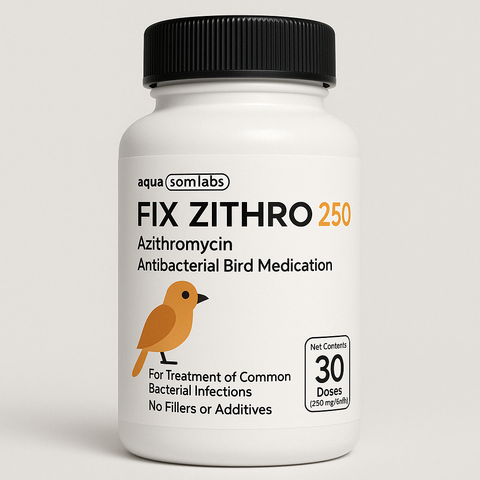
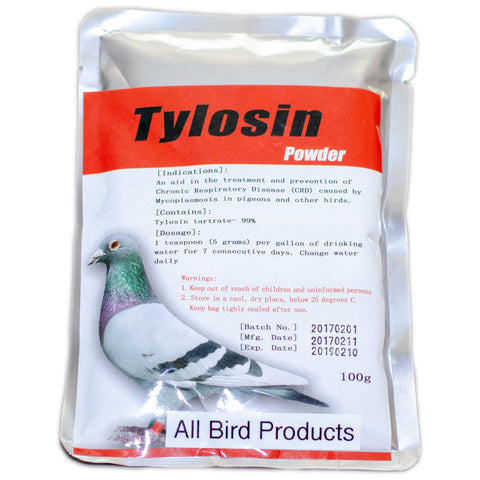
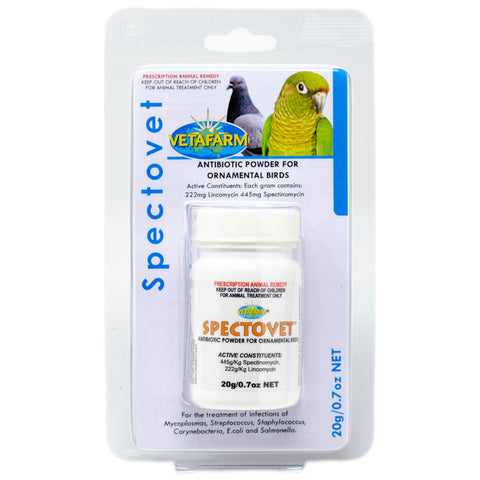
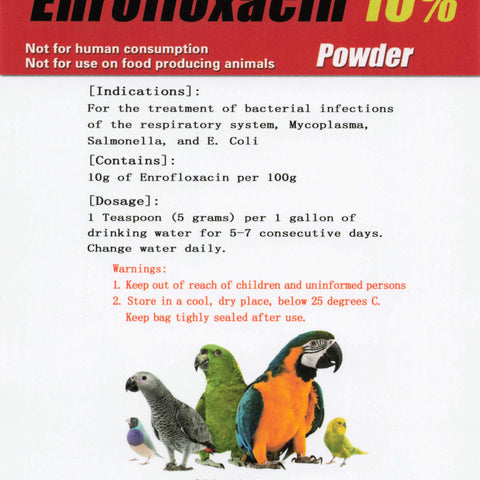
When an appropriate susceptible bacterial disease is involved, BirdAntibiotic.com offers avian antibacterial families including:
- Doxycycline
- Enrofloxacin
- Tylosin
- Azithromycin
- Amoxicillin
- Combination respiratory products
Bottom-of-cage sitting alone does not identify a bacterial infection, so the accompanying respiratory and systemic signs matter.
Cause #6 — Digestive or Crop Disease
A bird with serious digestive illness may become weak enough to stop perching.
Possible digestive problems include:
- Crop stasis
- Candidiasis
- Avian gastric yeast
- Other gastrointestinal disease
Look for:
- Vomiting
- Regurgitation
- Crop remaining full
- Appetite loss
- Weight loss
- Undigested food in droppings
- Abnormal droppings
Avian Gastric Yeast
Avian gastric yeast is particularly relevant in smaller birds including:
- Budgies
- Cockatiels
- Finches
- Lovebirds
Progressive disease can cause:
- Severe weight loss
- Weakness
- Regurgitation
- Undigested food
and a profoundly weak bird may eventually become unable to perch.
Bio Plus — Digestive Recovery Support
Bio Plus provides probiotic, vitamin, mineral and electrolyte support.
It is commercially relevant during:
- Digestive recovery
- Stress
- Diet changes
- Recovery after appropriate medication programs
It is supportive care rather than a diagnosis-specific treatment for a bird lying on the cage floor.
Digestive & Probiotic Recovery
Bio Plus helps support digestive balance and recovery when illness, stress or treatment has affected normal condition.
Cause #7 — Coccidia, Canker, Worms or Other Parasites
Parasitic disease can cause progressive:
- Weight loss
- Weakness
- Poor condition
- Appetite changes
until the bird no longer has the strength to perch normally.
Coccidiosis
Clinically significant intestinal coccidiosis may cause:
- Loose or abnormal droppings
- Weight loss
- Fluffed appearance
- Reduced appetite
- Weakness
Endocox
Endocox Powder is a BirdAntibiotic.com coccidiosis product for pigeons and cage birds.
It belongs in a targeted coccidiosis program when coccidia are the relevant problem—not as a general treatment simply because a bird is sitting low.
Canker in Pigeons and Doves
Trichomonas canker can interfere with:
- Swallowing
- Eating
- Crop function
and eventually lead to severe weakness and weight loss.
Possible Canker Signs
- Repeated swallowing
- Regurgitation
- Salivation
- Yellow-white oral lesions
- Weight loss
- Poor appetite
Metronidazole 20% Powder
Metronidazole 20% Powder is available from BirdAntibiotic.com for pet-bird care.
Its relevant placement here is the:
Trichomonas/canker section.
Cause #8 — Egg Binding or Other Reproductive Disease
A female bird sitting low or remaining on the cage floor deserves particular attention.
Egg binding occurs when a bird cannot successfully pass an egg.
It is seen especially in species such as:
- Budgies
- Cockatiels
- Lovebirds
- Other frequently laying companion birds
Possible Egg-Binding Signs
- Sitting on the cage floor
- Weakness
- Low energy
- Straining
- Tail bobbing
- Swollen abdomen
- Reduced droppings
- Sudden decline
Do Not Try to Squeeze the Egg Out
Improper manipulation can:
- Break the egg
- Injure internal tissues
- Cause severe complications
Suspected egg binding deserves prompt avian veterinary assessment.
Cause #9 — Foot or Leg Pain, Bumblefoot, Arthritis or Gout
Sometimes the bird is on the floor because:
perching hurts.
Inspect the Feet
Look for:
- Redness
- Swelling
- Sores
- Scabs
- Pressure lesions
- Abnormal weight shifting
Bumblefoot
Pododermatitis can make gripping a perch painful.
Risk factors can include:
- Inappropriate perches
- Obesity
- Inactivity
- Repeated pressure on the same foot surfaces
Gout
Joint gout can cause severe pain in the:
- Feet
- Toes
- Leg joints
Birds with painful joints may prefer:
- Flat surfaces
- The cage floor
instead of gripping a perch.
Explore Bird Antibiotics
Browse our Best Bird Antibiotics collection and explore bird care products organized in one convenient place.
EXPLORE PRODUCTS →Cause #10 — Trauma, Fracture or Wing Injury
A bird may suddenly move to the cage floor after:
- Flying into a window
- Falling
- Being caught in cage equipment
- A dog or cat attack
- A collision
- A fight with another bird
Look for:
- Limping
- One wing hanging lower
- Reluctance to move
- Pain
- Swelling
- Bleeding
- Inability to grip
Bird Attacked by a Cat or Dog
External injuries can look deceptively small.
Prompt veterinary assessment is appropriate after predator bites or scratches.
Cause #11 — Neurological or Metabolic Problems
A bird may want to perch but be unable to coordinate the movement.
Neurological warning signs include:
- Head tilt
- Tremors
- Circling
- Seizures
- Falling
- Poor coordination
- Weakness of one leg
- Paralysis
Metabolic and Nutritional Problems
Severe nutritional abnormalities can also contribute to:
- Weakness
- Poor coordination
- Muscle problems
- Bone problems
This is one reason long-term diet quality matters even when the immediate symptom appears suddenly.
Cause #12 — Poisoning or Toxic Exposure
Some toxic exposures can cause a rapid transition from apparently normal behavior to:
- Weakness
- Vomiting
- Breathing problems
- Loss of coordination
- Seizures
- Collapse
Potential Household Hazards Include
- Heavy metals
- Unsafe foods
- Cleaning chemicals
- Smoke
- Heated household fumes
- Inappropriate medications
Bottom-of-Cage Sitting After Suspected Poisoning
Treat this combination seriously.
If neurological or respiratory signs are also present, urgent veterinary evaluation is appropriate.
Bird Sitting Bottom Cage and Not Eating
This combination is more concerning than floor exploration alone.
Possible causes include:
- Systemic illness
- Digestive disease
- Respiratory disease
- Canker
- Coccidiosis
- Severe weight loss
- Poisoning
Bird Sitting Bottom Cage and Fluffed Up
A bird that is:
- Fluffed
- Quiet
- Eyes partly closed
- Remaining on the cage floor
should be considered potentially ill rather than simply comfortable.
Bird Sitting Bottom Cage and Sleeping
Healthy birds sleep at appropriate times.
But prolonged daytime sleeping on the cage floor is a significant change for most normally perching birds.
Check:
- Appetite
- Weight
- Droppings
- Breathing
- Balance
Bird Sitting Bottom Cage and Breathing Hard
This is a high-priority combination.
Possible signs include:
- Tail bobbing
- Open-mouth breathing
- Neck stretching
- Wheezing
- Rapid chest movement
Minimize handling and seek prompt veterinary care.
Bird Sitting Bottom Cage but Eating
Continued appetite is reassuring, but it does not automatically make the behavior normal.
Consider:
- Foot pain
- Leg injury
- Gout
- Bumblefoot
- Mild neurological problems
- Normal floor-foraging behavior
Bird Falling Off the Perch
Repeated falling can indicate:
- Generalized weakness
- Foot or leg pain
- Neurological disease
- Trauma
- Toxicity
A bird repeatedly falling should not simply be returned to a high perch.
Make the Cage Safer for a Weak Bird
A severely weak bird may injure itself repeatedly by trying and failing to perch.
Temporary supportive cage modifications can include:
- Lowering or removing high perches
- Placing food within easy reach
- Placing water within easy reach
- Providing a clean padded floor
- Reducing unnecessary climbing
- Keeping the environment quiet
Keep Food and Water Accessible
A weak bird should not have to climb several feet to reach:
- Food
- Water
Accessibility becomes especially important when grip strength or balance is poor.
Keep the Bird Warm—but Avoid Overheating
Sick birds often benefit from a comfortably warm environment because they can conserve energy.
But overheating creates its own danger.
If the bird begins:
- Panting
- Holding its wings away from the body
the environment may be too warm.
Quiet and Rest
A debilitated bird does not need:
- Repeated handling
- Free flight
- Constant visitors
- Excessive noise
Reduce unnecessary energy expenditure.
Guardian Angel — Recovery Support for Sick or Stressed Birds
Guardian Angel is one of the strongest commercial matches for the supportive-care portion of this article.
It provides:
- Electrolytes
- Energy support
- Vitamins
- Probiotic support
- Prebiotic support
for birds experiencing:
- Illness
- Stress
- Dehydration risk
- Recovery
Support a Sick or Stressed Bird During Recovery
Guardian Angel combines electrolyte, energy, vitamin and digestive support for birds experiencing illness or significant stress.
When Should You Use Supportive Products?
Supportive products can help with:
- Hydration
- Nutrition
- Digestive support
- Recovery
but they do not identify why a bird has stopped perching.
A bird with:
- Egg binding
- Severe respiratory disease
- Trauma
- Poisoning
- Neurological disease
still needs the underlying condition addressed.
Budgie Sitting on the Bottom of the Cage
A budgie suddenly remaining on the cage floor may be experiencing:
- Weakness
- Weight loss
- Digestive disease
- Respiratory illness
- Egg binding in females
- Neurological disease
Budgies are small birds with limited body reserves, so deterioration can become significant quickly.
Cockatiel Sitting on the Bottom of the Cage
Important cockatiel possibilities include:
- General illness
- Respiratory problems
- Foot pain
- Digestive disease
- Reproductive disease
- Egg binding
Canary Sitting on the Bottom of the Cage
A canary that usually remains perched but suddenly becomes:
- Fluffed
- Quiet
- Weak
- Floor-bound
should be evaluated carefully.
Respiratory disease, parasites, coccidiosis and generalized illness are among the possible concerns.
Finch Sitting on the Bottom of the Cage
Finches can conceal substantial illness before obvious weakness appears.
Check immediately for:
- Weight loss
- Breathing abnormalities
- Dropping changes
- Reduced appetite
Pigeon Sitting on the Floor
Pigeons naturally spend more time walking on flat surfaces than many parrots.
This means the key question is not simply:
“Is the pigeon on the floor?”
Instead ask:
“Is this pigeon weak, huddled, losing weight, unable to fly or acting differently?”
Important pigeon differentials include:
- Canker
- Coccidia
- Worms
- Respiratory disease
- Injury
- Neurological disease
Parrot Sitting on the Cage Floor
A parrot that normally spends nearly all of its time on perches should not suddenly become floor-bound without explanation.
Large parrots may still conceal:
- Severe weight loss
- Foot disease
- Systemic illness
beneath their feathers.
What Should You Check Immediately?
When you find a bird sitting low, check these seven areas.
1. Breathing
Look for:
- Tail bobbing
- Open-mouth breathing
- Wheezing
2. Alertness
Is the bird:
- Responsive?
- Looking around?
- Reacting normally?
3. Perching Ability
Can the bird grip a low perch?
4. Food Intake
Has the bird actually eaten?
5. Water Intake
Is the bird drinking?
6. Droppings
Check:
- Number
- Color
- Consistency
- Urine output
7. Body Weight
When safe, compare the bird's current gram weight with its healthy baseline.
Explore Bird Antibiotics
Browse our Best Bird Antibiotics collection and explore bird care products organized in one convenient place.
EXPLORE PRODUCTS →Frequently Asked Questions
Why is my bird suddenly sitting on the bottom of the cage?
Possible explanations include weakness, illness, stress, weight loss, respiratory disease, digestive disease, parasites, reproductive disease, pain, injury, neurological problems or poisoning.
Is a bird sitting on the cage floor always sick?
No. Some birds naturally forage on the floor. The behavior is more concerning when it is new, prolonged or accompanied by other illness signs.
Why is my bird sitting on the bottom and fluffed up?
Persistent fluffing plus floor sitting commonly indicates that a bird is unwell and conserving energy.
Why is my bird sitting on the bottom and sleeping?
Prolonged daytime sleeping on the cage floor can indicate significant weakness or illness.
Why is my bird sitting on the bottom and not eating?
This combination can occur with systemic illness, digestive disease, parasites, respiratory disease, poisoning and other serious conditions.
Why is my bird sitting on the bottom but still eating?
Consider foot pain, leg injury, bumblefoot, gout, arthritis, mild neurological problems or normal ground behavior.
Why can't my bird stay on the perch?
Possible causes include generalized weakness, painful feet, neurological disease, trauma, severe weight loss and toxicity.
Why does my bird keep falling off the perch?
Repeated falling may indicate weakness, poor grip, pain, neurological disease or balance problems.
Why is my bird weak?
Weakness can result from many conditions including infection, malnutrition, dehydration, digestive disease, respiratory disease, parasites, reproductive disorders and poisoning.
Is a bird lying on the cage floor an emergency?
A bird that is huddled, weak, unresponsive or lying on the cage bottom should receive urgent veterinary assessment.
Can respiratory disease make a bird sit on the floor?
Yes. A bird struggling to breathe can become exhausted and unable to maintain its normal perching position.
Can egg binding cause cage-floor sitting?
Yes. Egg-bound hens may become weak, sit on the cage floor, strain, develop abdominal swelling and show breathing difficulty.
Can coccidiosis make a bird weak?
Clinically significant coccidiosis can contribute to abnormal droppings, weight loss, poor condition and weakness.
Can canker make a pigeon sit on the floor?
Advanced canker can interfere with feeding and swallowing, causing weight loss and weakness.
Can worms make birds too weak to perch?
Heavy parasite burdens can contribute to poor condition and weakness.
Can bumblefoot stop a bird from perching?
Yes. Painful pressure sores on the feet can make gripping a perch uncomfortable.
Can gout make a bird sit on the cage floor?
Yes. Painful urate deposits in joints can make perching difficult.
Can poisoning cause cage-floor sitting?
Yes. Toxic exposure can cause weakness, neurological problems, vomiting, respiratory difficulty and collapse.
Should I remove the perches from a sick bird's cage?
If a bird repeatedly falls or cannot safely maintain a perch, temporarily lowering or removing high perches can reduce injury risk while veterinary care is arranged.
Should food be placed on the cage floor?
For a debilitated bird that cannot climb, positioning food and water within easy reach can reduce unnecessary energy expenditure.
Should I keep a sick bird warm?
A comfortably warm environment can help many debilitated birds conserve energy, but overheating must be avoided.
Can I force-feed a weak bird?
Assisted feeding requires appropriate technique. Force-feeding a bird that cannot swallow normally or is struggling to breathe can create serious risks.
What is Guardian Angel for birds?
Guardian Angel is a BirdAntibiotic.com recovery supplement containing nutritional, electrolyte and digestive-support components for stressed or recovering birds.
What is Survive for birds?
Survive is a concentrated emergency nutritional formula designed for critically underweight, starving or severely depleted birds.
What is Bio Plus?
Bio Plus is a probiotic and nutritional-support product for digestive health and recovery.
When is Endocox relevant?
Endocox is relevant when coccidiosis is the identified or strongly suspected underlying problem rather than simply because a bird is weak.
When is metronidazole relevant?
Metronidazole products are particularly relevant to selected protozoal diseases such as Trichomonas canker in pigeons and doves.
Should I automatically give antibiotics to a bird on the cage floor?
No. Floor sitting can result from bacterial disease, parasites, trauma, reproductive problems, poisoning, neurological disease and other causes.
What should I tell my avian veterinarian?
Provide information about:
- How long the bird has been floor sitting
- Appetite
- Body weight
- Droppings
- Breathing
- Recent injuries
- Possible toxin exposure
- Egg laying
- New bird exposure
The Professional Cage-Bottom Checklist
1. Determine whether floor behavior is normal for this individual.
2. Check alertness.
3. Observe breathing before handling.
4. Check whether the bird can perch.
5. Confirm actual food intake.
6. Examine droppings.
7. Record body weight when safe.
8. Inspect the feet and legs.
9. Consider reproductive disease in females.
10. Consider digestive disease and parasites.
11. Review possible injury or toxic exposure.
12. Treat profound weakness or collapse as urgent.
Support Sick & Recovering Birds
BirdAntibiotic.com carries emergency nutrition, electrolytes, probiotics, vitamins, parasite-care products and condition-specific medications for complete avian health support.
The Most Important Rule
Do not diagnose a bird simply from where it is sitting.
Instead look at the whole pattern.
Ask:
Is the bird alert?
Can it perch?
Is it eating?
Is it breathing comfortably?
Are the droppings normal?
Is it losing weight?
Is there pain, injury, egg laying, parasites or possible poisoning?
A healthy bird exploring the floor and a collapsed bird lying beneath a perch are completely different situations.
Know your bird's normal behavior, recognize weakness early, make the cage temporarily safer when perching becomes difficult, and take persistent floor sitting—especially with respiratory distress, profound weakness or collapse—seriously.
Recommended Products
Products selected to complement this guide.


Shop Related Products
Explore the products featured for this topic.


