 Help & Contact
 Track order












Tylosin for Birds: Respiratory Support for Pigeons & Pet Birds
Tylosin for Birds: Respiratory Support for Pigeons & Pet Birds
Your pigeon begins sneezing after a race.
A cage bird develops watery eyes.
You notice nasal discharge around the nostrils.
Another bird begins making a faint respiratory sound.
For pigeon keepers and bird owners, these symptoms often lead to one frequently searched medication:
Tylosin.
Tylosin is a macrolide antibiotic with a long history of use in veterinary respiratory medicine.
In birds, it is particularly associated with respiratory disease involving organisms such as:
Mycoplasma.
This is why searches such as:
- Tylosin for birds
- Tylosin for pigeons
- Tylan powder for birds
- Pigeon respiratory medicine
- Mycoplasma treatment birds
- CRD treatment pigeons
are closely connected.
But respiratory disease is not one single condition.
Sneezing can have many causes.
Tail bobbing can signal significant respiratory effort.
Clicking can occur with respiratory parasites in susceptible species.
Open-mouth breathing can become an emergency.
And antibiotics do not treat every respiratory problem.
The strongest use of Tylosin therefore begins with one question:
Does the bird's respiratory disease fit a bacterial or Mycoplasma-type problem that Tylosin is intended to target?
Tylosin for Birds: Quick Answer
Tylosin is a macrolide antibiotic commonly associated with avian respiratory care, particularly Mycoplasma-related chronic respiratory disease.
Bird owners often research Tylosin when birds develop:
- Repeated sneezing
- Nasal discharge
- Watery eyes
- Sinus involvement
- Respiratory noise
- Poor respiratory performance
Tylosin does not treat every cause of bird breathing problems.
Respiratory disease can also involve:
- Other bacteria
- Chlamydial organisms
- Fungi
- Viruses
- Respiratory parasites
- Environmental irritation
Continuous open-mouth breathing, pronounced tail bobbing, severe weakness, inability to perch or collapse requires prompt veterinary attention rather than routine home treatment.
Explore Bird Antibiotics
Browse our Best Bird Antibiotics collection and explore bird care products organized in one convenient place.
EXPLORE PRODUCTS →What Is Tylosin?
Tylosin is an antibiotic in the:
macrolide class.
Macrolide antibiotics act by interfering with bacterial protein synthesis.
Tylosin has particular veterinary relevance against:
- Mycoplasma organisms
- Selected gram-positive bacteria
- Other susceptible organisms
Why Is Tylosin So Closely Associated With Bird Respiratory Disease?
One major reason is:
Mycoplasma.
Mycoplasma organisms are unusual bacteria because they:
do not have the conventional bacterial cell wall.
This changes which antimicrobial families are useful against them.
Tylosin has historically been one of the macrolide antibiotics used in veterinary Mycoplasma management.
What Is Mycoplasma in Birds?
Mycoplasma is a group of very small bacteria.
One particularly well-known avian species is:
Mycoplasma gallisepticum.
Mycoplasma-associated disease can involve the:
- Upper respiratory tract
- Sinuses
- Trachea
- Air sacs
Possible Mycoplasma Respiratory Signs
Depending on the bird and severity, signs can include:
- Sneezing
- Nasal discharge
- Watery eyes
- Swollen sinuses
- Respiratory sounds
- Reduced activity
- Poor performance
Does Finding Mycoplasma Automatically Prove It Is Causing Disease?
No.
Detection of a Mycoplasma organism must be interpreted together with:
- Clinical signs
- Species
- Respiratory examination
- Other test results
A positive finding in a clinically normal bird does not automatically prove that Mycoplasma is responsible for respiratory disease.
What Does CRD Mean in Birds?
Bird owners—especially pigeon and poultry keepers—frequently use the abbreviation:
CRD.
CRD means:
Chronic Respiratory Disease.
The term is often used when birds have persistent or recurrent respiratory signs involving Mycoplasma and potentially other contributing organisms or environmental factors.
Common CRD-Type Signs
- Sneezing
- Watery eyes
- Nasal discharge
- Respiratory noise
- Reduced activity
- Reduced performance
- Head shaking
- Sinus irritation
Respiratory Disease Is a Syndrome, Not One Diagnosis
This distinction is important.
A bird with:
sneezing + nasal discharge + watery eyes
does not automatically have Mycoplasma.
Similar signs can result from:
- Chlamydial disease
- Other bacterial infections
- Fungal disease
- Viruses
- Air-sac mites
- Vitamin-related epithelial problems
- Dust
- Smoke
- Aerosols
- Other environmental irritants
Explore Bird Antibiotics
Browse our Best Bird Antibiotics collection and explore bird care products organized in one convenient place.
EXPLORE PRODUCTS →10 Respiratory Signs Bird Owners Should Watch
1. Repeated Sneezing
An occasional sneeze may simply clear dust.
Repeated sneezing becomes more important when combined with:
- Nasal discharge
- Watery eyes
- Voice change
- Respiratory sounds
2. Nasal Discharge
Healthy nostrils should generally remain clean.
Watch for:
- Clear discharge
- Mucus
- Crust around the nostrils
- Stained feathers around the cere
3. Watery Eyes
Eye watering can accompany:
- Sinus disease
- Respiratory infection
- Eye irritation
- Other ocular disease
4. Swollen Sinuses or Face
Swelling around the:
- Eye
- Nostril
- Infraorbital sinus
can occur with respiratory disease.
5. Wheezing
Audible breathing deserves attention.
A healthy resting bird should generally breathe quietly.
6. Clicking or Rattling Sounds
Respiratory noises may arise from:
- Mucus
- Airway disease
- Air-sac involvement
- Respiratory parasites in susceptible birds
7. Tail Bobbing
Pronounced rhythmic up-and-down movement of the tail with every breath may indicate:
increased respiratory effort.
8. Open-Mouth Breathing
Persistent open-mouth breathing while a bird is resting is a major respiratory warning sign.
9. Reduced Voice or Song
Respiratory disease may affect:
- Song
- Voice quality
- Normal vocal activity
10. Reduced Flight or Racing Performance
In pigeons, an early sign may simply be:
poor performance.
A racing bird may:
- Tire faster
- Take longer to recover
- Show reduced endurance
- Perform below its normal standard

Tylosin for Pigeons
Pigeon owners are among the most frequent users searching for Tylosin.
Common searches include:
- Tylosin for pigeons
- Tylan pigeons
- Pigeon CRD treatment
- Pigeon Mycoplasma treatment
- Pigeon respiratory medicine
Respiratory Problems in Racing Pigeons
Racing pigeons can experience respiratory stress associated with:
- Transport
- Race baskets
- Contact with other pigeons
- Loft density
- Dust
- Ventilation problems
- Underlying infectious disease
Possible Early Signs
Watch for:
- Reduced flight performance
- Sneezing
- Wet eyes
- Nasal discharge
- Head shaking
- Respiratory noise
Loft Management Still Matters
Medication alone cannot correct:
- Poor ventilation
- Excessive dust
- Wet litter
- Overcrowding
- Dirty drinkers
A strong respiratory-care program also includes:
- Good ventilation
- Dry loft conditions
- Clean drinking water
- Reasonable stocking density
- Quarantine of new birds
Explore Bird Antibiotics
Browse our Best Bird Antibiotics collection and explore bird care products organized in one convenient place.
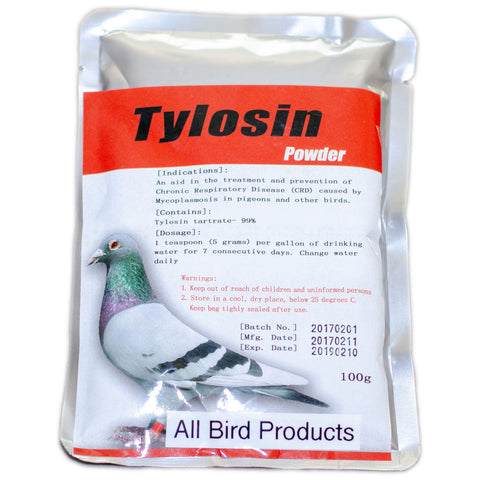
EXPLORE PRODUCTS →Tylosin Powder for Pet Birds — Tylosin Tartrate 99%
Tylosin Powder for Pet Birds is the primary BirdAntibiotic.com Tylosin product for this article.
Product details include:
- Active ingredient: Tylosin Tartrate
- Composition: 99%
- Net weight: 100g
- Form: Powder
- Category: Avian antibiotic powder
Shop Tylosin Powder for Pet Birds
Tylosin Tartrate 99% powder in a convenient 100g avian-use format for pigeons, parrots, canaries, finches, cockatiels, budgies and other companion birds.
What Does Tylosin Tartrate 99% Mean?
The percentage identifies the listed composition of the powder.
It does not mean:
99% is a universal administration dose.
Concentration and administration instructions are different concepts.
Use the exact product according to its:
- Label
- Composition
- Preparation directions
or professional avian guidance.
Is Tylosin the Same as Tylan?
Tylan is a well-known brand name historically associated with tylosin products.
This is why bird owners frequently search:
- Tylan for birds
- Tylan powder pigeons
- Tylosin/Tylan birds
However, different products may contain different:
- Concentrations
- Formulations
- Package sizes
Always identify the actual active ingredient and concentration rather than relying only on a familiar product name.
Tylosin Powder Generic
BirdAntibiotic.com also carries:
containing:
Tylosin Tartrate 99%.
This gives bird owners another powder-format Tylosin option for organized avian respiratory-care programs.
Tylobiotic for Pigeons
Tylobiotic by Medpet is a pigeon-specific Tylosin product.
Its formulation combines:
Tylosine Tartrate 10%
with vitamins including:
- Vitamin A
- Vitamin D3
- Vitamin E
- B-complex vitamins
- Nicotinamide
- Calcium pantothenate
Why Tylobiotic Is Commercially Different
Tylobiotic combines:
Tylosin + nutritional support
in a product designed specifically around pigeon respiratory and Mycoplasma care.
Tylobiotic for Pigeons
A Tylosin-and-vitamin formula designed specifically for pigeons and Mycoplasma respiratory care.
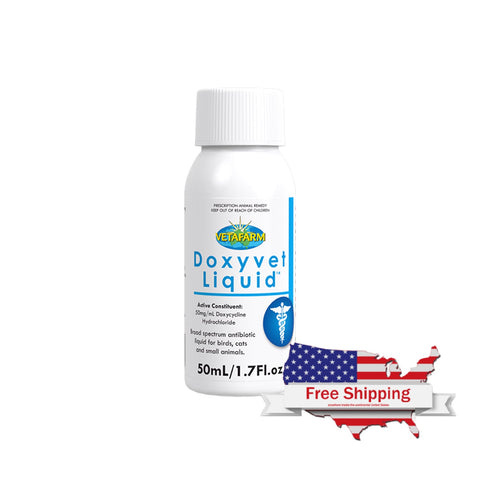
Doxy-Tyl — Tylosin + Doxycycline
Doxy-Tyl Powder combines:
- Tylosin 40%
- Doxycycline 20%
in a 100g powder format.
Why Combine Tylosin and Doxycycline?
The two antibiotics belong to different antimicrobial families.
The commercial logic of a combination respiratory product is to provide broader coverage for selected respiratory bacterial problems than a single active ingredient may provide.
Combination medication should still be selected for an appropriate respiratory condition rather than simply because symptoms appear severe.
Explore Doxy-Tyl Powder
A Tylosin 40% + Doxycycline 20% combination powder in a 100g pet-bird format.
Tylosin vs Doxycycline for Birds
| Feature | Tylosin | Doxycycline |
|---|---|---|
| Antibiotic class | Macrolide | Tetracycline |
| Common bird-search association | Mycoplasma and CRD | Chlamydial and selected respiratory bacterial disease |
| BirdAntibiotic product family | Tylosin powders and Tylobiotic | Doxycycline powders and Doxy products |
| Combination option | Doxy-Tyl combines both ingredients | |
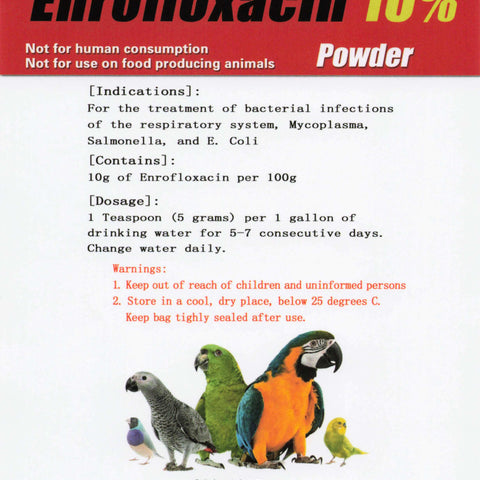
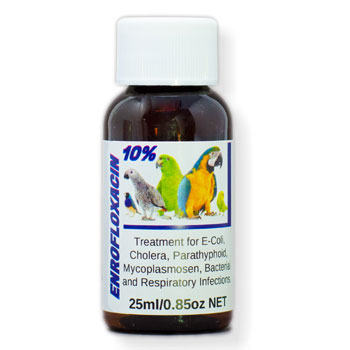
Tylosin vs Enrofloxacin
Tylosin and enrofloxacin are different antibiotic classes with different antimicrobial spectra.
Tylosin is particularly associated with:
Mycoplasma-type respiratory disease.
Enrofloxacin is a fluoroquinolone antibacterial used for a different range of susceptible bacterial organisms.
The two should not be treated as automatically interchangeable just because both appear in bird respiratory collections.
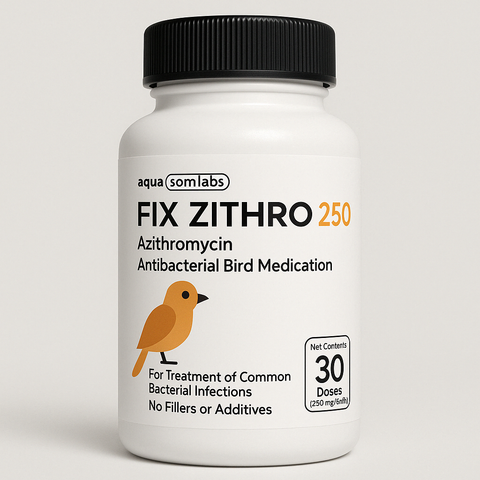
Tylosin vs Azithromycin
Both Tylosin and Azithromycin belong to the broader macrolide family.
However, they are different active ingredients.
Choice depends on:
- The suspected organism
- Bird species
- Clinical signs
- Previous treatment history
Explore Bird Antibiotics
Browse our Best Bird Antibiotics collection and explore bird care products organized in one convenient place.
EXPLORE PRODUCTS →Can Tylosin Treat Every Respiratory Infection?
No.
Tylosin is an antibacterial drug.
It does not directly treat:
- Viruses
- Fungal respiratory disease
- Air-sac mites
- Smoke exposure
- Household fume irritation
- Vitamin deficiency
- Airway obstruction
Tylosin and Air-Sac Mites
Air-sac mites are respiratory parasites.
They are particularly relevant in birds such as:
- Canaries
- Gouldian finches
- Other susceptible small birds
Signs may include:
- Clicking
- Sneezing
- Voice change
- Respiratory effort
Because mites are parasites rather than bacteria:
Tylosin does not directly treat air-sac mites.
Tylosin and Aspergillosis
Aspergillosis is a fungal respiratory disease.
It may cause:
- Breathing difficulty
- Voice change
- Lethargy
- Weight loss
Because Aspergillus is a fungus:
Tylosin is not an antifungal treatment.
Tylosin and Chlamydial Respiratory Disease
Chlamydial disease can produce symptoms resembling other respiratory infections, including:
- Eye discharge
- Nasal discharge
- Respiratory signs
- Reduced appetite
- Lethargy
Doxycycline is particularly important in avian medicine for Chlamydia-related disease.
This is one reason accurate respiratory diagnosis matters rather than assuming all respiratory signs should be managed with the same antibiotic.
Environmental Respiratory Problems
Birds can develop respiratory irritation without bacterial infection.
Common Environmental Irritants Include
- Smoke
- Aerosol sprays
- Strong fragrances
- Dust
- Mold-contaminated material
- Cooking fumes
- Poor ventilation
Medication Cannot Correct a Contaminated Environment
If birds remain exposed to:
- Heavy dust
- Ammonia-like loft odors
- Smoke
- Moldy bedding
- Poor ventilation
respiratory irritation can continue even while medication is being used.
When Is Bird Breathing an Emergency?
Emergency Respiratory Warning Signs
Seek prompt avian veterinary care when a bird develops:
- Continuous open-mouth breathing at rest
- Pronounced tail bobbing
- Severe respiratory effort
- Neck stretching to breathe
- Blue or abnormal tissue coloration
- Profound weakness
- Inability to perch
- Collapse
A severely dyspneic bird should be handled as little as possible. Repeated catching and forced oral administration can increase stress and oxygen demand.
Can Tylosin Be Used for Parrots?
Tylosin products marketed for companion birds may include parrots among the intended bird-care categories.
However, a parrot with respiratory symptoms should still be evaluated for:
- Bacterial disease
- Chlamydial disease
- Aspergillosis
- Environmental irritants
- Other causes
Can Tylosin Be Used for Budgies?
BirdAntibiotic.com's Tylosin Powder is positioned for companion birds including small parakeets.
Because budgies are small, accurate product preparation is particularly important.
Can Tylosin Be Used for Cockatiels?
Tylosin may be part of respiratory-care programs when an appropriate susceptible bacterial or Mycoplasma-type problem is involved.
Respiratory symptoms alone still do not identify the organism.
Can Tylosin Be Used for Canaries and Finches?
Tylosin products may be used in organized avian-care programs for small cage birds according to their label instructions.
However, canaries and some finches are also particularly relevant to:
air-sac mite differentials.
Clicking and respiratory noise should therefore not automatically trigger antibiotic treatment.
Can Tylosin Be Used for Pigeons?
Pigeons are one of the species groups most strongly associated with Tylosin use.
BirdAntibiotic.com currently carries both:
- General Tylosin powders
- Pigeon-focused Tylosin products
- Tylosin + Doxycycline combinations
Can Tylosin Be Used Preventively?
Routine repeated antimicrobial treatment without a clear disease reason can make respiratory management harder to interpret.
A stronger loft-health program emphasizes:
- Quarantine
- Ventilation
- Clean waterers
- Low dust
- Observation
- Appropriate testing when disease recurs
and uses medication when it matches the health problem being managed.
Why Respiratory Disease Sometimes Returns
Possible reasons include:
- The original organism was not fully controlled
- The diagnosis was incorrect
- Birds remain carriers
- Another infection is present
- The loft environment remains stressful
- New birds reintroduced disease
Does Tylosin Eliminate Mycoplasma Completely?
Antimicrobial treatment can reduce clinical disease and improve respiratory signs.
However, Mycoplasma infection can persist in a flock or bird population even after clinical signs improve.
This is why:
- Biosecurity
- Quarantine
- Monitoring
remain important.
Respiratory Recovery After Treatment
After appropriate antimicrobial treatment, focus on restoring:
- Hydration
- Normal appetite
- Digestive balance
- Body condition
- Normal respiratory performance
Bio Plus — Probiotic Recovery Support
Bio Plus is relevant after appropriately selected antimicrobial programs.
It provides:
- Probiotic support
- Vitamins
- Electrolytes
- Additional digestive-support nutrients
Guardian Angel — Stress & Recovery Support
Guardian Angel provides nutritional and electrolyte support for birds experiencing:
- Illness
- Transport stress
- Reduced condition
- Recovery
Tylosin Product Comparison
| Product | Active Ingredient(s) | Format | Best Commercial Placement |
|---|---|---|---|
| Tylosin Powder for Pet Birds | Tylosin Tartrate 99% | 100g Powder | Primary Tylosin / Mycoplasma / CRD product |
| Tylosin Powder Generic | Tylosin Tartrate 99% | Powder | Alternative single-ingredient Tylosin option |
| Doxy-Tyl | Tylosin 40% + Doxycycline 20% | 100g Powder | Combination respiratory product |
| Tylobiotic | Tylosine Tartrate 10% + Vitamins | Pigeon formula | Pigeon Mycoplasma and recovery support |
Frequently Asked Questions About Tylosin for Birds
What is Tylosin used for in birds?
Tylosin is a macrolide antibiotic particularly associated with susceptible respiratory bacterial disease and Mycoplasma-related respiratory problems.
What is Tylosin used for in pigeons?
Pigeon keepers commonly use Tylosin products in respiratory-care programs involving Mycoplasma and chronic respiratory disease.
Is Tylosin an antibiotic?
Yes. Tylosin is a macrolide antibiotic.
Is Tylosin the same as Tylan?
Tylan is a familiar brand name associated with tylosin products. Exact formulations and concentrations can differ.
What is Tylosin Tartrate?
Tylosin tartrate is a salt form of tylosin used in veterinary formulations including soluble powders.
What does Tylosin Tartrate 99% mean?
It describes the listed composition of the powder. It is not itself a universal dose instruction.
Does BirdAntibiotic.com sell Tylosin Powder?
Yes. BirdAntibiotic.com currently carries Tylosin Tartrate 99% powder products and several other Tylosin-containing respiratory products.
Can Tylosin help with Mycoplasma?
Tylosin is well known in veterinary respiratory medicine for activity against susceptible Mycoplasma organisms.
What is CRD in pigeons?
CRD means chronic respiratory disease and is commonly used to describe persistent respiratory syndromes often associated with Mycoplasma and other contributing factors.
What are signs of respiratory disease in pigeons?
Sneezing, wet eyes, nasal discharge, head shaking, rattling, reduced flight performance and breathing changes may occur.
Can Tylosin treat sneezing birds?
Tylosin may be relevant when sneezing is caused by a susceptible bacterial or Mycoplasma infection. Sneezing caused by dust, fungus, viruses or mites requires a different approach.
Can Tylosin treat watery eyes?
Watery eyes may accompany respiratory or sinus disease, but the underlying cause should determine treatment.
Does Tylosin treat air-sac mites?
No. Air-sac mites are parasites rather than bacteria.
Does Tylosin treat fungal respiratory infections?
No. Tylosin is not an antifungal medication.
Does Tylosin treat viruses?
No. Antibiotics do not directly treat viral infection.
Can Tylosin be used for parrots?
Tylosin powder products may be used in pet-bird care settings according to their label directions and appropriate avian guidance.
Can Tylosin be used for budgies?
BirdAntibiotic.com's Tylosin Powder is positioned for companion birds, but small birds require particularly careful product preparation.
Can Tylosin be used for canaries?
Tylosin may be relevant to appropriate bacterial respiratory conditions, but air-sac mites are also an important respiratory differential in canaries.
Can Tylosin be used for finches?
It may be part of an appropriate respiratory-care program, but respiratory parasites and other causes should also be considered.
Can Tylosin be used for cockatiels?
Tylosin may be considered when an appropriate susceptible bacterial or Mycoplasma-type respiratory problem is involved.
What is Doxy-Tyl?
Doxy-Tyl is a combination avian powder containing Tylosin and Doxycycline.
What is Tylobiotic?
Tylobiotic is a pigeon-focused product combining Tylosine Tartrate with several vitamins.
Is Tylosin better than Doxycycline?
Neither is universally better. They belong to different antibiotic classes and have different clinical applications.
Can Tylosin and Doxycycline be combined?
Commercial combination products such as Doxy-Tyl contain both ingredients. Combination treatment should still match the respiratory condition being treated.
Does Tylosin cure Mycoplasma permanently?
Antimicrobial treatment may reduce clinical signs, but Mycoplasma can persist in bird populations, making biosecurity and continued monitoring important.
Why does respiratory disease keep returning in pigeons?
Possible reasons include persistent carriers, reinfection, poor loft conditions, an incorrect diagnosis or another organism being involved.
Should every sneezing pigeon receive Tylosin?
No. Sneezing can arise from infectious and noninfectious causes, so the full symptom pattern should be considered.
When is respiratory disease an emergency?
Continuous open-mouth breathing, marked tail bobbing, severe weakness, inability to perch or collapse requires prompt veterinary attention.
What should I use after a bird antibiotic program?
Appropriate nutrition, hydration and probiotic support can be useful during recovery. Products such as Bio Plus and Guardian Angel are commercially relevant for that stage.
Where can I compare Tylosin products for birds?
BirdAntibiotic.com has dedicated Tylosin collections covering single-ingredient Tylosin powder, combination respiratory powders and pigeon-specific formulas.
Explore Bird Antibiotics
Browse our Best Bird Antibiotics collection and explore bird care products organized in one convenient place.
EXPLORE PRODUCTS →The Professional Tylosin Decision Framework
Step 1 — Identify the respiratory signs.
Step 2 — Check whether the bird is experiencing respiratory distress.
Step 3 — Consider Mycoplasma and other bacterial causes.
Step 4 — Compare bacterial disease with fungal, parasitic and environmental causes.
Step 5 — Choose single-ingredient Tylosin or a combination product only when appropriate.
Step 6 — Follow the exact product label rather than using a universal internet dose.
Step 7 — Improve ventilation, hygiene and water management.
Step 8 — Monitor appetite, breathing and activity.
Step 9 — Support digestive and nutritional recovery afterward.
Step 10 — Investigate recurring respiratory disease rather than repeating medication indefinitely.
Shop Tylosin & Respiratory Products for Birds
Compare Tylosin Powder, Doxy-Tyl, Tylobiotic and additional respiratory products for pigeons and companion birds.
Shop Tylosin for Birds Tylosin for Pigeons Pigeon Respiratory Care
The Most Important Tylosin Rule
Do not choose a respiratory antibiotic only because a bird is sneezing.
First identify the pattern.
Ask:
Is there nasal discharge?
Are the eyes watery?
Is breathing noisy?
Is there tail bobbing?
Could respiratory mites be involved?
Could fungus or environmental irritation be involved?
Does the disease pattern fit Mycoplasma or another susceptible bacterial problem?
Tylosin can be a valuable respiratory-care product when it matches the organism and condition being treated.
The strongest program combines the correct respiratory diagnosis, the appropriate product, clean air, good loft or cage management, careful monitoring and proper recovery support.
Recommended Products
Products selected to complement this guide.


Shop Related Products
Explore the products featured for this topic.


