 Help & Contact
 Track order













Signs of a Sick Bird: 25 Early Warning Signs Every Bird Owner Should Know
Signs of a Sick Bird: 25 Early Warning Signs Every Bird Owner Should Know
Your bird does not need to look dramatically sick to have a health problem.
In fact, one of the biggest challenges in avian health is that birds often conceal weakness surprisingly well.
A parrot may still climb onto a perch.
A budgie may still visit the food bowl.
A canary may still look beautifully feathered.
A pigeon may still walk around the loft.
Yet something has changed.
Maybe your bird:
- Is sleeping a little more
- Has stopped greeting you in the morning
- Is eating less
- Seems unusually quiet
- Has wetter droppings
- Feels lighter in your hand
- Is breathing differently
Those small changes matter.
The most useful skill a bird owner can develop is not memorizing every avian disease.
It is knowing:
what is normal for your bird—and recognizing when that normal changes.
This guide covers 25 of the most important early signs of illness in pet birds and explains which symptoms require careful monitoring, veterinary examination or immediate emergency attention.
How to Tell If a Bird Is Sick: Quick Answer
Common warning signs of illness in birds include persistent fluffing, sleeping more than usual, reduced activity, appetite changes, weight loss, abnormal droppings, vomiting, sitting low on the perch, weakness, balance problems, nasal or eye discharge, wheezing, tail bobbing and open-mouth breathing.
One mild change does not always mean serious disease.
But several changes occurring together—or one severe respiratory, neurological or bleeding sign—should never be ignored.
Important emergency signs: continuous open-mouth breathing, severe respiratory effort, collapse, inability to perch, seizures, profound weakness or active uncontrolled bleeding require prompt veterinary attention.
Explore Bird Antibiotics
Browse our Best Bird Antibiotics collection and explore bird care products organized in one convenient place.
EXPLORE PRODUCTS →Why Birds Hide Illness
Birds evolved as prey animals.
Showing obvious weakness can make a wild bird more vulnerable.
Companion birds retain much of that behavior.
As a result, disease may be developing before a bird looks severely ill.
This is why owners should pay attention to changes in:
- Behavior
- Appetite
- Body weight
- Posture
- Droppings
- Breathing
- Vocalization
- Feather condition
One Symptom Rarely Gives the Entire Diagnosis
A fluffed bird does not automatically have a bacterial infection.
A bird with wet droppings does not automatically have diarrhea.
A sneezing bird does not automatically need an antibiotic.
And a bird losing feathers is not automatically infested with mites.
The pattern matters.
| Pattern | What It Suggests |
|---|---|
| One mild temporary change | Observe closely and compare with the bird's normal baseline. |
| Several changes together | Illness becomes substantially more concerning. |
| Progressively worsening signs | Veterinary examination becomes increasingly important. |
| Respiratory distress, collapse or neurological dysfunction | Treat as urgent or emergency care. |
Explore Bird Antibiotics
Browse our Best Bird Antibiotics collection and explore bird care products organized in one convenient place.
EXPLORE PRODUCTS →Sign #1 — A Sudden Change in Personality or Behavior
You know your bird's normal personality better than anyone.
An outgoing bird may suddenly stop interacting.
A normally calm bird may become unusually:
- Irritable
- Defensive
- Quiet
- Withdrawn
- Unusually tame
A bird that normally rushes to greet you but suddenly stays on the back perch is communicating something important.
Behavior changes can occur with:
- Pain
- Infection
- Stress
- Hormonal activity
- Fatigue
- Other illness
The key question is:
Is this significantly different from my bird's normal personality?
Sign #2 — Talking, Singing or Vocalizing Less
Reduced vocalization can be one of the earliest illness signs in a normally vocal bird.
You might notice:
- A canary stops singing
- A budgie stops chattering
- A parrot no longer says its usual morning words
- A pigeon becomes unusually quiet
There can be nonmedical explanations.
For example, some canaries sing less during molt.
But reduced vocalization becomes more concerning when combined with:
- Fluffing
- Weight loss
- Appetite changes
- Respiratory noise
- Excessive sleeping
Sign #3 — Persistent Fluffed-Up Feathers
Birds normally fluff their feathers when:
- Relaxing
- Sleeping
- Preening
- Briefly conserving warmth
The problem is not occasional fluffing.
The problem is:
a bird remaining puffed or fluffed through much of its normal active period.
Persistent fluffing can accompany:
- Systemic illness
- Pain
- Weakness
- Digestive disease
- Respiratory disease
- Reduced body temperature associated with illness
Sign #4 — Sleeping Much More During the Day
Healthy birds may take naps.
But a bird that suddenly spends much of the morning or afternoon:
- Eyes closed
- Fluffed
- Inactive
- Uninterested in its surroundings
deserves attention.
The important distinction is:
normal short rest versus persistent daytime lethargy.
Sign #5 — Reduced Activity or Loss of Interest
A sick bird may gradually stop:
- Playing
- Exploring
- Climbing
- Flying
- Interacting with toys
- Responding to people
This may initially be subtle.
An owner may simply say:
“He doesn't seem like himself.”
That observation can be clinically meaningful.

Sign #6 — Eating Less or Refusing Food
Appetite is one of the most valuable indicators of bird health.
Watch for:
- Ignoring the normal food bowl
- Eating substantially less
- Dropping food repeatedly
- Approaching food but not swallowing
- Only accepting favorite treats
A bird can appear to be eating while actually manipulating seed hulls without consuming enough food.
Bird Not Eating + Weight Loss
This combination deserves particularly close attention.
Possible causes can include:
- Digestive disease
- Oral or crop problems
- Systemic infection
- Respiratory illness
- Pain
- Parasites
Sign #7 — Eating Much More Than Normal
An increased appetite is not always reassuring.
Some diseases can produce:
increased eating while the bird still loses weight.
This pattern can occur with disorders affecting:
- Digestion
- Nutrient absorption
- Metabolism
Track appetite together with body weight.
Sign #8 — Drinking Much More or Much Less
Changes in water consumption can be important.
Increased thirst may accompany:
- Dietary changes
- Hot conditions
- Kidney problems
- Some systemic illnesses
Reduced drinking may contribute to dehydration in a sick bird.
Observe the trend rather than judging one visit to the water bowl.
Sign #9 — Unexplained Weight Loss or Weight Gain
This is one of the most powerful early-warning measurements available to bird owners.
Feathers can conceal substantial changes in body condition.
A bird may appear:
round and fluffy
while actually becoming thinner underneath.
Use a Gram Scale
Record your healthy bird's normal weight.
Then compare future measurements under similar conditions.
A trend is much more useful than guessing by appearance.
Sign #10 — A Sharp Keel or Loss of Breast Muscle
The keel is the central breastbone.
Healthy breast muscles should fill the areas on both sides appropriately for the bird's species and build.
When a bird loses condition:
- The breast becomes narrower
- The keel may feel sharper
- The bird can feel unexpectedly light
This is particularly important in:
- Pigeons
- Canaries
- Finches
- Budgies
where plumage may hide significant weight loss.
Explore Bird Antibiotics
Browse our Best Bird Antibiotics collection and explore bird care products organized in one convenient place.
EXPLORE PRODUCTS →Sign #11 — Sitting Low on the Perch or on the Cage Floor
A normally perching bird that suddenly:
- Sits unusually low
- Hunches over
- Spends prolonged periods on the cage bottom
may be weak or unwell.
Some species naturally explore the floor.
What matters is:
a change from the individual's normal behavior.
Emergency Warning
A bird that is huddled, profoundly weak, unresponsive, lying on the cage floor or unable to perch should be treated as an emergency.
Sign #12 — Weakness, Poor Grip or Loss of Balance
Healthy birds normally grip their perches securely.
Warning signs include:
- Weak grip
- Repeated slipping
- Falling from a perch
- Difficulty climbing
- Standing unusually wide-legged
- Loss of balance
Possible causes range from:
- Profound systemic illness
- Neurological disease
- Trauma
- Toxic exposure
- Severe weakness
Sign #13 — Drooping Wings or Abnormal Posture
Changes in wing position can indicate:
- Weakness
- Injury
- Pain
- Systemic illness
One wing hanging differently from the other can raise concern for trauma.
Both wings hanging unusually low in an inactive bird may reflect generalized weakness.
Sign #14 — Open-Mouth or Labored Breathing
This is one of the most important signs in the entire guide.
A resting bird should generally breathe quietly and without obvious effort.
Warning signs include:
- Persistent open-mouth breathing
- Neck stretching while breathing
- Noticeable chest effort
- Rapid breathing while resting
Bird Breathing Emergency
Continuous open-mouth breathing or severe respiratory effort requires prompt veterinary care.
A bird already struggling to breathe should not be repeatedly chased, caught or forced to take oral medication because additional handling can increase stress and oxygen demand.
Sign #15 — Tail Bobbing With Every Breath
Some normal body movement occurs during breathing.
The concerning pattern is:
pronounced up-and-down tail movement synchronized with each breath.
This can indicate increased respiratory effort.
Possible underlying problems include:
- Lower respiratory disease
- Air-sac disease
- Airway obstruction
- Respiratory parasites in susceptible species
- Other serious illness
Sign #16 — Sneezing, Wheezing, Clicking or Voice Changes
An occasional sneeze can clear dust or debris.
Repeated respiratory sounds deserve more attention.
Watch for:
- Persistent sneezing
- Wheezing
- Clicking
- Whistling sounds
- Voice changes
- Reduced song
Possible causes can include:
- Bacterial respiratory disease
- Chlamydial disease
- Mycoplasma-associated disease
- Fungal disease
- Respiratory mites
- Environmental irritation
Sign #17 — Nasal Discharge or Wet Feathers Around the Nostrils
A healthy bird's nares should generally be clean.
Warning signs include:
- Wet nostrils
- Mucus
- Crust
- Staining of feathers above the cere or nostrils
- Repeated wiping of the beak on perches
Respiratory disease can involve the:
- Nasal passages
- Sinuses
- Trachea
- Lungs
- Air sacs
Sign #18 — Eye Discharge, Swelling, Redness or Keeping One Eye Closed
Eye abnormalities can be associated with:
- Trauma
- Foreign material
- Conjunctivitis
- Sinus disease
- Respiratory disease
- Other infection
Watch for:
- Watery eyes
- Thick discharge
- Swollen eyelids
- Redness
- Cloudiness
- Bulging
- Persistent squinting
A bird repeatedly keeping one eye closed while awake deserves investigation.
Sign #19 — Vomiting or Abnormal Regurgitation
Bird owners often confuse vomiting with normal behavioral regurgitation.
Behavioral Regurgitation
Some parrots deliberately bring food up toward:
- A mate
- A favorite person
- A mirror
- A toy
The behavior can occur during reproductive stimulation.
Vomiting
Illness-associated vomiting may be:
- Uncontrolled
- Repeated
- Associated with head shaking
- Accompanied by food or fluid around the face
Vomiting can occur with:
- Crop disease
- Gastrointestinal disease
- Infection
- Toxic exposure
- Other systemic disease
Explore Bird Antibiotics
Browse our Best Bird Antibiotics collection and explore bird care products organized in one convenient place.
EXPLORE PRODUCTS →Sign #20 — Persistent Changes in Droppings
Bird droppings contain three components:
- Fecal material
- Urates
- Urine
Diet can temporarily affect:
- Color
- Moisture
- Volume
The important warning is a persistent unexplained change.
Watch for:
- True diarrhea
- Excessive urine
- Unusual urate color
- Blood
- Black tarry material
- Undigested food
- Major reduction in the number of droppings
One strange dropping is less informative than a repeated pattern.
Sign #21 — Vent Staining, Swelling or Straining
The feathers around the cloaca or vent should normally remain relatively clean.
Warning signs include:
- Persistent fecal staining
- Swelling
- Repeated straining
- Prolapsed tissue
- Difficulty passing droppings
Female birds that strain repeatedly or appear weak should also be assessed for reproductive problems such as egg binding.
Sign #22 — Feather Damage, Bald Spots or Abnormal Feather Growth
Normal molt gradually replaces old feathers with new ones.
More concerning patterns include:
- Large bald areas
- Chewed feathers
- Repeated breakage
- Malformed pin feathers
- Feathers failing to regrow
- Bleeding feathers
Possible causes include:
- Feather-destructive behavior
- Nutrition problems
- Skin disease
- Viral disease
- Trauma
- Cage-mate barbering
- Selected parasites
Sign #23 — Changes in the Skin, Cere, Beak or Feet
Inspect your bird regularly for:
- Crusting
- Heavy scaling
- Redness
- Open sores
- Pressure lesions
- Abnormal beak growth
- Abnormal cere changes
Examples include:
- Scaly-face mites in susceptible budgies
- Pododermatitis or bumblefoot
- Skin infection
- Nutritional abnormalities
Sign #24 — Abdominal Enlargement, Swelling or Distention
A visibly enlarged abdomen can have many explanations.
Possible causes can include:
- Reproductive disease
- Egg retention
- Organ enlargement
- Fluid accumulation
- Masses
- Obesity
Abdominal enlargement combined with:
- Breathing difficulty
- Straining
- Weakness
- Reduced droppings
deserves prompt evaluation.
Sign #25 — Neurological Changes, Seizures or Loss of Coordination
Neurological abnormalities should never be dismissed as simple tiredness.
Watch for:
- Head tilt
- Twisting of the neck
- Circling
- Tremors
- Seizures
- Loss of coordination
- Paralysis
- Difficulty using a wing or leg
Possible causes can include:
- Neurological disease
- Trauma
- Toxic exposure
- Systemic infection
- Metabolic abnormalities
Bird Emergency Signs: Do Not Wait
Seek urgent avian veterinary attention when a bird has:
- Continuous open-mouth breathing
- Severe tail bobbing or respiratory effort
- Collapse
- Profound weakness
- Inability to perch
- Seizures
- Major neurological dysfunction
- Active uncontrolled bleeding
- Severe trauma
- Rapid deterioration
A bird that is already struggling to breathe should be handled as little as possible while veterinary help is arranged.
25 Signs of a Sick Bird: Quick Reference Table
| # | Warning Sign | Why It Matters |
|---|---|---|
| 1 | Behavior change | May be one of the earliest illness clues. |
| 2 | Reduced vocalization | Quiet birds may be conserving energy or feeling unwell. |
| 3 | Persistent fluffing | Common general illness sign. |
| 4 | Sleeping more | Persistent daytime sleep can indicate illness. |
| 5 | Reduced activity | Loss of normal interaction matters. |
| 6 | Reduced appetite | Can quickly contribute to weakness and weight loss. |
| 7 | Increased appetite | Important when accompanied by weight loss. |
| 8 | Thirst change | Can accompany environmental, renal or systemic problems. |
| 9 | Weight change | Objective and highly useful health indicator. |
| 10 | Sharp keel | Can signal loss of breast muscle and condition. |
| 11 | Bottom-of-cage sitting | Concerning when abnormal for the individual. |
| 12 | Weakness/balance problems | May indicate severe systemic, neurological or toxic disease. |
| 13 | Drooping wing/posture | May indicate pain, trauma or weakness. |
| 14 | Open-mouth breathing | Potential respiratory emergency. |
| 15 | Tail bobbing | Can indicate increased respiratory effort. |
| 16 | Respiratory noises | May reflect airway, respiratory or parasite problems. |
| 17 | Nasal discharge | Common respiratory warning sign. |
| 18 | Eye abnormalities | Can accompany trauma, eye or sinus disease. |
| 19 | Vomiting | Can indicate crop, digestive, toxic or systemic disease. |
| 20 | Abnormal droppings | Digestive, urinary and systemic disease can alter droppings. |
| 21 | Vent abnormalities | Can reflect gastrointestinal or reproductive disease. |
| 22 | Abnormal feathers | May indicate behavioral, nutritional, infectious or skin disease. |
| 23 | Skin/beak/foot changes | May indicate mites, nutritional disease or injury. |
| 24 | Abdominal enlargement | Can accompany reproductive or internal disease. |
| 25 | Neurological signs | Seizures, paralysis or severe coordination problems require urgent attention. |
How to Check a Sick Bird Without Creating More Stress
Observation often provides useful information before the bird is handled.
Watch your bird quietly in the cage.
Record:
- Breathing pattern
- Posture
- Perch use
- Activity
- Food intake
- Dropping appearance
Take Videos
A short video can document:
- Tail bobbing
- Respiratory sounds
- Balance problems
- Abnormal behavior
Symptoms can temporarily change during transport or veterinary examination, so a recording can be useful.
Photograph Droppings
Use plain cage-liner paper.
Photograph several droppings in good lighting rather than only the strangest one.
Record Weight
A gram-scale trend may reveal a problem that feathers hide.
Signs of a Sick Budgie
Common warning signs in budgies include:
- Persistent fluffing
- Sleeping during the day
- Reduced chatter
- Weight loss
- Watery or abnormal droppings
- Tail bobbing
- Sneezing
- Crusting around the cere
- Bottom-of-cage sitting
Because budgies are small, substantial deterioration can occur quickly.
Signs of a Sick Cockatiel
Watch for:
- Reduced vocalization
- Persistent fluffing
- Appetite loss
- Weight loss
- Abnormal droppings
- Repeated sneezing
- Tail bobbing
- Reduced interaction
Cockatiels may also experience reproductive problems, Giardia-associated illness and other conditions requiring species-specific investigation.
Signs of a Sick Canary
Canaries may become:
- Quiet
- Fluffed
- Less interested in singing
- Thin
- Weak
Respiratory clicking or open-mouth breathing can be particularly important because canaries are among species susceptible to respiratory parasites such as air-sac mites.
Signs of a Sick Finch
Monitor closely for:
- Weight loss
- Persistent fluffing
- Sleeping
- Reduced feeding
- Respiratory noise
- Abnormal droppings
Small finches have limited body reserves, making early detection especially valuable.
Signs of a Sick Pigeon
Important pigeon warning signs include:
- Sharp keel
- Weight loss
- Reduced flight performance
- Green or watery droppings
- Regurgitation
- Oral lesions
- Respiratory problems
- Neurological changes
Possible causes range from canker and coccidia to worms, respiratory disease and other systemic problems.
Signs of a Sick Parrot
Larger parrots can sometimes conceal illness particularly well because their substantial plumage masks body condition.
Watch for:
- Personality change
- Reduced speech
- Reduced appetite
- Weight loss
- Feather abnormalities
- Respiratory changes
- Abnormal droppings
Does Every Sick Bird Need an Antibiotic?
No.
The symptoms in this guide can result from many different categories of disease.
For example:
- Bacteria
- Viruses
- Fungi
- Parasites
- Nutrition problems
- Toxic exposure
- Trauma
- Reproductive disease
An antibiotic only makes sense when an appropriate susceptible bacterial condition is involved.
When Bird Antibiotics Become Relevant
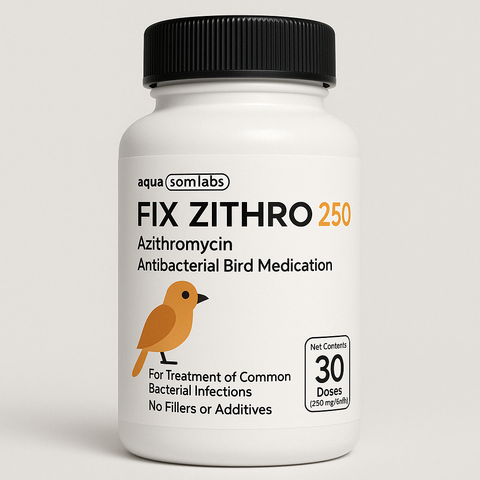
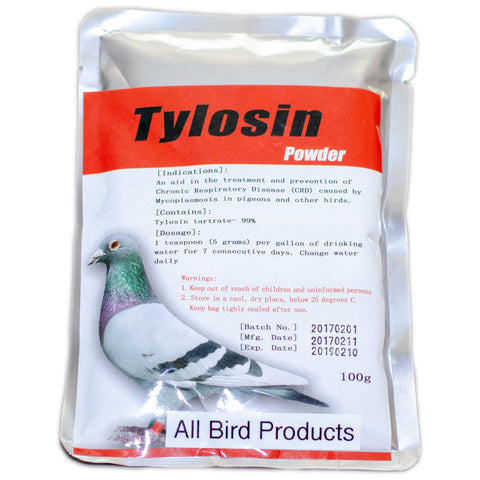
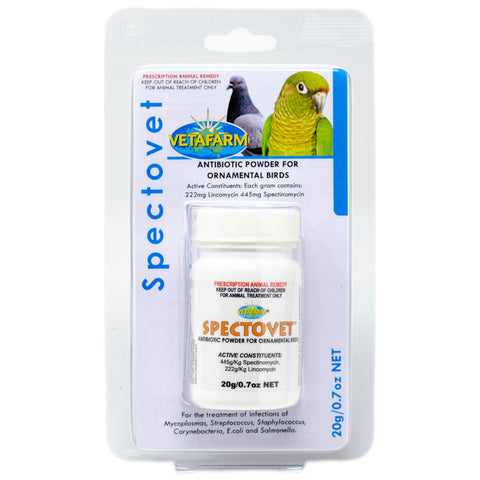
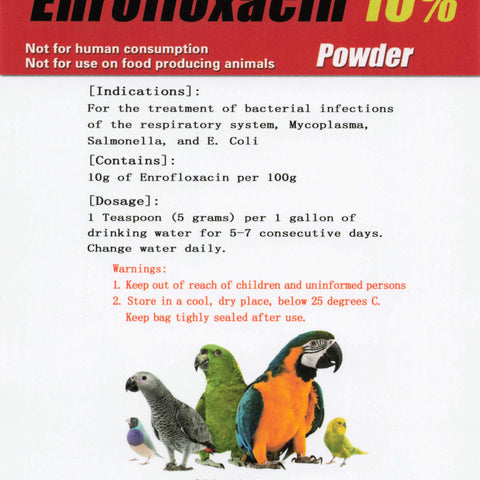
When a bacterial condition is appropriately identified, BirdAntibiotic.com carries a broad range of avian antibacterial options including:
- Amoxicillin products
- Doxycycline products
- Enrofloxacin products
- Tylosin products
- Azithromycin products
- Combination respiratory formulas
Respiratory Symptoms Need Their Own Diagnosis
Bird respiratory disease can involve different causes.
Symptoms such as:
- Sneezing
- Wet nostrils
- Eye discharge
- Wheezing
- Tail bobbing
- Reduced voice
should be interpreted together before selecting treatment.
Parasite Symptoms Also Require Targeted Care
A mite product does not treat coccidia.
A coccidiosis product does not treat intestinal worms.
A conventional wormer does not automatically treat respiratory mites.
The parasite category matters.
Supportive Care During Recovery
Birds recovering from illness or stress may benefit from attention to:
- Hydration
- Nutrition
- Digestive support
- Electrolytes
- A calm environment
Supportive products do not replace diagnosis or condition-specific treatment, but they can play a useful role during recovery.
Recovery Support for Sick or Stressed Birds
Guardian Angel provides vitamins, electrolytes, probiotics, prebiotics and energy support for birds experiencing periods of illness, transport stress or recovery.
Digestive & Probiotic Recovery Support
Bio Plus is a multi-strain probiotic formula with electrolytes, vitamins and additional digestive-support nutrients. It is especially relevant during recovery, periods of stress or after appropriate antimicrobial treatment.
Daily Vitamin & Nutritional Support
Nekton-S provides vitamins, amino acids and trace elements for general cage-bird nutritional support.
Shop Bird Health & Recovery Care
Explore antibiotics, probiotics, electrolytes, vitamins, parasite care, digestive support and recovery products organized by health need.
Explore Bird Antibiotics
Browse our Best Bird Antibiotics collection and explore bird care products organized in one convenient place.
EXPLORE PRODUCTS →Frequently Asked Questions About Sick Birds
How do I know if my bird is sick?
Look for changes from your bird's normal behavior, particularly persistent fluffing, sleeping more, reduced appetite, weight loss, abnormal droppings, reduced vocalization, weakness or breathing changes.
Why do birds hide illness?
Birds have evolved to conceal weakness because visibly sick wild birds can become more vulnerable to predators and social competition.
Why is my bird suddenly fluffed up?
Temporary fluffing is normal during rest or preening. Persistent daytime fluffing together with lethargy, appetite loss or weight loss is more concerning.
Why is my bird sleeping all day?
Short naps can be normal. A bird suddenly spending much of the normal active period sleeping may be unwell.
Why is my bird not eating?
Appetite loss can occur with digestive disease, respiratory disease, pain, systemic infection, crop problems and many other illnesses.
How long can a bird go without eating?
Birds—especially small species—can become weak quickly when food intake falls significantly. A bird refusing food should not simply be observed for a prolonged period while losing condition.
Why is my bird sitting on the bottom of the cage?
If the behavior is unusual for your bird, it may indicate weakness, inability to perch, injury or significant illness.
Why does my bird's tail bob when breathing?
Pronounced tail movement synchronized with each breath can indicate increased respiratory effort.
Is open-mouth breathing normal in birds?
Temporary panting can occur after exertion or overheating, but persistent open-mouth breathing at rest is a serious warning sign.
Why is my bird sneezing?
Occasional sneezing may clear dust. Repeated sneezing can occur with environmental irritation, respiratory infection, Chlamydia, Mycoplasma, fungal disease or respiratory parasites.
Why does my bird make clicking sounds when breathing?
Clicking can occur with respiratory disease or air-sac mites in susceptible birds such as canaries and Gouldian finches. The sound alone does not identify the cause.
Why is my bird losing weight even though it eats?
Possible explanations include parasites, digestive or absorption problems, chronic disease or increased metabolic demand. A weight trend and veterinary evaluation can help identify the cause.
Why are my bird's droppings watery?
Extra clear urine may make droppings look wet without true diarrhea. Diet, stress, kidney problems, infection and other disease can all alter dropping moisture.
What do abnormal bird droppings look like?
Persistent diarrhea, excessive urine, unusual urates, blood, black material or undigested food can all be significant depending on diet and the rest of the bird's health.
Why is my bird vomiting?
Vomiting can occur with crop, gastrointestinal, toxic or systemic disease. It should be distinguished from intentional behavioral regurgitation.
Why is my bird keeping one eye closed?
Possible causes include eye irritation, trauma, conjunctivitis and sinus or respiratory disease.
Can mites make a bird sick?
Yes. Different mites can affect skin or the respiratory system, but mites are not responsible for every case of scratching, feather loss or breathing difficulty.
Can worms make a bird lose weight?
Significant intestinal parasite burdens can contribute to weight loss and poor condition in susceptible birds.
Can coccidiosis make birds sick?
Clinical coccidiosis can cause abnormal droppings, weight loss, weakness and poor condition in susceptible birds.
Can a respiratory infection make a bird stop eating?
Yes. Respiratory or systemic illness can reduce appetite and activity.
Should I give antibiotics when my bird looks sick?
Not solely from appearance. The same symptoms can arise from bacterial, viral, fungal, parasitic, nutritional, toxic and traumatic conditions.
Can I give vitamins to a sick bird?
Nutritional support may be useful when appropriate, but vitamins do not replace diagnosis or treatment of an underlying illness.
Should I weigh my bird when it is sick?
Yes. When it can be done without excessive stress, consistent gram-scale measurements are extremely useful for monitoring condition.
What should I bring to the avian veterinarian?
Bring information about diet, medications, recent new-bird exposure, symptom duration, weight records and photographs or videos of abnormal behavior and droppings.
What bird symptoms are emergencies?
Continuous open-mouth breathing, severe respiratory effort, collapse, seizures, inability to perch, profound weakness and significant active bleeding require urgent attention.
The Professional Sick-Bird Check: 60 Seconds Every Day
Before walking away from the cage each morning, ask:
1. Is my bird alert?
2. Is posture normal?
3. Is breathing quiet?
4. Is the bird perching normally?
5. Is appetite normal?
6. Are the eyes and nostrils clean?
7. Do the droppings look normal for this bird?
8. Is activity normal?
9. Is vocalization normal?
10. Is body weight remaining near the healthy baseline?
The Most Important Rule for Recognizing a Sick Bird
Do not wait for your bird to look dramatically ill.
The strongest early warning is often not one spectacular symptom.
It is:
a change from normal.
Maybe your parrot did not greet you.
Maybe your budgie is sleeping longer.
Maybe your canary stopped singing.
Maybe your pigeon feels lighter.
Maybe the droppings are different.
Maybe breathing looks slightly harder.
One observation gives you a clue.
Several observations create a pattern.
Know your bird's normal. Track changes early. Match treatment to the real cause. And take serious respiratory, neurological, bleeding or weakness signs seriously.
Bird-health note: The signs described in this guide can have many possible causes and are intended to help owners recognize changes early. Persistent appetite loss, progressive weight loss, vomiting, abnormal droppings, eye or nasal discharge, respiratory noise, abnormal feather growth, weakness or other sustained health changes deserve avian veterinary assessment. Continuous open-mouth breathing, marked respiratory distress, collapse, seizures, inability to perch or uncontrolled active bleeding requires urgent care.
Recommended Products
Products selected to complement this guide.


Shop Related Products
Explore the products featured for this topic.


