 Help & Contact
 Track order












Psittacosis in Pet Birds: Chlamydia Signs, Testing & Transmission
Psittacosis in Pet Birds: Chlamydia Signs, Testing & Transmission
Your bird starts sneezing.
The eyes look slightly watery.
The nostrils appear damp.
Appetite drops.
The bird becomes quieter and the droppings suddenly look greener than usual.
These signs can occur with many avian diseases.
But one important possibility is:
psittacosis.
Psittacosis is also known as:
- Avian chlamydiosis
- Ornithosis
- Parrot fever
It is caused primarily by the bacterium:
Chlamydia psittaci.
This organism is unusual because it lives and reproduces inside host cells.
It can affect:
- Parrots
- Cockatiels
- Budgies
- Pigeons
- Doves
- Canaries
- Finches
- Many other bird species
Some infected birds become obviously sick.
Others may appear completely healthy.
That is one reason psittacosis deserves more attention than an ordinary “bird cold.”
A bird can potentially carry and shed Chlamydia psittaci without showing dramatic illness.
Psittacosis in Birds: Quick Answer
Psittacosis is a bacterial disease caused by Chlamydia psittaci.
Possible signs include:
- Sneezing
- Eye discharge
- Nasal discharge
- Breathing difficulty
- Tail bobbing
- Fluffed feathers
- Reduced appetite
- Weight loss
- Lethargy
- Green or yellow-green droppings
Some infected birds show few or no symptoms.
Diagnosis usually requires laboratory testing rather than appearance alone.
Doxycycline is the antimicrobial most commonly associated with avian chlamydiosis treatment, but treatment is typically prolonged and should be matched to the bird, species, diagnostic findings and veterinary treatment plan.
Explore Bird Antibiotics
Browse our Best Bird Antibiotics collection and explore bird care products organized in one convenient place.
EXPLORE PRODUCTS →What Is Psittacosis?
Psittacosis is a systemic bacterial infection caused primarily by Chlamydia psittaci.
The organism is classified as an:
obligate intracellular bacterium.
This means it depends on living host cells to reproduce.
The infection can involve several organ systems rather than only the respiratory tract.
Potentially affected systems include:
- Respiratory system
- Digestive tract
- Liver
- Spleen
- Eyes
- Air sacs
- Other internal organs
Is Psittacosis the Same as Parrot Fever?
Yes.
The names:
- Psittacosis
- Parrot fever
- Avian chlamydiosis
- Ornithosis
are commonly used when discussing infection with Chlamydia psittaci.
“Parrot fever” can be misleading because the disease does not affect parrots only.
Which Birds Can Get Psittacosis?
Many companion and aviary birds can become infected.
Species frequently discussed in relation to avian chlamydiosis include:
- Cockatiels
- Budgies
- Amazon parrots
- Macaws
- Cockatoos
- Lorikeets
- Pigeons
- Doves
- Canaries
- Other cage and aviary birds
Can a Bird Carry Chlamydia Without Looking Sick?
Yes.
This is one of the most important facts in the entire article.
An infected bird may be:
asymptomatic.
That means the bird may:
- Eat normally
- Perch normally
- Vocalize normally
- Look healthy
while still carrying the organism.
Why Carrier Birds Matter
A carrier bird can potentially expose:
- Other birds
- New cage mates
- Breeding birds
- Bird handlers
through contaminated respiratory secretions, droppings and environmental material.
Stress Can Make a Hidden Infection More Obvious
A bird carrying an infection without obvious signs may develop clinical illness after stressful events such as:
- Shipping
- Relocation
- New-bird introduction
- Crowding
- Breeding stress
- Another illness
This helps explain why respiratory disease sometimes appears shortly after a bird enters a new home or aviary.

12 Common Signs of Psittacosis in Birds
1. Reduced Appetite
Affected birds may:
- Eat less
- Ignore favorite foods
- Visit the bowl less frequently
2. Weight Loss
Reduced intake and systemic disease can cause progressive loss of body condition.
Use a gram scale whenever practical.
Feathers can hide substantial muscle loss.
3. Lethargy
A bird may become:
- Less active
- Quiet
- Sleepy
- Less interactive
4. Fluffed Feathers
Persistent daytime fluffing is a common nonspecific sign of systemic illness.
5. Sneezing
Repeated sneezing may occur when infection involves the upper respiratory tract.
6. Nasal Discharge
Watch for:
- Wet nostrils
- Mucus
- Staining around the cere
- Repeated beak wiping
7. Eye Discharge or Conjunctivitis
Possible eye signs include:
- Watery eyes
- Redness
- Swelling
- Discharge
- Keeping one eye partly closed
8. Breathing Difficulty
More serious respiratory involvement may produce:
- Increased breathing effort
- Tail bobbing
- Open-mouth breathing
- Reduced activity
Respiratory Emergency Signs
A bird with:
- Persistent open-mouth breathing
- Pronounced tail bobbing
- Severe respiratory effort
- Profound weakness
- Inability to perch
- Collapse
needs prompt avian veterinary attention.
Do not repeatedly chase or force oral medication into a bird already struggling to breathe.
9. Green or Yellow-Green Droppings
Psittacosis can affect the liver.
Some infected birds develop:
- Lime-green droppings
- Yellow-green droppings
- Yellow-green urates or urine
However:
green droppings do not automatically diagnose psittacosis.
A bird eating very little can also produce greener feces.
Liver disease from other causes may create similar changes.
10. Increased Urine Output
Some birds develop:
- Polyuria
- Wetter-looking droppings
Do not confuse extra clear urine with true diarrhea.
11. Dehydration
Systemically ill birds may become dehydrated, especially when appetite and fluid intake decrease.
12. Neurological Signs
Less commonly, affected birds may develop neurological abnormalities including:
- Tremors
- Shaking
- Head twisting
- Seizures
- Poor coordination
Psittacosis Symptoms at a Glance
| System | Possible Signs |
|---|---|
| Respiratory | Sneezing, nasal discharge, breathing difficulty, tail bobbing |
| Eyes | Watery eyes, conjunctivitis, swelling, discharge |
| Digestive | Reduced appetite, diarrhea-like changes, abnormal droppings |
| Liver/systemic | Green or yellow-green droppings, lethargy, weight loss |
| Neurological | Tremors, head twisting, seizures in some cases |

Does Every Bird With Green Droppings Have Psittacosis?
No.
Green droppings can occur when:
- A bird is eating very little
- Diet changes
- Liver disease is present
- Other systemic illness develops
The combination matters.
Green droppings become more relevant to psittacosis when combined with signs such as:
- Respiratory disease
- Eye discharge
- Weight loss
- Lethargy
Can Psittacosis Cause Tail Bobbing?
Yes.
If respiratory involvement increases the effort required to breathe, pronounced movement of the tail with each breath may become visible.
Tail bobbing itself does not prove Chlamydia infection.
Other respiratory diseases can produce the same sign.
Can Psittacosis Cause a Bird to Stop Eating?
Yes.
Systemic infection can cause:
- Reduced appetite
- Weight loss
- General weakness
A bird with respiratory disease may also find normal feeding more difficult.
How Does Psittacosis Spread Between Birds?
Infected birds can shed Chlamydia psittaci in:
- Droppings
- Nasal secretions
- Eye secretions
- Respiratory material
Contaminated material can then expose other birds.
Dry Droppings and Dust Matter
When contaminated droppings or respiratory secretions dry, particles can become incorporated into:
- Dust
- Feather debris
- Cage material
This is why dust control and cage hygiene are important during suspected outbreaks.
Can Psittacosis Spread Through Shared Equipment?
Potentially contaminated items include:
- Food bowls
- Water bowls
- Perches
- Transport cages
- Cleaning equipment
- Handling equipment
Can People Catch Psittacosis From Birds?
Yes.
Chlamydia psittaci can infect people.
The most common route is inhalation of contaminated airborne material from:
- Dried droppings
- Respiratory secretions
- Bird-associated dust
Human Symptoms After Bird Exposure
People infected with psittacosis commonly develop a respiratory-type illness.
Possible symptoms include:
- Dry cough
- Fever
- Chills
- Headache
- Muscle aches
If someone becomes ill after exposure to a bird suspected of carrying psittacosis, they should tell their healthcare professional about the bird exposure.
Does Psittacosis Spread Easily From Person to Person?
Bird-to-person exposure is much more characteristic.
Person-to-person transmission is considered uncommon.
How Is Psittacosis Diagnosed in Birds?
Diagnosis can be challenging because:
- Signs are nonspecific
- Healthy-looking birds may be carriers
- Organism shedding can vary
- No single physical symptom confirms infection
PCR Testing for Chlamydia Psittaci
PCR is one of the most useful diagnostic tools for detecting genetic material from the organism.
Samples may be collected from:
- Conjunctiva
- Choana
- Cloaca
depending on the testing strategy.
Why Multiple Swab Sites Can Be Useful
Sampling several relevant anatomical sites can improve the chance of detecting the organism compared with relying on one location alone.
Can One Negative Test Rule Out Psittacosis?
Not always.
Intermittent shedding and other biological factors can complicate diagnosis.
Veterinarians may combine:
- PCR
- Serology
- Clinical signs
- Blood testing
- Imaging
depending on the bird and situation.
What Does a Positive Antibody Test Mean?
Antibody testing can show that a bird has been exposed.
But exposure does not always prove that the bird currently has an active infection.
This is why interpretation often requires more than one test result.
Blood Tests and Psittacosis
Laboratory changes can sometimes include:
- Elevated white blood cells
- Changes associated with inflammation
- Elevated liver-related values
Imaging
Radiographs may sometimes identify:
- Enlarged liver
- Enlarged spleen
- Air-sac disease
but these changes are not exclusive to psittacosis.

Psittacosis vs Mycoplasma
Both may cause:
- Sneezing
- Respiratory noise
- Eye abnormalities
- Nasal discharge
Clinical signs alone may not reliably distinguish them.
Psittacosis vs Ordinary Respiratory Irritation
Birds may also sneeze because of:
- Dust
- Dry air
- Aerosols
- Smoke
- Environmental irritants
Irritation becomes a less convincing explanation when the bird also develops:
- Weight loss
- Appetite loss
- Green droppings
- Persistent eye discharge
- Progressive respiratory distress
Psittacosis vs Air-Sac Mites
Air-sac mites are particularly relevant in:
- Canaries
- Gouldian finches
- Some other small birds
They can produce:
- Clicking
- Respiratory noise
- Open-mouth breathing
- Reduced song
They are parasites, not bacteria.
Doxycycline does not treat mites.
Psittacosis vs Fungal Respiratory Disease
Fungal respiratory disease can also produce:
- Breathing difficulty
- Weight loss
- Lethargy
- Voice changes
Antibiotics do not treat fungal disease.
Shop Doxycycline for Birds
Explore BirdAntibiotic.com’s doxycycline-related bird collection and related respiratory support products for birds.
SHOP COLLECTION →Doxycycline and Psittacosis
Doxycycline is the antimicrobial most strongly associated with treatment of avian chlamydiosis.
Because Chlamydia psittaci is intracellular and has a particular replication cycle, treatment is generally:
prolonged rather than a short respiratory-antibiotic course.
Veterinary references commonly describe approximately 45 days of uninterrupted doxycycline treatment for many companion-bird protocols, although treatment plans can vary according to:
- Species
- Product/formulation
- Clinical condition
- Testing
- Veterinary protocol
Do not reduce a psittacosis treatment plan to a universal spoonful, tablet fraction or drops-per-bird rule.
Psittavet — Targeted Psittacosis Product
Psittavet is one of the strongest commercial matches on BirdAntibiotic.com for this article.
It is specifically positioned for:
- Psittacosis
- Ornithosis
- Chlamydia psittaci
- Other susceptible bacterial infections
and contains a doxycycline-based formulation.
Psittavet for Psittacosis & Ornithosis
Psittavet is a doxycycline-based bird medication specifically positioned for Chlamydia psittaci, psittacosis and ornithosis in cage and aviary birds.
Doxycycline 20% Powder for Pet Birds
Doxycycline 20% Powder is another direct BirdAntibiotic.com doxycycline option.
Product features include:
- Doxycycline active ingredient
- 20% concentration
- 100 g powder format
- Pet-bird use
This product belongs naturally in the commercial section of articles dealing with:
- Avian chlamydiosis
- Ornithosis
- Susceptible bacterial respiratory disease
Shop Doxycycline 20% Powder
Explore a clearly labeled 20% doxycycline powder format for organized pet-bird respiratory and bacterial-care programs.
Doxybiotic-S for Cage Birds
Doxybiotic-S by Medpet is another highly relevant product for this article.
Its current BirdAntibiotic.com positioning specifically includes:
- Psittacosis
- Bacterial infection in cage birds
- Doxycycline-based care
It also includes supportive nutritional ingredients.
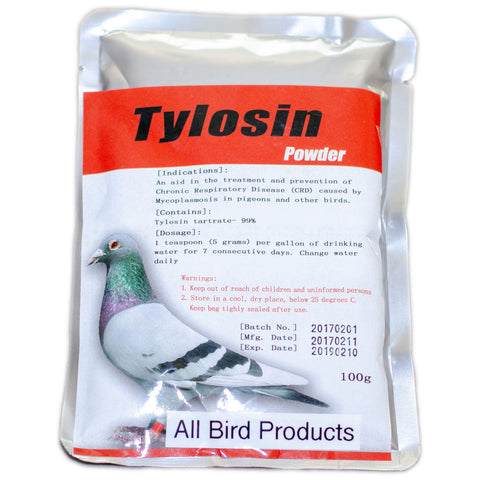
Doxy-Tyl Powder
Doxy-Tyl Powder combines:
- Doxycycline
- Tylosin
and is commercially positioned for bird respiratory programs involving concerns such as:
- Chlamydia
- Psittacosis
- Mycoplasma
- Other susceptible respiratory bacterial problems
Combination therapy should still match the disease being treated rather than being selected solely because the bird is sneezing.
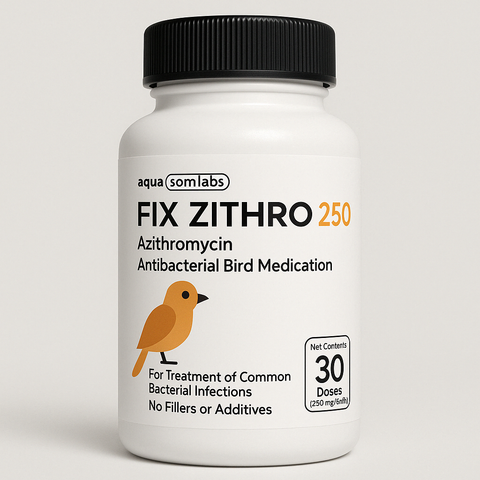
Bird Zithro 250 — Azithromycin
Bird Zithro 250 contains:
Azithromycin 250 mg.
Azithromycin is another avian antibacterial ingredient that appears in respiratory-disease research.
Veterinary literature has documented azithromycin as an option in some avian chlamydiosis protocols, including research involving cockatiels.
However, doxycycline remains the primary reference drug most commonly associated with psittacosis treatment.
Doxycycline vs Azithromycin for Psittacosis
| Ingredient | Commercial Role | Psittacosis Position |
|---|---|---|
| Doxycycline | Major avian respiratory antibacterial | Primary reference antimicrobial for avian chlamydiosis |
| Azithromycin | Macrolide respiratory antibacterial | Alternative in selected veterinary protocols |
Explore the Full Doxycycline for Birds Collection
BirdAntibiotic.com maintains a dedicated:
Doxycycline for Birds collection.
It includes multiple doxycycline and doxycycline-combination formats, making it useful for customers comparing:
- Powders
- Respiratory formulas
- Single-bird products
- Combination products
Why Treatment Is Usually Prolonged
A short period of apparent improvement does not necessarily mean Chlamydia psittaci has been eliminated.
The organism lives inside cells and progresses through developmental stages.
This is why psittacosis treatment protocols are generally much longer than a simple short course used for some other bacterial problems.
Do Not Stop Because the Bird Looks Better
Improvement in:
- Breathing
- Appetite
- Droppings
- Activity
may occur before the full treatment plan is complete.
Stopping a prolonged antimicrobial protocol early can undermine the treatment strategy.
Supportive Care During Psittacosis Recovery
More severely affected birds may need support for:
- Hydration
- Nutrition
- Warmth
- Rest
- Digestive health
Supportive care does not replace antimicrobial treatment of a confirmed bacterial infection.
Should an Infected Bird Be Isolated?
Separating a suspected or confirmed bird from healthy birds can reduce exposure.
Use dedicated:
- Bowls
- Perches
- Cleaning supplies
- Transport equipment
Quarantine New Birds
New birds should not immediately enter an established flock.
A quarantine period provides time for:
- Observation
- Weight monitoring
- Dropping assessment
- Veterinary examination
- Testing when appropriate
Cleaning During a Psittacosis Concern
The goal is to reduce contaminated organic material without creating unnecessary airborne dust.
Do Not Dry-Sweep Contaminated Bird Areas
Dry sweeping can aerosolize:
- Dried droppings
- Dust
- Feather material
Damp cleaning methods are preferable when managing potentially contaminated material.
Clean Before Disinfecting
Remove:
- Droppings
- Food
- Feather debris
- Visible organic matter
before applying an appropriate disinfectant.
Food and Water Bowls
Bowls should be:
- Cleaned regularly
- Kept free of droppings
- Assigned to the isolated bird rather than shared
Hand Hygiene
Wash hands thoroughly after:
- Handling the bird
- Cleaning the cage
- Touching bowls
- Handling contaminated material
Should You Kiss a Bird Suspected of Psittacosis?
Avoid:
- Beak-to-mouth contact
- Kissing the bird
- Allowing the bird near your face
while infection is being investigated or treated.
Psittacosis in Cockatiels
Cockatiels are among the companion birds commonly associated with avian chlamydiosis.
Watch for:
- Eye abnormalities
- Respiratory signs
- Reduced appetite
- Weight loss
- Lethargy
- Dropping changes
Some cockatiels may remain carriers without obvious illness.
Psittacosis in Budgies
Budgies can develop:
- Fluffed appearance
- Weight loss
- Reduced activity
- Eye or nasal discharge
- Respiratory problems
Because budgies are small, monitor body weight closely.
Psittacosis in Parrots
Parrots may show combinations of:
- Respiratory disease
- Appetite loss
- Green droppings
- Eye disease
- Weight loss
Large parrots can conceal loss of body condition beneath heavy plumage.
Psittacosis in Pigeons and Doves
Pigeons and doves can carry Chlamydia psittaci.
Possible signs include:
- Respiratory disease
- Reduced performance
- Eye or nasal discharge
- Poor appetite
- Weight loss
Some infected pigeons may show few obvious signs while still representing a source of exposure.
Psittacosis in Canaries and Finches
Small passerines with respiratory signs require a broad differential.
Possible causes include:
- Chlamydial disease
- Other bacterial infections
- Air-sac mites
- Fungal disease
- Environmental irritation
Do not diagnose psittacosis from clicking or sneezing alone.
Frequently Asked Questions About Psittacosis in Birds
What is psittacosis in birds?
Psittacosis is a bacterial infection caused primarily by Chlamydia psittaci.
Is psittacosis the same as avian chlamydiosis?
Yes. Avian chlamydiosis is another common name for infection with Chlamydia psittaci.
What is parrot fever?
Parrot fever is another name for psittacosis.
What is ornithosis?
Ornithosis is a term frequently used for avian chlamydiosis, especially when discussing non-parrot species.
What are the first signs of psittacosis in birds?
Early signs can include reduced appetite, lethargy, sneezing, watery eyes, nasal discharge or changes in droppings.
Can a bird have psittacosis without symptoms?
Yes. Some birds can carry Chlamydia psittaci while appearing healthy.
Can healthy-looking birds spread psittacosis?
Yes. Asymptomatic carriers can shed the organism.
Can psittacosis cause green droppings?
Yes. Green or yellow-green droppings may occur, particularly when liver involvement is present, although this finding is not specific to psittacosis.
Can psittacosis cause tail bobbing?
Respiratory involvement can increase breathing effort and produce pronounced tail movement.
Can psittacosis cause eye problems?
Yes. Watery eyes, conjunctivitis, swelling and discharge may occur.
Can psittacosis make a bird stop eating?
Yes. Reduced appetite and weight loss are recognized signs.
Can psittacosis cause neurological symptoms?
Less commonly, tremors, head twisting, seizures and other neurological abnormalities may occur.
How does psittacosis spread between birds?
Infected birds shed the organism in respiratory secretions and droppings, allowing exposure through contaminated material and airborne particles.
Can psittacosis spread through cage dust?
Contaminated dried secretions and droppings can become part of airborne dust.
Can people catch psittacosis?
Yes. People can become infected, most commonly by inhaling contaminated bird-associated dust.
What symptoms does psittacosis cause in people?
Common symptoms include dry cough, fever, chills, headache and muscle aches.
Can people spread psittacosis to each other?
Person-to-person transmission is considered uncommon.
How is psittacosis diagnosed in birds?
Diagnosis commonly involves PCR testing, serology and interpretation of the bird's clinical findings.
What samples are used for Chlamydia PCR?
Veterinarians may use conjunctival, choanal and cloacal swab samples.
Can one negative PCR rule out Chlamydia?
Not always. Shedding can vary, and veterinarians may combine multiple testing approaches.
Can blood tests diagnose psittacosis?
Blood testing can provide supportive information but usually forms part of a broader diagnostic approach.
What antibiotic is commonly used for psittacosis in birds?
Doxycycline is the antimicrobial most commonly associated with avian chlamydiosis treatment.
How long is psittacosis treatment?
Treatment is typically prolonged. Veterinary references commonly describe approximately 45 days for many companion-bird doxycycline protocols, although the exact plan depends on species and clinical circumstances.
What is Psittavet?
Psittavet is a doxycycline-based BirdAntibiotic.com product specifically positioned for psittacosis, ornithosis and susceptible bacterial disease in cage and aviary birds.
What is Doxycycline 20% Powder?
It is a BirdAntibiotic.com doxycycline powder formulation containing a 20% concentration of doxycycline for pet-bird care.
What is Doxybiotic-S?
Doxybiotic-S by Medpet is a doxycycline-based cage-bird product commercially positioned for psittacosis and susceptible bacterial infections.
What is Doxy-Tyl?
Doxy-Tyl combines doxycycline with tylosin and is positioned for respiratory bacterial programs involving organisms such as Chlamydia and Mycoplasma.
Can azithromycin be used for psittacosis?
Azithromycin has been documented in selected avian chlamydiosis protocols, but doxycycline remains the primary reference antimicrobial.
What is Bird Zithro 250?
Bird Zithro 250 is a BirdAntibiotic.com azithromycin product containing 250 mg tablets.
Should an infected bird be isolated?
Separating suspected or confirmed birds from healthy birds can reduce exposure and makes dedicated cleaning and monitoring easier.
Should a new bird be tested for psittacosis?
Testing can be an important part of introducing new birds into a household flock or aviary, particularly when source history or exposure is uncertain.
How should a cage be cleaned during a psittacosis concern?
Use methods that minimize airborne dust, remove organic material first, clean bowls and equipment thoroughly and maintain strict hand hygiene.
Should I dry-sweep bird droppings?
Damp cleaning is preferable when contaminated dried material may otherwise become airborne.
Can a treated bird become infected again?
Yes. Recovery does not guarantee permanent immunity, and re-exposure can occur.
The Professional Psittacosis Decision Framework
Step 1 — Recognize the respiratory, digestive and systemic pattern.
Step 2 — Isolate the suspect bird from healthy birds.
Step 3 — Record weight, appetite, droppings and respiratory signs.
Step 4 — Use PCR and additional veterinary testing rather than diagnosing from appearance alone.
Step 5 — Consider exposed birds, not only the visibly sick bird.
Step 6 — Use doxycycline-based treatment when avian chlamydiosis is appropriately identified.
Step 7 — Complete the full veterinary treatment period rather than stopping when symptoms improve.
Step 8 — Use dedicated bowls, cages and cleaning equipment.
Step 9 — Minimize contaminated dust during cleaning.
Step 10 — Monitor birds for recurrence or new symptoms.
Shop Doxycycline & Bird Respiratory Products
Compare Psittavet, Doxycycline 20% Powder, Doxybiotic-S, Doxy-Tyl and other BirdAntibiotic.com doxycycline and respiratory antibacterial options.
The Most Important Psittacosis Rule
Do not diagnose a bird from one sneeze or one green dropping.
And do not assume a bird is free of infection simply because it looks healthy.
Psittacosis can range from:
silent carrier infection
to
serious respiratory and systemic disease.
The strongest approach combines:
recognition of the symptom pattern + appropriate testing + isolation + careful hygiene + prolonged targeted antimicrobial treatment when Chlamydia psittaci is identified.
Recommended Products
Products selected to complement this guide.


Shop Related Products
Explore the products featured for this topic.


