 Help & Contact
 Track order












Ich in Aquarium Fish: White Spots, Symptoms, Life Cycle & Treatment
Bird Not Eating: 15 Causes, Warning Signs & When to Worry
Your bird walks toward the food bowl.
It looks at the food.
Maybe it picks up one seed or pellet.
Then it drops it.
Or perhaps the food bowl looks almost exactly the same at the end of the day as it did that morning.
For a bird owner, few changes are more worrying than:
“My bird isn't eating.”
Appetite loss in birds can occur for many reasons.
Sometimes the problem is relatively simple:
- A new food
- A stressful move
- A different cage
- Competition at the feeder
But reduced food intake can also be one of the earliest signs of:
- Digestive disease
- Crop problems
- Respiratory disease
- Parasites
- Canker
- Systemic infection
- Organ disease
- Reproductive disease
- Toxic exposure
The most important question is therefore not simply:
“How do I make my bird eat?”
It is:
“Why has my bird stopped eating?”
Bird Not Eating: Quick Answer
A bird that suddenly eats substantially less than normal may be stressed, refusing unfamiliar food or experiencing an underlying medical problem.
More concerning combinations include appetite loss with:
- Weight loss
- Persistent fluffing
- Daytime sleeping
- Vomiting or regurgitation
- Abnormal droppings
- Difficulty swallowing
- Respiratory problems
- Weakness
- Bottom-of-cage sitting
Do not wait for a bird to become extremely thin before taking appetite loss seriously. Small birds in particular have limited energy reserves, and birds frequently conceal illness until the problem is already significant.
Explore Fish Antibiotics
Browse our Fish Antibiotics collection and explore aquarium bacterial-care products organized in one convenient place.
EXPLORE PRODUCTS →Is Your Bird Actually Not Eating?
Before assuming complete appetite loss, determine how much food is actually being consumed.
Bird feeding behavior can be deceptive.
Seed Hulls Can Make the Bowl Look Full
A bowl filled with empty seed husks may look like it still contains plenty of food.
Blow gently across the surface or inspect the bowl closely to distinguish:
- Whole seed
- Empty hulls
A Bird Can Play With Food Without Eating Much
Parrots may:
- Pick up pellets
- Crush food
- Drop pieces
- Carry food around the cage
without consuming the normal amount.
Watch the Bird Swallow
Observe whether the bird:
- Picks up food normally
- Chews or manipulates it normally
- Swallows
- Regurgitates afterward
The difference between:
“doesn't want to eat”
and
“wants to eat but cannot eat normally”
can be diagnostically important.
True Appetite Loss vs Picky Eating
| Pattern | More Consistent With Selective Eating | More Concerning for Illness |
|---|---|---|
| Favorite foods | Eats favorite food enthusiastically | Refuses even favorite foods |
| Activity | Normal activity | Quiet, fluffed or sleepy |
| Weight | Stable | Declining |
| Droppings | Normal frequency | Fewer, smaller or abnormal droppings |
| Breathing | Normal | Tail bobbing, noise or respiratory effort |
Why Appetite Loss Is Important in Birds
Birds generally have faster metabolisms than similarly sized mammals.
Small species in particular can have limited body reserves.
Reduced intake can therefore contribute to:
- Rapid weight loss
- Loss of breast muscle
- Weakness
- Dehydration
- Reduced ability to cope with illness
How Long Can a Bird Go Without Eating?
There is no responsible universal number of hours that applies to every bird.
A:
- 30-gram finch
- Budgie
- Cockatiel
- African grey
- Macaw
- Pigeon
does not have the same body size, metabolism or energy reserve.
The better rule is:
significant unexplained appetite loss should be investigated early rather than waiting for a predetermined number of hours.
Warning Signs to Check When a Bird Stops Eating
Look immediately for:
- Weight loss
- Sharp keel bone
- Persistent fluffing
- Daytime sleeping
- Weakness
- Bottom-of-cage sitting
- Vomiting
- Regurgitation
- Abnormal droppings
- Crop distention
- Difficulty swallowing
- Mouth lesions
- Eye or nasal discharge
- Tail bobbing
- Open-mouth breathing

Use a Gram Scale
If the bird can be weighed without excessive stress, record body weight using a suitable digital gram scale.
Feathers can hide substantial loss of condition.
A bird may still look round while:
- Breast muscle decreases
- The keel becomes sharper
- Body weight falls
Explore Fish Antibiotics
Browse our Fish Antibiotics collection and explore aquarium bacterial-care products organized in one convenient place.
EXPLORE PRODUCTS →Cause #1 — Stress or a Major Environmental Change
Birds may temporarily reduce food intake after a major change.
Common triggers include:
- Moving to a new home
- A new cage
- Transportation
- A veterinary visit
- New people
- New pets
- Loud construction
- A changed cage location
A newly purchased bird may spend its first hours observing rather than eating normally.
When Stress Becomes More Concerning
Do not keep blaming stress when the bird develops:
- Progressive weight loss
- Persistent fluffing
- Abnormal droppings
- Respiratory signs
- Weakness
Cause #2 — New Food, Diet Conversion or Selective Eating
A bird may refuse food that it does not recognize.
This is particularly common when owners suddenly switch from:
seed → pellets
or from one pellet brand to another.
Do Not Assume the Bird Will Eat When It Gets Hungry Enough
Some birds can stubbornly avoid an unfamiliar diet while losing weight.
Diet conversions should be monitored carefully.
Watch Actual Consumption
During a diet transition:
- Monitor weight
- Monitor droppings
- Confirm the new food is actually being swallowed
Cause #3 — Food Access or Competition at the Feeder
This is especially relevant in:
- Aviaries
- Pigeon lofts
- Multi-bird cages
- Breeding groups
A timid or weakened bird may approach the feeder but repeatedly be displaced by stronger birds.
Watch the Individual Bird Eat
Do not assume that because food is available, every bird receives an adequate amount.
Provide sufficient:
- Feeder space
- Water access
- Multiple feeding stations when needed
Cause #4 — Beak, Mouth or Throat Pain
A bird may be hungry but unable to eat comfortably.
Possible problems include:
- Beak injury
- Overgrown beak
- Oral wounds
- Mouth infection
- Throat lesions
- Foreign material
Watch for:
- Picking up food and dropping it
- Chewing on only one side
- Repeated swallowing
- Saliva
- Head shaking
- Visible mouth lesions

Cause #5 — Crop Stasis or Other Crop Disease
The crop temporarily stores food before it moves farther through the digestive system.
If normal crop emptying slows, a bird may:
- Eat less
- Stop eating
- Regurgitate
- Have a persistently enlarged crop
- Become weak
A Full Crop Does Not Mean the Bird Is Well Fed
If food is not moving normally, repeatedly adding more food can make the situation worse.
Abnormal crop emptying deserves veterinary investigation.
Cause #6 — Candida or Crop Yeast
Candidiasis can affect the:
- Mouth
- Esophagus
- Crop
Possible signs include:
- Poor appetite
- Slow crop emptying
- Regurgitation
- General weakness
- White oral plaques in some birds
Antibiotics Do Not Treat Candida
Yeast disease requires a different treatment category from bacterial disease.
This is one reason appetite loss should not automatically trigger antibacterial medication.
Cause #7 — Avian Gastric Yeast & Other Digestive Disease
Macrorhabdus ornithogaster, commonly called avian gastric yeast, is particularly important in smaller companion birds including:
- Budgies
- Parrotlets
- Lovebirds
- Cockatiels
- Finches
Possible Signs
- Progressive weight loss
- Regurgitation
- Weakness
- Abnormal droppings
- Undigested seeds or food
Some affected birds may initially continue eating while still losing weight.
Explore Fish Antibiotics
Browse our Fish Antibiotics collection and explore aquarium bacterial-care products organized in one convenient place.
EXPLORE PRODUCTS →Cause #8 — Bacterial, Viral or Systemic Infection
Many infections can suppress appetite.
A sick bird may reduce food intake because it is:
- Weak
- Feverish
- In pain
- Nauseated
- Systemically ill
Possible Additional Signs
- Lethargy
- Fluffing
- Weight loss
- Dropping changes
- Respiratory signs
- Eye or nasal discharge
When Bird Antibiotics Become Relevant
When an appropriate susceptible bacterial condition is involved, BirdAntibiotic.com carries avian antibacterial options including:
- Amoxicillin
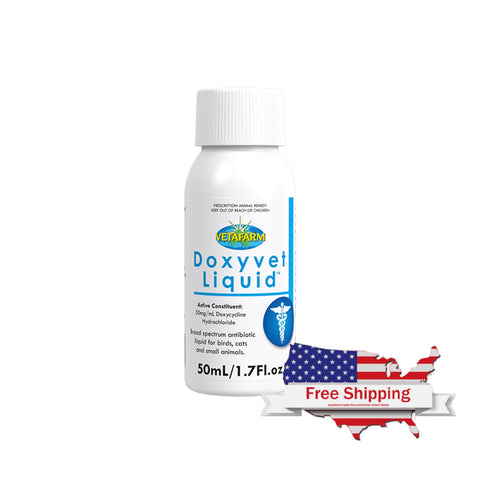
- Doxycycline
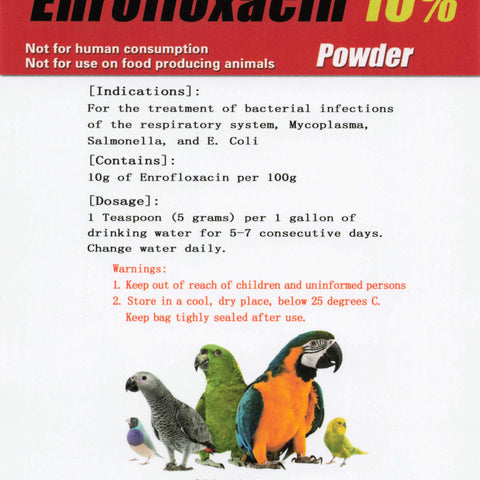
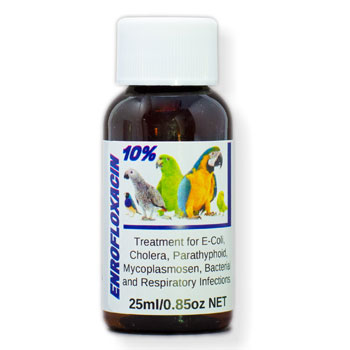
- Enrofloxacin
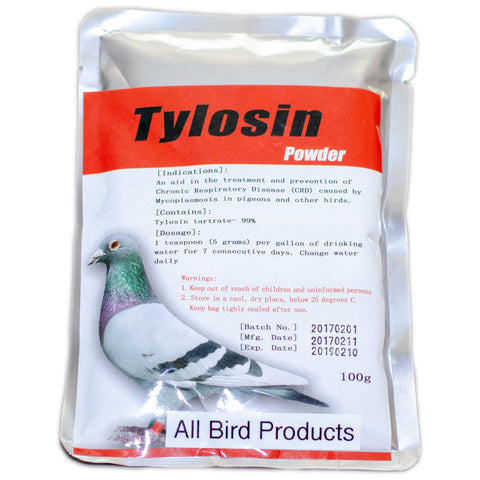
- Tylosin
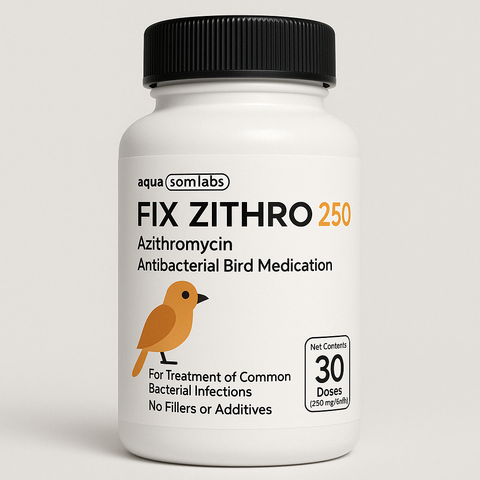
- Azithromycin
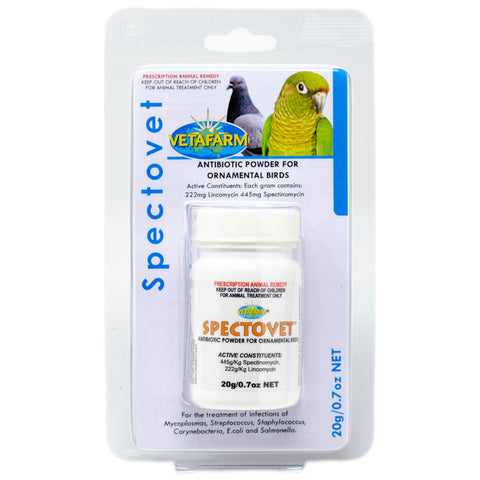
- Combination respiratory products
Antibiotics do not correct every cause of appetite loss, so the accompanying symptoms remain important when selecting a care pathway.
Cause #9 — Respiratory Disease
A bird struggling to breathe may have little interest in eating.
Respiratory problems can also make:
- Swallowing
- Chewing
- Climbing to the food bowl
more difficult.
Respiratory Warning Signs
- Repeated sneezing
- Wet nostrils
- Eye discharge
- Wheezing
- Clicking
- Voice changes
- Tail bobbing
- Open-mouth breathing
Do Not Force-Feed a Bird in Respiratory Distress
A bird struggling to breathe is already under significant stress.
Attempting to force liquid or food into the mouth can increase handling stress and create an aspiration risk.
Continuous open-mouth breathing, marked tail bobbing, severe weakness, inability to perch or collapse requires prompt veterinary care.
Cause #10 — Pigeon or Dove Canker
For pigeons and doves, appetite loss plus swallowing difficulty raises an important differential:
Trichomonas canker.
Avian trichomonosis can affect the:
- Mouth
- Throat
- Esophagus
- Crop
Possible Canker Signs
- Repeated swallowing
- Difficulty swallowing
- Salivation
- Regurgitation
- Weight loss
- Yellow-white oral lesions
Metronidazole 20% Powder
Metronidazole 20% Powder is available from BirdAntibiotic.com as a concentrated avian metronidazole product.
Its most relevant commercial placement in an appetite-loss article is:
the canker / Trichomonas section—not as a universal appetite-loss treatment.
Cause #11 — Coccidia, Worms, Giardia & Other Parasites
Parasites can affect:
- Appetite
- Digestion
- Nutrient absorption
- Body condition
Possible Signs
- Weight loss
- Abnormal droppings
- Weakness
- Reduced performance
- Loss of appetite
Coccidiosis
Coccidia are protozoan parasites rather than conventional worms.
Clinically important intestinal coccidiosis may cause:
- Poor condition
- Loose droppings
- Weakness
- Reduced appetite
Endocox — Toltrazuril 2.5%
Endocox Powder contains Toltrazuril 2.5% and is positioned specifically for avian coccidiosis support.
It belongs in a coccidiosis program—not as a generic product for every bird that stops eating.
Cause #12 — Liver, Kidney or Metabolic Disease
Internal organ disease may initially produce relatively nonspecific signs such as:
- Reduced appetite
- Weight loss
- Lethargy
- Dropping changes
Possible Liver-Related Clues
Depending on the underlying condition:
- Changes in urates or droppings
- Abdominal enlargement
- Poor feather quality
- Weakness
may occur.
Possible Kidney-Related Clues
Some birds may develop:
- Increased drinking
- Increased urine output
- Weakness
- Poor condition
These signs cannot diagnose the organ involved on their own.
Cause #13 — Reproductive Disease or Egg Binding
A female bird that stops eating while also:
- Straining
- Sitting low
- Developing abdominal enlargement
- Producing fewer droppings
- Becoming weak
may have a reproductive problem.
Egg Binding Can Become an Emergency
Small birds can deteriorate rapidly when an egg obstructs normal reproductive or gastrointestinal function.
Do not repeatedly manipulate the abdomen in an attempt to push an egg out.
Cause #14 — Toxic Exposure or Poisoning
Sudden appetite loss may follow exposure to:
- Heavy metals
- Unsafe foods
- Household chemicals
- Smoke
- Heated toxic fumes
- Other poisonous substances
Additional Poisoning Signs Can Include
- Vomiting
- Weakness
- Neurological abnormalities
- Difficulty breathing
- Abnormal droppings
- Collapse
Sudden illness following a known potential toxic exposure should be treated seriously.
Cause #15 — Pain, Trauma or Neurological Disease
A bird with:
- A fracture
- Wing injury
- Foot injury
- Head trauma
- Severe pain
- Neurological disease
may stop eating because normal movement and feeding become difficult.
Neurological Warning Signs
- Head tilt
- Circling
- Tremors
- Seizures
- Poor coordination
- Difficulty picking food up
Explore Fish Antibiotics
Browse our Fish Antibiotics collection and explore aquarium bacterial-care products organized in one convenient place.
EXPLORE PRODUCTS →Bird Not Eating and Losing Weight
This combination deserves prompt attention.
Possible causes become broader when appetite loss is accompanied by measurable weight loss.
Consider:
- Digestive disease
- Crop disease
- Parasites
- Respiratory disease
- Systemic infection
- Chronic internal disease
Bird Not Eating but Drinking
Continued drinking does not mean the underlying problem is minor.
A bird can continue to drink while experiencing:
- Digestive disease
- Respiratory illness
- Parasites
- Organ disease
Monitor:
- Weight
- Activity
- Dropping quantity
- Dropping quality

Bird Not Eating and Sleeping All Day
Appetite loss plus increased daytime sleeping is more concerning than selective food refusal in an otherwise active bird.
This combination often indicates that the bird is genuinely unwell.
Bird Not Eating and Fluffed Up
Persistent fluffing during normal waking hours plus appetite loss should not be dismissed as the bird simply being cold.
Look for additional illness signs such as:
- Weight loss
- Abnormal droppings
- Breathing changes
- Weakness
Bird Not Eating and Vomiting
This combination raises concern for:
- Crop disease
- Yeast disease
- Digestive disease
- Toxic exposure
- Systemic illness
Bird Not Eating With Green Droppings
Green droppings do not identify one disease.
When a bird eats very little, the fecal component may become greener because relatively little food material is moving through the digestive tract.
Green droppings can also occur with other health problems.
Interpret the whole bird rather than the color alone.
Bird Not Eating With Fewer Droppings
If less food enters the digestive system, fewer and smaller droppings can result.
This can help confirm that actual food intake has fallen.
Budgie Not Eating
Budgies have small body reserves.
Important associated signs include:
- Persistent fluffing
- Daytime sleeping
- Weight loss
- Tail bobbing
- Abnormal droppings
- Regurgitation
- Undigested seed
Avian gastric yeast is one digestive differential particularly relevant to budgies.
Cockatiel Not Eating
Consider:
- Stress
- Respiratory disease
- Digestive disease
- Reproductive problems in females
- Giardia in appropriate cases
Monitor body weight carefully.
Parrot Not Eating
Larger parrots can hide body-condition loss beneath substantial plumage.
Use a gram scale rather than relying only on visual appearance.
Also inspect for:
- Beak problems
- Oral lesions
- Behavioral changes
- Vomiting
- Dropping changes
Pigeon Not Eating
For pigeons, important possibilities include:
- Canker
- Coccidiosis
- Worms
- Respiratory disease
- Crop disease
- Systemic infection
Feel the breast and keel and record body weight.
Canary or Finch Not Eating
Small passerines can deteriorate quickly.
Pay particular attention to:
- Fluffing
- Reduced song
- Respiratory clicking
- Bottom-of-cage sitting
- Weight loss
- Dropping changes
What Should You Do When Your Bird Stops Eating?
Step 1 — Observe Before Handling
Watch:
- Posture
- Breathing
- Activity
- Food interaction
Step 2 — Offer the Normal Familiar Diet
Do not make a sudden major diet conversion while trying to determine whether a sick bird is eating.
Step 3 — Check the Food Bowl
Confirm actual consumption rather than looking only at bowl volume.
Step 4 — Check Droppings
Use plain paper beneath the cage so you can assess:
- Frequency
- Volume
- Consistency
- Urine
- Urates
Step 5 — Weigh the Bird
When it can be done without excessive stress, compare with the bird's normal healthy baseline.
Step 6 — Look for Respiratory Distress
Do not force-feed a bird that is struggling to breathe.
Step 7 — Examine the Mouth Only If Safe
Do not aggressively restrain a critically weak bird just to inspect the mouth.
Step 8 — Arrange Veterinary Evaluation When Appetite Loss Is Significant
Especially when it occurs with:
- Lethargy
- Weight loss
- Vomiting
- Respiratory signs
- Weakness
Supporting Nutrition During Illness
When a bird is eating poorly, restoring energy and hydration may become an important part of supportive care while the underlying disease is addressed.
Supportive products are not substitutes for diagnosing the cause.
Survive — Emergency Nutrition Formula
Survive is one of the most directly relevant BirdAntibiotic.com products for a bird that is severely underweight, nutritionally depleted or recovering from serious illness.
It contains:
- Highly digestible nutrients
- Protein
- Vitamins
- Minerals
- Electrolytes
- Energy sources
and is positioned as emergency nutritional support for critical or starving birds.
Emergency Nutritional Support
Survive is formulated for birds in severe nutritional decline, starvation or critical recovery when concentrated, digestible nutritional support is needed.
Assisted feeding and crop-tube feeding require proper technique. Do not attempt force-feeding in a bird with respiratory distress or impaired swallowing.
Guardian Angel — Stress, Hydration & Recovery Support
Guardian Angel is designed for sick, stressed and recovering birds.
Its formula provides:
- Electrolytes
- Energy support
- Vitamins
- Probiotic and prebiotic support
- Mineral support
making it commercially relevant when poor appetite occurs alongside:
- Stress
- Travel
- Recovery
- Reduced intake
Hydration & Recovery Support
Guardian Angel combines electrolyte, nutritional and digestive support for birds experiencing illness, stress or recovery.
Bio Plus — Digestive & Probiotic Support
Bio Plus provides multi-strain probiotics plus vitamins, electrolytes and additional digestive-support nutrients.
It is particularly relevant during:
- Digestive recovery
- Stress
- Diet changes
- Recovery following appropriate antimicrobial treatment
Support the Digestive System During Recovery
Bio Plus provides probiotic and nutritional support for birds recovering from gastrointestinal stress, illness or appropriate medication programs.
Nekton-S — Everyday Nutritional Support
Nekton-S provides:
- Vitamins
- Amino acids
- Trace elements
- Minerals
for general cage-bird nutritional support.
It is most relevant when the bird needs routine nutritional support.
It should not be presented as a replacement for emergency nutrition in a severely anorexic bird.
Hand-Feeding & Recovery Formulas
BirdAntibiotic.com also carries a dedicated Bird Hand Feeding Formula collection for:
- Young birds
- Hand-reared chicks
- Selected recovery situations
Assisted feeding should be performed with appropriate technique because incorrect feeding can cause aspiration or crop injury.
When Is a Bird Not Eating an Emergency?
Seek Prompt Veterinary Help When Appetite Loss Occurs With
- Continuous open-mouth breathing
- Pronounced tail bobbing
- Collapse
- Inability to perch
- Profound weakness
- Repeated vomiting
- Seizures
- Severe neurological abnormalities
- Rapid weight loss
- Severe dehydration
- A crop that is not emptying normally
- Suspected poisoning
A bird that is weak, huddled, unresponsive or lying on the cage floor is not simply being picky about food.
Explore Fish Antibiotics
Browse our Fish Antibiotics collection and explore aquarium bacterial-care products organized in one convenient place.
EXPLORE PRODUCTS →Frequently Asked Questions About Birds Not Eating
Why has my bird suddenly stopped eating?
Possible causes range from stress and unfamiliar food to crop disease, infection, respiratory illness, parasites, organ disease, reproductive problems and toxic exposure.
How long can a bird safely go without food?
There is no universal safe time because bird species and body sizes vary greatly. Significant unexplained appetite loss should be addressed early rather than waiting for a fixed number of hours.
Why is my parrot not eating?
Check for behavioral stress, diet changes, beak or mouth problems, crop disease, respiratory disease, vomiting, abnormal droppings and weight loss.
Why is my budgie not eating?
Budgies may stop eating with stress, crop or digestive disease, respiratory illness, avian gastric yeast and other conditions. Because they are small, monitor weight carefully.
Why is my cockatiel not eating?
Possible causes include stress, digestive or respiratory disease, infection and reproductive disorders in hens.
Why is my pigeon not eating?
Canker, coccidiosis, worms, crop disease, respiratory disease and systemic illness are important possibilities.
Why is my bird not eating but still drinking?
Continued drinking does not rule out disease. Monitor weight, activity and droppings closely.
Why is my bird not eating and sleeping all day?
Appetite loss plus excessive daytime sleeping is a stronger illness warning than selective food refusal in an otherwise active bird.
Why is my bird not eating and fluffed up?
Persistent fluffing plus appetite loss can indicate systemic illness, digestive disease, respiratory disease or another health problem.
Why is my bird not eating and losing weight?
Loss of body weight confirms that intake or nutrient utilization is inadequate and can occur with parasites, digestive disease, infection and many chronic illnesses.
Why is my bird eating less but acting normal?
Consider food changes, selective eating, stress or competition, but monitor weight and droppings to ensure a medical problem is not developing.
Can stress make a bird stop eating?
Yes. Moving, transportation, new people, new pets and cage changes can temporarily reduce food intake.
Can respiratory infections make birds stop eating?
Yes. Respiratory illness can cause weakness, systemic illness and difficulty coordinating eating with breathing.
Can canker make pigeons stop eating?
Yes. Trichomonas lesions and inflammation may interfere with swallowing and lead to reduced intake and weight loss.
Can coccidia cause appetite loss?
Clinically significant coccidiosis can be associated with poor condition, abnormal droppings, weakness and reduced appetite.
Can worms make a bird stop eating?
Significant intestinal parasite burdens can contribute to poor condition and appetite changes.
Can Candida cause appetite loss?
Yes. Candidiasis affecting the crop can cause delayed crop emptying, regurgitation and poor appetite.
Can avian gastric yeast cause a bird to lose weight?
Yes. Macrorhabdosis may cause progressive weight loss, regurgitation, weakness and undigested food in droppings.
Why does my bird pick up food and drop it?
Possible causes include unfamiliar food, beak or mouth pain, swallowing problems or general weakness.
Why is my bird's crop still full in the morning?
Persistent abnormal crop retention can indicate crop stasis or another digestive problem and deserves veterinary assessment.
Why are there fewer droppings when my bird stops eating?
Less food moving through the digestive tract naturally creates fewer and often smaller fecal portions.
Why are my bird's droppings green when it is not eating?
Reduced food intake can make the fecal component greener, but green droppings can also occur with illness and are not diagnostic by themselves.
Should I force-feed my bird?
Not without knowing that assisted feeding is safe and appropriate. Incorrect force-feeding can cause aspiration or crop injury, particularly in a weak or respiratory-compromised bird.
What is Survive for birds?
Survive is a concentrated BirdAntibiotic.com emergency nutritional formula positioned for critically underweight, nutritionally depleted or recovering birds.
What is Guardian Angel for birds?
Guardian Angel provides electrolyte, vitamin, energy and digestive-support nutrients for birds undergoing illness, stress or recovery.
What is Bio Plus?
Bio Plus is a multi-strain probiotic formula with additional vitamins, minerals, electrolytes and digestive-support ingredients.
Can probiotics make a sick bird eat again?
Probiotics can support digestive recovery in appropriate situations, but they do not treat every cause of appetite loss.
Should I give antibiotics when my bird stops eating?
Antibiotics are relevant when an appropriate susceptible bacterial condition is involved. Appetite loss alone does not identify the cause.
What should I monitor when my bird isn't eating?
Record body weight, food intake, droppings, activity, breathing, vomiting or regurgitation, crop function and any other new symptoms.
When should I take my bird to an avian veterinarian?
Significant or persistent appetite loss—especially with lethargy, weight loss, vomiting, abnormal droppings, respiratory signs or weakness—deserves prompt veterinary assessment.
The Professional Bird Appetite-Loss Checklist
1. Confirm whether the bird is actually eating.
2. Offer familiar food.
3. Record body weight.
4. Examine droppings.
5. Watch swallowing.
6. Check for regurgitation or vomiting.
7. Check breathing.
8. Look for mouth lesions.
9. Consider crop and digestive disease.
10. Consider parasites and canker according to species.
11. Review recent environmental changes.
12. Review diet changes.
13. Consider nutritional and hydration support.
14. Match medication to the actual condition.
15. Reassess quickly if the bird continues declining.
Shop Bird Recovery & Health Support
Explore emergency nutrition, electrolytes, probiotics, vitamins, digestive products and condition-specific bird health options.
Bird Medications & Supplements Vitamins & Recovery Support Bird Antibiotics
The Most Important Rule When a Bird Stops Eating
Do not focus only on making food disappear from the bowl.
Find out why intake has changed.
A bird may stop eating because it:
doesn't recognize the food.
cannot reach the food.
cannot swallow comfortably.
cannot empty the crop normally.
feels sick.
cannot breathe comfortably.
has parasites.
is in pain.
Those situations require different solutions.
Monitor weight early, watch the entire bird rather than only the food bowl, support nutrition appropriately, and match treatment to the actual cause of appetite loss.
Recommended Products
Products selected to complement this guide.


Shop Related Products
Explore the products featured for this topic.


