 Help & Contact
 Track order









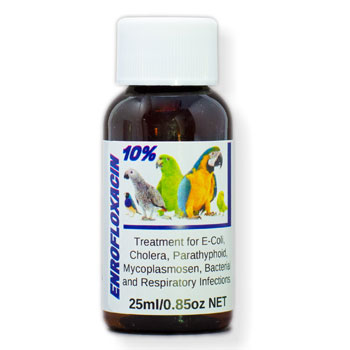

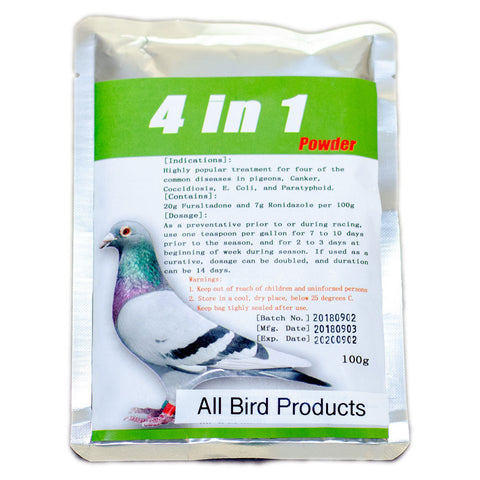
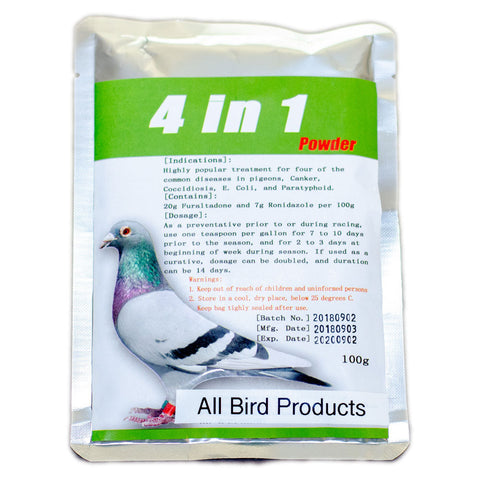
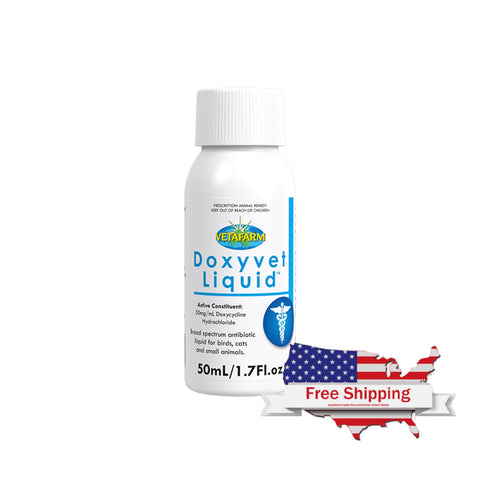


Fish Not Eating: Stress, Water Quality, Infection or Something Else?
Fish Not Eating: Stress, Water Quality, Infection or Something Else?
You add food to the aquarium.
Normally your fish rush toward it immediately.
Today one fish stays behind a decoration.
Maybe it approaches the food but turns away.
Maybe it takes one pellet and spits it back out.
Or perhaps the fish completely ignores feeding time.
This creates one of the most common aquarium-health questions:
Why has my fish stopped eating?
Loss of appetite can occur for many different reasons.
Some are relatively simple:
- Recent transport
- A new aquarium
- Unfamiliar food
- Incorrect food size
- Temperature changes
Others can indicate a much more important problem, including:
- Ammonia toxicity
- Nitrite toxicity
- Low oxygen
- Parasites
- Gill disease
- Internal protozoal infection
- Bacterial disease
- Dropsy
- Severe systemic illness
The strongest approach is therefore not:
“What medicine makes fish eat?”
It is:
“What changed in the fish, the aquarium or the disease pattern that caused appetite to disappear?”
Fish Not Eating: Quick Answer
A fish may stop eating because of stress, unsuitable food, incorrect temperature, poor water quality, ammonia or nitrite toxicity, low oxygen, aggression, external parasites, internal parasites, bacterial disease, digestive problems or advanced systemic illness.
Check immediately for:
- Ammonia
- Nitrite
- Temperature
- pH
- Oxygenation
- Abnormal swimming
- White spots
- Rapid breathing
- White stringy feces
- Ulcers
- Swelling
- Weight loss
The combination of appetite loss plus another symptom is usually much more informative than appetite loss alone.
Explore Fish Antibiotics
Browse our Fish Antibiotics collection and explore aquarium bacterial-care products organized in one convenient place.
EXPLORE PRODUCTS →How Serious Is It When a Fish Stops Eating?
It depends on:
- The species
- How long appetite has been reduced
- Water temperature
- Age
- Body condition
- The presence of other disease signs
Some healthy fish naturally eat:
- Small meals
- Infrequently
- Mostly at night
Other species normally react enthusiastically every time food enters the water.
The important question is:
Has this individual fish changed from its normal feeding behavior?
Fish Appetite Is Closely Connected to Water Temperature
Fish are ectothermic.
Their metabolism is strongly affected by water temperature.
That means:
temperature can change how much a fish wants to eat and how efficiently it processes food.
This is why a feeding pattern appropriate for one species or temperature can be completely wrong for another.
Explore Fish Antibiotics
Browse our Fish Antibiotics collection and explore aquarium bacterial-care products organized in one convenient place.
EXPLORE PRODUCTS →15 Important Reasons Fish Stop Eating
Cause #1 — Recent Transport or New-Aquarium Stress
A newly purchased fish may not eat immediately.
It has potentially experienced:
- Capture
- Bagging
- Transport
- Temperature changes
- Different water chemistry
- New tankmates
- A completely unfamiliar environment
Some fish begin eating quickly.
Others remain hidden while acclimating.
New Fish Not Eating but Otherwise Normal
If the fish:
- Breathes normally
- Swims normally
- Has normal coloration
- Shows no lesions
short-term environmental stress may be involved.
When “New Fish Stress” Is Not Enough of an Explanation
Investigate further if the fish also develops:
- White spots
- Rapid breathing
- Clamped fins
- White stringy feces
- Weight loss
- Ulcers
- Progressive lethargy
Cause #2 — Incorrect Water Temperature
Temperature affects virtually every physiological process in fish.
Water that is too cold for a tropical species can reduce:
- Activity
- Metabolism
- Feeding response
Water that is excessively warm can create different problems, including:
- Stress
- Reduced dissolved oxygen
- Rapid breathing
Do Not Use One Temperature for Every Fish
A betta, goldfish, discus and koi have different environmental needs.
Always compare the actual aquarium temperature with the needs of the species being kept.
Cause #3 — Ammonia Toxicity
This is one of the first water-quality problems to rule out.
Ammonia commonly increases because of:
- An immature biological filter
- Overfeeding
- Too many fish
- Filter failure
- Dead organisms
- Heavy organic waste
Signs of Ammonia Problems
Affected fish may show:
- Loss of appetite
- Lethargy
- Rapid breathing
- Surface gasping
- Darkened coloration
- Abnormal swimming
Clear Water Does Not Rule Out Ammonia
The aquarium may look:
crystal clear
while still containing dangerous ammonia.
Test the water.
Cause #4 — Nitrite or New Tank Syndrome
Newly established aquariums are particularly vulnerable to unstable biological filtration.
Ammonia is converted into nitrite and eventually nitrate by the aquarium's biological filter.
When the microbial community is not fully established, toxic compounds can accumulate.
New Tank Syndrome Can Cause
- Loss of appetite
- Lethargy
- Rapid breathing
- Weakness
- Fish deaths
If several fish stop eating at the same time in a recently established aquarium, test the water immediately.

Cause #5 — Low Dissolved Oxygen
A fish that cannot obtain enough oxygen may stop feeding.
Low oxygen can occur because of:
- Overcrowding
- High temperature
- Poor surface movement
- Filter failure
- Excess organic waste
- Heavy plant respiration overnight
Signs of Low Oxygen
- Gasping at the surface
- Rapid gill movement
- Fish gathering near filter output
- Lethargy
- Reduced appetite
Cause #6 — Wrong Food, Wrong Size or Poor-Quality Food
Not every fish eats the same diet.
Species can be:
- Carnivorous
- Herbivorous
- Omnivorous
- Surface feeders
- Midwater feeders
- Bottom feeders
A fish may ignore food that:
- Is too large
- Sinks when the fish feeds at the surface
- Floats when the fish feeds at the bottom
- Does not match its natural diet
- Has deteriorated during storage
Fish Food Can Deteriorate
Fish foods contain proteins and oils that can degrade over time.
Heat, humidity and prolonged storage may reduce quality.
If several healthy fish suddenly become reluctant to eat one specific food, inspect:
- Freshness
- Smell
- Storage conditions
- Expiration or opening date
Cause #7 — Overfeeding or Digestive Distention
A fish that consumed a very large meal may temporarily show less interest in the next feeding.
Overfeeding also creates a second problem:
uneaten food pollutes the water.
This can increase:
- Organic waste
- Ammonia
- Bacterial growth
and eventually turn a feeding problem into a water-quality problem.
Cause #8 — Aggression, Bullying or Social Stress
A fish may be physically healthy but unable to feed normally because another fish controls access to the food.
Watch feeding behavior carefully.
A subordinate fish may:
- Approach food
- Be chased away
- Hide
- Lose weight gradually
Common Aggression Problems
- Territorial cichlids
- Male competition
- Overcrowding
- Incompatible tankmates
- Insufficient hiding places
Cause #9 — External Parasites
Parasites affecting the:
- Skin
- Fins
- Gills
can make a fish uncomfortable enough to stop eating.
Signs That Suggest External Parasites
- Flashing
- Rubbing against decorations
- Excess mucus
- Clamped fins
- White spots
- Rapid breathing
- Gill irritation
Ich and Appetite Loss
Freshwater Ich can produce:
- White salt-like spots
- Flashing
- Clamped fins
- Rapid breathing
- Reduced appetite
If white spots are present, determine whether the pattern matches Ich or another white-spot condition.

Cause #10 — Internal Protozoa and Digestive Parasites
This is particularly important when appetite loss occurs together with:
- Weight loss
- White stringy feces
- Hollow abdomen
- Lethargy
Spironucleus and Hexamita
These intestinal protozoa are particularly important in:
- Cichlids
- Bettas
- Gouramis
- Other aquarium fish
Possible signs include:
- Loss of appetite
- Weight loss
- Lethargy
- White stringy feces
Fish Zole — Metronidazole
Fish Zole is the BirdAntibiotic.com metronidazole collection.
Metronidazole is a widely recognized aquarium medication ingredient associated with selected:
- Internal protozoal conditions
- Flagellate-related digestive problems
- Anaerobic bacterial conditions
This makes Fish Zole particularly relevant to the commercial section when appetite loss appears with:
- White stringy feces
- Weight loss
- Internal digestive disease signs
Different parasites require different medication strategies, so appetite loss alone is not enough to select metronidazole.
Explore Fish Zole Metronidazole
Compare BirdAntibiotic.com Fish Zole 250 mg and 500 mg products in multiple tablet counts for ornamental aquarium care.
Explore Fish Antibiotics
Browse our Fish Antibiotics collection and explore aquarium bacterial-care products organized in one convenient place.
EXPLORE PRODUCTS →Cause #11 — Bacterial Infection
Bacterial disease can reduce appetite as the fish becomes systemically ill.
Possible bacterial warning signs include:
- Red patches
- Open ulcers
- Fin erosion
- Hemorrhage
- Cloudy or protruding eyes
- Swelling
- Rapid breathing
- Persistent hiding
- Loss of normal coloration
Aeromonas and Other Opportunistic Bacteria
Bacterial disease often becomes more likely when fish are already stressed by:
- Poor water quality
- Transport
- Overcrowding
- Parasites
- Physical injury
- Temperature instability
Correcting the environment remains essential even when an antibacterial product is used.
Fish Doxy — Doxycycline
Fish Doxy is the BirdAntibiotic.com collection for doxycycline-based ornamental aquarium products.
Fish Doxy is commercially relevant when appetite loss accompanies a pattern suggestive of susceptible bacterial disease, such as:
- Fin deterioration
- Gill problems
- Skin lesions
- Broader bacterial signs
Shop Fish Doxy Doxycycline
Compare Fish Doxy 100 mg products in 30-, 60- and 100-count options for ornamental aquarium care.
Fish Mox — Amoxicillin
Fish Mox contains amoxicillin and is available through BirdAntibiotic.com in:
- 250 mg
- 500 mg
with multiple capsule counts.
It belongs in the bacterial-disease section rather than being presented as a generic appetite stimulant.
Explore Fish Mox Amoxicillin
Compare BirdAntibiotic.com Fish Mox products by amoxicillin strength and capsule count.
Fish Flex — Cephalexin
Fish Flex contains cephalexin and is another BirdAntibiotic.com aquarium antibacterial family.
It is most commercially relevant when appetite loss accompanies:
- External bacterial damage
- Fin disease
- Skin lesions
- Wound-associated bacterial signs
Fish Flox — Ciprofloxacin
Fish Flox is the BirdAntibiotic.com ciprofloxacin collection.
It is relevant to aquarium keepers researching persistent or serious bacterial-disease patterns.
Fish Zole vs Fish Doxy vs Fish Mox vs Fish Flox
| Product Family | Active Ingredient | Most Relevant Symptom Pattern |
|---|---|---|
| Fish Zole | Metronidazole | Selected internal protozoal / digestive patterns including appetite loss with white stringy feces |
| Fish Doxy | Doxycycline | Susceptible bacterial disease with fin, gill, skin or systemic signs |
| Fish Mox | Amoxicillin | Susceptible bacterial infection patterns |
| Fish Flex | Cephalexin | External bacterial skin, fin and wound-associated problems |
| Fish Flox | Ciprofloxacin | Persistent bacterial disease and broader systemic bacterial concerns |
Cause #12 — Gill Disease
Fish need to coordinate feeding with normal respiratory function.
A fish struggling for oxygen may lose interest in food.
Gill problems can result from:
- Ammonia
- Parasites
- Bacterial disease
- Poor oxygenation
- Other irritants
Gill Warning Signs
- Rapid opercular movement
- Gasping
- One gill held differently
- Fish staying near filter output
- Reduced appetite
Cause #13 — Mouth Injury, Mouth Rot or Difficulty Taking Food
Sometimes the fish wants to eat but cannot take food normally.
Watch for:
- Food repeatedly being spit out
- Visible mouth damage
- White or gray mouth lesions
- Swelling
- Jaw injury
Columnaris and physical mouth injury are important possibilities in fish showing obvious oral lesions.
Cause #14 — Advanced Dropsy or Internal Disease
A fish developing significant internal illness may stop eating as its condition worsens.
Look for:
- Abdominal swelling
- Raised pinecone scales
- Popeye
- Bottom sitting
- Swimming difficulty
Appetite loss plus pineconing is much more concerning than simple picky eating.
Cause #15 — Serious Systemic Disease
When a fish becomes severely ill from almost any major disease process, feeding behavior can disappear.
Warning combinations include:
- Not eating + severe lethargy
- Not eating + rapid breathing
- Not eating + ulceration
- Not eating + major weight loss
- Not eating + abnormal swimming
- Not eating + widespread swelling
When Appetite Loss Is More Serious
Take the problem more seriously when your fish stops eating and also develops:
- Rapid breathing or gasping
- Loss of balance
- Severe lethargy
- Progressive weight loss
- Pineconing
- Open ulcers
- Major hemorrhage
- White stringy feces with wasting
- Heavy parasite signs
- Multiple sick fish
If several fish stop eating at once, investigate the aquarium environment before assuming that every fish developed an individual internal disease.
Fish Not Eating After a Water Change
Consider whether the water change altered:
- Temperature
- pH
- Salinity
- Water chemistry
Also confirm:
- Appropriate dechlorination
- Heater operation
- Filter operation
Fish Not Eating but Acting Normal
If the fish:
- Swims normally
- Breathes normally
- Has normal coloration
- Shows no external lesions
consider:
- Food preference
- Food size
- Temperature
- Recent feeding
- Recent transport
Continue monitoring rather than assuming disease immediately.
Fish Not Eating and Hiding
This combination can occur with:
- Social stress
- New-tank stress
- Parasites
- Infection
- General illness
Check whether another fish is repeatedly chasing the affected animal.
Fish Not Eating and Staying at the Bottom
Bottom sitting becomes more concerning when accompanied by:
- Clamped fins
- Rapid breathing
- Weight loss
- Swelling
- Loss of balance
Fish Not Eating and Breathing Fast
Immediately investigate:
- Oxygen
- Ammonia
- Nitrite
- Temperature
- Gill parasites
- Gill infection

Fish Not Eating and Losing Weight
This pattern suggests a problem extending beyond one missed meal.
Possible causes include:
- Internal parasites
- Protozoal digestive disease
- Chronic bacterial disease
- Competition for food
- Incorrect diet
Fish Not Eating With White Stringy Poop
This is one of the highest-value symptom combinations to investigate carefully.
White stringy material can sometimes simply be intestinal mucus in a fish that has not eaten.
But appetite loss plus progressive weight loss and persistent white stringy feces can also occur with internal protozoal disease such as:
- Spironucleus
- Hexamita
particularly in susceptible aquarium species.
Fish Spitting Food Out
A fish may take food into the mouth and spit it out because:
- The food is too large
- The texture is unfamiliar
- The fish dislikes it
- The mouth is injured
- The fish is ill
Betta Not Eating
For a betta, check:
- Water temperature
- Ammonia
- Nitrite
- Recent transport
- White spots
- Fin condition
- Bloating
- White stringy feces
Bettas are tropical fish, so water that is persistently too cool can significantly affect normal activity and feeding behavior.
Goldfish Not Eating
Important considerations include:
- Water quality
- Temperature
- Overfeeding
- Digestive distention
- Gill disease
- Parasites
- Bacterial disease
Goldfish physiology and ideal temperature differ from tropical fish, so do not apply betta-care rules automatically.
Cichlid Not Eating
Cichlids deserve special attention because appetite loss may be associated with:
- Aggression
- Territorial stress
- Internal protozoa
- White stringy feces
- Bacterial disease
Discus Not Eating
Discus appetite loss should trigger evaluation of:
- Temperature
- Water quality
- Social hierarchy
- Internal protozoa
- White stringy feces
- Weight loss
Guppy, Molly or Platy Not Eating
Check for:
- Water quality
- Pregnancy or reproductive changes
- Internal parasites
- External parasites
- Bullying
- Bacterial disease
Koi Not Eating
Pond fish appetite is strongly influenced by water temperature.
A feeding response appropriate in warm water may be completely different in cold seasonal conditions.
Temperature should therefore be considered before assuming illness.
Explore Fish Antibiotics
Browse our Fish Antibiotics collection and explore aquarium bacterial-care products organized in one convenient place.
EXPLORE PRODUCTS →What Should You Do First When a Fish Stops Eating?
Step 1 — Test the Water
Check:
- Ammonia
- Nitrite
- Nitrate
- pH
- Temperature
Step 2 — Check Oxygenation
Look for:
- Surface gasping
- Rapid gills
- Fish gathering near water movement
Step 3 — Observe the Fish Before Feeding Again
Look for:
- White spots
- Ulcers
- Fin damage
- Swelling
- White stringy feces
- Abnormal swimming
Step 4 — Review Recent Changes
Ask whether you recently:
- Added fish
- Changed food
- Changed water
- Cleaned the filter
- Changed temperature
- Used medication
Step 5 — Watch Tankmate Behavior
Confirm the fish is actually able to approach food without being chased away.
Step 6 — Consider a Hospital Tank
Isolation can be useful when:
- One fish is severely affected
- The fish is being bullied
- Medication is required
- You need to monitor food and feces closely
Should You Keep Adding Food to Make the Fish Eat?
No.
Repeatedly adding food can worsen:
- Organic waste
- Ammonia
- Water quality
Remove uneaten food and identify why appetite is reduced.
Should You Change Foods?
If disease signs are absent, trying a familiar species-appropriate food may help determine whether the problem is preference or illness.
Avoid repeatedly changing diets when the fish clearly appears sick.
Should You Automatically Add Antibiotics?
No.
Antibacterial products do not correct:
- Ammonia
- Nitrite
- Low oxygen
- Wrong temperature
- Aggression
- Most parasites
- Wrong food
They become relevant when the broader symptom pattern supports a susceptible bacterial condition.
Explore Fish Antibiotics
Browse our Fish Antibiotics collection and explore aquarium bacterial-care products organized in one convenient place.
EXPLORE PRODUCTS →Frequently Asked Questions About Fish Not Eating
Why is my fish not eating?
Common causes include stress, incorrect temperature, poor water quality, ammonia or nitrite, low oxygen, inappropriate food, aggression, parasites and bacterial disease.
How long can fish go without eating?
There is no useful universal number because species, age, temperature, health and body condition vary considerably. Unexpected appetite loss should be interpreted alongside the fish's other symptoms.
Why did my fish suddenly stop eating?
Check for a recent change in water conditions, temperature, food, tankmates, transport, filtration or health status.
Why is my new fish not eating?
Transport and acclimation stress are common, but persistent appetite loss with breathing problems, spots, weight loss or abnormal feces deserves further investigation.
Why is my fish not eating after a water change?
Check for temperature differences, pH changes, salinity changes, dechlorination problems or other sudden changes in water chemistry.
Can ammonia make fish stop eating?
Yes. Ammonia exposure can cause lethargy, appetite loss, respiratory signs and neurological abnormalities.
Can nitrite make fish stop eating?
Yes. Nitrite toxicity and new tank syndrome can cause weakness, breathing abnormalities and reduced appetite.
Can low oxygen make fish stop eating?
Yes. Fish prioritizing respiration may stop normal feeding behavior.
Can cold water make tropical fish stop eating?
Yes. Fish metabolism and feeding behavior are strongly influenced by water temperature.
Can water that is too hot cause appetite problems?
Yes. Excessive temperature increases physiological stress and decreases dissolved oxygen.
Can stress make a fish stop eating?
Yes. Transport, aggression, new surroundings, overcrowding and poor environmental conditions can suppress feeding.
Can bullying stop a fish from eating?
Yes. Subordinate fish may be repeatedly chased away from feeding areas.
Why does my fish take food and spit it out?
The food may be too large or unfamiliar, or the fish may have mouth disease, injury or systemic illness.
Why is my fish not eating and hiding?
Possible causes include stress, aggression, parasites and systemic disease.
Why is my fish not eating and staying at the bottom?
Bottom sitting plus appetite loss can occur with water-quality problems, infection, parasites, dropsy or other significant illness.
Why is my fish not eating and breathing fast?
Check oxygenation, ammonia, nitrite, temperature and gill disease immediately.
Why is my fish not eating and losing weight?
Chronic parasites, internal protozoa, inappropriate diet, bacterial disease or competition for food are important possibilities.
Why does my fish have white stringy poop?
A fish that has not eaten may pass intestinal mucus, but persistent white stringy feces combined with weight loss and poor appetite can also occur with internal protozoal disease.
Can Hexamita make fish stop eating?
Yes. Hexamita and related Spironucleus infections can be associated with appetite loss, weight loss, lethargy and white stringy feces.
What is Fish Zole?
Fish Zole is the familiar BirdAntibiotic.com metronidazole product family for ornamental aquarium care.
When is Fish Zole relevant to a fish not eating?
It is most relevant when appetite loss is associated with a disease pattern consistent with selected internal protozoal or anaerobic conditions rather than as a general appetite treatment.
Can bacterial infection make fish stop eating?
Yes. Systemic bacterial disease can cause appetite loss, lethargy, ulcers, fin damage, swelling and other signs.
What is Fish Doxy?
Fish Doxy is BirdAntibiotic.com's doxycycline-based aquarium product family.
What is Fish Mox?
Fish Mox is the familiar amoxicillin-based aquarium product family available in multiple strengths and capsule counts.
What is Fish Flex?
Fish Flex contains cephalexin and is part of BirdAntibiotic.com's ornamental aquarium antibacterial range.
What is Fish Flox?
Fish Flox is BirdAntibiotic.com's ciprofloxacin-based ornamental aquarium product family.
Which fish antibiotic is best when a fish stops eating?
Appetite loss alone cannot determine an antibacterial ingredient. The associated symptoms and suspected bacterial disease are much more important.
Should I quarantine a fish that stops eating?
A hospital tank can be helpful when one fish is significantly ill, bullied, requires medication or needs closer observation.
Should I keep feeding a fish that refuses food?
Continue offering an appropriate amount of suitable food, but remove uneaten food rather than repeatedly adding more and worsening water quality.
How do I know my fish is recovering?
Positive signs include renewed interest in food, normal swimming, improved coloration, normal respiration and resolution of the underlying disease signs.
The Professional Fish Appetite-Loss Checklist
1. Test ammonia.
2. Test nitrite.
3. Check temperature.
4. Check pH and aquarium stability.
5. Observe breathing.
6. Check for white spots or flashing.
7. Check for white stringy feces and weight loss.
8. Check for ulcers, fin rot or swelling.
9. Observe tankmate aggression.
10. Review the food and feeding method.
11. Consider transport and recent aquarium changes.
12. Use a hospital tank when appropriate.
13. Match antiparasitic care to the parasite.
14. Match antibacterial care to bacterial disease.
15. Monitor whether appetite and normal behavior return.
Explore Aquarium Fish Medications
Compare Fish Zole, Fish Doxy, Fish Mox, Fish Flex, Fish Flox and other aquarium-care products by active ingredient, strength and health concern.
The Most Important Rule When a Fish Stops Eating
Do not treat appetite loss as the diagnosis.
A fish may stop eating because:
the water is unsafe.
the temperature is wrong.
another fish is attacking it.
the food is inappropriate.
the gills are damaged.
parasites are affecting the digestive system.
a bacterial infection is developing.
Each of those situations requires a different response.
Start with the aquarium environment, then use the accompanying symptoms to determine whether the problem is nutritional, environmental, parasitic, bacterial or systemic.
Recommended Products
Products selected to complement this guide.


Shop Related Products
Explore the products featured for this topic.


