 Help & Contact
 Track order












Fish Amoxicillin: The Complete Guide to Fish Mox 250mg and Fish Mox Forte 500mg for Ornamental Aquarium Fish
Fish Amoxicillin: The Complete Guide to Fish Mox 250mg and Fish Mox Forte 500mg for Ornamental Aquarium Fish
Aquarium fish rarely become ill in a way that is easy to interpret.
A dog may limp when a leg hurts. A person can describe pain, nausea, or difficulty breathing. A fish cannot provide that kind of information. Instead, the aquarium keeper must recognize small changes in behavior, appearance, appetite, swimming, and respiration.
A goldfish that usually reaches the food first may suddenly remain near the bottom. A betta may keep its fins closed and stop exploring. A cichlid may hide behind a rock and darken in color. A koi may develop a red area near the base of a fin. A marine fish may begin breathing more rapidly or show an ulcer that appears larger than it did the previous day.
These are meaningful signs, but they are not diagnoses.
Fin deterioration may be caused by bacteria, aggression, ammonia, physical injury, or chronic stress. Rapid breathing may be connected to bacterial gill disease, but it may also result from low oxygen, nitrite, excessive temperature, chlorine exposure, or parasites. Abdominal swelling may be described as dropsy, yet fluid accumulation can develop because of infection, kidney dysfunction, liver disease, organ failure, or severe environmental stress.
This uncertainty is why responsible fish treatment begins before a medication is opened.
The aquarium keeper must first ask:
- Is the water safe?
- Is the fish being injured or stressed?
- Could parasites or another nonbacterial condition be involved?
- Does the pattern genuinely suggest a susceptible bacterial infection?
- Which product strength and package size match the treatment plan?
Fish Amoxicillin is commonly sold and searched under the name Fish Mox. The products covered in this guide contain amoxicillin in two capsule strengths:
- Fish Mox Amoxicillin 250 mg
- Fish Mox Amoxicillin 500 mg, frequently searched as Fish Mox Forte 500mg
Both strengths are available in bottles containing either 30 or 100 capsules.
This creates four clearly identified Fish Mox options:
- Fish Mox Amoxicillin 250 mg – 30 Capsules
- Fish Mox Amoxicillin 250 mg – 100 Capsules
- Fish Mox Amoxicillin 500 mg – 30 Capsules
- Fish Mox Amoxicillin 500 mg – 100 Capsules
Amoxicillin belongs to the penicillin family of beta-lactam antibiotics. It interferes with bacterial cell-wall formation in susceptible organisms.
That does not make Fish Mox a universal aquarium remedy.
Amoxicillin does not treat parasites, true fungal disease, viruses, ammonia toxicity, nitrite toxicity, low dissolved oxygen, temperature shock, poor nutrition, physical aggression, or every bacterial organism found in ornamental fish.
This premium guide explains the complete Fish Mox range, the science behind amoxicillin, the signs that may suggest bacterial disease, the limitations of treatment, and the aquarium-management steps that support responsible recovery.
The Essential Fish Mox Rule
Do not treat the product name. Treat the diagnosed or strongly suspected bacterial condition.
Before using Fish Amoxicillin, test the aquarium, inspect the fish, review recent changes, and correct environmental stress.
Neither a 250 mg capsule nor a 500 mg capsule is one universal aquarium dose. Follow the directions supplied with the exact product and obtain qualified aquatic guidance when the diagnosis or treatment plan is uncertain.
What Is Fish Amoxicillin?
Fish Amoxicillin refers to amoxicillin capsule products marketed for ornamental aquarium fish.
Amoxicillin is a semisynthetic penicillin-family antibiotic. It belongs to a broader group called beta-lactam antibiotics, named for the beta-lactam structure that is central to their antibacterial activity.
The Fish Mox products covered in this article are positioned for ornamental freshwater and saltwater fish.
They are available in four strength-and-count combinations:
| Product | Strength per capsule | Bottle count | Common search name |
|---|---|---|---|
| Fish Mox 250 mg – 30 Capsules | 250 mg amoxicillin | 30 capsules | Fish Mox 250mg 30 Capsules |
| Fish Mox 250 mg – 100 Capsules | 250 mg amoxicillin | 100 capsules | Fish Mox 250mg 100 Capsules |
| Fish Mox 500 mg – 30 Capsules | 500 mg amoxicillin | 30 capsules | Fish Mox Forte 500mg 30 Capsules |
| Fish Mox 500 mg – 100 Capsules | 500 mg amoxicillin | 100 capsules | Fish Mox Forte 500mg 100 Capsules |
What Does “Fish Mox” Mean?
Fish Mox is a commonly used commercial and search name associated with amoxicillin capsules for ornamental fish.
The name is frequently used by aquarium keepers searching for:
- Fish Mox amoxicillin
- Fish Mox 250mg
- Fish Mox 500mg
- Fish Mox Forte
- Amoxicillin for fish
- Fish antibiotic capsules
- Aquarium amoxicillin
- Freshwater fish antibiotics
- Saltwater fish antibiotics
The product name does not identify which disease is present or whether the responsible organism is susceptible to amoxicillin.
That decision still depends on water quality, the fish’s symptoms, the infection site, the species involved, and ideally diagnostic testing.

How Does Amoxicillin Work?
Many bacteria depend on a structured cell wall to maintain their shape and protect themselves from the surrounding environment.
As susceptible bacteria grow and divide, they must build and repair that wall.
Amoxicillin binds to bacterial proteins involved in cell-wall construction. This interrupts normal wall formation and weakens susceptible bacteria during active growth.
The medication’s success therefore depends on several conditions:
- The disease must be bacterial
- The organism must be susceptible to amoxicillin
- The medication must reach the affected tissue
- The administration method must be appropriate
- The fish must be supported by safe water and adequate oxygen
- The original stressor must be corrected
Amoxicillin cannot compensate for an incorrect diagnosis or a toxic aquarium environment.
Is Fish Mox a Broad-Spectrum Fish Antibiotic?
Fish Mox product pages commonly describe amoxicillin as broad-spectrum because it may act against selected gram-positive bacteria and some gram-negative organisms.
The phrase broad-spectrum must be interpreted carefully.
It does not mean that Fish Mox:
- Treats every bacterial infection
- Is effective against every gram-negative organism
- Overcomes every resistance mechanism
- Is the best first choice for every aquarium disease
- Treats parasites, fungi, viruses, or toxins
- Can replace culture-and-sensitivity testing
Many important bacterial pathogens of ornamental fish are gram-negative. These include organisms associated with Aeromonas, Pseudomonas, Flavobacterium, and Vibrio.
Amoxicillin is generally more dependable against susceptible gram-positive bacteria, including selected Streptococcus organisms.
This distinction is one reason amoxicillin should not automatically be selected only because a fish has fin damage, an ulcer, or rapid breathing.
Gram-Positive and Gram-Negative Fish Bacteria
Gram staining is a laboratory method used to separate bacteria according to differences in their cell-wall structure.
Gram-positive organisms
Gram-positive bacteria possess a relatively thick peptidoglycan layer. Selected gram-positive fish pathogens, including certain Streptococcus species, may be susceptible to penicillin-family antibiotics such as amoxicillin.
Gram-negative organisms
Gram-negative bacteria have a different outer structure that can make them less susceptible to certain beta-lactam antibiotics.
Many common bacterial diseases in fish involve gram-negative organisms, including:
- Aeromonas
- Pseudomonas
- Flavobacterium
- Vibrio
Some strains may be resistant to amoxicillin through beta-lactamase production or other resistance mechanisms.
Visible symptoms alone cannot determine whether the bacteria are gram-positive, gram-negative, or susceptible to Fish Mox.
When Might Fish Amoxicillin Be Considered?
An aquatic veterinarian or qualified fish-health professional may consider amoxicillin when:
- Bacterial disease is confirmed or strongly suspected
- The likely organism falls within amoxicillin’s activity range
- Culture-and-sensitivity results support its use
- A gram-positive infection such as susceptible streptococcal disease is being considered
- The selected administration route is appropriate
- The fish is not intended for human consumption
- The treatment can be monitored in a controlled system
Amoxicillin should not be chosen merely because another medication failed.
Previous treatment failure may mean:
- The disease was not bacterial
- The responsible organism was resistant
- The medication did not reach the affected tissue
- The fish received inconsistent exposure
- The aquarium remained chemically unsafe
- The disease was already advanced
Fish Mox 250mg Versus Fish Mox 500mg
The difference between Fish Mox 250mg and Fish Mox 500mg is the amount of amoxicillin inside each capsule.
- Fish Mox 250 contains 250 mg per capsule
- Fish Mox 500 contains 500 mg per capsule
The 500 mg capsule contains twice the amount found in a 250 mg capsule.
This does not make the 500 mg option universally stronger, better, or more appropriate.
The correct strength depends on:
- The exact product directions
- The real treatment volume
- The selected administration method
- The fish species
- The suspected infection
- The professional treatment plan
Do not substitute one strength for another without recalculating the complete preparation according to the applicable directions.
Thirty Capsules Versus One Hundred Capsules
The difference between the 30-count and 100-count bottles is the number of capsules supplied.
The capsule strength remains the same within each matched pair.
Thirty-capsule bottles may suit:
- Aquarium keepers managing one treatment system
- Smaller ornamental-fish collections
- Hospital or quarantine tanks
- Owners who prefer a lower package count
One-hundred-capsule bottles may suit:
- Experienced keepers managing multiple aquariums
- Larger ornamental-fish collections
- Fish rooms with several quarantine systems
- Breeders or rescue operations maintaining organized supplies
Package count should never be confused with treatment count.
Thirty capsules do not equal thirty universal aquarium doses, and 100 capsules do not equal 100 complete treatment courses.
Fish Mox 250mg – 30 Capsules
Fish Mox Amoxicillin 250 mg – 30 Capsules provides a lower-count bottle with 250 mg of amoxicillin in each capsule.
This format may appeal to aquarium keepers who want:
- A clearly labeled 250 mg strength
- A compact 30-capsule bottle
- A product for an organized ornamental-fish treatment supply
- A smaller package than the 100-count option
The bottle count does not establish a treatment plan. Follow the directions for the exact 250 mg product.
Fish Mox 250mg – 100 Capsules
Fish Mox Amoxicillin 250 mg – 100 Capsules contains the same 250 mg capsule strength in a larger 100-count bottle.
This option may suit experienced keepers managing:
- Multiple quarantine systems
- Several ornamental aquariums
- Fish-room inventory
- Long-term organized aquarium-care supplies
The larger bottle does not change the active ingredient or concentration per capsule.
Fish Mox 500mg – 30 Capsules
Fish Mox Amoxicillin 500 mg – 30 Capsules provides 500 mg of amoxicillin per capsule in a 30-count bottle.
This product is also commonly searched as:
- Fish Mox Forte 500mg
- Fish Mox 500mg 30 Capsules
- Fish Amoxicillin 500mg
- Amoxicillin fish antibiotic capsules
The 500 mg strength requires careful identification and must not be confused with the 250 mg capsules.
Fish Mox 500mg – 100 Capsules
Fish Mox Amoxicillin 500 mg – 100 Capsules combines the higher 500 mg capsule strength with a 100-count bottle.
This is the largest Fish Mox package covered in this guide when measured by both capsule strength and count.
Its larger total quantity does not make it suitable for indiscriminate aquarium treatment. The same diagnostic, safety, measurement, storage, and stewardship principles apply.
Why Water Quality Must Be Tested Before Fish Mox
Fish live continuously inside the environment that supports their respiration, immune function, digestion, and mineral balance.
A chemically unstable aquarium can produce disease signs even when no bacterial infection is present.
Before beginning treatment, record:
- Ammonia
- Nitrite
- Nitrate
- pH
- Temperature
- Salinity or specific gravity in marine systems
- Hardness and alkalinity when relevant
- Dissolved oxygen when appropriate equipment is available
- Chlorine or chloramine when replacement water is involved
Ammonia
Ammonia is produced by fish waste, uneaten food, decaying organic material, and inadequate biological filtration.
Elevated ammonia may cause:
- Rapid breathing
- Red or irritated gills
- Excess mucus
- Loss of appetite
- Lethargy
- Red areas
- Fin damage
These signs can resemble bacterial gill disease or septicemia.
Nitrite
Nitrite interferes with normal oxygen transport.
Affected fish may:
- Gasp near the surface
- Gather near filter returns
- Breathe rapidly
- Become dark or weak
- Lose coordination
- Stop eating
Fish Mox does not correct nitrite toxicity.
Low dissolved oxygen
Low oxygen may result from:
- Warm water
- Overcrowding
- Air-pump failure
- Filter failure
- Insufficient surface movement
- Excess organic waste
- Algae or bacterial die-off
Gasping fish require immediate oxygen and water-quality assessment.
Temperature instability
Rapid temperature change can weaken immune defenses and increase stress.
Warm water also contains less dissolved oxygen and may accelerate the progression of certain pathogens.
Unstable pH
Sudden pH changes can damage the gills and disrupt normal physiology.
A medication should not be expected to compensate for an unstable aquatic environment.
Water Before Antibiotics
If ammonia or nitrite is detectable at a harmful level, oxygen is inadequate, or the temperature is unsuitable, correct the environmental emergency first.
Bacterial infection may still be present, but the fish cannot recover reliably while continuing to live in damaging water.
Stress and Opportunistic Bacterial Disease
Many bacterial organisms live naturally in aquatic environments without causing disease in healthy fish.
They become more likely to cause infection when fish are weakened by:
- Poor water quality
- Overcrowding
- Recent shipping
- Rough handling
- Aggression
- Poor nutrition
- Temperature changes
- Parasite damage
- Uncycled aquariums
- Excess organic waste
- Repeated unnecessary medication
An antibiotic may temporarily reduce susceptible bacteria, but symptoms can return when the original stress remains unresolved.
Common Signs That May Suggest Bacterial Disease
Possible warning signs include:
- Progressive fin or tail deterioration
- Red sores
- Open ulcers
- Inflamed wounds
- Cloudy or protruding eyes
- Scale loss
- Abdominal swelling
- Raised scales
- Rapid breathing
- Loss of appetite
- Unexplained weight loss
- Reduced activity
- Abnormal swimming
- Unexpected deaths
These symptoms indicate a health problem. They do not prove that amoxicillin is the appropriate treatment.
Fish Mox for Fin Rot and Tail Rot
Fin and tail damage are among the most common reasons aquarium owners research Fish Amoxicillin.
Possible causes include:
- Bacterial tissue deterioration
- Fin-nipping
- Territorial aggression
- Sharp aquarium decorations
- Filter-intake injuries
- Ammonia exposure
- Chronic poor water quality
- Transport or netting injuries
A clean tear may stop progressing once the source of injury is removed.
Bacterial deterioration becomes more concerning when:
- The fin continues receding
- The edge becomes red, dark, pale, or irregular
- The damage progresses toward the body
- The fish loses appetite
- Additional sores develop
- Several fish become affected
Even when bacteria are involved, clean water and removal of aggression remain essential.
Fish Mox and Bacterial Gill Disease
Bacterial gill disease may cause rapid breathing, flared gill covers, excess mucus, reduced activity, and gathering near oxygen-rich water.
Similar signs can be caused by:
- Ammonia
- Nitrite
- Low dissolved oxygen
- Chlorine
- Gill flukes
- Protozoan parasites
- Temperature stress
- Other bacterial organisms
Do not begin Fish Mox solely because a fish is breathing rapidly.
Water testing, gill examination, and parasite evaluation may be needed.
Fish Mox and Dropsy-Like Symptoms
Dropsy describes visible fluid accumulation rather than one specific disease.
Common signs include:
- Abdominal swelling
- Raised scales
- Protruding eyes
- Lethargy
- Reduced appetite
- Abnormal buoyancy
Possible causes include:
- Severe bacterial infection
- Kidney dysfunction
- Liver dysfunction
- Internal organ failure
- Osmoregulatory failure
- Chronic poor water quality
- Internal masses
Amoxicillin may only be relevant when a susceptible bacterial infection is part of the cause.
Advanced fluid accumulation can have a guarded prognosis even when antibiotic treatment is appropriate.
Fish Mox for Red Sores and Ulcers
Red sores and open ulcers may begin with:
- Physical injury
- Parasite attachment
- Rough handling
- Transport abrasion
- Aggression
- Ammonia damage
- Bacterial invasion
Once the protective skin and mucus barrier is damaged, opportunistic bacteria may enter the tissue.
This can create two separate treatment needs:
- Correcting the original injury or environmental problem
- Managing the secondary bacterial infection when present
Treating only the bacteria may result in recurring sores when the original cause remains.
Fish Mox for Cloudy Eyes and Popeye
Cloudy or protruding eyes may result from:
- Physical trauma
- Aggressive tank mates
- Poor water quality
- Gas supersaturation
- Parasite irritation
- Local bacterial infection
- Systemic bacterial disease
- Internal fluid imbalance
One affected eye may make injury more likely. Both eyes or multiple affected fish may increase concern about systemic or environmental disease.
This distinction is useful for evaluation but does not provide a final diagnosis.
Fish Mox and Streptococcal Infections
Selected Streptococcus organisms are gram-positive bacteria that may cause systemic disease in fish.
Possible signs include:
- Loss of appetite
- Darkened color
- Abnormal swimming
- Spinning or disorientation
- Protruding eyes
- Hemorrhagic areas
- Unexpected mortality
Amoxicillin may be active against susceptible streptococcal organisms, but laboratory identification and sensitivity testing provide the strongest basis for treatment selection.
What Fish Mox Does Not Treat
Ich and protozoan parasites
Fish Mox does not treat ich, velvet, trichodina, costia, Hexamita, or other protozoan diseases.
Gill flukes, skin flukes, and worms
Amoxicillin is not an antiparasitic treatment.
True fungal or water-mold disease
Fungal growth and water molds require an appropriate antifungal or environmental strategy.
Viral disease
Antibiotics do not directly eliminate viruses.
Ammonia and nitrite toxicity
Unsafe nitrogen compounds require immediate water-quality correction.
Low dissolved oxygen
Oxygenation must be restored through aeration, circulation, temperature management, and waste control.
Nutritional disorders
Amoxicillin cannot correct vitamin deficiency, starvation, obesity, or species-inappropriate feeding.
Physical aggression
Aggressive tank mates must be separated or the stocking arrangement changed.
Why Diagnosis Is More Important Than Product Strength
A 500 mg capsule is not better than a 250 mg capsule when amoxicillin is the wrong antibiotic.
A 100-count bottle is not more effective than a 30-count bottle when the disease is parasitic, fungal, viral, environmental, or caused by resistant bacteria.
Responsible selection focuses on:
- The likely pathogen
- The infection location
- The fish species
- The severity and progression
- The aquarium environment
- Previous treatments
- Diagnostic results
Culture-and-Sensitivity Testing
A bacterial culture attempts to grow and identify bacteria collected from an affected fish.
The sample may come from:
- An ulcer
- A wound
- Internal tissue
- The kidney or other organs during professional examination
- Gill tissue
- Another clinically relevant site
Sensitivity testing evaluates whether the identified organism is inhibited by selected antibiotics.
It can help answer:
- Is bacterial disease present?
- Which organism is involved?
- Is the organism susceptible to amoxicillin?
- Would another antibiotic be more appropriate?
- Is antimicrobial resistance likely?
Testing is especially valuable when:
- Valuable fish are affected
- Several fish are dying
- The illness is spreading rapidly
- Previous antibiotics have failed
- The condition repeatedly returns
- A breeding or commercial ornamental system is involved
Why a Hospital Tank Is Usually Preferred
A separate hospital tank allows treatment to be managed without exposing the complete display aquarium.
Benefits include:
- More accurate water-volume measurement
- Closer observation of the affected fish
- Protection of healthy tank mates
- Protection of shrimp, snails, corals, and plants
- Reduced exposure of the display biological filter
- Easier water changes
- Clearer monitoring of appetite and waste
- Lower total medication use
A simple hospital tank may contain:
- An appropriately sized aquarium or food-safe container
- A heater when required
- A thermometer
- Strong aeration
- A simple sponge or foam filter
- A secure cover
- Minimal easy-to-clean shelter
- Dedicated nets, buckets, and siphons
Hospital tanks require ammonia and nitrite monitoring because a newly established filter may not be fully cycled.
Calculating Actual Aquarium Volume
The advertised tank capacity may not equal the real volume of water being treated.
Water volume is reduced by:
- Substrate
- Rocks
- Wood
- Decorations
- Internal filters
- Water not filled to the rim
Overestimating volume may expose fish to more medication than intended.
Underestimating volume may produce inadequate exposure.
Measure treatment tanks carefully and follow the exact product instructions.
Why This Article Does Not Give a Universal Dose
The products covered here contain two different capsule strengths and two different package counts.
A universal capsule-per-gallon rule would ignore:
- The exact product strength
- The current product directions
- Actual aquarium volume
- The fish species
- Freshwater or saltwater conditions
- The administration route
- The suspected organism
- The infection site
- The biological filter
- Professional veterinary guidance
Do not copy preparation instructions from:
- A different Fish Mox strength
- A tablet product
- Amoxicillin-clavulanate
- A liquid suspension
- A compounded medication
- A human prescription
Capsule Preparation and Handling
Follow the preparation method supplied with the exact product.
Responsible handling includes:
- Confirming whether the capsule is 250 mg or 500 mg
- Using clean, dry equipment
- Preparing medication away from human food
- Avoiding inhalation of capsule powder
- Keeping unused capsules in the original bottle
- Cleaning equipment afterward
- Washing hands after handling
People with a known allergy to amoxicillin, penicillin, or other beta-lactam antibiotics should avoid direct contact with capsule contents.
Activated Carbon and Chemical Filtration
Activated carbon and certain chemical filter media can remove dissolved medication from aquarium water.
The Fish Mox product information recommends removing activated carbon before treatment when directed.
Do not shut down every form of filtration automatically.
Mechanical filtration, circulation, aeration, and biological filtration may remain essential for:
- Oxygenation
- Waste removal
- Ammonia control
- Water movement
Follow the exact label for the product being used.
UV Sterilizers and Ozone
UV sterilization and ozone may alter certain dissolved medications or reduce their exposure time.
Use the product directions or qualified aquatic guidance to determine whether this equipment should remain active.
Can Fish Mox Affect Beneficial Bacteria?
Antibacterial treatment may affect microorganisms within the biological filter.
During and after treatment, test:
- Ammonia
- Nitrite
- Nitrate
- pH
Be prepared to:
- Perform properly conditioned water changes
- Increase aeration
- Reduce feeding temporarily
- Support biological filtration
- Move fish if the treatment system becomes unstable
Aeration During Fish Amoxicillin Treatment
Ill fish may already have impaired gills or increased oxygen demand.
Medication, warm water, waste accumulation, and filter disruption may create additional respiratory pressure.
Increase aeration when appropriate, particularly when:
- Fish are breathing rapidly
- The water is warm
- Several fish are being treated
- The hospital tank is newly established
- The biological filter may be affected
Provide weak fish with a calmer area away from excessively strong current.
Freshwater Fish and Fish Mox
Fish Mox product pages position amoxicillin capsules for freshwater aquarium fish.
Freshwater systems may contain:
- Bettas
- Goldfish
- Koi
- Cichlids
- Discus
- Angelfish
- Guppies
- Mollies
- Tetras
- Catfish
- Loaches
These species differ in temperature needs, water chemistry, medication tolerance, and disease susceptibility.
A product used in one freshwater system should not automatically be applied to another without reviewing the species and conditions.
Saltwater Fish and Fish Mox
The Fish Mox pages also position the products for ornamental saltwater aquariums.
Marine display tanks often contain sensitive organisms beyond the fish, including:
- Corals
- Shrimp
- Snails
- Crabs
- Clams
- Live rock
- Specialized microbial communities
Do not assume that a fish antibiotic is safe for every marine invertebrate or reef organism.
A separate marine hospital tank is generally the more controlled approach.
Fish Mox for Bettas
Bettas may show illness through:
- Clamped fins
- Progressive fin loss
- Resting excessively
- Reduced appetite
- Loss of color
- Cloudy eyes
- Skin lesions
Small or unfiltered containers can develop ammonia rapidly.
Test the water and confirm stable temperature before assuming the problem is bacterial.
Fish Mox for Goldfish and Koi
Goldfish and koi may develop:
- Red sores
- Ulcers
- Fin damage
- Raised scales
- Abdominal swelling
- Cloudy or protruding eyes
- Reduced appetite
Large fish and ponds make accurate water-volume calculation particularly important.
Irregular pond shapes, shelves, rocks, filters, and changing water depth can make visual estimates unreliable.
Fish Mox for Cichlids and Discus
Cichlids and discus may show disease through:
- Darkened color
- Isolation
- Reduced feeding
- Skin lesions
- Fin deterioration
- Rapid breathing
- Abnormal swimming
These fish may also suffer from aggression, protozoan disease, parasites, nutritional problems, or temperature instability.
Symptoms should be evaluated as a complete pattern.
Fish Mox for Livebearers and Community Fish
Guppies, mollies, platies, swordtails, tetras, and other community fish may be affected by:
- Shipping stress
- Overcrowding
- Rapid temperature change
- Ammonia or nitrite
- Chronic bacterial disease
- Parasites
When multiple newly purchased fish become ill, review quarantine, acclimation, source water, and stocking density rather than treating each symptom in isolation.
Scaleless, Juvenile, and Sensitive Fish
Loaches, catfish, rays, certain eels, fry, juvenile fish, and medically weakened specimens may respond differently to medications.
Consider:
- Species sensitivity
- Body size
- Gill condition
- Water chemistry
- Previous treatment
- Ability to tolerate handling
Use especially careful monitoring when treating small or sensitive fish.
Do Not Combine Fish Antibiotics Casually
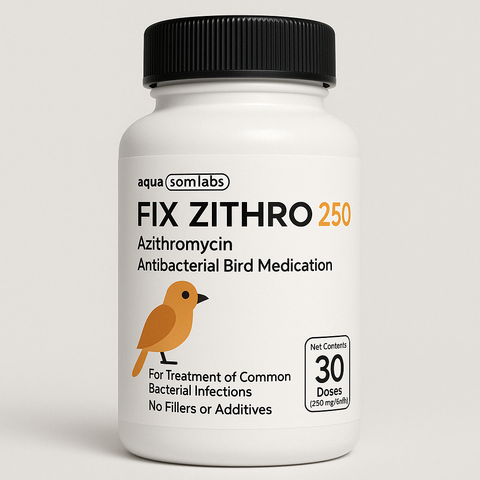
Combining Fish Mox with doxycycline, cephalexin, ciprofloxacin, azithromycin, metronidazole, or another medication does not automatically create better coverage.
Unplanned combinations may:
- Increase toxicity
- Damage the biological filter
- Reduce oxygen availability
- Stress sensitive fish
- Create drug interactions
- Make reactions harder to interpret
- Encourage antimicrobial resistance
Most bacterial infections should be managed with one appropriately selected antibiotic rather than an unplanned mixture.
Responsible Fish Antibiotic Stewardship
Antibiotic stewardship means using antimicrobial products only when they are likely to provide meaningful benefit.
Confirm that bacterial disease is likely
Do not use Fish Mox for one torn fin, one unusual dropping, or temporary hiding without investigating the cause.
Correct the aquarium environment
Amoxicillin cannot compensate for ammonia, poor filtration, low oxygen, overcrowding, or aggression.
Use the exact strength correctly
Do not confuse Fish Mox 250mg with Fish Mox 500mg.
Avoid routine preventive treatment
Quarantine and observation are better preventive tools than automatically exposing healthy fish to antibiotics.
Do not increase treatment independently
Failure to improve may indicate resistance, an incorrect diagnosis, poor administration, or advanced disease.
Do not reuse medication solely because symptoms look similar
Two fish with damaged fins can have completely different causes.
Antibiotic Resistance in Aquarium Systems
Antibiotic resistance occurs when bacteria develop or acquire the ability to survive treatment.
Resistance may be encouraged by:
- Using antibiotics for nonbacterial disease
- Selecting an unsuitable antibiotic
- Inaccurate preparation
- Repeated unnecessary treatment
- Combining products without justification
- Failing to correct environmental stress
- Disposing of antibiotics into waterways
Resistant bacterial disease may require laboratory testing, a different antimicrobial class, and stronger biosecurity.
Quarantine Is Better Than Preventive Antibiotics
New fish may carry bacteria or parasites while appearing healthy.
Shipping and acclimation stress can cause symptoms to emerge several days after arrival.
Quarantine allows observation of:
- Appetite
- Breathing
- Skin and fins
- Feces
- Swimming behavior
- Response to treatment
Use separate nets, buckets, siphons, scrapers, and measuring tools for quarantine systems whenever possible.
Monitoring Fish During Treatment
Maintain a written treatment record containing:
- Date and time
- Exact Fish Mox product
- 250 mg or 500 mg strength
- Actual treatment volume
- Preparation used according to the label
- Water temperature
- Ammonia
- Nitrite
- pH
- Fish appetite
- Breathing rate
- Swimming behavior
- Appearance of lesions
- Water changes
- Filtration changes
Photographs taken under similar lighting can help track ulcers, redness, swelling, eye clarity, and fin deterioration.
Possible Signs of Improvement
Improvement may include:
- Return of appetite
- More normal swimming
- Reduced hiding
- Less redness
- Stabilization of an ulcer
- Clearer eyes
- Reduced respiratory effort
- Fin deterioration stopping
- Normal interaction returning
Damaged fins and skin may require time to regenerate after bacterial progression has stopped.
Warning Signs During Treatment
Reassess immediately when:
- Fish begin gasping
- Previously healthy fish become distressed
- Ammonia or nitrite rises
- The fish loses balance
- Lesions spread rapidly
- Appetite continues to decline
- The water becomes severely cloudy
- Unexpected deaths occur
- No improvement appears within the expected product period
Do not automatically add more capsules or another antibiotic.
The diagnosis, volume, oxygenation, filtration, or medication choice may need to be reconsidered.
Water Changes During and After Treatment
Follow the exact product instructions regarding water changes.
Replacement water should be:
- Properly conditioned
- Close to the treatment tank’s temperature
- Compatible in pH and hardness
- Free of chlorine and chloramine
Large abrupt changes using chemically different water can add further stress.
Fish Mox Storage
The product pages direct storage in a cool, dry place between 59°F and 86°F, or 15°C and 30°C, with the bottle tightly closed.
Store Fish Mox:
- In the original labeled bottle
- With the cap secured
- Away from direct sunlight
- Away from excessive heat
- Away from aquarium humidity
- Separate from human medication
- Away from food-preparation areas
- Out of reach of children and animals
Do not use capsules that are:
- Wet
- Contaminated
- Improperly stored
- Past the labeled expiration date
- Unidentifiable because the original label is missing
Why the Original Bottle Matters
The original packaging identifies:
- The Fish Mox product name
- Amoxicillin as the active ingredient
- The 250 mg or 500 mg strength
- The 30- or 100-capsule count
- Storage directions
- Safety warnings
- Lot information when provided
Never transfer the capsules into an unmarked container.
Never Use Fish Mox for Human Treatment
Fish Mox is marketed for ornamental aquarium fish.
It must never be used to diagnose or treat infections in people.
Human medical care requires:
- Evaluation by a licensed healthcare professional
- An appropriate prescription
- A product legally dispensed for human use
- Screening for allergies, interactions, and contraindications
The name amoxicillin appearing on both animal and human products does not make the products interchangeable.
Ornamental Fish Only
The Fish Mox products in this guide are positioned for ornamental aquarium fish.
They should not be used in:
- Fish intended for human consumption
- Commercial food-fish production
- Food-fish ponds
- Aquaculture systems producing edible animals
Food-producing fish are subject to separate drug approvals, residue limits, and withdrawal requirements.
Fish Mox Compared With Fish Mox Clavulanate
| Feature | Fish Mox Amoxicillin | Amoxicillin-Clavulanate |
|---|---|---|
| Primary antibiotic | Amoxicillin | Amoxicillin |
| Beta-lactamase inhibitor | No | Clavulanate |
| Protection against selected beta-lactamases | Limited | Expanded against selected enzymes |
| Treats every resistant organism | No | No |
Fish Amoxicillin Compared With Other Fish Antibiotics
The Fish Antibiotics collection includes several antimicrobial classes.
| Ingredient | Class | General distinction |
|---|---|---|
| Amoxicillin | Penicillin/beta-lactam | Most relevant to selected susceptible bacteria, particularly gram-positive organisms |
| Cephalexin | Cephalosporin | A different beta-lactam with its own susceptibility profile |
| Doxycycline | Tetracycline | Inhibits bacterial protein production rather than cell-wall formation |
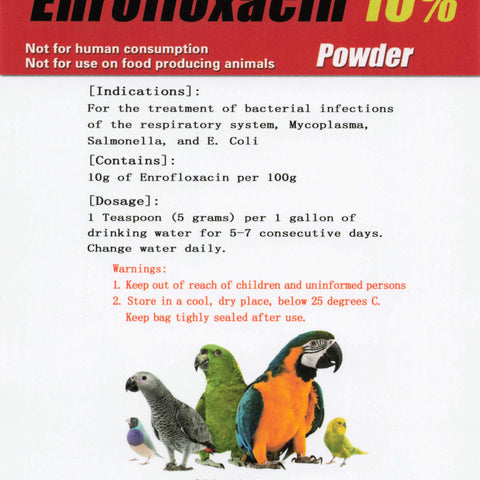
| Ciprofloxacin or enrofloxacin | Fluoroquinolone | Different activity, resistance profile, and regulatory concerns |
| Azithromycin | Macrolide/azalide | Acts on bacterial protein production with a different spectrum |
| Metronidazole | Nitroimidazole | Primarily associated with selected anaerobic and protozoan concerns |
Browse the Fish Mox Collection
The dedicated Fish Mox collection allows customers to compare available amoxicillin strengths, capsule counts, and product formats.
Important comparison points include:
- 250 mg versus 500 mg
- 30 capsules versus 100 capsules
- Plain amoxicillin versus amoxicillin-clavulanate
- Capsules versus tablet formats
- Storage and label directions
Questions to Ask an Aquatic Veterinarian
- Are the symptoms likely to be bacterial?
- Could water quality, parasites, or injury be responsible?
- Is the suspected organism gram-positive or gram-negative?
- Would culture-and-sensitivity testing be helpful?
- Is the organism likely to respond to amoxicillin?
- Would another antibiotic class be more appropriate?
- Should the fish be moved to a hospital tank?
- Which Fish Mox strength is appropriate for the plan?
- How should the exact product be prepared?
- How should filtration and aeration be managed?
- How frequently should ammonia and nitrite be tested?
- What improvement should be expected?
- Which signs require immediate reassessment?
Frequently Asked Questions
What is Fish Mox?
Fish Mox is a common product and search name for amoxicillin capsules marketed for ornamental aquarium fish.
What is Fish Amoxicillin?
Fish Amoxicillin refers to amoxicillin-based products intended for selected susceptible bacterial conditions in ornamental fish.
What strengths are available?
The products covered here are available in 250 mg and 500 mg capsule strengths.
What bottle counts are available?
Both strengths are offered in bottles containing 30 or 100 capsules.
What is Fish Mox Forte?
Fish Mox Forte is a commonly searched name associated with the higher 500 mg amoxicillin capsule strength.
Is Fish Mox a penicillin antibiotic?
Yes. Amoxicillin belongs to the penicillin family of beta-lactam antibiotics.
How does Fish Mox work?
Amoxicillin interferes with bacterial cell-wall formation in susceptible, actively growing organisms.
Is Fish Mox broad-spectrum?
It may act against selected gram-positive and some gram-negative bacteria, but it does not treat every bacterial organism.
Is Fish Mox effective against gram-positive fish bacteria?
Amoxicillin is generally most active against susceptible gram-positive organisms, including selected streptococcal bacteria.
Is Fish Mox effective against gram-negative bacteria?
Some gram-negative organisms may be susceptible, but many important fish pathogens are naturally less responsive or resistant. Diagnostic testing is valuable.
Can Fish Mox treat fin rot?
It may be considered when progressive fin deterioration is caused by susceptible bacteria. Aggression, injury, and poor water quality must also be investigated.
Can Fish Mox treat tail rot?
Tail rot may have bacterial or nonbacterial causes. Treatment should match the underlying problem.
Can Fish Mox treat bacterial gill disease?
It may be relevant in selected susceptible bacterial cases, but rapid breathing may also result from ammonia, nitrite, low oxygen, chlorine, or parasites.
Can Fish Mox treat dropsy?
Dropsy is a symptom of fluid accumulation, not one specific disease. Amoxicillin may only be relevant when a susceptible bacterial infection is involved.
Can Fish Mox treat red sores and ulcers?
It may be considered for selected bacterial infections, but the original injury, parasite, aggression, or water-quality problem must also be corrected.
Can Fish Mox treat cloudy eyes or popeye?
Cloudy eyes and popeye can be caused by infection, trauma, poor water quality, gas imbalance, or internal disease.
Does Fish Mox treat ich?
No. Ich is a protozoan parasite.
Does Fish Mox treat flukes or worms?
No. These require an appropriate antiparasitic treatment.
Does Fish Mox treat fungal disease?
No. True fungal and water-mold conditions require appropriate antifungal care.
Does Fish Mox treat viruses?
No. Antibiotics do not directly eliminate viruses.
Can Fish Mox correct ammonia poisoning?
No. Ammonia must be corrected through immediate aquarium-water management.
Should I test the water before using Fish Mox?
Yes. Test ammonia, nitrite, nitrate, pH, temperature, and oxygenation before assuming the condition is bacterial.
Should Fish Mox be used in a hospital tank?
A hospital tank is generally preferable because it supports precise monitoring and protects the established display aquarium.
Can Fish Mox affect beneficial bacteria?
Antibacterial treatment may affect the biological filter. Monitor ammonia and nitrite during and after treatment.
Should activated carbon be removed?
Activated carbon may remove medication. Follow the exact directions for the selected product.
Can Fish Mox be used in freshwater aquariums?
The products are positioned for ornamental freshwater fish when used according to their labels.
Can Fish Mox be used in saltwater aquariums?
The products are also positioned for ornamental saltwater fish, preferably in a separate hospital tank when sensitive invertebrates are present.
Can Fish Mox be used with shrimp, snails, or corals?
Do not assume invertebrate safety. Use a separate treatment tank and obtain qualified guidance.
Is one capsule one aquarium dose?
No. The correct preparation depends on the capsule strength, exact product directions, actual water volume, and treatment plan.
Can I substitute a 500 mg capsule for two 250 mg capsules?
Do not substitute strengths without confirming the complete preparation and directions for the exact product.
Are 30-capsule and 100-capsule bottles different medicines?
No. Within the same strength, the difference is the number of capsules supplied.
Can Fish Mox be combined with another antibiotic?
Do not combine antibiotics unless compatibility and clinical need have been established by a qualified professional.
Can Fish Mox be used preventively?
Routine preventive antibiotic use is not recommended. Quarantine, observation, and good water quality are better preventive strategies.
Why did my fish become worse during treatment?
Possible reasons include an incorrect diagnosis, resistant bacteria, poor water quality, low oxygen, inaccurate volume, filter disruption, or advanced disease.
How should Fish Mox be stored?
Store the bottle tightly closed in a cool, dry place between 59°F and 86°F, protected from light and moisture.
Can people take Fish Mox?
No. Animal-labeled products must never be used as substitutes for human medication.
Can Fish Mox be used for food fish?
No. These products are positioned for ornamental fish and not fish intended for human consumption.
Choosing the Right Fish Mox Option
The best package is the one that matches the organized treatment plan—not simply the highest strength or largest count.
Fish Mox options include:
- 250 mg, 30 capsules
- 250 mg, 100 capsules
- 500 mg, 30 capsules
- 500 mg, 100 capsules
Before selecting a product:
- Document the fish’s symptoms
- Test the aquarium water
- Correct environmental problems
- Investigate parasites and physical injury
- Determine whether bacterial disease is likely
- Identify the most appropriate antibiotic class
- Select the exact strength and package count
- Use a hospital tank when practical
- Follow the complete product directions
- Monitor water quality and fish behavior daily
Shop the Four Fish Mox Options
Fish Mox Forte 500mg
100-capsule bottle containing 500 mg amoxicillin per capsule.
View 100 CapsulesExplore the Complete Fish Mox Collection
Compare Fish Amoxicillin 250mg, Fish Mox Forte 500mg, 30-capsule bottles, 100-capsule bottles, and related amoxicillin aquarium products.
Compare More Fish Antibiotics
Review amoxicillin, cephalexin, doxycycline, fluoroquinolone, macrolide, sulfonamide, and other ornamental-aquarium antibiotic categories.
Important safety notice: Fish Mox amoxicillin capsules are positioned for ornamental aquarium fish only. They are not for human use, human consumption, or fish intended for human consumption. Amoxicillin does not treat parasites, fungi, viruses, ammonia toxicity, nitrite toxicity, low oxygen, or every bacterial organism. The 250 mg and 500 mg capsule strengths are not interchangeable without an accurate product-specific plan. Test the aquarium, follow the complete current product directions, use a hospital tank when practical, and consult an aquatic veterinarian or qualified fish-health professional for severe, spreading, recurring, or unexplained disease.


