 Help & Contact
 Track order












Doxy-Tyl for Birds: Doxycycline + Tylosin Respiratory Product Guide
Doxy-Tyl for Birds: Doxycycline + Tylosin Respiratory Product Guide
Your pigeon begins sneezing.
Another bird develops watery eyes.
You notice nasal discharge in a third bird.
Performance drops.
Breathing sounds become more noticeable.
That combination naturally leads bird owners and pigeon keepers to search for:
- Doxy-Tyl for birds
- Doxycycline and tylosin for pigeons
- Bird respiratory medicine
- Pigeon respiratory treatment
- Mycoplasma treatment for birds
- Ornithosis medicine
Doxy-Tyl Powder is particularly relevant to those searches because it combines two different antibacterial ingredients in one avian powder:
Doxycycline + Tylosin.
The current BirdAntibiotic.com product contains:
- Tylosin 40%
- Doxycycline 20%
- 100 g net weight
- Powder format
But understanding why these two ingredients are combined is much more useful than simply knowing the product name.
Doxycycline and tylosin:
- Belong to different antibacterial families
- Have different activity profiles
- Are researched for different avian respiratory organisms
- Should not be assumed to treat every bird that sneezes
This guide explains exactly where Doxy-Tyl fits into a professional bird respiratory-care program.
Doxy-Tyl for Birds: Quick Answer
Doxy-Tyl Powder is a 100g avian combination powder containing:
- Doxycycline 20% — a tetracycline-class antibacterial
- Tylosin 40% — a macrolide antibacterial
The combination is especially relevant to bird and pigeon respiratory-care searches involving:
- Mycoplasma-associated respiratory disease
- Ornithosis / avian chlamydiosis searches
- Sneezing
- Watery eyes
- Nasal discharge
- Selected bacterial respiratory infections
Doxy-Tyl is not a universal treatment for every breathing problem. Viral disease, fungal disease, air-sac mites, smoke, dust, household fumes and other nonbacterial causes require different care.
Explore Bird Antibiotics
Browse our Best Bird Antibiotics collection and explore bird care products organized in one convenient place.
EXPLORE PRODUCTS →What Is Doxy-Tyl Powder?
Doxy-Tyl is a combination avian antibacterial powder.
The BirdAntibiotic.com product is formulated specifically for pet birds and supplied in a:
100 gram resealable pouch.
Doxy-Tyl Active Ingredients
| Active Ingredient | Concentration | Antibacterial Class | Major Avian Search Relevance |
|---|---|---|---|
| Doxycycline | 20% | Tetracycline | Chlamydia, ornithosis, selected Mycoplasma and bacterial respiratory disease |
| Tylosin | 40% | Macrolide | Mycoplasma and selected susceptible respiratory bacteria |
Why Combine Doxycycline and Tylosin?
The reason for a combination product is not simply:
“two antibiotics must be stronger than one.”
That is too simplistic.
The real commercial and clinical rationale is that doxycycline and tylosin have:
- Different antimicrobial classes
- Different target profiles
- Different respiratory-disease relevance
In a respiratory-care plan where both components are appropriate, a combination powder provides both ingredients in one product.
How Does Doxycycline Work?
Doxycycline belongs to the tetracycline family.
It interferes with bacterial protein production by acting on the bacterial ribosome.
Doxycycline has a particularly important position in avian medicine because of its use against:
- Chlamydia psittaci
- Avian chlamydiosis
- Ornithosis
- Psittacosis
- Selected susceptible bacterial infections
- Selected Mycoplasma-associated disease
How Does Tylosin Work?
Tylosin is a macrolide antibacterial.
Like doxycycline, it interferes with bacterial protein production, but it acts through a different ribosomal target.
Tylosin is especially well known in avian respiratory medicine for activity against:
- Selected Mycoplasma organisms
- Selected susceptible respiratory bacteria
This makes tylosin particularly relevant to pigeon owners searching for:
- CRD
- Mycoplasma
- Chronic respiratory problems
- Respiratory powder for pigeons

Explore Bird Antibiotics
Browse our Best Bird Antibiotics collection and explore bird care products organized in one convenient place.
EXPLORE PRODUCTS →What Respiratory Signs Lead Owners to Research Doxy-Tyl?
Common searches begin with visible symptoms rather than a laboratory diagnosis.
1. Repeated Sneezing
A bird may sneeze because of:
- Respiratory infection
- Dust
- Seed debris
- Dry air
- Irritation
Repeated sneezing becomes more concerning when other symptoms appear at the same time.
2. Watery Eyes
Respiratory and sinus disease may cause:
- Watery eyes
- Eye discharge
- Swelling around the eye
3. Nasal Discharge
Wet nostrils or mucus may accompany:
- Sinus disease
- Upper respiratory infection
- Chlamydial disease
- Mycoplasma-associated disease
- Other bacterial infection
4. Wheezing
Audible breathing sounds can indicate airway involvement.
5. Clicking or Abnormal Respiratory Sounds
Clicking deserves careful interpretation because respiratory sounds can also occur with:
- Air-sac mites
- Other respiratory parasites
- Airway obstruction
An antibiotic does not treat mites.
6. Tail Bobbing
Pronounced tail movement synchronized with each breath can indicate increased respiratory effort.
7. Open-Mouth Breathing
Persistent open-mouth breathing at rest is a serious warning sign.
8. Reduced Performance in Pigeons
Racing or performance pigeons may show:
- Reduced stamina
- Poor recovery
- Reluctance to exercise
- Slower performance
before severe respiratory symptoms become obvious.
9. Ruffled or Fluffed Feathers
A systemically ill bird may remain persistently fluffed.
10. Reduced Appetite
Respiratory disease can reduce:
- Food intake
- Activity
- Body condition
Respiratory Emergency Signs
A product guide should never cause an owner to overlook an emergency.
Seek prompt veterinary attention when a bird develops:
- Continuous open-mouth breathing
- Marked tail bobbing
- Severe respiratory effort
- Blue or poorly colored mucous membranes
- Collapse
- Inability to perch
- Profound weakness
- Severe lethargy
A bird struggling to breathe should be handled as little as possible while professional help is arranged.

Doxy-Tyl and Mycoplasma in Birds
Mycoplasma-associated respiratory disease is one of the strongest commercial search categories for tylosin-containing bird products.
Possible respiratory signs can include:
- Sneezing
- Watery eyes
- Nasal discharge
- Sinus inflammation
- Breathing noise
- Reduced performance
Why Is Tylosin Relevant?
Many avian Mycoplasma organisms lack a conventional bacterial cell wall.
This makes antibacterial classes that target other bacterial structures particularly relevant.
Tylosin has long been associated with activity against susceptible Mycoplasma organisms.
Why Is Doxycycline Relevant?
Tetracyclines, including doxycycline, also have activity against selected Mycoplasma species.
This creates one of the clearest commercial reasons owners search for:
Doxycycline + Tylosin combination products.
Doxy-Tyl for Pigeon Respiratory Problems
Pigeons are one of the strongest search-intent groups for Doxy-Tyl.
Pigeon owners commonly research the combination when birds show:
- Sneezing
- Wet eyes
- Nasal discharge
- Reduced racing performance
- Respiratory noise
- Fluffed feathers
Pigeon Respiratory Disease Is Often Multifactorial
Respiratory signs in pigeons can involve:
- Mycoplasma
- Chlamydia
- Other bacteria
- Viruses
- Trichomonas involvement
- Environmental stress
This is why a pigeon respiratory syndrome should not automatically be reduced to one organism simply from the symptom pattern.
Explore Bird Antibiotics
Browse our Best Bird Antibiotics collection and explore bird care products organized in one convenient place.
EXPLORE PRODUCTS →Doxy-Tyl and Ornithosis / Psittacosis Searches
Doxycycline has a particularly important place in avian medicine when Chlamydia psittaci is involved.
This organism causes:
- Avian chlamydiosis
- Ornithosis
- Psittacosis
Possible Signs Include
- Eye discharge
- Nasal discharge
- Breathing difficulty
- Reduced appetite
- Weight loss
- Lethargy
- Abnormal droppings
These signs are not unique to Chlamydia.
Testing may be valuable when chlamydiosis is suspected.
What Doxy-Tyl Does NOT Treat
This section is important because respiratory symptoms do not automatically mean bacterial disease.
Viruses
Antibiotics do not treat viral infection.
Fungal Disease
Conditions such as aspergillosis require an antifungal treatment approach rather than doxycycline or tylosin.
Air-Sac Mites
Respiratory mites require antiparasitic treatment.
Heat Stress
A bird panting because it is overheated does not need a respiratory antibiotic simply because its beak is open.
Smoke and Household Fumes
Respiratory irritation from:
- Smoke
- Aerosols
- Heated fumes
- Strong fragrances
requires removal of the exposure and appropriate supportive care.
Nutritional Disease
Birds kept on poorly balanced diets may develop epithelial and respiratory problems that require nutritional correction.

Doxy-Tyl Product Details
| Product Detail | Doxy-Tyl Powder |
|---|---|
| Product | Doxy-Tyl Powder for Pet Birds |
| Active Ingredient 1 | Tylosin |
| Tylosin Concentration | 40% |
| Active Ingredient 2 | Doxycycline |
| Doxycycline Concentration | 20% |
| Form | Powder |
| Net Weight | 100 g |
| Primary Commercial Category | Avian antibacterial / respiratory product |
Shop Doxy-Tyl Powder for Pet Birds
Compare the Doxycycline 20% + Tylosin 40% combination in a convenient 100g powder format for organized pet-bird and pigeon respiratory-care programs.
Doxy-Tyl vs Doxycycline 20% Powder
The biggest difference is simple.
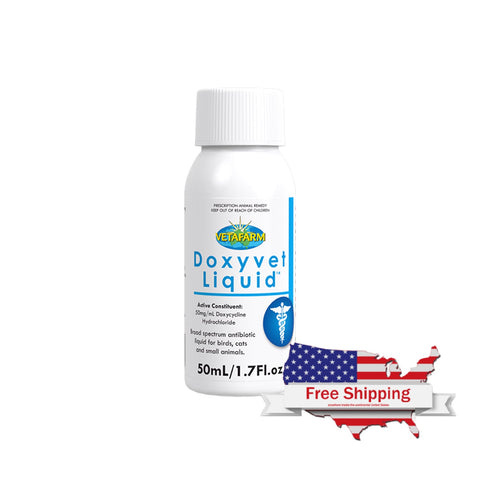
Doxycycline 20% Powder
Contains:
Doxycycline only.
It is a strong commercial fit for owners specifically searching for:
- Doxycycline for birds
- Doxycycline for pigeons
- Ornithosis support
- Doxycycline respiratory powder
Doxy-Tyl
Contains:
- Doxycycline 20%
- Tylosin 40%
This makes Doxy-Tyl more relevant when the planned respiratory-care strategy specifically calls for both antimicrobial families.
Prefer Single-Ingredient Doxycycline?
BirdAntibiotic.com also carries Doxycycline 20% Powder for bird owners seeking a concentrated single-ingredient doxycycline formula.
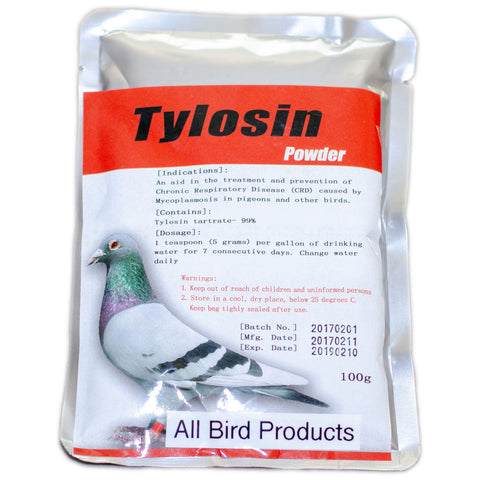
Doxy-Tyl vs Tylosin 99% Powder
Tylosin 99% Powder
Contains a concentrated single tylosin ingredient.
It is especially relevant to commercial searches around:
- Tylosin for birds
- Tylosin for pigeons
- Mycoplasma pigeons
- CRD birds
- Pigeon respiratory medicine
Doxy-Tyl
Combines tylosin with doxycycline.
It therefore targets a different buyer intent:
owners specifically looking for a combination respiratory powder.
Shop Tylosin Powder
For a concentrated single-ingredient tylosin option, explore Tylosin Tartrate 99% Powder for pet birds and pigeons.
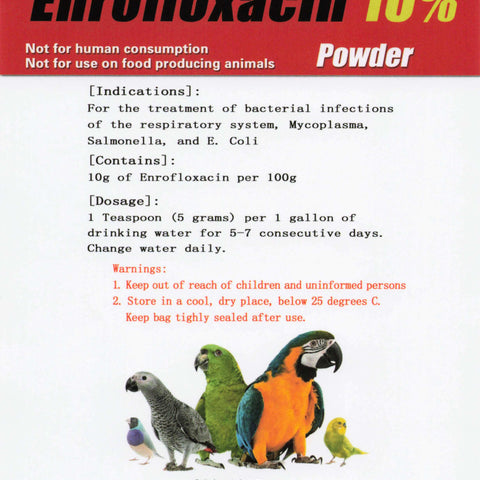
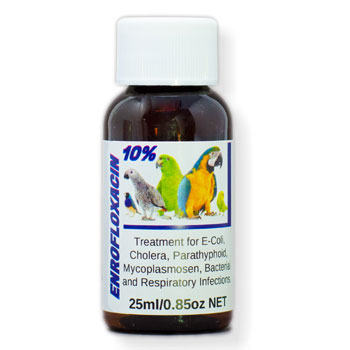
Doxy-Tyl vs Enrofloxacin 10% Powder
Enrofloxacin belongs to a different antibacterial class from both doxycycline and tylosin.
Doxy-Tyl
Commercially strongest for searches involving:
- Doxycycline + tylosin
- Mycoplasma
- Pigeon respiratory problems
- Ornithosis / respiratory combination products
Enrofloxacin 10%
Enrofloxacin is a broader-spectrum antibacterial ingredient often researched for:
- Gram-negative bacterial infections
- Selected respiratory bacterial disease
- Other susceptible systemic infections
The products are not interchangeable simply because both appear in bird-antibiotic collections.
Compare Enrofloxacin 10% Powder
Explore the 100g Enrofloxacin 10% Powder format for a different avian antibacterial profile.
Explore Bird Antibiotics
Browse our Best Bird Antibiotics collection and explore bird care products organized in one convenient place.
EXPLORE PRODUCTS →Doxy-Tyl vs Doxycycline vs Tylosin vs Enrofloxacin
| Product | Active Ingredient | Format | Strongest Search Intent |
|---|---|---|---|
| Doxy-Tyl | Doxycycline 20% + Tylosin 40% | 100g Powder | Combination pigeon/bird respiratory-care searches |
| Doxycycline 20% | Doxycycline | 100g Powder | Doxycycline, ornithosis and chlamydial respiratory searches |
| Tylosin 99% | Tylosin Tartrate | 100g Powder | Mycoplasma, CRD and tylosin searches |
| Enrofloxacin 10% | Enrofloxacin | 100g Powder | Broad bacterial and alternative respiratory-antibiotic searches |
Why More Antibiotics Are Not Automatically Better
Combination products should have a reason for being selected.
If doxycycline alone appropriately matches the identified disease, adding another antibacterial does not automatically improve the result.
Likewise, if the bird's problem is:
- Fungal
- Viral
- Parasitic
- Environmental
adding two antibacterial ingredients instead of one does not correct the underlying problem.
How Respiratory Disease Is Diagnosed
Professional avian respiratory investigation may include:
- Physical examination
- Body-weight assessment
- Choanal swab
- Conjunctival swab
- PCR testing
- Bacterial culture
- Antimicrobial susceptibility testing
- Bloodwork
- Radiographs
Why Testing Matters in Recurrent Respiratory Disease
Testing becomes especially valuable when:
- Symptoms keep returning
- Several birds are affected
- Previous treatment failed
- The bird is seriously ill
- The disease pattern is unclear
Doxy-Tyl for Parrots
Parrots can develop respiratory signs from:
- Bacterial disease
- Chlamydia
- Fungal disease
- Environmental irritation
- Nutritional problems
Doxy-Tyl should therefore be positioned as a bacterial respiratory product rather than a universal parrot breathing treatment.
Doxy-Tyl for Cockatiels
Cockatiels are particularly important in avian chlamydiosis discussions.
Warning signs may include:
- Eye discharge
- Nasal discharge
- Reduced appetite
- Lethargy
- Breathing changes
Doxy-Tyl for Budgies and Parakeets
Budgies can deteriorate quickly when respiratory disease reduces:
- Appetite
- Activity
- Breathing efficiency
Monitor:
- Body weight
- Droppings
- Tail movement
- Respiratory sounds
- Food intake
Doxy-Tyl for Canaries and Finches
Respiratory noise in canaries and finches requires particular care because:
air-sac mites can mimic bacterial respiratory disease.
A bird clicking or wheezing does not automatically need an antibiotic.
Doxy-Tyl for Pigeons
Pigeons are one of the strongest commercial fits for Doxy-Tyl Powder.
Pigeon respiratory searches frequently combine:
- Mycoplasma
- Ornithosis
- Wet eyes
- Nasal discharge
- Respiratory noise
- Reduced racing performance
A combination respiratory product therefore matches highly specific pigeon-owner search intent.
Using a Powder Product Correctly
Always use the instructions for the exact product being used.
Do not copy directions from:
- Plain doxycycline
- Tylosin 99%
- Enrofloxacin powder
- Another Doxy-Tyl formula with different concentrations
because ingredient concentration directly changes product preparation.
Do Not Guess From the Product Name
Always confirm:
- Active ingredients
- Concentrations
- Net weight
- Current label
before preparing any medication.
Water Medication and Multi-Bird Care
Powder formats are popular among:
- Pigeon lofts
- Aviaries
- Breeders
- Multi-bird households
because the format is easy to organize and prepare according to label directions.
However, water intake can vary between individual birds.
A severely ill bird may drink less than normal.
This is important when monitoring treatment response.
What Should You Monitor During Respiratory Care?
Record changes in:
- Breathing rate
- Tail bobbing
- Eye discharge
- Nasal discharge
- Respiratory noise
- Body weight
- Appetite
- Droppings
- Activity
Signs the Bird Is Improving
Positive changes can include:
- Reduced sneezing
- Cleaner eyes
- Cleaner nostrils
- Quieter breathing
- Reduced tail bobbing
- Improved appetite
- Weight stabilization
- Improved activity
Signs the Respiratory Program Needs Reassessment
Reassess when:
- Breathing becomes more difficult
- Open-mouth breathing develops
- The bird stops eating
- Weight continues falling
- Symptoms return immediately after treatment
- Several birds continue becoming sick
Why Treatment Can Fail
Wrong Diagnosis
The bird may have:
- Fungal disease
- Air-sac mites
- Virus
- Environmental irritation
Wrong Bacterial Target
The bacterial organism may not be susceptible to the selected product.
Inadequate Intake
A sick bird may drink or eat less than expected.
Reinfection
Untreated carrier birds can contribute to recurring respiratory problems within a group.
Environmental Stress Remains
Problems such as:
- Poor ventilation
- Dust
- Overcrowding
- Ammonia buildup
- Dirty waterers
can continue stressing the respiratory system.
Supportive Care During Respiratory Recovery
Birds recovering from illness may need attention to:
- Hydration
- Nutrition
- Digestive balance
- Clean air
- Rest
- Body weight
Bio Plus After Antibacterial Treatment
Bio Plus provides multi-strain probiotic support plus:
- Electrolytes
- Vitamins
- Minerals
- Digestive-support nutrients
It is a natural commercial follow-up product for owners interested in digestive recovery after an appropriate antibacterial program.
Support Digestive Recovery
Bio Plus provides probiotic and nutritional support for birds recovering from illness, stress or appropriate medication programs.
Frequently Asked Questions About Doxy-Tyl for Birds
What is Doxy-Tyl for birds?
Doxy-Tyl is a combination avian powder containing both doxycycline and tylosin.
What is in BirdAntibiotic.com Doxy-Tyl Powder?
The current 100g formula contains Doxycycline 20% and Tylosin 40%.
What is doxycycline used for in birds?
Doxycycline is a tetracycline-class antibacterial medication with an important avian role in selected susceptible bacterial infections, including avian chlamydiosis.
What is tylosin used for in birds?
Tylosin is a macrolide antibacterial particularly associated with selected susceptible Mycoplasma and respiratory organisms.
Why combine doxycycline and tylosin?
The ingredients belong to different antibacterial classes and have complementary respiratory-disease search relevance. A combination product may be selected when the treatment plan has a reason to include both.
Is Doxy-Tyl the same as doxycycline?
No. Doxycycline products contain doxycycline alone, while Doxy-Tyl contains doxycycline plus tylosin.
Is Doxy-Tyl the same as tylosin powder?
No. Tylosin 99% Powder is a concentrated single-ingredient tylosin product. Doxy-Tyl contains both tylosin and doxycycline.
Is Doxy-Tyl used for pigeon respiratory problems?
Pigeon respiratory care is one of the strongest commercial search categories for Doxy-Tyl, particularly where Mycoplasma and selected bacterial respiratory problems are being considered.
Does Doxy-Tyl treat Mycoplasma?
Both tylosin and doxycycline have activity against selected susceptible Mycoplasma organisms, making Mycoplasma one of the major search categories associated with the combination.
Is Doxy-Tyl relevant to ornithosis?
Doxycycline has an important role in avian chlamydiosis/ornithosis management when Chlamydia psittaci is involved.
Does Doxy-Tyl treat psittacosis?
The doxycycline component is strongly associated with avian chlamydiosis treatment. Suspected psittacosis should be properly identified because the symptoms overlap with other respiratory diseases.
Does Doxy-Tyl treat air-sac mites?
No. Air-sac mites are parasites and require antiparasitic treatment.
Does Doxy-Tyl treat fungal respiratory infections?
No. Fungal diseases require antifungal therapy.
Does Doxy-Tyl treat viral infections?
No. Antibiotics do not treat viruses.
Can Doxy-Tyl help a sneezing bird?
Only when the sneezing is associated with an appropriate susceptible bacterial condition. Dust, dry air, fumes and parasites can also cause sneezing.
Can Doxy-Tyl help watery eyes in pigeons?
Watery eyes can occur with bacterial, chlamydial or Mycoplasma-associated respiratory disease, but they can also have other causes. The full symptom pattern matters.
What does tail bobbing mean?
Pronounced tail movement synchronized with breathing can indicate increased respiratory effort.
Is open-mouth breathing an emergency?
Persistent open-mouth breathing at rest is a serious respiratory warning sign and deserves prompt attention.
Which is better: Doxy-Tyl or Doxycycline 20%?
Neither is universally better. Doxycycline 20% is a single-ingredient product, while Doxy-Tyl combines doxycycline with tylosin.
Which is better: Doxy-Tyl or Tylosin 99%?
The answer depends on the target organism and treatment objective. Tylosin 99% contains tylosin alone, while Doxy-Tyl adds doxycycline.
Which is better: Doxy-Tyl or Enrofloxacin?
They have different antimicrobial classes and activity profiles. Product selection should reflect the suspected or identified bacterial problem.
Can Doxy-Tyl be used for parrots?
The current product is positioned for pet birds, including companion and aviary species. The actual respiratory diagnosis should guide product selection.
Can Doxy-Tyl be used for pigeons?
Pigeons are one of the primary commercial audiences researching doxycycline and tylosin respiratory combinations.
Can Doxy-Tyl be used for canaries and finches?
Small bird respiratory symptoms should be diagnosed carefully because air-sac mites can resemble bacterial respiratory disease.
Should Doxy-Tyl be given preventively?
Routine antibacterial use without a defined reason is less useful than good loft hygiene, ventilation, quarantine, testing and targeted treatment.
Can I copy the dosage from another doxycycline product?
No. Product concentrations differ. Use the current directions for the exact Doxy-Tyl formula.
Can I copy the dosage from Tylosin 99% Powder?
No. Doxy-Tyl contains a different tylosin concentration plus doxycycline.
How should Doxy-Tyl be stored?
Keep the resealable powder package closed and store it according to the current product-label instructions, protected from excessive moisture and heat.
How do I know whether treatment is working?
Monitor respiratory noise, sneezing, discharge, tail movement, appetite, activity and body weight.
What if my bird gets worse during treatment?
Worsening breathing, persistent open-mouth breathing, severe weakness, continuing weight loss or failure to respond should trigger reassessment of the diagnosis and treatment plan.
Explore Bird Antibiotics
Browse our Best Bird Antibiotics collection and explore bird care products organized in one convenient place.
EXPLORE PRODUCTS →The Professional Doxy-Tyl Decision Framework
Step 1 — Identify the complete respiratory symptom pattern.
Step 2 — Separate mild respiratory signs from true respiratory distress.
Step 3 — Consider bacteria, Chlamydia, Mycoplasma, fungi, viruses and parasites.
Step 4 — Use testing when disease is recurrent, severe or unclear.
Step 5 — Choose Doxy-Tyl when there is a defined reason for both doxycycline and tylosin.
Step 6 — Use the exact current Doxy-Tyl product instructions.
Step 7 — Monitor body weight, appetite and breathing daily.
Step 8 — Improve ventilation and reduce respiratory irritants.
Step 9 — Support digestive recovery appropriately.
Step 10 — Reassess when symptoms fail to improve.
Shop Doxy-Tyl & Compare Bird Respiratory Products
BirdAntibiotic.com carries Doxy-Tyl Powder, Doxycycline 20% Powder, Tylosin 99% Powder, Enrofloxacin products and additional respiratory-care options for pet birds and pigeons.
The Most Important Doxy-Tyl Rule
Doxy-Tyl is strongest when it is treated as:
a specialized combination respiratory product—not a universal answer to every bird breathing problem.
Its two active ingredients make it particularly relevant to searches involving:
- Doxycycline
- Tylosin
- Mycoplasma
- Ornithosis
- Pigeon respiratory disease
- Selected bacterial respiratory problems
But successful respiratory care still depends on:
the correct diagnosis + the correct antibacterial target + accurate product selection + good ventilation and hygiene + careful monitoring of the bird's response.


