 Help & Contact
 Track order













Bumblefoot in Birds: Red Feet, Pressure Sores & Perch Problems
Bumblefoot in Birds: Red Feet, Pressure Sores & Perch Problems
You pick your bird up and notice something unusual underneath one foot.
The normally smooth foot pad looks:
- Red
- Flattened
- Shiny
- Swollen
- Thickened
- Or covered by a dark scab
Your bird may also:
- Shift its weight repeatedly
- Hold one foot up
- Spend less time climbing
- Avoid certain perches
- Limp
- Become reluctant to fly or move
These can be warning signs of:
bumblefoot.
The medical term is:
pododermatitis.
Bumblefoot is not simply “a cut on the foot.”
It is a progressive inflammatory condition of the foot pad that can begin with pressure damage and eventually develop into:
- Ulceration
- Bacterial infection
- Firm abscess formation
- Tendon involvement
- Joint infection
- Bone infection
The earlier the problem is recognized, the easier it is to address the underlying causes before deep tissue becomes involved.
Bumblefoot in Birds: Quick Answer
Bumblefoot is inflammation and damage to the underside of a bird's foot, usually associated with prolonged pressure, unsuitable perching surfaces, obesity, injury, poor nutrition or other conditions that force abnormal weight bearing.
Early signs can include:
- Redness
- Smooth or flattened foot-pad skin
- Mild swelling
- Weight shifting
More advanced disease may cause:
- Scabs
- Ulcers
- Marked swelling
- Firm abscesses
- Lameness
- Deep infection
A black or thick scab, obvious abscess, severe swelling, discharge, marked lameness or inability to perch deserves avian veterinary evaluation rather than home lancing or cutting.
Explore Bird Antibiotics
Browse our Best Bird Antibiotics collection and explore bird care products organized in one convenient place.
EXPLORE PRODUCTS →What Is Bumblefoot?
Bumblefoot is the common name for avian pododermatitis.
The term describes inflammatory and degenerative disease affecting the plantar surface—the underside—of the foot.
The process can range from:
minor redness → pressure injury → ulcer → bacterial infection → abscess → deep tissue or bone involvement.
That progression is why a small red pressure mark should not be ignored.
Where Does Bumblefoot Develop?
Lesions usually occur on areas carrying the bird's body weight.
Depending on species and anatomy, these may include:
- The central foot pad
- Digital pads beneath the toes
- Metatarsal pad
- Areas repeatedly contacting the same perch surface
What Does a Healthy Bird Foot Look Like?
A healthy foot pad should generally have:
- Intact skin
- No open ulcer
- No focal swelling
- No thick dark scab
- No painful pressure point
The two feet should also be reasonably symmetrical unless the bird has a previous injury or deformity.
What Does Early Bumblefoot Look Like?
Early lesions can be surprisingly subtle.
You may see:
- A small red area
- Slightly shiny skin
- Flattened scales
- A pressure point beneath the foot
- Mild thickening
At this point the bird may still:
- Perch normally
- Climb normally
- Eat normally
- Act normally
This is precisely why routine foot inspection is useful.

The Stages of Bumblefoot
Veterinary staging systems vary somewhat, but a practical five-grade model helps owners understand progression.
Grade 1 — Early Pressure Damage
The skin may show:
- Mild redness
- Flattening
- Smoothness
- Early irritation
The surface is still intact.
Why This Stage Matters
If pressure is relieved and husbandry is corrected early, progression may sometimes be prevented before ulceration develops.
Grade 2 — Inflammation With Intact Skin
The foot pad may appear:
- Redder
- More swollen
- Thickened
- Tender
The bird may begin favoring the opposite foot.
Grade 3 — Ulcer or Scab Formation
The protective skin barrier has now become damaged.
You may see:
- A visible sore
- A dark scab
- Ulceration
- Localized swelling
- Lameness
Once the skin has broken, bacteria have a route into deeper tissue.
Grade 4 — Deep Infection or Abscess
Advanced lesions may develop a:
firm abscess.
Unlike many mammalian abscesses, infected material in birds is often thick and semi-solid rather than freely flowing liquid.
The foot may become:
- Very swollen
- Painful
- Warm
- Deformed
The bird may hold the foot up almost continuously.
Grade 5 — Tendon, Joint or Bone Involvement
Severe infection can extend into deeper structures.
Complications may include:
- Tendon infection
- Septic arthritis
- Osteomyelitis
- Permanent deformity
- Loss of normal function
Do Not Cut Open a Bird Foot Abscess at Home
A mature avian foot abscess is often composed of firm or semi-solid infected material.
Simply puncturing or squeezing it may:
- Fail to remove infected tissue
- Cause bleeding
- Damage tendons or nerves
- Drive infection deeper
- Increase pain
Marked swelling, a firm abscess, deep scab, discharge or significant lameness requires veterinary assessment.
Common Bumblefoot Symptoms
Watch for:
- Red foot pads
- Foot swelling
- Dark scabs
- Open ulcers
- Thickened skin
- Limping
- Holding one foot up
- Reduced climbing
- Reluctance to perch
- Repeated weight shifting
- Pain when gripping
- Reduced activity
Why Is My Bird Holding One Foot Up?
Birds often rest naturally on one foot.
That alone is not abnormal.
The concern is when the bird repeatedly avoids placing weight on the same foot during normal activity.
Look for:
- Swelling
- Redness
- A scab
- Toe injury
- A constricting leg band
- Joint swelling
- Foreign material wrapped around a toe
Why Is My Bird Limping?
Bumblefoot is only one possible cause.
Other possibilities include:
- Toe fracture
- Leg injury
- Arthritis
- Gout
- Joint infection
- Nail injury
- Constricting hair or thread
Examine both feet rather than assuming every limp is pododermatitis.
What Causes Bumblefoot?
Bumblefoot usually develops from a combination of pressure, damaged skin and predisposing health or husbandry factors.
Cause #1 — Perches That Are All the Same Diameter
This is one of the most important preventable factors.
A uniform dowel perch causes essentially the same part of the foot to contact the surface repeatedly.
Day after day.
Hour after hour.
The result can be chronic focal pressure.
Bird Feet Need Changing Pressure Points
Natural branches vary in:
- Diameter
- Shape
- Angle
- Texture
This changes which areas of the foot carry weight.
Cause #2 — Incorrect Perch Diameter
A perch that is much too large may prevent normal gripping.
A perch that is too narrow may create concentrated pressure.
The goal is not one “perfect diameter.”
The goal is:
several appropriate diameters and shapes.
Cause #3 — Abrasive Perches and Sandpaper Covers
A rough surface may seem useful for nail wear.
But excessive abrasion against delicate plantar skin can cause:
- Irritation
- Microtrauma
- Ulceration
Sandpaper perch covers are therefore a poor substitute for appropriate natural perch variety.
Cause #4 — Dirty or Wet Perches
Constant exposure to:
- Droppings
- Wet food
- Organic debris
- Dirty cage surfaces
can increase microbial contamination around already damaged skin.
Clean Before You Disinfect
A disinfectant should not simply be sprayed over thick droppings and food debris.
First remove:
- Droppings
- Food
- Dirt
- Organic material
Then disinfect the cleaned surface according to the product instructions.
Avicare Concentrate for Cage & Perch Hygiene
Avicare Concentrate by Vetafarm is the most relevant BirdAntibiotic.com environmental-hygiene product for this article.
It is designed for cleaning and disinfection of bird environments including:
- Cages
- Food containers
- Water containers
- Hospital cages
- Equipment
Avicare is an environmental cleaner/disinfectant. It is not a medication to apply directly to an open bird-foot lesion.
Improve Cage Hygiene During Bumblefoot Recovery
Keeping perches and cage surfaces clean helps reduce contamination while damaged feet recover.

Cause #5 — Obesity
A heavier bird places greater pressure on every area carrying its body weight.
This is particularly relevant when the bird also:
- Exercises very little
- Uses only one or two perches
- Spends most of the day stationary
Weight Management Matters
Healthy weight management can reduce mechanical stress on the feet.
That may involve:
- Improved diet quality
- Safe flight
- Climbing
- Foraging
- Movement enrichment
Cause #6 — Poor Nutrition
Skin quality depends partly on adequate nutrition.
Poorly balanced diets may contribute to reduced epithelial integrity.
Vitamin A deficiency is one nutritional problem associated with abnormal epithelial health in birds.
Do Not Respond by Megadosing Vitamin A
The goal is a:
balanced species-appropriate diet.
Do not stack several vitamin products or use extremely high vitamin doses simply because the bird has sore feet.
Bird Vitamins & Nutritional Support
BirdAntibiotic.com carries a dedicated Bird Vitamins & Immune Boosters collection with multivitamin and nutritional-support products.
These products fit into:
long-term nutritional correction and recovery support—not as substitutes for pressure relief or treatment of an established abscess.
Cause #7 — Arthritis
A bird with arthritis may change the way it stands.
For example:
If the left leg hurts, the bird may place more weight on the right foot.
This overload can eventually create pressure damage in the previously healthy foot.
Bumblefoot Can Therefore Be Secondary to Another Problem
This is an important concept.
The foot with the ulcer may not be where the original problem started.
Veterinary assessment may need to consider:
- Hips
- Knees
- Hocks
- Other foot
- Previous fractures
Cause #8 — Previous Injury
A fracture, wound or painful joint can produce abnormal weight bearing.
Continued overload of the opposite foot can then lead to pododermatitis.
Cause #9 — Hard Flat Surfaces
Birds kept on hard flooring without appropriate softer or varied standing areas may develop repeated pressure on the same plantar surfaces.
This is particularly relevant in:
- Poultry
- Raptors
- Aviary birds
- Birds recovering in hospital cages
Cause #10 — Reduced Activity
An inactive bird spends more time putting pressure on the same places.
Reasons for inactivity can include:
- Obesity
- Arthritis
- Illness
- Small cage size
- Lack of enrichment
Does Bumblefoot Start as an Infection?
Not always.
In many birds the sequence begins as:
pressure → inflammation → skin breakdown → bacterial entry.
Once the skin barrier breaks, microorganisms can invade.
Which Bacteria Are Associated With Bumblefoot?
Several bacteria can be involved.
Staphylococcus species are frequently isolated from avian pododermatitis lesions.
But appearance alone cannot tell you:
- Which bacterium is present
- Which antibiotic it is susceptible to
Why Culture Can Matter
Veterinarians may collect material for:
- Bacterial culture
- Antimicrobial susceptibility testing
particularly when disease is:
- Advanced
- Recurrent
- Poorly responsive to previous treatment
When Bird Antibiotics Become Relevant
Antibacterial medication becomes more relevant once bacterial infection is part of the disease.
Signs include:
- Ulceration
- Abscess formation
- Deep swelling
- Discharge
- Cellulitis
- Deeper tissue involvement
BirdAntibiotic.com carries a broad Bird Antibiotics collection containing several antibacterial families.
Selection should be based on the:
- Depth of infection
- Bird species
- Bacterial organism
- Culture results when available
Amoxicillin for Birds
Amoxicillin for Birds is one antibacterial category currently available from BirdAntibiotic.com.
The collection contains several amoxicillin formulations for avian bacterial conditions.
Its role in a bumblefoot article should be presented correctly:
amoxicillin is not automatically the correct product for every red foot or every pododermatitis lesion.
Advanced bacterial bumblefoot should be matched to the organism and severity of the infection.
Explore Avian Antibacterial Options
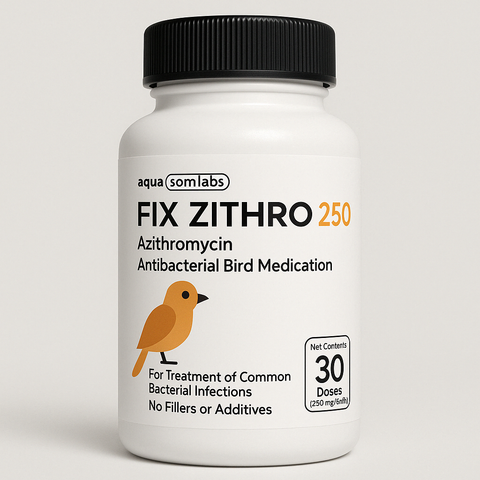
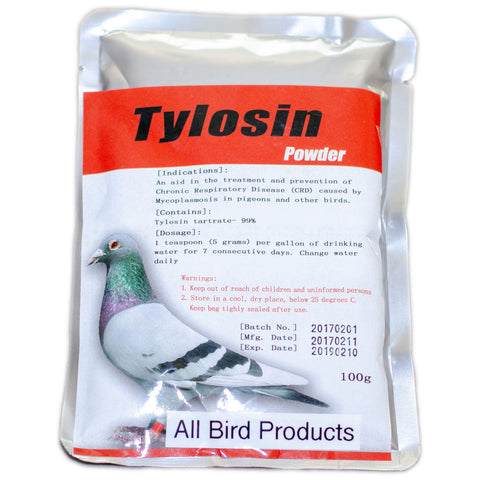
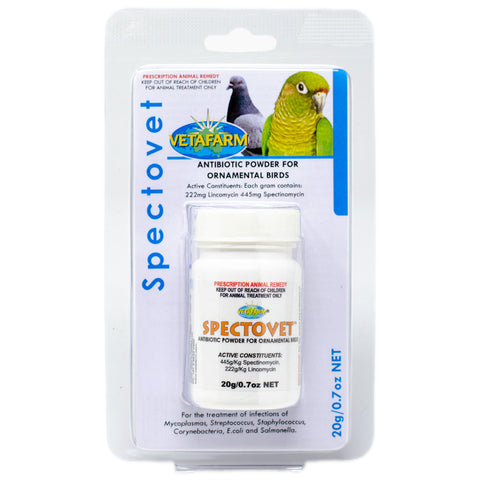
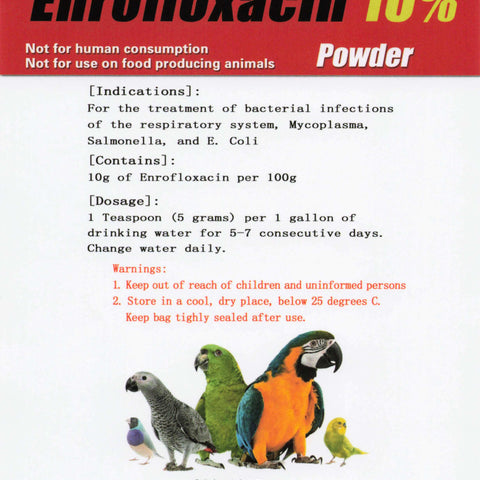
BirdAntibiotic.com carries amoxicillin, doxycycline, enrofloxacin, tylosin and other avian antibacterial families for bacterial conditions where the selected active ingredient is appropriate.
Explore Bird Antibiotics
Browse our Best Bird Antibiotics collection and explore bird care products organized in one convenient place.
EXPLORE PRODUCTS →How Do Veterinarians Diagnose Bumblefoot?
Diagnosis begins with:
- History
- Foot examination
- Assessment of both legs
- Body-condition evaluation
- Review of cage setup
- Review of perch design
Radiographs
X-rays may be recommended when advanced disease is suspected.
They can help assess:
- Bone involvement
- Joint changes
- Deep swelling
- Old fractures
- Arthritis
Culture and Sensitivity
Infected material may be sampled to identify the bacteria and determine which antibacterial drugs are most likely to work.
Treatment Depends on the Stage
Bumblefoot treatment is not one universal home remedy.
Early Disease
Management may focus heavily on:
- Pressure relief
- Better perch design
- Clean environment
- Nutrition
- Healthy body weight
Moderate Disease
Treatment may additionally involve:
- Protective foot wraps
- Anti-inflammatory treatment
- Wound management
- Targeted antimicrobial treatment when infection is present
Advanced Disease
Deep lesions may require:
- Surgical debridement
- Removal of firm infected material
- Bandaging
- Systemic antibiotics
- Pain management
- Management of bone or joint infection
Why Bandaging Can Be Useful
A properly designed protective wrap can:
- Redistribute pressure
- Protect the lesion
- Keep contamination away
But improper bandaging can interfere with circulation.
A wrap that is too tight can create a new problem.
Do Not Use a Tight DIY Foot Wrap
If toes become:
- Swollen
- Cold
- Dark
circulation may be compromised.
Should You Remove the Scab?
Do not aggressively peel or cut a deep foot scab at home.
Underneath it may be:
- Fragile tissue
- Firm infected material
- Blood vessels
- Deeper infection
Can Bumblefoot Heal?
Yes.
Early cases often have a much better prognosis than lesions involving deep tissues.
Successful recovery depends on:
- Severity
- Duration
- Removing the pressure source
- Controlling infection
- Correcting underlying health problems
Signs Bumblefoot Is Improving
Look for:
- Reduced redness
- Reduced swelling
- More comfortable weight bearing
- Improved perching
- Healthy skin development
- Reduced inflammation
Signs Bumblefoot Is Getting Worse
Watch for:
- Larger scab
- Increasing swelling
- New discharge
- Increasing lameness
- Foot deformity
- Loss of appetite
- General lethargy
Can Bumblefoot Affect Both Feet?
Yes.
Uniform pressure from poor perch design can affect both feet.
But unilateral disease is also common.
If One Foot Hurts, Check the Other Foot
A bird compensating for an injured foot may overload the opposite side.
This can turn a one-foot problem into a two-foot problem.
Choosing Better Perches
One of the best long-term preventive measures is:
perch variety.
Use Different Diameters
The bird should not grip the exact same diameter all day.
Use Natural Shapes
Natural branches vary in shape and redistribute pressure.
Keep Perches Clean and Dry
Replace heavily damaged or contaminated perches when they cannot be cleaned appropriately.
Add Comfortable Flat Resting Areas When Appropriate
A bird with arthritis or sore feet may benefit from being able to change how weight is distributed.
Are Dowel Perches Bad?
A single smooth dowel is not necessarily dangerous by itself.
The problem is an environment where:
every perch has essentially the same smooth shape and diameter.
This repeatedly loads the same areas of the foot.
Are Sandpaper Perches Good for Birds?
Abrasive sandpaper covers can damage plantar skin.
They are not an ideal solution for nail care or foot health.
Keeping the Cage Clean During Recovery
A bird with an open foot lesion should not spend the day standing above heavily contaminated cage surfaces.
During recovery:
- Change cage liners frequently
- Remove wet food promptly
- Keep bowls clean
- Clean perches
- Keep cage surfaces dry
Avicare Is for the Environment—Not the Wound
This distinction matters.
Use environmental disinfectants according to their label for:
- Cages
- Perches when compatible
- Bowls
- Equipment
Do not spray an environmental cage disinfectant directly onto an open foot wound unless that product is specifically labeled for such use.
Nutrition and Bumblefoot Prevention
A bird living primarily on an unbalanced seed-heavy diet may develop broader nutritional problems affecting:
- Skin
- Weight
- Immune health
- General condition
A species-appropriate balanced diet is preferable to trying to correct chronic nutritional problems with one isolated nutrient.
Bird Vitamins & Immune Boosters
BirdAntibiotic.com's Bird Vitamins & Immune Boosters collection includes multivitamin, amino-acid, probiotic and recovery-support products.
This is the most relevant collection for:
- Long-term nutritional support
- Recovery support
- Correcting nutritional gaps within an appropriate overall diet
Guardian Angel — Recovery Support
Guardian Angel provides:
- Electrolytes
- Energy support
- Vitamins
- Probiotic support
- Prebiotic support
It is most relevant when a bird with advanced disease is:
- Stressed
- Recovering
- Eating poorly
- Depleted after veterinary treatment
It does not replace pressure relief, abscess treatment or appropriately selected antibacterial therapy.
Support Recovery After Foot Disease
Guardian Angel combines electrolyte, nutritional and digestive support for sick, stressed and recovering birds.

Bumblefoot in Parrots
Parrots can develop pododermatitis when they spend long periods on:
- Uniform dowels
- Hard surfaces
- Inappropriate perches
Obesity and inactivity can increase risk.
Bumblefoot in Budgies
Inspect the underside of the feet if a budgie:
- Holds one foot up
- Avoids a perch
- Limping
- Has visible redness or swelling
Also distinguish pododermatitis from:
- Scaly-face/leg mite disease
- Toe trauma
- Constricting hair
Bumblefoot in Cockatiels
Cockatiels may develop foot pressure problems when housed long-term on identical smooth perches.
Inspect:
- Central foot pad
- Toe pads
- Both feet
Bumblefoot in Canaries & Finches
Small birds can conceal foot pain surprisingly well.
Possible signs include:
- Reduced hopping
- Holding one foot up
- Sitting more frequently
- Swollen toes or foot pads
Bumblefoot in Pigeons
Pigeons spend considerable time standing on flat surfaces as well as perches.
Important management factors include:
- Dry flooring
- Clean loft surfaces
- Avoiding sharp wire
- Maintaining healthy body condition
Bumblefoot in Chickens
Bumblefoot is especially well known in poultry.
Foot-pad injuries can allow bacteria—often including Staphylococcus species—to enter deeper tissue.
Chickens may develop:
- A swollen foot pad
- Dark central scab
- Limping
- Marked pain
Can Bumblefoot Spread From Bird to Bird?
Bumblefoot itself is not best understood as a simple contagious disease that automatically jumps from one bird to another.
However, multiple birds can develop it when they share the same:
- Poor perch design
- Hard flooring
- Obesity problem
- Unsanitary environment
And bacteria present in contaminated environments can infect damaged skin.
When Is Bumblefoot an Emergency?
Prompt veterinary attention becomes especially important when the bird has:
- Rapidly increasing swelling
- Active bleeding
- Significant discharge
- Severe lameness
- Inability to perch
- A large firm abscess
- Severe pain
- Loss of appetite
- General weakness
Frequently Asked Questions About Bumblefoot in Birds
What is bumblefoot in birds?
Bumblefoot is pododermatitis—an inflammatory condition affecting the underside of a bird's feet that can progress from pressure irritation to ulceration, infection and deep tissue disease.
What does early bumblefoot look like?
Early changes may include redness, smooth or flattened foot-pad skin, mild thickening and a small pressure point.
What does advanced bumblefoot look like?
Advanced disease may cause scabs, open ulcers, substantial swelling, firm abscesses and severe lameness.
What causes bumblefoot in birds?
Common factors include unsuitable perches, constant pressure on the same area, obesity, inactivity, nutritional problems, hard flooring and abnormal weight bearing due to another leg injury.
Can wooden dowel perches cause bumblefoot?
Using only identical smooth dowels can repeatedly place pressure on the same areas of the feet. A variety of suitable perch shapes and diameters is better.
Are sandpaper perches safe?
Abrasive perch covers can irritate and damage plantar skin and are generally poor choices for preventing foot problems.
Why is my bird's foot red?
Redness can be caused by pressure irritation, injury, pododermatitis, inflammation or infection.
Why does my bird have a black scab on its foot?
A dark scab on a weight-bearing foot pad is a common finding in more advanced pododermatitis and should be assessed rather than aggressively removed at home.
Why is my bird's foot swollen?
Possible causes include bumblefoot, abscess, injury, arthritis, gout or other inflammatory disease.
Why is my bird limping?
Bumblefoot is one possibility, but fractures, arthritis, gout, toe injuries and joint disease can also cause limping.
Why does my bird keep holding one foot up?
Birds sometimes rest normally on one foot. Persistent avoidance of the same foot while awake may indicate pain or injury.
Can bumblefoot stop a bird from perching?
Yes. Moderate or advanced disease can make gripping painful and eventually cause marked lameness.
Can bumblefoot affect both feet?
Yes, particularly when both feet are exposed to the same pressure or perch problem.
Can obesity cause bumblefoot?
Excess body weight increases mechanical pressure on the plantar surfaces and is a recognized risk factor.
Can arthritis cause bumblefoot?
Yes. A bird may shift weight away from an arthritic leg and overload the opposite foot.
Can poor nutrition contribute to bumblefoot?
Poor nutrition can reduce skin quality and contribute to obesity or vitamin deficiencies that increase risk.
Is vitamin A important for bird feet?
Vitamin A contributes to normal epithelial health, but owners should focus on balanced nutrition rather than blindly using high-dose vitamin A supplements.
Can bumblefoot become infected?
Yes. Once the skin barrier breaks, bacteria can invade deeper tissue.
What bacteria cause bumblefoot?
Several bacteria may be involved. Staphylococcus species are frequently isolated from pododermatitis lesions in birds.
Can bumblefoot reach the bone?
Yes. Severe untreated infection can progress to osteomyelitis or involve joints and tendons.
Can bumblefoot cause septic arthritis?
Advanced infection can extend into joints and cause septic arthritis.
Do bird abscesses contain liquid pus?
Avian abscess material is often thick or semi-solid, which is why advanced lesions may require surgical removal rather than simple drainage.
Should I pop a bumblefoot abscess?
No. Cutting or squeezing an advanced lesion at home can damage tissues and may not remove the infected material.
Should I remove the black scab?
Do not aggressively cut or peel a deep scab without veterinary guidance.
Does bumblefoot need antibiotics?
Not every early pressure lesion requires systemic antibacterial treatment. Antibiotics become relevant when bacterial infection is established or suspected based on the lesion and veterinary assessment.
What antibiotic is used for bumblefoot?
Choice depends on the bacterial organism, depth of infection and ideally culture and susceptibility findings in advanced or recurrent cases.
Can amoxicillin be used for bird bacterial infections?
Amoxicillin is one avian antibacterial category, but it is not automatically appropriate for every bumblefoot lesion.
What is Avicare used for?
Avicare Concentrate is an environmental cage and equipment cleaner/disinfectant used to improve hygiene around birds.
Can I spray Avicare directly onto bumblefoot?
No. The product is intended for environmental cleaning and disinfection, not as a direct treatment for an open foot lesion.
Can changing perches help bumblefoot?
Yes. Removing persistent pressure from the affected areas is one of the most important parts of prevention and early management.
What perches are best for preventing bumblefoot?
Use safe perches with varied diameters, shapes and textures rather than relying only on identical smooth dowels.
Can padded perches help?
Appropriately padded or pressure-relieving surfaces can be useful in selected birds recovering from foot lesions.
How often should bird feet be checked?
Regular inspection during routine handling or cage maintenance can help catch redness or pressure changes before ulceration develops.
Can bumblefoot heal completely?
Many early cases can improve substantially when pressure, husbandry and infection are addressed. Advanced bone or joint involvement can be much harder to resolve.
How do I know bumblefoot is healing?
Reduced redness, reduced swelling, healthier skin and increasingly comfortable weight bearing are encouraging signs.
How do I know bumblefoot is getting worse?
Increasing swelling, enlargement of a scab, discharge, worsening lameness, deformity or declining appetite suggest progression.
Should a bird with bumblefoot exercise?
Activity decisions depend on pain and severity. Obese birds benefit from long-term appropriate exercise, while an acutely painful foot may require temporary activity modification.
Can bumblefoot come back?
Yes, particularly when the same perch, weight, nutrition or mobility problem remains unresolved.
The Professional Bumblefoot Care Framework
Step 1 — Inspect both feet.
Step 2 — Determine whether the lesion is redness, ulceration, scab or abscess.
Step 3 — Check whether the bird can bear weight normally.
Step 4 — Remove abrasive and inappropriate perch surfaces.
Step 5 — Add varied safe perch diameters and resting surfaces.
Step 6 — Improve cage hygiene.
Step 7 — Review body weight and overall diet quality.
Step 8 — Check for arthritis or injury causing abnormal weight bearing.
Step 9 — Seek veterinary care for ulcers, abscesses or marked lameness.
Step 10 — Use antibacterial treatment when bacterial infection is appropriately identified.
Step 11 — Monitor both feet during recovery.
Step 12 — Prevent recurrence by correcting the original pressure problem.
Bird Foot Health Starts With the Whole Environment
Explore BirdAntibiotic.com cage-hygiene products, avian nutritional support, recovery supplements and antibacterial categories for complete bird-health management.
Explore Bird Antibiotics
Browse our Best Bird Antibiotics collection and explore bird care products organized in one convenient place.
EXPLORE PRODUCTS →Explore Bird Antibiotics & Supportive Bird Care
Shop BirdAntibiotic.com for bird antibiotics, cage care support and organized avian wellness essentials in one place.
The Most Important Bumblefoot Rule
Do not treat only the scab.
Ask why the pressure sore developed.
If the bird continues standing on:
- The same diameter perch
- An abrasive surface
- A dirty platform
or continues carrying:
- Excess body weight
- Untreated arthritis
- An opposite-leg injury
then the foot remains exposed to the same mechanical problem.
The strongest bumblefoot program combines early detection, pressure relief, appropriate perches, cage hygiene, balanced nutrition, weight management, treatment of underlying mobility problems, and targeted veterinary care when infection or deep tissue disease is present.
Recommended Products
Products selected to complement this guide.


Shop Related Products
Explore the products featured for this topic.


