 Help & Contact
 Track order












Bacterial Septicemia in Aquarium Fish: Red Streaks, Hemorrhage & Ulcers
Bacterial Septicemia in Aquarium Fish: Red Streaks, Hemorrhage & Ulcers
You look at your fish and notice something that does not look like ordinary coloration.
There are red lines running through the fins.
A red patch has appeared beneath the skin.
Another fish has developed an open sore.
One eye may look swollen.
The abdomen may even begin to enlarge.
These signs can raise concern for:
bacterial septicemia.
Septicemia describes serious systemic bacterial disease involving the bloodstream or multiple internal tissues.
In aquarium fish, the visible warning signs may include:
- Red streaks
- Hemorrhage
- Bloody spots
- Skin ulcers
- Fin damage
- Swelling
- Popeye
- Dropsy
- Loss of appetite
- Lethargy
But the bacteria are only part of the story.
Many outbreaks develop when fish have already been weakened by:
- Poor water quality
- Low oxygen
- Overcrowding
- Temperature instability
- Shipping or handling stress
- Trauma
This means successful management must address:
the infection and the aquarium conditions that allowed it to become severe.
Bacterial Septicemia: Quick Answer
Bacterial septicemia is a serious systemic bacterial disease pattern in fish.
Typical signs can include:
- Red streaks in fins or skin
- Pinpoint hemorrhages
- Large red or bloody patches
- Open skin ulcers
- Fin erosion
- Swelling
- Bulging eyes
- Dropsy or raised scales
- Reduced appetite
- Weakness or lethargy
Freshwater cases are often associated with bacteria such as Aeromonas and Pseudomonas.
When several of these signs appear together, especially with rapid decline or mortality, think beyond a simple surface wound and consider systemic bacterial disease.
Explore Fish Antibiotics
Browse our Fish Antibiotics collection and explore aquarium bacterial-care products organized in one convenient place.
EXPLORE PRODUCTS →What Is Septicemia in Fish?
Septicemia refers to bacterial disease that has progressed beyond a small localized wound.
The infection can involve:
- Blood
- Skin
- Muscle
- Kidneys
- Liver
- Spleen
- Other internal organs
Because blood vessels and internal tissues are involved, affected fish can develop:
- Hemorrhage
- Red streaks
- Fluid accumulation
- Ulceration
What Does Hemorrhagic Septicemia Mean?
“Hemorrhagic” means:
associated with bleeding.
Blood can leak from damaged vessels into:
- Skin
- Fin tissue
- Muscle
- Internal organs
This produces the characteristic:
- Red streaks
- Red blotches
- Bruise-like areas
- Bloody ulcers
Which Bacteria Cause Septicemia in Aquarium Fish?
Several bacteria can produce similar disease patterns.
Important groups include:
- Aeromonas
- Pseudomonas
- Vibrio
- Other opportunistic bacterial pathogens
Aeromonas
Aeromonas species are among the best-known causes of bacterial disease in freshwater aquarium and pond fish.
Possible signs include:
- Red patches
- Ulcers
- Hemorrhage
- Dropsy
- Popeye
- Fin damage
Pseudomonas
Pseudomonas species can also cause systemic and ulcerative disease in freshwater fish.
Vibrio
Vibrio species are more frequently associated with marine fish.

Explore Fish Antibiotics
Browse our Fish Antibiotics collection and explore aquarium bacterial-care products organized in one convenient place.
EXPLORE PRODUCTS →12 Common Signs of Bacterial Septicemia
1. Red Streaks in the Fins
Red lines running through transparent fin tissue are one of the most commonly searched signs.
The streaks may follow:
- Fin rays
- Small blood vessels
2. Red Patches Beneath the Skin
Fish may develop:
- Bright red areas
- Dark red blotches
- Bruise-like patches
3. Pinpoint Hemorrhages
Small red dots may appear beneath the skin or around:
- Fin bases
- Mouth
- Abdomen
- Gill covers
4. Open Skin Ulcers
Bacterial lesions may progress from:
red patch → tissue damage → open ulcer.
Advanced ulcers can expose deeper tissue.
5. Fin Erosion
Systemic bacterial disease may occur alongside:
- Fin rot
- Ragged fins
- Tail deterioration
6. Bulging Eyes
Popeye or exophthalmos may accompany systemic infection and fluid imbalance.
7. Swollen Abdomen
Some fish develop internal fluid accumulation.
8. Pinecone Scales
Advanced fluid accumulation can push scales outward, producing the classic appearance associated with:
dropsy.
9. Reduced Appetite
Systemically ill fish commonly:
- Eat less
- Stop competing for food
- Eventually stop eating entirely
10. Lethargy
Fish may:
- Hide
- Sit near the bottom
- Swim less
- Stop interacting normally
11. Rapid Breathing
Respiratory effort may increase when:
- Gill disease is present
- Oxygen is low
- Systemic disease becomes severe
12. Unexpected Mortality
Acute systemic bacterial disease can progress quickly.
Several affected fish or repeated unexplained deaths should increase concern for an aquarium-wide problem.
Signs of Advanced Systemic Disease
Take the situation particularly seriously when a fish has:
- Multiple hemorrhagic areas
- Deep ulcers
- Severe appetite loss
- Dropsy
- Popeye
- Rapid breathing
- Loss of balance
- Rapid deterioration
- Multiple tankmates becoming sick
Septicemia is much more serious than one small superficial scrape.
Red Streaks Do Not Always Mean Septicemia
Redness can have other causes.
Important differentials include:
- Physical injury
- Ammonia irritation
- Fin trauma
- Parasite damage
- Normal pigmentation in some fish
The entire disease pattern matters.

Septicemia vs Physical Injury
| Feature | Physical Injury | Possible Septicemia |
|---|---|---|
| Distribution | Usually localized | Multiple areas may be affected |
| Progression | Often stabilizes | May spread or worsen |
| Ulcers | Traumatic wound possible | Multiple inflammatory ulcers possible |
| Systemic signs | Often absent | Lethargy, appetite loss, dropsy or popeye may occur |
Septicemia vs Ammonia Poisoning
Ammonia can produce:
- Red or inflamed gills
- Rapid breathing
- Surface gasping
- Skin irritation
- Lethargy
But septicemia becomes more likely when the fish develops:
- Multiple hemorrhagic patches
- Deep ulcers
- Red streaks
- Dropsy
- Popeye
Water testing should always be part of the evaluation.
Septicemia vs Fin Rot
Fin rot primarily affects fin tissue.
Septicemia involves a broader systemic disease pattern.
A fish can have:
both.
Fin erosion plus red body hemorrhage, ulcers or dropsy suggests a problem beyond simple fin-edge deterioration.
Septicemia vs Dropsy
Dropsy is abnormal fluid accumulation.
Septicemia can be:
one cause of dropsy.
But dropsy can also occur with:
- Kidney disease
- Liver disease
- Parasites
- Other systemic disorders
What Causes Bacterial Septicemia Outbreaks?
Bacteria often take advantage of a fish that is already stressed.
Cause #1 — Poor Water Quality
Test:
- Ammonia
- Nitrite
- Nitrate
- pH
- Temperature
Cause #2 — High Organic Waste
Accumulated:
- Uneaten food
- Fish waste
- Decaying plants
- Dirty filter debris
can create conditions that favor opportunistic disease.
Cause #3 — Low Oxygen
Hypoxia places significant stress on fish.
Cause #4 — Temperature Changes
Rapid or major temperature fluctuations can weaken fish and disrupt normal immune defenses.
Cause #5 — Transport
Shipping and handling stress are common factors before bacterial outbreaks.
Cause #6 — Physical Trauma
Damaged skin provides an entry point for opportunistic bacteria.
Sources include:
- Fighting
- Sharp decorations
- Net injuries
- Predator wounds
- Rough handling
Cause #7 — Overcrowding
Overstocked aquariums increase:
- Waste production
- Competition
- Stress
- Disease pressure
Clear Water Does Not Guarantee Good Water Quality
A tank can look crystal clear and still contain:
- Ammonia
- Nitrite
- Incorrect pH
- Low dissolved oxygen
Use water tests rather than appearance alone.

Explore Fish Antibiotics
Browse our Fish Antibiotics collection and explore aquarium bacterial-care products organized in one convenient place.
EXPLORE PRODUCTS →How Is Bacterial Septicemia Diagnosed?
Red streaks and ulcers are useful clues, but they do not identify the bacterial species.
A more definitive diagnostic approach can include:
- Clinical examination
- Microscopy
- Bacterial culture
- Identification of the organism
- Antimicrobial susceptibility testing
Why Culture Matters
Different bacteria may respond differently to antibacterial ingredients.
Culture and sensitivity testing can help answer:
Which bacteria are present?
and:
Which antibacterial options are likely to work?
First Treatment Step: Check the Aquarium
Before focusing only on medication, test the system.
Ask:
- Is ammonia elevated?
- Is nitrite elevated?
- Is oxygen low?
- Is temperature stable?
- Is the tank overcrowded?
- Are fish fighting?
- Has a new fish recently been introduced?
Correct Environmental Stress
Depending on test results, management may include:
- Appropriate partial water changes
- Removal of organic debris
- Improved aeration
- Correction of overcrowding
- Stable temperature
- Isolation of aggressive fish
Should a Fish With Septicemia Be Quarantined?
A hospital aquarium can be especially useful for a systemically sick fish.
Benefits include:
- Close observation
- Accurate water volume
- Reduced competition
- Reduced aggression
- Easier monitoring of appetite
- Easier monitoring of waste
- Controlled medication use
Hospital Tank Setup
Depending on the species, provide:
- Clean conditioned water
- Stable species-appropriate temperature
- Strong aeration
- Simple biological filtration
- Minimal decoration
- Easy visual monitoring
When Aquarium Antibiotics Become Relevant
Antibacterial products become especially relevant when the disease pattern includes:
- Progressive hemorrhage
- Red streaking
- Bacterial ulcers
- Systemic infection signs
- Fin erosion with body lesions
- Dropsy associated with bacterial disease
- Rapid bacterial decline
Fish Flox — Ciprofloxacin
Fish Flox is one of the strongest commercial matches for this article.
The BirdAntibiotic.com Fish Flox collection contains ciprofloxacin-based ornamental aquarium antibacterial products.
It is especially relevant to searches involving:
- Fish septicemia
- Persistent systemic bacterial infection
- Ulcerative disease
- Red lesions
- Columnaris-type bacterial disease
Explore Fish Flox Ciprofloxacin
Compare BirdAntibiotic.com ciprofloxacin options for ornamental aquarium bacterial-care programs.
Explore Fish Antibiotics
Browse our Fish Antibiotics collection and explore aquarium bacterial-care products organized in one convenient place.
EXPLORE PRODUCTS →Fish Sulfa — Sulfamethoxazole / Trimethoprim
Fish Sulfa contains:
Sulfamethoxazole + Trimethoprim (SMZ/TMP).
The current BirdAntibiotic.com collection includes:
- Fish Sulfa 960 mg — 30 Tablets
- Fish Sulfa 960 mg — 60 Tablets
- Fish Sulfa 960 mg — 100 Tablets
This combination belongs in the broader bacterial-treatment comparison for aquarium owners researching:
- Fish bacterial infection
- SMZ/TMP for fish
- Gill and wound infections
- Systemic aquarium bacterial disease
Explore Fish Sulfa SMZ/TMP
Compare Fish Sulfa 960 mg products by tablet count and aquarium-use format.
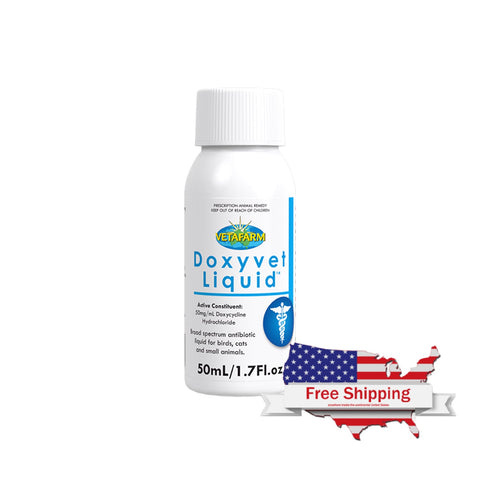
Fish Doxy — Doxycycline
Fish Doxy contains doxycycline and is available in several package counts through BirdAntibiotic.com.
Doxycycline belongs in the aquarium antibacterial comparison when a susceptible bacterial disease is being considered.
Explore Fish Doxy Doxycycline
Browse Fish Doxy 100 mg products and compare available package counts.
Fish Min — Minocycline
Fish Min is the BirdAntibiotic.com minocycline collection.
The current collection includes:
Fish Minocycline 100 mg — 30 Capsules.
Minocycline is a tetracycline-class antibacterial ingredient commonly researched by aquarium owners comparing systemic bacterial-care options.
Explore Fish Min Minocycline
Compare BirdAntibiotic.com minocycline-based ornamental aquarium products.
Fish Flox vs Fish Sulfa vs Fish Doxy vs Fish Min
| Product Family | Active Ingredient | Category | Commercial Search Intent |
|---|---|---|---|
| Fish Flox | Ciprofloxacin | Fluoroquinolone antibacterial | Septicemia, persistent bacterial disease, ulcerative infection searches |
| Fish Sulfa | Sulfamethoxazole + Trimethoprim | Combination antibacterial | SMZ/TMP, bacterial wound and systemic infection searches |
| Fish Doxy | Doxycycline | Tetracycline antibacterial | Broad aquarium bacterial-disease searches |
| Fish Min | Minocycline | Tetracycline antibacterial | Minocycline and aquarium systemic-infection searches |

Which Antibiotic Is Best for Fish Septicemia?
There is no universal product that is automatically best for every septicemia case.
Different outbreaks may involve:
- Different bacterial organisms
- Different susceptibility patterns
- Freshwater or marine bacteria
- Different stages of systemic disease
When disease is severe, recurrent or spreading through valuable fish, bacterial culture and susceptibility testing provide the most targeted information.
Do Not Automatically Combine Several Fish Antibiotics
Severe-looking red lesions do not automatically mean several medications should be combined.
Before changing or stacking products, reconsider:
- The diagnosis
- Water quality
- Whether the infection is systemic
- Whether another disease is present
- Medication compatibility
Activated Carbon During Treatment
Activated carbon may remove some medications from aquarium water.
Follow the exact instructions for the product being used.
Some protocols require temporary removal of:
- Activated carbon
- Other chemical filtration media
Maintain Strong Aeration
Systemically sick fish often have reduced physiological reserves.
Strong oxygenation becomes especially important when:
- Fish are breathing rapidly
- Water is warm
- Gill disease is present
- A hospital tank is being used
Can Ulcers Heal?
Yes.
When:
- Bacterial disease is brought under control
- Water quality is excellent
- Trauma stops
- The fish remains nutritionally stable
damaged tissue can begin repairing.
How Do You Know Septicemia Is Improving?
Positive signs include:
- No new hemorrhagic areas
- Red streaking fades
- Ulcers stop expanding
- Appetite improves
- Activity improves
- Swelling decreases
- Breathing normalizes
How Do You Know Septicemia Is Getting Worse?
Concerning progression includes:
- New red streaks
- Larger hemorrhagic patches
- Deepening ulcers
- Dropsy
- Popeye
- Appetite loss
- Rapid breathing
- Repeated deaths
Bacterial Septicemia in Goldfish
Goldfish may develop:
- Red streaks
- Ulcers
- Fin hemorrhage
- Dropsy
- Popeye
Aeromonas-associated ulcerative disease is particularly relevant in goldfish and koi.
Bacterial Septicemia in Koi
Koi may develop deep bacterial ulcers that begin as:
- Red patches
- Scale loss
- Localized swelling
and progress into deeper lesions.
Bacterial Infection in Bettas
Bettas may show systemic disease through:
- Red patches
- Fin deterioration
- Loss of appetite
- Bottom resting
- Swelling
Always check ammonia and temperature before assuming the problem is purely infectious.
Bacterial Infection in Cichlids and Discus
Possible bacterial-disease signs include:
- Darkened coloration
- Isolation
- Ulcers
- Red patches
- Reduced appetite
- Rapid breathing
But parasites, aggression and water-quality problems can create overlapping signs.
Explore Fish Antibiotics
Browse our Fish Antibiotics collection and explore aquarium bacterial-care products organized in one convenient place.
EXPLORE PRODUCTS →Frequently Asked Questions About Fish Septicemia
What is septicemia in aquarium fish?
Septicemia is serious systemic bacterial disease involving the bloodstream or multiple tissues and organs.
What does bacterial septicemia look like?
Common signs include red streaks, hemorrhagic patches, ulcers, fin damage, dropsy, popeye, appetite loss and lethargy.
Why does my fish have red streaks?
Red streaking can occur with systemic bacterial disease, but physical injury, ammonia irritation and other conditions can also cause redness.
Why does my fish have red spots under the skin?
Hemorrhage beneath the skin can occur when systemic bacterial disease damages small blood vessels.
Why does my fish have an open ulcer?
Ulcers can result from bacterial disease, physical trauma or wounds that become secondarily infected.
What bacteria cause fish septicemia?
Important freshwater groups include Aeromonas and Pseudomonas. Vibrio species are particularly relevant in marine fish.
What is Aeromonas in fish?
Aeromonas is a common group of aquatic bacteria associated with hemorrhage, ulcers, dropsy and systemic disease in susceptible fish.
Is fish septicemia contagious?
The syndrome itself is not one single contagious agent, but bacterial pathogens and shared environmental stress can affect multiple fish in the same system.
Can poor water quality cause septicemia?
Poor water quality can stress fish and strongly predispose them to opportunistic bacterial disease.
Can ammonia cause red streaks?
Ammonia can irritate and damage fish, especially the gills, but widespread red streaks, ulcers and hemorrhage can indicate additional bacterial disease.
Can septicemia cause dropsy?
Yes. Serious systemic bacterial disease can damage organs involved in fluid balance and contribute to dropsy.
Can septicemia cause popeye?
Yes. Systemic disease and fluid imbalance may contribute to protruding eyes.
Can septicemia cause fin rot?
Fin erosion can occur alongside systemic bacterial disease.
Should a fish with septicemia be quarantined?
A hospital aquarium is often useful for close monitoring and controlled treatment.
What is Fish Flox?
Fish Flox is the BirdAntibiotic.com product family containing ciprofloxacin-based ornamental aquarium antibacterial products.
What is Fish Sulfa?
Fish Sulfa contains sulfamethoxazole and trimethoprim, commonly abbreviated SMZ/TMP.
What is Fish Doxy?
Fish Doxy contains doxycycline and is available in multiple ornamental aquarium formats.
What is Fish Min?
Fish Min is the BirdAntibiotic.com collection for minocycline-based aquarium products.
Which fish antibiotic is best for septicemia?
The appropriate antibacterial depends on the organism and its susceptibility. Severe or recurring cases benefit from culture and sensitivity testing where available.
Can septicemia fish recover?
Recovery is possible, particularly when disease is identified early, stressors are corrected and effective treatment is started before severe internal damage develops.
How do I know a bacterial ulcer is healing?
The ulcer should stop expanding, redness should decrease and healthy tissue should gradually begin covering the damaged area.
Why does septicemia keep coming back?
Recurring disease often means an underlying stressor such as poor water quality, crowding, trauma or unstable environmental conditions has not been corrected.
The Professional Septicemia Treatment Framework
Step 1 — Identify the red streaks, hemorrhage and ulcers.
Step 2 — Test ammonia, nitrite, pH and temperature.
Step 3 — Improve oxygenation.
Step 4 — Correct overcrowding, trauma or poor water quality.
Step 5 — Use a hospital aquarium when appropriate.
Step 6 — Distinguish systemic bacterial disease from simple injury or ammonia damage.
Step 7 — Consider culture and susceptibility testing in severe or recurring cases.
Step 8 — Select an antibacterial product appropriate to the bacterial problem.
Step 9 — Monitor ulcers, hemorrhage, appetite and swelling daily.
Step 10 — Continue improving the aquarium environment so the infection does not immediately return.
Compare Fish Antibiotics at BirdAntibiotic.com
Browse Fish Flox, Fish Sulfa, Fish Doxy, Fish Min and other aquarium antibacterial families by active ingredient, strength and package size.
The Most Important Septicemia Rule
Do not treat only the red mark.
The red mark may be the visible part of a much larger problem.
Ask:
- Is the lesion spreading?
- Are additional hemorrhages appearing?
- Has appetite decreased?
- Is the fish developing ulcers?
- Is dropsy or popeye appearing?
- Are other fish becoming sick?
- What do the water tests show?
The strongest bacterial septicemia care program combines early recognition, excellent water quality, removal of stressors, hospital-tank management when needed and appropriately selected antibacterial treatment for the bacterial disease involved.
Recommended Products
Products selected to complement this guide.


Shop Related Products
Explore the products featured for this topic.


