 Help & Contact
 Track order












Psittacosis (Parrot Fever): Symptoms, Treatment, and Prevention – A Complete Bird Owner’s Guide
Bird AntibioticsPsittacosis (Parrot Fever): Symptoms, Treatment, and Prevention
Psittacosis, often referred to as Parrot Fever, is one of the most misunderstood and underestimated diseases in bird care. It is not rare, it is not harmless, and it is not limited to parrots.
This disease affects birds across many species and carries an additional layer of concern: it can be transmitted to humans.
Because of this dual risk — avian and human — psittacosis demands a level of awareness, precision, and responsibility far beyond that of routine bird illness.
What Exactly Is Psittacosis?
Psittacosis is caused by the bacterium Chlamydia psittaci, a unique organism that behaves differently from most common bacteria.
Unlike typical bacteria that live freely in tissues, Chlamydia psittaci is an intracellular pathogen. This means it lives and multiplies inside the bird’s cells, making it harder to detect and more difficult to eliminate.
This intracellular behavior is one of the main reasons psittacosis often becomes chronic, recurrent, or misdiagnosed as “just a respiratory infection.”
Why Psittacosis Is Different From Other Bird Infections
Many bird illnesses follow predictable patterns. Psittacosis does not.
Birds infected with Chlamydia psittaci may:
- Appear mildly sick for weeks
- Show intermittent symptoms that come and go
- Suddenly decline after stress
- Carry the infection without obvious signs
This makes psittacosis especially dangerous in:
- Multi-bird households
- Aviaries and breeding operations
- Rescue or newly acquired birds
Which Birds Can Carry Psittacosis?
Despite its nickname, parrot fever is not limited to parrots.
Psittacosis has been documented in:
- Parrots, cockatiels, and budgies
- Pigeons and doves
- Finches and canaries
- Backyard poultry and wild birds
Some birds become severely ill. Others become silent carriers.
A bird that looks “healthy” can still shed bacteria and infect other birds — or humans.
Why Psittacosis Is a Public Health Concern
Psittacosis is a zoonotic disease, meaning it can pass from birds to humans.
Humans are typically infected by inhaling dried droppings, feather dust, or respiratory secretions from infected birds.
In people, psittacosis can cause:
- Flu-like symptoms
- Severe pneumonia
- Prolonged fatigue
- Serious complications if untreated
This is why responsible bird ownership includes understanding psittacosis — even if your bird has never been sick before.
The Most Dangerous Myth About Psittacosis
The most dangerous myth is believing that psittacosis is rare or obvious.
In reality:
- It is underdiagnosed
- It often mimics common respiratory disease
- It can remain hidden until stress triggers symptoms
Many birds labeled as having “chronic respiratory issues” are later found to be psittacosis-positive.
Why This Guide Matters
This article exists to provide clarity where confusion is common.
We will cover:
- Early and advanced symptoms in birds
- How psittacosis spreads
- Why treatment requires specific antibiotics
- How long treatment must last
- How to protect other birds — and yourself
Psittacosis is serious — but with knowledge, discipline, and correct treatment, it is manageable.
In the next section, we will break down early, subtle, and advanced symptoms of psittacosis in birds, including the signs most owners miss.
Early, Subtle, and Advanced Symptoms of Psittacosis in Birds
Psittacosis is rarely dramatic at the beginning. In fact, its greatest danger lies in how quietly it develops. Many birds live with this infection for weeks or months before anyone realizes something is truly wrong.
Because Chlamydia psittaci lives inside cells, symptoms often appear in waves — improving briefly, then returning when the bird is stressed.
Early Symptoms Most Owners Miss
Early-stage psittacosis often looks like a “slight off day.” These signs are subtle and easy to dismiss.
- Mild lethargy or reduced activity
- Occasional fluffed feathers
- Decreased vocalization
- Slight appetite changes
- Intermittent sneezing
At this stage, birds may still eat, perch, and interact. This false sense of normalcy is what allows the disease to progress.
Why Early Symptoms Come and Go
Psittacosis symptoms often fluctuate because the immune system temporarily suppresses bacterial activity.
Stressors such as:
- Temperature changes
- Transport or rehoming
- Breeding activity
- Introduction of new birds
can trigger renewed bacterial replication, causing symptoms to reappear.
Progressive Symptoms as the Disease Advances
As infection deepens, symptoms become more consistent and harder to ignore.
- Persistent lethargy
- Noticeable weight loss
- Fluffed posture for extended periods
- Decreased appetite or selective eating
- Increased thirst
At this stage, many birds are mistakenly treated for “general respiratory infection.”
Respiratory Signs of Psittacosis
Respiratory symptoms are common but not always severe early on.
- Clear or cloudy nasal discharge
- Wet or crusted nares
- Tail bobbing during breathing
- Occasional open-mouth breathing
- Clicking or wheezing sounds
These signs often worsen at night or after exertion.
Digestive and Droppings Changes
Psittacosis frequently affects the liver and digestive system.
- Green or yellow droppings
- Loose or watery feces
- Foul-smelling droppings
- Reduced droppings volume
Liver involvement is one of the most overlooked aspects of this disease.
Advanced and Severe Symptoms
In advanced cases, birds may show signs of systemic failure.
- Severe weakness
- Inability to perch
- Closed or half-closed eyes
- Labored breathing
- Collapse or unresponsiveness
At this point, survival depends on immediate, targeted treatment and aggressive supportive care.
Carrier Birds: The Hidden Risk
Some birds never appear visibly ill. These carriers shed bacteria intermittently and infect other birds without warning.
Carrier birds are especially dangerous in:
- Aviaries
- Breeding programs
- Pet stores and rescues
Absence of symptoms does not mean absence of disease.
Key Takeaway
Psittacosis does not announce itself loudly. It whispers first — and waits.
Recognizing early patterns is the difference between controlled treatment and a full outbreak.
In the next section, we’ll explain how psittacosis spreads between birds and from birds to humans, and why prevention requires strict discipline.
How Psittacosis Spreads: Bird-to-Bird and Bird-to-Human Transmission
Understanding how psittacosis spreads is essential to stopping it. This disease does not require direct contact to move from one host to another. In many cases, transmission happens quietly through the environment.
Because Chlamydia psittaci survives outside the body long enough to be inhaled, psittacosis behaves differently from most routine bird infections.
Primary Route: Inhalation of Contaminated Particles
The most common route of transmission is inhalation. Birds — and humans — become infected by breathing in microscopic particles that contain the bacteria.
These particles most often come from:
- Dried droppings
- Feather dust and dander
- Respiratory secretions
- Contaminated cage debris
Normal cage cleaning can aerosolize these particles, especially when dry sweeping or shaking cage liners.
Bird-to-Bird Transmission in Shared Environments
Birds do not need to touch each other to spread psittacosis. Shared airspace alone can be enough.
High-risk environments include:
- Aviaries with shared ventilation
- Breeding rooms
- Pet stores and bird fairs
- Rescue and quarantine facilities
One infected bird can shed bacteria intermittently, infecting others without appearing severely ill itself.
Stress Increases Shedding and Spread
Stress plays a major role in transmission. Birds that are stressed shed more bacteria.
Common stress triggers include:
- Transport or rehoming
- Overcrowding
- Breeding
- Temperature extremes
- Introduction of new birds
This is why outbreaks often follow moves, breeding seasons, or flock changes.
Indirect Transmission Through Equipment
Psittacosis can spread through contaminated objects.
- Food and water dishes
- Cage tools
- Perches and toys
- Hands and clothing
Without proper hygiene, bacteria can be carried from one enclosure to another.
Bird-to-Human Transmission (Zoonotic Risk)
Humans contract psittacosis the same way birds do — by inhaling contaminated particles.
People at higher risk include:
- Bird owners and breeders
- Veterinary staff
- Pet store employees
- Rescue and wildlife workers
Human infection does not require bites or scratches. Normal daily exposure is sufficient in contaminated environments.
Why Psittacosis Often Goes Unnoticed in Humans
In humans, symptoms often resemble common flu or pneumonia. Many cases are misdiagnosed or never linked back to bird exposure.
Symptoms may include:
- Fever and chills
- Headache and fatigue
- Dry cough
- Chest pain
Without proper treatment, illness can become severe.
Why Quarantine Is Non-Negotiable
Because birds can shed bacteria without visible illness, quarantine is the only reliable way to protect existing birds.
New birds should always be:
- Housed separately
- Handled last
- Observed for extended periods
- Kept with dedicated equipment
Skipping quarantine is one of the most common causes of psittacosis outbreaks.
Key Takeaway
Psittacosis spreads primarily through the air and environment, not just direct contact.
Understanding transmission is the foundation for effective prevention and control.
In the next section, we’ll cover how psittacosis is diagnosed, why testing can be complicated, and what bird owners should realistically expect.
Diagnosing Psittacosis: Testing, Challenges, and False Negatives
Diagnosing psittacosis is one of the most challenging aspects of managing this disease. Unlike many infections that produce clear and consistent test results, psittacosis often hides — even when the bird is truly infected.
This diagnostic complexity is one of the main reasons psittacosis is underdiagnosed, mismanaged, or discovered only after an outbreak has occurred.
Why Psittacosis Is Difficult to Confirm
The bacteria responsible for psittacosis, Chlamydia psittaci, does not behave like typical surface-dwelling bacteria.
Because it lives inside cells, it may not always be present in detectable quantities in the samples commonly collected.
Birds may shed the organism intermittently, meaning a test taken at the wrong time can appear negative even when infection exists.
Common Diagnostic Methods Used
Several testing methods are used to detect psittacosis, each with advantages and limitations.
PCR Testing
Polymerase Chain Reaction (PCR) testing detects genetic material from the bacteria.
- Highly sensitive when bacteria are being shed
- Can be performed on swabs or droppings
- Most commonly used diagnostic method
However, PCR testing depends on active shedding. A bird that is infected but not shedding at the moment of testing may produce a false negative.
Blood Tests (Serology)
Blood tests measure the bird’s immune response rather than detecting the bacteria directly.
- Can indicate past or current exposure
- Less useful for determining active infection
- Results may lag behind clinical illness
Serology is often used as a supporting tool rather than a standalone confirmation.
Culture Methods
Culturing Chlamydia psittaci is technically difficult, time-consuming, and rarely performed in routine settings.
Because of biosecurity risks, culture testing is typically limited to specialized laboratories.
Understanding False Negatives
A negative test result does not always mean the bird is free of psittacosis.
False negatives can occur when:
- The bird is not shedding at the time of sampling
- Samples are improperly collected
- The infection is localized deep in tissues
- The bird has recently received antibiotics
This is why diagnosis often relies on a combination of test results, symptoms, exposure history, and response to treatment.
Clinical Diagnosis: When Treatment Proceeds Without Confirmation
In many cases, veterinarians and experienced bird caretakers must make a presumptive diagnosis.
This means treatment is initiated based on:
- Strong clinical signs
- Known exposure risk
- Failure to respond to other antibiotics
- Public health considerations
Waiting for perfect confirmation can allow the disease to progress or spread.
Why Early Testing Still Matters
Despite limitations, testing remains important.
- Positive results confirm diagnosis
- Documentation supports quarantine decisions
- Human exposure risk can be assessed
Repeated testing over time may increase the chance of detection.
What Bird Owners Should Realistically Expect
Psittacosis diagnosis is rarely instant or simple. It often requires patience, repeated evaluation, and a willingness to act responsibly even when answers are incomplete.
The focus should be on protecting birds and people, not on chasing a single definitive test result.
Key Takeaway
Psittacosis can exist even when tests are negative.
Diagnosis is based on patterns, not one isolated result.
In the next section, we will move into treatment strategy — including why psittacosis requires specific antibiotics and why treatment duration is critical.
Treating Psittacosis: Why Antibiotic Choice and Duration Matter
Treating psittacosis is not the same as treating a routine bacterial infection. Because Chlamydia psittaci lives inside cells, many common antibiotics are ineffective or only partially effective.
This is one of the most dangerous misunderstandings in bird care: birds may appear to improve temporarily, only to relapse weeks later if treatment is incomplete or incorrect.
Why Psittacosis Requires Specific Antibiotics
Intracellular bacteria are protected from many antibiotics that act outside the cell. To be effective, the medication must:
- Penetrate cells effectively
- Remain active inside tissues
- Be tolerated long-term by the bird
This significantly narrows the list of suitable antibiotics.
The Gold Standard: Tetracycline-Class Antibiotics
For decades, tetracyclines — particularly doxycycline — have been considered the most reliable treatment for psittacosis in birds.
Doxycycline works by inhibiting protein synthesis inside infected cells, gradually suppressing and eliminating the bacteria.
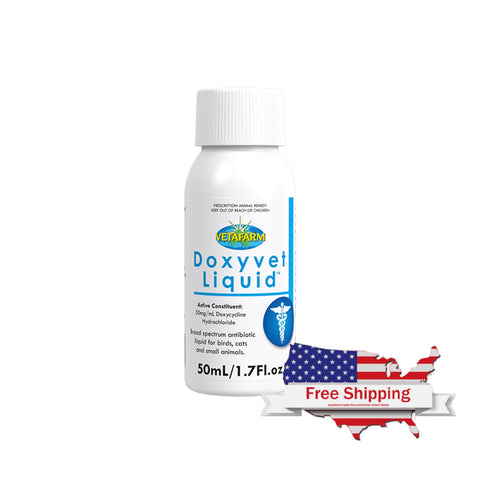
Bird-focused options such as Doxycycline 20% for Birds are commonly used when psittacosis is suspected or confirmed.
Why Other Antibiotics Often Fail
Antibiotics like penicillin or amoxicillin may temporarily reduce secondary infections, but they do not reliably clear psittacosis.
This can create a false sense of recovery while the core infection persists.
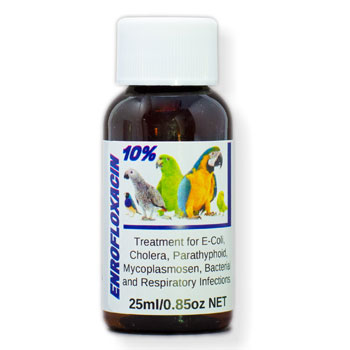
Broad-spectrum antibiotics such as enrofloxacin may provide partial improvement, but relapse is common without targeted treatment.
Treatment Duration: The Most Critical Factor
Psittacosis treatment is long — intentionally. Short courses almost always fail.
The bacteria reproduce slowly and hide inside cells, requiring sustained antibiotic pressure.
Stopping treatment early allows dormant bacteria to reactivate, often causing a more severe relapse.
Why Birds Seem Better Before They’re Cured
As bacterial activity decreases, inflammation drops and symptoms fade. This does not mean the infection is gone.
Owners often stop treatment at the first sign of improvement — a decision that almost guarantees recurrence.
Treating the Entire Flock When Necessary
In multi-bird environments, treating only visibly sick birds is rarely sufficient.
Because asymptomatic carriers exist, coordinated treatment and quarantine may be required to fully control the disease.
Monitoring During Treatment
During long-term treatment, close monitoring is essential.
- Track weight weekly
- Observe appetite and droppings
- Monitor energy levels
- Watch for digestive imbalance
Supportive care remains just as important as the antibiotic itself.
Key Takeaway
Psittacosis cannot be rushed. Correct antibiotic selection and full-length treatment are non-negotiable.
Partial treatment leads to relapse, continued shedding, and increased risk to other birds and humans.
In the next section, we’ll explain supportive care during psittacosis treatment, including how to protect the bird’s liver, digestion, and immune system.
Supportive Care During Psittacosis Treatment: Protecting the Bird While It Heals
Treating psittacosis is not just about eliminating the bacteria. It is equally about protecting the bird’s body during a long, demanding treatment process.
Because therapy is extended and the infection systemic, supportive care often determines whether treatment succeeds or the bird declines from exhaustion, liver stress, or secondary complications.
Why Supportive Care Is Especially Critical in Psittacosis
Psittacosis affects multiple organ systems — particularly the respiratory tract, liver, and digestive system.
At the same time, long-term antibiotics place additional strain on metabolism and gut balance.
Without proper support, birds may:
- Lose weight steadily
- Develop digestive imbalance or yeast overgrowth
- Experience liver stress
- Become too weak to complete treatment
Temperature and Energy Conservation
Birds fighting psittacosis burn enormous amounts of energy simply maintaining body temperature.
Providing consistent warmth:
- Reduces metabolic stress
- Improves immune efficiency
- Helps maintain body weight
Heat should always be gentle and optional — the bird must be able to move away if uncomfortable.
Hydration: Supporting Detoxification and Healing
Hydration is essential during long-term antibiotic therapy. Fluids support kidney function and help the body process both toxins and medication.
Dehydrated birds:
- Tolerate antibiotics poorly
- Lose appetite faster
- Decline more rapidly
Always ensure fresh, easily accessible water, especially for weak or lethargic birds.
Nutrition During Extended Treatment
Birds with psittacosis often eat less, but nutrition cannot be neglected.
The goal is consistency, not perfection.
- Offer familiar, preferred foods
- Favor easily digestible options
- Avoid major diet changes during treatment
Weight should be monitored weekly. Gradual loss is a warning sign that support needs to be adjusted.
Protecting the Digestive System
Long-term antibiotics disrupt normal gut flora, increasing the risk of yeast overgrowth.
Digestive imbalance may appear as:
- Regurgitation
- Loose or foul-smelling droppings
- Sudden appetite loss
Early recognition and intervention prevent treatment interruption later.
Liver Support and Monitoring
The liver is often involved in psittacosis, and it also processes antibiotics.
Signs of liver stress may include:
- Green or yellow droppings
- Persistent lethargy
- Reduced appetite despite stable breathing
Supporting liver health through proper nutrition, hydration, and stress reduction improves tolerance to long-term treatment.
Reducing Stress to Support Immune Recovery
Stress directly suppresses immune function and increases bacterial shedding.
During treatment:
- Limit handling
- Maintain a quiet environment
- Keep routines consistent
A calm bird responds better to treatment and recovers more completely.
Monitoring Progress Without Rushing Recovery
Improvement during psittacosis treatment is gradual. Expect slow, steady changes rather than dramatic shifts.
Positive signs include:
- Stabilized weight
- Improved posture
- Gradual return of appetite
- Reduced respiratory effort
Temporary plateaus are common and do not always indicate treatment failure.
Key Takeaway
Psittacosis treatment is a marathon, not a sprint.
Antibiotics control the infection, but supportive care keeps the bird strong enough to survive and fully recover.
In the next section, we’ll cover quarantine, isolation, and flock management to prevent spread during and after treatment.
Quarantine, Isolation, and Flock Management During Psittacosis
Psittacosis is not a disease that can be managed casually. Once it is suspected or confirmed, containment becomes just as important as treatment itself.
Because birds can shed Chlamydia psittaci without appearing ill, failure to implement strict quarantine protocols often leads to prolonged outbreaks and repeated reinfection.
Immediate Isolation: The First Critical Step
Any bird suspected of having psittacosis must be isolated immediately.
Isolation should involve:
- A separate room with a closed door
- No shared airflow with other birds if possible
- Dedicated cages, dishes, perches, and tools
Delaying isolation — even by a day — can expose the entire flock.
Handling Order and Human Movement
When caring for multiple birds, the order in which birds are handled matters.
- Healthy birds are handled first
- Suspect or infected birds are handled last
- Hands are washed thoroughly between birds
Clothing, gloves, and towels used with infected birds should not be reused elsewhere.
Airborne Risk and Room Management
Because psittacosis spreads through airborne particles, room setup plays a major role in containment.
- Avoid fans that circulate air between rooms
- Do not vacuum dry droppings or dust
- Use damp cleaning methods to prevent aerosolization
Dry sweeping is one of the most common causes of accidental spread.
Managing the Rest of the Flock
Birds that appear healthy may still be incubating or carrying the infection.
During an active psittacosis case:
- Stop introducing new birds
- Limit movement between enclosures
- Monitor all birds daily for subtle changes
Even minor symptoms in flockmates should be taken seriously.
When Entire Flocks May Require Treatment
In aviaries, breeding facilities, or rescue environments, individual isolation may not be sufficient.
Whole-flock treatment may be considered when:
- Multiple birds show symptoms
- Shared airspace cannot be separated
- Testing confirms widespread exposure
This decision should never be taken lightly, as long-term antibiotic use affects every bird involved.
Length of Quarantine During and After Treatment
Quarantine does not end when symptoms disappear.
Birds may continue to shed bacteria even after clinical improvement.
Quarantine should be maintained:
- Throughout the entire treatment course
- For a period after treatment completion
- Until birds are stable and symptom-free
Rushing reintegration is a common cause of relapse.
Protecting Human Health During Quarantine
Because psittacosis is zoonotic, protecting people in the household is essential.
- Wear gloves when cleaning cages
- Avoid face-level exposure
- Wash hands thoroughly after contact
- Seek medical advice if flu-like symptoms appear
Human illness may develop days or weeks after exposure.
Key Takeaway
Quarantine is not optional in psittacosis — it is part of treatment.
Effective isolation protects other birds, reduces reinfection, and safeguards human health.
In the next section, we’ll address prevention strategies and how to reduce the risk of psittacosis long-term.
Preventing Psittacosis: Long-Term Biosecurity and Risk Reduction
Preventing psittacosis is far easier than controlling it after exposure. Once Chlamydia psittaci enters a bird environment, eradication becomes complex, time-consuming, and stressful for both birds and owners.
True prevention is not a single action. It is a system — one that combines quarantine discipline, environmental hygiene, stress management, and informed sourcing.
Quarantine as a Permanent Habit, Not a One-Time Rule
The most effective preventive measure against psittacosis is consistent quarantine of all new birds, regardless of how healthy they appear.
New arrivals should be:
- Isolated in a separate room
- Kept on dedicated equipment
- Observed for extended periods
- Handled after resident birds
Many psittacosis cases enter homes through birds that never showed visible illness.
Environmental Hygiene: Reducing Invisible Exposure
Because psittacosis spreads through airborne particles, cleaning methods matter as much as cleanliness itself.
- Always dampen surfaces before cleaning
- Avoid dry sweeping or shaking cage liners
- Clean droppings before they dry and aerosolize
Good hygiene reduces environmental bacterial load and lowers exposure risk for both birds and humans.
Ventilation Without Cross-Contamination
Fresh air is beneficial, but shared airflow between rooms can spread infection.
Preventive strategies include:
- Separate airspaces for quarantined birds
- Avoiding fans that move air between enclosures
- Regularly cleaning air vents near bird rooms
Airborne pathogens do not respect cage boundaries.
Stress Reduction as Disease Prevention
Stress plays a major role in psittacosis activation and shedding.
Birds under chronic stress:
- Have weakened immune responses
- Shed more bacteria if infected
- Are more likely to relapse
Stable routines, proper nutrition, and predictable environments are powerful disease-prevention tools.
Monitoring Without Obsession
Prevention does not mean constant fear. It means informed awareness.
Bird owners should know:
- What normal behavior looks like
- Typical droppings patterns
- Baseline appetite and activity
Subtle changes detected early prevent large-scale outbreaks later.
Sourcing Birds Responsibly
Prevention begins before a bird ever enters the home.
Birds obtained from environments with unknown health protocols carry higher risk.
Responsible acquisition includes:
- Asking about quarantine practices
- Avoiding impulse purchases
- Planning isolation before arrival
Prevention starts with preparation, not luck.
Preparedness Without Panic
Preventive care does not mean medicating healthy birds. It means understanding what to do if illness appears.
Knowing where to find bird-specific care resources and medications allows for calm, deliberate action instead of rushed decisions.
Key Takeaway
Psittacosis prevention is about discipline, not fear.
Consistent quarantine, smart hygiene, stress reduction, and informed bird management dramatically reduce risk.
In the next section, we’ll explore psittacosis relapse, chronic carriers, and long-term monitoring — and how to prevent recurrence after treatment.
Psittacosis Relapse, Chronic Carriers, and Long-Term Monitoring
One of the most frustrating aspects of psittacosis is that treatment success does not always mean the story is over. Relapse and chronic carrier states are well-documented, especially when treatment is shortened or stress returns too quickly.
Understanding why relapse occurs — and how to prevent it — is essential for long-term bird and flock health.
Why Psittacosis Relapse Happens
Relapse is rarely caused by antibiotic failure alone. It is almost always linked to incomplete bacterial suppression or premature return to stressful conditions.
Common causes of relapse include:
- Stopping antibiotics early once symptoms improve
- Inconsistent dosing during treatment
- Re-exposure from untreated flockmates
- Stress-related immune suppression after treatment
Because Chlamydia psittaci can remain dormant inside cells, even small treatment gaps allow it to reactivate.
Understanding the Chronic Carrier State
Some birds do not fully clear the organism despite appearing clinically healthy.
These birds are known as chronic carriers.
Carrier birds:
- Show few or no outward symptoms
- Shed bacteria intermittently
- Can infect other birds without warning
- Often relapse under stress
This carrier state is one of the reasons psittacosis spreads silently in aviaries and rescues.
Stress as the Primary Trigger for Reactivation
Stress is the most powerful trigger for relapse.
Events that commonly cause reactivation include:
- Breeding season
- Transport or rehoming
- Temperature changes
- Dietary disruption
- Introduction of new birds
Birds that appear stable can deteriorate rapidly after these stressors.
Post-Treatment Monitoring: What to Watch For
Monitoring does not stop when antibiotics end. The weeks following treatment completion are critical.
Watch closely for:
- Subtle lethargy
- Reduced vocalization
- Mild respiratory sounds
- Changes in droppings color or consistency
- Gradual weight loss
Early recognition allows for rapid response before full relapse occurs.
Repeat Testing: When and Why
Follow-up testing may be considered after treatment completion, particularly in high-risk environments.
However, testing should be interpreted carefully. A negative result does not guarantee eradication, and a positive result may reflect residual shedding.
Monitoring clinical stability is often more valuable than repeated testing alone.
Long-Term Management in Multi-Bird Settings
In aviaries and breeding programs, long-term management strategies may be necessary.
- Strict quarantine for new arrivals
- Routine observation schedules
- Stress-minimizing housing arrangements
- Clear response protocols for illness
Preventing reintroduction is often more challenging than initial treatment.
Living With a History of Psittacosis
Birds that have recovered from psittacosis can live long, healthy lives.
The key is informed vigilance — not constant fear.
Owners who understand relapse patterns are able to act quickly and calmly if symptoms return.
Key Takeaway
Psittacosis does not always end when antibiotics stop.
Long-term success depends on full treatment completion, stress management, and ongoing observation.
In the next section, we’ll address human health considerations — including what bird owners need to know about personal safety and medical follow-up.
Human Health and Psittacosis: Protecting Yourself and Your Household
Psittacosis is not only an avian health issue — it is also a legitimate human health concern. Understanding the risks to people is a key part of responsible bird ownership.
While transmission from birds to humans is uncommon in well-managed environments, it can occur when precautions are ignored or when infection goes unrecognized.
How Humans Become Infected
Humans most often contract psittacosis by inhaling microscopic particles contaminated with Chlamydia psittaci.
Common exposure situations include:
- Cleaning cages with dry droppings
- Handling sick birds without protection
- Living in enclosed spaces with infected birds
- Exposure to feather dust in poorly ventilated areas
Direct contact, bites, or scratches are not required for transmission.
Symptoms of Psittacosis in Humans
In people, psittacosis often resembles a severe flu or atypical pneumonia.
Symptoms may develop days or weeks after exposure and can include:
- Fever and chills
- Headache and muscle aches
- Persistent dry cough
- Fatigue and weakness
- Chest discomfort
Because these symptoms are nonspecific, psittacosis is frequently misdiagnosed unless bird exposure is disclosed.
Who Is at Higher Risk?
Certain individuals are more likely to be exposed or affected.
- Bird owners and breeders
- Veterinary and pet store staff
- Rescue workers and wildlife handlers
- Individuals with weakened immune systems
Awareness and preventive behavior significantly reduce risk.
Protective Measures for Bird Owners
Simple, consistent practices dramatically reduce human exposure.
- Wear gloves when cleaning cages
- Moisten surfaces before cleaning
- Avoid face-level contact with sick birds
- Wash hands thoroughly after handling birds
- Change clothing after caring for infected birds
These precautions are especially important during active treatment or quarantine.
When to Seek Medical Advice
If a person develops flu-like or respiratory symptoms after exposure to birds — particularly birds suspected of psittacosis — medical advice should be sought promptly.
It is essential to inform healthcare providers about bird contact. This information often determines whether psittacosis is considered.
Household Management During Active Infection
When psittacosis is suspected or confirmed in birds, household routines should be adjusted.
- Limit bird access to shared living spaces
- Restrict cleaning duties to one person if possible
- Improve ventilation without circulating dust
- Keep vulnerable individuals away from infected birds
These temporary changes protect human health without compromising bird care.
Reducing Fear Through Knowledge
Psittacosis can sound alarming, but panic is neither helpful nor necessary.
Informed bird owners who follow proper hygiene, quarantine, and treatment protocols rarely experience human infection.
Knowledge replaces fear with confidence and allows birds and people to coexist safely.
Key Takeaway
Psittacosis is a shared health responsibility.
Protecting yourself protects your birds — and protecting your birds protects you.
In the next section, we’ll cover common mistakes and myths about psittacosis that lead to delayed treatment and unnecessary risk.
Common Myths and Dangerous Mistakes About Psittacosis
Psittacosis is surrounded by misinformation. Some of these myths sound reassuring, but they are precisely what allow the disease to spread quietly and return after treatment.
Understanding what not to believe is just as important as knowing what to do.
Myth #1: “My Bird Looks Healthy, So It Can’t Be Psittacosis”
One of the most dangerous assumptions is equating appearance with health.
Birds are prey animals. They instinctively hide illness until they no longer can.
Psittacosis is especially deceptive because:
- Birds may show only mild or intermittent signs
- Symptoms may disappear temporarily
- Carrier birds can look completely normal
A healthy-looking bird can still be infectious.
Myth #2: “A Short Course of Antibiotics Is Enough”
This mistake causes more relapses than any other factor.
Psittacosis requires long-term treatment because the bacteria live inside cells and replicate slowly.
Stopping antibiotics early:
- Suppresses symptoms without clearing infection
- Allows dormant bacteria to reactivate
- Creates chronic carrier birds
Improvement does not equal cure.
Myth #3: “If One Bird Is Sick, I’ll Just Treat That One”
In multi-bird households, treating only the visibly sick bird is rarely sufficient.
Because birds can shed bacteria without symptoms, untreated flockmates may:
- Reinfect the treated bird
- Develop illness later
- Spread the disease further
Psittacosis management often requires flock-level thinking, not individual reactions.
Myth #4: “Testing Negative Means We’re Safe”
A negative test result does not guarantee absence of disease.
False negatives occur because:
- Bacteria are shed intermittently
- Sampling timing matters
- Recent antibiotics reduce detectability
Clinical judgment remains essential.
Myth #5: “Psittacosis Only Affects Parrots”
The name “parrot fever” has created a false sense of limitation.
Psittacosis has been documented in:
- Pigeons and doves
- Finches and canaries
- Backyard poultry
- Wild birds
No bird species should be considered immune.
Myth #6: “Once Treated, It Can Never Come Back”
Psittacosis can recur if treatment is incomplete or if stress reactivates dormant infection.
This does not mean treatment failed — it means management must continue beyond medication.
Common Mistake: Ignoring Stress After Treatment
The post-treatment period is one of the most vulnerable times.
Birds returning immediately to:
- Breeding
- Transport
- Social stress
are far more likely to relapse.
Common Mistake: Poor Cleaning Techniques
Dry sweeping, shaking cage liners, and vacuuming contaminated dust increase airborne exposure.
Cleaning must always reduce dust — not redistribute it.
Key Takeaway
Most psittacosis problems are not caused by lack of care, but by well-intentioned mistakes.
Correcting myths protects birds, people, and future treatment success.
In the next section, we’ll provide a practical action plan — what to do immediately if psittacosis is suspected.
What to Do If You Suspect Psittacosis: A Step-by-Step Action Plan
When psittacosis is suspected, hesitation is the enemy. Calm, structured action protects your bird, prevents spread, and reduces risk to humans.
This step-by-step plan is designed to replace panic with clarity.
Step 1: Isolate Immediately
The moment psittacosis enters your thoughts, isolation becomes non-negotiable.
- Move the bird to a separate room
- Close doors to limit airflow
- Assign dedicated food and water dishes
- Use separate cleaning tools
Do not wait for confirmation. Isolation prevents exponential exposure.
Step 2: Reduce Stress and Stabilize the Bird
Stress accelerates bacterial shedding and worsens symptoms.
- Provide gentle warmth
- Maintain a quiet environment
- Limit handling to essentials only
- Ensure easy access to food and water
Stability buys time for effective treatment.
Step 3: Review Recent Exposure History
Psittacosis rarely appears without context.
Ask yourself:
- Was a new bird introduced recently?
- Has there been transport, breeding, or rehoming?
- Have multiple birds shown subtle symptoms?
- Was there recent stress or environmental change?
This information is critical for diagnosis and containment.
Step 4: Avoid Random or Short-Term Antibiotic Use
One of the most damaging responses is starting an inappropriate antibiotic “just to see if it helps.”
Incorrect antibiotics:
- Mask symptoms temporarily
- Delay correct treatment
- Increase relapse risk
- Complicate later diagnosis
Psittacosis requires specific medications and full-length treatment plans.
Step 5: Begin Targeted Treatment When Justified
When clinical signs strongly suggest psittacosis, treatment should not be delayed unnecessarily.
Tetracycline-based antibiotics are the cornerstone of therapy.
Bird-specific options such as Doxycycline 20% for Birds are commonly selected because they are designed for avian physiology and long-duration use.
Treatment must be consistent, uninterrupted, and completed fully.
Step 6: Protect Yourself and Others
Human safety must be addressed immediately.
- Wear gloves when cleaning
- Moisten surfaces before wiping
- Avoid face-level exposure
- Wash hands thoroughly after contact
If flu-like symptoms develop in people, medical advice should be sought and bird exposure disclosed.
Step 7: Monitor Progress Systematically
Improvement with psittacosis is gradual.
Track:
- Body weight weekly
- Appetite and water intake
- Droppings color and consistency
- Respiratory effort
Small improvements over time indicate progress.
Step 8: Maintain Quarantine Through Completion
Isolation must continue through the entire treatment course and beyond symptom resolution.
Reintroducing birds too early is a common cause of reinfection.
Step 9: Prepare for the Long Term
Psittacosis management does not end when medication does.
Ongoing prevention includes:
- Strict quarantine for future birds
- Stress reduction after recovery
- Continued observation for subtle relapse signs
Key Takeaway
Acting early, deliberately, and responsibly changes the outcome of psittacosis.
A clear plan replaces panic and protects birds and people alike.
In the next section, we’ll examine long-term recovery, reintegration, and life after psittacosis.
Life After Psittacosis: Recovery, Reintegration, and Long-Term Outlook
Completing treatment for psittacosis is a major milestone, but it is not the finish line. What happens after antibiotics end often determines whether recovery is permanent or whether relapse quietly takes hold.
Life after psittacosis requires patience, structure, and a shift from “crisis mode” to long-term health management.
Understanding the Recovery Phase
Recovery from psittacosis is gradual. Birds do not bounce back overnight, even when the infection has been controlled.
During early recovery, birds may:
- Have fluctuating energy levels
- Eat inconsistently for short periods
- Rest more than usual
- Regain strength slowly
These patterns are normal and do not necessarily indicate treatment failure.
Why Immediate Reintegration Is Risky
One of the most common post-treatment mistakes is rushing birds back into normal routines.
The immune system needs time to stabilize after prolonged antibiotic therapy. Sudden stress can:
- Trigger bacterial reactivation
- Cause immune suppression
- Lead to relapse in carrier birds
Reintegration should always be gradual and deliberate.
Criteria for Safe Reintegration
Before reintroducing a bird to others, several conditions should be met:
- Completion of the full treatment course
- Stable weight for multiple weeks
- No respiratory signs
- Normal droppings and appetite
- Consistent energy and posture
Absence of symptoms is more important than a single negative test result.
Gradual Reintroduction to Flock or Environment
Reintegration should occur in stages.
- Begin with visual contact only
- Allow limited shared airspace if possible
- Reintroduce shared spaces slowly
- Monitor behavior and droppings daily
Any setback warrants immediate reassessment.
Long-Term Stress Management
Birds with a history of psittacosis are more sensitive to stress triggers.
Long-term management includes:
- Stable routines
- Predictable lighting cycles
- Minimal environmental disruptions
- Avoidance of unnecessary transport
Stress reduction is one of the strongest tools for preventing relapse.
Nutrition After Extended Antibiotic Use
Extended treatment impacts digestion and metabolism. Post-treatment nutrition should focus on:
- Easily digestible foods
- Gradual return to normal diet
- Avoiding abrupt dietary changes
Weight monitoring remains important for several months after recovery.
Living With a Psittacosis History
A bird that has recovered from psittacosis can live a full, healthy life.
The difference lies in awareness. Owners who understand:
- Early warning signs
- Stress triggers
- Proper quarantine discipline
are able to intervene early if problems reappear.
When to Reevaluate
If symptoms return — even subtly — reassessment should be immediate.
Early intervention after relapse is far more effective than delayed response.
Key Takeaway
Life after psittacosis is not about fear or restriction.
It is about informed care, controlled reintegration, and respect for the bird’s recovery timeline.
In the next section, we’ll address long-term prevention strategies for households and aviaries, tying together everything learned so far.
Long-Term Prevention Strategies for Homes, Aviaries, and Breeding Setups
Long-term prevention of psittacosis is not achieved through a single rule or one-time protocol. It is the result of consistent habits, informed decision-making, and an environment designed to minimize both exposure and stress.
Whether you keep a single companion bird or manage a large aviary, the principles remain the same — only the scale changes.
Building a Prevention-Focused Mindset
The most important preventive tool is mindset.
Owners who successfully avoid psittacosis outbreaks do not rely on luck. They assume that:
- Any new bird could be an asymptomatic carrier
- Stress can activate dormant infection
- Prevention is cheaper and safer than treatment
This mindset leads to proactive behavior rather than reactive decisions.
Permanent Quarantine Protocols
Quarantine should never be optional or shortened for convenience.
Effective quarantine includes:
- A dedicated room with separate airflow when possible
- Exclusive equipment for quarantined birds
- Handling quarantined birds last
- Extended observation before integration
Many long-term psittacosis outbreaks can be traced back to a single skipped quarantine.
Environmental Design That Reduces Risk
How a bird space is designed has a direct impact on disease risk.
Safer environments prioritize:
- Easy-to-clean surfaces
- Good ventilation without dust circulation
- Reduced overcrowding
- Minimal shared airspace between groups
The goal is to limit both bacterial load and opportunities for spread.
Cleaning Protocols That Prevent Aerosolization
Cleanliness alone is not enough — technique matters.
Preventive cleaning practices include:
- Dampening droppings before removal
- Avoiding dry sweeping or shaking liners
- Using dedicated cleaning tools per area
- Cleaning frequently to prevent buildup
Reducing airborne dust is one of the most effective prevention strategies.
Stress Management as Disease Control
Stress is not just a welfare issue — it is a disease trigger.
Long-term prevention requires:
- Stable routines
- Predictable lighting cycles
- Avoiding unnecessary transport
- Careful management during breeding seasons
Birds with strong immune systems are far less likely to shed or reactivate infection.
Monitoring Without Creating Anxiety
Prevention does not mean constant suspicion.
It means knowing:
- Normal posture and activity
- Baseline appetite and weight
- Typical droppings patterns
Subtle changes detected early allow intervention before outbreaks occur.
Preparedness Instead of Emergency Decisions
The most effective prevention strategy is preparation.
Knowing where to access bird-specific health resources, antibiotics, and supportive products allows for calm, rational decisions when illness appears.
Dedicated bird health suppliers such as BirdAntibiotic.com exist precisely to reduce last-minute, high-risk choices.
Prevention in Breeding and Aviary Settings
Larger operations require stricter discipline.
- Structured intake protocols
- Clear isolation zones
- Consistent staff hygiene practices
- Documented health monitoring
Prevention must be system-based, not person-dependent.
Key Takeaway
Psittacosis prevention is not about fear or overmedication.
It is about systems that reduce exposure, strengthen immunity, and catch problems early.
In the next section, we’ll provide a professional summary and final guidance to bring everything together into a clear, actionable conclusion.
Final Summary, Professional Guidance, and Responsible Next Steps
Psittacosis is not a disease that rewards shortcuts. It requires respect for biology, patience with recovery, and discipline in prevention. When handled correctly, outcomes are overwhelmingly positive. When underestimated, consequences can extend far beyond a single bird.
What Psittacosis Demands From Bird Owners
Throughout this guide, one theme remains consistent: psittacosis management is a system, not a single action.
Successful outcomes depend on:
- Early recognition of subtle symptoms
- Immediate isolation and containment
- Correct antibiotic selection
- Full-length, uninterrupted treatment
- Strong supportive care
- Strict quarantine and hygiene protocols
Skipping any one of these steps increases the likelihood of relapse or spread.
The Professional Reality of Psittacosis
Psittacosis is not rare. It is simply underrecognized.
Many chronic respiratory or “mystery illness” cases in birds are later found to involve Chlamydia psittaci. This does not mean bird ownership is dangerous — it means informed care matters.
Experienced bird keepers understand that discipline protects freedom. Clear rules around quarantine, hygiene, and stress reduction allow birds to live full, enriched lives without constant medical intervention.
Why Responsible Treatment Protects Everyone
Treating psittacosis responsibly protects:
- The infected bird
- Other birds in the household or aviary
- Breeding programs and rescues
- Human caregivers and family members
This is why partial treatment, guesswork, or premature reintegration should never be considered acceptable.
Preparedness Over Panic
One of the clearest lessons from psittacosis cases is that panic causes mistakes — preparation prevents them.
Bird owners who:
- Understand disease patterns
- Maintain quarantine discipline
- Know where to find bird-specific resources
are able to respond calmly and effectively when illness appears.
Responsible Access to Bird-Specific Care
When antibiotic treatment is justified, using bird-specific formulations reduces dosing errors and improves long-term success.
Dedicated avian-focused resources such as BirdAntibiotic.com exist to support preparedness — not overuse.
Reviewing the full range of bird antibiotics and bird medications and supplements allows owners to plan responsibly instead of making rushed decisions during emergencies.
Living Confidently After This Guide
After reading this article, you should not feel fearful — you should feel informed.
Psittacosis is serious, but it is manageable. Birds recover. Flocks stabilize. Homes return to normal.
The difference lies in knowledge, discipline, and respect for the disease.
Final Professional Guidance
Observe early. Act deliberately. Treat fully. Prevent consistently.
These principles protect birds and people alike and ensure that psittacosis remains a solvable challenge — not a recurring crisis.
With preparation and responsible care, bird ownership remains safe, rewarding, and deeply fulfilling.


