 Help & Contact
 Track order













Preparing Breeding Birds: Health Checklist Before the Breeding Season
Bird AntibioticsWhy Pre-Breeding Health Preparation Is Non-Negotiable
Breeding season places extraordinary physical and biological demands on birds. What looks like a “healthy” bird during rest periods can quickly decline once pairing, egg production, feeding, and chick rearing begin. This is why serious breeders treat pre-breeding health preparation not as an option—but as a foundation.
Most breeding failures are not caused by genetics or bad luck. They are the result of birds entering the season with hidden weaknesses that only surface under stress.
Breeding Exposes What Daily Life Hides
Outside of breeding, many birds can compensate for minor problems: low-grade infections, parasite loads, nutritional imbalances, or early disease states.
Once breeding begins, that margin disappears. The immune system is diverted, metabolism increases, and stress hormones rise. Issues that were silent suddenly become visible—and damaging.
This is why breeders often say: “Everything looked fine… until breeding started.”
The Real Cost of Skipping Preparation
Entering breeding season without a structured health check often leads to:
- Infertile eggs or poor hatch rates
- Weak or slow-growing chicks
- Chicks dying within the first days of life
- Parents abandoning nests or failing to feed
- Sudden outbreaks of canker, respiratory illness, or digestive disease
These losses are not just emotional— they represent lost time, lost genetics, and lost progress.
Breeding Stress Lowers Disease Resistance
During breeding, birds experience:
- Hormonal shifts
- Increased nutrient demands
- Higher exposure to moisture and nesting debris
- Closer contact between pairs and chicks
This environment is ideal for dormant pathogens to activate. Diseases like canker, respiratory infections, and digestive imbalances commonly emerge not because they are “new”— but because birds were never fully stable to begin with.
Healthy Breeding Starts Before Pairing
Successful breeders understand a key principle: you cannot fix health problems once breeding is underway without consequences.
Treating illness during breeding often:
- Interrupts egg production
- Disrupts feeding behavior
- Exposes chicks to stress and medication
- Creates avoidable losses
Preparation shifts care from reaction to prevention. Instead of firefighting, you enter breeding season with birds that are stable, resilient, and biologically ready for reproduction.
Breeding Success Is Built, Not Hoped For
Consistently successful breeding programs share one thing: discipline before the season starts.
A structured pre-breeding health checklist:
- Reduces disease outbreaks
- Improves fertility and hatch rates
- Strengthens chick survival
- Protects valuable breeding stock
Preparation does not guarantee perfection— but skipping it almost guarantees problems.
Key Takeaway
Breeding magnifies everything—strengths and weaknesses alike. The work done before pairing determines whether breeding season becomes a period of progress or a cycle of loss and frustration.
In the next section, we’ll define exactly when breeders should begin preparation and why timing matters just as much as treatment.
Timing the Health Check: When to Start Preparing
One of the biggest mistakes breeders make is starting health preparation too late. By the time birds are paired, the window for safe correction has already narrowed. Proper preparation is not something done “right before breeding”— it begins well in advance.
The Ideal Preparation Window
In most cases, health preparation should begin 4 to 8 weeks before pairing. This timeframe allows enough margin to:
- Identify hidden health issues
- Complete treatments safely
- Allow birds to recover and stabilize
- Observe true baseline behavior
Rushing this process often forces breeders to choose between delaying breeding or proceeding with birds that are not ready.
Why Last-Minute Checks Fail
A quick check a few days before pairing may catch obvious illness, but it rarely detects deeper problems.
Last-minute preparation fails because:
- Many infections are still subclinical
- Treatments need time to work fully
- Recovery periods are ignored
- Stress overlaps directly with pairing
Birds that are medicated immediately before breeding often show reduced fertility, poor feeding behavior, or weakened chicks.
Adjusting Timing Based on Bird Type
While 4–8 weeks is a strong general guideline, timing should be adjusted based on bird type and use.
- Pigeons: Racing or transport birds may need extra recovery time before entering breeding.
- Aviary birds: Group housing requires earlier screening to prevent shared outbreaks.
- Pet birds: Subtle stress responses may require longer observation before pairing decisions.
Planning Backward From Pairing Date
Successful breeders plan backward.
Instead of asking, “Are my birds ready today?” they ask, “What do my birds need to be stable by pairing day?”
This approach allows:
- Clear scheduling of health checks
- Safe spacing between treatments
- Time for nutrition and conditioning
- Observation without pressure
Allowing Time for Recovery Is Not Optional
Even when treatment is necessary, birds must have time to recover fully before breeding stress begins.
Recovery time allows:
- Immune system normalization
- Hormonal balance to stabilize
- Feeding behavior to return to normal
Breeding immediately after treatment often undermines the very progress treatment achieved.
Key Takeaway
Timing determines outcome. Starting preparation early gives breeders control and flexibility, while late preparation forces compromise. The birds that breed best are almost always the ones that were ready long before pairing began.
In the next section, we’ll move into the first hands-on step: how to perform a full physical assessment and what signs breeders should evaluate first.
Full Physical Assessment: What to Observe First
Before any tests, treatments, or supplements are considered, breeders should begin with a careful physical assessment. This step sets the baseline. It tells you how each bird is truly doing before breeding pressure is added.
A proper physical assessment is not rushed and not limited to “does the bird look fine.” It focuses on details that often predict whether a bird will succeed or struggle during breeding.
Overall Posture and Movement
Start by observing the bird at rest and in motion.
Healthy breeding candidates should:
- Stand upright with balanced posture
- Move confidently without hesitation
- Grip perches firmly and evenly
Subtle warning signs include:
- Persistent fluffing of feathers
- Sitting low or crouched posture
- Reluctance to move or fly
These signs often appear weeks before obvious illness and should never be ignored.
Feather Quality and Condition
Feathers are one of the most reliable indicators of long-term health.
A bird ready for breeding typically shows:
- Smooth, tight feathering
- Natural sheen without excessive dustiness
- No bald patches or broken feathers
Poor feather quality may signal:
- Nutritional deficiencies
- Chronic stress
- Parasite presence
- Underlying disease
Breeding birds should never enter the season while actively molting or repairing damaged plumage.
Eyes, Face, and Alertness
Healthy birds have a distinct look of alertness.
Check for:
- Bright, clear eyes
- No swelling around eyelids
- No discharge or crusting
- Responsive head movement
Dull eyes, half-closed lids, or reduced responsiveness often indicate systemic stress or infection.
Nostrils and Facial Cleanliness
Examine the nostrils and surrounding facial feathers.
Normal findings include:
- Dry, clean nostrils
- No bubbling or wetness
- No staining of facial feathers
Persistent moisture, crusting, or discoloration around the nares can signal early respiratory problems that often worsen during breeding.
Breathing Pattern at Rest
Observe breathing when the bird is calm.
Healthy breathing is:
- Quiet
- Even
- Effortless
Warning signs include:
- Tail bobbing
- Open-mouth breathing
- Audible clicks or wheezes
Even mild respiratory strain can become a major problem once breeding stress begins.
Behavior and Interaction
Finally, assess behavior within the group.
Strong breeding candidates typically:
- Engage normally with others
- Respond to environmental cues
- Maintain regular feeding patterns
Birds that isolate themselves, avoid interaction, or show sudden personality changes often do so for health-related reasons.
Key Takeaway
A full physical assessment is the foundation of responsible breeding preparation. The goal is not to find perfection, but to identify weaknesses early— when they can still be corrected safely.
In the next section, we’ll go deeper into body condition, weight, and muscle tone—factors that directly influence fertility, endurance, and chick survival.
Weight, Muscle Tone, and True Breeding Readiness
One of the most misunderstood aspects of breeding preparation is body condition. Many breeders rely on weight alone, assuming that a bird within a “normal range” is automatically ready for breeding. In reality, weight without muscle tone tells only part of the story.
Successful breeding depends on strength, endurance, and metabolic stability— not just numbers on a scale.
Why Weight Alone Is Misleading
Two birds can weigh the same and have completely different breeding outcomes.
A bird may appear heavy due to:
- Excess fat rather than muscle
- Fluid retention from low-grade illness
- Poor conditioning after inactivity
Conversely, a slightly lighter bird with strong muscle tone often outperforms a heavier but poorly conditioned one during breeding.
Assessing Breast Muscle Correctly
The breast muscle is the most reliable indicator of functional fitness in birds.
When gently palpating the breast:
- The keel bone should be easily felt but not sharp
- Muscle should feel firm and rounded on both sides
- There should be symmetry between left and right sides
Warning signs include:
- A sharp, prominent keel with little muscle padding
- Soft, flabby muscle texture
- Uneven muscle development
Birds showing these signs are at higher risk of exhaustion, poor feeding, and reduced fertility once breeding begins.
Underweight Birds and Breeding Failure
Birds that enter breeding underweight often struggle to meet energy demands.
Common consequences include:
- Infertile or weak eggs
- Reduced incubation commitment
- Inability to feed chicks adequately
- Rapid weight loss during chick rearing
These birds may appear eager to breed but lack the reserves to sustain the process.
Overweight Birds and Hidden Risks
Excess body fat creates a different set of problems.
Overweight breeding birds may experience:
- Reduced fertility
- Egg-binding in females
- Poor stamina during incubation
- Lower chick feeding efficiency
Fat also interferes with normal hormone balance, which can disrupt breeding behavior and timing.
Conditioning Birds Safely Before Breeding
Conditioning should begin well before pairing.
Effective conditioning focuses on:
- Gradual dietary adjustments
- Encouraging natural movement and flight
- Avoiding sudden feed restriction or overfeeding
Rapid changes in weight— either gain or loss— increase stress and undermine immune stability.
Monitoring Changes Over Time
Body condition should be tracked, not guessed.
Regular hands-on checks allow breeders to:
- Spot gradual decline early
- Adjust nutrition before problems escalate
- Confirm that conditioning efforts are working
Birds rarely improve accidentally— improvement is the result of consistent monitoring.
Key Takeaway
True breeding readiness is defined by balance. Birds should enter the season neither depleted nor overburdened, but strong, lean, and resilient. Muscle tone—not scale weight— is the most reliable predictor of breeding success.
In the next section, we’ll focus on one of the most critical yet overlooked checks: examining the beak, mouth, and throat for early signs of disease before pairing.
Beak, Mouth, and Throat Examination: A Critical Pre-Breeding Check
The beak, mouth, and throat are among the most important areas to examine before breeding—yet they are often overlooked. Many of the diseases that devastate breeding programs, especially canker (trichomoniasis), begin here long before obvious symptoms appear.
Birds can look strong, active, and well-conditioned, while quietly carrying early oral infections that explode once breeding stress begins.
Why Oral Health Matters So Much Before Breeding
During breeding, birds rely heavily on their mouths and crops:
- Feeding partners and chicks
- Crop milk production in pigeons
- Frequent regurgitation and swallowing
Any irritation, lesion, or infection in this area directly interferes with feeding efficiency and increases the risk of chick loss.
How to Safely Examine the Mouth and Throat
Examination should be calm, gentle, and deliberate.
When checking the mouth:
- Ensure good lighting
- Open the beak gently—never force it
- Observe color, moisture, and symmetry
Healthy oral tissue appears:
- Smooth and pink
- Moist but not sticky or slimy
- Free of odor, swelling, or buildup
Early Warning Signs Breeders Must Not Ignore
Even subtle abnormalities can signal trouble ahead.
Red flags include:
- Small yellow or white spots
- Thickened or uneven tissue
- Redness or irritation at the back of the throat
- Excess saliva or stringy mucus
- Unpleasant odor from the mouth
These findings often precede full-blown canker outbreaks once birds are paired.
Canker: The Silent Breeding Season Destroyer
Canker is one of the most common causes of breeding failure worldwide.
Birds may carry Trichomonas gallinae without visible plaques, yet still pass the parasite to:
- Breeding partners
- Chicks during feeding
- The entire loft through shared water
This is why oral checks are essential even when birds appear healthy.
When Preventive Action Is Justified
In lofts or aviaries with a history of canker, preventive treatment before breeding is often considered safer than reacting mid-season.
Products used specifically for avian canker support, such as metronidazole-based options, are commonly reviewed before pairing, including Metronidazole 20% Powder for Birds .
Preventive use should always be timed early enough to allow full treatment and recovery before breeding begins.
What Not to Do During Oral Checks
Avoid common mistakes such as:
- Scraping or removing plaques manually
- Applying harsh disinfectants inside the mouth
- Ignoring mild changes because the bird “seems fine”
Improper handling can worsen tissue damage and increase infection risk.
Key Takeaway
The mouth and throat reveal problems long before breeding failure occurs. Detecting and addressing oral health issues early protects breeding pairs, chicks, and the entire program from preventable loss.
In the next section, we’ll examine respiratory health and why silent respiratory infections often surface once breeding stress begins.
Respiratory Health: Identifying Silent Problems Before Breeding
Respiratory issues are among the most underestimated threats to breeding success. Birds may appear energetic and outwardly healthy, yet carry low-grade respiratory infections that only become obvious once breeding stress begins.
When this happens mid-season, the result is often poor fertility, weak chick growth, or sudden illness that disrupts the entire breeding cycle.
Why Respiratory Problems Surface During Breeding
Breeding increases oxygen demand, metabolic rate, and exposure to dust, nesting material, and moisture.
At the same time:
- Hormonal changes suppress immune response
- Stress hormones increase
- Close contact between birds intensifies
This combination allows dormant respiratory infections to flare quickly.
Early Respiratory Signs Breeders Often Miss
Respiratory illness does not always start with dramatic symptoms.
Early warning signs include:
- Occasional sneezing
- Mild tail bobbing at rest
- Wet or stained feathers around the nostrils
- Subtle reduction in vocalization or activity
These signs may come and go, which is why they are often dismissed. During breeding, however, they tend to worsen rapidly.
Listening to Breathing at Rest
One of the most useful assessments is simply listening.
In a quiet environment, healthy breathing should be:
- Silent
- Even
- Effortless
Clicking, wheezing, or exaggerated chest movement indicates respiratory compromise that should be addressed before pairing.
Nasal Discharge and Facial Staining
Any persistent moisture around the nares deserves attention.
Warning signs include:
- Bubbling at the nostrils
- Sticky discharge
- Darkened or matted facial feathers
Even mild discharge suggests inflammation that may worsen under breeding conditions.
Why “Mild” Respiratory Issues Are Not Mild in Breeding
Birds with compromised breathing often:
- Fatigue more quickly during incubation
- Feed chicks less efficiently
- Lose weight faster under stress
In breeding birds, respiratory efficiency directly impacts stamina and parental performance.
When Pre-Breeding Treatment May Be Necessary
If respiratory signs are present, addressing them before breeding is far safer than attempting treatment mid-season.
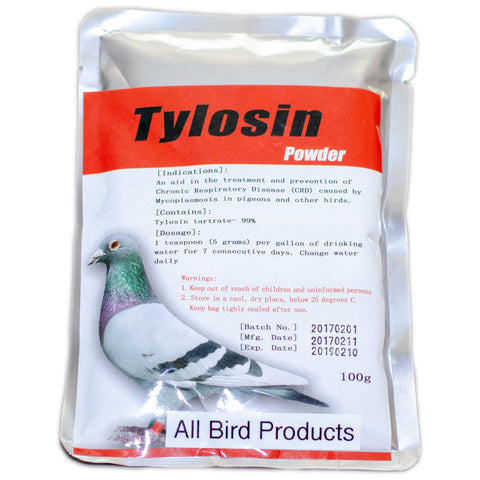
Bird-specific respiratory support options are often reviewed during preparation, including doxycycline- or tylosin-based products used when clearly indicated. These options are commonly found within the Bird Antibiotics collection .
Any treatment should be completed early enough to allow full recovery before pairing.
Environmental Factors That Mimic Respiratory Disease
Not all respiratory signs are infectious.
Environmental contributors include:
- Poor ventilation
- High dust levels
- Excess humidity
- Ammonia buildup from droppings
Correcting these factors is as important as medical intervention.
Key Takeaway
Respiratory health must be stable before breeding begins. What seems mild during rest can become performance-limiting under breeding stress. Early detection and correction protect both breeders and future chicks.
In the next section, we’ll evaluate digestive health and how droppings reveal problems long before visible illness appears.
Digestive Health and Droppings: Reading the Early Warning Signs
Digestive stability is one of the strongest predictors of breeding success. Before breeding begins, the digestive system should be efficient, balanced, and resilient. Even minor digestive disturbances can cascade into poor fertility, weak chicks, and reduced parental performance.
Droppings provide one of the clearest, most immediate windows into digestive health— if breeders know what to look for.
What Healthy Droppings Look Like Pre-Breeding
While droppings vary slightly by species and diet, healthy breeding candidates generally produce droppings that are:
- Well-formed and consistent in shape
- Neither overly watery nor excessively dry
- Free of strong or foul odor
- Uniform in color over time
Occasional variation can be normal, but persistent changes are not.
Digestive Red Flags Before Breeding
Certain droppings patterns should always prompt investigation, especially before pairing:
- Persistent diarrhea or watery droppings
- Undigested food particles
- Foamy or bubbly appearance
- Strong sour or rotten odor
- Sudden color changes unrelated to diet
These signs often point to underlying issues that breeding stress will only intensify.
Common Digestive Problems That Surface During Breeding
Birds entering breeding with borderline digestive health often develop:
- Reduced nutrient absorption
- Rapid weight loss during chick feeding
- Inconsistent feeding behavior
- Weaker immune response
This not only affects parents but directly impacts chick growth and survival.
Protozoal and Bacterial Imbalances
Digestive imbalance may be linked to:
- Protozoal organisms such as trichomonas
- Bacterial overgrowth
- Stress-related gut disruption
Identifying and correcting these imbalances before breeding prevents the need for disruptive mid-season treatment.
Why “Good Appetite” Is Not Enough
Birds may continue eating even when digestion is inefficient.
Signs of poor digestive efficiency include:
- Eating normally but failing to maintain weight
- Excessive droppings volume
- Fluctuating body condition
Breeding demands efficient nutrient conversion, not just food intake.
Supporting Digestive Stability Before Pairing
Digestive preparation focuses on consistency and balance.
Key practices include:
- Maintaining a stable, high-quality diet
- Avoiding frequent feed changes before breeding
- Ensuring clean water at all times
- Correcting issues early rather than monitoring passively
When Pre-Breeding Treatment Is Warranted
Persistent digestive abnormalities should never be ignored going into breeding.
When indicated, bird-specific digestive support or treatment may be reviewed early in preparation, often using products found in the Bird Antibiotics collection , with enough time allowed for full recovery.
Key Takeaway
Stable digestion is essential for reproductive success. Droppings tell a story long before birds show obvious illness. Reading and responding to these signals early protects breeding birds and gives chicks the strongest possible start.
In the next section, we’ll focus on parasite control before breeding and why parasite load—even when invisible— directly reduces hatch rates and chick survival.
Parasite Control Before Breeding: An Often Overlooked Factor
Parasites—both external and internal—can quietly undermine even the most carefully selected breeding birds. Many breeders underestimate their impact because infestations are not always obvious. However, parasite load directly affects fertility, stamina, immune function, and chick survival.
Entering breeding season without addressing parasites places birds at an immediate disadvantage.
Why Parasite Load Matters During Breeding
Breeding dramatically increases nutritional and energy demands. Parasites compete for these same resources.
Even low-level infestations can lead to:
- Reduced nutrient absorption
- Lower egg fertility and hatch rates
- Fatigue during incubation and chick feeding
- Slower chick growth and higher mortality
Birds may cope with parasites during rest periods, but breeding exposes the cost of that burden.
External Parasites: What to Look For
External parasites often increase in warm, humid conditions, which commonly coincide with breeding season.
Common external parasites include:
- Mites
- Lice
- Feather parasites
Warning signs may include:
- Excessive scratching or preening
- Feather damage or loss
- Restlessness, especially at night
- Pale skin or reduced condition
External parasites also stress birds, reducing immune resilience during breeding.
Internal Parasites and Their Hidden Impact
Internal parasites are often invisible without testing or careful observation.
They may contribute to:
- Weight loss despite normal appetite
- Inconsistent droppings
- Reduced vitality and stamina
- Delayed recovery after stress
Birds with internal parasites struggle to meet the metabolic demands of breeding.
Timing Parasite Control Correctly
Parasite control should be completed well before pairing begins.
This allows:
- Full elimination of parasites
- Recovery of body condition
- Stabilization of digestion and immunity
Treating parasites during active breeding can disrupt feeding behavior and increase stress for both parents and chicks.
Environmental Control Is Part of Parasite Management
Treating birds alone is not enough if the environment remains contaminated.
Effective parasite control includes:
- Cleaning and drying nesting areas
- Replacing heavily contaminated bedding
- Reducing moisture and humidity
- Improving ventilation
This reduces reinfestation risk and improves long-term results.
Avoiding Overuse of Treatments
More treatment is not always better. Overusing parasite products can stress birds and disrupt normal balance.
The goal is:
- Targeted treatment when needed
- Completed well before breeding
- Followed by a recovery period
Key Takeaway
Parasite control is not just a hygiene issue— it is a performance factor. Addressing parasite load before breeding improves fertility, stamina, and chick survival, setting the stage for a successful season.
In the next section, we’ll focus on one of the most critical diseases to screen for before pairing: canker (trichomoniasis), and why it is responsible for so many breeding failures.
Canker (Trichomoniasis) Screening Before Pairing
If there is one disease responsible for more breeding failures than any other, it is canker (trichomoniasis). Many breeders only react once chicks start dying or parents stop feeding— but by then, the damage is already done.
Screening for canker before pairing is one of the most powerful steps a breeder can take to protect fertility, chick survival, and long-term loft health.
Why Canker Is Especially Dangerous During Breeding
Canker is caused by the protozoan parasite Trichomonas gallinae. Adult birds may carry it with few or no symptoms, yet breeding stress allows the parasite to multiply rapidly.
During breeding, transmission increases because of:
- Beak-to-beak contact between pairs
- Shared drinking water
- Crop feeding of chicks
This is why birds that seemed “fine” can suddenly collapse once breeding begins.
Carrier Birds: The Hidden Threat
One of the most dangerous aspects of canker is the presence of asymptomatic carriers.
These birds:
- Show no obvious mouth lesions
- Maintain normal appetite and behavior
- Still shed parasites into water and feed areas
When paired, carriers frequently infect:
- Their mate
- Their chicks
- Multiple birds within the same loft
What to Look for During Pre-Breeding Screening
In addition to visible plaques, breeders should watch for subtle indicators:
- Repeated swallowing or head shaking
- Dropping or playing with food
- Excess saliva or wet feathers around the beak
- Slight weight loss despite normal eating
These early signs often appear weeks before advanced lesions develop.
When Preventive Treatment Makes Sense
In lofts or aviaries with a known history of canker, many breeders choose to treat proactively rather than wait for visible disease.
Bird-specific options designed for canker support are commonly reviewed during this phase, including metronidazole-based products such as Metronidazole 20% Powder for Birds .
Any preventive approach must be completed early enough to allow:
- Full treatment duration
- Complete recovery
- Observation before pairing
Why Treating During Breeding Is Risky
Treating canker once chicks are present introduces multiple risks:
- Interrupted feeding behavior
- Stress-related abandonment
- Medication exposure to chicks
Preventive screening avoids these complications entirely.
Water Hygiene Is Part of Screening
Even birds that test clear can be reinfected quickly if water hygiene is poor.
Before pairing:
- Clean and disinfect drinkers daily
- Eliminate shared open water containers
- Ensure drinkers dry completely between uses
Key Takeaway
Canker screening before breeding prevents one of the most common and devastating causes of chick loss. Identifying carriers and addressing risk early protects the entire breeding program from avoidable failure.
In the next section, we’ll move beyond canker and examine low-grade bacterial infections that often surface once breeding stress begins.
Low-Grade Bacterial Infections: The Breeding Stress Trigger
Not all bacterial infections announce themselves loudly. Some remain low-grade and hidden for months, only to surface once breeding begins. This is one of the most frustrating situations for breeders— birds look healthy, pair normally, then suddenly fertility drops or chicks fail to thrive.
Understanding and addressing these infections before breeding prevents avoidable losses and mid-season intervention.
Why Breeding Activates Dormant Bacterial Problems
Breeding places intense pressure on a bird’s immune system. Hormonal shifts, increased energy demand, and close contact between mates create ideal conditions for bacteria to multiply.
Common outcomes include:
- Reduced egg fertility
- Early embryo death
- Weak hatchlings
- Parents that stop feeding prematurely
These failures are often blamed on “bad luck” when the real cause is an unmanaged infection.
Common Bacterial Targets in Breeding Birds
Low-grade infections commonly affect:
- Respiratory tract
- Digestive system
- Reproductive organs
- Skin and feather follicles
Because symptoms are subtle, birds may appear normal until breeding stress reveals the problem.
Signs That Suggest Bacterial Imbalance
Watch closely for patterns rather than single symptoms:
- Inconsistent droppings over time
- Fluctuating body condition
- Reduced stamina during incubation
- Repeated breeding failures without clear cause
These signs often appear in otherwise “good” birds.
Why Waiting Until Symptoms Appear Is a Mistake
Treating bacterial infections during breeding is significantly more difficult and risky.
Mid-season treatment can:
- Disrupt feeding of chicks
- Increase abandonment risk
- Expose chicks to medication unnecessarily
Pre-breeding intervention avoids these complications entirely.
Pre-Breeding Review of Bacterial Support Options
In lofts or aviaries with a history of bacterial problems, breeders often review bird-specific antibacterial options well before pairing.
Products commonly considered include amoxicillin-based and combination formulas designed for avian use, found within the Bird Antibiotics collection , allowing time for full treatment and recovery.
Environmental Factors That Encourage Bacterial Growth
Bacteria thrive when conditions allow.
Risk factors include:
- High humidity
- Poor ventilation
- Wet nesting material
- Infrequent cleaning of feeders and drinkers
Addressing these factors is just as important as medical intervention.
Key Takeaway
Low-grade bacterial infections are silent breeding disruptors. Identifying and correcting them before breeding protects fertility, chick survival, and the long-term health of the loft.
In the next section, we’ll focus on viral considerations and why immunity and recovery time are critical before the breeding season begins.
Viral Exposure, Immunity, and Recovery Time Before Breeding
Viral diseases are often misunderstood in breeding programs. Unlike bacterial or parasitic infections, viruses cannot always be “cleared” with treatment. What matters most before breeding is immune strength, recovery status, and adequate time for the body to stabilize.
Birds that enter breeding while still recovering from viral stress—even if they look normal— are at higher risk of fertility problems and poor chick outcomes.
Why Viral Stress Impacts Breeding Performance
Viral exposure places long-term strain on the immune and metabolic systems.
During breeding:
- Immune resources are redirected toward reproduction
- Hormonal shifts reduce viral resistance
- Physical recovery capacity is limited
Birds that have not fully stabilized may relapse or show delayed complications.
Common Viral Challenges in Breeding Birds
While viruses vary by species and region, common concerns in breeding lofts and aviaries include:
- Paramyxovirus-related weakness or neurological signs
- Herpesvirus-associated stress responses
- Immunosuppressive viral conditions
Even mild infections can suppress immunity long after visible symptoms disappear.
Why “They Look Recovered” Is Not Enough
Visual recovery does not equal physiological recovery.
Birds may appear normal while still experiencing:
- Reduced immune reserves
- Lower energy efficiency
- Delayed tissue repair
Breeding during this window increases the risk of setbacks.
The Importance of Recovery Time
Adequate recovery time after illness is one of the most overlooked aspects of breeding preparation.
Recovery time allows:
- Immune system stabilization
- Restoration of normal metabolism
- Rebuilding of muscle and body reserves
Rushing birds back into breeding often results in poor long-term performance.
Supporting Immunity Before Pairing
While viruses themselves may not be treatable, immune support is essential.
Pre-breeding support focuses on:
- Balanced nutrition
- Stable environment
- Minimizing stressors
- Avoiding unnecessary medication
Overmedicating birds can weaken immunity rather than strengthen it.
Isolation and Observation
Birds with recent illness history should be isolated and observed before re-entering the breeding group.
This period allows breeders to:
- Confirm stable weight and condition
- Monitor droppings and behavior
- Ensure no relapse occurs
Key Takeaway
Viral exposure does not automatically exclude a bird from breeding, but incomplete recovery does. Strong immunity and adequate recovery time are essential for fertility, stamina, and chick survival.
In the next section, we’ll examine vaccination timing and how improper scheduling can interfere with breeding success.
Vaccination Timing: Avoiding Costly Mistakes Before Breeding
Vaccination is a powerful preventive tool, but poor timing can undermine its benefits—especially in breeding birds. One of the most common mistakes breeders make is vaccinating too close to pairing, assuming protection begins immediately and without consequence.
In reality, vaccination temporarily stresses the immune system, and breeding during this window can compromise fertility, hatchability, and chick vitality.
How Vaccination Affects the Body
Vaccines work by stimulating the immune system. This activation is intentional, but it is not free of cost.
Following vaccination, birds often experience:
- Short-term immune stress
- Increased energy demand
- Temporary reduction in performance
While healthy birds recover well, adding breeding stress too soon can push the body beyond its limits.
Why Vaccinating During Active Breeding Is Risky
Vaccinating birds that are already paired, incubating, or feeding chicks increases the risk of:
- Egg abandonment
- Reduced fertility or hatch rates
- Decreased feeding consistency
- Temporary weakness or lethargy
Even if no obvious illness occurs, subtle performance loss can affect results.
Ideal Vaccination Windows
Vaccines should be administered well in advance of breeding.
This allows time for:
- Full immune response development
- Resolution of post-vaccination stress
- Return to peak physical condition
Birds should appear fully stable before pairing begins.
Spacing Vaccination and Other Treatments
Vaccination should not overlap with major treatments or conditioning efforts.
Avoid vaccinating:
- Immediately after antibiotic treatment
- During parasite elimination
- While birds are regaining weight or muscle
Stacking stressors reduces effectiveness and increases setback risk.
Monitoring Birds After Vaccination
Observation after vaccination is critical.
Monitor for:
- Stable appetite
- Normal droppings
- Consistent weight
- Normal behavior and activity
Birds that fail to rebound fully should not be pushed into breeding.
Individual Variation Matters
Not all birds respond to vaccines identically.
Older birds, previously ill birds, or those with marginal condition may require additional recovery time.
Breeding decisions should be based on readiness, not calendar deadlines.
Key Takeaway
Vaccines protect long-term health, but only when timed correctly. Completing vaccination early and allowing full recovery preserves fertility and breeding performance.
In the next section, we’ll focus on nutritional conditioning and how diet must be adjusted before—not during—the breeding season.
Nutritional Conditioning: Preparing the Body for Breeding Demands
Nutrition is not just fuel—it is the foundation upon which fertility, egg quality, incubation endurance, and chick development are built. One of the most common breeding mistakes is waiting until birds are paired to “improve the diet.”
By the time breeding begins, nutritional conditioning should already be complete. The body must enter the season prepared, not adjusting.
Why Diet Changes During Breeding Cause Problems
Sudden dietary changes during breeding disrupt digestion and metabolic balance.
This can lead to:
- Reduced egg quality
- Inconsistent feeding behavior
- Digestive upset
- Lower chick survival
Birds perform best when nutrition is stable, predictable, and already optimized.
Energy Balance: Not Too Much, Not Too Little
Breeding birds require increased energy, but excess calories are just as harmful as deficiency.
Poor energy balance may result in:
- Fat accumulation instead of muscle
- Egg-binding in females
- Reduced fertility
- Lethargy during incubation
The goal is lean strength, not rapid weight gain.
Protein Quality and Muscle Maintenance
Adequate, high-quality protein supports muscle tone, feather condition, and reproductive tissues.
Signs of insufficient protein conditioning include:
- Poor muscle firmness
- Dull or brittle feathers
- Reduced stamina
Protein must be introduced gradually to avoid digestive stress.
Micronutrients That Directly Affect Fertility
Vitamins and minerals play a critical role in breeding success.
Deficiencies may lead to:
- Thin or weak eggshells
- Poor embryo development
- Reduced hatch rates
- Early chick mortality
Conditioning ensures these reserves are adequate before breeding begins.
Hydration and Water Quality
Water intake increases during breeding, especially during egg formation and chick feeding.
Poor water quality can:
- Undermine digestion
- Increase disease exposure
- Reduce nutrient absorption
Clean, fresh water is just as important as feed quality.
Avoiding Over-Supplementation
More is not always better.
Over-supplementation can:
- Stress the liver and kidneys
- Disrupt mineral balance
- Reduce natural appetite
Supplements should support a solid base diet, not replace it.
Key Takeaway
Nutritional conditioning must be completed before birds are paired. Stable, balanced nutrition supports fertility, endurance, and chick development throughout the breeding cycle.
In the next section, we’ll examine hormonal balance and how light, environment, and stress influence reproductive timing.
Hormonal Balance, Light Cycles, and Environmental Triggers
Successful breeding is not driven by instinct alone. Hormones control when birds become reproductively active, how strongly they bond, and how consistently they incubate and feed chicks. These hormones are highly sensitive to environmental signals.
Ignoring hormonal balance often leads to birds that pair too early, lose interest mid-season, or show inconsistent breeding behavior.
The Role of Light in Reproductive Timing
Light exposure is the most powerful hormonal trigger in birds. Changes in daylight length signal the body to activate reproductive hormones.
Proper light management:
- Stimulates consistent breeding readiness
- Supports egg production and fertility
- Encourages stable parental behavior
Sudden or excessive increases in light can overstimulate birds, leading to burnout or hormonal imbalance.
Gradual Light Adjustment Is Essential
Birds respond best to gradual changes.
Effective preparation includes:
- Slowly increasing daylight duration
- Avoiding abrupt lighting shifts
- Maintaining consistent daily schedules
Inconsistent lighting confuses hormonal signals and disrupts breeding cycles.
Temperature and Seasonal Cues
Temperature works alongside light to influence breeding readiness.
Birds exposed to extreme fluctuations may:
- Delay breeding
- Abandon nests
- Show reduced fertility
A stable, season-appropriate environment reinforces hormonal signals and supports consistency.
Stress and Hormonal Suppression
Stress hormones directly suppress reproductive hormones.
Common pre-breeding stressors include:
- Overhandling
- Frequent environment changes
- Overcrowding
- Noise or disturbance
Even well-intended management changes can delay breeding if introduced too close to pairing.
Pair Bonding and Hormonal Stability
Hormonal balance also influences pair bonding strength.
Birds with stable hormonal cycles:
- Bond more quickly
- Share incubation duties more reliably
- Feed chicks more consistently
Disruption at this stage often results in abandoned eggs or chicks.
Avoid Artificial Hormonal Manipulation
Artificial stimulation methods may trigger short-term activity but often harm long-term results.
Natural environmental conditioning produces stronger, more sustainable breeding performance.
Key Takeaway
Hormonal balance is shaped by light, temperature, and stress. Gradual, consistent environmental cues allow birds to enter breeding at the right time with stable behavior and endurance.
In the next section, we’ll focus on nesting readiness and how proper nest preparation prevents avoidable breeding failures.
Nesting Readiness: Creating the Right Conditions Before Pairing
Nesting readiness is far more than providing a box or basket. The nest environment directly influences egg laying, incubation commitment, chick safety, and overall breeding success. Poor nest preparation is a leading cause of abandoned eggs and stressed breeding pairs.
Proper nesting conditions should be established before birds are paired, not adjusted once breeding has already begun.
Why Nest Environment Matters So Much
Birds are highly sensitive to their nesting space.
Inadequate nests can lead to:
- Reluctance to lay eggs
- Broken or damaged eggs
- Poor incubation behavior
- Increased stress and aggression
A secure, comfortable nest supports instinctive breeding behavior and parental focus.
Choosing the Right Nest Type
Nest design should match the species’ natural preferences.
Effective nests generally provide:
- A sense of enclosure and safety
- Proper size—neither cramped nor oversized
- Stable structure that does not shift or tilt
Birds forced to adapt to unsuitable nests often show hesitation or inconsistent breeding behavior.
Nesting Materials: Clean, Dry, and Appropriate
Nesting materials play a critical role in hygiene and comfort.
Ideal materials should be:
- Clean and dust-free
- Dry and absorbent
- Non-toxic and free of sharp edges
Avoid materials that retain moisture, as damp nests promote bacterial growth and parasite survival.
Hygiene and Disease Prevention in Nest Areas
Nests can quickly become contamination points if not prepared properly.
Before breeding:
- Clean and disinfect nest boxes thoroughly
- Allow them to dry completely
- Remove old nesting material from previous seasons
Starting with a clean nest significantly reduces disease pressure on chicks.
Nest Placement and Privacy
Where the nest is located matters as much as the nest itself.
Poor placement can result in:
- Frequent disturbance
- Increased aggression from nearby pairs
- Higher abandonment rates
Nests should be placed in quiet, low-traffic areas with minimal visual disruption.
Preventing Competition and Conflict
Competition over nest sites increases stress and injury risk.
Best practice includes:
- Providing more nests than pairs
- Spacing nests to reduce visual contact
- Ensuring equal access for all pairs
Reduced competition supports stronger pair bonds and calmer breeding behavior.
Key Takeaway
Nesting readiness is a foundation of breeding success. Clean, stable, and properly placed nests encourage natural behavior, reduce stress, and protect eggs and chicks from preventable harm.
In the next section, we’ll focus on pair selection and compatibility and why matching birds correctly is just as important as their physical health.
Pair Selection and Compatibility: Matching Birds for Success
Even perfectly healthy birds can fail at breeding if they are poorly matched. Pair selection is one of the most underestimated contributors to breeding success or failure. Compatibility affects bonding strength, cooperation, and long-term reproductive performance.
Rushing pair selection often results in stress, aggression, and abandoned nests.
Why Compatibility Matters More Than Genetics Alone
While genetics are important, compatibility determines how well birds function together.
Poorly matched pairs may:
- Fight or show chronic aggression
- Refuse to share incubation duties
- Fail to coordinate feeding of chicks
- Abandon nests prematurely
Even genetically superior birds may perform poorly if compatibility is ignored.
Age and Experience Balance
Age plays a significant role in pairing decisions.
Consider:
- Pairing two inexperienced birds increases risk
- Experienced birds often stabilize young partners
- Very old birds may lack stamina for demanding cycles
Balancing experience improves consistency and confidence.
Temperament and Behavior Matching
Birds, like people, have distinct temperaments.
Signs of good temperament compatibility include:
- Mutual grooming or calm proximity
- Low levels of aggression
- Shared interest in nesting space
Persistent chasing, pecking, or avoidance indicates a poor match.
Introducing Pairs Gradually
Sudden forced pairing increases stress and reduces acceptance.
Gradual introduction allows birds to:
- Observe each other safely
- Establish familiarity
- Reduce territorial conflict
This approach improves long-term bonding.
Monitoring Early Pair Behavior
Early observation is critical.
In the first days after pairing, watch for:
- Shared nest use
- Calm cohabitation
- Coordinated feeding or grooming
Problems addressed early prevent wasted time and stress later.
Knowing When to Re-Pair
Not all pairs will work—and that’s normal.
Signs re-pairing may be necessary include:
- Ongoing aggression
- Repeated nest abandonment
- Lack of bonding after sufficient time
Persisting with incompatible pairs often leads to prolonged failure.
Key Takeaway
Pair selection is both an art and a science. Compatible birds cooperate, share responsibilities, and provide a stable environment for chicks. Careful matching improves results more than genetics alone.
In the next section, we’ll discuss biosecurity measures and how disease prevention protocols protect breeding birds throughout the season.
Biosecurity Measures: Protecting Your Breeding Birds Before the Season Starts
Biosecurity is often discussed during outbreaks, but the most effective biosecurity happens before breeding begins. Once birds are paired and chicks arrive, prevention becomes far more difficult.
Strong biosecurity protects not only individual pairs, but the entire breeding program from avoidable disruption.
Why Biosecurity Is Critical During Breeding
Breeding increases vulnerability.
During this period:
- Birds have suppressed immune response
- Close contact increases disease transmission
- Chicks have no immune defense
A single breach can quickly affect multiple nests and generations.
Quarantine Protocols Before Pairing
Any new or returning bird should be quarantined before the breeding season.
Proper quarantine allows time to:
- Observe for hidden illness
- Stabilize digestion and weight
- Complete preventive treatments if needed
Introducing birds directly into breeding groups is one of the most common sources of disease outbreaks.
Controlling Human Traffic and Equipment
Humans often act as mechanical carriers of disease.
Reduce risk by:
- Limiting unnecessary visitors
- Using dedicated footwear and clothing
- Cleaning hands before and after handling birds
Equipment such as feeders, drinkers, and transport cages should never be shared without disinfection.
Water and Feed as Transmission Routes
Shared water and feed sources are major disease transmission points.
Before breeding:
- Disinfect drinkers daily
- Prevent contamination from droppings
- Store feed in sealed, clean containers
Clean inputs dramatically reduce infection pressure.
Pest and Wildlife Control
Rodents and wild birds are common disease carriers.
Effective control includes:
- Securing feed storage
- Blocking entry points
- Removing spilled feed promptly
Reducing contact with wildlife protects breeding birds year-round.
Routine Cleaning Without Over-Sterilization
Clean does not mean sterile.
Overuse of harsh disinfectants can irritate respiratory systems and disrupt natural microbial balance.
Consistent, moderate hygiene is more effective than aggressive, irregular cleaning.
Key Takeaway
Biosecurity is a proactive strategy, not a reaction. Strong protocols before breeding protect fertility, chicks, and the long-term stability of the loft or aviary.
In the next section, we’ll focus on record-keeping and observation, and why data—not memory— leads to better breeding decisions.
Record-Keeping and Observation: Turning Experience into Results
Successful breeders don’t rely on memory alone. They rely on records. Breeding seasons are long, complex, and full of small variables that are easy to forget once problems appear.
Accurate record-keeping transforms day-to-day observation into long-term improvement. It allows breeders to identify patterns, repeat success, and avoid costly mistakes.
Why Memory Is Not Reliable in Breeding Programs
Even experienced breeders can misremember details, especially when managing multiple pairs.
Common memory gaps include:
- Exact timing of treatments or vaccinations
- Which pairs produced weak or infertile clutches
- Early warning signs that preceded failure
Written records preserve facts, not impressions.
What to Record Before Breeding Begins
Pre-breeding records establish a baseline.
Important details include:
- Body condition and weight trends
- Results of health checks
- Dates of treatments and vaccinations
- Diet changes and conditioning timelines
These notes become invaluable if problems arise later.
Tracking Pair Performance
Each breeding pair should be evaluated individually.
Useful data points include:
- Date of pairing
- Egg-laying intervals
- Fertility and hatch rates
- Chick growth and survival
Patterns often emerge after just one season.
Using Records to Improve Pair Selection
Records help identify:
- Consistently productive pairs
- Birds that struggle under breeding stress
- Combinations that should not be repeated
This data-driven approach improves results year after year.
Health Trends Over Time
Repeated health issues rarely appear at random.
Record review may reveal:
- Recurring respiratory problems in specific lines
- Digestive issues linked to diet timing
- Seasonal patterns of disease
Identifying trends allows prevention rather than reaction.
Simple Systems Work Best
Record-keeping does not need to be complex.
Effective systems are:
- Consistent
- Easy to update
- Reviewed regularly
A simple notebook or spreadsheet, used consistently, is far more valuable than an elaborate system that’s ignored.
Key Takeaway
Observation creates insight, but records create progress. Documenting health, behavior, and breeding outcomes turns experience into measurable improvement.
In the next section, we’ll discuss contingency planning and how preparing for problems before breeding begins prevents panic and loss later.
The Complete Pre-Breeding Health Checklist: Putting It All Together
Successful breeding is not the result of one decision or one treatment. It is the outcome of many small, correct steps taken consistently over time. This final checklist brings together everything that should be confirmed before the breeding season begins.
Think of this section as your final verification— a way to ensure nothing important has been rushed, skipped, or assumed.
Physical Readiness
- Birds display strong posture and alert behavior
- Breast muscle is firm and symmetrical
- Feather condition is smooth and complete
- Weight and body condition are stable
Oral and Respiratory Health
- No mouth or throat lesions present
- Clean nostrils with no discharge
- Quiet, effortless breathing at rest
- No tail bobbing or wheezing
Digestive and Parasite Control
- Droppings are consistent and well-formed
- No signs of digestive imbalance
- Parasite control completed well before pairing
- Environment cleaned to prevent reinfestation
Disease Screening and Recovery
- Canker screening completed
- Bacterial issues addressed early
- Adequate recovery time after illness or treatment
- Vaccinations completed with full recovery
Nutrition and Conditioning
- Diet stabilized and optimized before breeding
- No sudden feed or supplement changes planned
- Clean, fresh water consistently available
Environment and Hormonal Cues
- Light cycles adjusted gradually
- Temperature and humidity stable
- Stressors minimized
Nesting and Pairing
- Nests cleaned, prepared, and placed correctly
- More nests than pairs provided
- Pairs matched for compatibility and experience
Biosecurity and Planning
- Quarantine protocols in place
- Clean equipment and restricted traffic
- Contingency plans and supplies ready
Observation and Records
- Health and conditioning records updated
- Pair performance tracked
- Clear criteria for intervention defined
Final Thought
Birds do not fail at breeding without reason. When preparation is thorough, problems become rare and manageable. This checklist is not about perfection— it is about readiness.
Entering the breeding season with healthy, conditioned, well-matched birds dramatically improves fertility, chick survival, and long-term success.
Frequently Asked Questions (FAQ)
1) How early should I start preparing breeding birds?
Ideally 4–8 weeks before pairing. This gives time to identify hidden issues, complete any needed care, and let birds fully stabilize before breeding stress begins.
2) What is the biggest reason breeding birds fail?
The most common reason is birds entering breeding with hidden weaknesses—low-grade infections, poor conditioning, parasites, or nutritional imbalance that becomes obvious under breeding stress.
3) Should I breed a bird that “looks healthy” but had a recent illness?
Not immediately. Even if the bird looks fine, the body may still be recovering. Give extra time to regain stable weight, strong muscle tone, and consistent behavior before pairing.
4) How do I know if my bird is in the right body condition for breeding?
Check breast muscle tone, not just scale weight. The keel bone should be easy to feel but not sharp, and muscle should be firm, rounded, and symmetrical.
5) Why is checking the mouth and throat so important?
Because many breeding problems start there—especially canker (trichomoniasis). Birds can carry early oral issues without obvious symptoms and pass them to mates or chicks.
6) Should I scrape plaques or lesions from a bird’s mouth?
No. Scraping can cause bleeding, deeper tissue damage, and worse infection risk. If you see lesions, isolate the bird and address the cause appropriately.
7) What are early respiratory signs breeders often miss?
Occasional sneezing, mild tail bobbing at rest, wet nostrils, facial feather staining, and quiet performance decline can all signal early respiratory stress.
8) What should healthy droppings look like before breeding?
They should be consistent and well-formed, not persistently watery, foamy, or foul-smelling. Sudden long-lasting changes are a warning sign.
9) Can parasites affect fertility and hatch rates?
Yes. Parasite load steals nutrients and weakens immunity, reducing fertility, incubation stamina, and chick growth—even when infestations aren’t obvious.
10) When should parasite control be done?
Before breeding, not during. Completing parasite control early allows birds to recover fully and reduces stress during pairing, incubation, and feeding.
11) Why do problems appear “right after pairing” even if birds were fine?
Breeding stress increases energy demand and reduces immune reserve. Hidden issues that were stable during rest periods often flare once breeding begins.
12) Is it okay to change diet right when breeding starts?
It’s better to stabilize diet before pairing. Sudden diet or supplement changes during breeding can disrupt digestion and reduce egg quality and chick outcomes.
13) Do breeding birds need more protein?
They often need balanced higher-quality nutrition, including adequate protein and minerals. The key is gradual conditioning—not sudden increases that stress digestion.
14) How important is water hygiene during breeding?
Extremely important. Dirty drinkers spread disease fast, especially in breeding groups. Clean water and daily drinker hygiene reduce infection pressure dramatically.
15) Can lighting affect breeding success?
Yes. Light cycles influence hormones and breeding readiness. Stable, gradual adjustments support consistent pairing and stronger incubation behavior.
16) How do I reduce stress before breeding?
Keep routines consistent, reduce handling, avoid overcrowding, maintain stable temperature and ventilation, and limit major environmental changes close to pairing.
17) What makes a nest “breeding-ready”?
A breeding-ready nest is stable, species-appropriate, clean, dry, placed in a low-disturbance area, and stocked with safe nesting materials.
18) How do I know if a pair is compatible?
Compatible pairs show calm cohabitation, shared nest interest, low aggression, and cooperative behavior. Persistent fighting or avoidance is a warning sign.
19) What’s the most important biosecurity rule before breeding?
Quarantine any new or returning bird before breeding. Introducing birds without quarantine is one of the fastest ways to trigger outbreaks during the season.
20) What is the best “final check” before pairing birds?
Confirm stable body condition, clean mouth/throat, quiet breathing, consistent droppings, parasite control completed, clean nest setup, and minimal stress—then pair only birds that are clearly stable.


