 Help & Contact
 Track order









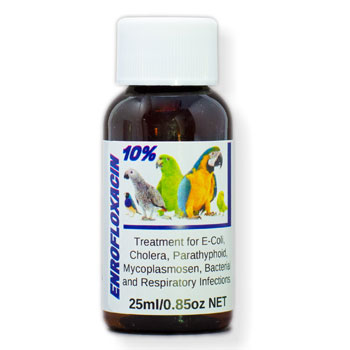

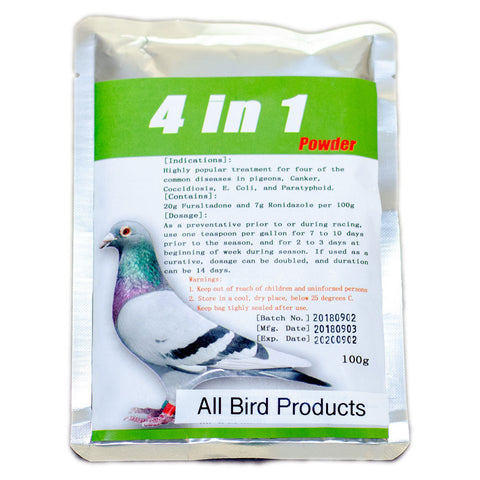
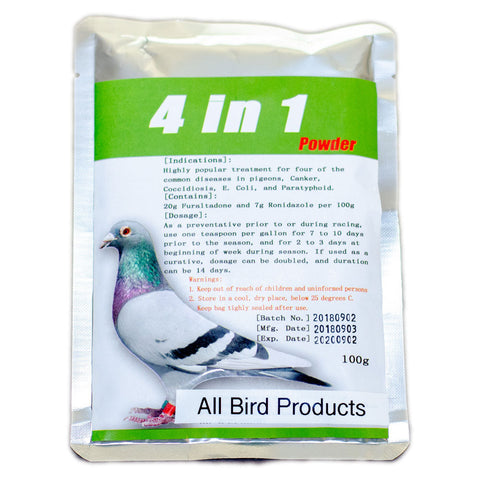
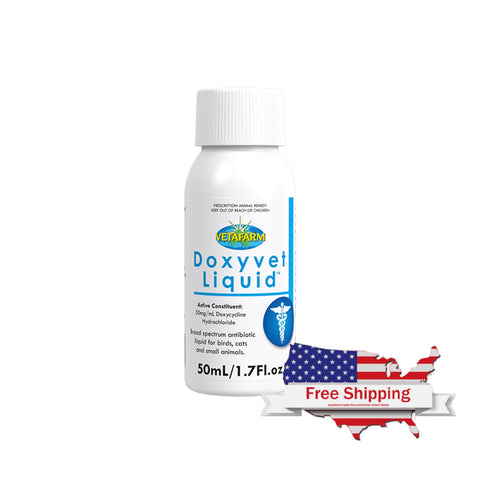


Enrofloxacin for Birds: Complete Guide to Safe & Effective Treatment
What Enrofloxacin Is and Why It Matters for Birds
Enrofloxacin is one of the most widely used antibiotics in avian care, trusted by bird owners, breeders, and loft managers for decades. Its reputation comes from a combination of broad-spectrum activity, reliable tissue penetration, and flexibility across many bird species.
When used correctly, enrofloxacin can stop serious bacterial infections before they escalate into chronic illness or widespread outbreaks. When used incorrectly, however, it can contribute to resistance and treatment failure. This guide exists to help you stay on the right side of that line.
Why Enrofloxacin Is So Common in Avian Medicine
Birds are uniquely sensitive animals. Their fast metabolism, high oxygen demand, and close housing conditions make bacterial infections spread quickly and progress fast.
Enrofloxacin belongs to the fluoroquinolone class of antibiotics, a group known for strong activity against many gram-negative and gram-positive bacteria. This makes it particularly useful when the exact bacteria have not yet been identified, but a bacterial infection is strongly suspected.
Because of this versatility, enrofloxacin is often considered in cases involving:
- Respiratory infections with labored breathing or nasal discharge
- Sudden illness spreading through a loft or aviary
- Severe bacterial infections requiring fast intervention
- Situations where delayed treatment could cause losses
Enrofloxacin vs “Any Antibiotic”
One of the biggest misunderstandings in bird care is the idea that all antibiotics work the same. They do not.
Enrofloxacin is not a general wellness product, nor is it meant to be used “just in case.” It is a targeted antibacterial tool designed for specific situations where its spectrum and tissue penetration provide clear advantage.
Used thoughtfully, it can be life-saving. Used casually, it can create resistant infections that are much harder to control later.
Why This Guide Is Different
Many articles mention enrofloxacin briefly without explaining when it should be used, when it should not, or how to choose the right format.
This guide is designed to give you:
- A clear understanding of how enrofloxacin works
- Practical guidance on choosing the correct form
- Real-world advice for pigeons, parrots, and aviary birds
- Common mistakes to avoid
- Long-term strategies to prevent resistance
Throughout this article, we’ll also reference bird-specific enrofloxacin options available through the Bird Antibiotics collection, so you can see how theory translates into real products and formats.
What Enrofloxacin Is Not
It’s just as important to understand what enrofloxacin cannot do.
Enrofloxacin does not treat:
- Viral infections
- Fungal or yeast overgrowth
- Parasitic diseases
- Illness caused purely by stress or poor environment
Using it in these situations delays proper care and weakens future treatment options.
The Role of Responsible Use
Enrofloxacin remains effective today because many bird owners have used it responsibly. Preserving that effectiveness depends on informed decisions, correct dosing, and full treatment courses.
The sections that follow will walk you step by step through how to make those decisions with confidence, whether you care for a single companion bird or manage a full loft or aviary.
In the next section, we’ll look at where enrofloxacin came from and how it became such an important part of avian medicine.
History and Development of Enrofloxacin in Avian Medicine
Enrofloxacin did not originate in the world of pet birds. It was developed as part of a broader effort to create antibiotics capable of controlling difficult bacterial infections in animals where rapid spread and close housing were common. Over time, its reliability and versatility led to widespread adoption in avian medicine.
The Emergence of Fluoroquinolones
Enrofloxacin belongs to the fluoroquinolone class, a group of antibiotics developed to overcome limitations seen with older drug families.
Earlier antibiotics often struggled with:
- Poor penetration into deep tissues
- Limited activity against gram-negative bacteria
- Reduced effectiveness in fast-metabolizing animals
Fluoroquinolones were designed to solve these problems. Enrofloxacin quickly stood out for its ability to reach respiratory tissues, bloodstream, and organs efficiently — qualities that made it especially valuable in birds.
Why Birds Benefited Early From Enrofloxacin
Birds present unique challenges compared to mammals. Their respiratory system is highly specialized, their oxygen demand is high, and infections can worsen rapidly if not controlled early.
Enrofloxacin’s pharmacological profile made it well suited for:
- Fast absorption
- Wide distribution throughout the body
- Activity against common avian bacterial pathogens
These advantages led veterinarians and breeders to recognize enrofloxacin as a practical option for serious bacterial infections in birds.
From Veterinary Clinics to Aviaries and Lofts
Initially, enrofloxacin use in birds was concentrated in veterinary and agricultural settings. As knowledge expanded, bird-specific formulations became available, allowing safer and more precise use outside clinical environments.
This transition was particularly important for:
- Pigeon lofts
- Breeding aviaries
- Multi-bird collections
- Situations requiring group treatment
The availability of oral solutions, powders, and tablets made enrofloxacin adaptable to different care setups and bird sizes.
The Role of Brand Recognition
As enrofloxacin became more common, certain branded products gained strong reputations for consistency and reliability.
Names like Baytril became closely associated with enrofloxacin, helping bird owners recognize the active ingredient even when different formulations were introduced.
Over time, generic and alternative formats emerged, expanding access while keeping the same core antibacterial action.
Lessons Learned From Decades of Use
Long-term experience with enrofloxacin has shaped modern avian treatment practices.
Key lessons include:
- It is highly effective when used for the right conditions
- Misuse leads to resistance and reduced effectiveness
- Correct dosing and duration are critical
- Environmental management must support treatment
These lessons form the foundation for responsible use today.
Enrofloxacin’s Place in Modern Avian Care
Today, enrofloxacin is considered a cornerstone antibiotic rather than a casual solution. It is respected for its power, but also handled with greater care than in its early years.
Understanding its history helps explain why enrofloxacin remains widely used — and why it must be used thoughtfully to remain effective for future generations of birds.
In the next section, we’ll look closely at how enrofloxacin actually works inside the body, and why its mechanism makes it so effective against bacterial infections.

How Enrofloxacin Works in Birds
To use enrofloxacin responsibly, it helps to understand how it actually affects bacteria. Enrofloxacin does not simply slow bacterial growth — it actively disrupts a process bacteria cannot survive without.
This targeted mechanism explains both its effectiveness and the importance of using it correctly.
The Fluoroquinolone Advantage
Enrofloxacin belongs to the fluoroquinolone class, which acts differently from older antibiotics such as penicillins or tetracyclines.
Instead of targeting the bacterial cell wall or protein production, enrofloxacin interferes with bacterial DNA replication.
This gives it a unique advantage against fast-growing and invasive bacteria.
Disrupting DNA Replication
Bacteria rely on specialized enzymes to copy and repair their DNA during cell division.
Enrofloxacin inhibits key enzymes involved in this process, preventing bacteria from:
- Replicating their genetic material
- Dividing into new cells
- Repairing DNA damage
Without functional DNA replication, bacteria cannot survive.
Why This Matters in Birds
Birds have a high metabolic rate and infections can escalate quickly. Antibiotics that act slowly may not control aggressive bacteria in time.
Enrofloxacin’s mechanism allows it to:
- Act rapidly against susceptible bacteria
- Control infections before they spread systemically
- Reach difficult tissues, including respiratory structures
This is especially important in respiratory infections where bacterial load can increase fast.
Broad-Spectrum Activity Explained
Enrofloxacin is described as a broad-spectrum antibiotic. This does not mean it treats everything — it means it is active against a wide range of bacteria.
Its spectrum includes many:
- Gram-negative bacteria
- Gram-positive bacteria
- Common avian respiratory pathogens
This breadth makes it useful when exact bacterial identification is not immediately available.
What Enrofloxacin Does NOT Affect
Despite its broad activity, enrofloxacin has clear limits.
It does not work against:
- Viruses
- Fungal or yeast infections
- Protozoa
- Illness caused by environmental stress alone
Using enrofloxacin in these cases offers no benefit and increases resistance risk.
Why Correct Dosing Is Critical With This Mechanism
Because enrofloxacin targets DNA replication, sub-therapeutic levels are especially dangerous.
Low or inconsistent dosing:
- Allows some bacteria to survive
- Encourages adaptation and resistance
- Reduces future effectiveness
This is why precise dosing and full courses are essential with fluoroquinolones.
Tissue Penetration and Distribution
Another reason enrofloxacin is widely used is its excellent tissue penetration.
After administration, it distributes efficiently to:
- Respiratory tissues
- Bloodstream
- Organs and soft tissues
This distribution helps control infections that are not limited to a single site.
Key Takeaway
Enrofloxacin works by disabling bacterial DNA replication — a powerful and precise mechanism.
This strength makes it effective when used correctly, but also means misuse can have lasting consequences.
In the next section, we’ll look at the real-world signs in birds that suggest enrofloxacin may be the appropriate choice — and when it likely is not.
Signs in Birds That Suggest Enrofloxacin Might Be Appropriate
Enrofloxacin should never be chosen at random. Its value comes from matching the drug to a specific pattern of symptoms that strongly suggests bacterial involvement— particularly bacteria known to respond to fluoroquinolones.
This section focuses on recognizing those patterns, so treatment decisions are guided by observation, not guesswork.
Progressive Respiratory Symptoms
One of the most common reasons enrofloxacin is considered is worsening respiratory disease.
Signs that raise suspicion of bacterial respiratory infection include:
- Labored or open-mouth breathing
- Audible wheezing, clicking, or rattling sounds
- Persistent sneezing with thick nasal discharge
- Tail bobbing associated with breathing effort
When these symptoms intensify over several days instead of improving with warmth and rest, bacterial involvement becomes more likely.
Rapid Spread Within a Loft or Aviary
Enrofloxacin is often considered when illness spreads quickly among birds housed in close proximity.
Warning signs include:
- Multiple birds showing similar symptoms within days
- Decline in overall activity or performance
- Reduced feed or water intake across the group
Rapid spread suggests a contagious bacterial agent, where prompt and effective antibiotic action may be necessary to limit losses.
Systemic Illness With Lethargy and Appetite Loss
Bacterial infections that move beyond a single site often cause noticeable systemic effects.
Enrofloxacin may be considered when birds show:
- Marked lethargy or reluctance to move
- Fluffed posture for extended periods
- Significant appetite reduction
- Weight loss over a short time
These signs indicate the body is under strain and may benefit from a fast-acting antibacterial response.
Failure to Improve With Supportive Care Alone
Supportive care should always come first when symptoms are mild.
However, if birds do not improve after:
- Improved warmth
- Cleaner housing
- Better ventilation
- Reduced stress
then bacterial infection becomes more likely, and antibiotic intervention may be justified.
High-Risk Birds and Situations
Certain birds and conditions raise the threshold for waiting.
Enrofloxacin may be considered earlier when:
- Breeding birds are affected
- Valuable racing or performance birds decline rapidly
- Birds have a history of bacterial respiratory disease
- Environmental stress cannot be immediately corrected
In these cases, delayed treatment may result in permanent loss or setback.
Patterns That Point Away From Enrofloxacin
Just as important is recognizing when enrofloxacin is unlikely to help.
These patterns usually indicate non-bacterial causes:
- Sudden onset after transport or stress
- Clear, watery discharge that resolves quickly
- Normal appetite with mild, short-lived symptoms
- No spread to other birds
In such cases, antibiotics may do more harm than good.
Using Symptom Clusters, Not Single Signs
No single symptom should trigger antibiotic use. Decisions should be based on clusters of signs and how they evolve over time.
Enrofloxacin becomes appropriate when multiple indicators align and conservative measures fail.
Key Takeaway
Enrofloxacin is best used when birds show progressive, spreading, or systemic signs that strongly suggest bacterial infection.
In the next section, we’ll cover the opposite question: when enrofloxacin should NOT be used, even if symptoms appear serious.
When Enrofloxacin Is Not Appropriate
Enrofloxacin is a powerful antibiotic, but power does not equal universality. Using it when the underlying problem is not bacterial leads to poor outcomes, unnecessary stress on the bird, and increased risk of antibiotic resistance.
Knowing when not to use enrofloxacin is just as important as knowing when it is appropriate.
Viral Illnesses
Viral infections are one of the most common reasons antibiotics are misused in birds. Enrofloxacin has no effect on viruses.
Viral patterns often include:
- Sudden onset of mild respiratory signs
- Clear or watery nasal discharge
- General fatigue without severe decline
- Gradual improvement over a few days
In these cases, warmth, hydration, and stress reduction are far more effective than antibiotics.
Fungal and Yeast Overgrowth
Enrofloxacin does not treat fungal or yeast infections. In fact, unnecessary antibiotic use can make these conditions worse by disrupting normal bacterial balance.
Signs that may point toward fungal or yeast involvement include:
- Chronic symptoms that worsen during antibiotic use
- Digestive upset with sour or yeasty odor
- White or creamy plaques in the mouth or crop
- Repeated relapse after multiple antibiotic courses
Continuing enrofloxacin in these situations often delays proper treatment.
Protozoal and Parasitic Diseases
Certain bird illnesses are caused by protozoa or parasites, not bacteria.
Enrofloxacin is ineffective against:
- Trichomoniasis (canker)
- Other protozoal digestive infections
- External or internal parasites
These conditions require completely different medications and management strategies.
Stress-Related and Environmental Illness
Many bird health problems are triggered not by infection, but by environmental stress.
Common triggers include:
- Sudden temperature changes
- Poor ventilation
- Overcrowding
- Transport or handling stress
In these cases, antibiotics mask symptoms temporarily while the root cause remains.
Mild, Short-Lived Symptoms
Not every sneeze or quiet day signals a bacterial infection.
Enrofloxacin is usually unnecessary when:
- Symptoms appear suddenly and improve within 24–48 hours
- Appetite remains normal
- No other birds are affected
- Energy levels rebound quickly
Jumping to antibiotics too early often creates more problems than it solves.
Repeated Use Without Reassessment
Using enrofloxacin repeatedly for recurring symptoms without reassessing the underlying cause is a common mistake.
Repeated use may indicate:
- Chronic environmental stress
- Incorrect initial diagnosis
- Resistance development
- Non-bacterial illness
Simply repeating the same antibiotic rarely produces a different outcome.
Why “Just in Case” Use Is Dangerous
Preventive or “just in case” use of enrofloxacin accelerates resistance and reduces future effectiveness.
Antibiotics should always be a response to a clear need, not a routine precaution.
Key Takeaway
Enrofloxacin is a targeted antibacterial tool, not a universal solution. Using it when it is not appropriate delays proper care and creates long-term risk.
In the next section, we’ll look closely at the different enrofloxacin formulations available for birds and how to choose the right one.
Enrofloxacin Formulations for Birds: Available Options
One of the strengths of enrofloxacin in avian care is its availability in multiple formulations. This flexibility allows bird owners and breeders to choose the most practical option based on bird size, number of birds, housing setup, and severity of illness.
Choosing the correct format improves dosing accuracy, treatment consistency, and overall effectiveness.
Why Formulation Choice Matters
Enrofloxacin works best when birds receive a consistent, accurate dose over the full treatment period.
The wrong format can lead to:
- Uneven intake
- Missed doses
- Underdosing or overdosing
- Premature treatment failure
Understanding each formulation helps avoid these problems.
Enrofloxacin Oral Solutions
Oral solutions are among the most commonly used forms of enrofloxacin for birds. They are typically administered via drinking water or direct oral dosing.
Common options include:
Best suited for:
- Small to medium flocks
- Situations requiring fast absorption
- Birds that drink reliably
Oral solutions allow flexible dosing, but require careful monitoring to ensure adequate intake.
Enrofloxacin Powder Formulations
Powdered enrofloxacin is designed primarily for group treatment, especially in lofts and aviaries.
Popular powder options include:
Best suited for:
- Large lofts or aviaries
- Group treatment through drinking water
- Situations where individual dosing is impractical
Powders require precise mixing and daily preparation to ensure consistent dosing.
Enrofloxacin Tablets and Pills
Tablet formulations allow precise, individual dosing and are often used for valuable birds or cases requiring strict dose control.
A common option is:
Best suited for:
- Single birds or small groups
- High-value breeding or racing birds
- Situations where water intake is unreliable
Tablets require handling, which may increase stress, but provide the most accurate dosing.
Baytril-Branded Enrofloxacin
Baytril is one of the most recognized brand names associated with enrofloxacin. It contains the same active ingredient but is valued for consistency and trust.
Common Baytril options include:
Baytril products are often chosen by experienced breeders who are familiar with their performance.
Choosing Between Brand and Generic
Both branded and generic enrofloxacin can be effective when used correctly.
The key is not the label, but:
- Correct concentration
- Accurate dosing
- Proper storage and handling
Reviewing options within the Bird Antibiotics collection helps match the right format to your specific situation.
Key Takeaway
Enrofloxacin’s effectiveness depends not only on choosing the right drug, but on choosing the right form. Matching formulation to bird, environment, and treatment plan greatly improves outcomes.
In the next section, we’ll focus on Baytril specifically, explaining its role, reputation, and how it compares to other enrofloxacin options.
Baytril: A Trusted Brand of Enrofloxacin

When people talk about enrofloxacin in birds, the name Baytril often comes up first. Over time, Baytril has become almost synonymous with enrofloxacin itself, especially among experienced bird breeders, pigeon fanciers, and loft managers.
Understanding what Baytril is—and what it is not— helps clarify when it is the right choice and how it fits into responsible antibiotic use.
What Baytril Actually Is
Baytril is a branded formulation of enrofloxacin. The active ingredient is identical to that found in generic enrofloxacin products.
The difference lies in:
- Manufacturing consistency
- Strict quality control
- Long-standing clinical use history
Because of this consistency, Baytril earned a reputation for reliability, particularly in high-value or time-sensitive cases.
Why Baytril Became Popular in Birds
Baytril gained early traction in avian care because it delivered predictable results when used appropriately.
Breeders appreciated that:
- Dosing was straightforward
- Response was often rapid
- It performed well in respiratory infections
- It could be used across many bird species
This reliability made Baytril a go-to option during outbreaks or critical treatment windows.
Baytril 10% vs Baytril 2.5%
Baytril is available in different concentrations, each designed for specific dosing needs.
- Baytril 10% — a higher concentration often used in lofts, larger birds, or situations requiring smaller dosing volumes.
- Baytril 2.5% — a lower concentration that allows more gradual dosing, often preferred for smaller birds or more controlled administration.
Choosing between these concentrations depends on bird size, number of birds, and how dosing will be delivered.
Baytril vs Generic Enrofloxacin
A common question is whether Baytril is “better” than generic enrofloxacin.
In practical terms, both contain the same active compound. When dosed correctly, both can be equally effective.
Baytril is often chosen when:
- Maximum consistency is desired
- The birds are high-value or irreplaceable
- The caretaker prefers a long-established brand
Generic enrofloxacin is often chosen when:
- Treating larger groups
- Longer treatment courses are needed
- Cost-efficiency matters without sacrificing effectiveness
Common Mistake: Treating Baytril as “Stronger”
One frequent misunderstanding is assuming Baytril is inherently stronger than other enrofloxacin products.
Strength comes from:
- Correct concentration
- Proper dosing
- Full treatment duration
Using Baytril incorrectly carries the same risks as misusing any enrofloxacin product.
Baytril’s Role in Responsible Treatment Plans
Baytril works best as part of a thoughtful treatment plan, not as a reflex response to illness.
It should be used when:
- Bacterial infection is strongly suspected
- Symptoms match its antibacterial spectrum
- Other causes have been reasonably ruled out
Used this way, Baytril remains a powerful and reliable option in modern avian care.
Key Takeaway
Baytril is not a different drug— it is a trusted, branded form of enrofloxacin. Its reputation comes from consistency, not magic.
In the next section, we’ll focus on how to choose the right enrofloxacin format for your bird or loft, ensuring dosing is accurate and practical.
Choosing the Right Enrofloxacin Format for Your Bird
Selecting the correct enrofloxacin format is just as important as choosing the antibiotic itself. The best option is not universal— it depends on the bird, the environment, and how treatment will be delivered day after day.
This section will help you match the right formulation to your specific situation, improving both effectiveness and safety.
Individual Birds vs Group Treatment
The first decision point is whether you are treating:
- A single bird
- A small group
- An entire loft or aviary
Individual birds benefit from precise dosing, while group treatment prioritizes consistency and practicality.
When Tablets Make the Most Sense
Tablets or pills are ideal when dosing accuracy is critical.
They are often preferred for:
- High-value breeding or racing birds
- Birds that do not drink reliably
- Situations requiring strict dose control
Tablets such as Enrofloxacin 10 mg Tablets allow consistent daily dosing regardless of water intake.
The trade-off is handling stress, which must be minimized through gentle technique.
When Oral Solutions Are the Best Choice
Oral solutions offer flexibility and fast absorption, making them popular for both individual and group treatment.
They work well when:
- Birds drink consistently
- Daily water changes are manageable
- Rapid systemic action is desired
Common options include:
Water intake must be monitored closely to avoid underdosing, especially in cold or stressful conditions.
When Powder Formulations Are Most Practical
Powdered enrofloxacin is often the most practical choice for large groups.
It is especially useful for:
- Pigeon lofts
- Large aviaries
- Situations where individual dosing is impossible
Options such as:
Powder must be freshly mixed daily to ensure even distribution and consistent dosing.
Matching Format to Bird Size
Bird size influences dosing precision and administration ease.
- Small birds: Tablets or diluted solutions allow better control.
- Medium birds: Solutions or tablets work well depending on behavior.
- Large birds: Solutions and powders are often easiest.
Matching format to size reduces stress and dosing errors.
Considering Bird Behavior and Stress
Some birds tolerate handling poorly. Others resist changes in water taste.
Observing how your birds respond helps guide format choice:
- If handling causes panic, avoid tablets
- If water intake drops, avoid water-based dosing
The best choice is the one birds will actually receive consistently.
Using Collections to Compare Options
Reviewing options within the Bird Antibiotics collection makes it easier to compare formats and concentrations side by side.
Key Takeaway
There is no single “best” enrofloxacin format. The right choice depends on bird size, number, behavior, and your ability to deliver consistent dosing.
In the next section, we’ll focus on correct dosage and administration, helping ensure treatment is both safe and effective.
Correct Dosage and Administration for Different Bird Types
Correct dosing is the foundation of successful enrofloxacin treatment. Even the most effective antibiotic can fail if dosage is inconsistent, inaccurate, or incomplete. In birds, where metabolism is fast and body weight varies widely, precision matters.
This section explains how to think about dosage in a practical, responsible way, without relying on guesswork.
Why Bird-Specific Dosing Is Critical
Birds are not small mammals. Their physiology, metabolic rate, and water intake patterns are different.
This means:
- Doses that are too low may not control infection
- Doses that are too high increase side-effect risk
- Inconsistent intake promotes resistance
Enrofloxacin works best when blood levels remain stable throughout the treatment period.
Individual Birds vs Group Dosing
Administration method changes how dosing is calculated.
- Individual dosing: Tablets or direct oral dosing provide the most accuracy.
- Group dosing: Water-based dosing must account for average consumption.
Individual birds benefit from precision, while groups require consistency and monitoring.
Small Companion Birds (Finches, Canaries, Budgies)
Small birds are especially sensitive to dosing errors.
Best practices include:
- Using diluted oral solutions or tablets
- Avoiding strong concentrations in shared water
- Monitoring appetite and droppings daily
Because intake can vary, direct administration is often preferred for very small birds.
Medium-Sized Birds (Parrots, Cockatiels, Lovebirds)
Medium-sized birds offer more flexibility in administration methods.
Depending on behavior, they may tolerate:
- Tablets for direct dosing
- Measured oral solution dosing
- Water-based dosing with close observation
Consistency is key— skipped doses reduce treatment success.
Pigeons and Racing Birds
Pigeons are commonly treated as groups, especially in loft settings.
Key considerations include:
- Accurate daily mixing of medicated water
- Removing all alternative water sources
- Monitoring intake during hot or cold weather
For valuable racing or breeding pigeons, individual dosing may still be preferred to ensure full therapeutic exposure.
Large Birds and Aviary Species
Larger birds often consume predictable amounts of water, making oral solutions and powders practical.
However:
- Water must be refreshed daily
- Containers should be cleaned thoroughly
- Uneven access should be minimized
Dominant birds may drink more, so group dynamics must be considered.
Timing and Frequency
Enrofloxacin is typically administered once or twice daily, depending on formulation and treatment plan.
Best results occur when:
- Doses are given at the same time each day
- No doses are skipped
- The full course is completed
Stopping early often leads to relapse and resistant infections.
Monitoring During Treatment
Dosage does not end with administration. Observation is part of responsible use.
Monitor for:
- Improvement in breathing and activity
- Return of appetite
- Changes in droppings
- Any adverse reactions
If birds worsen or fail to improve, reassessment is necessary.
Key Takeaway
Correct enrofloxacin dosing depends on bird size, number, and administration method. Precision, consistency, and full-course completion are non-negotiable for success.
In the next section, we’ll discuss how long treatment should last and why stopping too early causes problems.
How Long Should Enrofloxacin Treatment Last?
One of the most common reasons enrofloxacin treatments fail is not the choice of antibiotic— it is stopping treatment too early. Birds often appear better before the infection is fully resolved, creating a false sense of recovery.
Understanding treatment duration protects both the individual bird and the long-term effectiveness of enrofloxacin.
Why Early Improvement Is Misleading
Enrofloxacin works quickly against susceptible bacteria. Within days, symptoms such as labored breathing, lethargy, or discharge may improve.
However:
- Some bacteria may still be present
- Weakened bacteria can rebound
- Incomplete treatment encourages resistance
Stopping when birds “look better” often leads to relapse.
Typical Treatment Timeframes
While exact duration depends on condition and severity, enrofloxacin is commonly used for:
- 5–7 days for mild to moderate infections
- 7–10 days for more severe or established infections
Shorter courses rarely eliminate deeper infections, especially respiratory ones.
Respiratory Infections Require Patience
Respiratory infections in birds often involve air sacs and deeper tissues.
These areas receive medication well, but they also take longer to clear. Ending treatment early leaves residual bacteria behind.
This is why respiratory cases often require a full 7–10 day course, even if visible improvement occurs sooner.
Group Treatments vs Individual Birds
Treatment duration becomes even more important in group settings.
In lofts or aviaries:
- Some birds improve faster than others
- Subclinical carriers may show no signs
- Early stopping allows reinfection
Completing the full course helps break the infection cycle.
The Danger of “Pulse” Treatment
Intermittent or on-and-off treatment is especially harmful with enrofloxacin.
Pulse dosing:
- Fails to maintain therapeutic levels
- Allows bacteria to adapt
- Increases resistance risk
Enrofloxacin should be given continuously for the prescribed duration.
What to Do If Symptoms Return
If symptoms return shortly after treatment ends, this may indicate:
- Incomplete initial course
- Incorrect dosing
- Resistance development
- Incorrect diagnosis
Simply restarting the same antibiotic without reassessment often worsens the problem.
Monitoring Progress During the Course
Improvement should be gradual and sustained.
Signs of effective treatment include:
- Steady return of appetite
- Normalized breathing
- Improved energy levels
- Reduction of discharge
Lack of improvement after several days warrants reconsideration of the treatment plan.
Key Takeaway
Enrofloxacin treatment must be completed for the full recommended duration, even if birds appear recovered early. Shortened courses compromise success and future treatment options.
In the next section, we’ll focus specifically on enrofloxacin use in pigeons, including loft-specific considerations.
Enrofloxacin in Pigeons
Pigeons occupy a unique place in avian care. Whether kept for racing, breeding, or show, they are often housed in close-contact lofts where bacterial infections can spread quickly. Because of this, enrofloxacin has become one of the most commonly used antibiotics in pigeon management.
Used correctly, it can stabilize outbreaks and protect performance. Used poorly, it can create chronic loft problems that are difficult to eliminate.
Why Pigeons Respond Well to Enrofloxacin
Pigeons are particularly prone to respiratory and systemic bacterial infections, especially under stress from:
- Racing schedules
- Breeding cycles
- Weather fluctuations
- Transport and handling
Enrofloxacin’s ability to penetrate respiratory tissues and circulate systemically makes it well suited for these challenges.
Common Situations Where Enrofloxacin Is Used in Pigeons
In pigeon lofts, enrofloxacin is most often considered when signs include:
- Labored breathing or open-mouth respiration
- Decline in racing performance
- Green or watery droppings alongside lethargy
- Rapid spread of illness among birds
These patterns strongly suggest bacterial involvement requiring prompt action.
Group Treatment vs Individual Dosing
Pigeons are frequently treated as a group, but this approach has advantages and risks.
Group treatment using water-based dosing:
- Allows fast response during outbreaks
- Is practical for large lofts
- Requires strict control of water access
Individual dosing may be preferred for:
- Top racing birds
- Breeding stock
- Birds showing severe symptoms
Many experienced loft managers combine both approaches when necessary.
Water Management Is Critical in Pigeon Lofts
When administering enrofloxacin via drinking water, proper water management is essential.
- All other water sources must be removed
- Fresh medicated water should be prepared daily
- Containers must be cleaned thoroughly
Inconsistent water intake is one of the leading causes of treatment failure.
Special Considerations for Racing Pigeons
Timing matters with racing pigeons. Treating too close to competition can impact hydration and performance.
Best practices include:
- Completing treatment well before races
- Allowing recovery time after antibiotics
- Supporting gut health post-treatment
Enrofloxacin should never be used as a routine “performance enhancer.”
Using Dedicated Pigeon Enrofloxacin Options
Reviewing pigeon-specific enrofloxacin options within the Enrofloxacin for Pigeons collection helps ensure correct format and concentration for loft use.
These products are designed with group treatment realities in mind.
Preventing Chronic Loft Problems
Repeated enrofloxacin use in pigeons without addressing loft hygiene, ventilation, and stress often leads to recurring illness.
Antibiotics should support good management— not replace it.
Key Takeaway
Enrofloxacin can be extremely effective in pigeons when used thoughtfully and strategically. Correct dosing, full treatment duration, and proper loft management are essential for long-term success.
In the next section, we’ll explore how enrofloxacin is used in multi-bird aviary and loft settings and how to manage group treatment safely.
Enrofloxacin in Multi-Bird Loft or Aviary Settings
Treating a single bird with enrofloxacin is very different from treating a loft or aviary. In multi-bird environments, success depends not only on the antibiotic, but on management, timing, and consistency.
This section focuses on how to use enrofloxacin responsibly and effectively when multiple birds are involved.
Why Group Treatment Is Sometimes Necessary
In lofts and aviaries, birds share airspace, surfaces, and water. When a bacterial infection appears, it often spreads before symptoms are obvious.
Group treatment may be justified when:
- Multiple birds show similar symptoms
- Illness spreads rapidly
- Separating birds is impractical
- Subclinical carriers are suspected
In these situations, timely intervention can prevent larger losses.
Choosing the Right Enrofloxacin Format for Groups
Group treatment requires formulations that can be administered consistently.
The most practical options are:
- Water-soluble oral solutions such as Enrofloxacin 10% Oral Solution (1000 ml)
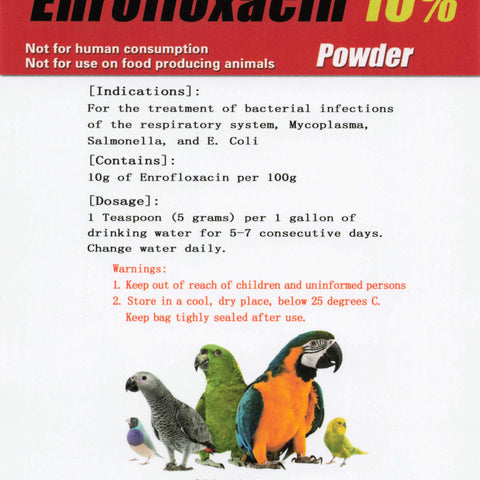
- Powdered formulations like Enrofloxacin 10% Powder (100 g)
These formats allow medication to be distributed evenly when mixed correctly.
Daily Mixing and Water Management
Consistency is critical in group treatment.
Best practices include:
- Preparing fresh medicated water daily
- Removing all alternative water sources
- Cleaning containers before refilling
Old or contaminated water leads to uneven dosing and reduced effectiveness.
Ensuring Equal Access for All Birds
Dominant birds often drink more, while timid birds may drink less.
To reduce imbalance:
- Use multiple water stations
- Place water at equal heights
- Monitor shy or isolated birds
Observation during treatment helps identify birds that may need individual attention.
Environmental Support During Group Treatment
Antibiotics work best when the environment supports recovery.
During treatment:
- Improve ventilation without drafts
- Reduce overcrowding if possible
- Maintain stable temperatures
- Minimize handling and stress
Poor conditions can undermine even the best treatment plan.
When to Isolate Instead of Treating the Group
Group treatment is not always the best choice.
Isolation may be preferable when:
- Only one bird is affected
- The cause is unclear
- High-value birds are at risk
Treating the entire group unnecessarily increases resistance risk.
Monitoring Progress Across the Flock
Improvement in group settings should be gradual and widespread.
Watch for:
- Improved overall activity
- Reduced respiratory signs
- Normalization of droppings
Birds that do not improve may require individual evaluation.
Key Takeaway
Enrofloxacin can be effective in multi-bird environments when administered carefully. Daily consistency, equal access, and environmental support determine success.
In the next section, we’ll focus on how to support birds during enrofloxacin treatment to speed recovery and reduce complications.
Supporting Birds During Enrofloxacin Treatment
Enrofloxacin addresses the bacterial cause of illness, but recovery depends on more than antibiotics alone. Birds heal best when treatment is supported by proper environment, nutrition, hydration, and stress management.
Neglecting supportive care often slows recovery, even when the correct antibiotic is used.
Creating a Low-Stress Healing Environment
Stress suppresses immune response in birds. During antibiotic treatment, minimizing stress is critical.
- Limit handling to what is absolutely necessary
- Avoid changes in housing or companions
- Reduce noise, sudden movement, and disturbances
Birds that feel secure conserve energy for healing.
Temperature and Ventilation Balance
Temperature stability supports recovery, especially during respiratory illness.
- Maintain a warm but not overheated environment
- Avoid drafts directly on birds
- Ensure steady airflow to prevent stagnant air
Poor ventilation can prolong respiratory infections even during antibiotic therapy.
Hydration: The Often-Overlooked Factor
Enrofloxacin relies on proper hydration for effective circulation and tissue penetration.
During treatment:
- Ensure constant access to fresh water
- Monitor daily water consumption
- Clean containers thoroughly every day
Reduced water intake can lead to underdosing and delayed improvement.
Nutritional Support During Antibiotic Use
Sick birds often eat less, but adequate nutrition is essential.
- Offer easily digestible, familiar foods
- Avoid introducing new diets during illness
- Ensure consistent access to feed
Energy intake supports immune function and tissue repair.
Protecting the Digestive System
Antibiotics can alter normal gut flora. While enrofloxacin is generally well tolerated, digestive balance still matters.
Helpful practices include:
- Avoiding unnecessary additional medications
- Keeping feed fresh and uncontaminated
- Supporting gut recovery after treatment ends
Digestive upset during treatment should never be ignored.
Observation: Daily Checks Matter
Supporting care includes active observation.
Each day, monitor:
- Breathing effort and sound
- Activity and posture
- Food and water intake
- Dropping consistency and volume
Early detection of setbacks allows timely adjustment.
Avoiding Common Support Mistakes
Well-intended actions can sometimes interfere with recovery.
- Avoid excessive supplements during treatment
- Do not mix multiple antibiotics without reason
- Avoid frequent environment changes
Simplicity and consistency often produce the best results.
Supporting Recovery After Treatment Ends
Recovery does not stop when the last dose is given.
After completing enrofloxacin:
- Continue stress reduction
- Gradually normalize activity
- Monitor for relapse signs
This transition period helps prevent recurrence.
Key Takeaway
Enrofloxacin works best when supported by good care. Proper environment, hydration, nutrition, and observation significantly improve outcomes.
In the next section, we’ll examine potential side effects and safety considerations so you know what to watch for during treatment.
Potential Side Effects and Safety Considerations
Enrofloxacin is generally well tolerated in birds when used correctly, but like all antibiotics, it is not completely without risk. Understanding possible side effects helps caretakers respond early and avoid unnecessary complications.
Most issues arise from incorrect dosing, prolonged use, or use in situations where enrofloxacin was not the appropriate choice.
Common, Mild Side Effects
Some birds may show mild, temporary changes during treatment. These effects often resolve without stopping the medication.
- Slight reduction in appetite
- Temporary changes in droppings
- Mild lethargy during the first days of treatment
Close observation is usually sufficient when these signs are mild and short-lived.
Digestive Disturbances
Because antibiotics affect bacterial populations, digestive upset can occur in some birds.
Warning signs include:
- Persistent diarrhea or very watery droppings
- Strong or unusual odor from droppings
- Visible discomfort after eating
Digestive issues that worsen over time may indicate the need to reassess treatment.
Behavioral and Neurological Sensitivity
In rare cases, birds may show heightened sensitivity to fluoroquinolones.
Signs to watch for include:
- Unusual agitation or restlessness
- Disorientation or loss of balance
- Marked behavioral changes
These signs warrant immediate evaluation and possible discontinuation.
Risks of Overdosing
Overdosing increases the likelihood of adverse effects without improving effectiveness.
Overdose risk rises when:
- Multiple enrofloxacin products are combined
- Concentrations are miscalculated
- Water intake is underestimated
Precision in preparation and administration is essential.
Long-Term or Repeated Use Concerns
Repeated courses of enrofloxacin can alter normal bacterial balance and encourage resistant strains.
Long-term or frequent use may result in:
- Reduced effectiveness over time
- Chronic digestive imbalance
- Recurring infections that are harder to treat
Antibiotics should never replace good management and prevention.
Use in Young or Developing Birds
Extra caution is advised when using enrofloxacin in young or developing birds.
Their bodies are still growing, and unnecessary antibiotic exposure should be avoided whenever possible.
Drug Interactions and Mixing Treatments
Combining medications without a clear plan increases risk.
Avoid:
- Using multiple antibiotics simultaneously
- Adding supplements that affect absorption
- Mixing treatments without reassessment
Each addition should serve a specific purpose.
When to Stop and Reevaluate
Treatment should be reassessed if:
- Symptoms worsen instead of improve
- New severe side effects appear
- No improvement is seen after several days
Continuing without benefit only increases risk.
Key Takeaway
Enrofloxacin is safe and effective when used appropriately, but it demands respect. Awareness of side effects and careful monitoring protect both the bird and future treatment options.
In the next section, we’ll discuss how to avoid antibiotic resistance and use enrofloxacin responsibly.
Avoiding Resistance: Responsible Enrofloxacin Use
Antibiotic resistance is one of the greatest long-term risks in bird health management. Enrofloxacin remains effective today because it has been used responsibly— but that effectiveness is not guaranteed forever.
Every treatment decision contributes either to preserving enrofloxacin’s usefulness or accelerating resistance.
What Antibiotic Resistance Really Means
Resistance occurs when bacteria adapt and survive exposure to an antibiotic.
These bacteria:
- Are harder to eliminate
- May spread to other birds
- Limit future treatment options
Once resistance develops, stronger or less ideal medications may be required.
How Resistance Develops in Birds
Resistance rarely appears after one correct treatment. It develops through repeated mistakes over time.
Common contributors include:
- Underdosing
- Stopping treatment early
- Using antibiotics for non-bacterial illness
- Repeated use without reassessment
Each mistake allows some bacteria to survive and adapt.
Why Enrofloxacin Requires Extra Care
Fluoroquinolones like enrofloxacin are considered critical antibiotics.
Because they act directly on bacterial DNA, resistance can have long-lasting consequences.
Preserving enrofloxacin effectiveness protects not only your birds, but also future treatment options.
Using Enrofloxacin Only When Truly Needed
The most important rule is simple: do not use enrofloxacin unless a bacterial infection is likely.
Avoid using it:
- As a preventive routine
- After mild, short-lived symptoms
- Without addressing environmental causes
Antibiotics should respond to illness, not replace good management.
Completing the Full Course Every Time
Partial treatment is one of the fastest ways to create resistant bacteria.
Always:
- Finish the full treatment duration
- Maintain consistent daily dosing
- Avoid skipping days or doses
Even if birds appear recovered, stopping early increases risk.
Avoiding Repeated Courses Without Change
Reusing enrofloxacin for recurring symptoms without investigation is a red flag.
Repetition may indicate:
- Incorrect diagnosis
- Poor loft or aviary conditions
- Resistance development
Repeating the same antibiotic rarely fixes underlying problems.
Combining Antibiotics Wisely
Using multiple antibiotics simultaneously without a clear plan increases resistance pressure.
Combination therapy should only be considered when justified, not as routine practice.
Environmental Management as Resistance Prevention
Clean housing, proper ventilation, and stress reduction reduce infection pressure.
Fewer infections mean fewer antibiotic treatments— the most effective resistance prevention of all.
Key Takeaway
Responsible enrofloxacin use protects its effectiveness. Use it only when needed, dose it correctly, complete the course, and support treatment with good management.
In the next section, we’ll review common mistakes with enrofloxacin and how to avoid them.
Interactions With Other Medications and Supplements
Enrofloxacin is often used during complex care situations where birds may already be receiving supplements, supportive products, or other medications. Understanding how enrofloxacin interacts with these substances helps prevent reduced effectiveness and unnecessary complications.
Not all combinations are dangerous, but not all are helpful either.
Combining Enrofloxacin With Other Antibiotics
Using more than one antibiotic at the same time is rarely beneficial unless there is a clear, justified reason.
Risks of combining antibiotics include:
- Increased stress on the bird’s system
- Higher risk of side effects
- Unpredictable effectiveness
- Greater resistance pressure
Enrofloxacin should usually be used alone, allowing its full antibacterial effect to be evaluated clearly.
Minerals and Supplements That Affect Absorption
Certain minerals can interfere with enrofloxacin absorption in the digestive tract.
These include:
- Calcium
- Magnesium
- Iron
When enrofloxacin is administered orally, high levels of these minerals given at the same time may reduce how much antibiotic is absorbed.
During treatment, it is best to:
- Pause mineral-heavy supplements
- Avoid fortified water additives
- Resume supplementation after treatment ends
Vitamins During Enrofloxacin Treatment
Basic vitamin support is generally safe, but excess supplementation can be counterproductive.
During antibiotic treatment:
- Avoid high-dose vitamin mixes
- Do not introduce new supplements
- Keep routines simple and consistent
Stability helps the bird’s body focus on recovery.
Probiotics and Gut Support
Probiotics can be useful, but timing matters.
Giving probiotics at the same time as enrofloxacin may reduce their benefit, as the antibiotic can inactivate beneficial bacteria.
Best practice is to:
- Complete the enrofloxacin course first
- Introduce probiotics after treatment ends
- Support gut recovery during the post-treatment period
Combining Enrofloxacin With Supportive Therapies
Supportive care such as:
- Proper hydration
- Warm, stable environment
- High-quality nutrition
complements enrofloxacin and does not interfere with its action.
These measures should always continue throughout treatment.
Herbal and Alternative Products
Herbal remedies and natural products are sometimes used alongside antibiotics.
Caution is advised because:
- Potency and interactions are often unknown
- Some may affect absorption or metabolism
- They can mask symptoms without resolving infection
Introducing alternative products during antibiotic treatment is generally discouraged.
Spacing Treatments When Necessary
If certain supplements or medications must be continued, spacing administration times may reduce interaction risk.
However, simplicity remains the safest approach whenever possible.
Key Takeaway
Enrofloxacin works best when unnecessary combinations are avoided. Keep treatment plans simple, pause non-essential supplements, and focus on supportive care.
In the next section, we’ll discuss when to seek veterinary guidance and when professional input is essential.
When to Seek Veterinary Guidance
While enrofloxacin can be an effective tool in managing bacterial infections, there are situations where professional veterinary input is essential. Knowing when to seek help can prevent complications, protect valuable birds, and avoid prolonged suffering.
Lack of Improvement After Several Days
Enrofloxacin often produces noticeable improvement within the first few days of correct use.
Veterinary guidance is strongly advised if:
- No improvement is seen after 3–4 days
- Symptoms remain unchanged or worsen
- New symptoms appear during treatment
These signs may indicate resistance, incorrect diagnosis, or a non-bacterial cause.
Severe or Rapidly Worsening Symptoms
Birds deteriorate quickly compared to many animals. Sudden decline should never be ignored.
Seek professional help immediately if a bird shows:
- Severe breathing distress
- Inability to perch or stand
- Collapse or extreme weakness
- Complete refusal of food and water
These cases may require supportive care beyond oral medication.
Repeated Illness or Chronic Relapse
Birds that become sick repeatedly often suffer from an unresolved underlying issue.
Veterinary assessment helps identify:
- Chronic infections
- Environmental contributors
- Immune suppression
- Incorrect past treatments
Continuing to reuse the same antibiotic without investigation rarely leads to success.
Young, Breeding, or High-Value Birds
Extra caution is required when treating:
- Chicks or juvenile birds
- Actively breeding pairs
- Rare or high-value specimens
Professional input ensures treatment decisions balance effectiveness with long-term health.
Unclear Diagnosis
When symptoms do not clearly fit a bacterial pattern, diagnostic testing may be needed.
Veterinary evaluation can help distinguish between:
- Bacterial infections
- Viral disease
- Fungal or yeast overgrowth
- Parasitic illness
Targeted treatment always outperforms guesswork.
Concerns About Drug Reactions
Any severe or unusual reaction during treatment should prompt immediate reassessment.
Professional guidance is important if:
- Neurological signs appear
- Severe digestive upset develops
- Behavior changes dramatically
These reactions may require discontinuation or alternative therapy.
Using Enrofloxacin as Part of a Larger Plan
Veterinarians can also help integrate enrofloxacin into a broader health strategy.
This may include:
- Environmental improvements
- Preventive health programs
- Post-treatment recovery plans
Long-term success comes from comprehensive care, not medication alone.
Key Takeaway
Enrofloxacin is a valuable tool, but it is not a replacement for professional judgment in complex or severe cases. Seeking veterinary guidance at the right time protects both birds and caretakers.
In the next section, we’ll explore alternatives and complementary options when enrofloxacin is not the best fit.
Alternatives and Complementary Options to Enrofloxacin
Enrofloxacin is a powerful and reliable antibiotic, but it is not always the best or only option. Responsible bird care means knowing when to consider alternatives and how supportive measures can enhance recovery without unnecessary antibiotic exposure.
This section explores other approaches that may be more appropriate depending on the situation.
When an Alternative Antibiotic May Be Preferable
Not all bacterial infections respond optimally to enrofloxacin.
Alternative antibiotics may be considered when:
- The infection is mild and localized
- There is known resistance to fluoroquinolones
- The bird has reacted poorly to enrofloxacin
- Previous courses were ineffective
Choosing an alternative should be based on symptom patterns, past response, and overall health context.
Targeted Antibiotics for Specific Conditions
Some antibiotics are better suited for particular types of infections.
Examples include:
- Penicillin-based options for certain localized infections
- Macrolide-type antibiotics for specific respiratory patterns
- Combination products designed for mixed bacterial challenges
Using a narrower-spectrum option when appropriate helps reduce resistance pressure.
Topical Treatments for Localized Problems
Not all infections require systemic antibiotics.
Topical treatments may be sufficient for:
- Minor skin injuries
- Localized eye or surface infections
- Early-stage external bacterial issues
Using topical therapy when possible avoids unnecessary systemic exposure.
Supportive Care as a Complement, Not a Replacement
Supportive care does not replace antibiotics when bacterial infection is present, but it plays a crucial complementary role.
Key supportive measures include:
- Optimizing ventilation and air quality
- Reducing overcrowding
- Ensuring consistent nutrition and hydration
- Maintaining clean housing
These factors often determine whether treatment succeeds or fails.
Immune Support and Recovery Strategies
After illness or antibiotic treatment, birds benefit from a recovery period focused on restoring balance.
This may involve:
- Gradual return to normal activity
- High-quality, familiar diet
- Stress reduction
- Post-treatment gut support
Recovery support helps prevent relapse and strengthens long-term resilience.
When No Antibiotic Is the Right Choice
Some conditions improve best without antibiotics at all.
These include:
- Stress-related illness
- Mild viral infections
- Environmental irritation
In these cases, correcting the underlying cause resolves symptoms more effectively than medication.
Balancing Treatment Strength With Need
Enrofloxacin should be reserved for situations where its spectrum and strength are truly needed.
Choosing alternatives when appropriate protects enrofloxacin’s effectiveness for serious infections.
Key Takeaway
Enrofloxacin is one tool among many. Responsible bird care means matching the right solution to the right problem— sometimes that means an alternative antibiotic, sometimes supportive care alone.
In the final section, we’ll bring everything together with a clear summary and best-practice checklist for using enrofloxacin wisely.
Final Summary and Best-Practice Checklist
Enrofloxacin remains one of the most important antibiotics available for bird health when used correctly. Its broad-spectrum activity, strong tissue penetration, and flexibility across species make it invaluable for managing serious bacterial infections.
At the same time, its power demands responsibility. Misuse does not only affect the bird being treated — it shapes the effectiveness of enrofloxacin for future cases as well.
When Enrofloxacin Is the Right Choice
Enrofloxacin is most appropriate when:
- Bacterial infection is strongly suspected
- Symptoms are progressive, systemic, or spreading
- Respiratory involvement is evident
- Supportive care alone has failed
Used in these situations, enrofloxacin can stabilize birds quickly and prevent escalation.
When to Choose a Different Approach
Enrofloxacin should not be used:
- For viral, fungal, or parasitic illness
- As routine prevention
- For mild, short-lived symptoms
- Without addressing environmental causes
Choosing restraint protects birds and preserves treatment options.
Best-Practice Checklist
- ✔ Confirm symptoms match bacterial patterns
- ✔ Select the correct formulation for the situation
- ✔ Dose accurately and consistently
- ✔ Complete the full treatment course
- ✔ Remove alternative water sources during group dosing
- ✔ Support treatment with proper environment and nutrition
- ✔ Monitor birds daily for improvement or side effects
- ✔ Avoid unnecessary combinations with other medications
- ✔ Reassess if no improvement occurs
- ✔ Reserve enrofloxacin for situations where it is truly needed
Long-Term Bird Health Depends on Smart Decisions
Antibiotics should never replace good management. Clean housing, proper ventilation, stable temperatures, balanced nutrition, and stress reduction remain the foundation of bird health.
Enrofloxacin works best when it supports these fundamentals — not when it is used to compensate for their absence.
Using Trusted Bird-Specific Enrofloxacin Options
Choosing bird-appropriate formulations improves dosing accuracy and safety. Reviewing available options within the Bird Antibiotics collection helps ensure the right product for each situation.
Final Thought
Enrofloxacin is not just an antibiotic — it is a responsibility. Used thoughtfully, it saves birds. Used carelessly, it creates long-term problems.
Informed, disciplined use ensures this essential medication remains effective for the birds that truly need it.
Frequently Asked Questions About Enrofloxacin for Birds
1. What is enrofloxacin used for in birds?
Enrofloxacin is used to treat bacterial infections in birds, most commonly respiratory infections, systemic bacterial illness, and infections that spread quickly within a flock or loft.
2. Is enrofloxacin safe for all bird species?
Enrofloxacin is generally well tolerated by many bird species when used correctly, but dosing and administration must be adapted to the bird’s size, age, and condition.
3. Can enrofloxacin be used for viral infections?
No. Enrofloxacin does not treat viral infections. Using it for viral illness provides no benefit and increases the risk of antibiotic resistance.
4. How quickly should birds improve on enrofloxacin?
Many birds show improvement within a few days, but visible improvement does not mean the infection is gone. The full course must always be completed.
5. Can I stop treatment once my bird looks better?
No. Stopping enrofloxacin early is one of the most common causes of relapse and antibiotic resistance.
6. What is the most common mistake when using enrofloxacin?
The most common mistakes are underdosing, inconsistent water-based dosing, and stopping treatment too early.
7. Is water-based dosing reliable?
Water-based dosing can be effective, but only if birds drink consistently and all alternative water sources are removed during treatment.
8. Should enrofloxacin be used preventively?
No. Preventive or routine use of enrofloxacin greatly increases resistance and should be avoided.
9. Can enrofloxacin be used in pigeons?
Yes. Enrofloxacin is commonly used in pigeons, especially for respiratory and systemic bacterial infections, when managed responsibly.
10. Is Baytril different from enrofloxacin?
Baytril is a branded form of enrofloxacin. The active ingredient is the same, and effectiveness depends on correct dosing rather than brand name.
11. Can enrofloxacin be mixed with vitamins?
Basic vitamin support is usually safe, but high-dose mineral supplements should be avoided during treatment as they may interfere with absorption.
12. Should probiotics be given during enrofloxacin treatment?
Probiotics are best given after the antibiotic course is completed, not during, to support gut recovery.
13. What side effects should I watch for?
Possible side effects include reduced appetite, digestive changes, or mild lethargy. Severe or unusual reactions require reassessment.
14. Is enrofloxacin safe for young birds?
Extra caution is needed with young or developing birds. Enrofloxacin should only be used when clearly necessary.
15. What if my bird does not improve on enrofloxacin?
Lack of improvement may indicate resistance, incorrect diagnosis, or a non-bacterial illness and should prompt reassessment.
16. Can enrofloxacin be used alongside other antibiotics?
Combining antibiotics without a clear reason is discouraged and can increase side-effect and resistance risks.
17. How long is a typical enrofloxacin course?
Treatment commonly lasts 5–7 days for mild infections and up to 10 days for more severe or respiratory infections.
18. Does enrofloxacin treat fungal or yeast infections?
No. Enrofloxacin has no effect on fungal or yeast infections and may worsen imbalance if used incorrectly.
19. Can repeated enrofloxacin use cause problems?
Yes. Repeated or frequent use increases resistance risk and may make future infections harder to treat.
20. What is the most important rule when using enrofloxacin?
Use enrofloxacin only when truly needed, dose it correctly, complete the full course, and support treatment with proper bird care.
Recommended Products
Products selected to complement this guide.


Shop Related Products
Explore the products featured for this topic.


