 Help & Contact
 Track order












Breeding Pigeons: Preventing and Treating Common Loft Diseases – A Professional Breeder’s Guide
Breeding Pigeons: Preventing and Treating Common Loft Diseases
Successful pigeon breeding is not determined solely by genetics, bloodlines, or breeding pairs. It is determined by health.
Even the strongest bloodline will fail if disease is allowed to circulate inside the loft. Fertility drops, young birds weaken, losses increase, and long-term breeding potential collapses.
Loft disease is not an occasional problem — it is the central challenge every pigeon breeder faces.
Why Breeding Lofts Are Especially Vulnerable to Disease
Breeding environments create perfect conditions for pathogens to spread.
- Close physical proximity
- Shared airspace
- High stress during breeding cycles
- Immune suppression in breeding adults
- Immature immune systems in young birds
What might remain mild in a single bird can become devastating in a breeding loft.
The Hidden Cost of “Normal” Loft Illness
Many breeders accept chronic mild illness as normal:
- Occasional sneezing
- Slightly loose droppings
- Young birds that fail to thrive
- Reduced hatch rates
These signs are often dismissed as environmental, seasonal, or “part of breeding.”
In reality, they are early warnings that disease pressure is present.
Why Disease Control Directly Impacts Breeding Results
Disease does not only kill birds. It damages reproduction.
Chronic infections lead to:
- Reduced fertility in breeding pairs
- Poor egg viability
- Weak squabs with low survival rates
- Delayed growth and development
- Lower long-term performance
Even when birds survive, disease steals genetic potential.
Prevention Always Beats Treatment
The most successful breeders do not medicate constantly. They prevent disease from taking hold.
Prevention means:
- Structured loft hygiene
- Controlled introductions
- Stress management during breeding
- Early recognition of symptoms
- Targeted treatment when necessary
This approach protects both birds and breeding results.
The Role of Antibiotics in Responsible Loft Management
Antibiotics are powerful tools — but they are not substitutes for good management.
In breeding lofts, antibiotics should be:
- Used only when clearly indicated
- Chosen based on symptoms and disease pattern
- Administered for full, correct durations
- Integrated with hygiene and stress control
Overuse weakens birds. Misuse creates resistance. Correct use restores health.
Why This Guide Matters for Pigeon Breeders
This article is designed for breeders who want consistency — not constant crisis management.
We will cover:
- The most common pigeon loft diseases
- How breeding stress increases disease risk
- Early warning signs breeders miss
- When treatment is necessary — and when it isn’t
- How to protect breeders, youngsters, and the loft environment
Disease control is not about fear. It is about control.
In the next section, we’ll examine how breeding stress weakens immunity and why disease outbreaks often follow breeding cycles.
How Breeding Stress Weakens Immunity and Triggers Loft Disease
Breeding is one of the most physically demanding periods in a pigeon’s life. While it is natural and necessary, it places extraordinary pressure on the immune system — pressure that disease organisms are quick to exploit.
Many loft outbreaks do not begin with a new pathogen. They begin with stress.
The Hidden Cost of Reproduction
During breeding, pigeons redirect enormous energy toward reproduction.
- Hormonal changes increase metabolic demand
- Nutritional requirements rise sharply
- Rest cycles are disrupted
- Territorial and pair-bond stress increases
Energy spent on reproduction is energy taken away from immune defense.
Why Healthy Birds Suddenly Get Sick
Many loft diseases are already present at low levels in healthy birds.
Under normal conditions, the immune system keeps these organisms in check. During breeding, that balance shifts.
Stress hormones suppress immune response, allowing dormant bacteria and parasites to multiply.
This is why outbreaks often appear:
- Shortly after pairing
- During egg laying
- When squabs hatch
- During intensive feeding periods
Immune Suppression in Breeding Adults
Breeding adults face continuous strain.
- Feeding squabs multiple times per day
- Defending nest sites
- Maintaining pair bonds
- Regulating body condition
Even strong breeders can become vulnerable if stress is unmanaged.
Why Young Birds Are at Highest Risk
Squabs are born with immature immune systems.
They rely heavily on:
- Parental immunity transfer
- Clean feeding practices
- Low environmental pathogen load
When breeding adults are stressed or infected, squabs receive weaker immune protection and are exposed to higher disease pressure.
Stress Compounds Other Loft Problems
Stress rarely acts alone.
It amplifies existing issues such as:
- Overcrowding
- Poor ventilation
- Inconsistent feeding schedules
- Suboptimal hygiene
A minor management flaw can become a major disease trigger during breeding season.
Signs That Stress Is Affecting Loft Health
Breeders should watch for:
- Reduced fertility or clear eggs
- Slow squab growth
- Loose or inconsistent droppings
- Increased respiratory sounds
- General loss of condition
These are not “normal breeding issues” — they are warning signs.
Managing Stress Is Disease Prevention
Reducing stress during breeding dramatically lowers disease risk.
Effective stress management includes:
- Stable pairing and nesting arrangements
- Avoiding unnecessary handling
- Consistent lighting and feeding schedules
- Adequate space per breeding pair
Stress control does not eliminate disease — but it prevents it from taking advantage.
Key Takeaway
Breeding does not cause disease. It reveals it.
When immunity drops, hidden problems surface. Understanding this relationship allows breeders to intervene early — before treatment becomes necessary.
In the next section, we’ll examine the most common bacterial diseases found in pigeon lofts and how they affect breeders and squabs differently.
The Most Common Bacterial Diseases in Pigeon Breeding Lofts
Bacterial disease is the most frequent health challenge encountered in breeding pigeon lofts. These infections rarely arrive dramatically. Instead, they establish quietly, weaken birds over time, and surface when stress peaks — especially during breeding.
Understanding which bacterial diseases are most common, how they present, and why they behave differently in breeders versus squabs is essential for effective loft management.
Why Bacterial Diseases Thrive in Breeding Lofts
Breeding lofts provide ideal conditions for bacterial spread:
- Shared feeders and drinkers
- Close physical contact
- Warm, humid nesting areas
- Immune suppression from breeding stress
Many bacteria already exist in the loft environment. Disease occurs when balance is lost — not necessarily when bacteria first appear.
Respiratory Bacterial Infections
Respiratory disease is one of the earliest and most overlooked problems in breeding pigeons.
Common signs include:
- Sneezing or nasal discharge
- Wet or crusted nares
- Clicking or wheezing sounds
- Reduced stamina and activity
In breeding adults, respiratory infections may appear mild but reduce fertility and feeding efficiency. In squabs, the same infections can be fatal.
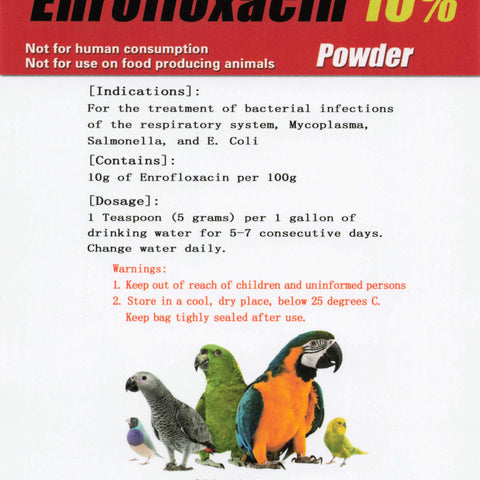
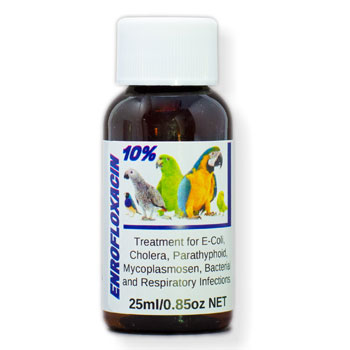
When respiratory symptoms persist or spread, targeted antibiotics may be required. Products designed for avian respiratory infections, such as enrofloxacin-based options found at BirdAntibiotic.com , are commonly considered in controlled treatment plans.
Enteric (Digestive) Bacterial Infections
Digestive bacterial infections often show first in droppings.
- Loose or watery feces
- Green or yellow discoloration
- Foul odor
- Reduced appetite
In breeding lofts, enteric disease spreads rapidly through contaminated water and feed.
Adult birds may continue breeding while shedding bacteria, unknowingly infecting squabs through feeding.
Salmonella (Paratyphoid) in Breeding Pigeons
Salmonella is one of the most damaging bacterial diseases in pigeon breeding operations.
It can cause:
- Joint swelling and lameness
- Weight loss and weakness
- Egg infertility
- High squab mortality
Perhaps most dangerous is the carrier state. Birds may appear healthy while shedding bacteria intermittently.
Salmonella outbreaks often follow:
- Breeding stress
- Overcrowding
- Poor sanitation
Treatment requires discipline and long-term management, not quick fixes.
Secondary Bacterial Infections
Bacteria often take advantage of other problems.
Viral, parasitic, or fungal issues weaken the immune system, allowing secondary bacterial infections to emerge.
These secondary infections:
- Complicate diagnosis
- Delay recovery
- Increase antibiotic use
Treating only the secondary infection without addressing underlying causes leads to recurrence.
Why Squabs Suffer the Most
Squabs lack fully developed immune defenses.
Bacterial infections in young birds progress rapidly and aggressively.
- Dehydration occurs quickly
- Weight loss is rapid
- Mortality rates are high
What appears as a “minor” issue in adults can wipe out an entire nest of young birds.
Early Intervention Saves Breeding Seasons
Bacterial disease rarely improves on its own in a breeding loft.
Early recognition allows:
- Targeted treatment instead of mass medication
- Isolation of affected pairs
- Protection of healthy breeders
Delayed action turns manageable disease into a season-ending problem.
Key Takeaway
Bacterial diseases are the most common threat to pigeon breeding success.
They thrive in stress, spread quietly, and damage reproduction before obvious illness appears.
In the next section, we’ll move beyond bacteria and examine parasitic diseases that undermine breeding lofts, often without obvious early signs.
Parasitic Diseases in Pigeon Lofts: Internal and External Threats
Parasites are among the most underestimated enemies in pigeon breeding. They rarely cause dramatic, immediate death. Instead, they slowly drain strength, suppress immunity, and quietly sabotage breeding performance.
In many lofts, parasites are present long before breeders realize there is a problem. By the time losses appear, damage is already done.
Why Parasites Thrive in Breeding Lofts
Breeding conditions unintentionally favor parasites.
- Warm nesting areas support parasite life cycles
- Close contact allows easy transmission
- Shared litter and perches harbor eggs and larvae
- Stress weakens resistance in breeders and squabs
Parasites exploit routine and complacency. When prevention lapses, infestations follow.
Internal Parasites: The Invisible Drain
Internal parasites often go unnoticed until breeding results suffer.
Common internal parasites in pigeons include:
- Roundworms
- Hairworms (Capillaria)
- Tapeworms
- Protozoa such as coccidia
These parasites compete directly with the bird for nutrients, leaving breeders depleted and squabs undernourished.
Signs of Internal Parasitic Burden
Symptoms are often subtle and progressive.
- Weight loss despite normal feeding
- Dull or poor feather condition
- Loose or inconsistent droppings
- Reduced fertility and hatch rates
- Slow-growing or weak squabs
Many breeders mistakenly treat secondary infections without addressing parasites, allowing the root cause to persist.
External Parasites: Constant Stress and Blood Loss
External parasites affect pigeons day and night.
Common external parasites include:
- Mites
- Lice
- Ticks
- Fly larvae in neglected environments
These parasites cause:
- Constant irritation
- Blood loss
- Sleep disruption
- Severe stress during breeding
Even light infestations reduce breeding efficiency.
Parasites and Secondary Disease
Parasites do more than weaken birds — they open the door to other infections.
Parasite-infested pigeons are more susceptible to:
- Bacterial infections
- Respiratory disease
- Digestive imbalance
Treating bacteria without removing parasites leads to repeated outbreaks.
Parasites in Squabs: A High-Risk Combination
Squabs are extremely vulnerable to parasites.
Even small burdens can cause:
- Severe dehydration
- Rapid weight loss
- High mortality rates
Parasites introduced through parents often spread through entire nests before detection.
Prevention Through Routine Control
Effective parasite control is proactive, not reactive.
- Routine loft cleaning and litter management
- Scheduled internal parasite control
- Inspection of birds and nests
- Isolation of heavily infested birds
Prevention reduces the need for aggressive treatment later.
Why Timing Matters in Breeding Season
Parasite control should be addressed before intensive breeding begins.
Treating during peak breeding increases stress and risks squab exposure.
Planning parasite management is part of professional breeding strategy.
Key Takeaway
Parasites silently undermine pigeon breeding success.
They weaken adults, cripple squabs, and invite secondary disease.
In the next section, we’ll examine fungal and yeast infections — often overlooked problems that quietly damage digestion and immunity in breeding lofts.
Fungal and Yeast Infections in Breeding Pigeons: The Hidden Digestive Threat
Fungal and yeast infections are among the most overlooked problems in pigeon breeding lofts. They rarely cause sudden death, yet they quietly destroy performance, weaken immunity, and undermine every other disease-control effort.
Many breeders chase bacteria and parasites while missing the real issue — an imbalanced digestive system.
Why Fungal and Yeast Problems Are Common in Breeding Lofts
Yeast and fungal organisms naturally exist in the pigeon’s digestive tract. Disease occurs when balance is disrupted.
Common triggers include:
- Breeding stress and immune suppression
- Repeated or prolonged antibiotic use
- High humidity and poor ventilation
- Wet litter and contaminated drinkers
Once established, fungal problems rarely resolve on their own.
Candidiasis (Yeast Overgrowth) in Pigeons
Candida is the most common yeast issue affecting breeding pigeons.
It primarily targets:
- The crop
- The esophagus
- The digestive tract
In breeding adults, candidiasis reduces feeding efficiency. In squabs, it can quickly become fatal.
Signs of Yeast Infection in Breeding Adults
- Slow or reluctant feeding
- Weight loss despite appetite
- Thickened crop contents
- Regurgitation or sour crop odor
- Reduced condition during breeding
Many breeders misinterpret these signs as bacterial infection and mistakenly increase antibiotic use — worsening the yeast problem.
Yeast Infections in Squabs
Squabs are extremely vulnerable to fungal imbalance.
- Delayed crop emptying
- Swollen or hardened crop
- Failure to thrive
- Sudden collapse after feeding
In young birds, fungal disease progresses rapidly and requires immediate intervention.
Fungal Disease vs Bacterial Disease: Why Confusion Happens
Fungal and bacterial infections share many outward signs.
Both can cause:
- Lethargy
- Weight loss
- Digestive disruption
However, bacterial treatment alone will never resolve a fungal problem. In fact, it often accelerates it.
When Antifungal Treatment Becomes Necessary
Antifungal treatment should be considered when:
- Digestive issues persist despite antibiotics
- Crop problems recur during breeding
- Squabs fail repeatedly despite clean conditions
Bird-specific antifungal options, such as those used to control yeast overgrowth and available through BirdAntibiotic.com , are often integrated into structured loft health programs.
Environmental Control Is Half the Solution
Medication alone is not enough.
Effective fungal control requires:
- Dry litter and nest boxes
- Clean drinkers changed daily
- Improved airflow without drafts
- Reduced humidity in the loft
Without environmental correction, fungal problems return.
Preventing Fungal Problems Before They Start
Prevention focuses on balance rather than eradication.
- Avoid unnecessary antibiotic use
- Support digestion during breeding stress
- Keep feeding and watering systems clean
- Address problems early before squabs are affected
Balanced birds resist fungal overgrowth naturally.
Key Takeaway
Fungal and yeast infections quietly destroy breeding performance when they go unnoticed.
Recognizing digestive imbalance early prevents repeated losses, reduces antibiotic dependence, and protects both breeders and squabs.
In the next section, we’ll examine viral diseases in pigeon lofts — why antibiotics don’t help and how management determines outcomes.
Loft Hygiene and Environmental Control: The Front Line of Disease Prevention
No medication, supplement, or breeding strategy can compensate for poor loft hygiene. Clean, well-managed environments reduce disease pressure before treatment is ever needed.
In professional pigeon breeding, hygiene is not about perfection — it is about consistency.
Why Loft Environment Matters More Than Medication
Most loft pathogens do not originate from outside. They multiply inside the environment when conditions allow them to thrive.
Warmth, moisture, organic waste, and overcrowding create ideal conditions for bacteria, parasites, fungi, and viruses.
Reducing environmental pressure dramatically lowers infection risk and improves treatment success when illness occurs.
Daily Cleaning Habits That Prevent Disease
Daily loft routines form the backbone of disease prevention.
- Remove droppings before they dry and aerosolize
- Empty and rinse drinkers daily
- Clear spilled feed promptly
- Inspect nest boxes during routine checks
These simple actions prevent pathogen buildup without adding stress to birds.
Weekly and Periodic Deep Cleaning
Daily cleaning controls surface contamination, but deeper cleaning is needed to break disease cycles.
- Wash feeders and drinkers thoroughly
- Replace or refresh nesting material
- Scrape perches and ledges
- Inspect hidden corners for moisture buildup
Dry cleaning should always be avoided. Moistening surfaces before cleaning prevents airborne dust and pathogen spread.
Ventilation: Clean Air Without Drafts
Ventilation is often misunderstood. Birds need fresh air — but they must be protected from drafts.
Good ventilation:
- Removes moisture and ammonia
- Reduces airborne pathogens
- Supports respiratory health
Poor airflow traps humidity and disease organisms, increasing respiratory infections.
Managing Humidity and Moisture
Moisture is the enemy of loft health.
Excess humidity promotes:
- Fungal and yeast growth
- Bacterial survival
- Parasite development
Dry litter, leak-free drinkers, and proper airflow are essential during breeding season.
Space Allocation and Overcrowding
Overcrowding magnifies every health problem.
Crowded lofts experience:
- Increased stress
- Higher pathogen exposure
- Faster disease spread
Adequate space per breeding pair reduces conflict, improves feeding efficiency, and lowers infection pressure.
Nest Box Hygiene During Breeding
Nest boxes deserve special attention.
Squabs spend their most vulnerable days in direct contact with nest material.
- Keep nests dry and clean
- Replace soiled material promptly
- Inspect for parasites regularly
Clean nests protect squabs from early-life infections.
Human Movement as a Disease Vector
Breeders themselves often spread disease unknowingly.
- Hands
- Clothing
- Tools
Moving between sections without hygiene precautions transfers pathogens between birds.
Simple practices — such as washing hands and using section-specific tools — greatly reduce cross-contamination.
Why Clean Lofts Reduce Antibiotic Dependence
Clean environments lower baseline infection pressure.
This means:
- Fewer disease outbreaks
- Less need for broad medication
- Better response when treatment is necessary
Breeders who prioritize hygiene rely less on antibiotics and achieve more consistent results.
Key Takeaway
Loft hygiene is not optional — it is the first and most powerful line of defense.
Clean air, dry conditions, adequate space, and disciplined routines prevent disease before it starts.
In the next section, we’ll examine quarantine and introduction protocols — how new birds can quietly undo even the cleanest loft.
Quarantine and Introducing New Pigeons Without Infecting the Loft
One of the fastest ways to undo years of careful breeding is the careless introduction of a new pigeon. Even the cleanest, best-managed loft can be compromised by a single infected bird.
Quarantine is not a suggestion. It is a professional discipline.
Why New Birds Are the Highest Disease Risk
New pigeons arrive carrying a history you cannot see.
- Exposure to unfamiliar pathogens
- Stress from transport and relocation
- Temporary immune suppression
- Possible asymptomatic carrier states
A bird that looks healthy can still shed bacteria, parasites, or viruses during its first weeks in a new environment.
The Most Common Quarantine Mistakes
Many breeders believe they quarantine — but their protocols are incomplete.
- Placing new birds in the same airspace
- Using shared feeders or drinkers
- Handling new birds before established stock
- Shortening quarantine “because they look fine”
These small lapses allow disease to bypass isolation entirely.
What Proper Quarantine Actually Looks Like
Effective quarantine creates a true barrier.
- Separate room or isolated loft section
- No shared air circulation if possible
- Dedicated tools, feeders, and drinkers
- Strict hand hygiene between areas
Quarantine must prevent both direct and indirect contact.
How Long Should Quarantine Last?
A meaningful quarantine lasts long enough for hidden disease to surface.
Short quarantines only create false confidence.
During quarantine, observe for:
- Changes in droppings
- Respiratory sounds or discharge
- Weight loss or appetite changes
- Behavioral shifts
Many diseases reveal themselves only after the stress of relocation.
Observation Is More Valuable Than Immediate Medication
A common mistake is medicating new birds “just in case.”
Blanket treatment can:
- Mask symptoms
- Disrupt gut balance
- Create antibiotic resistance
Observation allows targeted intervention instead of unnecessary medication.
When Treatment During Quarantine Is Justified
Treatment should be considered when:
- Clear symptoms appear
- Multiple signs point to infection
- Disease progresses instead of stabilizing
In such cases, bird-specific antibiotics — such as enrofloxacin-based products commonly used in pigeons and available through BirdAntibiotic.com — may be integrated into a controlled plan.
Gradual Introduction After Quarantine
Ending quarantine does not mean immediate integration.
Gradual introduction reduces stress and prevents flare-ups.
- Allow visual contact before physical contact
- Monitor behavior and droppings closely
- Avoid breeding immediately after introduction
Stress following quarantine can trigger delayed illness if integration is rushed.
Why Quarantine Protects Breeding Programs
A single infected introduction can spread disease across multiple breeding seasons.
Quarantine protects:
- Established breeding pairs
- Young squabs
- Genetic investment
- Long-term loft stability
It is not a delay — it is insurance.
Key Takeaway
New birds are not dangerous — rushed introductions are.
Proper quarantine turns uncertainty into control and prevents silent disease introduction.
In the next section, we’ll explore nutrition, immune support, and feeding strategies that help breeding pigeons resist disease naturally.
Nutrition and Immune Support: Feeding Breeding Pigeons for Disease Resistance
Nutrition is not just fuel for breeding — it is the foundation of immune defense. Well-fed pigeons resist disease more effectively, recover faster when exposed, and raise stronger, more resilient squabs.
In many lofts, disease problems trace back not to pathogens, but to nutritional imbalance.
Why Breeding Dramatically Changes Nutritional Needs
Breeding places extraordinary demands on the body.
- Protein requirements increase for egg production
- Minerals are diverted to shell formation
- Energy demand rises during squab feeding
- Immune resources compete with reproduction
Diets that are adequate outside breeding season often become insufficient once breeding begins.
The Link Between Poor Nutrition and Disease
Nutritional deficiencies weaken every layer of defense.
- Respiratory tissues become fragile
- Digestive balance collapses
- Immune response slows
- Recovery time lengthens
This creates ideal conditions for bacteria, parasites, and fungi to gain control.
Protein Quality Matters More Than Quantity
Simply increasing protein percentage does not guarantee immune support.
Breeding pigeons require:
- Highly digestible protein sources
- Balanced amino acid profiles
- Consistent intake without excess waste
Poor-quality protein increases digestive stress and feeds harmful gut organisms.
Minerals and Trace Elements in Breeding Health
Mineral balance is critical during breeding.
- Calcium supports egg shell quality
- Phosphorus supports bone development
- Zinc supports immune response
- Selenium protects against oxidative stress
Deficiencies increase the risk of:
- Soft-shelled eggs
- Embryo failure
- Weak squabs
- Secondary infections
Vitamins and Immune Defense
Vitamins regulate immune signaling and tissue repair.
- Vitamin A supports respiratory and digestive lining
- Vitamin E supports immune response
- B-complex vitamins support metabolism under stress
Deficiencies often appear as recurring illness rather than obvious signs.
Water Quality: The Forgotten Nutritional Factor
Clean water is as important as clean feed.
Contaminated drinkers:
- Spread bacterial infection
- Disrupt gut balance
- Reduce medication effectiveness
Fresh, clean water daily supports digestion and reduces disease pressure.
Supporting Immunity During Treatment
When medication becomes necessary, nutritional support becomes even more important.
Antibiotics can:
- Disrupt gut flora
- Reduce nutrient absorption
- Increase fungal risk
Supporting digestion and immunity during treatment improves recovery and reduces relapse.
Balanced Nutrition Reduces Medication Dependence
Well-nourished breeding pigeons get sick less often and recover more completely.
This reduces:
- Emergency antibiotic use
- Chronic digestive issues
- Repeated breeding failures
Nutrition does not replace treatment — it determines whether treatment succeeds.
Key Takeaway
Feeding breeding pigeons correctly is disease prevention.
Strong immunity begins in the feed trough, not the medicine cabinet.
In the next section, we’ll examine early warning signs breeders often miss — subtle changes that signal disease before losses occur.
Early Warning Signs in Breeding Lofts Most Breeders Miss
Most loft disease outbreaks do not begin suddenly. They announce themselves quietly — through small changes that are easy to ignore if you are not trained to notice them.
Experienced breeders learn to read these early signals. Those who miss them often discover disease only after losses occur.
Why Early Signs Are So Easy to Overlook
During breeding season, change is constant.
- Birds are more active
- Feeding behavior shifts
- Droppings vary with diet
- Stress levels fluctuate
These normal variations allow disease signals to hide in plain sight.
Subtle Changes in Droppings
Droppings are one of the earliest indicators of internal imbalance.
Warning signs include:
- Persistent looseness rather than occasional change
- Green or yellow discoloration without dietary cause
- Excessive fluid around otherwise formed feces
- Strong or unusual odor
When these patterns appear across multiple birds, disease pressure is already rising.
Respiratory Sounds That Don’t Seem Serious
Mild respiratory noise is often dismissed.
- Occasional sneezing
- Soft clicking sounds
- Slight nasal moisture
In breeding lofts, these signs frequently precede full respiratory infection.
Early intervention at this stage can prevent widespread illness and protect squabs.
Behavioral Changes During Routine Activities
Healthy breeding pigeons follow predictable patterns.
Early behavioral warnings include:
- Delayed response to feeding
- Reduced nest attentiveness
- Increased time spent resting
- Less interaction with mates
These are not personality shifts — they are physiological signals.
Decline in Squab Performance
Squabs act as sensitive indicators of loft health.
- Uneven growth within the same nest
- Delayed feather development
- Crop filling inconsistencies
- Sudden weakness after normal feeding
When squabs struggle, adult birds are already compromised.
Changes in Feather Condition
Feathers reflect internal health.
- Dull appearance
- Poor feather alignment
- Delayed molt patterns
These changes often precede visible illness by weeks.
Reduced Fertility and Egg Quality
Reproductive performance is an early casualty of disease pressure.
- Clear eggs
- Thin shells
- Delayed laying
These signs indicate systemic stress long before birds appear sick.
Why Early Action Changes Outcomes
Acting early allows breeders to:
- Isolate affected birds
- Improve environmental conditions
- Correct nutrition
- Use targeted treatment instead of mass medication
Delayed response forces emergency decisions and increases losses.
Key Takeaway
Disease does not start with death — it starts with subtle change.
Breeders who learn to read early warning signs maintain control of their lofts and protect breeding seasons.
In the next section, we’ll cover when treatment is actually necessary — and how to avoid overmedicating breeding pigeons.
When to Treat and When to Wait: Avoiding Overmedication in Breeding Lofts
One of the most difficult skills to master in pigeon breeding is knowing when intervention is truly necessary — and when patience and management will achieve better results.
Overmedication is just as damaging as neglect. It weakens birds, disrupts digestion, and creates long-term health instability inside the loft.
Why Overmedication Happens in Breeding Lofts
Breeders care deeply about their birds, and concern often leads to premature treatment.
- Fear of losing squabs
- Pressure to protect breeding cycles
- Past experiences with sudden losses
- Mistaking stress signs for infection
While understandable, this approach often creates more problems than it solves.
Not Every Symptom Requires Medication
Many early symptoms are responses to stress, environmental changes, or temporary imbalance.
Examples include:
- Short-term droppings changes after feed adjustment
- Mild lethargy during egg laying
- Brief appetite fluctuations during pairing
In these cases, correcting environment, nutrition, and stress often restores balance without medication.
Clear Signs That Treatment Is Necessary
Treatment should be considered when:
- Symptoms worsen instead of stabilizing
- Multiple birds show similar signs
- Squabs begin to fail or die
- Respiratory symptoms persist
- Droppings remain abnormal for several days
At this point, delaying treatment increases losses.
Targeted Treatment Beats Blanket Medication
Treating the entire loft “just in case” is one of the most damaging practices in breeding management.
Blanket treatment:
- Disrupts beneficial gut bacteria
- Encourages fungal overgrowth
- Creates antibiotic resistance
- Masks underlying management issues
Targeted treatment focuses only on affected birds and specific symptoms.
Choosing the Right Type of Medication
The medication must match the problem.
Using antibiotics for viral or stress-related issues provides no benefit and often worsens recovery.
When bacterial infection is suspected, bird-specific antibiotics such as enrofloxacin-based products — available through BirdAntibiotic.com — are commonly used as part of controlled treatment plans.
Correct choice matters as much as correct timing.
The Importance of Full Treatment Duration
Stopping treatment early is one of the fastest ways to create chronic disease.
- Symptoms may disappear before infection clears
- Remaining bacteria regroup and return stronger
- Relapses are often harder to treat
Once treatment begins, it must be completed as directed — even if birds appear recovered.
Supporting Birds During Treatment
Medication places additional strain on breeding birds.
Supportive care during treatment includes:
- Clean, easily accessible water
- Reduced handling and disturbance
- Stable temperature and ventilation
- Strong nutritional support
This support improves outcomes and reduces post-treatment setbacks.
When Waiting Is the Smarter Choice
Waiting does not mean ignoring.
It means:
- Close observation
- Environmental correction
- Stress reduction
- Daily reassessment
Many mild issues resolve once pressure is removed.
Key Takeaway
Medication is a tool — not a reflex.
Knowing when to act and when to wait separates stable breeding lofts from chronic disease cycles.
In the next section, we’ll explore the correct use of antibiotics in breeding pigeons — including timing, selection, and common mistakes to avoid.
Using Antibiotics Correctly in Breeding Pigeons: What Works and What Fails
Antibiotics can save a breeding season — or silently destroy one. The difference lies in how they are chosen, how they are used, and how they are supported by management.
In breeding lofts, antibiotics should never be routine. They should be precise tools, applied with clear intent and discipline.
Why Antibiotics Are Often Misused in Breeding Lofts
Misuse usually stems from urgency rather than negligence.
- Fear of losing squabs
- Pressure to protect fertility
- Past success with a specific product
- Assuming “stronger” means “better”
These assumptions lead to poor outcomes when antibiotics are used without clear indication.
Antibiotics Do One Thing — and Only One Thing
Antibiotics treat bacterial infections. They do not:
- Cure viral disease
- Eliminate parasites
- Correct nutritional imbalance
- Fix poor loft hygiene
Using antibiotics outside their purpose weakens birds and delays real solutions.
Choosing the Right Antibiotic Matters
Not all antibiotics work against all bacteria.
In pigeons, commonly targeted problems include:
- Respiratory bacterial infections
- Digestive bacterial imbalance
- Secondary infections during viral illness
Broad-spectrum antibiotics, such as enrofloxacin-based options commonly used in pigeons and available through BirdAntibiotic.com , are often selected when symptoms strongly indicate bacterial involvement.
Selection should always follow observation — not habit.
Why Correct Dosage Is Non-Negotiable
Under-dosing is one of the most damaging mistakes breeders make.
- Symptoms may improve temporarily
- Bacteria survive and adapt
- Relapses become harder to treat
Over-dosing, on the other hand, increases stress on the liver and kidneys without improving effectiveness.
Correct dosing protects both the bird and the antibiotic’s long-term usefulness.
Treatment Duration: Why Stopping Early Fails
One of the most common breeding-loft failures is stopping treatment when birds “look better.”
Bacteria may still be present even when symptoms disappear.
Ending treatment early:
- Creates chronic carriers
- Invites relapse during stress
- Weakens future treatment response
Once started, treatment must be completed fully.
Antibiotics During Breeding: Special Considerations
Breeding birds are already under physiological strain.
Antibiotics during breeding:
- May reduce feeding drive
- Can disrupt crop milk production
- Increase fungal overgrowth risk
This is why treatment decisions during breeding must balance urgency with long-term impact.
Supporting the Bird During Antibiotic Use
Antibiotics are most effective when birds are supported properly.
- Ensure constant access to clean water
- Maintain stable temperature and airflow
- Reduce handling and loft disturbance
- Monitor droppings daily
Supportive care reduces side effects and speeds recovery.
Common Antibiotic Mistakes to Avoid
- Using antibiotics “just in case”
- Switching products mid-treatment
- Combining multiple antibiotics unnecessarily
- Failing to isolate treated birds
These practices undermine both health and results.
Key Takeaway
Antibiotics are powerful when used correctly and destructive when used carelessly.
Precision, discipline, and full-course treatment protect breeding performance and long-term loft stability.
In the next section, we’ll focus on disease management in squabs — the most vulnerable population in any breeding loft.

Disease Management in Squabs: Protecting the Most Vulnerable Birds
Squabs represent both the future of a breeding program and its greatest vulnerability. Their immune systems are immature, their dependence on parents is absolute, and disease progresses far faster in them than in adults.
In breeding lofts, squab health is the most sensitive indicator of overall loft condition.
Why Squabs Get Sick Faster Than Adults
Squabs lack the layered defenses that protect mature pigeons.
- Immune systems are still developing
- They rely on parental antibodies
- They cannot regulate hydration well
- They deteriorate rapidly once feeding is disrupted
A problem that remains mild in adults can become fatal in squabs within days.
How Adult Health Directly Affects Squabs
Squabs receive everything from their parents: nutrition, immunity, and pathogens.
Breeding adults with:
- Respiratory infection
- Digestive imbalance
- Subclinical bacterial disease
may continue to feed squabs while transmitting infection.
This is why treating adults is often the only way to save affected squabs.
Early Signs of Illness in Squabs
Squabs rarely show subtle symptoms for long.
- Reduced crop filling
- Delayed crop emptying
- Weak begging response
- Uneven growth within a nest
- Sudden lethargy
These signs require immediate attention. Waiting usually results in loss.
Common Squab-Specific Diseases
Certain conditions disproportionately affect squabs:
- Bacterial enteritis
- Yeast overgrowth (sour crop)
- Respiratory infection passed from parents
- Dehydration following digestive upset
These problems often appear together, complicating treatment.
Why Direct Squab Medication Is Rarely Ideal
Directly medicating squabs is difficult and risky.
- Dosing errors occur easily
- Stress can worsen condition
- Handling disrupts feeding routines
In most cases, treating the parents is safer and more effective.
When Direct Squab Treatment Becomes Necessary
Direct intervention may be justified when:
- Parents are absent or compromised
- Squabs are failing rapidly
- Veterinary guidance is available
Even then, extreme care must be taken to avoid aspiration and overdose.
Environmental Protection for Squabs
Squab health is highly dependent on nest conditions.
- Nests must remain dry
- Litter must be clean and dust-free
- Temperature should be stable
- Drafts must be avoided
Poor nest hygiene dramatically increases disease risk.
Nutrition and Hydration Support
Squabs fail quickly when hydration drops.
Supporting parents with:
- Clean water
- High-quality feed
- Stable routines
indirectly supports squab survival.
Why Saving Squabs Starts Before They Hatch
Squab disease prevention begins with adult health.
Breeding birds that enter the season strong produce squabs with:
- Better immunity
- Stronger growth
- Greater resilience
Treating squabs is reactive. Protecting breeders is proactive.
Key Takeaway
Squabs do not get sick on their own — they reflect the health of the loft.
Protecting them requires early detection, disciplined adult management, and clean, stable nesting environments.
In the next section, we’ll examine long-term disease prevention strategies that stabilize breeding lofts year after year.
Long-Term Disease Prevention Strategies for Stable Breeding Lofts
Long-term success in pigeon breeding is built on systems, not reactions. The most stable lofts are not those that never face disease — they are the ones designed to prevent small problems from becoming recurring crises.
Prevention is cumulative. Each correct habit reduces pressure, strengthens immunity, and increases consistency from one season to the next.
Thinking in Systems, Not Symptoms
Treating symptoms without addressing causes leads to cycles of relapse.
Long-term prevention focuses on:
- Reducing pathogen load in the environment
- Strengthening natural immunity
- Limiting stress during critical periods
- Interrupting transmission routes
When these systems work together, disease struggles to gain momentum.
Establishing a Predictable Loft Routine
Birds thrive on predictability.
Consistent routines reduce stress hormones, stabilize digestion, and improve immune responsiveness.
- Feed at the same times daily
- Maintain consistent lighting cycles
- Handle birds calmly and minimally
- Perform cleaning on a set schedule
Predictability is an invisible form of disease prevention.
Seasonal Health Planning
Disease risk changes throughout the year.
Professional breeders plan ahead:
- Health assessments before breeding begins
- Parasite control during low-stress periods
- Environmental adjustments for humidity and temperature
- Nutrition upgrades before peak demand
Reactive treatment is replaced by seasonal preparation.
Breaking Transmission Pathways
Disease spreads through predictable routes.
- Shared airspace
- Contaminated water
- Human movement between sections
- Introduction of new birds
Each route can be interrupted through simple, disciplined practices.
Maintaining Digestive Balance Year-Round
Many chronic loft problems begin in the digestive system.
Stable digestion:
- Supports immune function
- Reduces opportunistic infections
- Improves medication tolerance when needed
Avoiding unnecessary antibiotic use is one of the most effective long-term strategies.
Targeted, Responsible Use of Medications
Long-term stability does not mean avoiding medication entirely — it means using it correctly.
Responsible lofts:
- Use antibiotics only when clearly indicated
- Choose bird-specific formulations
- Complete full treatment courses
- Support birds nutritionally during treatment
Reviewing professional resources such as bird antibiotics and bird medications and supplements ahead of time allows calm, informed decisions — not rushed choices under pressure.
Record Keeping as a Prevention Tool
Written records turn experience into data.
- Track breeding performance
- Note timing of illness
- Record treatments and outcomes
- Identify recurring patterns
Patterns reveal problems before they repeat.
Consistency Beats Intensity
Long-term prevention does not require extreme measures.
It requires:
- Consistent hygiene
- Stable nutrition
- Predictable routines
- Early intervention
Small, correct actions repeated daily outperform occasional drastic interventions.
Key Takeaway
Stable breeding lofts are built, not lucked into.
Prevention is the sum of disciplined habits applied consistently over time.
In the next section, we’ll bring everything together with a final professional summary and actionable guidance for serious pigeon breeders.
Final Summary, Professional Guidance, and Practical Next Steps
Successful pigeon breeding is never accidental. It is the result of deliberate systems, disciplined habits, and informed decisions made consistently over time.
Disease will always exist in the environment. What separates stable, productive lofts from struggling ones is not the absence of pathogens — it is control.
What This Guide Ultimately Teaches
Throughout this masterclass, one principle remains clear: disease management in breeding pigeons is a balance between prevention, early recognition, and precise intervention.
The most successful breeders do not rely on constant medication. They rely on:
- Clean, well-ventilated loft environments
- Stable routines that reduce stress
- Strong nutrition that supports immunity
- Disciplined quarantine and biosecurity
- Targeted treatment only when justified
Each of these elements reinforces the others. When one fails, pressure shifts onto the rest.
Why Prevention Always Outperforms Treatment
Treatment is reactive. Prevention is strategic.
Breeders who focus on prevention experience:
- Higher fertility rates
- Stronger, more uniform squabs
- Fewer emergency interventions
- More predictable breeding seasons
Prevention protects not only bird health, but also genetic investment and long-term results.
Responsible Use of Medication
Medication has a clear place in professional breeding — but only when used responsibly.
Correct use means:
- Identifying clear bacterial involvement
- Choosing bird-appropriate formulations
- Using correct dosage and full treatment duration
- Supporting birds nutritionally during treatment
Misuse creates chronic problems. Correct use restores stability.
Reviewing bird-focused resources such as BirdAntibiotic.com and its curated collections of bird antibiotics and bird medications and supplements in advance allows breeders to act calmly and correctly instead of reacting under pressure.
Protecting the Future of the Loft
Every decision made today shapes the health of future generations.
Stable lofts are built by breeders who:
- Think long-term rather than season-to-season
- Address small problems early
- Refuse to normalize chronic illness
- Continuously refine management practices
Disease control is not about fear or overreaction. It is about maintaining authority over the environment.
Practical Next Steps for Serious Breeders
After completing this guide, the most effective next actions are simple:
- Evaluate loft hygiene and airflow
- Review quarantine protocols honestly
- Assess nutrition during breeding periods
- Identify recurring health patterns in records
- Prepare responsibly for potential treatment needs
These steps do not require radical change — only consistency and awareness.
Final Professional Perspective
Breeding pigeons is both an art and a discipline. The art lies in pairing, selection, and observation. The discipline lies in hygiene, nutrition, and restraint.
When both are respected, disease loses its advantage, and breeding success becomes predictable rather than uncertain.
Healthy lofts are not lucky. They are managed.
Breeding Pigeons Loft Health FAQ
These are practical, breeder-focused answers to the most common questions about preventing and treating loft diseases during breeding season. Use this FAQ on your article page to help readers make clearer decisions and reduce losses.
1) What are the most common loft diseases that affect breeding pigeons?
The most common problems include bacterial respiratory infections, digestive bacterial imbalance, internal parasites, external parasites (mites/lice), fungal or yeast overgrowth in the crop and gut, and viral diseases that weaken birds and invite secondary infections. In breeding season, these issues often appear together because stress lowers immunity.
2) Why do breeding pigeons get sick more easily than non-breeding birds?
Breeding is physically demanding. Energy shifts toward reproduction, egg production, and squab feeding, which reduces immune “reserve.” When immunity drops, organisms already present in the loft multiply faster, and minor issues become outbreaks—especially when loft density and moisture are high.
3) What are early signs of disease breeders often miss?
Subtle warning signs include slightly wetter droppings for several days, mild sneezing or clicking sounds, reduced feed drive, slower squab growth, smaller crops after feeding, and fertility drops (clear eggs). Early action at this stage often prevents full outbreaks.
4) When should I isolate a breeding pair?
Isolate a pair when symptoms are persistent, worsening, or spreading—especially if squabs are failing, droppings become consistently abnormal, or respiratory signs (wet nares, wheeze/click, discharge) last more than a short period. Isolation reduces loft exposure and makes monitoring and care easier.
5) How important is loft ventilation for preventing respiratory infections?
Ventilation is one of the most powerful prevention tools. Fresh air removes humidity and ammonia and reduces airborne pathogen load. The goal is clean airflow without drafts. Poor ventilation traps moisture and irritants that inflame airways and make bacterial infections more likely.
6) What’s the biggest hygiene mistake that causes recurring loft illness?
Letting moisture and organic buildup stay in the loft—wet litter, dirty drinkers, and dusty droppings that become airborne. Disease pressure rises when bacteria and fungi are given a place to multiply daily. Consistency matters more than occasional deep cleaning.
7) How often should drinkers be cleaned in a breeding loft?
Ideally, rinse and refresh daily. Water is a major transmission route for digestive and respiratory pathogens. Even “clean-looking” drinkers can form biofilm that constantly re-infects birds. Daily refresh plus regular thorough washing is the safest system for breeders and squabs.
8) Why do squabs die faster than adults during a disease issue?
Squabs have immature immune systems and limited ability to handle dehydration or feeding disruptions. A mild adult infection can become severe in squabs because they decline quickly once crop filling becomes inconsistent or gut balance collapses.
9) Should I treat squabs directly or treat the parents?
In many loft situations, treating the parents is safer and more effective because squabs receive everything through feeding. Direct squab dosing can create stress and dosing mistakes. Focus first on stabilizing parents, hygiene, and nest conditions while monitoring squab crops and growth closely.
10) When is antibiotic treatment actually necessary?
Antibiotics are most justified when signs strongly suggest bacterial infection: persistent respiratory discharge, clear spread across multiple birds, worsening droppings with weakness, or squab failure linked to sick parents. The goal is targeted treatment—use antibiotics as a tool, not a routine habit.
11) Why do some loft problems keep coming back after antibiotics?
Recurrence usually happens when the underlying cause wasn’t corrected: moisture, poor ventilation, overcrowding, dirty water systems, parasites, or fungal imbalance. Another common cause is stopping treatment early. If conditions remain the same, disease pressure returns as soon as stress rises again.
12) Can antibiotics help viral diseases in pigeons?
Antibiotics do not treat viruses. However, viral illness can weaken birds and allow secondary bacterial infections to develop. In those cases, antibiotics may be used to stabilize secondary infection while supportive care, isolation, hygiene, and reduced stress remain the main approach.
13) What role do parasites play in breeding loft disease?
Parasites quietly reduce condition, disrupt digestion, and weaken immunity, making bacterial and fungal problems much more likely. Breeding stress amplifies the impact. Routine parasite control and dry, clean loft conditions are essential for long-term stability.
14) How do I tell if a loft issue is more likely bacterial or fungal/yeast?
Breeders often confuse them because both can cause lethargy and poor condition. Yeast issues commonly show crop slow-emptying, sour odor, thickened crop contents, and failure-to-thrive squabs—often after repeated antibiotic use. Bacterial issues more often show spreading respiratory signs or sharp decline across multiple birds. Many loft problems can overlap, so management correction is crucial either way.
15) What nutrition mistakes increase disease risk during breeding?
Inconsistent feeding, low-quality protein, poor mineral balance (especially calcium and trace elements), and lack of clean water all increase disease susceptibility. Breeding birds require more resources, and nutritional gaps show up as fertility drops, weak squabs, and recurring illness rather than obvious “deficiency symptoms.”
16) What should a breeder do first when an outbreak starts?
Start with control: isolate obvious cases, improve loft airflow without drafts, remove wet litter and waste, clean drinkers and feeders, reduce stress, and monitor droppings and behavior daily. These steps reduce disease pressure immediately and improve outcomes if treatment becomes necessary.
17) How important is quarantine for new pigeons before adding them to breeders?
Quarantine is critical. New birds can look healthy while carrying pathogens. A proper quarantine prevents introducing disease that can spread into nests and wipe out squabs. Quarantine should be separate enough to prevent shared airspace, equipment, and handling routines from transferring illness.
18) Why do breeders see clear eggs or poor hatch rates when the loft is “only mildly sick”?
Reproduction is one of the first systems affected by stress and infection pressure. Mild chronic illness lowers fertility, reduces egg viability, and weakens parental feeding performance. Clear eggs are often a sign that health stability has already been compromised—even if birds are still active.
19) How can I reduce the need for repeated treatments year after year?
Build prevention systems: consistent hygiene, dry loft conditions, strong ventilation, clean water routines, proper space, disciplined quarantine, and nutrition that supports immunity. Also keep basic records of timing, symptoms, and outcomes so you can identify patterns instead of repeating the same cycle each season.
20) Where can breeders find bird health products and antibiotics when needed?
For breeders who want to be prepared, you can review bird health resources and product options at BirdAntibiotic.com, explore the Bird Antibiotics collection, and browse supportive care items in Bird Medications & Supplements. Always use treatments responsibly, with good loft management and careful observation.


