 Help & Contact
 Track order




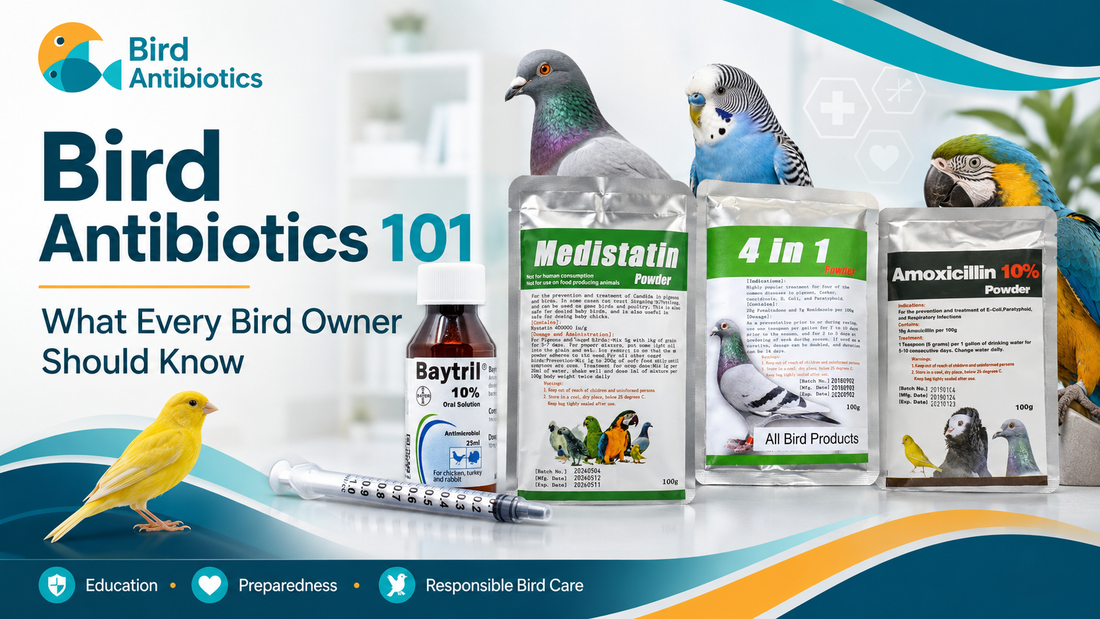
Bird Antibiotics 101: What Every Bird Owner Should Know
Bird Antibiotics 101: What Every Bird Owner Should Know
Birds, whether parrots, finches, canaries, or pigeons, are incredibly sensitive and intelligent creatures. They thrive in clean environments, with proper nutrition and care. Yet, like all animals, birds can fall ill — and when bacterial infections strike, the right antibiotic can make all the difference between recovery and tragedy. Understanding how antibiotics work, when to use them, and how to prevent infection is an essential part of responsible bird ownership.
The Role of Antibiotics in Avian Health
Bird antibiotics are specifically designed to combat bacterial infections affecting the respiratory tract, digestive system, and skin. Unlike human medications, these formulas are developed for small, delicate systems. When used correctly, antibiotics can effectively treat serious diseases like respiratory infections, canker, and enteritis. However, misuse can cause resistance or harm, making education crucial for bird owners.
In the United States, many avian keepers rely on reputable sources such as BirdAntibiotic.com to purchase broad-spectrum antibiotics for their birds. These products are labeled for ornamental or aviary use and are trusted by breeders and hobbyists alike.
Why Birds Are Susceptible to Infection
Unlike mammals, birds have high metabolic rates and sensitive respiratory systems. Even small changes in temperature, humidity, or diet can weaken their immune response. Stress from relocation, breeding, or overcrowding can also lead to bacterial growth. In aviaries and lofts, bacteria spread easily through shared water and droppings, putting the entire flock at risk.
That’s why regular cleaning and disinfection play a vital role. Using safe cleaning solutions like Avicare Disinfectant helps eliminate harmful pathogens from cages, perches, and feeders without harming birds. Proper hygiene reduces the need for antibiotics altogether.
Recognizing Signs of Illness
Early detection is the best defense against serious disease. Birds instinctively hide weakness to avoid appearing vulnerable, so by the time symptoms appear, an infection may already be advanced. Learn to spot subtle changes in your bird’s behavior, appetite, or droppings — these are the first signs of trouble.
- Ruffled feathers or constant fluffing
- Reduced appetite or unexplained weight loss
- Discharge from nostrils or eyes
- Labored breathing, wheezing, or sneezing
- Changes in droppings (color, consistency, or odor)
- Decreased vocalization or energy levels
When such signs persist, it’s wise to isolate the affected bird immediately and consult a professional or begin treatment using a suitable antibiotic for birds.
How Bird Antibiotics Work
Antibiotics act by targeting bacteria directly — either killing them or stopping their growth. The most commonly used classes in avian medicine include:
- Penicillins (e.g., Amoxicillin) – Effective for respiratory and skin infections.
- Tetracyclines (e.g., Doxycycline) – Commonly used to treat Psittacosis and other systemic infections.
- Fluoroquinolones (e.g., Enrofloxacin or Ciprofloxacin) – Useful for severe infections and internal bacterial issues.
- Sulfonamides (e.g., Trimethoprim-Sulfa) – Used for digestive and urinary tract infections.
These antibiotics can be administered via drinking water, feed, or directly by mouth. For flock treatment, soluble powders are preferred, ensuring all birds receive consistent medication.

Common Bird Diseases Requiring Antibiotic Therapy
1. Respiratory Infections
Birds suffering from respiratory issues may show symptoms such as wheezing, nasal discharge, and tail bobbing. Common causes include bacteria like Mycoplasma or Chlamydia psittaci. Treatments often involve Doxycycline or Tylosin, depending on the strain.
2. Coccidiosis
This intestinal disease affects both cage birds and pigeons. It leads to bloody droppings, lethargy, and dehydration. The most effective solution is Coccivet, designed specifically to eliminate coccidial parasites without harming beneficial bacteria.
3. Trichomoniasis (Canker)
Common in pigeons, this disease affects the crop and throat, causing difficulty swallowing and regurgitation. Treatment typically includes Metronidazole-based options like Triple C, which provides broad protection against protozoal infections.
4. Bacterial Enteritis
Enteritis causes diarrhea and nutrient loss. It can be fatal if untreated. Amoxicillin or Trimethoprim-Sulfa are reliable treatments, restoring digestive health within days when used correctly.
Administering Antibiotics Safely
Bird antibiotics should always be administered with care. Follow label directions precisely and avoid exceeding recommended doses. If your bird refuses to drink medicated water, administer the solution gently using a syringe under professional guidance.
Provide clean, fresh water daily and avoid using metal containers that can react with certain medications. After treatment, cleanse water dishes with Aviclens to remove residue and bacteria.

Building Immunity and Preventing Future Infections
Healthy birds are less likely to need antibiotics. Provide balanced nutrition with fresh greens, seeds, and vitamin supplements. Probiotics are also vital — they replenish gut flora disrupted by antibiotic use and help birds absorb nutrients more efficiently.
Regular cage sanitation, quarantine for new arrivals, and minimizing stress go a long way in disease prevention. When used together with high-quality antibiotics and disinfectants like Avicare, these practices form the foundation of avian wellness.
Responsible Use of Antibiotics
Overuse or misuse of antibiotics can lead to resistance — making bacteria harder to kill in the future. Only medicate when necessary, complete the full course, and avoid using antibiotics as a preventive measure without evidence of infection.
Responsible medication practices ensure not just your bird’s health but also the safety of avian populations at large. When in doubt, consult an avian specialist before starting or changing any treatment plan.
Types of Bird Antibiotics and Their Specific Uses
When it comes to treating bacterial infections in birds, choosing the right antibiotic is critical. Not all antibiotics work the same way, and using the wrong type can delay recovery or even harm your bird’s internal systems. Each antibiotic is formulated to target specific bacteria, and understanding these differences helps owners provide effective and safe care. In this section, we’ll explore the major categories of bird antibiotics, how they work, and when each is most appropriate for different avian conditions.
Understanding Antibiotic Classes in Avian Medicine
Bird antibiotics can be grouped into several primary categories, each with unique properties. The most commonly used include:
- Penicillins – e.g., Amoxicillin
- Tetracyclines – e.g., Doxycycline, Oxytetracycline
- Macrolides – e.g., Tylosin
- Sulfonamides – e.g., Trimethoprim-Sulfa
- Fluoroquinolones – e.g., Enrofloxacin, Ciprofloxacin
- Nitroimidazoles – e.g., Metronidazole
Each of these classes targets a specific group of bacteria or protozoa. The key is understanding the symptoms, the suspected infection site (respiratory, digestive, or systemic), and the safest route of administration.
1. Penicillin-Based Antibiotics (Amoxicillin)
Amoxicillin is one of the most trusted broad-spectrum antibiotics for birds. It is especially useful for treating respiratory infections, wound infections, and soft tissue inflammation caused by bacteria such as Staphylococcus and Streptococcus.
Birds with nasal discharge, sneezing, or inflamed sinuses often respond well to Amoxicillin treatment. It is typically mixed into drinking water or administered orally for 5–10 days, depending on the severity of the infection.
You can find high-quality avian-grade Amoxicillin products in the Antibiotics Collection at BirdAntibiotic.com, formulated specifically for ornamental and aviary birds.
When to Use:
- Respiratory infections (sinusitis, rhinitis)
- Wound or abscess treatment
- Septicemia (blood infections)
Precautions:
Amoxicillin should not be used simultaneously with certain bacteriostatic antibiotics like Doxycycline, as their mechanisms may interfere with each other. Always ensure adequate hydration and monitor droppings during treatment.
2. Tetracyclines (Doxycycline and Oxytetracycline)
The tetracycline group — especially Doxycycline — is one of the most important antibiotic families in avian medicine. Doxycycline is the go-to treatment for Chlamydia psittaci, the bacteria responsible for Psittacosis (Parrot Fever), a common and potentially serious zoonotic disease.
It’s also effective for mixed respiratory infections and digestive tract infections in small cage birds and pigeons. For best absorption, administer Doxycycline through drinking water, ensuring birds are not consuming calcium-rich foods simultaneously (as calcium can interfere with absorption).
Find Doxycycline and other tetracycline-based bird medications at the Antibiotics Collection.
When to Use:
- Psittacosis (Parrot Fever)
- Respiratory infections (chronic respiratory disease)
- Enteritis and internal bacterial infections
Precautions:
Do not expose treated birds to direct sunlight during medication, as tetracyclines can increase photosensitivity. Always complete the prescribed duration to prevent relapse.
3. Macrolides (Tylosin)
Tylosin is a powerful macrolide antibiotic widely used for treating chronic respiratory diseases (CRD) and Mycoplasma infections in birds. It is particularly effective in pigeons, canaries, and parrots suffering from persistent respiratory issues.
Macrolides inhibit bacterial protein synthesis, stopping bacterial growth without killing beneficial gut flora. This makes Tylosin gentler on digestion than many other antibiotic types.
It’s often recommended alongside Avicare Disinfectant to reduce bacterial load in the environment during treatment.
When to Use:
- Mycoplasmosis and CRD (chronic respiratory disease)
- Air sac infections (air sacculitis)
- Persistent nasal and sinus infections
Precautions:
Tylosin should not be mixed with other antibiotics in the same water source. Always prepare fresh medicated water daily and monitor bird intake carefully.
4. Sulfonamides (Trimethoprim-Sulfa)
Trimethoprim-Sulfa combinations are among the most effective broad-spectrum treatments for intestinal and urinary tract infections in birds. They work by blocking bacterial enzyme pathways, preventing reproduction and spreading of bacteria.
These medications are ideal for managing Coccidiosis, especially when used alongside dedicated coccidial treatments like Coccivet. In mixed infections, Sulfa drugs are often the first line of defense.
When to Use:
- Coccidiosis and enteritis
- Diarrhea and intestinal infections
- Urinary tract infections (UTI)
Precautions:
Ensure birds remain hydrated, as Sulfa medications can slightly reduce water intake. Avoid prolonged use (over 10 days) to prevent kidney strain.
5. Fluoroquinolones (Enrofloxacin and Ciprofloxacin)
Fluoroquinolones such as Enrofloxacin and Ciprofloxacin are advanced antibiotics designed for severe infections that don’t respond to other treatments. These medications penetrate deeply into tissues and are effective against both gram-negative and gram-positive bacteria.
They are often reserved for systemic infections, joint infections, or severe bacterial outbreaks in lofts and aviaries. Due to their potency, use them carefully and avoid combining with other antibiotics unless directed by a veterinarian.
Explore Enrofloxacin and Ciprofloxacin options in the Antibiotics Collection at BirdAntibiotic.com.
When to Use:
- Severe respiratory or digestive infections
- Joint infections and septicemia
- Mixed bacterial infections resistant to other treatments
Precautions:
Fluoroquinolones should not be used in very young birds, as they can affect cartilage development. Limit duration to 5–7 days unless otherwise prescribed.
6. Nitroimidazoles (Metronidazole)
Metronidazole is unique among antibiotics as it targets protozoal infections rather than bacteria alone. It’s particularly valuable for treating Trichomoniasis (Canker) and Giardiasis, common in pigeons and aviary birds.
This medication works by disrupting protozoan DNA, effectively halting their replication. It’s often used in combination with good hygiene and disinfection to prevent reinfection.
For the most effective protozoal treatment, bird owners often use trusted formulations such as Triple C, available through BirdAntibiotic.com.
When to Use:
- Trichomoniasis (Canker) in pigeons
- Giardiasis and protozoal enteritis
- Mixed protozoal-bacterial infections
Precautions:
Metronidazole should not be overused, as it can disrupt beneficial gut microorganisms. Always follow the full course and maintain strict loft hygiene to prevent recurrence.
7. Topical and Environmental Antibiotics
In addition to oral medications, topical and environmental antibiotics play an important role in preventing infection spread. Products like Avicare and Aviclens help eliminate harmful bacteria from cages, feeders, and perches, keeping the environment sterile and odor-free.
Using these disinfectants reduces the risk of recontamination during or after antibiotic therapy. It also minimizes the likelihood of reinfection, especially in multi-bird environments.
8. The Importance of Correct Dosage
Even the best antibiotics can fail if dosages are incorrect. Birds metabolize medications quickly, so maintaining therapeutic levels is essential. Always measure accurately and use scales to determine your bird’s weight if possible.
Mixing instructions usually indicate a ratio (e.g., 1 teaspoon per gallon of water). Follow them exactly, refresh medicated water daily, and never reuse leftover mixtures.
9. Combining Antibiotics and Supportive Care
While antibiotics target infections, supportive care helps birds recover fully. During antibiotic treatment, provide vitamin supplements and probiotics to restore intestinal balance. Offer clean water and reduce stress by keeping the cage in a quiet, warm location.
Bird owners often pair antibiotics with immune-boosting supplements and disinfectants such as Avicare to promote a complete recovery.
10. Knowing When to Switch or Stop Antibiotics
If there’s no visible improvement after 5–7 days of proper treatment, the infection may be resistant or misdiagnosed. At that point, consult an avian specialist to change the medication type or dosage. Continuing an ineffective antibiotic can stress the bird and weaken its immunity.
Never stop antibiotics too early, as surviving bacteria can rebound, leading to chronic infection and resistance development.
By understanding these antibiotic types and how each works, bird owners can make informed, responsible decisions. Knowing when and how to use them — along with proper cleaning and preventive care — creates the foundation for long-term avian health and well-being.
Common Bird Diseases Treated with Antibiotics
Bacterial infections are among the most frequent health problems in pet birds, aviary flocks, and racing pigeons. Because birds conceal early symptoms, many owners first notice illness only when it becomes advanced. Knowing which diseases respond to antibiotics and recognizing their warning signs can save time, money, and — most importantly — your bird’s life. Below we review the bacterial and protozoal illnesses most often treated with veterinary-grade antibiotics and supportive care.
1. Respiratory Infections
Respiratory disease is one of the top reasons birds require antibiotics. The infection can begin in the sinuses and spread to the lungs or air sacs, causing labored breathing and lethargy. Common culprits include Mycoplasma, Chlamydia psittaci, and Bordetella.
- Symptoms : Nasal discharge, wheezing, tail bobbing, sneezing, open-mouth breathing.
- Effective Treatments : Doxycycline (for Psittacosis / Parrot Fever), Tylosin (for CRD), and Amoxicillin (for secondary bacterial infections).
During therapy, disinfect cages and perches daily with Avicare Disinfectant to reduce bacterial load and improve air quality.
2. Psittacosis (Parrot Fever)
Chlamydia psittaci causes Psittacosis — a contagious zoonotic disease transmissible to humans. Early detection and treatment are essential, particularly for parrots, cockatiels, and lovebirds. The go-to medication is Doxycycline, which eliminates both respiratory and systemic infections.
- Transmission : Through dried droppings, feather dust, or secretions.
- Prevention : Maintain strict hygiene and quarantine new birds before adding them to your aviary.
3. Coccidiosis
This intestinal disease, caused by Eimeria parasites, often appears in young birds or crowded lofts. It damages the intestinal lining, resulting in blood-tinged droppings and weakness. Treatment requires targeted anti-coccidial medication like Coccivet.
Combine therapy with probiotics to rebuild gut flora and disinfect all surfaces with Aviclens to prevent reinfection.
4. Trichomoniasis (Canker in Pigeons)
Trichomoniasis is a protozoal disease common among pigeons, doves, and finches. It produces yellowish lesions in the throat or crop, making swallowing painful and causing weight loss. The best treatment is Metronidazole-based medication such as Triple C, which targets both bacteria and protozoa.
- Keep water sources clean; protozoa spread quickly through communal drinkers.
- Sanitize feeders daily with Avicare.
5. Enteritis (Intestinal Inflammation)
Enteritis refers to inflammation of the intestines caused by E. coli, Salmonella, or Clostridium. Birds develop diarrhea, dehydration, and rapid weight loss. Broad-spectrum antibiotics like Amoxicillin or Trimethoprim-Sulfa are effective, followed by probiotics to re-establish gut balance.
For flock treatment, medicate the drinking water for 5–10 days and change it daily to avoid bacterial growth.
6. Salmonellosis (Paratyphoid in Pigeons)
Paratyphoid, caused by Salmonella typhimurium, affects racing pigeons and can cause joint swellings, nervous symptoms, and diarrhea. Treatment involves Enrofloxacin or Ciprofloxacin, both found in the Antibiotics Collection. Disinfect the loft daily and keep water sources covered to stop contamination.
7. Mycoplasmosis (Chronic Respiratory Disease)
This disease causes persistent coughing, sneezing, and nasal discharge in pigeons and parrots. It spreads through aerosol droplets or shared feeders. Tylosin is one of the most effective antibiotics for treating Mycoplasma-related illnesses. Support treatment with vitamins and reduce stress by maintaining optimal humidity and temperature.
8. Bumblefoot and Skin Infections
Although less common than respiratory or digestive illnesses, skin infections can be serious if ignored. Cuts on the feet may allow Staphylococcus bacteria to enter, causing painful swelling known as Bumblefoot. Topical antibiotic creams or Amoxicillin oral treatment are usually effective when caught early. Keep perches clean and dry to prevent recurrence.
9. E. coli Infections in Chicks
Young birds are particularly susceptible to E. coli infections, especially in unsanitary brooders. Symptoms include loss of appetite, droopy wings, and pasted vents. Treatment with Trimethoprim-Sulfa or Amoxicillin is recommended. Sterilize brooding equipment with Aviclens between batches to eliminate residual bacteria.
10. Necrotic Enteritis and Clostridial Infections
Clostridial bacteria can cause severe digestive inflammation and tissue damage. Early intervention with Amoxicillin or Metronidazole prevents the spread of necrosis in the gut. Ensure your bird receives hydration therapy and probiotics for intestinal recovery.
11. Egg Peritonitis and Reproductive Tract Infections
Female birds sometimes suffer from internal bacterial infections after egg laying. Symptoms include abdominal swelling, straining, and decreased activity. A combination of broad-spectrum antibiotics and anti-inflammatory support is usually required. Keep nest boxes clean and use environmental disinfectants like Avicare.
12. Secondary Infections After Parasite Infestations
External parasites (such as mites or lice) can cause skin damage that invites bacterial infection. First eliminate the parasites using Scatt Treatment, then follow with an antibiotic if sores become infected. Monitor healing and keep affected birds isolated until fully recovered.
13. Preventive Care and Early Intervention
While antibiotics can save lives, prevention remains the most powerful tool. Regular use of Avicare and Aviclens for cleaning, balanced nutrition, and routine health checks reduce infection risk. Quarantine new arrivals for at least 30 days and observe droppings daily for changes in color or consistency.
Recognizing these common diseases and acting quickly with the right antibiotics and hygiene products ensures a higher chance of full recovery. The goal is not only to treat but also to build a stable, disease-resistant environment for your birds to thrive.

Safe Administration and Dosage Guidelines for Bird Antibiotics
Even the most effective antibiotic can only work when administered correctly. Birds are extremely sensitive to changes in dosage and medication handling, so precision is everything. Administering too little can make treatment ineffective and allow bacteria to develop resistance, while overdosing can cause severe organ stress. Understanding the right methods, dosages, and delivery techniques ensures that your birds recover safely and quickly without unnecessary side effects.
1. The Importance of Accurate Dosage
Birds have fast metabolisms and lightweight body structures, which means that small measurement errors can have large impacts. The correct antibiotic dose depends on several factors: species, size, age, type of infection, and medication concentration. When in doubt, always follow manufacturer instructions printed on avian-specific antibiotics available in the Antibiotics Collection.
Most powdered antibiotics are administered via drinking water, but for severe infections, oral administration by syringe is preferred. Never estimate dosage “by eye.” Always use precise measuring spoons or a gram scale, especially for small birds like finches or budgies.
2. Administration Methods
There are three main ways to deliver antibiotics to birds, depending on the bird’s health and the type of medication:
A. Water Medication
Mixing antibiotics in drinking water is the easiest and least stressful method for most flocks. Ensure that medicated water is the only available water source so the bird receives the full dose. Replace water daily to maintain potency.
For example, when treating an aviary-wide Coccidiosis outbreak, mix Coccivet precisely as directed—usually a few milliliters per liter of drinking water for five consecutive days. The solution must be made fresh daily and kept out of direct sunlight.
B. Oral Syringe Administration
For individual treatment or when the bird refuses medicated water, oral syringe delivery is ideal. This method ensures exact dosage but requires careful restraint to prevent aspiration. Use soft-tipped syringes and gently insert them into the side of the beak.
When using medications like Triple C for Trichomoniasis or Amoxicillin for wound infections, follow precise milligram-per-bird guidelines and complete the entire course.
C. Topical or Injectable Administration
Topical treatments are used for localized infections such as Bumblefoot, while injections are reserved for professional use by avian veterinarians. Injectable antibiotics offer rapid absorption but must be handled with strict sterility. If unsure, always consult an expert before attempting injection.
3. Treatment Duration and Consistency
Bird owners often make the mistake of stopping treatment too soon when symptoms improve. Bacteria may survive and cause relapse, often stronger than before. For most conditions, antibiotics should be given for 5–10 consecutive days. In severe systemic infections, longer durations (up to 14 days) may be required.
Consistency is key. Skipping even one dose can reduce antibiotic effectiveness. If multiple birds are being treated, mark the start and end date clearly on the aviary log to track consistency.
4. Water Quality and Medication Effectiveness
Water chemistry can affect antibiotic stability. Chlorinated or mineral-heavy water can reduce the effectiveness of certain medications, particularly tetracyclines like Doxycycline. Always use clean, filtered, or distilled water when mixing antibiotics.
After treatment, disinfect waterers with Aviclens or Avicare to remove biofilm and residue that can harbor bacteria.
5. Recognizing Adverse Reactions
Although rare, some birds may react negatively to antibiotics. Watch for changes such as:
- Diarrhea or loose droppings
- Excessive lethargy
- Loss of balance or appetite
- Unusual feather ruffling or restlessness
If these signs occur, discontinue the antibiotic and consult an avian veterinarian immediately. Some birds have low tolerance for strong drugs like Enrofloxacin; in such cases, alternatives from the Antibiotics Collection may be recommended.
6. Mixing Antibiotics with Food or Supplements
Antibiotics can lose effectiveness when mixed with calcium-rich foods or vitamins. For instance, Doxycycline binds to calcium, reducing absorption. During antibiotic treatment, temporarily avoid giving mineral blocks or calcium supplements.
After completing the course, provide probiotics to restore healthy gut bacteria. Many breeders mix probiotics in water 24 hours after the final antibiotic dose to help digestion recover naturally.
7. Preventing Cross-Contamination in Flocks
When one bird becomes sick, others in the same cage or aviary are often exposed. While treating the infected bird, maintain strict hygiene and separate it from the flock. Use gloves and clean tools between cages to avoid spreading bacteria.
Disinfect all perches, feeders, and drinkers daily with safe avian cleaners like Avicare. For long-term prevention, establish a weekly cleaning routine and perform full cage sterilization every month.
8. Handling and Storing Antibiotics
Improper storage can reduce the potency of antibiotics. Always keep medications in a cool, dry place, away from sunlight and moisture. Powders should be tightly sealed, and liquid formulations should be refrigerated if the label instructs.
Never use expired antibiotics. Their effectiveness declines, and breakdown compounds can be harmful to birds’ liver and kidneys. Dispose of outdated medication safely, following local pharmacy guidelines.
9. Monitoring Bird Progress During Treatment
Observe the treated bird closely during and after antibiotic administration. Record daily food intake, water consumption, droppings, and activity. Improvement is usually noticeable within 48–72 hours of proper therapy. However, complete the prescribed duration even if symptoms vanish earlier.
If no progress occurs within five days, the infection may be resistant, or another pathogen (such as fungi or viruses) could be involved. In such cases, switch to an alternative treatment under professional supervision.
10. Best Practices for Large Aviaries and Breeding Facilities
Managing antibiotics for a flock of dozens or hundreds of birds requires strict consistency and record-keeping. Each flock should have an individualized health protocol detailing:
- Dosages and durations for common antibiotics
- Scheduled preventive disinfection days
- Procedures for isolation and quarantine
- Emergency response plans for outbreaks
Many large aviaries maintain backup stocks of essential products, including broad-spectrum antibiotics and disinfectants such as Avicare, to ensure quick response in case of disease outbreaks.
11. The Human Factor: Owner Responsibility and Precision
Proper antibiotic administration depends largely on the keeper’s commitment. Even the best medication cannot succeed without accurate measurement, consistent dosing, and good hygiene. Bird owners and breeders carry the responsibility of ensuring that antibiotics are used wisely to avoid resistance, cross-contamination, and unnecessary stress on their birds.
Following a disciplined schedule, tracking each treatment, and using reliable, species-appropriate antibiotics are the pillars of modern avian care. By mastering correct dosage and administration, bird owners can maintain healthier flocks, minimize disease recurrence, and foster stronger, more resilient birds for years to come.
Preventing Infections and Strengthening Bird Immunity
Preventing disease is always better than treating it. While antibiotics play a critical role in managing infections, the foundation of avian health lies in strong immunity and impeccable hygiene. A robust immune system helps birds naturally resist pathogens, reducing the need for frequent medication and improving overall longevity. This section explores key strategies to prevent infections and strengthen your bird’s natural defenses.
1. The Power of Prevention in Avian Care
Birds are naturally resilient, but confined environments like cages and lofts can expose them to a higher concentration of bacteria, fungi, and parasites. Prevention begins with daily maintenance, proper diet, and regular health checks. Clean environments, fresh air, and stress-free conditions dramatically reduce disease outbreaks.
Hygienic cleaning solutions like Avicare Disinfectant and Aviclens help destroy harmful microbes on perches, feeders, and cages. When used consistently, these products eliminate invisible pathogens that cause common illnesses such as respiratory infections and enteritis.
2. Quarantine and Isolation Protocols
Introducing a new bird into your aviary without quarantine is one of the fastest ways to start an outbreak. Every new bird should be isolated for at least 30 days, even if it appears healthy. Many diseases, including Psittacosis and Coccidiosis, have incubation periods during which birds show no visible symptoms.
- Set up a separate cage or room for the new arrival.
- Observe behavior, droppings, and appetite daily.
- Disinfect feeding tools after each use using Avicare.
- After quarantine, slowly introduce the new bird to the flock.
This practice not only protects your current birds but also ensures that the newcomer adapts to your aviary’s environment safely and stress-free.
3. Clean Water — The Hidden Health Factor
Clean water is often underestimated as a disease-prevention factor. Bacteria multiply rapidly in stagnant or dirty water, especially in warm environments. Waterborne diseases like Trichomoniasis and E. coli infections are common in flocks that share large containers or drink from contaminated sources.
To ensure water safety:
- Change drinking water at least twice daily.
- Clean containers with Aviclens Water Sanitizer to prevent algae and bacterial buildup.
- Use separate bowls for sick birds to stop cross-contamination.
In larger aviaries or pigeon lofts, installing automatic drinkers with filters can significantly reduce infection rates.
4. Nutrition and Vitamins — The Immune System’s Backbone
Diet plays an enormous role in immunity. Birds require a balanced intake of proteins, fats, carbohydrates, vitamins, and minerals. Malnutrition weakens immune response and increases vulnerability to bacteria and parasites.
To boost resistance naturally:
- Offer fresh fruits and vegetables daily (avoid avocado and chocolate).
- Provide high-quality seed mixes or formulated pellets.
- Use multivitamin supplements during stress or molting periods.
- Include probiotics after any antibiotic course to restore gut health.
A well-fed bird with optimal vitamin levels has stronger mucous membranes and a more efficient white blood cell response, making infections far less likely.
5. The Role of Probiotics in Disease Prevention
After antibiotics, birds often experience digestive imbalance, which can weaken their natural immunity. Probiotics restore beneficial gut flora, improving digestion and boosting overall health. They are particularly beneficial for birds recovering from enteritis or respiratory infections.
Mix probiotics in drinking water 24 hours after finishing any antibiotic course. This helps stabilize internal bacteria and enhance nutrient absorption — two vital components for long-term health.
6. Stress Management and Environmental Stability
Stress is one of the biggest triggers for illness in birds. Common stressors include overcrowding, temperature fluctuations, loud noises, and frequent handling. Chronic stress can suppress the immune system, making even minor bacteria dangerous.
Reduce stress by:
- Providing enough space per bird in cages or lofts.
- Keeping room temperature stable between 70–80°F (21–27°C).
- Avoiding sudden changes in light or feeding schedules.
- Offering quiet resting periods after medication or handling.
Even a strong antibiotic can fail if the bird’s environment remains stressful or unsanitary. Healing starts with calm surroundings and consistent routines.
7. Regular Disinfection and Hygiene Routine
Cleaning is not just about appearance; it is a health safeguard. Birds defecate frequently, and droppings accumulate bacteria quickly. A single contaminated perch can reinfect an entire flock.
For proper hygiene:
- Use Avicare or Aviclens weekly to disinfect all surfaces.
- Rotate perches and clean food dishes every day.
- Remove uneaten wet food within 2 hours.
These habits drastically reduce bacterial populations in the living area, lowering infection risks and improving recovery times after any illness.
8. Air Quality and Ventilation
Birds have delicate respiratory systems that are easily irritated by poor air quality. Dust, mold spores, or ammonia buildup from droppings can inflame airways and lead to secondary bacterial infections.
Maintain ventilation by:
- Placing cages away from direct drafts but ensuring steady airflow.
- Cleaning droppings frequently to prevent ammonia gas accumulation.
- Using air purifiers in enclosed rooms if needed.
Good ventilation not only keeps birds comfortable but also strengthens their respiratory defenses against infection.
9. Vaccination and Preventive Treatments
In some regions, preventive vaccines or regular medication schedules are available for diseases like Paratyphoid in pigeons or Polyomavirus in parrots. Although not a substitute for hygiene, these measures can further reduce disease risk.
Combine preventive treatments with parasite control — use Scatt for mites and lice every few months to avoid external irritants that weaken immunity. Healthy skin and feathers are a bird’s first barrier against pathogens.
10. Monitoring Early Signs of Weak Immunity
Catch potential problems early by monitoring physical and behavioral changes. Birds with weak immunity may show subtle warning signs such as dull feathers, slower molting, or reduced activity. Record weight regularly — unexplained loss is a red flag for early infection.
If recurring symptoms appear despite proper care, it may indicate chronic bacterial presence in the environment. In such cases, deep-clean the aviary with Avicare and refresh all feeding equipment.
11. Building a Long-Term Health Schedule
A proactive health routine minimizes emergencies. Consider the following schedule for optimal bird care:
- Daily: Replace water, remove droppings, and check droppings for abnormalities.
- Weekly: Disinfect perches and bowls using Avicare.
- Monthly: Apply parasite control such as Scatt.
- Every 3–6 months: Conduct a full health inspection, checking weight, feather condition, and breathing.
12. Educating Bird Owners and Breeders
Prevention starts with knowledge. Many diseases in birds result from avoidable mistakes — poor hygiene, stress, and incomplete medication courses. Whether keeping a single parrot or managing a pigeon loft, every bird owner benefits from understanding the principles of biosecurity and early detection.
By adopting these preventive and immune-supporting practices, you build a foundation for lifelong avian wellness. Combined with trusted treatments and disinfectants from BirdAntibiotic.com, prevention ensures not only healthier birds but also a safer, more resilient flock.
Recognizing and Managing Antibiotic Resistance in Birds
Antibiotic resistance is one of the greatest challenges in modern avian medicine. When bacteria adapt and become immune to commonly used antibiotics, even routine infections can become difficult or impossible to treat. For bird owners and breeders, this means that understanding, recognizing, and preventing antibiotic resistance is not only a matter of science — it’s a responsibility toward their birds’ future health and well-being.
1. What Is Antibiotic Resistance?
Antibiotic resistance occurs when bacteria evolve mechanisms that protect them from the effects of antibiotics. These bacteria survive treatment and continue to multiply, spreading stronger, drug-resistant strains throughout the environment. In birds, this problem can develop rapidly if antibiotics are overused, underdosed, or used incorrectly.
For instance, using broad-spectrum antibiotics for mild or non-bacterial issues (such as viral infections) encourages bacteria to adapt and survive future treatments. Once resistance develops, standard antibiotics like Amoxicillin or Doxycycline may no longer work, requiring stronger or combination therapies.
2. How Resistance Develops in Aviaries
Resistance doesn’t happen overnight. It develops gradually when bacteria are repeatedly exposed to antibiotics at sub-therapeutic levels. Common causes include:
- Stopping treatment too early before bacteria are fully eliminated.
- Mixing antibiotics without professional guidance.
- Using expired or improperly stored medications.
- Treating with incorrect dosages or diluted water solutions.
- Frequent use of the same antibiotic for multiple outbreaks.
In large aviaries or pigeon lofts, where many birds share the same environment, resistant bacteria can spread quickly through droppings, feeders, and water systems. Once established, these bacteria can survive disinfection efforts and become a recurring problem.
3. Recognizing Signs of Antibiotic Resistance
Antibiotic resistance in birds can be subtle at first. Often, the bird appears to improve temporarily and then relapses once treatment ends. Other signs include:
- Prolonged illness despite proper antibiotic use.
- Recurring infections within days or weeks.
- Reduced response to previously effective antibiotics.
- Multiple birds showing the same symptoms despite treatment.
If these patterns appear, it’s likely that resistance is developing in the flock. In such cases, simply switching to a stronger antibiotic may not be enough — biosecurity and environmental factors must also be addressed.
4. Testing and Diagnosis
When resistance is suspected, the best course of action is to obtain a laboratory culture and sensitivity test. This involves collecting a sample (usually from droppings, throat swabs, or lesions) and testing it to identify the bacteria and determine which antibiotics are still effective.
Although not always practical for small hobbyists, breeders or pigeon loft managers benefit greatly from occasional lab testing to monitor the bacterial environment. It provides data on which antibiotics are safe and effective to use in future treatments.
5. Responsible Use of Antibiotics
Responsible antibiotic stewardship means using these medicines only when necessary and following treatment instructions exactly. Here are some essential guidelines:
- Only use antibiotics for confirmed bacterial infections, not viral or fungal diseases.
- Always complete the full treatment course, even if symptoms disappear early.
- Use antibiotics specifically formulated for birds — like those in the Bird Antibiotics Collection.
- Rotate antibiotic types when treating recurring infections to prevent resistance buildup.
Responsible use ensures that these vital medications remain effective for years to come, protecting both your birds and the broader avian community.
6. The Role of Hygiene and Biosecurity
Even with the best antibiotics, poor hygiene can cause treatment failure and spread resistant bacteria. Proper biosecurity practices, such as disinfecting cages, isolating sick birds, and maintaining clean water sources, are fundamental to preventing resistance.
Using effective disinfectants like Avicare or Aviclens reduces bacterial populations in cages, lofts, and feeders. This not only keeps birds healthy but also prevents resistant strains from thriving.
7. Rotating Antibiotics in Large Aviaries
Breeders who manage multiple birds should avoid relying on the same antibiotic year-round. Alternating between antibiotic classes — for instance, rotating between Amoxicillin, Doxycycline, and Trimethoprim-Sulfa — helps minimize resistance buildup. This technique prevents bacteria from adapting to a single drug and ensures long-term treatment success.
Keep a written log of treatments used, including antibiotic names, dates, and outcomes. This allows you to track resistance trends and make informed decisions for future flock care.
8. Probiotics and Natural Immunity Support
After antibiotic treatment, restoring the bird’s gut flora is essential. Antibiotics can eliminate both harmful and beneficial bacteria, weakening the immune system and leaving the bird vulnerable to reinfection. Administer probiotics after every treatment cycle to rebuild intestinal health and prevent opportunistic bacterial growth.
Natural immunity boosters such as vitamin-rich diets, clean water treated with Aviclens, and stress reduction also play key roles in preventing recurrent infections that might encourage antibiotic overuse.
9. Environmental Carriers of Resistance
Resistance doesn’t just stay within a single bird — it can spread through the environment. Contaminated droppings, leftover medicated water, and dirty surfaces can carry resistant bacteria to new hosts. Regular deep-cleaning with Avicare or equivalent avian-safe disinfectants is necessary to eliminate lingering bacteria.
Bird feeders and nesting boxes should be disinfected weekly, and shared equipment (such as syringes or weighing scales) should be sanitized after every use.
10. Educating Bird Owners and Breeders
Awareness is the most powerful tool against resistance. Many cases of antibiotic misuse come from misinformation — for example, assuming all infections require antibiotics or using leftover medication. Bird owners and breeders should stay informed about disease symptoms, available treatments, and safe practices.
Reliable resources like BirdAntibiotic.com provide access to approved avian medications and educational content, ensuring that owners make informed decisions without risking resistance development.
11. The Future of Avian Antibiotic Use
The growing concern over antibiotic resistance extends to all species — including birds. The future of avian health relies on balance: combining effective treatments with preventive care and responsible medication practices. With careful stewardship, antibiotics can remain lifesaving tools instead of short-term solutions that lose power over time.
Recognizing and managing antibiotic resistance requires patience, vigilance, and education. By following best practices — using antibiotics only when needed, ensuring full courses, maintaining strict hygiene, and supporting recovery with probiotics — bird owners can protect both their own flocks and the wider avian ecosystem from this growing threat.
How to Create a Disease-Free Aviary: Cleaning, Disinfection, and Biosecurity
A clean aviary is not just about aesthetics—it is the foundation of avian health. Most bacterial, fungal, and protozoal infections begin with contaminated cages, droppings, and shared food or water sources. Developing a disciplined cleaning and disinfection plan keeps pathogens under control and protects every bird in your care. Whether you manage a small indoor flock or a large breeding facility, biosecurity is the invisible shield that guards against disease.
1. Why Hygiene Is the First Line of Defense
Bacteria, fungi, and parasites thrive in warm, moist environments—precisely the conditions found in most aviaries. Even a single neglected water bowl can harbor dangerous organisms like E. coli or Trichomonas. When birds peck at contaminated surfaces, infection spreads instantly. Consistent sanitation with products such as Avicare Disinfectant and Aviclens Water Sanitizer eliminates these threats before they gain a foothold.
Clean surroundings support stronger immune systems, fewer respiratory issues, and better breeding outcomes. No antibiotic can substitute for good hygiene—it is the most reliable form of disease prevention.
2. Establishing a Daily Cleaning Routine
Daily maintenance prevents the gradual buildup of waste that encourages bacterial growth. The goal is to make cleanliness effortless and automatic:
- Remove droppings from cage bottoms every morning.
- Replace food and water twice a day—never top off old water.
- Wipe perches, seed guards, and cage bars with diluted Avicare.
- Inspect for mold in seed trays and remove wet food within two hours.
Consistency matters more than intensity; small daily actions prevent the need for drastic interventions later.
3. Weekly Deep-Cleaning Checklist
Once a week, perform a complete cage and equipment disinfection. This removes hidden pathogens in corners and feeding systems that daily cleaning misses.
- Move birds to a temporary holding cage in a clean room.
- Scrub all cage components using warm water and mild detergent.
- Rinse thoroughly and spray with Avicare Disinfectant.
- Let the cage air-dry fully before returning birds to prevent inhalation of vapors.
- Soak drinkers overnight in Aviclens solution to kill residual bacteria and algae.
This level of care dramatically reduces the spread of respiratory and digestive infections, especially in breeding seasons when disease pressure is high.
4. Managing Air Quality and Dust
Poor ventilation leads to ammonia buildup from droppings, creating perfect conditions for bacteria and fungal spores. Ensure steady airflow throughout the aviary:
- Position cages to allow cross-ventilation without drafts.
- Install exhaust fans in enclosed rooms.
- Use HEPA filters or air purifiers to capture dander and dust.
Fresh air supports respiratory health and complements the cleaning routine by reducing airborne pathogens.
5. Biosecurity for Multi-Bird Facilities
Biosecurity refers to practices that prevent pathogens from entering or leaving your aviary. For breeders and pigeon fanciers, biosecurity is critical because a single infected bird can compromise an entire flock.
- Quarantine all new arrivals for at least 30 days before mixing with established birds.
- Use separate feeding utensils for quarantined birds.
- Disinfect shoes, tools, and hands after handling birds from outside sources.
- Keep visitor traffic to a minimum; outsiders can unknowingly bring disease on clothing or equipment.
During any outbreak, isolate affected birds immediately and disinfect cages daily with Avicare. Replace all perches, nest boxes, and drinkers once treatment ends to eliminate residual contamination.
6. Safe Use of Disinfectants
Not all cleaning products are safe for birds. Avoid household bleach or harsh chemicals—they release fumes that can irritate delicate avian lungs. Always select disinfectants labeled as avian-safe. Both Avicare and Aviclens are non-toxic and effective against bacteria, fungi, and viruses when used at recommended dilutions.
Rinse surfaces with clean water after disinfection and let them air-dry completely before reintroducing birds. Proper use of safe cleaning products maintains hygiene without compromising respiratory safety.
7. Seasonal Deep-Sanitation Programs
At least four times a year—ideally at the start of each season—conduct a full aviary sanitation program. This includes removing every perch, toy, and feeding dish for cleaning. Replace nesting materials and scrub walls, ceilings, and ventilation grills. Spray Avicare over surfaces and rinse thoroughly. Deep-cleaning breaks the disease cycle and prevents recurring infections from overwintering bacteria or fungi.
8. Water System and Feeder Maintenance
Automatic watering systems can be convenient but often become bacterial breeding grounds if neglected. Clean water lines weekly with Aviclens solution to prevent slime buildup. Feeder trays should be washed daily to avoid mold contamination that leads to respiratory disease.
In loft systems, use raised waterers to minimize contamination from droppings, and cover feeders to prevent wild birds from introducing external pathogens.
9. Controlling External Pests
Rodents, insects, and wild birds are common carriers of disease. Implement strict pest-control measures:
- Seal food containers tightly.
- Remove spilled seed promptly.
- Use Scatt to control mites and lice that may transmit infections.
- Install fine mesh screens to keep wild birds and insects out.
Maintaining a pest-free aviary eliminates many vectors that spread bacteria and parasites from cage to cage.
10. Waste Disposal and Environmental Safety
Dispose of old feed, droppings, and nesting materials in sealed containers away from the aviary. Composting waste without proper management can attract rodents or harbor bacteria that re-infect your flock. Always wash hands and tools after handling waste to prevent contamination of clean areas.
11. Monitoring and Record-Keeping
Record every cleaning session, product used, and date of disinfectant application. Keeping a written hygiene log helps track patterns and identify problem areas if illness arises later. It also ensures that disinfection intervals are never skipped during busy breeding or racing seasons.
12. Integrating Cleaning with Medication Programs
During antibiotic treatment, environmental hygiene becomes even more critical. Bacteria shed in droppings can reinfect birds once the antibiotic course ends. Disinfect cages daily with Avicare throughout therapy and again three days after the final dose. This practice prevents re-exposure and enhances recovery.
For water-borne diseases like Trichomoniasis, sanitize drinkers after each refill with Aviclens to prevent protozoa survival between treatments.
13. Education and Long-Term Discipline
Creating a disease-free aviary is not achieved overnight—it requires continuous effort. Every bird keeper, from hobbyist to professional breeder, must understand that hygiene is an ongoing process. Over time, maintaining strict cleaning habits becomes second nature, resulting in healthier birds, fewer medical costs, and stronger breeding outcomes.
With consistency, safe disinfectants, and vigilance, your aviary can remain a sanctuary of health and vitality. Combine these hygiene measures with responsible antibiotic use from the Antibiotics Collection to build a sustainable, disease-free environment for your flock.
Building a Complete Bird First-Aid and Emergency Care Plan
Even with the best hygiene and nutrition, emergencies can still happen. Birds are fragile creatures—minor injuries, sudden infections, or temperature shocks can become life-threatening within hours. Having a structured first-aid and emergency plan ensures you can act quickly, stabilize your bird, and improve the chances of full recovery. This section provides a detailed guide to setting up a comprehensive avian first-aid system suitable for home bird owners, aviaries, and pigeon lofts.
1. The Importance of Immediate Response
Unlike mammals, birds mask their symptoms until illness becomes severe. Delayed treatment can lead to irreversible complications. A well-prepared first-aid plan helps you respond instantly to wounds, respiratory distress, diarrhea, or lethargy. The first few minutes are crucial, especially when infection or trauma is involved.
Keep a clearly labeled emergency kit in your bird room and update it every few months. Include medications, tools, disinfectants, and nutritional supports—all safe for avian use. Many essentials can be sourced directly from the Bird Antibiotics Collection and Avicare Disinfectant line.
2. Setting Up a Dedicated First-Aid Area
Designate a quiet, warm area in your home or aviary where injured or sick birds can recover without stress. This quarantine area should include:
- A small hospital cage or carrier with minimal perches.
- A heating pad or ceramic heat emitter to maintain 85–90°F (29–32°C).
- Separate water and feeding bowls disinfected with Aviclens.
- Soft towels for restraint and cleaning.
Keeping emergency space ready prevents contamination and gives the bird a controlled environment for recovery or observation.
3. Essential Medications for Your Avian First-Aid Kit
A basic but complete kit should include both general and specific treatments. Here are some must-have items:
- Amoxicillin or Doxycycline – for bacterial infections, wounds, or respiratory illness (see all antibiotics).
- Metronidazole or Triple C – for Trichomoniasis, Canker, and digestive infections.
- Coccivet – for Coccidiosis and intestinal issues.
- Electrolyte and vitamin mix – to combat dehydration and stress.
- Scatt – to treat mites and lice that cause skin irritation.
- Avian-safe disinfectant like Avicare – for wound cleaning and surface sanitation.
Always store medications in a cool, dry area and check expiration dates regularly.
4. Treating Common Emergencies
A. Wounds and Bleeding
Even a small cut can lead to significant blood loss in birds. Apply gentle pressure with sterile gauze to stop bleeding. Clean wounds using diluted Avicare, then apply an antibiotic ointment. For punctures or deeper wounds, oral antibiotics like Amoxicillin are recommended.
B. Broken Blood Feathers
If a feather shaft is bleeding, pluck it at the base with sterilized tweezers and apply styptic powder. Isolate the bird to prevent pecking from cage mates and monitor for further bleeding.
C. Respiratory Distress
Labored breathing, wheezing, or open-mouth breathing require immediate attention. Move the bird to a warm, quiet area with good air flow. Begin antibiotic therapy (Doxycycline or Tylosin) for suspected bacterial infections and disinfect the cage with Avicare to eliminate airborne irritants.
D. Diarrhea and Dehydration
Provide clean, fresh water mixed with electrolytes and probiotics. If diarrhea persists more than 24 hours, use Sulfa-based antibiotics or Coccivet if Coccidiosis is suspected.
5. Quarantine and Disease Containment
Isolate any bird showing symptoms of infection—drooping wings, dull feathers, lethargy, or weight loss. Do not share food or water containers between sick and healthy birds. After each handling, wash hands thoroughly and spray the environment with Avicare to stop cross-contamination.
For lofts or large aviaries, assign separate cleaning tools and ensure foot baths at entry points. Replace contaminated materials daily during treatment.
6. Handling and Restraint Techniques
Improper handling can worsen injuries. Always use a soft towel to gently wrap the bird, leaving the head exposed for breathing. Avoid pressing the chest—birds rely on chest movement to breathe. Work quickly but calmly. When administering medications, approach from the side of the beak to prevent aspiration.
For small species like finches, use minimal restraint and dim the room lights to calm them before handling. Stress control is critical for recovery.
7. Emergency Hydration and Nutrition
Dehydration is a leading cause of death in sick birds. If a bird refuses to drink, offer water or rehydration solution via a syringe at the side of the beak. Avoid force-feeding unless trained—aspiration can occur easily.
Provide soft foods such as soaked pellets, mashed boiled egg, or baby bird formula during recovery. Supplements and probiotics can be added to encourage strength and appetite.
8. When to Use Antibiotics in Emergencies
Antibiotics are powerful tools but must be used with care. In emergencies such as respiratory distress, open wounds, or suspected bacterial diarrhea, start treatment with broad-spectrum antibiotics available in the Bird Antibiotics Collection.
For protozoal diseases or Coccidiosis, use Triple C or Coccivet instead. If symptoms persist beyond 72 hours, seek veterinary guidance for culture testing and dosage adjustments.
9. Post-Emergency Recovery and Observation
After stabilization, move the bird to a warm, low-stress environment. Provide clean bedding and fresh water daily. Observe droppings, appetite, and breathing closely for a minimum of 10 days. Continue probiotics and vitamins to rebuild strength.
Keep a recovery log with notes on medication, food intake, and weight changes. Early detection of relapse prevents secondary infections from developing.
10. Creating a Long-Term Emergency Protocol
A professional avian first-aid plan is most effective when documented. Every household or aviary should have a written emergency guide that includes:
- Emergency contact of an avian veterinarian.
- Quick-reference dosage chart for antibiotics.
- List of products in the first-aid kit (with expiry dates).
- Isolation and disinfection procedure checklist.
Regularly update the plan, replacing expired products and restocking essentials such as Avicare disinfectant and broad-spectrum antibiotics. Preparedness transforms emergencies from crises into manageable events.
With the right supplies, knowledge, and calm execution, bird owners can handle most emergencies confidently. A complete first-aid and care plan not only saves lives but also prevents small injuries or infections from escalating into larger outbreaks within the flock.
Common Mistakes Bird Owners Make with Antibiotics (and How to Avoid Them)
Antibiotics can save a bird’s life — but when used incorrectly, they can cause more harm than good. Many well-intentioned bird owners unknowingly misuse these medications, leading to prolonged illness, antibiotic resistance, or even fatal side effects. Recognizing and avoiding these mistakes is critical to ensure that every treatment supports recovery rather than complicates it. Below we’ll explore the most common antibiotic errors bird owners make, and how to use medications safely, effectively, and responsibly.
1. Using the Wrong Type of Antibiotic
One of the most frequent errors is selecting the wrong medication for the infection. Each antibiotic targets specific bacteria, and using the wrong one wastes time and reduces the bird’s chances of recovery. For example, Coccivet treats coccidial (protozoal) infections, while Triple C is used for Trichomoniasis or bacterial respiratory infections. Using Amoxicillin or Doxycycline for Coccidiosis won’t help — and might even disrupt the bird’s gut flora.
Before starting any antibiotic, identify symptoms accurately and consult trusted product descriptions or avian references available through the Antibiotics Collection.
2. Stopping Treatment Too Early
Birds often appear better within a few days of starting antibiotics — but that doesn’t mean the infection is gone. Stopping treatment early allows surviving bacteria to multiply again, often stronger than before. This relapse can be more severe and resistant to further treatment. Always complete the full course, even if the bird looks fully recovered by day three or four.
When using water-soluble antibiotics, refresh medicated water daily and continue for the exact duration indicated on the product label. The consistent dosing ensures that bacteria are fully eliminated.
3. Guessing Dosages Instead of Measuring Precisely
Bird antibiotics are formulated to deliver specific concentrations per liter of drinking water or per kilogram of body weight. Estimating doses “by eye” or “a pinch per drinker” is dangerous — birds metabolize medications quickly, and even a small miscalculation can lead to overdose or underdose. Use precision tools such as a digital scale or syringe to measure doses correctly.
Refer to professional formulations found in the Antibiotics Collection, which include clear dosage instructions for each product. Accuracy is non-negotiable in avian medicine.
4. Using Expired or Improperly Stored Medications
Expired antibiotics lose potency and may produce harmful byproducts that affect the bird’s liver or kidneys. Always check expiration dates and store medications in a cool, dry place, away from sunlight. Powdered antibiotics should remain sealed tightly, while liquid formulations may require refrigeration.
Improperly stored medication not only weakens treatment but can also introduce contaminants. Always use fresh, unopened supplies when treating infections.
5. Mixing Antibiotics with Vitamins or Calcium-Rich Foods
Combining antibiotics with certain supplements can interfere with absorption. For instance, calcium binds to tetracyclines like Doxycycline, reducing their effectiveness. Avoid administering vitamins, mineral blocks, or calcium supplements during antibiotic treatment unless prescribed together.
Once the antibiotic course is complete, restore gut balance with probiotics and vitamin supplements to rebuild natural immunity. This approach supports recovery without compromising drug performance.
6. Treating Non-Bacterial Diseases with Antibiotics
Many common bird illnesses — such as viral infections, fungal issues, or nutritional deficiencies — don’t respond to antibiotics. Overusing antibiotics in these cases contributes to resistance and disrupts the bird’s natural gut microbiome. For example, fungal infections require antifungal agents, not Amoxicillin or Doxycycline.
To avoid misuse, review symptom-based treatment guides or consult avian resources at BirdAntibiotic.com before medicating. When in doubt, isolate the bird, maintain hydration, and focus on supportive care until a bacterial infection is confirmed.
7. Combining Multiple Antibiotics Without Guidance
Mixing two or more antibiotics without understanding their interactions can lead to reduced effectiveness or toxic buildup. Some antibiotics, such as bacteriostatic drugs (Doxycycline), can interfere with bactericidal drugs (Amoxicillin), canceling each other’s effects. Only combine antibiotics when the product label or a qualified avian professional explicitly recommends it.
When dealing with resistant or complex infections, it’s safer to switch antibiotics between treatment cycles rather than mix them simultaneously.
8. Failing to Maintain Clean Environments During Treatment
Administering antibiotics in a dirty cage is like treating a wound and then exposing it to mud. Bacteria thrive in droppings, leftover food, and contaminated water dishes. During antibiotic treatment, disinfect daily using Avicare or Aviclens to prevent reinfection.
Replace water and seed daily, and ensure no cross-contamination between sick and healthy birds. Antibiotics will fail if bacteria constantly re-enter the system from the environment.
9. Sharing Antibiotics Between Birds
Every bird species has unique physiology and weight considerations. A dose that’s safe for a parrot may overwhelm a finch. Avoid giving leftover medication from one bird to another — even if symptoms appear similar. The cause might differ, and incorrect dosing can worsen the condition.
Always calculate dosage per bird and keep separate records for each treatment cycle. This ensures safer and more controlled outcomes.
10. Ignoring Water Quality During Treatment
Tap water containing chlorine or high mineral content can reduce the efficacy of many antibiotics, especially tetracyclines. Use filtered or distilled water when mixing medications, and prepare fresh solutions daily. Leaving antibiotic water in sunlight or warm conditions for long periods accelerates degradation.
Sanitize drinkers each morning with Aviclens to ensure a clean water source throughout treatment.
11. Treating the Whole Flock Without Need
It’s tempting to medicate an entire aviary when one bird gets sick, but blanket treatments are rarely necessary. Overmedicating healthy birds encourages antibiotic resistance and stresses their systems unnecessarily. Instead, isolate the sick bird, disinfect the environment, and only treat others if symptoms appear.
This targeted approach saves medication, protects liver function, and minimizes long-term antibiotic resistance.
12. Failing to Support Recovery After Antibiotic Use
Antibiotics may weaken digestion by destroying beneficial gut bacteria. Once treatment ends, provide probiotics and vitamin supplements to restore intestinal balance and strengthen immunity. Offer a stress-free environment with stable temperature, reduced noise, and a nutrient-rich diet to help birds recover faster and prevent relapses.
Many bird owners overlook post-treatment recovery, but it’s as important as the medication itself. A strong recovery period ensures lasting protection against reinfection.
13. Misinterpreting Dosage Labels
Some antibiotics list dosage per liter of water, while others list dosage per bird weight. Confusing these can easily cause under- or overdosing. Always read product instructions carefully — trusted avian formulations available in the Bird Antibiotics Collection clearly specify dosage forms for different species and treatment methods.
14. Not Rotating Antibiotic Types Over Time
Frequent use of the same antibiotic (like Amoxicillin) can cause bacteria to develop tolerance. Rotate antibiotic classes periodically — such as using Doxycycline for one treatment and Trimethoprim-Sulfa for the next — to maintain effectiveness across your flock. Keep a logbook of every antibiotic used, including dates and outcomes, to track resistance trends over time.
15. Forgetting to Quarantine During Treatment
Even if symptoms appear mild, a bird on antibiotics can still shed bacteria through droppings. Always isolate treated birds until the full course is completed and symptoms have fully resolved. Clean the surrounding area daily and disinfect with Avicare to protect the rest of your flock.
By avoiding these common mistakes, bird owners can ensure that antibiotics remain effective, safe, and reliable tools for avian health. Combine precision dosing, strict hygiene, and responsible medication practices with preventive care from BirdAntibiotic.com to build stronger, disease-resistant birds and a healthier aviary environment for years to come.
The Role of Probiotics and Post-Antibiotic Care in Bird Health
Antibiotics are powerful tools against infections, but they can also disrupt the balance of beneficial bacteria that live in a bird’s digestive system. Once treatment ends, restoring that balance is vital for full recovery and long-term well-being. This is where probiotics and careful post-antibiotic care play an essential role. Birds depend on a healthy gut microbiome for nutrient absorption, immune strength, and disease resistance. Without it, even the best antibiotic therapy can leave them weak and vulnerable to relapse.
1. Understanding the Avian Gut Microbiome
A bird’s digestive tract hosts billions of microscopic organisms that support digestion, vitamin production, and immune regulation. These beneficial bacteria form a natural defense barrier against pathogens like E. coli and Salmonella. When antibiotics are introduced, they eliminate harmful bacteria — but often reduce beneficial populations too. This imbalance can lead to diarrhea, poor appetite, and slower recovery.
Probiotic supplementation after antibiotic therapy helps rebuild these populations, restoring healthy intestinal flora and preventing secondary infections. Think of probiotics as the foundation for the bird’s internal ecosystem to return to normal.
2. Why Probiotics Are Critical After Antibiotic Treatment
After an antibiotic course, a bird’s digestive system becomes more susceptible to opportunistic bacteria and yeast. Without beneficial microbes to compete for nutrients, harmful bacteria can take over. Administering probiotics immediately after treatment re-establishes natural balance and enhances immune function.
For best results, begin probiotic supplementation 24 hours after the final antibiotic dose. This timing allows the antibiotic to clear the system and ensures that the new beneficial bacteria colonize effectively.
3. Signs That a Bird Needs Probiotics
- Loose or discolored droppings following antibiotic use.
- Reduced appetite or slower weight gain.
- Lethargy or decreased vocal activity.
- Feather dullness and delayed molting.
- Recurring digestive infections.
These symptoms often indicate that the gut flora is out of balance and requires probiotic support to restore normal digestion and immunity.
4. Choosing the Right Probiotic Formulation
Not all probiotics are created equal. Birds require species-specific strains that survive the high temperatures and acidic conditions of their digestive tract. The most effective formulations contain Lactobacillus, Bifidobacterium, and Enterococcus species designed for avian physiology.
Look for probiotics developed specifically for birds — available in powder form that mixes easily into drinking water or soft food. They can safely be used alongside immune supplements and water sanitizers like Aviclens to maintain daily hygiene.
5. How to Administer Probiotics Correctly
Probiotics can be given in several ways depending on the bird’s health and feeding habits:
- In Drinking Water: Mix the recommended amount into clean, chlorine-free water and replace daily.
- In Soft Food: Sprinkle the powder on fruits, vegetables, or soaked pellets.
- Oral Syringe: For weak or recovering birds, dissolve in a small amount of water and administer directly.
To maximize effectiveness, avoid giving probiotics at the same time as antibiotics — always allow a 24-hour interval.
6. Combining Probiotics with Post-Treatment Nutrition
During the recovery phase, nutrition works hand-in-hand with probiotics. Provide a balanced diet rich in easily digestible proteins, fresh greens, and vitamin-supplemented seed mixes. Avoid high-fat or heavily processed foods that can interfere with absorption.
Supportive products such as Avicare Disinfectant keep feeding areas clean, ensuring probiotics function in a safe, bacteria-free environment. Proper hygiene complements probiotic therapy for faster restoration of health.
7. The Role of Prebiotics
While probiotics introduce live beneficial bacteria, prebiotics act as food for them. These are non-digestible fibers that nourish good bacteria, helping them multiply and outcompete harmful organisms. Combining prebiotics and probiotics (a “synbiotic” approach) provides stronger digestive protection and longer-lasting immunity.
Natural prebiotic sources include oats, barley, and select greens, but commercial avian synbiotic powders ensure consistent dosing and strain support.
8. Duration of Probiotic Supplementation
After antibiotics, most birds benefit from probiotics for 7 to 14 days. However, birds recovering from severe infections, stress, or transport may require longer supplementation. In breeding or racing seasons, continuous low-dose probiotics can maintain optimal gut flora balance under high-stress conditions.
9. Supporting the Liver and Kidneys After Medication
Antibiotics are metabolized primarily through the liver and kidneys. Post-treatment detox support is essential to prevent long-term organ stress. Provide hydration, limit fatty foods, and use natural liver-support supplements when available. Clean environments maintained with Avicare or Aviclens further reduce toxin exposure.
10. Maintaining Long-Term Digestive Health
Probiotic care shouldn’t stop after recovery. Incorporate them into routine maintenance — especially during molting, breeding, or environmental changes. Consistent supplementation ensures nutrient absorption remains high, feathers grow stronger, and immune responses stay balanced.
Bird owners who maintain routine probiotic schedules alongside responsible antibiotic use report fewer recurrent infections and improved vitality across their flocks.
11. The Perfect Post-Antibiotic Protocol
- Finish the full antibiotic course (5–10 days as prescribed).
- Wait 24 hours before starting probiotics.
- Continue probiotics for at least 7 days, paired with clean water and a balanced diet.
- Disinfect cage and feeding tools daily with Avicare.
- Monitor droppings, appetite, and behavior for signs of improvement.
This structured approach restores internal balance, supports detoxification, and builds stronger long-term resistance against future illness.
Post-antibiotic care is the bridge between recovery and lasting health. By restoring gut flora, improving nutrition, and maintaining hygiene, bird owners ensure that antibiotics deliver their full benefit without side effects. Incorporating quality probiotics and safe sanitation products from BirdAntibiotic.com completes the cycle of effective, responsible avian healthcare.
Top 10 Broad-Spectrum Antibiotics for Birds and Their Uses
Broad-spectrum antibiotics are essential tools for avian keepers because they target a wide range of bacteria — ideal for treating infections when the exact cause is unknown. These medications are vital for emergency response and preventive flock care. Below, we explore the top 10 most trusted and effective broad-spectrum antibiotics for birds, their specific uses, and how to apply them safely and responsibly.
1. Amoxicillin (Fish Mox Equivalent)
Amoxicillin is one of the most widely used and reliable antibiotics for birds. It belongs to the penicillin family and is effective against many gram-positive and some gram-negative bacteria. This makes it a go-to treatment for respiratory infections, soft tissue infections, and bacterial septicemia.
Typical Uses:
- Respiratory infections and sinusitis
- Abscesses or wound infections
- General bacterial infections from contaminated food or water
For best results, Amoxicillin is administered in drinking water or food for 5–10 days. Explore high-quality formulations in the Antibiotics Collection.
2. Doxycycline
Doxycycline is a tetracycline-class antibiotic with broad coverage against respiratory and systemic bacterial infections. It is the primary treatment for Chlamydia psittaci, the bacteria that causes Psittacosis (Parrot Fever).
Typical Uses:
- Chlamydiosis (Psittacosis)
- Chronic Respiratory Disease (CRD)
- Mixed bacterial infections
Doxycycline is gentle on digestion but should not be given with calcium-rich foods, as they reduce absorption. You can find trusted Doxycycline-based options in the Bird Antibiotics section.
3. Tylosin
Tylosin is a macrolide antibiotic used primarily to combat respiratory infections caused by Mycoplasma bacteria. It’s particularly effective for pigeons, canaries, and parrots suffering from persistent sinus congestion or nasal discharge.
Typical Uses:
- Chronic Respiratory Disease (CRD)
- Mycoplasmosis
- Air sac infections
For best results, use Tylosin in combination with environmental cleaners like Avicare to eliminate airborne bacteria.
4. Trimethoprim-Sulfa (Sulfa Trim)
This combination antibiotic targets both gram-positive and gram-negative bacteria, offering excellent coverage for intestinal and urinary infections. It is highly effective against E. coli, Salmonella, and Streptococcus.
Typical Uses:
- Coccidiosis and Enteritis
- Diarrhea and intestinal inflammation
- Urinary tract infections
Trimethoprim-Sulfa pairs perfectly with Coccivet for complete digestive treatment plans.
5. Ciprofloxacin (Cipro)
Ciprofloxacin is a fluoroquinolone antibiotic known for its potency and deep tissue penetration. It’s used for serious or resistant infections that don’t respond to mild treatments.
Typical Uses:
- Systemic infections
- Joint infections and septicemia
- Severe respiratory or digestive infections
Because of its strength, Ciprofloxacin should only be used under strict dosage guidelines. Find it in the Ciprofloxacin Bird Antibiotics Collection.
6. Enrofloxacin
Enrofloxacin is a close relative of Ciprofloxacin and one of the most effective broad-spectrum antibiotics available for birds. It’s particularly valuable for treating Salmonella, Pasteurella, and Staphylococcus infections in pigeons and parrots.
Typical Uses:
- Enteritis and septicemia
- Respiratory infections
- Skin infections and wound bacteria
Because of its potency, limit treatments to short periods (5–7 days). Combine with probiotics post-treatment to restore gut flora.
7. Metronidazole
Metronidazole is unique among antibiotics because it targets protozoal infections as well as anaerobic bacteria. It is essential for treating Canker and other protozoal digestive infections common in pigeons.
Typical Uses:
- Trichomoniasis (Canker)
- Giardiasis
- Clostridial Enteritis
Trusted Metronidazole formulations are available under the Triple C and general antibiotics collections.
8. Oxytetracycline
Oxytetracycline is another tetracycline-class antibiotic effective against respiratory and intestinal infections. It is often used as a flock treatment because it mixes well with drinking water.
Typical Uses:
- Respiratory infections (sinusitis, pneumonia)
- Enteritis
- Psittacosis support therapy
It’s ideal for large aviaries or pigeon lofts where multiple birds require treatment simultaneously.
9. Erythromycin
Erythromycin is a macrolide antibiotic commonly used to treat infections caused by Streptococcus and Staphylococcus. It’s effective for upper respiratory infections, conjunctivitis, and skin infections.
Typical Uses:
- Sinus infections and conjunctivitis
- Air sac infections
- Secondary bacterial infections
It’s especially valuable for small companion birds such as canaries, finches, and budgerigars.
10. Kanamycin
Kanamycin is an aminoglycoside antibiotic that treats severe gram-negative bacterial infections. It is often used when other antibiotics fail, making it a last-resort medication in aviary care.
Typical Uses:
- Enteric and respiratory infections resistant to common antibiotics
- Septicemia and systemic infections
- Post-surgical or wound infections
Because of its strength, Kanamycin should be administered carefully and only under professional guidance. It’s part of advanced avian recovery protocols available at BirdAntibiotic.com.
Using Broad-Spectrum Antibiotics Responsibly
While these antibiotics offer life-saving versatility, they must be used with precision and responsibility. Overuse or misuse can lead to antibiotic resistance or secondary fungal growth. Follow these key principles:
- Always complete the prescribed treatment course.
- Use exact dosages and refresh medicated water daily.
- Isolate sick birds and disinfect cages daily with Avicare.
- Follow treatment with probiotics to restore gut flora balance.
Broad-spectrum antibiotics form the foundation of avian healthcare, providing essential protection against bacterial and protozoal infections. When combined with probiotics, clean housing, and preventive care products from BirdAntibiotic.com, they ensure your flock stays healthy, resilient, and thriving all year long.
Essential Supplements to Support Birds During and After Antibiotic Treatment
Antibiotics are vital for treating bacterial infections in birds, but recovery requires more than medication alone. During and after antibiotic therapy, the body needs additional nutrients, probiotics, and immune boosters to rebuild strength and prevent relapse. Birds under antibiotic treatment often experience stress, appetite loss, and nutrient depletion — making supplements an indispensable part of the healing process. In this section, we explore the key supplements every bird owner should use to promote full recovery and long-term health.
1. Why Supplements Are Important During Treatment
Antibiotics fight harmful bacteria but can also disrupt beneficial flora, reduce appetite, and strain organs such as the liver and kidneys. Supplements restore internal balance, replenish lost vitamins, and provide essential energy during recovery. When combined with clean environments and probiotics, they form a complete post-treatment care plan that ensures lasting wellness.
For convenience, many trusted avian supplements can be found through BirdAntibiotic.com, offering immune boosters, vitamin formulas, and digestive supports tailored for different bird species.
2. Multivitamins — The Foundation of Recovery
Vitamin supplementation is the first line of defense against post-antibiotic fatigue. Antibiotics can temporarily reduce vitamin synthesis in the gut, especially Vitamins A, D3, E, and B-complex, which are essential for immunity, feather regeneration, and nervous system function.
How to Use: Mix a multivitamin supplement into drinking water 2–3 times per week during recovery. For smaller birds (finches, canaries, budgerigars), use lower concentrations. Ensure fresh water daily to prevent bacterial growth.
Vitamins should never be mixed with antibiotics in the same solution unless specifically labeled as compatible. Instead, administer them a few hours apart or after completing antibiotic therapy.
3. Probiotics — Restoring Gut Flora Balance
Probiotics help reintroduce beneficial bacteria to the digestive system after antibiotic use. Without them, birds may develop diarrhea, slow digestion, or nutrient malabsorption. Products containing Lactobacillus or Bifidobacterium strains are especially effective.
Tip: Begin probiotic supplementation 24 hours after finishing antibiotics, continuing for at least 7–10 days. Combine with a clean environment maintained using Avicare or Aviclens to reduce exposure to harmful microbes while gut balance is restored.
4. Electrolytes and Energy Boosters
Birds recovering from infection or dehydration benefit greatly from electrolyte supplementation. Electrolytes replace lost sodium, potassium, and chloride ions, helping restore fluid balance and prevent weakness.
When to Use:
- After diarrhea or vomiting episodes
- During high heat or transport stress
- In conjunction with antibiotics that increase water loss
Mix electrolytes with clean water and replace the solution every 24 hours. Do not mix with antibiotics simultaneously; alternate between medicated and electrolyte water every 12 hours if necessary.
5. Liver and Kidney Support Formulas
The liver and kidneys play vital roles in metabolizing antibiotics. Prolonged treatments may strain these organs, so providing detoxification and organ-support supplements ensures long-term vitality. Milk thistle, methionine, and choline are common liver-support ingredients used in avian recovery formulas.
Usage: Add liver support supplements during or immediately after antibiotic therapy for 5–10 days. Maintain hydration and ensure birds have access to clean, disinfected waterers sanitized with Aviclens.
6. Immune System Boosters
After antibiotic treatment, the immune system remains temporarily weakened. Natural immune boosters, such as Vitamin C, Echinacea, and Spirulina, help strengthen immune response, speed recovery, and prevent reinfection.
Tip: Combine immune-boosting supplements with a balanced diet rich in fresh greens, fruits, and seeds. Consistent immune support reduces the frequency of illness and enhances vaccine responses when applicable.
7. Calcium and Mineral Supplements
While calcium should be avoided during active tetracycline treatment (such as Doxycycline), it becomes essential afterward to support bone health, eggshell formation, and muscle recovery. Birds recovering from infection often benefit from calcium with Vitamin D3 to enhance absorption.
Provide mineral blocks or calcium supplements a few days after completing antibiotics, ensuring full digestive recovery first. This gradual reintroduction prevents interference with probiotic colonization.
8. Omega Fatty Acids and Protein Sources
Feather condition, skin elasticity, and energy levels often decline after illness. Omega-3 and Omega-6 fatty acids restore these functions and enhance immune cell performance. Supplement with seeds like flax or safflower and occasional boiled egg or formulated soft food for protein enrichment.
For breeding pairs and molting birds, omega supplementation accelerates feather regrowth and improves fertility outcomes.
9. Herbal Recovery Tonics
Herbal formulas, such as those containing turmeric, garlic, and aloe vera extracts, provide natural anti-inflammatory and detoxifying effects. These tonics support healing without straining internal organs and can be used long-term as preventive care.
When using herbal blends, ensure they are avian-safe and avoid high essential oil concentrations. They can be alternated with conventional supplements to create a holistic recovery plan.
10. Stress-Relief Supplements and Environmental Stability
Illness and antibiotics can trigger behavioral changes such as feather plucking or reduced feeding. Supplements containing amino acids like tryptophan and mild natural adaptogens help calm stress hormones and stabilize mood. Combined with stable temperature and lighting, these reduce relapse risk significantly.
Maintain low noise levels and consistent routines during recovery. Pair emotional stability with a clean cage environment disinfected daily using Avicare to prevent bacterial resurgence.
11. Combining Supplements Safely
While supplements are beneficial, overuse or mixing incompatible types can lead to digestive upset or toxicity. Always follow dosage instructions and avoid combining multiple multivitamin brands at once. Use a structured schedule: antibiotics first, followed by probiotics, vitamins, and finally minerals.
Clean water, measured supplementation, and consistent monitoring guarantee safe, long-term results.
12. Long-Term Health Maintenance Plan
Once the bird has fully recovered, supplements can transition from therapy to maintenance. Continue using probiotics twice weekly, vitamins weekly, and immune boosters during molting or breeding. This approach helps maintain resilience and minimizes antibiotic dependency in the future.
By combining responsible antibiotic use with targeted nutritional and probiotic supplementation from BirdAntibiotic.com, bird owners create the perfect balance between medical treatment and natural recovery — ensuring healthier, stronger, and happier birds year-round.
Recognizing Early Signs of Illness in Birds Before Antibiotics Are Needed
Early detection is the cornerstone of successful avian healthcare. Birds instinctively hide symptoms of illness to avoid appearing weak, which means that by the time visible signs emerge, the disease may already be advanced. Understanding the subtle changes that occur before major symptoms appear allows bird owners to intervene early—sometimes avoiding the need for antibiotics altogether. This section explains how to identify early warning signs, interpret subtle behavioral shifts, and create a preventive plan that keeps your flock healthy and thriving.
1. The Subtle Nature of Avian Illness
Unlike mammals, birds rarely display dramatic symptoms at the onset of disease. Their metabolism is fast, and even minor infections can escalate quickly. Observation and consistency are therefore essential. By maintaining a routine health check, you’ll recognize when your bird’s energy, posture, or behavior changes—often the first indicators that something is wrong.
Keeping accurate health records and establishing “normal” behavior baselines makes it easier to spot deviations early. Routine visual checks should become as regular as feeding or cleaning the cage.
2. Behavioral Signs to Watch For
Behavioral changes are usually the earliest and most reliable signs of illness. Be alert for:
- Lethargy: A normally active bird becomes quiet, sleepy, or less interactive.
- Fluffed Feathers: Constant feather fluffing without preening is often a sign of discomfort or fever.
- Reduced Vocalization: Chirpy or talkative birds that suddenly become silent may be unwell.
- Hiding Behavior: Sick birds often isolate themselves in cage corners or nest boxes.
- Changes in Posture: A hunched position or drooping wings suggest fatigue or internal pain.
Daily observation helps catch these patterns before they worsen into bacterial or respiratory diseases that require antibiotics from the Bird Antibiotics Collection.
3. Changes in Eating and Drinking Habits
A healthy bird eats and drinks regularly. Sudden appetite loss or excessive thirst can indicate infection, digestive issues, or stress. Monitor seed and water levels daily to detect abnormalities early.
If your bird is not eating but still drinking, it may have an intestinal or liver-related issue. Offer soft foods and ensure water is treated with Aviclens Water Sanitizer to prevent bacterial buildup that could complicate recovery.
4. Droppings: The Health Barometer
Bird droppings provide some of the clearest health indicators. Normal droppings are firm with distinct white urates and a small liquid portion. Any changes can reveal disease progression long before other symptoms show.
- Watery Droppings: Often indicate digestive infections or stress.
- Green or Yellow Droppings: May signal liver or bile issues.
- Black Droppings: Can suggest internal bleeding or heavy metal toxicity.
- Undigested Seeds: Could mean malabsorption or a bacterial infection in the digestive tract.
Immediate disinfection with Avicare prevents contamination from affected droppings spreading bacteria to healthy birds.
5. Feather and Skin Condition
Feathers mirror a bird’s overall health. Dull coloration, excessive loss, or dirty vent feathers are warning signs of internal imbalance. Likewise, flaky skin or scabs can indicate mite infestation or bacterial infection.
Apply gentle disinfectant sprays like Avicare for surface sanitation and treat external parasites with Scatt if mites or lice are visible. Maintaining feather health is the first step in preventing deeper infections that might later require antibiotics.
6. Respiratory Warning Signs
Early respiratory symptoms often go unnoticed until they become severe. Listen and watch for:
- Frequent sneezing or nasal discharge
- Tail bobbing with each breath
- Open-mouth breathing or wheezing
- Rattling sounds from the chest
Respiratory issues can worsen rapidly. Immediate steps include improving ventilation, disinfecting cages with Avicare, and keeping the bird warm and hydrated. If symptoms persist, antibiotics such as Doxycycline or Tylosin may be required from the Antibiotics Collection.
7. Weight and Body Condition
Sudden weight loss is often one of the first measurable signs of disease. Use a small digital scale weekly to track your bird’s weight. Even a 5–10% drop can indicate internal infection or metabolic imbalance. Birds with hidden illness often show a protruding breastbone due to muscle loss.
Record weights regularly, and if loss continues, isolate the bird and evaluate other symptoms before initiating treatment.
8. Eye and Beak Indicators
Clear, bright eyes and a smooth, clean beak are signs of health. Watery or crusted eyes, swelling around the sinuses, or discolored beak tips signal infection or vitamin deficiency. Early care — proper hydration, vitamin supplementation, and clean air — can prevent these mild issues from escalating into bacterial sinusitis.
9. Environmental and Stress Factors
Stress weakens immunity and predisposes birds to disease. Loud noise, overcrowding, poor air quality, and temperature changes can all trigger illness. Maintaining stability and hygiene with products like Avicare ensures your birds remain comfortable and protected from environmental bacteria.
10. Establishing a Routine Health Check
Consistency is the key to prevention. Create a checklist for daily and weekly health observations:
- Inspect droppings and feathers every morning.
- Observe activity and vocalization levels during feeding.
- Weigh birds weekly and record changes.
- Disinfect water containers with Aviclens.
By catching small problems early, you can intervene with supportive care — hydration, probiotics, or mild natural tonics — before stronger medication is needed.
11. When to Escalate to Antibiotics
If early symptoms progress despite environmental correction, isolation, and supportive treatment, it may be time to begin an antibiotic regimen. Signs such as persistent respiratory distress, lethargy lasting over 48 hours, or thick nasal discharge indicate bacterial infection requiring targeted therapy.
At this stage, use broad-spectrum treatments like Amoxicillin or Doxycycline from the Antibiotics Collection. Combine treatment with probiotics after completion to maintain gut health and immunity.
Recognizing early signs of illness allows bird owners to take proactive steps that prevent disease escalation and reduce the need for strong antibiotics. With keen observation, consistent hygiene using Avicare and Aviclens, and a structured monitoring routine, bird keepers can maintain vibrant, disease-free flocks where prevention truly becomes the best medicine.
The Importance of Quarantine and New Bird Introduction Procedures
One of the most common causes of disease outbreaks in aviaries and bird collections is the introduction of a new bird without proper quarantine. Even apparently healthy birds can carry bacteria, fungi, or parasites that infect the existing flock within days. Quarantine procedures are not just for large breeders—they are equally vital for pet bird owners, pigeon fanciers, and avian rescues. Understanding and applying quarantine practices is one of the strongest defenses against infectious disease and antibiotic overuse.
1. Why Quarantine Is Essential
Quarantine acts as a biological safety barrier, separating new arrivals from healthy birds for a set period—usually 30 to 45 days. This observation window allows time for any latent infections to surface and be treated before integration. Many bacterial, viral, and protozoal diseases have incubation periods of one to three weeks. Without quarantine, these pathogens can spread invisibly until the entire flock is affected, requiring mass antibiotic intervention.
Common diseases introduced through new birds include respiratory infections, psittacosis, canker, coccidiosis, and mites. Preventing even one outbreak can save months of recovery time and medical costs.
2. Setting Up a Proper Quarantine Area
The quarantine area should be physically separated from the main aviary—ideally in another room or building. Airflow, cleaning tools, and feeding utensils should be kept entirely separate to prevent cross-contamination. Hand washing or glove changes between handling groups are crucial.
Use dedicated cleaning products such as Avicare Disinfectant for cages, surfaces, and feeding utensils. This broad-spectrum disinfectant eliminates bacteria, viruses, and fungi safely, creating a pathogen-free environment during the observation period.
3. Daily Health Monitoring During Quarantine
Each bird should undergo a simple daily health check for appetite, droppings, activity, and breathing. Keep written records of any changes. Early detection allows fast intervention with mild treatments before antibiotics become necessary.
Look for subtle signs such as watery eyes, nasal discharge, fluffed feathers, or changes in droppings. If symptoms develop, initiate treatment with targeted antibiotics from the Bird Antibiotics Collection under veterinary or avian guidance.
4. Proactive Preventive Treatments
Some breeders follow a structured preventive treatment program during quarantine to reduce the risk of introducing latent infections. Typical preventive measures include:
- Anticoccidials such as Coccivet to control coccidiosis in pigeons and parrots.
- Anti-parasitic treatments like Scatt for air sac mites and lice.
- Antibacterial or broad-spectrum antibiotics for respiratory bacteria if symptoms appear.
- Probiotics to restore natural gut flora after any medication course.
Preventive therapy should never replace observation or good hygiene but acts as an additional safeguard against hidden infections.
5. Hygiene and Environmental Control
Cleanliness is the foundation of an effective quarantine. Use separate tools, gloves, and cleaning cloths for new arrivals. Disinfect water containers and perches daily with Aviclens Water Sanitizer to eliminate bacterial buildup and biofilm.
Ensure proper ventilation without drafts, maintain stable temperature, and keep dust to a minimum. Many airborne bacteria and fungal spores thrive in humid or dirty environments. A clean, well-ventilated quarantine setup drastically reduces the need for future antibiotic treatments.
6. Feeding and Nutritional Support
Stress from transport or relocation weakens the immune system. Provide a nutrient-rich diet with fresh vegetables, quality seeds, and a vitamin supplement. Adding probiotics 2–3 times weekly helps strengthen digestion and resistance against opportunistic infections.
Hydration is equally important. Always use sanitized drinking water treated with Aviclens to maintain microbial purity.
7. Duration of Quarantine
Thirty days is the absolute minimum quarantine period; forty-five days is preferable, especially for imported or rescue birds. Some diseases, such as psittacosis or coccidiosis, can remain dormant for weeks before symptoms emerge. Extending the quarantine slightly ensures thorough observation and safer integration.
8. Step-by-Step Introduction After Quarantine
Once the quarantine period ends and the bird shows no symptoms, gradual introduction is the safest approach:
- Move the bird’s cage near the main aviary but maintain physical separation for a few days.
- Allow visual and vocal interaction before shared contact.
- After several days of no signs of stress or illness, permit brief supervised visits in neutral space.
- Finally, integrate permanently with flock members.
This controlled process prevents territorial aggression and reduces disease risk during social adaptation.
9. What to Do if Illness Appears During Quarantine
If symptoms arise during quarantine, isolate the bird further and begin diagnostic steps. Identify whether the issue is bacterial, parasitic, or fungal. Respiratory issues may require antibiotics like Doxycycline or Amoxicillin, while digestive problems might benefit from Coccivet or probiotics.
Complete all treatments before reintroducing the bird. Continue observation for an additional 10–14 days after visible recovery to confirm stability.
10. Long-Term Benefits of Proper Quarantine
Bird owners who maintain strict quarantine practices experience lower infection rates, reduced antibiotic use, and stronger overall flock health. These practices also protect rare or breeding birds from exposure to new pathogens that could devastate breeding programs.
When paired with responsible cleaning products like Avicare and Aviclens, and preventive medications available at BirdAntibiotic.com, quarantine becomes an effective, science-based foundation for sustainable avian health management.
11. Key Takeaways for Bird Keepers
- Always isolate new birds for at least 30 days.
- Use separate cages, tools, and cleaning supplies for quarantined birds.
- Observe closely for changes in droppings, appetite, and breathing.
- Disinfect daily and provide immune support through vitamins and probiotics.
- Never rush introduction — patience prevents long-term health issues.
Quarantine isn’t merely precautionary; it’s preventive medicine in action. A simple 30-day investment in isolation and observation protects your entire aviary from potential outbreaks, ensuring your birds remain vibrant, disease-free, and thriving for years to come.
How to Prevent Common Bird Diseases in Home Aviaries
Prevention is the foundation of avian health. While antibiotics and treatments can save lives, the ultimate goal for every bird keeper should be to create an environment where disease has little chance to appear. Preventing common bird diseases in home aviaries requires a combination of hygiene, nutrition, biosecurity, and environmental management. Whether you keep parrots, canaries, finches, or pigeons, these strategies help maintain a strong, healthy flock with minimal need for medical intervention.
1. The Core Principle of Disease Prevention
Most avian diseases spread due to poor sanitation, stress, or contact with infected birds. Even minor lapses in cleaning or water hygiene can introduce bacteria, fungi, or parasites that rapidly multiply in a closed environment. The simplest rule is also the most effective: keep everything clean and stable.
Use avian-safe disinfectants like Avicare for daily cage cleaning and Aviclens to purify drinking water. These products are designed to eliminate harmful microorganisms while remaining gentle on birds’ sensitive respiratory systems.
2. Maintain Proper Cage and Aviary Hygiene
Cleanliness is your first defense. Droppings, food waste, and moisture create perfect conditions for bacteria and molds. A strict cleaning routine minimizes these risks.
- Daily: Remove uneaten food, replace water, and wipe perches.
- Weekly: Wash perches, feeders, and cage bars with diluted disinfectant.
- Monthly: Deep-clean cages, walls, and accessories using Avicare Disinfectant.
Allow surfaces to dry completely before reintroducing birds to prevent respiratory irritation. Maintaining low humidity levels also discourages mold and fungus growth.
3. Provide Balanced Nutrition
A well-nourished bird is naturally resistant to disease. Nutritional deficiencies weaken the immune system, making infections more likely and harder to fight. Offer a balanced diet that includes:
- High-quality seed or pellet mix as the staple diet
- Fresh fruits and vegetables daily
- Vitamin supplements (especially A, D3, E, and B-complex)
- Calcium and mineral sources such as cuttlebone or mineral blocks
Vitamin deficiencies, especially Vitamin A, can lead to respiratory and skin problems that mimic infections. Supplementing regularly helps avoid unnecessary antibiotic use.
4. Quarantine New Birds
Every new bird poses a potential biosecurity risk. As described earlier, a 30-day quarantine period is essential to observe for hidden infections or parasites. During this period, disinfect regularly and use preventive treatments like Coccivet for coccidiosis control or Scatt for air sac mites.
Never share food bowls or cleaning tools between quarantined and established birds. Once cleared, introduce the bird gradually to avoid stress-related illness.
5. Control Parasites Effectively
External parasites such as lice and mites can cause itching, feather loss, and secondary bacterial infections. Internal parasites like coccidia or worms weaken digestion and immunity. Regular parasite control keeps both under control.
- External Parasites: Use Scatt drops as a safe and proven treatment for mites and lice.
- Internal Parasites: Treat with appropriate dewormers and Coccivet for intestinal protozoa.
Schedule treatments every few months, especially in breeding or outdoor aviaries. Always disinfect cages afterward to remove residual eggs or larvae.
6. Manage Stress and Environmental Stability
Stress is a silent killer in birds. It suppresses the immune system, making birds more prone to infection. Stress can be caused by overcrowding, loud noise, sudden lighting changes, or frequent cage movement.
To minimize stress:
- Keep temperature and lighting consistent.
- Provide hiding spaces or natural perches for security.
- Avoid overcrowding—each bird should have space to fly or move comfortably.
- Handle birds gently and on a routine schedule.
Stressed birds are often the first to develop respiratory or digestive problems that later require antibiotics. Prevention starts with calm, stable conditions.
7. Monitor Droppings and Behavior
Daily observation is your best preventive tool. Abnormal droppings, reduced appetite, or fluffed feathers are early signs of illness. Keeping a simple health log helps track changes before they worsen.
If you notice early abnormalities, consider supportive care—vitamins, probiotics, and increased hydration—before resorting to antibiotics. Products like Avicare for cleaning and Aviclens for water treatment reduce bacterial load in the environment and often halt minor issues naturally.
8. Provide Adequate Ventilation and Air Quality
Good airflow reduces the concentration of airborne bacteria and fungi, especially Aspergillus, which thrives in damp, dusty environments. Avoid placing cages in kitchens, laundry areas, or enclosed spaces with poor air exchange.
Ensure moderate humidity (around 50%) and regular fresh air circulation. Clean or replace air filters in indoor aviaries and avoid aerosol sprays or scented candles, which irritate the respiratory system.
9. Maintain Clean Drinking Water
Contaminated water is one of the most common sources of bacterial infection. Replace drinking water daily and clean containers thoroughly with Aviclens Water Sanitizer. This prevents biofilm buildup and controls bacteria such as E. coli and Pseudomonas.
Never mix antibiotics and vitamins in the same water unless the label explicitly allows it. Separate them to maintain potency and stability.
10. Regular Health Checks and Preventive Treatment Schedules
Routine checkups help detect hidden problems before they spread. Every bird owner should follow a structured preventive care plan:
- Weekly: Observe droppings, appetite, and activity.
- Monthly: Inspect feathers, beak, and feet for parasites or abnormalities.
- Every 3–4 months: Administer deworming or anti-coccidial treatment.
- Annually: Conduct a full veterinary examination and fecal analysis.
Combining veterinary visits with responsible product use from BirdAntibiotic.com ensures full-spectrum care for all species—from finches to macaws.
11. Isolate Sick Birds Immediately
Quick isolation prevents the spread of contagious pathogens. Keep a small hospital cage prepared for sick birds, equipped with a heater and easy-clean perches. Disinfect it thoroughly before and after use with Avicare.
During treatment, monitor the bird’s hydration and weight daily. Once recovery is complete, extend isolation for an additional week before reintroducing it to the flock to ensure full stability.
12. The Role of Probiotics in Disease Prevention
Regular use of probiotics not only restores gut flora after antibiotic therapy but also prevents harmful bacterial overgrowth. Birds with a healthy microbiome digest nutrients better and resist intestinal infections. Administer probiotics weekly in water or food, alternating with vitamin days for maximum absorption.
13. The Importance of Record Keeping
Keeping detailed records of treatments, feeding habits, and health events provides valuable data for long-term prevention. Recording which birds were treated, what medications were used, and how symptoms changed helps identify patterns and adjust preventive plans more effectively.
14. Recognizing Environmental Hazards
Some home items pose hidden risks to birds. Non-stick cookware fumes, cigarette smoke, and scented aerosols can all trigger respiratory illness. Remove these sources from bird areas and maintain clean, toxin-free air circulation.
Additionally, avoid standing water and food spillage around cages—these attract bacteria, fungi, and insects that transmit disease.
15. Creating a Preventive Culture in the Aviary
Prevention is not a one-time effort but a daily habit. Train all household members or staff involved in bird care to follow hygiene and feeding routines strictly. Encourage observation, cleanliness, and proper use of health products.
With the right balance of nutrition, environment, and biosecurity, bird owners can eliminate 80–90% of common disease risks. Products like Avicare, Aviclens, Coccivet, and Scatt form the essential foundation for such proactive care.
Preventing disease is far more effective and economical than treating it. By maintaining strict hygiene, balanced nutrition, and environmental control, bird owners can protect their flocks naturally. Responsible use of supplements, disinfectants, and preventive medications from BirdAntibiotic.com ensures healthier aviaries and longer, happier lives for every bird under your care.
Safe and Effective Cleaning Routines for Bird Cages and Aviaries
Cleanliness is one of the most important aspects of avian care. Birds live in close contact with their environment — eating, drinking, and breathing within a small area. This makes hygiene management vital for their long-term health. Bacteria, fungi, and parasites thrive in dirty cages, contaminated water, or leftover food. A consistent and safe cleaning routine not only prevents disease but also reduces stress and the need for antibiotic treatments later. This guide outlines professional cleaning methods suitable for both pet cages and large-scale aviaries, using bird-safe products and smart hygiene practices.
1. Why Hygiene Matters in Bird Care
Birds are extremely sensitive to pathogens. Even a small buildup of bacteria in water dishes or droppings can lead to infections such as enteritis, respiratory illness, or fungal contamination. Because birds preen frequently, any contaminated surface can transfer germs through their beaks and feathers. Clean cages mean fewer health issues, better feather quality, and improved lifespan.
Safe disinfectants like Avicare and water cleaners such as Aviclens are designed specifically for birds — providing powerful cleaning without harmful fumes or residues.
2. The Dangers of Poor Cleaning Habits
Neglecting cage cleaning can cause bacterial and fungal overgrowth that leads to serious diseases. Common problems include:
- Aspergillosis: A fungal infection from moldy bedding or food.
- Psittacosis: A bacterial infection that spreads through droppings and dust.
- Enteritis: Caused by E. coli or Salmonella in contaminated food or water.
- Mite Infestations: Thrive in unclean cages, causing irritation and feather loss.
These infections are difficult to treat and often require antibiotics from the Antibiotics Collection. Preventing them through cleaning is always easier and safer.
3. The Science of Safe Cleaning
Cleaning and disinfecting are not the same process. Cleaning removes visible dirt and organic matter, while disinfecting kills germs on surfaces. Both steps are necessary. Using plain soap without disinfection may leave harmful microorganisms behind, while disinfecting a dirty cage is less effective because organic waste blocks the sanitizer’s contact.
Bird-safe disinfectants such as Avicare clean and disinfect simultaneously, providing total protection in one step. They are non-toxic, non-corrosive, and approved for use around birds, making them superior to household cleaners like bleach or ammonia.
4. Daily Cleaning Checklist
Establishing a daily cleaning routine ensures a consistently healthy environment. Here’s a simple schedule for every bird owner:
- Remove all uneaten food and empty seed husks.
- Replace drinking water with fresh, Aviclens-treated water.
- Wipe down perches, cage bars, and feeding trays.
- Remove visible droppings from cage floors or grates.
- Ensure air circulation remains steady and humidity low.
Daily attention prevents bacteria from multiplying overnight and keeps odors under control.
5. Weekly Deep Cleaning Routine
Once a week, conduct a full cleaning of the entire cage or aviary:
- Remove birds to a temporary clean cage.
- Discard old bedding, seed shells, and droppings.
- Wash all surfaces with warm soapy water to remove debris.
- Rinse and disinfect thoroughly using Avicare.
- Rinse again with clean water if desired, then air-dry completely.
- Disinfect and refill feeders and waterers separately.
Allow the cage to dry before returning the birds, as moisture encourages bacterial regrowth. Consistent weekly cleaning breaks bacterial life cycles and prevents fungal spore accumulation.
6. Monthly Maintenance and Deep Disinfection
Every month, perform a deep clean that targets hidden bacteria and fungi in hard-to-reach areas:
- Disassemble perches, toys, and nest boxes.
- Soak items for 15–20 minutes in a diluted Avicare solution.
- Scrub corners and cage joints with a soft brush.
- Inspect for rust, cracks, or mold growth and replace affected items.
- Clean ventilation grates and air filters in indoor setups.
This level of cleaning is especially important during breeding and molting seasons when birds are more vulnerable to stress and infection.
7. Water Hygiene — The Overlooked Factor
Contaminated water is one of the fastest ways to spread disease in an aviary. Bacteria such as E. coli and Pseudomonas thrive in standing water. Refill all water dishes daily and clean them with Aviclens, a safe sanitizer that prevents slime buildup and biofilm formation.
For larger aviaries or automated watering systems, flush the lines weekly with disinfectant and rinse thoroughly to maintain purity. Birds with constant access to clean, sanitized water have stronger immunity and fewer digestive infections.
8. Cleaning Aviaries and Outdoor Flights
Outdoor aviaries are exposed to weather, droppings, and wild birds that may carry diseases. Cleanliness is even more crucial in these setups:
- Disinfect feeding stations and perches regularly.
- Rake and replace sand or substrate monthly.
- Install washable flooring or concrete for easy cleaning.
- Ensure proper drainage to prevent stagnant water.
- Use Avicare spray for disinfecting walls, mesh, and feeders.
Cover outdoor aviaries with partial roofing to limit rain exposure and prevent disease spread from wild bird droppings.
9. Cage Accessories and Toys
Birds interact with toys, ropes, and ladders daily, so these items should be included in cleaning routines. Soak washable items in diluted disinfectant weekly, and replace any toy showing frayed edges or mold growth.
For wooden accessories, scrub with Avicare solution and allow to air-dry fully before returning to the cage. Avoid harsh chemical cleaners that may leave residues birds can ingest during play or preening.
10. Nest Boxes and Breeding Areas
Breeding birds require extra attention to cleanliness, as chicks are extremely sensitive to bacteria. After each nesting season, remove all bedding, disinfect the box thoroughly, and replace with sterile nesting material. Clean any residual food or droppings near breeding areas daily to prevent mold and mite infestations.
Between breeding rounds, sanitize cages with Avicare and refresh water with Aviclens. Healthy environments lead to stronger chicks and reduced need for post-hatch antibiotic care.
11. Safe Cleaning Agents and What to Avoid
Not all cleaning products are safe for birds. Avoid using household chemicals like bleach, ammonia, phenols, or scented sprays. These release toxic fumes that can cause respiratory distress or even death.
Instead, use purpose-made avian disinfectants such as:
- Avicare Disinfectant: Broad-spectrum, kills bacteria, fungi, and viruses instantly.
- Aviclens Water Sanitizer: Keeps drinking water free from slime and pathogens.
Both products are safe for use around all bird species when used as directed.
12. Managing Odors and Mold Growth
Persistent odors in bird rooms usually signal bacterial or fungal buildup. Clean droppings daily, increase airflow, and use natural odor absorbers like baking soda placed away from cages. Mold spots should be treated immediately with disinfectant, as they can release harmful spores.
Never use air fresheners or strong cleaning sprays — they mask odors but irritate avian lungs. Proper ventilation and cleanliness are the only safe odor control methods.
13. Seasonal Cleaning Adjustments
Different seasons bring different hygiene challenges. In winter, ensure heating does not dry out air excessively, which can crack perches and harbor bacteria. In summer, humidity rises, making daily cleaning even more crucial. Outdoor aviaries should be disinfected more frequently during rainy months to prevent mold and parasite growth.
14. Preventing Cross-Contamination
Always use separate cleaning supplies for each cage or aviary section. Sharing brushes or sponges between birds can spread bacteria and mites rapidly. Label each set of tools clearly and store them in clean, dry conditions.
Wash your hands thoroughly after cleaning, and avoid handling food bowls with dirty gloves. These small habits protect both you and your flock.
15. Integrating Cleaning into Disease Prevention
Effective cleaning is more than a chore—it’s part of a preventive medical strategy. Regular disinfection with Avicare and Aviclens helps break infection cycles for conditions like canker, respiratory infections, and bacterial enteritis. When paired with good nutrition and stress reduction, cleanliness can eliminate the majority of common avian health problems before they arise.
16. Building a Cleaning Routine Schedule
Consistency is key. Create a visible calendar or chart to track cleaning frequency for each cage, water dish, and aviary section. Assign weekly deep-clean days and monthly full disinfections to ensure no area is overlooked. This structured approach turns cleaning into an efficient habit rather than an overwhelming task.
Safe, thorough cleaning is the foundation of bird health. With reliable, bird-specific disinfectants from BirdAntibiotic.com—including Avicare for surfaces and Aviclens for water—bird owners can maintain disease-free cages and aviaries year-round. A clean environment not only reduces illness but also fosters vibrant plumage, better breeding results, and longer, healthier lives for every bird under your care.
How to Treat and Prevent Respiratory Infections in Birds
Respiratory infections are among the most common health issues affecting pet birds and aviary species. Because birds have extremely efficient but delicate respiratory systems, even mild infections can quickly become serious. Understanding how to identify, treat, and prevent respiratory problems is critical for every bird owner, breeder, and rescuer. With the right combination of antibiotics, hygiene, and supportive care, most respiratory conditions can be managed successfully.
1. How Bird Respiratory Systems Work
Unlike mammals, birds have a unique respiratory system that uses air sacs in addition to lungs. Air passes through the lungs in one direction, allowing continuous oxygen exchange — this makes the system very efficient but also highly sensitive. Dust, bacteria, and fungal spores can easily irritate or infect these air sacs, leading to breathing difficulties and chronic illness if left untreated.
Even small particles or poor ventilation can trigger inflammation. Once bacteria or fungi take hold, infections spread quickly throughout the air sacs and lungs, requiring prompt medical intervention.
2. Common Causes of Respiratory Infections
Respiratory issues in birds often result from a combination of environmental and bacterial factors. The most frequent causes include:
- Exposure to drafts or cold air
- Poor ventilation or excessive humidity
- Dirty cages and water dishes
- Ammonia buildup from unclean droppings
- Infections from bacteria such as Mycoplasma, E. coli, and Chlamydia psittaci
- Secondary infections following mite infestations or stress
Proper hygiene and disinfection using Avicare and Aviclens drastically reduce these risks by eliminating airborne bacteria and maintaining a clean respiratory environment.
3. Recognizing Early Signs of Respiratory Illness
Early detection is critical because birds often hide illness until advanced stages. Look for the following warning signs:
- Frequent sneezing or coughing
- Nasal discharge or crust around nostrils
- Open-mouth breathing or tail bobbing when breathing
- Rattling or wheezing sounds from the chest
- Lethargy, fluffed feathers, or decreased vocalization
- Loss of appetite and weight loss
At the first signs of difficulty breathing or nasal congestion, isolate the affected bird and ensure it remains warm, hydrated, and in a dust-free environment.
4. Common Bacterial Agents Behind Respiratory Infections
Several bacterial pathogens can cause upper or lower respiratory infections in birds. The most common include:
- Mycoplasma gallisepticum: Often causes chronic respiratory disease (CRD) in pigeons and parrots.
- Chlamydia psittaci: Responsible for Psittacosis (Parrot Fever), a serious zoonotic infection.
- Escherichia coli (E. coli): Leads to secondary infections when birds are immunocompromised.
- Bordetella avium: Triggers sneezing, nasal discharge, and air sac infections.
Identifying the cause helps guide proper antibiotic selection and prevent antibiotic resistance.
5. Effective Antibiotics for Respiratory Infections
Several broad-spectrum antibiotics can be used to manage respiratory infections in birds. The most trusted include:
- Doxycycline: First-line treatment for Psittacosis and general respiratory infections. It penetrates air sacs effectively.
- Tylosin: Excellent against Mycoplasma-related infections and chronic sinus issues.
- Amoxicillin: Effective for secondary bacterial infections in the upper respiratory tract.
- Ciprofloxacin: For more advanced or resistant bacterial strains.
These antibiotics, available through the Bird Antibiotics Collection, should always be used according to dosage instructions and for the full prescribed duration to ensure full recovery.
6. Dosage and Administration Guidelines
Antibiotic dosage depends on the bird’s species, weight, and the severity of infection. General guidance includes:
- Administer medication in drinking water for mild infections.
- Use direct oral syringes or medicated food for individual treatment.
- Continue for 5–10 days, replacing medicated water daily.
- Never stop antibiotics early — incomplete treatment encourages bacterial resistance.
During antibiotic therapy, monitor hydration and droppings closely. Combine with probiotics afterward to restore gut flora and immune function.
7. Supportive Care During Treatment
Respiratory infections require more than antibiotics. Birds also need supportive care to recover fully. Follow these essential steps:
- Keep the bird warm (around 85°F/29°C).
- Reduce stress by isolating the bird from others.
- Ensure a quiet environment with minimal drafts.
- Offer easily digestible foods and vitamin supplements.
- Maintain clean, disinfected air using Avicare spray.
Hydration is crucial. Birds with respiratory distress may drink less, so encourage fluid intake or provide electrolytes as directed.
8. Managing Air Quality and Environment
Poor ventilation and airborne dust are major contributors to respiratory problems. Maintain excellent air quality by:
- Using air purifiers or filters in enclosed spaces.
- Avoiding scented candles, aerosol sprays, and smoke.
- Cleaning cages daily and disinfecting surfaces with Avicare.
- Treating drinking water regularly with Aviclens.
Airborne bacteria thrive in damp, stagnant conditions. Proper airflow and sanitation reduce these risks dramatically.
9. Preventing Secondary Infections
Respiratory diseases weaken the immune system, making birds prone to secondary infections like fungal aspergillosis or intestinal disorders. After antibiotics, introduce probiotics and immune boosters to accelerate recovery.
Feeding nutrient-rich diets with vitamins A and E strengthens mucous membranes and lung tissue, enhancing long-term resistance.
10. Differentiating Between Bacterial and Non-Bacterial Causes
Not all respiratory symptoms require antibiotics. Some are caused by fungi, viruses, or environmental stress. For instance:
- Fungal Infections: Often produce wheezing and labored breathing but do not respond to antibiotics. Use antifungals instead.
- Allergic Reactions: Caused by dust, sprays, or pollen; symptoms disappear once irritants are removed.
- Viral Infections: Require supportive care and prevention through hygiene.
When uncertain, isolate the bird and observe droppings and nasal discharge consistency before administering antibiotics. Overuse of antibiotics should be avoided unless a bacterial cause is confirmed or highly suspected.
11. Using Preventive Hygiene as the First Line of Defense
Preventive hygiene remains the most effective defense against respiratory infections. A clean environment limits bacterial buildup, and fresh, sanitized air keeps lungs clear. Follow these hygiene steps consistently:
- Clean cages and accessories daily with Avicare.
- Replace drinking water every day using Aviclens.
- Control humidity to avoid fungal growth.
- Remove dust and seed husks that accumulate under cages.
- Keep food areas away from perching zones to reduce contamination.
12. Post-Treatment Recovery and Monitoring
Once symptoms subside, continue observing the bird for at least two weeks. Respiratory tissues can take time to fully heal, and residual bacteria may re-emerge if recovery is incomplete. Continue probiotics and vitamin supplementation during this period.
Monitor breathing, posture, and activity levels daily. If signs of relapse appear, resume treatment or consult an avian professional before adjusting medication.
13. The Role of Quarantine in Preventing Respiratory Outbreaks
Introducing new birds without quarantine is one of the fastest ways to trigger respiratory outbreaks. Always isolate new arrivals for at least 30 days, monitoring for nasal discharge or sneezing. Disinfect cages daily with Avicare and sanitize water with Aviclens.
Many bacterial carriers show no symptoms initially. Quarantine prevents these hidden infections from spreading to healthy flocks and reduces the need for mass antibiotic treatments later.
14. Natural Aids and Supportive Remedies
While antibiotics remain essential for bacterial infections, natural remedies can complement recovery. Herbal immune boosters containing echinacea, garlic extract, or oregano oil provide mild antimicrobial effects and support healing.
However, natural remedies should never replace antibiotics for severe infections. Instead, use them as supportive therapy under controlled conditions.
15. Key Prevention Takeaways
- Keep cages and air clean at all times using Avicare and Aviclens.
- Observe birds daily for early respiratory signs like sneezing or nasal discharge.
- Isolate any sick bird immediately and begin treatment promptly.
- Use antibiotics responsibly and always complete full treatment courses.
- Support recovery with probiotics and immune supplements afterward.
Respiratory infections can escalate rapidly but are highly preventable through vigilance, hygiene, and targeted antibiotic therapy. With responsible care, clean air, and safe disinfectants available from BirdAntibiotic.com, bird owners can protect their companions from the most common and dangerous respiratory threats — ensuring every breath they take remains healthy and free from infection.
Understanding Digestive Health and Treating Enteritis in Birds
A bird’s digestive system is one of the most complex and delicate parts of its anatomy. It works constantly to process seeds, fruits, and other nutrients into energy — but it’s also a common site of infection. Digestive disorders such as enteritis (intestinal inflammation) are among the most frequent reasons for illness, weight loss, and antibiotic use in pet and aviary birds. This guide explores how to maintain strong digestive health, recognize signs of enteritis early, and use safe, effective treatments to restore balance.
1. The Importance of Digestive Health in Birds
The digestive system not only absorbs nutrients but also supports immunity and overall well-being. Healthy gut flora — beneficial bacteria within the intestines — help break down food and prevent harmful microbes from growing. When these bacteria are disrupted by poor diet, dirty water, or stress, the intestines become vulnerable to infection and inflammation.
Maintaining intestinal balance through hygiene, proper diet, and the use of probiotics is key to reducing disease and antibiotic dependency. Preventive care begins with clean feeding systems and water treated daily with Aviclens to prevent bacterial buildup.
2. What Is Enteritis?
Enteritis refers to inflammation of the intestinal tract, usually caused by bacterial, viral, or parasitic infection. In birds, the condition can occur suddenly or develop gradually over time. If untreated, enteritis can lead to severe dehydration, nutrient loss, and death.
Common causes include:
- Contaminated water or food sources
- Sudden dietary changes
- Coccidial or worm infestations
- Overcrowded or unclean cages
- Stress or immune suppression
- Prolonged antibiotic use without probiotic recovery
Enteritis is especially dangerous in chicks and smaller birds like finches, where dehydration progresses rapidly.
3. Recognizing Symptoms of Digestive Problems
Because birds hide illness well, digestive disorders can be difficult to notice until they become advanced. Key signs include:
- Loose or watery droppings (often green or yellow)
- Undigested seeds in droppings
- Swollen abdomen or vent soiling
- Lethargy and fluffing of feathers
- Reduced appetite and weight loss
- Dehydration or sunken eyes
In advanced cases, droppings may contain mucus or blood. Immediate isolation and treatment are critical at this stage to prevent spread to other birds.
4. Common Bacterial and Parasitic Causes of Enteritis
Several pathogens can trigger intestinal inflammation in birds. The most common are:
- Escherichia coli (E. coli): A frequent cause of enteritis from contaminated water or food.
- Salmonella spp.: Often results from poor hygiene or contact with wild birds.
- Clostridium perfringens: Causes necrotic enteritis, leading to severe digestive damage.
- Coccidia protozoa: Microscopic parasites that invade the intestinal lining, causing coccidiosis.
- Trichomonas gallinae: Common in pigeons, causes canker in the crop and intestines.
These conditions often require targeted antibiotics or antiparasitic medications available in the Bird Antibiotics Collection and Coccivet Range.
5. Antibiotics Used for Treating Enteritis
Treatment depends on the pathogen involved. Commonly prescribed antibiotics for intestinal infections include:
- Trimethoprim-Sulfa (Sulfa Trim): Broad-spectrum combination effective against E. coli and Salmonella.
- Metronidazole: Effective for anaerobic bacteria and protozoa such as Trichomonas and Giardia.
- Amoxicillin: General antibacterial used for mild to moderate gut infections.
- Ciprofloxacin: For severe or resistant bacterial enteritis.
Always follow proper dosing guidelines and continue treatment for the full 5–10 days. Early discontinuation may allow bacteria to return stronger. For complete intestinal recovery, use probiotics immediately afterward.
6. The Role of Probiotics in Digestive Recovery
Antibiotics, while effective, also eliminate beneficial bacteria that help digestion. Probiotic supplementation restores this balance, improves nutrient absorption, and strengthens the immune system. Start probiotics 24 hours after completing antibiotics, or even during treatment if instructed by your avian professional.
Use avian-specific probiotics containing Lactobacillus and Bifidobacterium species. They can be mixed with drinking water or sprinkled on soft food.
7. Using Coccidial Treatments
In cases of parasitic enteritis (coccidiosis), antibiotics alone are ineffective. Specialized treatments such as Coccivet are required to eliminate protozoa from the intestinal walls. Symptoms of coccidiosis include bloody droppings, weakness, and rapid weight loss, especially in pigeons and young birds.
Treat for 5–7 days and disinfect cages thoroughly during and after treatment using Avicare to destroy parasite eggs in the environment.
8. Supportive Care and Nutrition During Treatment
Birds with enteritis often lose appetite and become dehydrated quickly. Offer easy-to-digest foods such as soaked pellets, soft vegetables, or egg food. Provide electrolytes to replace lost fluids and energy.
Keep birds warm and stress-free during recovery. Avoid overcrowding and reduce noise. Clean the environment daily and sanitize all water sources using Aviclens.
9. Hygiene and Environmental Prevention
Clean cages are essential for digestive health. Remove droppings daily, disinfect surfaces weekly, and keep feeders off the ground to prevent contamination. Use Avicare regularly to kill bacteria, fungi, and parasites without harming your birds.
For outdoor aviaries, prevent wild birds from accessing food or water sources, as they often carry Salmonella or E. coli.
10. Diet and Long-Term Digestive Maintenance
Prevention starts with a balanced diet. Provide clean seeds or pellets supplemented with fresh fruits and greens. Avoid sudden diet changes, which disrupt gut flora. During stressful periods such as molting or breeding, increase vitamin and probiotic supplementation.
Additionally, avoid feeding spoiled or damp seed mixes, as these can harbor mold and toxins harmful to digestion.
11. Avoiding Antibiotic Overuse
Antibiotics should never be used routinely or preventively without a specific reason. Overuse can cause resistance and further digestive imbalance. For mild digestive upset, try probiotics and hydration first, then escalate to antibiotics only if symptoms persist or worsen.
When in doubt, observe droppings, isolate affected birds, and consult an avian professional before beginning treatment.
12. Rebuilding Gut Health After Illness
After any intestinal infection or antibiotic course, allow the digestive system time to stabilize. Continue probiotics for at least 10–14 days. Support recovery with vitamins A and E to heal intestinal linings and boost immunity.
Use Avicare and Aviclens as part of your daily routine to maintain a clean and balanced digestive environment.
13. Preventing Enteritis Through Routine Management
- Provide fresh, clean water daily — never stagnant or unfiltered.
- Use Aviclens to sanitize all water containers.
- Disinfect cages and feeding areas weekly with Avicare.
- Separate young birds from adults during weaning to reduce transmission risk.
- Feed a consistent diet with occasional probiotics to prevent bacterial imbalance.
14. When to Seek Veterinary Assistance
If symptoms persist after 5–7 days of treatment or multiple birds show signs of infection, consult an avian veterinarian. Chronic enteritis could indicate deeper issues such as viral infection, organ dysfunction, or resistant bacterial strains requiring laboratory diagnosis.
15. Conclusion: A Balanced Digestive Ecosystem
Healthy digestion is the cornerstone of avian vitality. By combining safe hygiene practices, balanced nutrition, and timely medical care, bird owners can prevent most digestive diseases — including enteritis — before they take hold. With the right use of antibiotics, probiotics, and cleaning products from BirdAntibiotic.com, every bird keeper can ensure their flock maintains strong intestinal health, natural immunity, and long-lasting well-being.
Understanding and Treating Coccidiosis in Birds
Coccidiosis is one of the most common and dangerous intestinal diseases affecting both pet birds and aviary flocks. Caused by microscopic protozoa known as Coccidia, the disease damages the lining of the intestines, leading to poor nutrient absorption, diarrhea, weight loss, and even death if untreated. While the condition can strike any species, young birds, pigeons, canaries, and finches are especially vulnerable. Fortunately, with early detection and proper treatment using products like Coccivet, coccidiosis can be effectively managed and prevented.
1. What Is Coccidiosis?
Coccidiosis is an intestinal infection caused by protozoan parasites of the genus Eimeria and Isospora. These parasites reproduce inside the intestinal cells of birds, destroying tissue and causing inflammation. The infection spreads quickly through contaminated droppings, food, or water — making hygiene and prevention essential for control.
Once a bird ingests the oocysts (the parasite’s eggs), they hatch inside the gut, reproduce, and shed more oocysts into the environment through feces. These oocysts can survive for months in warm, moist conditions, ready to infect other birds.
2. Birds Most at Risk
All birds can contract coccidiosis, but certain groups are more prone to infection:
- Young birds and fledglings: Immature immune systems make them highly susceptible.
- Pigeons and doves: High-density lofts often harbor persistent infections.
- Finches and canaries: Sensitive intestinal tracts allow rapid disease spread.
- Parrots and cockatiels: Can carry latent infections triggered by stress.
Stress from travel, breeding, overcrowding, or unsanitary cages can trigger an outbreak even in adult birds that previously showed resistance.
3. Lifecycle of Coccidia
Understanding the parasite’s lifecycle is key to controlling it:
- Bird ingests oocysts from contaminated droppings or surfaces.
- Oocysts release sporozoites that invade intestinal cells.
- Parasites multiply inside these cells, destroying them as they reproduce.
- New oocysts are shed into droppings, continuing the infection cycle.
Each cycle lasts about 4–7 days, which means infection spreads fast. Interrupting this cycle through disinfection and medication is the foundation of treatment.
4. Symptoms of Coccidiosis
The symptoms vary depending on species and infection severity, but common signs include:
- Watery or bloody droppings
- Weight loss and poor appetite
- Lethargy and fluffing of feathers
- Dirty vent area (stained with droppings)
- Dehydration and drooping wings
- Sudden death in young or weak birds
Because coccidiosis primarily affects the intestines, birds may also show signs of malnutrition even when eating normally. Early detection saves lives and reduces the need for aggressive antibiotic therapy later.
5. Comparison Table: Recognizing, Treating, and Preventing Coccidiosis
| Stage | Symptoms | Treatment | Prevention |
|---|---|---|---|
| Early Infection | Watery droppings, mild lethargy, reduced appetite | Start Coccivet for 5–7 days in drinking water | Daily cleaning with Avicare disinfectant; sanitize water with Aviclens |
| Moderate Infection | Bloody droppings, weakness, dirty vent | Continue Coccivet and add probiotics after treatment | Isolate affected birds and deep-clean all cages weekly |
| Severe Infection | Severe weight loss, dehydration, lethargy | Administer direct oral Coccivet and rehydrate with electrolytes | Rotate preventive dosing quarterly; maintain strict hygiene |
6. Treating Coccidiosis with Coccivet
Coccivet is a trusted and proven treatment for coccidiosis in birds. It combines potent anti-protozoal agents that kill the parasites in the intestines and stop them from reproducing. Treatment typically lasts 5–7 days, depending on infection severity.
Dosage Guide:
- Mix 1 mL of Coccivet per 200 mL of clean drinking water.
- Provide this medicated water as the only drinking source for the duration of treatment.
- Replace daily with a fresh mixture.
Do not mix Coccivet with other medications or supplements unless directed by a veterinarian. After completing the course, follow up with probiotics to restore healthy intestinal flora.
7. The Role of Hygiene in Stopping Reinfection
Coccidial oocysts are extremely resilient and can survive in moist droppings for weeks. Without proper cleaning, birds can reinfect themselves even after treatment. Prevent recurrence by combining medication with strict hygiene:
- Disinfect cages, feeders, and perches daily using Avicare.
- Clean waterers daily and treat with Aviclens to prevent contamination.
- Replace or wash cage liners frequently to remove droppings.
- Keep aviary floors dry to stop oocysts from developing.
Proper hygiene breaks the parasite’s life cycle and reduces reinfection risk dramatically.
8. Supportive Nutrition During and After Treatment
Birds recovering from coccidiosis require extra nutrition to heal intestinal damage and restore energy. Offer soft, easily digestible foods such as soaked pellets, sprouted seeds, and egg food. Supplement with vitamins A, D3, and E to repair mucosal linings.
Probiotics should be given for at least 7–10 days after finishing Coccivet to rebuild the gut microbiome. Keeping birds hydrated and stress-free accelerates recovery.
9. Preventive Strategies Against Future Outbreaks
Prevention is always better than cure. By maintaining sanitation and periodic preventive dosing, you can protect your flock long-term:
- Use Coccivet preventively for 2–3 days every 3 months, especially before breeding season.
- Disinfect the environment regularly with Avicare.
- Treat all new birds during quarantine to eliminate hidden parasites.
- Ensure aviaries are well-ventilated and never damp.
- Monitor droppings weekly to detect early changes in consistency or color.
Clean water and consistent cage hygiene using Aviclens prevent reinfection and bacterial overgrowth in the digestive tract.
10. How Coccidiosis Interacts with Other Infections
Coccidiosis weakens the immune system and intestinal lining, making birds more susceptible to bacterial infections like E. coli and Clostridium. In severe cases, secondary infections may require additional antibiotics from the Antibiotics Collection.
Combining targeted coccidial treatment with broad-spectrum antibiotics (when prescribed) and probiotics afterward ensures full recovery and prevents relapse.
11. Environmental Management Tips
- Use separate feeding and water containers for each group of birds.
- Keep wild birds away from aviary areas — they are major carriers of coccidial parasites.
- Dry floors with sand or gravel to prevent dampness.
- Provide good ventilation to prevent moisture accumulation.
- Rotate outdoor areas periodically to disrupt parasite buildup.
Combined with periodic disinfection, these measures keep oocyst populations under control year-round.
12. Recognizing Chronic or Resistant Cases
Chronic coccidiosis can occur when birds experience repeated exposure or incomplete treatment. Signs include recurring diarrhea, thin body condition, and reduced breeding performance. These cases often require extended treatment with Coccivet and thorough environmental decontamination with Avicare.
For large aviaries, treat all birds simultaneously to prevent reinfection between carriers and newly infected individuals.
13. Summary and Key Takeaways
- Coccidiosis is caused by protozoan parasites that damage the intestinal lining.
- Symptoms include watery or bloody droppings, weakness, and rapid weight loss.
- Treat with Coccivet for 5–7 days, followed by probiotics.
- Maintain strict hygiene using Avicare and Aviclens.
- Prevent future outbreaks through sanitation, dry environments, and quarterly preventive dosing.
With consistent preventive care and responsible treatment, coccidiosis can be fully controlled. Combining Coccivet treatment with hygiene support from Avicare and Aviclens ensures not only recovery but lasting protection for your entire flock. Responsible management keeps your birds thriving and reduces dependency on constant medical intervention.
Comprehensive Guide to Parasite Control in Pet and Aviary Birds
Parasite control is one of the most important yet overlooked aspects of avian health management. Whether you keep parrots, canaries, finches, pigeons, or other bird species, parasites can silently threaten their well-being — causing weight loss, feather damage, poor breeding performance, and even death if left untreated. This guide explains how to identify, treat, and prevent both internal and external parasites using proven veterinary methods and trusted products available from BirdAntibiotic.com.
1. Understanding Bird Parasites
Parasites are organisms that live on or inside a host and feed off it. In birds, they fall into two main categories: internal parasites (such as worms and protozoa) and external parasites (such as mites and lice). Both can spread quickly through cages and aviaries, especially in warm, humid environments.
Early detection and consistent preventive care are the keys to keeping your flock parasite-free. Every bird keeper should know how to recognize the early signs and administer safe, effective treatments such as Scatt, Ronivet, and Coccivet.
2. Internal Parasites: The Hidden Threat Inside
Internal parasites reside in the digestive or respiratory systems of birds. They absorb nutrients from the host and damage tissues over time. The most common internal parasites include:
- Roundworms (Ascarids): Common in outdoor birds and pigeons. Large infestations block the intestines and cause weakness.
- Tapeworms: Segmented worms that absorb nutrients, causing weight loss and dull plumage.
- Coccidia: Protozoan parasites that attack the intestinal lining and cause Coccidiosis.
- Trichomonas gallinae: Causes “Canker” in pigeons, leading to throat lesions and difficulty eating.
These parasites are transmitted through contaminated food, droppings, or direct contact. In crowded aviaries, a single infected bird can spread worms or coccidia to an entire flock within days.
3. Symptoms of Internal Parasite Infection
Internal parasites often remain unnoticed until the infection is advanced. Look for the following warning signs:
- Weight loss despite normal appetite
- Watery or green droppings
- Undigested seeds in feces
- Fluffed feathers and general weakness
- Reduced fertility or poor chick growth
- Lethargy or intermittent vomiting
If multiple birds display these symptoms, it’s time to administer an internal parasite treatment such as Ronivet or Coccivet, depending on the type of parasite suspected.
4. Effective Treatments for Internal Parasites
The choice of treatment depends on the type of parasite identified. The following are the most trusted options among avian professionals:
- Ronivet-S and Ronivet-12%: Target Trichomonas gallinae infections (canker) in pigeons and doves.
- Coccivet: For Coccidiosis caused by protozoa such as Eimeria and Isospora.
- Levamisole-based wormers: Used for roundworms and hairworms; rotate quarterly for prevention.
- Praziquantel: Effective against tapeworms when administered in combination with Ronidazole.
After completing any anti-parasitic treatment, it’s vital to follow up with probiotics to restore gut health and prevent recurrence.
5. External Parasites: The Visible Invaders
External parasites live on the bird’s feathers, skin, or in the environment. They feed on blood, skin, or keratin, causing itching, restlessness, feather loss, and anemia. The most common types are:
- Mites: Including air-sac mites, red mites, and scaly-face mites that burrow into skin and feathers.
- Lice: Chew on feather shafts, leading to dull plumage and irritation.
- Ticks: Occasionally found in outdoor aviaries; can transmit diseases.
These pests are highly contagious. Once an infestation starts, it spreads rapidly across birds, perches, and nesting areas. Regular cleaning and preventive treatment are essential to maintain a healthy aviary.
6. Signs of External Parasite Infestation
- Frequent scratching or feather plucking
- Scaly skin around legs or beak (sign of scaly-face mites)
- Restlessness, especially at night (due to red mites)
- Dusty white or dark specks near the vent or under wings
- Loss of feathers or dull, patchy plumage
If these signs appear, immediate treatment with a topical anti-parasitic like Scatt is recommended to kill mites and lice both on the bird and within the environment.
7. How to Use Scatt for Mite and Lice Control
Scatt is a spot-on treatment that provides long-lasting protection against a range of external parasites including air-sac mites, feather mites, and lice. It’s applied directly to the skin and remains effective for up to 3 weeks.
Directions for use:
- Apply 0.1 mL per 100 g of body weight on the skin at the back of the neck.
- Ensure the drop penetrates through feathers to reach the skin.
- Repeat every 3 weeks during active infestations, then quarterly for prevention.
Do not apply to chicks under 10 days old. Always keep treated birds away from direct sunlight for at least one hour after application.
8. Maintaining a Parasite-Free Environment
Even after treatment, reinfection is possible if the environment remains contaminated. Implement strict hygiene and sanitation practices using Avicare and Aviclens to protect your flock long-term.
- Disinfect cages, perches, and nesting boxes weekly with Avicare.
- Treat drinking water daily with Aviclens to prevent bacterial buildup.
- Change cage liners daily and remove spilled food promptly.
- Vacuum and clean surrounding areas to eliminate mites and eggs.
Maintaining dryness and ventilation in aviaries is essential. Mites thrive in dark, humid conditions — proper airflow drastically reduces their numbers.
9. Comparison Table: Common Bird Parasites and Their Treatments
| Parasite Type | Symptoms | Recommended Treatment | Prevention Tips |
|---|---|---|---|
| Roundworms | Weight loss, undigested food in droppings | Use levamisole-based wormer quarterly | Clean droppings daily, disinfect with Avicare |
| Coccidia | Watery or bloody droppings, lethargy | Coccivet in water for 5–7 days | Keep cages dry; use Aviclens to sanitize water |
| Trichomonas | Yellow mouth lesions, drooling | Ronivet-S or Ronivet-12% | Disinfect drinkers daily with Aviclens |
| Mites & Lice | Scratching, feather loss, dull plumage | Scatt spot-on every 3 weeks | Weekly cleaning with Avicare |
10. Long-Term Prevention and Maintenance
Parasite control is not a one-time effort — it’s an ongoing process. Successful long-term prevention involves combining medication schedules with excellent hygiene and proper nutrition. Follow these proven principles:
- Implement routine health checks and visual inspections weekly.
- Keep all cages dry, ventilated, and regularly disinfected.
- Provide clean, parasite-free food and fresh water daily.
- Use probiotics after every medication cycle to maintain gut balance.
- Rotate treatments every 3–4 months to avoid resistance buildup.
11. Printable Parasite Prevention Schedule
| Month | Internal Parasite Control | External Parasite Control | Sanitation Routine |
|---|---|---|---|
| January | Treat with Ronivet-S for canker | Apply Scatt | Full cage disinfection using Avicare |
| April | Use Coccivet for 3 days | Repeat Scatt application | Treat water with Aviclens daily |
| July | Deworm with levamisole or praziquantel | Check for mites and reapply Scatt | Deep clean aviaries and replace bedding |
| October | Preventive Coccivet dose | Spot-treat birds before winter | Disinfect with Avicare |
12. Final Thoughts
Parasites are inevitable in any bird environment — but they don’t have to cause harm. With consistent preventive care, smart product use, and strict hygiene, bird owners can completely eliminate these pests from their aviaries. Trusted products such as Scatt, Ronivet, Coccivet, Avicare, and Aviclens form a complete parasite management system — protecting your birds from the inside out and ensuring a healthier, happier flock all year round.


