 Help & Contact
 Track order













10 Most Common Bird Diseases and How to Treat Them Safely
10 Most Common Bird Diseases and How to Treat Them
Birds are masters at hiding illness. In the wild, showing weakness can mean becoming an easy target for predators. That instinct doesn’t disappear just because a bird lives in a cage, aviary, or backyard coop.
This is the single biggest reason why bird diseases are often discovered too late — not because owners don’t care, but because birds are biologically programmed to act “normal” until they simply can’t anymore.
By the time visible symptoms appear, the disease is often already established. Appetite loss, fluffed feathers, lethargy, breathing changes, or diarrhea usually mean the infection has progressed beyond its early stage.
The good news? When bird owners understand what to look for, which diseases are most common, and how to respond quickly, outcomes improve dramatically.
This masterclass was created to give you exactly that advantage.
Whether you care for parrots, pigeons, finches, canaries, backyard chickens, or ornamental birds, the principles remain the same:
- Early detection saves lives
- Correct treatment matters more than fast treatment
- Misuse of medication causes more harm than waiting a few hours
- Supportive care is just as important as antibiotics
In this guide, we will walk through the 10 most common bird diseases, explaining:
- What causes each disease
- Early and advanced symptoms
- How the disease spreads
- Which treatments are commonly used
- When antibiotics are appropriate — and when they are not
This is not theory. Everything here is based on real-world avian care practices, commonly encountered infections, and treatment approaches used by experienced bird keepers and professionals.
Throughout this article, you will also find references to trusted bird care products and antibiotics available from BirdAntibiotic.com, used responsibly and only where medically appropriate.
Important note: This guide is educational and supportive in nature. Serious or rapidly worsening cases should always involve an avian veterinarian when possible.
Now, let’s begin with one of the most misunderstood — and most deadly — categories of bird illness: respiratory infections.
Respiratory Infections in Birds: Causes, Early Signs, and Why They Escalate Fast

Respiratory infections are among the most common — and most dangerous — illnesses seen in birds. What makes them especially risky is how quickly they can progress from mild irritation to a life-threatening condition.
A bird’s respiratory system is very different from that of mammals. Birds have air sacs that extend throughout their bodies, allowing for highly efficient oxygen exchange — but this same system also allows infections to spread rapidly.
Why Birds Are Extremely Vulnerable to Respiratory Disease
Unlike mammals, birds do not have a diaphragm. Their breathing relies on continuous airflow through air sacs, which means any bacterial, fungal, or environmental contaminant can circulate deeply and repeatedly.
This is why respiratory infections in birds often escalate faster than owners expect. What begins as a slight wheeze or tail bobbing can become severe respiratory distress within days — sometimes hours.
Common Causes of Respiratory Infections
- Bacterial pathogens (Mycoplasma, E. coli, Pasteurella)
- Viral infections (often secondary triggers)
- Fungal spores (especially in damp or dirty environments)
- Poor ventilation
- High ammonia levels from droppings
- Sudden temperature changes or drafts
- Stress from transport, overcrowding, or malnutrition
In many cases, respiratory illness is not caused by a single factor but by a combination — stress weakens immunity, allowing bacteria already present to multiply uncontrollably.
Early Warning Signs Most Owners Miss
Early respiratory symptoms are subtle and easily overlooked, especially in prey species like birds. Watch closely for:
- Tail bobbing while breathing
- Slight clicking or wheezing sounds
- Occasional open-mouth breathing
- Frequent sneezing or nasal discharge
- Reduced vocalization
- Sitting fluffed with eyes partially closed
At this stage, birds may still eat and move normally, giving owners a false sense of security. This is often the best window for successful treatment.
Advanced Symptoms (Medical Emergency Stage)
When respiratory infections advance, symptoms become unmistakable and dangerous:
- Labored breathing with visible chest movement
- Constant open-mouth breathing
- Blue or darkened skin around the beak
- Severe lethargy and weakness
- Complete loss of appetite
At this point, immediate intervention is critical. Birds can deteriorate rapidly once oxygen deprivation begins.
Treatment Approach: Why Guessing Is Dangerous
One of the most common mistakes bird owners make is assuming all respiratory infections are the same. They are not.
Some respiratory cases respond well to broad-spectrum antibiotics, while others are fungal or viral and require an entirely different approach.
For bacterial respiratory infections, antibiotics such as enrofloxacin or doxycycline are commonly used under proper guidance. These are available in bird-specific formulations from trusted sources like bird antibiotics collections .
Supportive care is just as important as medication:
- Warm, draft-free environment
- Improved ventilation without direct airflow
- Strict cage hygiene
- Reduced stress and handling
Treating respiratory infections early can mean the difference between full recovery and permanent damage. Waiting “to see if it improves” is often the most dangerous choice.
In the next section, we’ll move to another extremely common — and highly contagious — problem: digestive and intestinal infections in birds.
Digestive & Intestinal Infections in Birds: Diarrhea, Weight Loss, and Silent Killers

Digestive and intestinal infections are among the most underestimated health problems in birds. Many owners assume that loose droppings or reduced appetite are temporary issues caused by diet changes or stress. In reality, these symptoms are often the first warning signs of a deeper, progressing infection.
Because birds have fast metabolisms and small energy reserves, digestive illness can weaken them far more quickly than most people expect.
Why Digestive Diseases Are Especially Dangerous in Birds
Birds rely on efficient digestion not only for nutrition, but also for hydration and immune strength. When the intestinal system is compromised, dehydration and nutrient loss can occur rapidly — sometimes within days.
Unlike mammals, birds may continue to eat even while their digestive system is failing. This masks the severity of the problem until sudden weight loss or collapse occurs.
Common Causes of Digestive and Intestinal Infections
- Bacterial infections (E. coli, Salmonella, Clostridium)
- Protozoal infections
- Fungal overgrowth
- Contaminated food or water
- Sudden diet changes
- Stress and overcrowding
- Poor sanitation
In many cases, harmful bacteria are already present in small amounts. Stress, malnutrition, or environmental changes allow them to multiply out of control.
Early Digestive Symptoms to Watch Closely
Early signs of intestinal disease are often subtle and easy to miss:
- Watery or discolored droppings
- Undigested food in feces
- Increased droppings frequency
- Slight weight loss
- Decreased activity
At this stage, birds may still appear alert and responsive. This is the ideal window for intervention.
Advanced Symptoms (High-Risk Stage)
- Severe diarrhea
- Rapid weight loss or prominent keel bone
- Dehydration
- Fluffed feathers and lethargy
- Regurgitation or vomiting
Once dehydration and nutrient depletion begin, birds can decline rapidly. Immediate supportive care becomes critical.
Treatment Strategy: Stabilize First, Treat Second
One of the biggest mistakes made with digestive infections is starting antibiotics without stabilizing hydration and nutrition.
The correct approach usually includes:
- Clean, fresh water changed multiple times daily
- Temporary removal of fresh foods that spoil quickly
- Easily digestible nutrition
- Strict hygiene of cages, bowls, and perches
For confirmed or strongly suspected bacterial infections, bird-specific antibiotics may be necessary. Products formulated for avian use, available through bird antibiotics collections , are commonly used under proper guidance.
It is important to avoid unnecessary medication. Overuse of antibiotics can destroy beneficial gut bacteria and worsen long-term outcomes.
Digestive infections are often the result of husbandry issues rather than isolated events. Correcting diet, sanitation, and stress factors is essential for full recovery and prevention.
Next, we’ll examine one of the most visible — and often alarming — conditions in birds: skin, feather, and external infections.
Skin, Feather, and External Infections in Birds

Skin and feather problems are often the first issues bird owners notice — and unfortunately, they are also among the most frequently misunderstood.
Feather loss, scabs, redness, or wounds are rarely “just cosmetic.” In birds, external issues almost always reflect an underlying problem: infection, parasites, nutritional deficiency, or chronic stress.
Why External Infections Escalate Quickly in Birds
A bird’s skin is thin, highly vascular, and easily damaged. Even a small wound can become infected rapidly, especially in warm, humid environments.
Once bacteria enter damaged skin, they can spread locally — or systemically — leading to deeper tissue infections or bloodborne illness.
Common Causes of Skin and Feather Infections
- Feather plucking or self-mutilation
- Fighting or cage mate aggression
- Sharp perches or cage accessories
- Poor nutrition or vitamin deficiencies
- Parasites
- Secondary bacterial infections
Many skin infections begin as mechanical injuries that are ignored or unnoticed. By the time visible swelling or discharge appears, bacteria are already established.
Early Signs of External Infection
- Localized feather loss
- Red or irritated skin
- Small scabs or crusting
- Frequent scratching or preening in one area
Birds may still appear active and eating normally at this stage. This often leads to delayed treatment.
Advanced Symptoms That Require Immediate Attention
- Open wounds or ulcers
- Swelling or heat around the affected area
- Discharge or foul odor
- Lethargy or decreased appetite
At this point, infection is no longer superficial and can spread internally.
Treatment Approach: Clean, Protect, Then Medicate
The foundation of treating skin and feather infections is hygiene. Wounds must be cleaned gently and kept dry.
Topical treatments such as antibiotic ointments formulated for birds are often used for localized infections. One commonly used option is Terramycin Ointment , which is applied externally to help control bacterial growth.
In more advanced cases, systemic antibiotics may be required to prevent spread. These are typically sourced through reputable avian suppliers like BirdAntibiotic.com.
Preventing Recurrence
- Remove sharp or unsafe cage items
- Improve nutrition and vitamin intake
- Reduce stress and overcrowding
- Maintain strict cage hygiene
External infections are often a symptom, not the root cause. Addressing the underlying issue is essential to long-term recovery.
Next, we’ll explore a disease category that spreads silently and affects entire flocks: bacterial infections in birds.
Bacterial Infections in Birds: How They Spread and Why Correct Antibiotic Choice Matters

Bacterial infections are responsible for a large percentage of serious bird illnesses. They can affect nearly every system in the body — respiratory, digestive, skin, joints, and even the bloodstream.
What makes bacterial disease especially dangerous is not just the infection itself, but how often it is treated incorrectly.
How Bacterial Infections Begin in Birds
Many bacteria live naturally in a bird’s environment and even within their body. Disease occurs when the bird’s immune system is weakened and bacteria are given the opportunity to multiply.
Common triggers include:
- Stress from transport or environmental change
- Poor nutrition
- Overcrowding
- Unsanitary housing
- Previous viral or parasitic illness
Once bacteria gain an advantage, infection can spread rapidly — especially in group-housed birds.
How Bacterial Diseases Spread
Bacterial infections are highly contagious in bird environments. Transmission often occurs through:
- Shared food and water sources
- Droppings
- Close contact in cages or aviaries
- Contaminated hands, tools, or clothing
This is why a single sick bird can quickly lead to multiple infections if isolation is not practiced.
Early Symptoms That Suggest Bacterial Infection
- Lethargy and decreased activity
- Loss of appetite
- Changes in droppings
- Respiratory distress
- Swelling or discharge
These symptoms often overlap with other disease types, making diagnosis based on observation alone unreliable.
Why Antibiotic Choice Is Critical

One of the most common mistakes bird owners make is using the wrong antibiotic — or using the correct antibiotic incorrectly.
Not all antibiotics work against all bacteria. Some are effective against gram-negative bacteria, others against gram-positive, and some have a broader spectrum.
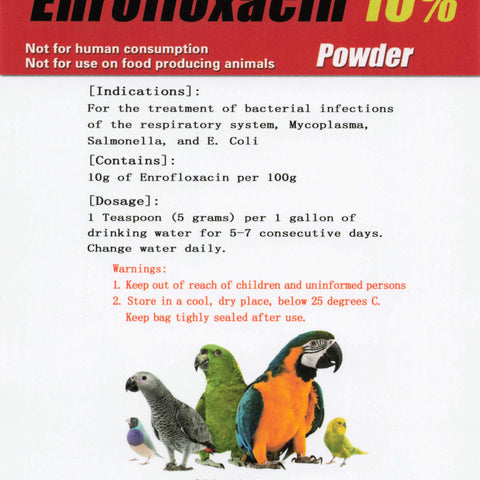
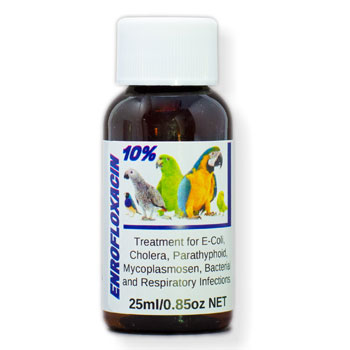
For example, enrofloxacin is frequently used in birds due to its broad-spectrum activity. Bird-specific formulations such as Enrofloxacin 10% and Enrofloxacin 10% Powder are commonly chosen when bacterial infection is strongly suspected.
In some cases, alternative formulations like Baytril 2.5% or Baytril 10% may be used depending on severity and bird species.
Proper Antibiotic Use: What Owners Must Understand
- Never stop antibiotics early, even if symptoms improve
- Follow correct dosage and duration
- Do not mix multiple antibiotics without guidance
- Isolate treated birds to prevent reinfection
Incomplete or improper treatment contributes to antibiotic resistance — making future infections harder to treat.
Bacterial infections can often be successfully managed when addressed early with the correct medication and supportive care.
Next, we’ll look at diseases caused by organisms that antibiotics cannot fix: fungal infections in birds.
Fungal Infections in Birds: Why Antibiotics Fail and What Actually Works

Fungal infections are one of the most misunderstood categories of bird disease. Many cases worsen dramatically because they are treated incorrectly with antibiotics — medications that have no effect on fungi.
In fact, unnecessary antibiotic use can make fungal infections worse by disrupting the bird’s natural microbial balance.
How Fungal Infections Develop in Birds
Fungi are present everywhere in the environment. Birds are exposed daily through air, food, bedding, and droppings.
Healthy birds can usually manage low-level fungal exposure. Problems arise when the immune system is compromised.
Common risk factors include:
- Prolonged antibiotic use
- Damp or poorly ventilated housing
- Moldy food or bedding
- High humidity
- Chronic stress
Common Types of Fungal Infections
- Respiratory fungal infections
- Crop and digestive fungal overgrowth
- Skin and feather fungal infections
These infections can be slow-moving at first but become extremely dangerous if not recognized and treated correctly.
Early Symptoms of Fungal Disease
- Gradual weight loss
- Reduced appetite
- Lethargy
- Changes in droppings
- Respiratory sounds without discharge
Because these signs overlap with bacterial disease, misdiagnosis is common.
Advanced Symptoms (Often Misdiagnosed)
- Chronic respiratory distress
- White or yellow plaques in the mouth or crop
- Persistent infections that do not respond to antibiotics
- Severe weakness
At this stage, continuing antibiotics often accelerates decline rather than helping.
Correct Treatment Strategy
Treating fungal infections requires a complete shift in approach.
The foundation of treatment includes:
- Immediate discontinuation of unnecessary antibiotics
- Improving ventilation and reducing humidity
- Removing moldy food, bedding, and perches
- Supporting hydration and nutrition
Antifungal medications are required in many cases. Bird-specific antifungal treatments such as Medistatin are commonly used for digestive and crop-related fungal infections.
Topical fungal issues may require localized treatment, while systemic infections demand longer, carefully managed therapy.
Why Early Identification Matters
Fungal infections rarely resolve on their own. The earlier they are identified, the higher the chance of full recovery.
Once fungal disease becomes advanced, treatment becomes longer, more expensive, and significantly less predictable.
Next, we’ll move to another extremely common but often mismanaged issue: parasitic infections in birds.
Parasitic Infections in Birds: Internal vs External Parasites and Their Impact

Parasitic infections are one of the most common health challenges in birds, yet they often go undetected until significant damage has already occurred. Parasites do not always cause sudden illness — instead, they slowly weaken the bird over time.
Unlike bacterial or fungal infections, parasites can persist quietly, draining nutrients, irritating tissues, and suppressing the immune system.
Understanding the Two Main Types of Parasites
Parasitic infections in birds fall into two broad categories: internal parasites and external parasites. Each affects the bird differently and requires a different treatment approach.
Internal Parasites: The Invisible Threat
Internal parasites live inside the bird’s digestive system or organs. Because they are not visible, infections often progress unnoticed.
Common internal parasites include:
- Roundworms
- Tapeworms
- Protozoa
These parasites compete for nutrients, irritate the intestinal lining, and can cause chronic inflammation.
Early Signs of Internal Parasites
- Weight loss despite normal eating
- Loose or abnormal droppings
- Reduced energy
- Dull feathers
Because appetite often remains normal, owners may underestimate the seriousness of the problem.
External Parasites: Visible but Often Ignored
External parasites live on the bird’s skin and feathers. These include mites, lice, and ticks.
External parasites cause constant irritation, stress, and skin damage, which can lead to secondary bacterial or fungal infections.
Common Signs of External Parasites
- Excessive scratching or preening
- Feather damage or feather loss
- Scaly skin or crusting
- Restlessness, especially at night
Birds suffering from external parasites often appear agitated and uncomfortable, even if they are still eating.
Why Parasitic Infections Weaken Immunity
Parasites place constant stress on the bird’s body. This stress weakens immune defenses, making birds far more susceptible to bacterial and fungal infections.
Many birds suffering from recurring infections are unknowingly battling parasites at the same time.
Treatment Strategy: Treat the Bird and the Environment
Successful parasite control requires a two-part approach:
- Treating the bird directly
- Eliminating parasites from the environment
Cages, perches, nesting boxes, and surrounding areas must be thoroughly cleaned and disinfected. Without environmental control, reinfection is almost guaranteed.
In some cases, secondary infections caused by parasite damage may require antibiotic support from reputable avian sources such as Bird Antibiotic collections .
Parasites rarely disappear on their own. Addressing them early prevents long-term damage and reduces the risk of recurring illness.
In the next section, we’ll examine one of the most feared conditions among bird keepers: viral diseases in birds.
Viral Diseases in Birds: Why Supportive Care Is Often the Only Option

Viral diseases are among the most frustrating and emotionally difficult illnesses bird owners face. Unlike bacterial infections, viruses cannot be treated with antibiotics, and in many cases, there is no direct antiviral cure available.
This reality often leads to confusion, panic, and misuse of medications. Understanding what viral diseases are — and what they are not — is essential to giving birds the best possible chance of recovery.
How Viral Infections Affect Birds
Viruses invade living cells and hijack the bird’s own biological machinery to replicate. This causes cellular damage, inflammation, and immune system overload.
In birds, viral infections frequently weaken the immune system, opening the door for secondary bacterial or fungal infections. This is where many cases become complicated and dangerous.
Common Viral Diseases Seen in Birds
- Avian influenza
- Newcastle disease
- Polyomavirus
- Poxvirus
Some viral diseases progress rapidly, while others cause chronic, long-term illness. In both cases, early isolation is critical to protect other birds.
Early Symptoms of Viral Disease
- Sudden lethargy
- Loss of appetite
- Fluffed feathers
- Neurological signs such as tremors or imbalance
- Respiratory distress without obvious discharge
Because these symptoms overlap with bacterial infections, many viral cases are initially misdiagnosed.
Why Antibiotics Are Often Misused
Antibiotics do not kill viruses. However, they are sometimes prescribed to control secondary bacterial infections that occur while the immune system is compromised.
When antibiotics are used, they should be chosen carefully and only when there is clear evidence of secondary infection.
Broad-spectrum antibiotics such as those found in bird antibiotics collections may be used under proper guidance to prevent complications — not to treat the virus itself.
The Role of Supportive Care
Supportive care is the foundation of managing viral diseases in birds. This includes:
- Maintaining warmth and stable temperature
- Ensuring hydration
- Providing easy-to-eat, nutrient-dense food
- Reducing stress and handling
- Strict isolation from other birds
Birds that receive strong supportive care early often recover far better than those that are simply “left to rest.”
When Recovery Happens — and When It Doesn’t
Some birds recover fully from viral infections and develop immunity. Others may become chronic carriers or experience long-term complications.
The outcome depends on the virus involved, the bird’s overall health, and how quickly supportive care is started.
Next, we’ll focus on a condition that often follows viral illness: secondary infections and immune suppression.
Secondary Infections in Birds: When One Disease Opens the Door to Another

Secondary infections are one of the most common reasons birds fail to recover, even after the original illness appears to be improving. In many cases, it is not the first disease that becomes fatal — but what follows it.
Birds that have been weakened by viral, parasitic, or environmental stress often lose the ability to fight off bacteria and fungi that would normally be harmless.
What Is a Secondary Infection?
A secondary infection occurs when an initial illness compromises the immune system, allowing opportunistic pathogens to take over.
These infections are not random. They exploit inflammation, tissue damage, and immune exhaustion.
Common Triggers for Secondary Infections
- Viral diseases that weaken immune defenses
- Parasites that damage skin or intestines
- Chronic stress or malnutrition
- Prolonged illness without recovery time
- Improper or incomplete treatment
Once a bird is compromised, bacteria that normally coexist harmlessly can multiply rapidly and spread.
Signs That a Secondary Infection Has Developed
- Sudden worsening after initial improvement
- New symptoms appearing mid-recovery
- Return of lethargy or appetite loss
- Changes in breathing or droppings
- Swelling, discharge, or foul odors
These signs often confuse owners, who believe the original treatment “stopped working.” In reality, a new infection has taken hold.
Why Timing Is Everything
Secondary infections can escalate extremely fast. A bird already weakened has little reserve left to fight another battle.
Delaying treatment while waiting for symptoms to resolve on their own is one of the most dangerous mistakes at this stage.
Treatment Approach: Precision, Not Panic
Treating secondary infections requires identifying what type of pathogen is causing the new problem.
Broad-spectrum antibiotics may be necessary in cases where bacterial involvement is strongly suspected. Options such as enrofloxacin-based products from BirdAntibiotic.com are commonly used under proper guidance.
However, not every setback requires antibiotics. Fungal overgrowth, for example, must be treated with antifungals — not antibacterial drugs.
Supporting Recovery During Secondary Infection
- Maintain warmth and hydration
- Provide immune-supportive nutrition
- Reduce stress to the absolute minimum
- Ensure strict hygiene
Secondary infections are a sign that the bird needs stronger support — not just stronger medication.
Next, we’ll discuss a group of diseases that often go unnoticed until severe damage occurs: chronic conditions and long-term illness in birds.
Chronic Illness in Birds: Slow Decline, Missed Symptoms, and Long-Term Care

Chronic illness in birds rarely announces itself loudly. Unlike acute infections that cause sudden and dramatic symptoms, chronic conditions develop slowly — often over weeks or months.
This gradual progression makes chronic disease particularly dangerous. By the time clear symptoms appear, significant internal damage may already be present.
What Defines a Chronic Illness in Birds?
A chronic illness is one that persists over time rather than resolving completely. It may improve temporarily, then return, or remain stable while slowly weakening the bird.
Chronic illness often follows:
- Incomplete treatment of an earlier infection
- Repeated exposure to stressors
- Poor long-term nutrition
- Persistent environmental problems
Common Types of Chronic Conditions
- Chronic respiratory disease
- Recurrent digestive infections
- Long-standing fungal overgrowth
- Immune suppression
- Organ stress from repeated illness
Birds with chronic illness often appear “not quite right” rather than obviously sick. Owners may normalize subtle changes over time.
Early Warning Signs of Chronic Disease
- Gradual weight loss
- Reduced stamina or activity
- Intermittent appetite changes
- Recurring mild respiratory signs
- Dull or brittle feathers
Because these symptoms develop slowly, they are often attributed to aging rather than illness.
Why Chronic Illness Is Harder to Treat
Chronic disease alters the bird’s physiology over time. Organs become stressed, immunity weakens, and tolerance for medication decreases.
Aggressive treatment that might work in an acute case can overwhelm a chronically ill bird.
Long-Term Management Strategy
Managing chronic illness is about stabilization, not quick cures. The focus shifts toward:
- Maintaining body condition
- Preventing secondary infections
- Supporting immune function
- Improving quality of life
Antibiotics may be used intermittently when bacterial flare-ups occur, but long-term reliance on medication without addressing root causes often worsens outcomes.
Supportive products and medications, when necessary, should be sourced from reputable bird-focused suppliers such as bird medications and supplements .
Environment Matters More Than Medication
Birds with chronic illness are extremely sensitive to environmental stress. Small improvements can produce significant health benefits.
- Stable temperatures
- Excellent ventilation
- High-quality, balanced diet
- Low-stress handling
- Consistent routines
Chronic illness does not mean hopelessness. With proper management, many birds live long, comfortable lives.
Next, we’ll move into one of the most emotionally difficult topics for bird owners: recognizing when illness has become an emergency.
Emergency Symptoms in Birds: When Waiting Is No Longer an Option
Birds are exceptionally good at hiding illness — until they can’t anymore. When a bird begins to show clear signs of distress, the situation is often already critical.
Recognizing emergency symptoms and acting immediately can be the difference between recovery and irreversible decline.
Why Birds Decline So Rapidly in Emergencies
Birds have high metabolic rates and limited energy reserves. Once those reserves are exhausted, deterioration can happen in hours rather than days.
This is why “waiting to see if it improves” is rarely safe when emergency symptoms appear.
Respiratory Emergencies
- Open-mouth breathing
- Severe tail bobbing
- Gasping or choking sounds
- Blue or darkened skin around the beak
Any breathing difficulty in birds should be treated as an immediate emergency.
Neurological Emergencies
- Loss of balance
- Head tilt
- Seizures or tremors
- Sudden inability to perch
Neurological signs often indicate advanced infection, toxin exposure, or severe metabolic imbalance.
Digestive and Systemic Emergencies
- Complete refusal to eat or drink
- Persistent vomiting or regurgitation
- Severe diarrhea
- Sudden weight collapse
Birds can become critically dehydrated very quickly.
Physical Trauma and Collapse
- Bleeding that does not stop
- Fractures or visible deformities
- Sudden collapse or unresponsiveness
Even minor trauma can be life-threatening in birds due to blood loss and shock.
Immediate Actions Owners Should Take
While veterinary care is always the priority in emergencies, initial actions can stabilize the bird:
- Move the bird to a warm, quiet, darkened space
- Minimize handling
- Ensure easy access to water
- Isolate from other birds
In some emergency situations involving suspected bacterial infection, fast access to appropriate antibiotics may be necessary while professional care is arranged. These should only be sourced from reputable providers such as BirdAntibiotic.com .
When There Is No Time to Wait
If a bird is unable to breathe comfortably, stand, or respond, it is already in a critical state.
Emergency symptoms are not the time for experimentation or delayed decisions. Immediate action saves lives.
Next, we’ll discuss how to prevent emergencies before they happen: early detection and daily monitoring.
Early Detection in Birds: Daily Checks That Prevent Most Deaths
Most bird deaths do not happen suddenly. They happen quietly — after days or weeks of subtle warning signs that go unnoticed.
Early detection is the single most powerful tool a bird owner has. You do not need medical training or special equipment. You need consistency, observation, and awareness.
Why Daily Observation Matters More Than Experience
Even experienced bird keepers can miss illness if they rely on routine alone. Birds hide weakness by instinct, so changes are often behavioral, not dramatic.
The key is noticing change, not waiting for obvious symptoms.
The 5-Minute Daily Health Check
A quick daily check can reveal problems long before they become emergencies. Focus on these core areas:
1. Appetite and Drinking Behavior
- Is the bird eating the same amount as usual?
- Is food scattered but not actually consumed?
- Is water level dropping normally?
A bird that stops eating rarely recovers without intervention.
2. Droppings
- Color consistency
- Frequency
- Presence of undigested food
- Excess liquid
Changes in droppings often appear before visible illness.
3. Posture and Activity
- Fluffed feathers
- Reluctance to move
- Sitting low on the perch
- Sleeping during active hours
A bird that is awake but inactive is often unwell.
4. Breathing
- Tail bobbing
- Open-mouth breathing
- Audible clicking or wheezing
Breathing changes are never normal in birds.
5. Feather and Skin Condition
- Sudden feather loss
- Excessive preening
- Redness or swelling
- Visible wounds
Keeping a Simple Health Log
Many serious bird illnesses are easier to identify when patterns are documented. A simple notebook or digital note can track:
- Weight changes
- Appetite fluctuations
- Medication dates
- Environmental changes
This information becomes invaluable if treatment is needed.
Why Early Action Works
Birds treated early:
- Require shorter treatment courses
- Recover faster
- Develop fewer complications
- Have dramatically higher survival rates
Early detection often means supportive care alone is enough — without aggressive medication.
When medication is needed, access to appropriate bird-specific products from trusted sources such as bird medications and supplements allows treatment to begin without delay.
In the next section, we’ll focus on the foundation of disease prevention: nutrition and immune health in birds.
Nutrition and Immune Health in Birds: Why Diet Determines Survival
Nutrition is not just about keeping birds fed — it is about keeping them alive. A bird’s immune system is built, maintained, and repaired through diet. Without proper nutrition, even the best medication will fail.
Many bird diseases do not begin with pathogens. They begin with nutritional gaps that quietly weaken immunity over time.
Why Birds Are Highly Sensitive to Nutritional Imbalance
Birds have fast metabolisms and limited nutrient reserves. Deficiencies develop faster than in mammals and produce more severe consequences.
A diet that looks “adequate” on the surface may still be missing critical elements needed for immune defense, tissue repair, and stress tolerance.
Common Nutritional Mistakes That Lead to Disease
- Seed-only diets
- Lack of fresh foods
- Vitamin A deficiency
- Insufficient protein during stress or molting
- Mineral imbalance
Seed-heavy diets are one of the most common contributors to chronic illness. While birds may prefer seeds, they do not provide complete nutrition.
How Poor Nutrition Weakens the Immune System
Nutritional deficiencies affect the immune system in multiple ways:
- Reduced white blood cell production
- Slower wound healing
- Weaker respiratory defenses
- Increased susceptibility to infection
Birds with poor nutrition often experience repeated infections that seem to “come back” no matter how many times they are treated.
Key Nutrients That Support Immune Function
- Vitamin A (critical for respiratory and skin health)
- Protein (essential for tissue repair and antibodies)
- Calcium and trace minerals
- Balanced fats
During illness or recovery, nutritional needs increase. Birds often require additional support to rebuild strength.
Nutrition During Illness and Recovery
Sick birds burn energy faster and absorb nutrients less efficiently. Supporting them nutritionally is just as important as medication.
Strategies include:
- Offering easily digestible foods
- Ensuring constant access to fresh water
- Reducing competition in group settings
- Using supportive supplements when necessary
When immune strength is restored, birds respond better to treatment and experience fewer complications.
Trusted supportive products can be found through bird medications and supplements , which are often used alongside medical treatment.
Long-Term Benefits of Proper Nutrition
Birds with balanced diets:
- Recover faster from illness
- Experience fewer infections
- Have stronger feather quality
- Live longer, healthier lives
Nutrition is not a quick fix — it is a long-term investment in survival.
Next, we’ll examine how environmental factors silently influence bird health: housing, hygiene, and stress management.
Housing, Hygiene, and Stress: How Environment Triggers Disease
Environment is one of the most powerful — and most overlooked — factors in bird health. Many diseases are not caused by exposure to pathogens alone, but by the conditions that allow those pathogens to take hold.
Even the healthiest bird can become sick when housing, hygiene, or stress overwhelms the immune system.
Why Birds Are So Sensitive to Their Environment
Birds evolved to respond rapidly to environmental changes. In captivity, this sensitivity can become a liability.
Poor ventilation, temperature swings, and dirty surroundings place constant strain on the respiratory and immune systems.
Housing Factors That Contribute to Illness
- Inadequate ventilation
- High humidity
- Drafts or sudden temperature changes
- Overcrowding
- Lack of natural light
Poor airflow allows ammonia from droppings to accumulate, damaging respiratory tissues and making infections more likely.
Hygiene: More Than Just Cleanliness
Hygiene is not about making cages look clean. It is about controlling microbial load.
Food and water dishes are the most common sources of contamination. Bacteria multiply rapidly in warm, moist environments.
- Water should be changed daily
- Food bowls should be washed regularly
- Droppings should be removed before buildup occurs
Neglecting these basics often leads to repeated digestive and respiratory infections.
The Hidden Cost of Stress
Stress suppresses the immune system more effectively than almost any pathogen. Birds under chronic stress are significantly more likely to become ill.
Common stressors include:
- Frequent handling
- Loud or unpredictable environments
- Incompatible cage mates
- Sudden changes in routine
Stress hormones interfere with immune function, making even minor infections more severe.
Environmental Triggers for Disease Outbreaks
Many disease outbreaks occur after environmental disruption:
- Moving birds to a new location
- Introducing new birds without quarantine
- Seasonal temperature changes
- Renovation or nearby construction
These changes create windows of vulnerability.
Creating a Disease-Resistant Environment
- Ensure consistent temperature
- Provide fresh air without drafts
- Maintain a predictable daily routine
- Isolate new birds before introduction
- Practice routine sanitation
A stable environment reduces the need for medication and allows birds to maintain strong immune defenses naturally.
In the next section, we’ll discuss one of the most important skills for bird owners: choosing the right treatment at the right time.
Choosing the Right Treatment: Avoiding Overmedication and Common Mistakes
One of the most well-intentioned — yet harmful — mistakes bird owners make is treating too aggressively or too quickly without understanding the cause of illness.
Medication saves lives when used correctly. When used incorrectly, it can delay recovery, weaken immunity, and create long-term health problems.
Why Overmedication Is a Serious Problem in Birds
Birds are small, sensitive, and metabolically fast. This means dosing errors affect them more severely than larger animals.
Using multiple medications “just in case” often does more harm than good. It increases stress on the liver, kidneys, and digestive system.
The Most Common Treatment Mistakes
- Using antibiotics without clear signs of bacterial infection
- Stopping medication early when symptoms improve
- Mixing multiple antibiotics
- Using mammal-specific medications in birds
- Treating symptoms instead of causes
These mistakes frequently lead to recurring illness or resistant infections.
Matching Treatment to the Type of Disease
Effective treatment starts with identifying the most likely category of illness:
- Bacterial → antibiotics
- Fungal → antifungal medications
- Parasitic → antiparasitic treatment
- Viral → supportive care
Treating the wrong category almost always worsens outcomes.
When Antibiotics Are Appropriate
Antibiotics are powerful tools when bacterial infection is strongly suspected or confirmed.
Bird-specific antibiotics, such as those found in bird antibiotics collections , are formulated to match avian physiology.
Products like amoxicillin-based treatments, including Amoxicillin 10% , are commonly used for certain bacterial infections when indicated.
Why “Stronger” Is Not Better
Choosing the strongest antibiotic available does not improve outcomes. In fact, it often increases side effects and disrupts beneficial bacteria.
The correct medication at the correct dose for the correct duration is far more effective than aggressive treatment.
Supportive Care Should Always Come First
Many birds recover once stress is reduced and basic needs are met. Warmth, hydration, and nutrition often stabilize birds enough for targeted treatment to work.
Medication should support recovery — not replace proper care.
In the next section, we’ll focus on recovery and post-treatment care, a phase where many relapses occur.
Recovery and Post-Treatment Care: Preventing Relapse and Long-Term Damage
Recovery does not end when medication stops. In fact, many relapses occur after treatment is completed, when birds appear improved but are not fully healed.
The post-treatment period is when the body rebuilds strength, restores immune balance, and repairs tissue damage. How this phase is managed determines long-term outcomes.
Why Birds Relapse After Treatment
Relapse is rarely caused by “ineffective medication.” It is usually the result of incomplete recovery support.
Common causes include:
- Returning to stressful environments too quickly
- Incomplete immune recovery
- Residual infection
- Nutritional depletion
Birds may look normal while still being physiologically fragile.
The Critical First 7–14 Days After Treatment
This window is when relapse risk is highest. Extra care during this time dramatically improves outcomes.
- Maintain warmth and stable temperature
- Limit handling and stimulation
- Continue high-quality nutrition
- Monitor droppings and appetite closely
Any regression during this period should be taken seriously.
Rebuilding Immune Strength
The immune system needs time to recover after illness and medication. This recovery is fueled by proper nutrition, hydration, and rest.
Birds recovering from infection often benefit from supportive supplements available through bird medications and supplements .
Gradual Return to Normal Routine
Sudden changes after recovery can undo progress. Routine should be restored slowly:
- Gradually reintroduce normal activity
- Delay reintroduction to group housing
- Avoid major environmental changes
Patience during recovery prevents repeated illness.
Monitoring for Delayed Complications
Some complications appear weeks after treatment:
- Chronic respiratory issues
- Digestive imbalance
- Feather quality changes
- Recurring mild symptoms
Early intervention during relapse is far easier than treating advanced recurrence.
In the next section, we’ll discuss quarantine and disease prevention strategies, essential for multi-bird environments.
Quarantine and Disease Prevention: Protecting the Entire Flock
Many disease outbreaks in birds do not begin with poor care — they begin with a single new introduction. Quarantine is not optional; it is essential.
Whether you keep two birds or two hundred, one untreated or asymptomatic carrier can spread disease rapidly.
Why Quarantine Is Non-Negotiable
Birds can carry infections without showing symptoms. Stress from transport or relocation can trigger illness days or weeks later.
Introducing a bird directly into an existing group is one of the fastest ways to create a disease outbreak.
Recommended Quarantine Duration
A proper quarantine period should last a minimum of:
- 21–30 days for most birds
- 45 days for high-risk environments
This allows enough time for hidden infections to surface.
Quarantine Setup Best Practices
- Separate room or air space
- Dedicated food and water bowls
- Separate cleaning tools
- Handwashing between bird groups
Quarantine should be simple, clean, and stress-free.
Monitoring During Quarantine
This period is for observation, not just isolation. Monitor:
- Appetite
- Droppings
- Breathing
- Activity level
- Feather condition
Early detection during quarantine protects the entire flock.
Preventative Treatment: Use With Caution
Preventative medication should not be routine. Unnecessary treatment can disrupt healthy birds.
However, in some situations — such as exposure to known bacterial disease — targeted preventative treatment may be justified using bird-specific antibiotics from Bird Antibiotic collections .
Long-Term Prevention Strategies
- Consistent hygiene protocols
- Stable environment
- Balanced nutrition
- Stress reduction
- Regular health monitoring
Prevention reduces the need for medication and protects birds from unnecessary suffering.
In the next section, we’ll break down the 10 most common bird diseases and connect everything we’ve learned so far.
The 10 Most Common Bird Diseases Explained
After understanding how disease develops, spreads, and is treated, it’s time to bring everything together. Below are the ten most commonly encountered bird diseases, explained in practical, real-world terms.
These conditions account for the majority of illness seen in companion birds, aviaries, and backyard flocks.
1. Respiratory Infections
Symptoms: Wheezing, tail bobbing, nasal discharge, open-mouth breathing.
Causes: Bacteria, poor ventilation, stress, temperature swings.
Treatment: Supportive care plus targeted antibiotics when bacterial infection is suspected.
2. Bacterial Enteritis (Digestive Infections)
Symptoms: Diarrhea, weight loss, lethargy, undigested food in droppings.
Causes: Contaminated food or water, stress, overcrowding.
Treatment: Hydration, sanitation, and bird-specific antibiotics when indicated.
3. Mycoplasma Infections
Symptoms: Chronic respiratory signs, eye discharge, weakness.
Causes: Highly contagious bacteria spread through close contact.
Treatment: Long-course antibiotic therapy and strict isolation.
4. Fungal Infections (Crop & Respiratory)
Symptoms: Weight loss, white plaques, persistent respiratory distress.
Causes: Damp environments, prolonged antibiotic use, mold exposure.
Treatment: Antifungal medications such as Medistatin and environmental correction.
5. Parasitic Infestations
Symptoms: Weight loss, itching, feather damage, diarrhea.
Causes: Internal worms or external parasites like mites and lice.
Treatment: Antiparasitic treatment plus environmental control.
6. Avian Pox
Symptoms: Skin lesions, scabs, reduced appetite.
Causes: Viral transmission through insects or direct contact.
Treatment: Supportive care, wound management, prevention of secondary infections.
7. Chlamydiosis (Psittacosis)
Symptoms: Lethargy, respiratory distress, green droppings.
Causes: Bacterial infection transmissible between birds.
Treatment: Long-term antibiotic therapy under strict protocols.
8. Feather Plucking & Skin Infections
Symptoms: Bald patches, wounds, redness.
Causes: Stress, parasites, nutritional deficiency, infection.
Treatment: Address root cause, topical care, antibiotics if secondary infection occurs.
9. Viral Diseases (General)
Symptoms: Sudden weakness, neurological signs, respiratory issues.
Causes: Viral exposure, often stress-triggered.
Treatment: Supportive care; antibiotics only for secondary bacterial infections.
10. Secondary Infections
Symptoms: Worsening condition after initial illness improves.
Causes: Immune suppression following disease or stress.
Treatment: Targeted medication and aggressive supportive care.
Many of these diseases overlap in symptoms, which is why careful observation and correct treatment selection matter.
Products and medications used in bird care should always be sourced from trusted avian-focused providers such as BirdAntibiotic.com.
In the next section, we’ll address one of the most common owner concerns: when home care is appropriate — and when professional help is essential.
Home Care vs Professional Help: Knowing Your Limits as a Bird Owner
One of the hardest decisions bird owners face is knowing when home care is enough and when professional help is absolutely necessary. Acting too late can be fatal — but acting blindly can be just as dangerous.
Responsible bird care means understanding both your capabilities and the limits of home-based treatment.
When Home Care Is Often Appropriate
Home care can be effective in early, mild cases when symptoms are stable and the bird is still eating, drinking, and responsive.
- Mild respiratory irritation without distress
- Early digestive upset
- Minor skin wounds
- Post-treatment recovery support
In these situations, supportive care — warmth, hydration, nutrition, and reduced stress — often leads to improvement.
When bacterial infection is strongly suspected and symptoms are mild, bird-specific products from Bird Antibiotic collections may be used responsibly with close monitoring.
Clear Signs That Home Care Is Not Enough
Certain symptoms indicate that the situation has moved beyond safe home management:
- Severe breathing difficulty
- Neurological signs (seizures, loss of balance)
- Rapid weight loss or collapse
- Uncontrolled bleeding or trauma
- Failure to improve within 24–48 hours
These are not situations to “wait and see.”
The Danger of Delayed Professional Care
Birds can compensate until they suddenly can’t. Waiting too long often results in irreversible organ damage.
By the time a bird is visibly struggling, options become limited and outcomes less predictable.
Using Home Care to Support Professional Treatment
Home care does not stop once professional help is involved. In fact, outcomes improve dramatically when both work together.
- Follow treatment instructions precisely
- Continue supportive care at home
- Monitor for changes and report them quickly
- Complete full treatment courses
Professional care and responsible home management are complementary, not opposing approaches.
Building Confidence Without Overconfidence
Experience improves judgment, but no owner is immune to uncertainty. Knowing when to ask for help is a strength — not a failure.
Reliable educational resources and properly formulated products from trusted avian suppliers such as BirdAntibiotic.com help bridge the gap between panic and paralysis.
In the final section, we’ll bring everything together and provide a clear, practical roadmap for protecting bird health long-term.
Final Master Guide: How to Protect Your Birds Long-Term
Bird health is not protected by luck. It is protected by knowledge, consistency, and early action.
Throughout this masterclass, we’ve explored how bird diseases begin, how they progress, and how they can be prevented or treated responsibly. The most important lesson is simple: most serious bird illnesses are preventable when warning signs are recognized early.
The Core Principles of Long-Term Bird Health
- Daily observation and early detection
- Balanced, species-appropriate nutrition
- Clean, low-stress housing
- Responsible, targeted use of medication
- Proper quarantine practices
None of these elements work in isolation. Together, they form a protective system that keeps birds resilient even when exposed to unavoidable stressors.
Medication as a Tool — Not a Crutch
Antibiotics, antifungals, and supplements save lives when used correctly. They should support recovery, not replace good husbandry.
Bird-specific products from trusted avian sources like BirdAntibiotic.com are designed to match avian physiology and should always be preferred over improvised alternatives.
Preventing the Most Common Mistakes
- Do not delay action when symptoms appear
- Do not overmedicate without cause
- Do not stop treatment early
- Do not ignore environmental stressors
These mistakes are responsible for more preventable deaths than any single disease.
A Practical Roadmap for Every Bird Owner
- Observe your birds daily
- Document changes
- Stabilize with warmth, hydration, and nutrition
- Identify the most likely disease category
- Use targeted treatment responsibly
- Support recovery fully
- Prevent recurrence through environment and diet
This approach transforms fear into confidence and uncertainty into decisive, effective care.
Healthy birds are not just the result of good treatment — they are the result of informed, attentive ownership.
By applying what you’ve learned in this guide, you dramatically increase the chances that your birds will live long, active, and healthy lives.


