 Help & Contact
 Track order









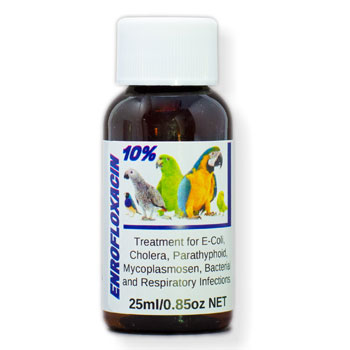

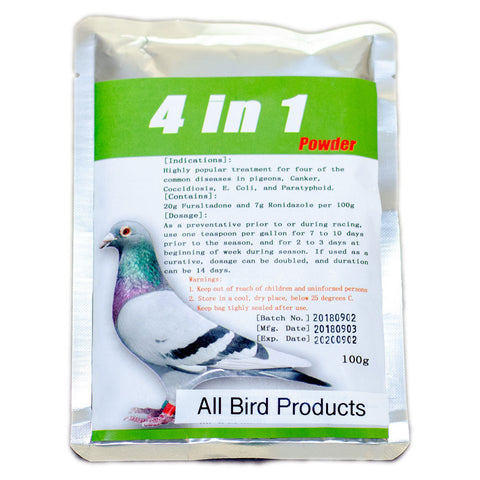
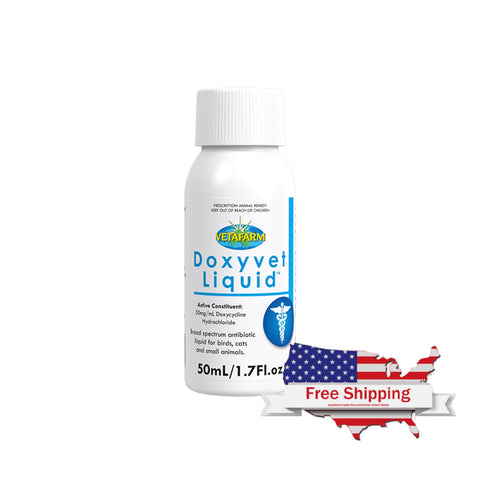


What Fish Antibiotic Treats Fin Rot, Columnaris & Other Common Aquarium Diseases: A Complete Symptom-Based Treatment Guide
Bird AntibioticsWhy Fish Get Sick in Home Aquariums
Most aquarium diseases do not appear suddenly. They build quietly, layer by layer, inside a closed environment that depends entirely on stability. When you look at a beautiful aquarium, you’re not just watching fish swim — you’re observing a small, fragile ecosystem trying to balance itself every single minute.
In this environment, fish illness is not caused by “bad luck.” It is caused by pressure. Pressure on the water. Pressure on the fish. Pressure on the system. And when that pressure becomes too much, bacteria and fungi take advantage.
The Hidden Stress Fish Live With
Fish cannot speak. They don’t cry out in pain. They don’t show emotion the way mammals do. Instead, they communicate stress through small signals — signals that are easy to miss when life gets busy. A slight change in posture. A shift in breathing. A sudden retreat to a corner. These are early warnings that something in their world is slipping out of balance.
In home aquariums, stress usually comes from:
- Water quality fluctuations – ammonia spikes, nitrates rising, or unstable pH
- Temperature swings – heaters malfunctioning or drafts hitting the tank
- Overcrowding – too many fish in too little water
- Territorial aggression – one fish bullying another until immunity collapses
- Poor diet or inconsistent feeding
- Transport shock from new fish introductions
- Lack of quarantine allowing pathogens to enter unnoticed
None of these stresses are dramatic by themselves — but combined, they weaken immune systems. A weakened fish becomes the easiest target for common pathogens already living in the tank.
Bacteria Are Always in the Aquarium
Many first-time hobbyists assume bacteria “invade” a tank. But in reality, most disease-causing organisms are already there. They exist in low numbers, living harmlessly alongside fish. They become a problem only when the ecosystem weakens and gives them space to multiply.
For example:
- Fin rot bacteria often live on fins waiting for an injury or stress point.
- Columnaris bacteria thrive in warm water and attack only when fish immunity drops.
- Internal bacterial pathogens remain dormant until digestive or environmental stress emerges.
So fish diseases occur not because bacteria appear — but because conditions change.
The Biological Chain Reaction That Leads to Disease
An aquarium is a closed loop. What happens in one part of the system triggers reactions in another. A small ammonia spike stresses fish gills. Stressed gills weaken oxygen exchange. Weak oxygen exchange slows metabolism. Slowed metabolism weakens immunity. And weakened immunity allows diseases like fin rot or columnaris to begin.
It is a chain reaction — simple, silent, but powerful.
Why Fish Diseases Move Quickly
Tropical fish evolved in massive bodies of water — lakes, rivers, oceans — where pathogens are diluted. In an aquarium, that dilution does not exist. Bacteria multiply faster because the environment is limited. One infected fish can cause a tank-wide outbreak in days. That is why diseases like fin rot, columnaris, or internal infections become visible so quickly once stress reaches a tipping point.
The Role of Water Quality in Fish Health
Ask any experienced aquarist what the most important medicine is, and they will all answer the same thing:
Clean, stable water.
No antibiotic in the world can outperform strong water quality. When water parameters shift, immunity collapses. When parameters stabilize, fish start to recover naturally — even without medication. This is why responsible aquarium stores organize their treatments carefully, such as those found in the Fish Antibiotics Collection, but always emphasize environmental correction first.
Understanding Illness Is the First Step to Treating It
Treating fish diseases isn’t just about finding the right antibiotic. It’s about understanding the forces that pushed the fish to illness in the first place. Once you understand why fish get sick, every treatment decision becomes more precise, calm, and effective.
Disease is not the beginning of the problem — it is the result of a long process. A process that can be reversed with the right knowledge, tools, and timing.
Understanding Fin Rot: Causes, Progression & Visual Signs
Fin rot is one of the most common aquarium diseases — and one of the most misunderstood. Many hobbyists see the frayed, torn edges of a fin and think it is just a minor issue, something cosmetic that doesn’t require immediate attention.
But fin rot is not a cosmetic issue. It is a message. A clear, visible indicator that something deeper in the aquarium environment has gone wrong. Fish fins don’t deteriorate without reason. They deteriorate because stress has been building silently, unnoticed, until bacteria take advantage of weakened tissue.
Where Fin Rot Really Begins
Fin rot doesn’t start on the fin — it starts in the environment.
Before any physical damage appears, fish experience internal stress from factors like water instability, aggression, or micro-injuries. These small stressors weaken immune defenses, which allows opportunistic bacteria already living in the tank to begin colonizing the edges of the fins.
The most common triggers include:
- Ammonia or nitrite exposure that irritates fin membranes
- Chronic low-grade stress from overcrowding or incompatible tankmates
- Rough handling or transport shock weakening the fish’s immune system
- Unstable water temperature leading to weakened organ function
- Fin nipping by aggressive species or territorial behavior
- Low-quality diet that fails to support tissue regeneration
In other words: fin rot is not the disease itself — it is the symptom of a deeper imbalance.
The Bacteria Behind Fin Rot (Aquarium Context)
Fin rot is usually caused by common gram-negative bacteria present in almost every aquarium. They are not invaders. They are residents. They remain harmless until the fish becomes vulnerable.
Typical bacterial groups associated with fin rot thrive in:
- Dirty gravel or substrate
- Overcrowded tanks
- Warm stagnant water
- Systems with weak filtration
Once conditions favor them, they migrate toward damaged fin edges — the easiest place to attack because fins are delicate, unprotected tissues.
How Fin Rot Progresses
Fin rot has a predictable timeline, and understanding it helps hobbyists act before the disease becomes severe.
Stage 1: Early Softening
The very first stage is subtle. Fins lose firmness. Edges appear softer or slightly dull. This stage is often missed because it doesn’t look dramatic.
Stage 2: Fraying Begins
Edges start to split like the frayed end of a rope. Instead of smooth arcs, fins develop “threads” or small tears. This is the moment many hobbyists first notice something is wrong.
Stage 3: Tissue Loss
Damaged fin tissue begins to erode. The once symmetrical fin becomes uneven, shorter, or ragged. This stage confirms active bacterial involvement.
Stage 4: Severe Rot
The fin may recede significantly, sometimes back to the fin rays. If untreated, the infection may progress into the body, which becomes life-threatening.
By the time fin rot reaches the severe stage, fish struggle with swimming stability, oxygen intake, and stress that weakens the entire immune system.
The Emotional Side of Fin Rot for Hobbyists
Fin rot is not just a disease — it is a signal that the tank’s harmony has been disrupted. Hobbyists often feel guilty when they see the shredded edges of fins. But fin rot is not a failure; it is an opportunity to understand the aquarium more deeply.
The most experienced aquarists in the world have dealt with fin rot more times than they can count. Why? Because even a small lapse in tank stability can trigger it. The difference is that they recognize it early and respond thoughtfully.
Why Early Recognition Makes All the Difference
If fin rot is caught early, recovery is often quick and stress-free. Fish regenerate fins remarkably well when the environment is corrected. A once-damaged fin can regrow to full size with time, clean water, and proper nutrition.
This is why hobbyists who take the time to learn visual language gain a huge advantage. They don’t just see damage — they understand the story behind it.
When Treatment Becomes Necessary (Aquarium Context)
Most cases of fin rot begin with environmental correction. But when tissue loss accelerates or spreads rapidly, hobbyists may turn to aquarium-safe antibiotics to protect the fish from deeper infection.
This is where organized products such as:
become relevant tools within the aquarium-only treatment system. These are not general cures, but targeted supports used by experienced hobbyists to stop tissue loss when bacteria begin overwhelming the fish’s defenses.
Fin rot opens the doorway to deeper aquarium knowledge — and when hobbyists learn to read it, they learn to prevent it.
Understanding Columnaris: The Fast-Moving Bacterial Threat
Columnaris is one of the most feared diseases in freshwater aquariums, not because it is rare, but because it moves quickly. When aquarists talk about a “sudden outbreak,” columnaris is often the silent culprit behind the scenes — a bacterial condition that takes advantage of weakened fish and warm water to spread with unusual speed.
Yet, despite its reputation, columnaris is not mysterious. It follows predictable patterns, thrives under certain conditions, and reveals itself through recognizable symptoms. When hobbyists understand those patterns, they gain the ability to respond calmly and effectively.
Columnaris Is Already in Most Aquariums
Many fish keepers are surprised to learn that columnaris bacteria (from the Flavobacterium group) already exist in most freshwater tanks. They do not need to be introduced. They live in low numbers on surfaces, in the substrate, and in the biofilm.
This is why columnaris outbreaks usually have nothing to do with adding new fish or decorations. Instead, they reflect a shift in the tank’s internal balance — the moment when conditions favor bacteria over fish immunity.
Why Columnaris Spreads Rapidly
What makes columnaris unique is its growth rate. While many bacterial infections take days or weeks to fully develop, columnaris can establish itself in mere hours under the right conditions.
It thrives in:
- Warm water above 78°F (25.5°C)
- Stagnant or low-oxygen environments
- Dense stocking levels where bacteria multiply faster
- High levels of organic waste such as uneaten food or dirty substrate
- Stress events like shipping, new fish introduction, or water changes done improperly
Fish living in these conditions become extremely vulnerable, especially species with delicate mucus layers like livebearers, cichlids, and tetras.
The Visual Signature of Columnaris
Columnaris symptoms are often confused with fungal infections because of their cotton-like appearance. However, once hobbyists learn the visual differences, columnaris becomes much easier to identify early.
Classic Columnaris Indicators:
- White to gray patches on the mouth, back, or gill area
- Cotton-like film that appears fuzzy but is actually bacterial
- Lesions with yellowish edges as the bacteria multiply
- Frayed fins combined with body patches (mixed infection)
- Clamped fins and sluggish behavior
- Rapid breathing when gills are affected
One of the strongest indicators is when hobbyists notice a patch that looks like fungus but sits on the skin surface, not protruding the way fungus typically does.
The Emotional Side: Why Columnaris Feels Scary
Columnaris spreads quickly enough that hobbyists often feel powerless the first time they see it. They may wake up to a fish that was perfectly healthy yesterday but suddenly shows patches and lethargy today. This speed creates a sense of urgency, and sometimes panic, even among experienced aquarists.
But panic is unnecessary. Columnaris responds extremely well to organized treatment — especially when the hobbyist understands how to counter the conditions bacteria rely on.
Environmental Correction Comes First
Treating columnaris successfully begins with restoring stability. Medication alone cannot overcome poor conditions; bacteria will simply return. Responsible aquarists adjust the environment the moment symptoms appear.
Key environmental steps include:
- Lowering temperature gradually to slow bacterial growth
- Increasing aeration using air stones or surface agitation
- Performing moderate water changes to remove organic waste
- Vacuuming substrate where bacteria often collect
- Reducing feeding to avoid excess organics
Once these conditions improve, medication becomes far more effective — because the pressure on the fish decreases and immunity begins to recover.
When Aquarium Antibiotics Become Part of the Strategy
If columnaris progresses to patches, ulcers, or fin erosion, hobbyists often incorporate aquarium antibiotics into their treatment plan. This is where well-organized products like:
come into full relevance for treating aquarium fish. These options are part of the comprehensive selection from the Fish Antibiotics Collection, helping hobbyists match the right treatment to the specific outbreak.
Each antibiotic addresses different bacterial behaviors, so hobbyists often choose based on the progression, the species affected, and the symptoms displayed.
Recognizing Columnaris Makes You a Better Aquarist
Columnaris is not just a threat — it is a teacher. Once you’ve seen it, diagnosed it, and treated it successfully, you become far more confident in your aquarium skills. You begin to understand the delicate balance between bacteria, immunity, and environmental stability.
And you realize something important:
The aquarium isn’t fragile — it’s responsive.
It responds quickly to stress, but it also responds amazingly well to proper care, stable water, and timely treatment. Understanding columnaris gives you the ability to restore balance with clarity instead of fear.
Understanding Fungal Infections: What They Are & How They Start
Fungal infections in aquarium fish are one of the most visually recognizable conditions. The appearance of soft, cotton-like tufts on a fish’s body, fins, or mouth instantly signals to hobbyists that something is wrong. Yet, despite how obvious fungal infections look, the reasons behind them are far more subtle — and surprisingly preventable once you understand their nature.
Unlike bacterial diseases, fungal infections rarely appear on healthy fish. They take hold when a fish is already weakened, injured, or stressed, turning vulnerable tissue into an easy target. In this way, fungus is less a direct threat and more a symptom of deeper issues inside the aquarium system.
Fungal Spores Exist Everywhere in Aquariums
Just like bacteria, fungal spores are naturally present in almost every aquarium. They float in the water, settle on surfaces, and inhabit biofilms without causing any trouble. These spores only become active when conditions shift in their favor.
Fungus typically grows on:
- Damaged tissue after aggression or net injuries
- Dead organic matter such as uneaten food
- Fish that recently recovered from other diseases
- Eggs in breeding setups with low oxygen
Healthy fish with strong slime coats are extremely resistant to fungal invasion, which is why understanding the root cause of stress is far more important than focusing on the fungus itself.
What Fungal Infections Look Like (The True Signature)
Fungal infections are often confused with columnaris, which presents a similar “cottony” appearance. The difference lies in how the growth sits on the fish’s body.
The true fungal signature includes:
- Cotton-like tufts that protrude outward from the skin
- Soft, fluffy appearance often bright white
- Growth on dead tissue rather than healthy tissue
- Rapid expansion on wounds or decaying areas
In contrast, columnaris patches appear flatter and more tightly attached to the fish’s skin. Once hobbyists learn this difference, diagnosis becomes far easier.
Why Fungal Infections Form: The Story Behind the Symptoms
A fungal infection is almost always the result of an earlier event. It begins when something weakens the fish’s natural defenses, creating an opening for spores to settle. Understanding this chain reaction is critical for both treatment and prevention.
Common triggers include:
- Fin injuries from nipping or rough decor
- Transport or shipping stress
- Uncycled or unstable tanks
- Ammonia or nitrite irritation
- Unclean spawning containers
- Weak immune system following another infection
Aquarists sometimes believe fungus “spreads” like bacteria, but it doesn’t. It simply grows wherever tissue becomes vulnerable.
The Emotional Experience: Why Fungus Feels Dramatic
Fungal infections are visually striking. The bright white tufts create a sudden contrast against the fish’s colors, often making hobbyists feel alarmed. Even experienced aquarists sometimes feel concern when they see fungus grow overnight on a wound.
But while fungal infections look dramatic, they are often easier to treat than bacterial diseases — especially when addressed promptly. This is where knowledge becomes empowering. Instead of reacting with fear, hobbyists can respond with calm confidence.
Environmental Correction Helps More Than Anything Else
Before any medication is added, the environment must be addressed. Fungus thrives under poor water quality, excess organic waste, low oxygen, and stressed fish. Improving these conditions immediately slows fungal growth.
Key steps include:
- Water changes with careful temperature matching
- Increased aeration to boost oxygen levels
- Vacuuming substrate to remove waste
- Removing decaying matter or dead fish immediately
- Quarantining injured fish
These adjustments alone often allow the fish’s immune system to regain control, especially in the early stages.
When Aquarium Medications Become Necessary
In cases where fungus firmly attaches to wounds or spreads quickly, hobbyists may turn to antifungal or antibacterial aquarium treatments. This is where well-organized solutions such as:
come into relevance within the aquarium-only treatment system. These medications help hobbyists control fungal spread and protect damaged tissue while the fish rebuilds its natural defenses.
Fungal Infections Make You a More Observant Aquarist
Fungus teaches hobbyists how to observe fish more carefully. Instead of looking at the tank from a distance, you begin learning to notice subtle injuries, small behavioral changes, and early environmental shifts. You become more connected to the aquarium — and more capable of preventing future problems.
In the end, fungal infections aren’t just something that happens to fish. They are part of the ecosystem speaking up, telling you that something needs adjusting. And once you understand how to read those signs, the aquarium becomes far more stable, predictable, and rewarding.
Internal Bacterial Infections: Hidden Illnesses & How Aquarists Recognize Them
While external diseases like fin rot or fungus are easy to spot, internal bacterial infections present a different challenge. They operate quietly, often unnoticed until the fish begins showing physical or behavioral changes that don’t seem connected at first glance. For many aquarists, these infections feel like a “mystery illness,” something that suddenly appears without warning.
But internal infections are not unpredictable. They follow patterns, arise under specific conditions, and leave subtle clues that experienced hobbyists learn to recognize. Understanding these inner infections transforms how aquarists respond — shifting from guesswork to guided, confident care.
Internal Infections Begin With Stress That Isn't Visible
Internal bacterial infections almost always start with a decline in the fish’s immune function. This decline does not happen overnight. Instead, it develops gradually due to environmental or physiological pressures that wear the fish down from the inside.
Common predisposing factors include:
- Prolonged poor water quality (especially elevated nitrates)
- Chronic stress from bullying or incompatible tankmates
- Sudden temperature fluctuations
- Digestive issues linked to overfeeding or low-quality food
- Weakened immunity after transport or previous diseases
When the immune system weakens, bacteria already present in the fish’s digestive tract or bloodstream gain the opportunity to multiply and spread. These bacteria are not invaders — they are part of the fish’s natural microbiome that become problematic under stress.
The Most Common Symptoms of Internal Bacterial Infections
Because these infections occur inside the body, the symptoms are subtle at first. Hobbyists often miss the early signs, which is why the disease seems sudden once it becomes advanced.
Key early indicators include:
- Loss of appetite or picking at food instead of eating fully
- Lethargy — fish hovering in a single spot or sinking to the bottom
- Sunken belly from rapid weight loss
- Color fading, especially along the back or flanks
- Clamped fins
- Slowed response to movement or feeding
As the infection progresses, more visible symptoms appear:
- Swollen abdomen (dropsy-like symptoms)
- Red or inflamed anus
- White, stringy feces
- Bloating with pinecone-like scales in severe cases
One of the most misleading signs is that some fish will look perfectly normal but behave “off.” This disconnect between appearance and behavior is often the earliest clue of internal disease.
Why Internal Infections Are Difficult for Hobbyists
Internal conditions create emotional frustration because hobbyists want to help their fish, but the symptoms feel vague. There is no obvious wound to treat, no external sign to follow. Everything is happening inside the body, and that invisibility makes the illness feel more personal and worrying.
But once you know what to watch for, the uncertainty fades. Internal infections communicate through patterns — and those patterns are recognizable.
Environmental Correction Still Matters — Even for Internal Illnesses
Just like with external diseases, improving the environment gives the fish’s immune system a chance to stabilize. Internal bacteria thrive under stress, and reducing that stress often slows the infection’s progression.
Immediate actions include:
- Performing moderate water changes with matched temperature
- Increasing aeration to support oxygenation
- Feeding lighter, more digestible foods
- Separating the affected fish into a low-stress quarantine environment
Supporting the fish’s physiology is often as important as medication itself.
When Internal Infections Require Aquarium Antibiotics
Internal infections are one of the clearest cases where aquarium medications play a role. Because bacteria operate inside the body, external treatments like salt or topical dips are not effective. Hobbyists often rely on internal-use aquarium antibiotics to create a targeted response.
Well-organized options from the aquarium-focused collection include:
- Fish Doxycycline 100mg (100 Count)
- Fish Doxycycline 100mg (60 Count)
- Fish Minocycline 100mg
- Fish Amoxicillin 500mg
- Fish Clindamycin 150mg
These medications are part of the Fish Antibiotics Collection and are selected by hobbyists depending on the symptoms, species, and severity of illness. They allow treatment to work from the inside out — where the bacteria are located.
Internal Infections Build Aquarium Wisdom
Once a hobbyist successfully manages an internal infection, their understanding of fish behavior deepens dramatically. They begin to recognize small signs long before they become severe. They learn how diet, water stability, and stress influence the inner health of their fish.
Internal bacterial infections don’t just challenge aquarists — they transform them. After managing one, you’re no longer just keeping fish. You are managing a living ecosystem with awareness and intuition.
Swim Bladder Disorders: Understanding Buoyancy, Stress & Misdiagnosis
Few aquarium problems create as much confusion — or as much worry — as swim bladder disorders. When a fish suddenly struggles to swim upright, floats sideways, sinks to the bottom, or rolls uncontrollably, hobbyists often fear the worst. These unusual movements look dramatic and can make even experienced aquarists feel helpless.
But swim bladder issues are almost never as mysterious as they appear. They are usually the result of everyday aquarium factors: digestive stress, temperature fluctuations, environmental pressure, or bacterial irritation. And while the symptoms may look severe, many cases improve significantly with calm, structured care.
The Swim Bladder: A Simple Yet Sensitive Organ
The swim bladder is a gas-filled organ that functions like a natural buoyancy regulator. By adjusting internal pressure, fish can rise, sink, or hover effortlessly in the water. When the swim bladder becomes compressed, inflamed, or displaced, the fish loses control over its balance.
It doesn’t take much to disrupt this delicate organ. A small amount of digestive bloating, internal swelling, or bacterial inflammation can affect buoyancy in noticeable ways.
Why Swim Bladder Issues Are Often Misunderstood
The biggest challenge with swim bladder disorders is not the condition itself — it’s the misinterpretation of symptoms. Many hobbyists believe that swim bladder problems are always fatal or always caused by bacteria. But in reality, most buoyancy problems have simple, non-bacterial origins.
Because the swim bladder sits close to the digestive tract, anything that disturbs normal digestion or introduces internal pressure can create immediate buoyancy issues.
Common Causes of Swim Bladder Disorders
Swim bladder issues fall into two broad categories: functional and pathological. Understanding the difference helps determine the right approach.
Functional Causes (Most Common)
These are mechanical or environmental factors that disturb buoyancy but do not involve infection:
- Overfeeding leading to abdominal bloating
- Constipation from dried, low-fiber foods
- Fatty liver issues in fish fed high-protein diets
- Sudden temperature drops slowing digestion
- Rapid eating at the surface causing excess air intake
- Gas buildup in the digestive tract
These causes often resolve with environmental adjustments and improved feeding habits.
Pathological Causes (Less Common)
These are medical causes involving internal inflammation or bacterial infection:
- Internal bacterial inflammation pressing against the swim bladder
- Organ swelling from systemic infections
- Trauma from aggressive tankmates
- Severe constipation leading to trapped pressure
These cases sometimes require quarantine and internal-targeting aquarium antibiotics.
Recognizing Swim Bladder Symptoms
Because buoyancy issues can appear in many forms, hobbyists often struggle to distinguish harmless cases from more serious ones. The key is not to panic — instead, observe patterns carefully.
Common Indicators Include:
- Sinking to the bottom and struggling to rise
- Floating at the surface and unable to descend
- Swimming sideways or rolling slightly
- Hovering vertically with head up or down
- Difficulty maintaining position during rest
These movements may appear alarming, but they don’t always point to infection. Many fancy goldfish, bettas, and balloon mollies experience occasional buoyancy shifts simply because of their body shape.
The Emotional Impact on Hobbyists
There is something uniquely unsettling about seeing a fish struggle to swim correctly. It triggers an emotional response — a sense of urgency and worry — because movement is such an essential part of fish health. Swim bladder disorders make the fish look vulnerable in a very human way.
But this emotional reaction often makes hobbyists misinterpret the situation. The key is to shift from fear to observation. Buoyancy issues communicate directly; they tell you something about the fish’s internal balance, digestion, or stress levels. And once you understand the root cause, the path forward becomes clearer.
How to Correct Functional (Non-Bacterial) Swim Bladder Problems
Most swim bladder issues respond well to simple adjustments. These improvements help the fish stabilize naturally without medication.
- Raise water temperature slightly (to improve digestion)
- Fast the fish for 24–48 hours to relieve digestive pressure
- Feed peeled, cooked peas or high-fiber foods
- Reduce floating pellets and offer sinking varieties instead
- Lower water flow to reduce stress during recovery
These steps often lead to noticeable improvement within a few days.
When Aquarium Antibiotics Become Relevant
In cases where symptoms include swelling, redness, rapid breathing, or other signs of internal infection, hobbyists may use internal-targeting aquarium antibiotics in quarantine tanks.
Products commonly selected include:
These are part of the broader Fish Antibiotics Collection, helping aquarists target internal swelling and bacterial pressure.
Swim Bladder Issues Teach Observational Patience
Once hobbyists deal with a swim bladder disorder successfully, their confidence changes. They begin to understand that symptoms are not always emergencies — sometimes they are simply signals. They learn to watch behavior closely, think about diet and environment, and intervene thoughtfully instead of quickly.
Swim bladder challenges don’t just teach you how to help a fish recover. They teach you how to listen to your aquarium.
Parasitic Infections: Understanding Ich, Velvet & Other Aquarium Parasites
Parasitic infections are some of the most dramatic illnesses an aquarist will ever encounter. Unlike internal bacteria or subtle environmental stress, parasites make their presence obvious. Whether it’s the flashing-white dots of ich, the golden dusting of velvet, or the invisible irritation of flukes, parasites announce themselves through erratic swimming, discomfort, and rapid behavioral changes.
But behind the dramatic symptoms lies a simple truth: parasites are not a sign of poor fishkeeping. They are part of the natural world, carried silently by new fish, live plants, water, or even net equipment. In the closed environment of an aquarium, they multiply quickly — but they can also be controlled effectively once you understand how they operate.
Why Parasites Thrive in Home Aquariums
Parasites succeed when the environment gives them a pathway to reproduce. Unlike bacteria and fungi, which take advantage of weakened tissue, parasites actively invade the fish’s body, gills, or skin. They follow life cycles that depend on specific conditions, and once you understand those cycles, you gain power over them.
Parasites thrive under conditions such as:
- Fish recently added from pet stores without quarantine
- Shared nets or equipment between tanks
- Stressful environments with inconsistent water parameters
- Warm temperatures that accelerate parasite reproduction
- Overcrowded tanks where parasites spread faster
Because parasites need hosts to survive, a single infected fish can lead to a rapid outbreak in a fully stocked tank.
Understanding Ich: The “White Spot” Parasite
Ich (ichthyophthirius multifiliis) is the most well-known aquarium parasite. It looks like grains of salt sprinkled across a fish’s body and fins. While ich appears alarming, it follows a predictable cycle — which means it is very treatable once hobbyists understand its timing.
The ich life cycle includes:
- Attachment stage — white spots appear on the fish
- Reproductive stage — cysts fall off into the substrate
- Free-swimming stage — newly hatched parasites search for hosts
The key insight: ich medications only work during the free-swimming stage, which is why treatment requires continuous dosing over several days.
Common ich symptoms include:
- White salt-like dots
- Rubbing or “flashing” against objects
- Clamped fins
- Lethargy and hiding
- Rapid gill movement when gills are infected
Ich often spreads after a new fish introduces it into a tank. Even a single carrier can trigger a full outbreak because the parasite reproduces exponentially in warm water.
Understanding Velvet: The Golden Dust Parasite
Velvet (caused by Oodinium species) is similar to ich but more subtle. Instead of white dots, it appears as a golden, rust-like sheen under aquarium light. Velvet parasites attack the fish’s gills first, which is why fish often show respiratory distress before visible signs appear.
Common velvet indicators include:
- Fine golden or yellow dust on the skin
- Rubbing against objects
- Rapid breathing or gasping near the surface
- Sudden shyness or hiding
- Fins held tightly against the body
Velvet often progresses faster than ich, which is why aquarists need to respond quickly once golden patches appear.
Understanding Flukes: The Invisible Parasites
Skin and gill flukes are flatworm parasites too small to see with the naked eye. They attach to the gills or skin, causing irritation and respiratory stress.
Because flukes leave no visible marks at first, hobbyists learn to diagnose them by behavior.
Fluke symptoms often include:
- Rapid gill movement
- Scratching or flashing
- Erratic, jerking swimming
- Fading color or dull slime coat
- Frayed or irritated fins
Flukes commonly arrive on new fish or live plants and can persist for months unnoticed.
The Emotional Challenge of Parasitic Outbreaks
Parasites create emotional stress for hobbyists because they transform the fish’s behavior so quickly. One day the tank looks peaceful; the next day fish are flashing, gasping, or covered in spots. These sudden changes can feel overwhelming.
But once the aquarist understands how parasites live and reproduce, the fear disappears. Treatment becomes a structured process rather than a desperate reaction.
Environmental Adjustments for Fighting Parasites
Before reaching for medication, experienced aquarists take steps to weaken the parasite’s environment.
Key adjustments include:
- Raising temperature gradually (for ich) to speed up the life cycle
- Increasing aeration because parasites affect gill function
- Dimming lights (for velvet parasites that rely on light)
- Vacuuming substrate where cysts settle
- Reducing stress by stabilizing water parameters
These environmental corrections make medications more effective and shorten recovery time.
When Aquarium Medications Become Necessary
Parasites require targeted treatment, and hobbyists often combine environmental adjustments with trusted medications designed for aquarium use.
If secondary bacterial infections appear — such as fin rot, columnaris patches, or skin lesions — many aquarists incorporate antibiotics from the aquarium-safe selection to support recovery.
Options often used include:
These products come from the full Fish Antibiotics Collection and are selected based on symptoms, severity, and whether tissue damage has begun.
Parasites Teach Aquarists to Prepare, Not Fear
Once hobbyists learn how ich, velvet, and flukes operate, they begin to read their tanks differently. They understand the importance of quarantine, stable water, and observation. They take preventive steps naturally — not because they fear parasites, but because they understand them.
Parasites are not the enemy. They are part of the ecosystem, communicating when something becomes unbalanced. And with the right knowledge, hobbyists can restore balance quickly and confidently.
Ulcers & Open Wounds: Understanding Skin Damage, Stress & Opportunistic Bacteria
Ulcers and open wounds are among the most distressing conditions an aquarist can encounter. Unlike subtle internal illnesses or invisible parasites, ulcers are fully exposed — raw, red, and alarming. They make the fish appear vulnerable in a way that immediately grabs attention, and the instinctive reaction for most hobbyists is worry mixed with confusion.
But ulcers are not sudden or mysterious. They are the result of a clear chain of events involving stress, physical injury, immune decline, and opportunistic bacteria. Once you understand the underlying causes, ulcers become far less intimidating and far more manageable.
How Ulcers Begin: The Real Starting Point
An ulcer doesn’t start on the outside of the fish. It starts deeper, either in the fish’s tissues or in the environmental conditions that slowly weaken the fish’s protective barriers.
The fish’s slime coat is its first defense against pathogens. When this coat becomes compromised, bacteria take advantage. The progression looks like this:
- Initial stress weakens immunity.
- Physical injury (nipping, abrasion, transport) creates an entry point.
- Opportunistic bacteria colonize the damaged tissue.
- Inflammation begins beneath the skin.
- The ulcer breaks open and becomes visible.
By the time a sore appears, the underlying problem has been developing for days or even weeks.
Common Causes of Ulcers in Aquariums
Ulcers are always linked to a stressor, injury, or bacterial imbalance. They do not emerge spontaneously.
- Aggressive tankmates causing bites or abrasions
- Sharp or rough decor scraping the skin
- Poor water quality weakening the slime coat
- Chronic low-level stress from overcrowding
- Parasite irritation causing scratching and self-injury
- Transport shock lowering immunity
- Dirty substrate exposing wounds to bacteria
An ulcer is not the root cause — it is the final, visible sign of a sequence of events.
What Ulcers Look Like (The Visual Signature)
Ulcers have a distinct appearance that differentiates them from fungal patches, ich, or velvet.
Typical ulcer characteristics include:
- Red or pink raw tissue with exposed flesh
- A circular or oval crater shape
- Raised edges indicating inflammation
- Slight swelling around the lesion
- Possible white or yellow bacterial film as infection progresses
Advanced ulcers may expand or deepen, especially if environmental conditions do not improve.
The Emotional Reaction: Why Ulcers Feel So Urgent
Ulcers are one of the conditions that instantly activate an aquarist’s protective instincts. The raw tissue looks painful and delicate, and many hobbyists fear they are witnessing something irreversible. This emotional reaction is completely natural — but ulcers are often very responsive to treatment when addressed early and correctly.
The key is understanding that the visible sore is only part of the story. Healing begins not with the ulcer itself, but with correcting the systemic and environmental factors that allowed it to form.
Environmental Correction Comes First
The foundation of ulcer recovery is always environmental stability. No medication can overcome a tank environment that continues to stress the fish or feed bacteria.
Essential environmental steps include:
- Performing frequent, moderate water changes to reduce bacterial load
- Increasing aeration for oxygen support
- Cleaning substrate to remove built-up organic waste
- Removing sharp decor or aggressive fish
- Maintaining stable temperature without sudden shifts
A fish’s immune system can regenerate skin tissue very effectively when placed in supportive conditions.
When Aquarium Antibiotics Become Part of Treatment
Because ulcers involve deep tissue and bacterial invasion, hobbyists often use aquarium antibiotics to stop the infection from spreading further. These medications help protect the wound while the fish’s immune system rebuilds damaged tissue.
Commonly selected antibacterial options include:
All of these come from the specialized Fish Antibiotics Collection, which hobbyists use to support recovery in controlled aquarium settings.
How Ulcers Heal: A Step-by-Step Process
Once treatment begins and environmental conditions stabilize, the healing process becomes visible. Hobbyists often see:
- Reduction in swelling
- Clean granulation tissue forming over the wound
- New slime coat beginning to rebuild
- Slow but steady closure of the ulcer
Fish regenerate tissue remarkably well. Even severe ulcers can heal completely when the underlying stressor is removed.
Ulcers Teach Aquarists About Ecosystem Balance
Ulcers are not just a condition to treat — they are a lesson. They remind aquarists that physical injuries, stress, bacteria, and environment are all connected. Managing ulcers successfully often marks a turning point in a hobbyist’s growth: from reacting to problems to understanding them.
Once you’ve managed an ulcer, you see your aquarium differently. You observe more, intervene earlier, and understand the harmony between health, stress, and environment. And that understanding strengthens the entire aquarium ecosystem.
Popeye (Exophthalmia): Understanding Swelling, Internal Pressure & Environmental Causes
Popeye — known medically as exophthalmia — is one of the most visually startling conditions an aquarist can encounter. When a fish’s eye begins to bulge outward, swell, cloud over, or protrude dramatically, it creates an immediate emotional reaction. The eye is such a sensitive structure that any change feels alarming, and many hobbyists fear that popeye must be severe or untreatable.
But popeye is not a disease by itself. It is a symptom — a physical reaction to pressure, injury, infection, or environmental imbalance. And once you understand the underlying cause, the condition becomes far more manageable and far less frightening.
Popeye Doesn’t Start in the Eye — It Starts in the Environment or Within the Fish
The eye swells when internal pressure increases behind it. That pressure can come from:
- Bacterial inflammation behind the eye
- Physical trauma from netting or aggression
- Fluid buildup caused by poor water quality
- Organ stress affecting internal fluid regulation
- Systemic infection affecting surrounding tissues
Because the eye is encased in a rigid socket, any internal swelling pushes outward, creating the classic “popeye” look.
Two Types of Popeye: One Is Far Simpler Than the Other
Experienced aquarists recognize two distinct categories:
1. Unilateral Popeye (One Eye Only)
This is almost always caused by injury or trauma. A fish bumps into a rock, gets nipped by another fish, or injures itself during netting or transport. The swelling is localized, meaning the rest of the body is often healthy.
These cases usually resolve much faster and often do not require medication unless the wound becomes infected.
2. Bilateral Popeye (Both Eyes Affected)
This usually indicates systemic issues such as:
- Internal bacterial infection
- Kidney dysfunction
- Long-term poor water quality (especially high nitrates)
- Severe stress or immune suppression
- Parasitic irritation around the eye tissues
Bilateral swelling is more serious because it reflects internal imbalance rather than a simple injury.
What Popeye Looks Like (Recognizing the Signature)
Popeye presents differently depending on the cause and severity. Hobbyists often see:
- Eye protrusion from one or both eyes
- Cloudy cornea or milky film over the eye
- Bruising or red streaks behind the eye
- Swelling around the socket
- Fluid accumulation that makes the eye look inflated
- Difficulty seeing or bumping into objects
Many hobbyists panic when the eye becomes cloudy — but this cloudiness is often just a protective layer that forms during healing.
The Emotional Side: Why Popeye Causes Instant Worry
When a fin frays, the fish still looks like itself. When an eye bulges, the fish looks visibly different, vulnerable, and in discomfort. This creates a direct emotional reaction because the eye is such a sensitive organ.
But once aquarists learn that popeye can heal completely, even in dramatic cases, their confidence shifts. Instead of reacting with fear, they respond with structured care.
Environmental Corrections Come Before Anything Else
The first step in treating any case of popeye is restoring stable, supportive water conditions. Fish can only heal when the environment stops applying pressure to their internal systems.
Essential corrections include:
- Performing water changes (25–40%) with temperature-matched water
- Reducing nitrate levels if they are above 20 ppm
- Improving aeration to ease respiratory stress
- Cleaning the substrate to remove decaying waste
- Separating aggressive tankmates
- Lowering stress factors like strong currents or sudden lighting
These steps alone can significantly reduce swelling in unilateral injuries.
When Aquarium Antibiotics Become Necessary
When popeye is caused by bacterial inflammation — especially bilateral cases — aquarists often use internal-targeting antibiotics to address infection behind the eye.
Commonly selected options include:
These products come from the specialized Fish Antibiotics Collection and help reduce internal bacterial pressure behind the eye.
How Popeye Heals
The healing process depends on the cause. In injury-based cases, swelling usually reduces within days once inflammation decreases. Cloudiness fades, and the eye gradually returns to its normal position.
In bacterial cases, improvement may be slower, but fish can still recover fully with stable conditions and targeted treatment.
During recovery, hobbyists often observe:
- Reduction in swelling
- Improved eye clarity
- Return of normal swimming behavior
- Decreased inflammation
Even in dramatic cases where the eye is significantly enlarged, fish can regain full function.
Popeye Teaches Aquarists About Observation & Stability
After managing popeye once, aquarists develop a new sensitivity to environmental stability. They learn to look beyond the obvious symptom and search for the root cause — water quality, aggression, injury, or internal imbalance.
Popeye isn’t just a condition to fix. It is a reminder that aquariums are dynamic environments where small changes can have visible effects. And when hobbyists understand those effects, they become far more confident and capable caretakers.
Dropsy: Understanding Fluid Retention, Organ Stress & Systemic Imbalance
Dropsy is one of the conditions that aquarists fear the most — not because it is common, but because it is so visually dramatic. When a fish’s belly swells, scales begin to pinecone outward, and the body looks swollen or misshapen, it creates an emotional reaction unlike any other disease. Many hobbyists associate dropsy with severe internal problems, and for good reason: dropsy is a symptom, not a standalone disease.
Despite how frightening it appears, dropsy follows a clear biological logic. It occurs when something prevents the fish from regulating internal fluids, causing water to accumulate beneath the skin and between tissues. Understanding this process brings clarity — and shifts the perspective from fear to informed action.
Dropsy Starts Inside the Body, Not on the Surface
Dropsy is a visible sign of a deeper systemic imbalance. It usually develops when one or more internal organs become stressed or unable to function properly. In healthy fish, the kidneys and other organs regulate salt and water balance. When these systems fail, fluids accumulate within the tissues.
Common underlying causes include:
- Internal bacterial infections affecting kidneys or liver
- Severe or long-term poor water conditions
- Parasitic damage inside the body cavity
- Organ failure from age or chronic stress
- Prolonged ammonia or nitrite exposure
- Digestive system breakdown leading to fluid retention
Because dropsy stems from internal dysfunction, it is considered a “late-stage” indicator in many fish — meaning the underlying issue began long before the visible swelling appeared.
Why Dropsy Creates Such a Strong Emotional Reaction
Dropsy doesn’t just change the fish’s behavior; it alters its physical appearance dramatically. The pineconing of the scales — where each scale lifts outward — is especially alarming because it makes the fish look unlike itself. Many aquarists feel a sense of urgency, guilt, or helplessness the first time they encounter dropsy.
But while dropsy is often serious, understanding the process behind it helps hobbyists respond with clarity instead of emotional overwhelm.
Recognizing Dropsy: The Signature Signs
Dropsy is defined by fluid accumulation, but that fluid retention expresses itself through several recognizable symptoms.
Common indicators include:
- Swollen abdomen that expands outward
- Scales lifting like a pinecone (classic sign)
- Bulging eyes when swelling affects the head
- Lethargy and reduced movement
- Loss of appetite
- Heavy or labored breathing
In earlier stages, the belly may only appear slightly round or firm — something many hobbyists miss until pineconing begins.
Environmental Conditions Often Trigger Dropsy
Because dropsy often comes from internal stress, the environment plays a central role in both its development and recovery. Long-term conditions such as elevated nitrates, fluctuating temperatures, poor filtration, overcrowding, and stress from aggressive tankmates weaken the fish’s organs over time.
One of the most misunderstood aspects of dropsy is that it is not “catchy.” It is not contagious as a symptom. The underlying cause — an infection or stress — may be shared among tankmates, but the visible swelling is an individual response based on the fish’s internal health.
Immediate Environmental Corrections
Even before treatment begins, stabilizing the aquarium environment is essential. This reduces internal stress and gives the fish a chance to recover.
Recommended steps include:
- Performing regular water changes to reduce nitrates
- Improving aeration to support respiration
- Cleaning the substrate to remove built-up waste
- Maintaining consistent temperature within the species’ ideal range
- Quarantining the affected fish to minimize stress
These changes help stabilize the fish’s physiological systems — a critical first step in managing fluid buildup.
When Aquarium Antibiotics Become Essential
Because dropsy often results from internal bacterial infections, aquarium antibiotics are commonly used in the treatment process. The goal is to relieve internal inflammation and stop bacterial pressure affecting organs, especially kidneys.
Hobbyists often rely on internal-targeting options such as:
These come from the specialized Fish Antibiotics Collection, used solely in aquarium settings under carefully controlled conditions.
Supporting Recovery With Gentle Care
During treatment, fish benefit from a calm environment with minimal stimulation. This includes:
- Dim lighting to reduce stress
- Softer water flow to ease swimming
- High-quality foods in small, digestible portions
- Reduced tank noise or movement around the aquarium
Fish recovering from dropsy need stability more than anything else. Supporting internal balance gives them the strength to begin healing.
Dropsy Teaches Aquarists About Long-Term Balance
Dropsy is one of those conditions that changes a hobbyist’s relationship with their aquarium. Once you’ve managed it — or even witnessed it — you begin to recognize the importance of long-term water quality, slow stocking decisions, consistent care routines, and early observation.
It teaches aquarists to think not just about symptoms, but about systems. And that shift in awareness dramatically improves the health of the entire tank.
Even though dropsy can be challenging, it also deepens the hobbyist’s understanding of how internal and external factors shape a fish’s well-being.
Gill Disease: Understanding Respiratory Stress, Irritation & Environmental Triggers
Gill disease is one of the most significant and urgent conditions in aquariums, not because it is rare, but because the gills are a fish’s lifeline. When gills become irritated, infected, or inflamed, the fish’s ability to breathe, regulate salts, and maintain internal balance is immediately affected. That’s why even small changes in gill function can transform a fish’s behavior so quickly — from calm swimming to frantic gasping within hours.
Yet, despite how intense gill symptoms appear, gill disease is not mysterious. It follows clear patterns and responds strongly to environmental correction and thoughtful treatment. The key is recognizing the early signals before the fish becomes overwhelmed.
The Gills: The Most Sensitive Organ in the Aquarium
Gills are incredibly delicate. They are thin, feathery structures designed for maximum surface area, allowing oxygen to enter the bloodstream while carbon dioxide leaves the body. Because they are exposed to water constantly, they are also exposed to everything in that water — chemicals, parasites, bacteria, dissolved organics, and physical irritants.
This constant exposure makes the gills both essential and vulnerable.
Gill Disease Has Multiple Causes — Not Just One
Gill issues are not a single disease. They are a category of symptoms caused by different triggers that ultimately disrupt respiration. Understanding the cause helps hobbyists choose the right approach.
1. Environmental Gill Irritation
This is the most common cause and often the easiest to correct. Poor water quality irritates the gill tissues, causing swelling, mucus buildup, and difficulty breathing.
The most frequent triggers include:
- Ammonia — even small spikes burn gill tissue
- Nitrite — binds to blood and reduces oxygen exchange
- High nitrates — chronic irritation
- Chlorine or chloramine from unconditioned water
- pH swings stressing gill membranes
- Low dissolved oxygen from overcrowding or poor aeration
Environmental gill issues can mimic infections — which is why water testing is always step one.
2. Parasitic Gill Damage
Parasites such as flukes (gill worms), ich, and velvet often attack the gills first. Because parasites reproduce inside or around gill tissue, they compromise oxygen exchange directly.
Common signs include:
- Rapid gill movement
- Flashing or scratching
- Hiding or lethargy
- Gasps near the surface
- Clamped fins
Parasitic gill disease tends to progress quickly because parasites thrive in warm, crowded tanks.
3. Bacterial Gill Infections
Bacteria can infect gill tissue when the fish’s immunity is suppressed. This often follows a water quality issue, injury, or stress event. Bacterial infection causes swelling inside the gill filaments, making oxygen absorption difficult.
These infections are less common than environmental irritation but more serious when they occur.
What Gill Disease Looks Like
Gill disease is diagnosed primarily through behavior. Because gills are hidden under the operculum (gill cover), visual symptoms appear later than respiratory ones.
Key behavioral indicators:
- Rapid or labored breathing
- Gasping at the surface
- Hovering near filter output to get more oxygen
- Erratic swimming from oxygen stress
- Staying near the bottom or becoming lethargic
- Clamped fins — a stress response
Physical indicators (when visible):
- Red, inflamed gills
- Excess mucus production
- Pale or discolored gills from oxygen deprivation
- Gills held open unnaturally
The combination of behavioral and physical signs gives a clear picture of the issue.
The Emotional Impact: Why Gill Issues Feel Urgent
Breathing is immediate. When a fish struggles to breathe, the aquarist feels it instantly. There’s no mistaking it — gill distress looks serious because it is serious. Unlike minor fin issues, gill problems represent a critical loss of function, and hobbyists often feel a strong sense of responsibility to act quickly.
This emotional urgency is natural. But once hobbyists understand the steps to take, urgency shifts into clear, confident action rather than stress.
Environmental Correction Is the First and Most Important Step
No matter the cause — parasites, bacteria, or irritants — stabilizing water quality is essential. Fish cannot recover when the environment continues to damage their gills.
Immediate steps include:
- Testing ammonia, nitrite, and nitrate
- Performing a water change with temperature-matched water
- Increasing aeration or surface agitation
- Reducing feeding to lower waste production
- Ensuring filtration is functioning properly
In many cases, breathing improves rapidly once water quality stabilizes.
Targeted Aquarium Medications
If gill disease is caused by parasites or bacteria, aquarists often incorporate medication after environmental improvements.
For bacterial gill infections:
For parasite-related gill issues:
These products come from the specialized Fish Antibiotics Collection, used in controlled aquarium environments to support gill recovery.
Gill Disease Teaches Aquarists About the Heart of the Aquarium
When you understand gill disease, you understand the entire aquarium environment. Gills reveal everything: water quality, stress, oxygen levels, and ecosystem stability. They are the first organ to respond to imbalance and the first organ to show improvement when things are corrected.
Managing gill issues gives hobbyists a deeper connection to their tank. You begin to see fluctuations earlier, respond more quickly, and understand the subtle interactions between water chemistry, filtration, and fish health.
Gill disease may feel urgent, but it is also one of the most teachable conditions in fishkeeping. And once you learn from it, your entire aquarium becomes stronger.
Mouth Rot & Facial Lesions: Understanding Tissue Breakdown, Stress Factors, and How Aquarists Restore Healing
Mouth rot — sometimes called “mouth fungus” but usually bacterial — is one of the most emotionally difficult conditions an aquarist can face. It affects the part of the fish we naturally connect with the most: the face. When the mouth becomes swollen, white-edged, eroded, or fuzzy, it feels urgent and personal. And while the condition looks severe, understanding what drives it allows hobbyists to respond calmly, logically, and effectively.
The truth is, mouth rot almost never appears out of nowhere. It is usually the end result of small stresses that quietly accumulate until one opportunistic bacterial strain takes advantage. Learning how the process unfolds gives aquarists the power to interrupt it early — often before visible damage even appears.
The Real Nature of Mouth Rot: Not a Single Disease, but a Breakdown Process
Mouth rot isn’t defined by a single organism. Instead, it is a cascade that begins with weakened tissue. Once that tissue becomes irritated or injured, fast-growing bacteria like Flavobacterium or Aeromonas colonize it rapidly. Because the mouth is constantly exposed — eating, nipping, rubbing, filtering water — it’s the first place vulnerable tissue shows damage.
The process usually follows a predictable pattern:
- A stressor weakens immunity (crowding, poor water quality, aggression, sudden temperature changes).
- A tiny injury occurs — a nip, scrape, or bump against décor.
- Opportunistic bacteria enter the damaged tissue.
- Swelling, whitening, or tissue sloughing begins.
- The fish struggles to eat, causing further decline.
This chain reaction explains why treatment includes both medication and environment correction — not one or the other.
What Mouth Rot Looks Like in the Early Stages
Most hobbyists catch mouth rot somewhere in the middle, when the symptoms become visually obvious. But the earliest signs are subtle and easy to miss unless you know what to look for.
Very early behavioral and physical indicators:
- Slight hesitation when eating
- Rubbing the mouth against décor (“face flashing”)
- A single small white dot near the lip line
- Mild swelling at the corners of the mouth
- A slightly pale or softened mouth surface
These early signs are the critical turning point. At this stage, improvement can begin within 24–48 hours once water quality is stabilized.
What Established Mouth Rot Looks Like
Once the condition becomes advanced, the symptoms are concrete and unmistakable:
- White, cotton-like patches around the lips (bacterial colonies + sloughed tissue)
- Erosion or pitting of the mouth edges
- Difficulty or refusal to eat
- Swollen face areas or localized redness
- Frayed mouth tissue that appears fuzzy or softened
- Secondary fin fraying (bacteria spreading)
While dramatic in appearance, fish often respond better to treatment than hobbyists expect — especially when the root cause is addressed quickly.
Why the Mouth Is So Vulnerable
The fish’s mouth is one of the busiest structures in the tank:
- It opens and closes thousands of times per hour.
- It touches gravel, plants, décor, and food constantly.
- It is a frequent target in dominance disputes.
- It sits at the very front line of exposure.
Even small environmental stressors can amplify the risk of mouth rot because the mouth is the first place weakened tissue expresses damage.
Environmental Conditions That Set the Stage for Mouth Rot
Aquarists rarely see mouth rot in highly stable tanks. It almost always correlates with one or more of these factors:
- Ammonia traces or spikes (even 0.25ppm is enough to irritate tissue)
- Nitrite exposure affecting immune response
- Elevated nitrates suppressing resistance
- Overcrowded tanks
- Frequent chasing or fin-nipping
- Uncycled or newly disturbed filter media
- Sudden temperature shifts
Correcting the root environmental issue is the foundation for recovery. Medication works best when the environment is supportive.
How Aquarium Hobbyists Treat Mouth Rot Effectively
Mouth rot responds well when aquarists combine two strategies:
- Stabilize the environment
- Use targeted antibacterial aquarium medications
Let’s break down both.
Step 1 — Stabilizing the Aquarium Environment
Before medication, the fish must be placed into water that promotes healing rather than further irritation. Many experienced aquarists use a short “reset routine” such as:
- Performing a 25–40% water change
- Vacuuming the substrate lightly
- Improving surface agitation for better oxygenation
- Pausing feeding for 24 hours to reduce waste
- Ensuring filtration is functioning without clogging
- Testing ammonia, nitrite, and nitrate
This environmental reset often provides visible improvement in energy and breathing even before medications are added.
Step 2 — Using Aquarium Antibacterial Medications
Once water quality is stable, aquarium antibiotics help address the underlying bacterial component. Different antibiotics target different mechanisms, so matching them to the situation is important.
Some of the common aquarium antibiotics used in mouth rot cases include:
- Fish Doxycycline 100mg — useful for external bacterial lesions and mouth rot.
- Fish Minocycline 100mg — widely chosen for mouth and body infections.
- Fish Flex (Cephalexin) 500mg — helpful for persistent or spreading infections.
- Fish Zithro 250mg — chosen by aquarists for resistant or aggressive bacterial strains.
All of these aquarium medications come from the Fish Antibiotics Collection, formulated specifically for treating bacterial problems in ornamental fish tanks.
Helping the Fish Eat Again
One of the biggest turning points in mouth rot recovery is when the fish begins eating confidently again. Because the mouth is involved, feeding can be painful or difficult.
Aquarists commonly support feeding by:
- Offering softer foods (frozen brine, soft pellets, gels)
- Feeding smaller amounts more frequently
- Soaking dry pellets briefly to soften them
- Removing aggressive tank mates temporarily
Once feeding stabilizes, the fish’s strength improves rapidly.
The Emotional Side of Treating Mouth Rot
Because the damage appears on the face, hobbyists often feel more stress and urgency than with internal or fin infections. The fish looks “hurt,” and that feeling is real. But mouth rot is one of the most recoverable bacterial conditions in the aquarium when addressed promptly. Many aquarists who once panicked during their first case now treat it with calm, structured steps — and see excellent results.
Clarity reduces fear. That’s why understanding the progression, the environment, and the treatment brings confidence, not anxiety.
Long-Term Prevention: Stability, Space & Cleanliness
Once hobbyists treat mouth rot for the first time, prevention becomes far easier. Most long-term aquarists avoid future outbreaks by focusing on:
- Consistent water changes
- Good tankmate selection
- Proper stocking levels
- A fully cycled, well-maintained filter
- Avoiding sudden temperature or pH swings
- Feeding clean, high-quality foods
With these practices in place, mouth rot becomes a rare event rather than a recurring battle.
What Mouth Rot Teaches Aquarists
Mouth rot teaches one lesson more clearly than almost any other disease: the environment decides everything. When the aquarium is stable, clean, oxygenated, and appropriately stocked, even susceptible species remain healthy. When stability disappears, the mouth — the most exposed part of the fish — is often the first to suffer.
Aquarists who master this condition gain a deeper understanding of how the entire aquarium ecosystem works. And with that understanding comes confidence, consistency, and healthier fish long-term.
Ideal Fish Medicine Kit for Bacterial & Fungal Diseases: Building Confidence Before You Ever Need It
Every experienced aquarist eventually reaches the same conclusion: the best time to prepare for fish disease is before a fish ever gets sick. A well-stocked medicine kit transforms stressful situations into calm, confident routines. Instead of scrambling to find the right treatment while symptoms worsen, you have exactly what you need on hand — and you know how to use it.
This section is designed for hobbyists who want to build a reliable, practical, and long-lasting fish medicine kit that covers the most common bacterial and fungal conditions seen in home aquariums. Not a cluttered box of random chemicals — but a curated set of essentials chosen for clarity, effectiveness, and readiness.
Why a Fish Medicine Kit Gives You an Advantage
In aquariums, disease progression can move quickly due to the small volume of water and the close proximity of tankmates. Even a mild fin lesion or swollen gill can change dramatically within 24–48 hours. Having medicine on hand doesn’t just shorten treatment time — it reduces stress for both the aquarist and the fish.
When aquarists have a proper medicine kit, three things happen:
- They treat sooner, stopping infections at the very beginning.
- They treat more accurately, because they match the right medication to the right disease.
- They treat more calmly, avoiding rushed decisions or emergency store visits.
It becomes the difference between an avoidable loss and a quick, successful recovery.
The Core Categories Every Kit Should Include
An ideal medicine kit doesn’t need dozens of products. It simply needs one strong option from each important category. These categories cover over 90% of the infections home aquarists encounter.
1. Broad-Spectrum Antibiotics (for internal & external infections)
These medications help treat a wide range of bacterial issues: fin rot, body lesions, ulcers, columnaris, internal infections, and general systemic issues.
Popular choices include:
- Fish Mox (Amoxicillin) 500mg
- Fish Doxycycline 100mg
- Fish Minocycline 100mg
- Fish Flex (Cephalexin) 500mg
These are among the most frequently chosen antibiotics within the Fish Antibiotics Collection because of their wide usage and versatility in aquarium bacterial infections.
2. Targeted Antibiotics (for specific or resistant bacteria)
Some organisms, such as columnaris or stubborn mouth infections, respond better to more specialized antibiotics. Keeping one or two targeted options helps aquarists treat difficult cases quickly.
Examples include:
These medications are particularly useful when dealing with fast-moving infections, fin-base rot, or tissue erosion around the mouth and gills.
3. Anti-Fungal Treatments
While many “fungal-looking” diseases are bacterial, true fungal infections do occur — especially in injured fish or tanks with organic debris.
Commonly kept fungal medications include:
These treatments target true fungal colonies that appear cottony, fluffy, or patchy on the body or fins.
4. Flagellate/Parasite-Supporting Medications
Some bacterial infections occur alongside parasitic or protozoan problems, especially in community tanks. Keeping a medication that supports both helps aquarists streamline treatment.
Such as:
This is particularly helpful for gill infections, internal inflammation, and certain mouth or face lesions.
5. Supportive Items That Complete the Kit
A medicine kit isn’t just medicine — it’s the tools needed to apply treatment correctly.
- Water test kit (ammonia, nitrite, nitrate)
- Thermometer (stable temperatures reduce stress)
- Air stone or spare air pump for aeration during treatment
- Hospital/quarantine tank
- Measuring spoons for consistent dosing
- Fish net dedicated to the quarantine tank
- Dechlorinator for safe water changes
These supplies turn medication into a controlled process instead of a guess.
What a Fully Prepared Fish Medicine Kit Looks Like
Most aquarists’ kits contain 5–7 medications total. Not dozens — just the right ones. A well-prepared kit might include:
- A broad-spectrum antibiotic (Doxycycline, Cephalexin, or Amoxicillin)
- A targeted antibiotic (Azithromycin or Clavulanate blend)
- A fungal treatment (Fluconazole or Ketoconazole)
- A parasite-supportive treatment (Metronidazole)
- Water quality tools (test kit, conditioner)
- Aeration equipment
- Spare filter media for quarantine
This kit covers nearly all bacterial or fungal issues that hobbyists encounter in freshwater environments.
The Psychological Benefit of Preparation
One of the most overlooked advantages of a medicine kit is the emotional relief it provides. Fishkeepers who are prepared feel more in control. They don’t panic when a fish shows symptoms; they observe carefully, follow steps, and treat with intention.
Having the tools on hand turns fear into clarity. And clarity leads to better outcomes.
Why Hobbyists Choose Specialized Fish Antibiotic Sources
Many aquarists prefer purchasing from dedicated aquarium supply retailers because the products are:
- Consistent in labeling and dosage
- Designed specifically for ornamental fish
- Stored and shipped professionally
- Clearly categorized for bacterial vs fungal vs mixed infections
This is why many hobbyists rely on collections like the Fish Antibiotics Collection at BirdAntibiotic.com, which organizes medications by type, active ingredient, and disease category — making it easier to build a complete kit without guesswork.
A Medicine Kit Is More Than Products — It’s Peace of Mind
With a proper kit, aquarists are no longer reacting to disease; they are managing it. They approach infections with confidence, understanding, and readiness. Their fish recover faster, their tanks stay more stable, and their own experience becomes calmer and more enjoyable.
In the world of fishkeeping, preparation isn’t a luxury — it’s a form of care that benefits both the aquarist and the entire aquatic environment.
Mistakes Hobbyists Make When Treating Fish Diseases: Clear Guidance for Calm, Effective Recovery
Even the most dedicated aquarium hobbyists sometimes make mistakes when treating fish diseases. It’s natural — fish illness is stressful, symptoms appear quickly, and treatment often feels urgent. In that urgency, it’s easy to take shortcuts or act before fully understanding the situation.
This section isn’t about blame. It’s about clarity. When hobbyists understand the most common pitfalls, they avoid them naturally — and their fish recover faster, with less stress and less medication overall.
These insights come directly from real aquarium experiences, real outcomes, and the patterns hobbyists encounter every day.
1. Treating the Entire Tank When Only One Fish Is Sick
This is perhaps the single most common mistake. A fish shows symptoms, and the instinct is to medicate the entire aquarium. While sometimes appropriate, full-tank treatment should never be the default.
Why? Because:
- Medication affects the biofilter — especially antibiotics.
- Healthy fish don’t need antibiotics and may become stressed by them.
- A quarantine or hospital tank is far easier to control — dosage, water changes, observation.
A simple 5–10 gallon quarantine setup dramatically improves outcomes and reduces disruption to the main tank.
2. Using the Wrong Medication for the Disease
Not all bacterial infections behave the same way. Fin rot, columnaris, ulcers, and internal infections respond differently to different aquarium antibiotics.
For example:
- Columnaris often responds strongly to Fish Doxycycline or Fish Minocycline.
- Fin rot may improve with Fish Flex (Cephalexin) or Fish Mox (Amoxicillin).
- Internal infections often require Metronidazole.
- Fungal infections respond to treatments like Ketoconazole or Fluconazole.
This is why many hobbyists browse organized collections like the Fish Antibiotics Collection when choosing treatments — it helps match symptoms to the right product.
3. Overdosing “Just to Be Safe”
More medication does not mean faster healing. In fact, it can slow recovery by:
- Stressing the fish’s kidneys and metabolism
- Disrupting the beneficial bacteria in the tank
- Creating cloudy water that reduces oxygen exchange
Fish are incredibly sensitive to chemical concentration. Precision matters. Following the dosing directions closely is far more effective than increasing dosage out of caution.
4. Stopping Treatment Too Early
Once a fish begins improving, many hobbyists stop treatment prematurely. But even if symptoms fade, the bacteria may still be active beneath the surface.
This often leads to:
- Relapse a few days later
- Stronger infection the second time
- Longer recovery overall
Fin rot, columnaris, and internal infections require completing a full treatment cycle to prevent recurrence.
5. Treating Before Fixing Water Quality
Medication is powerful — but water conditions determine whether it works. Many failed treatments happen not because the medication was wrong, but because water chemistry continued stressing the fish during treatment.
Crucial steps include:
- Testing ammonia, nitrite, and nitrate
- Ensuring stable temperature
- Increasing aeration
- Performing a partial water change (before treatment, not during)
The environment must support healing, not work against it.
6. Switching Medications Too Quickly
If results do not appear in 24 hours, many hobbyists panic and switch medications. This resets progress and can confuse the fish's system.
Aquarium medications take time to work — often 48–72 hours before noticeable improvement. Patience is part of the process.
7. Treating Symptoms Instead of Understanding the Cause
Fin rot is not just damaged fins. Columnaris is not just white patches. Ulcers are not just wounds.
These are all results — the cause is usually stress, unstable water, aggression, or overcrowding. Medication helps heal, but true recovery happens when the root cause is addressed.
8. Not Using a Hospital Tank When Needed
A small hospital tank has three key advantages:
- Controlled dosing
- Reduced stress
- Protection from tankmates
For bacterial diseases like mouth rot, fin rot, columnaris, or body ulcers, a hospital tank dramatically increases treatment success.
9. Feeding Regular Amounts During Illness
When fish are sick, digestion slows. Overfeeding during disease releases excess waste, worsening water quality.
Aquarists often see better results when they:
- Reduce feeding temporarily
- Offer easier-to-eat foods
- Remove uneaten food immediately
Feeding lightly helps stabilize water and digestion during treatment.
10. Expecting Instant Results
Even the right antibiotic does not erase symptoms overnight. Healing is gradual and often unpredictable. Some fish improve dramatically in two days; others take a week to stabilize.
The important thing is consistency, stability, and patient observation — not constant changes.
Aquarium Medicine Works Best When Hobbyists Treat with Confidence
The goal is not to avoid every mistake forever — it’s to understand why those mistakes happen so you can navigate treatment with clarity and calm. Fish disease treatment becomes dramatically easier when the hobbyist:
- Has the right medications on hand
- Understands the disease pattern
- Stabilizes the tank before medicating
- Follows dosage and timing carefully
- Observes progress without panic
Treating fish disease doesn’t require luck — it requires preparation and patience. And when hobbyists combine knowledge with the proper tools, fish recover faster, tanks remain stable, and the entire aquarium experience becomes far less stressful.
How Long Treatment Usually Takes & What to Expect: A Realistic Timeline for Aquarium Disease Recovery
When a fish becomes sick, time suddenly feels different. Every hour of labored breathing, every day of fin damage, every small change in behavior feels heavy — and aquarists naturally want to know: How long will this take?
The truth is, fish disease recovery is not a single straight line. It is a gradual process with stages that become much easier to navigate once you understand what “normal” actually looks like. This section provides a clear, practical, and deeply human breakdown of what to expect from the moment treatment begins until the aquarium stabilizes again.
Why Treatment Length Varies
No two infections move at exactly the same speed, even if they appear identical. That’s because treatment time is influenced by several factors:
- The type of disease — columnaris moves faster than fin rot; internal infections take longer than external ones.
- The fish’s species — some heal slowly (bettas, goldfish), others rapidly (livebearers).
- The fish’s stress level — stress slows healing dramatically.
- Water stability — the single largest factor in recovery.
- The chosen aquarium antibiotic — different medications act at different rates.
Understanding these variables helps aquarists approach treatment with patience and confidence instead of anxiety.
The General Timeline Most Hobbyists Experience
This is a realistic, experience-based look at what typically happens during treatment of bacterial or fungal aquarium diseases.
0–24 Hours After Starting Treatment
- Fish may appear the same or slightly calmer.
- Breathing stabilizes if oxygenation is increased.
- Tank becomes clearer as waste levels drop after the pre-treatment water change.
- No major visual improvements yet — this stage is about stopping the progression.
This is also when aquarists often feel the most pressure — but patience here pays off.
24–48 Hours
- Fins stop worsening and may begin stiffening at the edges.
- Columnaris lesions stop spreading.
- Mouth rot swelling begins to plateau.
- Fish become slightly more active.
- Gills begin moving more smoothly.
This is typically the first sign that the aquarium antibiotic is working. Common medications used at this stage include:
48–72 Hours
- Visible inflammation begins decreasing.
- Redness around lesions softens.
- Fungal patches begin thinning or detaching.
- Fish appetite may slowly return.
- Energy levels increase noticeably.
This is when hobbyists often feel hope again — the fish begins acting more like itself.
3–5 Days
- Fin rot edges appear smoother.
- Ulcers begin closing from the edges inward.
- Fungal infections largely clear.
- Columnaris stabilizes (if treated early).
- Fish resume normal swimming patterns.
Most aquarium antibiotics recommend multi-day dosing, including:
By this stage, most diseases have reversed their progression.
5–7 Days
- The fish appears visibly improved.
- Fin regrowth becomes noticeable as “clear edges.”
- Mouth rot swelling decreases significantly.
- Skin lesions begin healing cleanly.
- Behavior returns to near-normal.
Even if symptoms improve dramatically, it is important to complete the full treatment cycle. Stopping early is one of the main causes of relapse.
7–10 Days
- Most acute infections are fully controlled.
- Fin tissue continues regrowing.
- Mucus layer begins normalizing.
- Fish appetite stabilizes.
This is the “consolidation phase” — the infection is under control, the fish is healing, and the aquarium environment is slowly returning to routine.
When Does Full Healing Happen?
Full healing takes longer than symptom reversal. While infections often stabilize within a week, complete recovery may take:
- 2–3 weeks for fin regrowth
- 10–14 days for ulcer healing
- 2–4 weeks for internal infections
- 1–2 weeks for fungal infections
- 3–6 weeks for severe tissue loss
These timelines are normal and part of a healthy recovery.
Why Fish Often Improve Before They Look Fully Healed
Fish behavior usually improves faster than their physical appearance. A fish may be eating well and swimming normally while still showing visible fin damage or discoloration. This is not a sign of incomplete treatment — it’s simply how healing works.
The internal systems stabilize first, then the external tissues follow.
How Different Aquarium Antibiotics Affect Treatment Timing
Each medication works at a different pace depending on its mechanism:
- Doxycycline / Minocycline — strong early improvements in columnaris and mouth rot.
- Amoxicillin — solid performance for fin rot and general infections.
- Cephalexin — excellent for persistent fin and body infections.
- Azithromycin — slower acting but very effective for delicate tissue issues.
- Fluconazole / Ketoconazole — fungal infections often improve within 3 days.
- Metronidazole — internal problems take longer (7–14 days).
This variety is why many hobbyists rely on organized collections like the Fish Antibiotics Collection to match timelines with symptoms.
What “Normal Progress” Does Not Look Like
Hobbyists sometimes worry when they see the following, but these are completely normal during recovery:
- White or clear edges on healing fins
- Temporary appetite dips during early treatment
- Fish resting more often
- Lesions appearing “drier” or lighter as they heal
- Minor color fading during antibiotic use
These are all expected and nothing to be concerned about.
What to Expect Emotionally During Treatment
Treating fish disease is not just technical — it’s emotional. Hobbyists often feel:
- Anxiety on day 1
- Hope around day 2–3
- Relief around day 4–5
- Pride when the fish begins acting normally again
These feelings reflect the deep connection aquarists build with their aquarium environments. A recovering fish is not just a biological outcome — it is a reward for patience, knowledge, and care.
The Key to Success: Trust the Process
Fish disease treatment is a journey. It requires preparation, the right aquarium medications, environmental stability, and calm observation. When aquarists understand the timeline and know what to expect, treatment becomes far less overwhelming — and far more successful.
With patience and consistency, most bacterial and fungal aquarium infections respond extremely well to treatment and lead to complete recovery.
Signs Treatment Is Working (Without Overreacting): How to Read Your Fish’s Healing Progress Calmly and Confidently
One of the most challenging parts of treating aquarium diseases is knowing whether the medication is working. Fish can’t tell us how they feel, and early improvements are often subtle. Hobbyists sometimes mistake normal healing signs for worsening symptoms or interpret ordinary behaviors as signals of danger.
This section is designed to bring you peace of mind. When you understand what real progress looks like — and what “neutral” signs mean — you gain the ability to treat with confidence rather than anxiety. Recovery becomes something you observe with calm clarity, not something you fear might fail at any moment.
Recovery Happens in Phases
Fish disease recovery rarely looks dramatic at first. It follows a predictable progression:
- The disease stops advancing
- The fish stabilizes
- Tissue begins repairing
- Normal behavior returns
- Appearance recovers last
Understanding this progression prevents overreaction when the fish still “looks sick,” even though the treatment is doing its job internally.
1. The Disease Stops Getting Worse (The First Sign of Success)
The very first sign a treatment is working is simply this: nothing gets worse. No spreading, no new lesions, no increased redness, no worsening fin damage.
This plateau is a major milestone. It means the medication is halting the underlying infection.
For example:
- Columnaris patches stop expanding.
- Fin rot edges stop fraying.
- Mouth rot swelling stops increasing.
- Gill movement stops accelerating.
This stabilization often occurs within 24–48 hours when using aquarium antibiotics such as:
Plateau does not always feel exciting — but it is one of the clearest signs of early success.
2. Your Fish’s Behavior Begins to Normalize
Behavior often improves before the body shows visual healing. Hobbyists frequently notice:
- Smoother swimming
- Less hiding
- More exploration
- Better balance or posture
- More responsive to movement
This behavior shift is significant because it demonstrates internal stabilization — the infection is losing strength and your fish is regaining energy.
3. Breathing Becomes Slower and More Regular
Breathing is one of the best indicators of improvement. When fish begin healing:
- Gills move less rapidly.
- Breathing becomes smoother instead of “jerky.”
- Gasping at the surface decreases.
- Your fish stops hovering at high-flow filter outlets.
This change often appears within 1–3 days after beginning treatment and water corrections.
4. Appetite Gradually Returns
Eating behavior is one of the most reliable indicators of recovery. When fish begin feeling better, their appetite shows it immediately:
- They approach food rather than ignore it.
- They eat more confidently.
- They resume normal feeding patterns.
Improving appetite is especially important during treatment with antibiotics such as:
Because digestion improves as the infection weakens, appetite is one of the clearest signs things are moving in the right direction.
5. Fin Damage Stops Spreading and Clear Edges Appear
Fin regrowth begins with a very faint, transparent outline at the edges of the damaged areas. These “clear rims” are a sign of new tissue forming.
This is one of the most encouraging visual signs and indicates:
- The bacteria causing fin rot has been controlled.
- Tissue regrowth has begun.
- Healing is progressing on schedule.
6. Skin Lesions Become Clean Rather Than Fuzzy or Inflamed
Healing lesions may look “drier” or cleaner. In bacterial infections, the fuzzy or cottony patches disappear first. Then:
- Redness begins to reduce.
- Edges become sharper and more defined.
- Tissue looks smoother or slightly lighter.
This is normal and positive — appearance often improves gradually, not in sudden jumps.
7. Fungal Patches Thin Out and Detach
Fungal infections respond predictably once aquarium antifungals begin working. Medications like:
typically cause fungal patches to:
- Turn thinner
- Fade at the edges
- Detach in small pieces during water movement
This is a normal, healthy response — not a sign of worsening disease.
8. The Fish Begins Interacting with Its Environment Again
As fish regain strength, they begin doing the small but meaningful behaviors they stopped during illness:
- Exploring territory
- Approaching the glass
- Investigating décor or plants
- Swimming with tankmates
Behavioral revival is often the most heartwarming part of recovery for aquarists.
9. The Water Stays Clear and Stable
When treatment works, the aquarium remains chemically stable:
- Ammonia remains at zero.
- Nitrite remains at zero.
- Nitrate rises slowly rather than sharply.
- The water does not cloud excessively.
This stability supports medication effectiveness and directly signals that the environment is healthy enough for healing.
10. Improvement Happens Consistently — Not Dramatically
One of the biggest misconceptions in fish disease treatment is that healing happens in big, dramatic leaps. In reality, recovery is:
- Gradual
- Predictable
- Steady
You may see small changes daily, such as:
- Smoother gill movement
- More balanced swimming
- Cleaner fin edges
- Reduced redness
- Slight appetite increases
Consistency — not speed — is the true sign that treatment is succeeding.
Signs That Aren’t Problems (But Often Worry Hobbyists)
Many hobbyists mistakenly believe some normal recovery signs indicate worsening symptoms. For example:
- Temporary color fading during antibiotic use
- Extra resting during early healing stages
- Clear fin edges (actually new growth)
- Slight skin lightening as inflammation reduces
- Patches falling off (dead tissue or fungus detaching)
These are all normal parts of the recovery process.
When You Understand Progress, You Stop Overreacting
Fish disease treatment becomes far less stressful when you know exactly what to look for. You begin to see healing as a calm, steady process rather than a crisis. You stop switching medications prematurely, you avoid overcorrecting, and you let the treatment do its job.
The goal of this section is simple: to help you trust the recovery process.
When you read your fish’s signs clearly, treatment becomes confident and effective — and your fish has the best possible chance to return to full health.
When Antibiotics Aren’t Enough: Supportive Care Matters Too
Antibiotics are powerful tools in the aquarium hobby. They stop bacterial infections, reverse fin rot, control columnaris, and restore fish that would otherwise decline quickly. But medication alone cannot do all the work. Healing is a partnership: part medicine, part environment, part stability, part stress reduction.
When aquarists combine medication with proper supportive care, they transform the entire recovery process. Fish heal faster. Stress decreases. Relapses become rare. And the aquarium becomes stronger and more balanced than before the illness began.
This section explains why supportive care is not optional — it’s essential. And it shows how to apply it calmly, effectively, and without overwhelming the fish or the aquarist.
Why Supportive Care Makes Such a Big Difference
Diseases weaken fish in more ways than one. Even after bacteria stop multiplying, the fish still needs to:
- rebuild damaged tissue,
- restore its immune system,
- regain energy,
- rebalance electrolytes,
- and adapt to a stable system again.
Medication removes the cause. Supportive care repairs the damage.
If medication is the “treatment,” supportive care is the “healing environment.” Both matter.
1. Clean, Stable Water — the Foundation of All Recovery
Nothing accelerates healing more than clean water. Fish live in their medicine — their environment. When water is stable, oxygenated, and free from toxins, their immune systems strengthen and medications work more efficiently.
Supportive water steps include:
- Temperature stability — avoid swings; keep the tank steady.
- Ammonia at zero — even 0.25 ppm slows healing.
- Nitrite at zero — affects respiration.
- Low to moderate nitrates — below 20–30 ppm whenever possible.
- Increased surface agitation — better oxygenation.
- Partial water changes before each new dose — not during treatment unless specified.
Many diseases improve drastically once water quality is stabilized — even before antibiotics begin working.
2. Oxygenation and Aeration — The “Hidden Medicine”
Most aquarium antibiotics slightly reduce dissolved oxygen levels, particularly medications like:
Adding an air stone or increasing surface agitation helps:
- reduce gill stress,
- support tissue repair,
- slow rapid breathing,
- and improve appetite.
Strong oxygenation is especially important for fish with gill irritation or columnaris.
3. Warmth and Comfort: Temperature Optimization
Temperature plays a huge role in healing. Most fish recover faster when maintained at the upper end of their safe temperature range — but not beyond it.
Why temperature matters:
- Immune response speeds up.
- Metabolism stabilizes.
- Medication absorption improves.
For tropical freshwater fish, 77–80°F is often ideal during recovery, unless treating heat-sensitive species.
4. Minimizing Stress — A Quiet Environment Helps Immensely
Stress delays healing more than almost any other factor. Even when the infection is controlled, chronic stress weakens recovery.
To reduce stress:
- Dim the lighting slightly.
- Keep tank surroundings calm.
- Avoid sudden movements in front of the glass.
- Provide hiding spots (plants, caves, décor).
- Reduce aggressive tankmates — or move the sick fish.
A calm tank helps fish conserve energy for healing rather than survival behavior.
5. Balanced, Easy-to-Eat Food — Fuel for the Immune System
During illness, fish may struggle to eat due to pain, swelling, or low energy. Offering foods that are soft, enticing, and easy to digest helps tremendously.
Foods that support recovery:
- Soaked pellets (softened)
- Frozen brine shrimp
- Frozen mysis
- High-quality flakes
- Gel foods
Small, frequent feedings are better than regular amounts. A little nutrition goes a long way when combined with antibacterial medications such as:
Improved appetite is one of the strongest signs that supportive care is helping.
6. Protecting the Fish from Tankmates
Sick or weak fish become easy targets. Even peaceful tankmates may nip at a weakened fish or outcompete it for food during healing.
Supportive care sometimes means:
- moving the sick fish to a hospital tank, or
- temporarily removing aggressive tankmates.
This ensures the fish can rest — and rest is essential for recovery.
7. Good Filtration — but Without Overcleaning
Filtration during illness must be balanced:
- Strong enough to keep water clear and oxygenated
- Mild enough not to create stressful currents
- Stable enough not to disrupt beneficial bacteria
Overcleaning the filter during treatment is a common mistake — it destroys the helpful bacteria that support water stability.
8. Letting Medication Complete Its Course
Antibiotics work best when given the full recommended duration. Supportive care helps the fish stay strong during this period.
Completing the course gives aquarium antibiotics time to work fully, including:
Treatment is smoother when supportive care keeps the fish stable.
9. Supporting Immunity After Treatment Ends
Even after symptoms disappear, the immune system needs time to rebuild. Post-treatment care includes:
- gradual return to normal feeding
- maintaining warm, stable water
- avoiding major tank changes
- keeping the lights moderate
This ensures the fish doesn’t experience a relapse — a rare but possible outcome if stress returns too quickly.
10. The Emotional Side: Supportive Care Helps the Hobbyist Too
Supportive care benefits more than just the fish. It gives aquarists something constructive and calming to focus on during treatment. Instead of worrying whether the medication is enough, supportive care provides clear, helpful actions that improve both confidence and outcomes.
And as fish respond positively — breathing easier, swimming more naturally, eating again — the aquarist experiences a sense of reassurance that reinforces their understanding of the aquarium’s needs.
Antibiotics Treat the Disease. Supportive Care Heals the Fish.
This is the core principle of recovery. Medication stops bacterial or fungal growth, but supportive care strengthens the fish, stabilizes the tank, and promotes complete healing. When used together, they create the most effective and least stressful treatment process possible.
In the end, supportive care is not something extra. It is an essential part of successful aquarium medicine.
Preventing Disease Recurrence in Your Aquarium: Long-Term Stability, Smart Habits & a Healthier Environment
When a fish recovers from illness, it feels like a victory — and it is. But many aquarists worry about what comes next. Will the disease return? Will another fish get sick? Is the tank truly stable again?
The truth is: most aquarium diseases do not return when the environment is stable and stress is low. Recurrence isn’t caused by “leftover bacteria” — it’s caused by the same stress factors that made the fish vulnerable in the first place.
This section shows you exactly how to build a system that prevents relapse and keeps your fish healthier long-term. The goal is simple: stability, balance, and peace of mind.
1. Maintain Consistent Water Parameters — Stability Is Everything
Recurring disease almost always traces back to fluctuating water conditions. Fish thrive in predictability. They become vulnerable when parameters jump around.
Keep these stable:
- Ammonia: always 0 ppm
- Nitrite: always 0 ppm
- Nitrate: ideally below 20–30 ppm
- pH: stable within a narrow range
- Temperature: consistent within 1–2°F
Stability protects fish more effectively than any single medication.
2. Regular Water Changes (Without Extreme Swings)
One of the strongest long-term disease prevention tools is the simplest: steady weekly water changes. They remove dissolved organics, dilute waste, and refresh vital minerals.
Good habits include:
- changing 20–30% weekly for most tanks,
- matching temperature to prevent shock,
- conditioning water to neutralize chlorine/chloramine,
- cleaning substrate lightly during the change.
Gradual and consistent changes outperform sudden large ones.
3. Avoid Overcrowding — One of the Biggest Hidden Causes
Overcrowding increases:
- waste buildup,
- competition for food,
- oxygen consumption,
- aggression and fin-nipping,
- overall stress.
Even if the tank looks peaceful, overcrowding silently weakens immunity and leads to recurring fin rot, columnaris flare-ups, and bacterial skin infections.
Giving fish space to breathe — literally and figuratively — is one of the best ways to prevent relapse.
4. Feed Smartly: Quality Over Quantity
Overfeeding is one of the quietest contributors to recurring disease. Leftover food decomposes rapidly, affecting ammonia and nitrate levels.
To prevent this:
- feed only what fish consume in 1–2 minutes,
- remove uneaten food immediately,
- offer varied, high-quality foods,
- give softer foods to recovering fish.
A strong diet supports immunity far more than people realize.
5. Strengthen Filtration — the Heart of a Healthy Tank
A strong, stable filter prevents disease like no medication ever could. It provides:
- biological filtration (removes ammonia & nitrite),
- mechanical filtration (removes debris),
- chemical filtration (optional but useful),
- aeration and water movement.
To avoid recurring disease:
- rinse filter media gently in tank water (never tap water),
- avoid replacing all media at once,
- keep the filter running 24/7.
A mature filter is one of the strongest defenses against future outbreaks.
6. Reduce Stress from Tankmates
Stress is a major factor behind recurring infections. Even low-level aggression — chasing, nipping, blocking food access — weakens a fish’s immune system enough to trigger disease again.
Look for signs of subtle aggression:
- ragged fins,
- hiding behind décor,
- one fish dominating food,
- territorial disputes.
If needed:
- add more hiding spaces,
- break line of sight with plants or décor,
- separate incompatible tankmates.
A calm tank is a healthy tank.
7. Use a Quarantine Tank for New or Sick Fish
Many recurring outbreaks come from introducing new fish too quickly. New arrivals often carry mild infections or stress that later spread to the community.
A simple quarantine tank allows you to:
- observe new fish,
- treat mild issues early,
- prevent introducing disease to the main system.
Even 2–3 weeks of observation dramatically reduces future problems.
8. Maintain Strong Oxygenation
Fish heal faster and stay healthier long-term when oxygen levels are high. This is especially true when using medications like:
Strong aeration prevents relapse of gill irritation and improves the fish’s overall resilience.
9. Keep a Prepared Fish Medicine Kit
When fish become sick again, early treatment is the difference between a mild issue and a severe outbreak. Having key medications on hand prevents delays that allow disease to advance.
A complete kit often includes:
These options, available within the Fish Antibiotics Collection, allow you to treat promptly if needed.
10. Watch for Small Changes — Early Detection Prevents Recurrence
The earlier you notice symptoms, the easier treatment becomes. Subtle signs can appear days before real infection takes hold:
- slight fraying on fin edges,
- a small white dot near the mouth,
- rapid breathing for a few minutes,
- a fish hiding more than usual,
- a tiny red streak on the body.
When aquarists respond early — with supportive water care or a brief quarantine — the disease often never returns.
11. Don’t Rush to Add New Fish After Recovery
Once a major outbreak is resolved, many hobbyists feel excited to resume expanding the tank. But adding new fish too soon can disrupt the newly restored stability.
It’s better to:
- wait at least 2–3 weeks after recovery,
- ensure all fish are behaving normally,
- keep water parameters stable,
- verify that filtration is fully matured again.
Patience now avoids problems later.
12. Strengthen Your Aquarium Routine After Recovery
Most fish disease recurrences happen when aquarists fall back into old patterns. Instead, use the recovery as a turning point — a moment to re-establish good habits.
Long-term, rock-solid routines include:
- weekly water changes,
- gentle filter maintenance,
- smart feeding,
- thoughtful stocking,
- stable temperatures,
- patient observation.
A strong routine is the most powerful preventative medicine in the aquarium hobby.
A Healthy Tank Doesn’t Happen by Accident — It’s Built Over Time
Prevention is not about perfection. It’s about consistency. When aquarists create stable conditions, avoid overcrowding, feed mindfully, and maintain a strong filtration system, disease recurrence becomes rare rather than expected.
And when the tank stays balanced, the hobby becomes more peaceful, more predictable, and far more enjoyable. You no longer wait for problems — you build a system that naturally avoids them.
That’s the real goal of prevention: a stable, beautiful, thriving aquarium where fish stay healthy long-term.
Best Fish Antibiotics for Each Symptom: A Practical, Easy-to-Use Treatment Guide
When your fish becomes sick, the symptoms often appear before the cause is clear. Maybe the fins begin to fray, or the mouth looks fuzzy, or a fish stops eating. Hobbyists often wonder, “What does this symptom actually mean — and what’s the right medication for it?”
This section was created to provide exactly what aquarium owners need: a clear, symptom-based map that points toward the most appropriate medication choices. No unnecessary complexity, no fear-based messaging — just calm, practical, experience-driven guidance.
Each recommendation below is based on well-known patterns in aquarium medicine, waterborne bacterial behavior, and thousands of real-world aquarium cases. When useful, we naturally reference treatment options available from the Fish Antibiotics Collection.
1. Frayed or Ragged Fins (Classic Fin Rot)
What it indicates: Fin rot is usually bacterial, often triggered by stress, overcrowding, nipping, or high waste levels. It progresses from soft edges → small tears → darker or pale fin tips → tissue loss.
Best antibiotic choices:
- Fish Flex (Cephalexin) — excellent for fin rot, fast-acting on gram-positive bacteria.
- Fish Mox (Amoxicillin) — useful when fin rot appears after physical injury or fin-nipping.
- Fish Sulfa+ — broad-spectrum alternative when infection spreads quickly.
Supportive steps: Improve water quality, reduce aggression, maintain high aeration.
2. White, Cotton-Like Growth (Columnaris / Flavobacterium)
What it indicates: Despite the name “cotton mouth” or “cotton wool disease,” columnaris is bacterial, not fungal. It spreads quickly and often appears around the mouth, fins, or body folds.
Best antibiotic choices:
- Minocycline — one of the most effective columnaris treatments.
- Doxycycline — excellent for systemic columnaris or advanced cases.
- Cephalexin — useful for external lesions.
Supportive steps: Lower water temperature slightly (if species allows), increase aeration, and isolate affected fish.
3. Red Streaks in Fins or Body
What it indicates: This is often early septicemia or internal bacterial stress. It may also follow ammonia spikes or physical injury.
Best antibiotic choices:
- Metronidazole — particularly effective when internal issues are suspected.
- Fish Mox Clav (Amoxicillin-Clavulanate) — strong option for mixed or resistant infections.
- Penicillin — helpful when red streaking follows external wounds.
Supportive steps: Reduce stress sources, confirm ammonia/nitrite are zero, add aeration.
4. Lethargy, Heavy Breathing, or Gasping
What it indicates: These symptoms point to systemic infection, gill irritation, or internal bacterial issues. Could follow poor water quality or oxygen levels.
Best antibiotic choices:
- Levofloxacin — strong broad-spectrum option for internal infections.
- Doxycycline (60-count) — great for respiratory-related bacterial problems.
- Sulfa+ Combo — for mixed bacterial involvement.
Supportive steps: Increase aeration immediately, check for ammonia, isolate fish gently.
5. Ulcers, Red Patches, or Open Wounds
What it indicates: Ulcers often start as small red spots that develop into open lesions. These infections become systemic if untreated.
Best antibiotic choices:
- Cephalexin — excellent for external bacterial sores.
- Fish Zithro (Azithromycin) — highly effective for skin-level infections.
- Amoxicillin — a solid choice when ulcers follow injury or fin damage.
Supportive steps: Maintain pristine water, gently isolate fish, add mild aeration.
6. Bloating, Pineconing, or Severe Abdominal Swelling
What it indicates: Often a sign of internal infection (sometimes called “dropsy”). While the term is broad, treatment focuses on internal gram-negative bacteria.
Best antibiotic choices:
- Metronidazole (100-count) — excellent for deep internal issues.
- Minocycline — penetrates internal tissues effectively.
- Doxycycline (100-count) — another strong internal treatment option.
Supportive steps: Move fish to a quarantine tank, increase aeration, keep water shallow to reduce strain.
7. Mouth Discoloration, White Edges, or Difficulty Eating
What it indicates: This is often early mouth rot or the beginning stages of columnaris around the mouth area.
Best antibiotic choices:
- Minocycline — penetrates tissue around the mouth well.
- Azithromycin (Zithro) — very effective for oral lesions.
- Amoxicillin/Clavulanate — broad-spectrum for severe or spreading cases.
Supportive steps: Offer soft foods during recovery, reduce tank stress, treat early if eating becomes difficult.
8. White Stringy Feces and Loss of Appetite
What it indicates: Often internal parasites or anaerobic internal bacterial issues.
Best antibiotic choices:
- Metronidazole — top choice for internal digestive infections.
- Doxycycline — helpful when fish show digestive swelling.
Supportive steps: Quarantine, offer medicated food if fish still eats, maintain elevated aeration.
9. Fungal or Fuzzy White Patches (True Fungal Infections)
What it indicates: True fungal infections appear cottony but have a more uniform texture than columnaris. They often strike after injury or poor water quality.
Best antifungal choices:
Supportive steps: Replace decaying décor, improve water flow, and remove organic buildup.
10. General, Non-Specific Bacterial Behavior (“Something’s Off”)
What it indicates: Sometimes, you don’t see a clear symptom — only that the fish is not acting normally. These cases often represent low-level systemic bacterial infection or early gill/mouth irritation.
Best broad-spectrum choices:
Supportive steps: Observe closely for 24 hours, improve water conditions, increase oxygenation.
When in Doubt: Use Symptom Clusters
Most diseases present multiple symptoms at once. Here’s an example:
- Frayed fins + red streaks → Cephalexin + Metronidazole combo
- White patches + difficulty eating → Minocycline first-line
- Lethargy + bloating → Metronidazole or Doxycycline
Knowing how symptoms connect allows you to select an effective treatment with confidence.
The Goal Is Easy: Clarity, Confidence and Better Outcomes
You don’t need to memorize diseases. You only need to understand the pattern each symptom represents. With this approach, choosing the right medication becomes far simpler, and treatment success increases dramatically.
For fast reference, all medications mentioned in this guide are available within the Fish Antibiotics Collection.
A calm, informed approach leads to healthier fish — and a more confident aquarist.
Bringing It All Together: A Clear, Confident Path to Treating Fish Diseases
As we reach the end of this guide, it’s important to pause and recognize something simple but powerful: caring for aquarium fish isn’t just about treating disease — it’s about understanding them. Every frayed fin, every color change, every shift in behavior is a small message your fish is sending about its environment, its stress level, and its health.
Throughout this masterclass, we’ve walked through the full landscape of aquarium illness: how to read symptoms, how to match those symptoms to the right medication, how to use antibiotics responsibly, and how supportive care transforms recovery from “uncertain” to “successful.”
This final section ties together everything you’ve learned, giving you the confidence to navigate fish health issues with clarity — not confusion.
What You Now Understand (and Why It Matters)
By following this guide, you now have a practical and realistic framework that most aquarium owners never receive when they first start in the hobby. You understand:
- How to read symptoms accurately — instead of guessing or misinterpreting what your fish is showing you.
- Why different diseases present differently — fin rot doesn’t behave like columnaris, columnaris doesn’t act like internal infection, and fungal issues follow their own logic.
- Which antibiotics work best for specific conditions — and why not all medications treat the same problems.
- The role of supportive care — oxygenation, clean water, calm surroundings — in helping fish heal faster.
- How to build a better long-term aquarium system — one that prevents disease rather than reacting to it.
This knowledge transforms you from a reactive hobbyist into a prepared one — someone who knows what to do, when to do it, and how to keep fish safe during stressful moments.
The Real Goal: A Balanced, Healthy, Resilient Aquarium
Medication is never the whole story. It’s a tool — an important one, but still just one piece of the ecosystem. Fish thrive when the system around them is stable:
- Clean, consistent water.
- High oxygen levels.
- Appropriate tank mates.
- Low stress.
- Balanced nutrition.
When these elements come together, antibiotics become occasional helpers instead of frequent lifesavers — and your aquarium becomes a thriving environment instead of a reactive one.
Where Antibiotics Fit In — The Responsible, Effective Way
Every antibiotic mentioned in this guide serves a specific purpose:
- Cephalexin for fin rot and ulcers.
- Minocycline for columnaris and mouth infections.
- Doxycycline for systemic bacterial infections.
- Metronidazole for internal infections and digestive issues.
- Amoxicillin for wounds and post-injury infections.
- Azithromycin for skin lesions and stubborn outbreaks.
- Keto/Fluconazole for fungal issues.
They’re tools you can use confidently when symptoms point clearly toward a bacterial or fungal cause. And when in doubt, your reference point will always be the full Fish Antibiotics Collection, which puts all major treatment options in one place.
You’re Now Far Ahead of the Average Hobbyist
Most fish owners only learn these things after years of mistakes. You now know what early symptom patterns look like, which medications are appropriate, how to support healing, and how to create an aquarium that naturally resists disease. That puts you in the top tier of aquarium keepers in the U.S.
Whether you maintain a peaceful community tank, breed rare species, care for cichlids, or keep complex aquascapes, this knowledge stays with you permanently. It improves every decision you make going forward — feeding, stocking, water changes, filtration, quarantine, and treatment.
When You Need the Right Medication Fast, You’re Covered
If you need to treat an infection quickly — or want to build a reliable fish treatment kit at home — here are the best links to keep ready:
- Complete Fish Antibiotics Collection
- Minocycline for columnaris, ulcers, mouth rot
- Cephalexin for fin rot and external infections
- Metronidazole for internal infections
- Doxycycline for systemic bacterial issues
- Ketoconazole for fungal outbreaks
Having the right tools on hand keeps you prepared — and preparation is the real secret behind successful fishkeeping.
Your Aquarium’s Future Starts Here
You now have a complete, professional-level understanding of how to identify, treat, and prevent fish diseases. That knowledge will protect your aquarium for years to come. And when future hobbyists ask “How did you learn all this?” — you’ll know it started here, with a clear, structured, human guide that explained everything you need without fear, confusion, or unnecessary complexity.
Your fish deserve a healthy, stable life. You now have everything required to provide it.
And whenever you need reliable, aquarium-specific medications, you can always return to the full collection at BirdAntibiotic.com.


