 Help & Contact
 Track order












Velvet Disease in Fish (Oodinium): Causes, Symptoms, Treatment, and Complete Recovery Guide
Understanding Velvet Disease (Oodinium) in Aquarium Fish
Velvet Disease, also known as Oodinium, is one of the most aggressive and dangerous diseases encountered in aquarium fish. Unlike many common fish illnesses that progress gradually, Velvet can overwhelm fish in a very short period of time, often before aquarists fully realize what they are dealing with. Because of its speed and severity, Velvet is frequently responsible for sudden fish losses that seem to occur “overnight.”
Velvet is caused by a microscopic паразitic organism that behaves differently from typical external parasites. Rather than remaining primarily on the skin, Oodinium aggressively targets the gills, where it interferes directly with oxygen exchange. This is why fish suffering from Velvet often appear to struggle to breathe long before obvious physical signs appear on the body.
The disease gets its common name from the fine, dust-like coating that may develop on the fish’s body. Under aquarium lighting, this coating can appear gold, yellowish, or bronze, giving fish a “velvety” sheen. However, this visual sign is often subtle and easy to miss, especially in darker-colored fish or dimly lit tanks. By the time the velvet coating becomes obvious, the disease is usually already advanced.
One of the most dangerous aspects of Velvet Disease is how quickly it compromises fish health. As the parasite embeds itself in gill tissue, it causes inflammation, tissue damage, and rapid oxygen deprivation. Fish respond by breathing rapidly, gasping at the surface, or positioning themselves near filter outlets in an attempt to access more oxygen. Without prompt intervention, this respiratory distress can become fatal.
Velvet affects both freshwater and marine fish, though the specific species of Oodinium involved may differ. Community tanks, breeding setups, quarantine tanks, and even well-maintained aquariums can all be affected. Like many fish diseases, Velvet often takes advantage of stress, weakened immune systems, or recent environmental changes to establish itself.
Another reason Velvet is so feared among aquarists is that it rarely exists in isolation. As it damages gill and skin tissue, it weakens the fish’s natural defenses and opens the door to secondary bacterial and fungal infections. In many severe cases, fish do not succumb solely to the parasite, but to the cascade of complications that follow.
Understanding Velvet Disease requires recognizing that it is not simply “another parasite.” It is a fast-moving, oxygen-depriving illness that demands immediate, informed action. Delayed or incorrect treatment often results in rapid decline, even in fish that appeared healthy only days earlier.
This master-class article is designed to guide aquarists through every aspect of Velvet Disease, from early identification and causes to effective treatment and long-term prevention. We will also explore when fish antibiotics become necessary to manage secondary infections that frequently develop during or after Velvet outbreaks.
In the next section, we will examine exactly what causes Velvet Disease and how it is introduced into aquariums, helping aquarists understand how outbreaks begin—and how they can be prevented.

What Causes Velvet Disease and How It Enters Aquariums
Velvet Disease does not appear spontaneously. Like most aquarium illnesses, it is introduced into fish systems through identifiable pathways, often during moments when aquarists least expect it. Understanding how Velvet enters an aquarium and what conditions allow it to thrive is essential for both prevention and rapid response.
The primary cause of Velvet Disease is the introduction of the Oodinium parasite into the aquarium environment. This typically occurs through newly acquired fish that are carrying the parasite without showing visible symptoms. Fish may appear healthy at the time of purchase, yet still harbor early-stage infections that emerge days or weeks later once stress weakens their immune defenses.
Live plants, decorations, substrate, and shared equipment can also act as vectors. Oodinium can survive on surfaces or in water long enough to infect fish when conditions become favorable. Nets, siphons, buckets, or filtration media transferred between tanks without proper disinfection are common but often overlooked sources of contamination.
Stress plays a central role in allowing Velvet to establish itself. Transportation, temperature changes, aggressive tank mates, overcrowding, poor acclimation, and fluctuating water parameters all suppress immune function. Fish under stress are far less capable of resisting parasitic attachment, making them ideal hosts once the parasite is present.
Environmental instability further accelerates infection. Sudden drops in temperature, inconsistent heating, low oxygen levels, or elevated ammonia and nitrite irritate gill tissue and weaken the protective mucus layer on fish. This damage makes it easier for Oodinium to embed itself and begin feeding.
Velvet outbreaks are particularly common following new tank setups or major changes to established aquariums. Cycling tanks, rearranging décor, altering filtration, or performing large water changes can disrupt biological balance and stress fish. These transitions create windows of vulnerability during which parasites can spread rapidly.
Unlike some diseases that progress slowly, Velvet takes advantage of even short periods of weakness. A brief lapse in water quality or a stressful event can be enough for the parasite to gain traction. Once established, it multiplies quickly, making early containment critical.
Recognizing that Velvet Disease is usually introduced—not generated—changes how aquarists approach prevention. Quarantine procedures, careful acclimation, and equipment hygiene become frontline defenses rather than optional practices.
In the next section, we will explore the life cycle of Oodinium and explain why Velvet is often far more deadly than other common parasitic diseases.

The Life Cycle of Oodinium and Why Velvet Is So Deadly
To understand why Velvet Disease is considered one of the most lethal aquarium fish illnesses, it is essential to understand the life cycle of the Oodinium parasite. Unlike slower-moving parasites that give aquarists time to react, Oodinium progresses rapidly and attacks fish in a way that directly interferes with their ability to breathe.
The life cycle of Oodinium consists of multiple stages, each with its own impact on fish health and treatment effectiveness. The most damaging stage occurs when the parasite attaches itself to the fish’s gills and skin. At this point, the parasite penetrates the tissue and begins feeding, causing inflammation, irritation, and direct damage to respiratory structures.
What makes this stage particularly dangerous is that the parasite embeds itself deeply within gill tissue. The gills are responsible for oxygen exchange, and even minor damage can have severe consequences. As Oodinium multiplies, it reduces the effective surface area of the gills, leading to rapid oxygen deprivation. Fish often show signs of respiratory distress very early in the disease process.
After feeding, the parasite detaches from the fish and enters a reproductive phase. During this stage, it settles on surfaces within the aquarium, such as substrate, decorations, or tank walls. Here, it divides into numerous new infectious organisms. This multiplication happens quickly, especially in warm water conditions, which is why Velvet outbreaks can escalate in a matter of days.
Once reproduction is complete, the parasite releases free-swimming stages back into the water column. These microscopic organisms actively seek out fish hosts. Because aquariums are closed systems with limited space, the likelihood of reinfection is extremely high. Multiple fish can become infected almost simultaneously during this phase.
Another factor that contributes to Velvet’s lethality is that different parasites within the tank are often at different stages of their life cycle. This means that while some parasites are vulnerable to treatment, others remain protected within fish tissue or reproductive cysts. As a result, treatment must be sustained and carefully timed to interrupt the cycle completely.
Temperature plays a major role in how quickly Oodinium completes its life cycle. Warmer temperatures accelerate parasite development, shortening the time between stages. While this can sometimes be used strategically to expose the parasite to treatment more quickly, it also increases the risk of rapid deterioration if treatment is delayed.
The combination of aggressive gill invasion, rapid reproduction, and continuous reinfection is what makes Velvet so deadly. Fish are not simply irritated—they are slowly suffocated while their immune systems are overwhelmed. Without timely and informed intervention, mortality rates can be very high.
Understanding the life cycle of Oodinium reinforces the urgency of Velvet treatment. It also explains why partial or inconsistent treatment often fails. In the next section, we will focus on the early symptoms of Velvet Disease that are most commonly missed, and how to recognize them before fish reach a critical state.
Early Symptoms of Velvet Disease Most Aquarists Miss
One of the most dangerous aspects of Velvet Disease is how easily its early symptoms are overlooked. Unlike Ich, which often presents with clearly visible white spots, Velvet tends to begin subtly. Many fish appear “slightly off” rather than obviously sick, and this delay in recognition is a major reason the disease becomes fatal so quickly.
In the earliest stages, behavioral changes are often the first warning signs. Fish may become less active, spending more time hovering near the surface, resting near the bottom, or positioning themselves close to filter outlets where oxygen levels are higher. These behaviors are frequently misinterpreted as stress or temporary adjustment issues rather than indicators of a serious respiratory problem.
Rapid or labored breathing is another early sign that is commonly missed. Because Oodinium attacks the gills first, fish may begin breathing faster long before any visible coating appears on the body. Gills may move rapidly, and fish may appear to “pant” even when water parameters seem acceptable. This symptom should always be taken seriously.
Loss of appetite is another subtle indicator. Fish infected with Velvet often stop feeding or show reduced interest in food. Aquarists may assume this is due to stress, recent changes, or social dynamics, but in reality, the fish may already be struggling to obtain enough oxygen to sustain normal activity.
Flashing behavior—where fish rub against rocks, substrate, or tank walls—can also occur early in Velvet infections. However, flashing caused by Velvet may be less frequent than with Ich, leading aquarists to dismiss it as occasional irritation rather than a developing parasitic problem.
In some cases, a very fine dust-like sheen may begin to appear on the fish’s body. This coating is often difficult to see under standard aquarium lighting and may only be visible when light reflects at a certain angle. Depending on the species and coloration of the fish, the sheen may appear gold, bronze, or slightly gray.
Another overlooked symptom is increased sensitivity to light. Fish with Velvet may avoid brightly lit areas of the tank, hide more frequently, or become skittish when lights are turned on. This behavior is linked to both stress and gill irritation, but it is rarely recognized as a disease indicator.
Because these early symptoms are easy to rationalize or overlook, Velvet is often not identified until fish begin to decline rapidly. By the time obvious signs appear, the parasite may already be well established in the gills, making treatment more challenging.
Learning to recognize these subtle early warning signs gives aquarists a critical advantage. Early intervention dramatically improves survival rates and reduces the likelihood of secondary infections. In the next section, we will examine the advanced symptoms of Velvet Disease and explain why fish can deteriorate so quickly once the disease progresses.
Advanced Velvet Symptoms and Why Fish Decline So Rapidly
Once Velvet Disease progresses beyond its early stages, the decline in fish health can be alarmingly fast. At this point, the parasite has usually established a strong presence in the gills, severely impairing oxygen exchange. Unlike slower-moving diseases, Velvet pushes fish into a state of respiratory crisis, which explains why losses can occur within hours rather than days.
One of the most obvious advanced symptoms is severe respiratory distress. Fish may breathe extremely rapidly, gasp at the surface, or remain directly in front of filter outlets where oxygen concentration is highest. Some fish appear unable to rest, continuously moving in an attempt to draw in enough oxygen. This constant effort quickly exhausts the fish, accelerating physical collapse.
As oxygen deprivation worsens, fish may lose coordination and balance. Erratic swimming, drifting, sudden bursts of movement followed by immobility, or difficulty maintaining position in the water column are common signs. These behaviors often indicate that the fish’s nervous system is being affected by prolonged low oxygen levels.
The characteristic velvet-like coating becomes more noticeable during advanced stages. The fine dust may cover large areas of the body and fins, giving the fish a dull, matte appearance rather than a healthy shine. Under strong lighting, this coating can appear gold, rust-colored, or bronze, which is why Velvet is sometimes called “gold dust disease.”
Skin damage becomes more pronounced as the parasite continues to feed. The protective mucus layer is depleted, leaving the fish vulnerable to secondary bacterial and fungal invasion. Redness, irritation, and small lesions may begin to appear, particularly around the gills, fins, and lateral line.
Behavioral collapse often follows. Fish may stop responding to stimuli, refuse all food, and isolate themselves completely. In community tanks, affected fish may be bullied or outcompeted, further increasing stress and accelerating decline.
One of the most tragic aspects of advanced Velvet is how quickly fish can succumb even after treatment begins. Because gill damage and oxygen deprivation may already be severe, some fish are unable to recover despite parasite control. This reality underscores the importance of early detection and rapid intervention.
Advanced Velvet cases also carry a high risk of secondary infections. Once the parasite has damaged gill and skin tissue, bacteria can invade rapidly. In these situations, controlling the parasite alone may not be enough to stabilize the fish.
Understanding why fish decline so rapidly during advanced Velvet helps aquarists recognize the urgency of treatment and avoid delays. In the next section, we will compare Velvet Disease to Ich and highlight the key differences every aquarist must understand to avoid misdiagnosis.
Velvet vs Ich: Key Differences Every Aquarist Must Understand
Velvet Disease and Ich (White Spot Disease) are often confused with one another, especially during the early stages of infection. While both are parasitic illnesses, they behave very differently and require distinct treatment approaches. Misidentifying Velvet as Ich is one of the most common and dangerous mistakes aquarists make, often leading to delayed or ineffective treatment.
One of the most important differences lies in how each parasite affects the fish. Ich primarily attacks the skin and fins first, with gill involvement occurring later in the disease. Velvet, on the other hand, aggressively targets the gills from the beginning. This is why Velvet causes rapid breathing, oxygen deprivation, and sudden decline much earlier than Ich.
The visual appearance of the two diseases can also be misleading. Ich typically presents as distinct white spots resembling grains of salt scattered across the fish’s body. Velvet produces a much finer, dust-like coating that may appear gold, bronze, or gray depending on lighting and fish coloration. This coating is often difficult to see and may only be visible under certain angles of light.
Disease progression is another key difference. Ich usually develops over several days, giving aquarists time to observe symptoms and initiate treatment. Velvet progresses far more rapidly, sometimes overwhelming fish within 24 to 48 hours. This speed leaves little margin for error and makes early recognition essential.
Behavioral symptoms also differ in subtle but important ways. Fish with Ich often show frequent flashing and irritation-related behaviors. Fish with Velvet tend to show respiratory distress first—hovering near the surface, congregating near water flow, and exhibiting labored breathing. Appetite loss and lethargy may appear sooner with Velvet than with Ich.
Treatment responses further highlight the difference between the two diseases. Many standard Ich treatments are ineffective against Velvet if used incorrectly or too late. Velvet requires more aggressive and immediate intervention, often including light reduction and rapid parasite control measures. Delays that might be survivable in Ich cases can be fatal when dealing with Velvet.
Another critical distinction is the likelihood of secondary infections. While both diseases can weaken fish, Velvet’s rapid gill damage and oxygen deprivation dramatically increase stress and immune suppression. This makes secondary bacterial infections more likely and more severe in Velvet cases.
Understanding these differences empowers aquarists to respond appropriately rather than relying on assumption or habit. Treating Velvet as if it were Ich can cost valuable time and lead to unnecessary losses.
In the next section, we will examine why Velvet attacks the gills so aggressively and how this leads to rapid suffocation if treatment is delayed.
Why Velvet Attacks the Gills First and Causes Rapid Suffocation
One of the defining and most dangerous characteristics of Velvet Disease is its direct and aggressive attack on the gills. Unlike many other fish diseases that primarily affect the skin or fins, Oodinium targets the gill tissue early and relentlessly. This behavior explains why Velvet progresses so quickly and why fish often show signs of respiratory failure before any obvious external symptoms appear.
The gills are among the most delicate and vital organs in a fish’s body. They are responsible for extracting oxygen from the water, regulating electrolytes, and eliminating waste products such as carbon dioxide and ammonia. When Oodinium parasites attach to gill tissue, they disrupt all of these processes simultaneously, placing the fish under immediate physiological stress.
As the parasite embeds itself into the gill filaments, it causes inflammation and tissue damage. Swollen gill tissue reduces the surface area available for oxygen exchange, meaning fish must work harder just to breathe. This is why infected fish often breathe rapidly, flare their gills excessively, or remain near areas of high water flow where oxygen concentration is higher.
Oxygen deprivation triggers a cascade of stress responses within the fish’s body. Heart rate increases, energy reserves are depleted more quickly, and immune function is suppressed. The fish enters a survival mode where basic respiration becomes the priority, leaving little energy available for fighting infection or repairing tissue damage.
Another factor that worsens gill damage is excess mucus production. As a defensive response, fish produce more mucus to protect irritated gill tissue. While this response is meant to help, it can actually further block oxygen exchange when combined with parasitic attachment and inflammation. The result is a vicious cycle where the fish struggles more and more to obtain adequate oxygen.
Low oxygen levels also affect the fish’s internal systems. Organs such as the brain, liver, and kidneys begin to suffer when oxygen delivery is compromised. This can lead to loss of coordination, disorientation, and systemic failure if the condition persists. These internal effects explain why fish may collapse suddenly during advanced Velvet infections.
Environmental conditions can amplify the impact of gill damage. Warm water holds less dissolved oxygen, and crowded tanks consume oxygen more rapidly. In Velvet cases, even aquariums that normally provide sufficient oxygen may become inadequate, making supplemental aeration a critical supportive measure during treatment.
Understanding Velvet’s gill-focused attack clarifies why this disease is so unforgiving. Fish are not simply irritated or uncomfortable—they are slowly suffocating. This reality underscores the urgency of rapid identification and immediate treatment.
In the next section, we will explore the environmental triggers that accelerate Velvet outbreaks and explain how aquarium conditions can determine whether fish survive or decline.
Environmental Triggers That Accelerate Velvet Outbreaks
Velvet Disease rarely becomes devastating on its own. In most cases, environmental conditions within the aquarium play a decisive role in determining how quickly the disease spreads and how severely fish are affected. Understanding these triggers allows aquarists to not only respond more effectively during outbreaks, but also reduce the likelihood of Velvet gaining a foothold in the first place.
Stress is the most powerful environmental accelerator of Velvet Disease. Any factor that weakens a fish’s immune system creates an opportunity for Oodinium to invade gill tissue and multiply. Common stressors include sudden temperature changes, poor acclimation, aggressive tank mates, overcrowding, transportation, and frequent handling. Even brief exposure to stressful conditions can be enough to trigger an outbreak.
Temperature instability is particularly dangerous. Sudden drops in temperature slow immune response, while rapid increases can accelerate parasite reproduction. Warm water also holds less dissolved oxygen, compounding the respiratory stress caused by gill damage. In Velvet cases, this combination can push fish into crisis very quickly.
Low oxygen levels are another critical factor. In tanks with insufficient surface agitation, clogged filters, or heavy stocking, oxygen demand can exceed supply. Because Velvet already impairs gill function, any reduction in available oxygen dramatically increases mortality risk. This is why fish with Velvet are often seen gasping at the surface or congregating near filter outputs.
Poor water quality further amplifies disease progression. Elevated ammonia and nitrite irritate gill tissue and damage the protective mucus layer, making it easier for parasites to attach and feed. High nitrate levels contribute to chronic stress and inflammation, slowing recovery and weakening immune response.
Lighting conditions can also influence Velvet severity. Oodinium is photosensitive, and bright lighting may stimulate parasite activity. Fish suffering from Velvet often avoid light, hiding or becoming more active when lights are off. This behavior is not random—it reflects discomfort and stress caused by both the parasite and environmental conditions.
Sudden changes to the aquarium environment, such as large water changes, filter replacements, or rearranging décor, can destabilize biological balance. These disruptions often coincide with Velvet outbreaks, particularly in newly established or heavily stocked tanks.
Recognizing these environmental triggers empowers aquarists to act quickly and decisively. Stabilizing water parameters, improving oxygenation, reducing stress, and minimizing environmental fluctuations can significantly slow disease progression and improve treatment outcomes.
In the next section, we will examine primary Velvet treatments, how they work, and why they sometimes fail when used without environmental support.
Primary Velvet Treatments and Why They Often Fall Short
When Velvet Disease is suspected, many aquarists instinctively turn to common parasite treatments. While these primary treatments can be effective under the right conditions, Velvet frequently proves more difficult to eliminate than expected. Understanding why standard treatments sometimes fall short helps aquarists avoid false confidence and delayed intervention.
Primary Velvet treatments are designed to target the free-swimming stages of the Oodinium parasite. These medications work best when the parasite is not embedded in gill or skin tissue. However, because Velvet parasites spend much of their life cycle attached to the fish, there is often a delay between starting treatment and seeing improvement. During this delay, fish may continue to decline due to ongoing gill damage and oxygen deprivation.
Another reason primary treatments fail is timing. Velvet progresses extremely fast, and fish may already be in advanced respiratory distress by the time treatment begins. Even if the medication is effective against the parasite, the damage already done to the gills may be severe enough to compromise recovery. This creates the impression that the treatment “didn’t work,” when in reality it was applied too late.
Environmental factors also influence treatment success. Medications cannot compensate for low oxygen levels, unstable temperature, or poor water quality. In Velvet cases, even slight deficiencies in oxygenation can be fatal. Aquarists who focus solely on medication without improving aeration and stability often see disappointing results.
Lighting is another overlooked factor. Because Oodinium is photosensitive, some treatments are more effective when light exposure is reduced. Bright aquarium lighting may stimulate parasite activity, counteracting the effects of medication. Failure to adjust lighting during treatment can slow progress and prolong infection.
Mixed-species aquariums present additional challenges. Certain fish, invertebrates, or plants may be sensitive to Velvet medications, leading aquarists to underdose or shorten treatment duration. Incomplete treatment allows parasites to survive and reinfect fish once medication levels drop.
Perhaps the most common limitation of primary Velvet treatments is that they address only the parasite, not the consequences of infection. Gill damage, immune suppression, and stress remain even after parasite numbers are reduced. Fish that appear parasite-free may continue to struggle due to these unresolved issues.
Recognizing the limitations of primary Velvet treatments does not mean they are ineffective. Rather, it highlights the importance of using them as part of a broader strategy that includes environmental stabilization, oxygen support, and close monitoring for secondary complications.
In the next section, we will explore why Velvet often leads to secondary bacterial infections and how these complications can determine whether fish recover or decline.
Why Velvet Disease Often Leads to Secondary Bacterial Infections
Velvet Disease rarely ends with the parasite alone. One of the most overlooked dangers of Oodinium infections is the chain reaction they trigger within the fish’s body. As Velvet damages gill and skin tissue and deprives fish of oxygen, it creates ideal conditions for secondary bacterial infections to develop. In many severe cases, these secondary infections become the primary threat to survival.
The skin and gills serve as the first line of defense against bacteria present in every aquarium. When Oodinium parasites embed themselves into these tissues, they physically disrupt this barrier. Microscopic wounds, inflamed tissue, and excessive mucus production leave fish exposed. Even after parasites detach, the damage remains, providing bacteria with direct entry points into the body.
Oxygen deprivation plays a major role in this process. As gill function deteriorates, internal oxygen levels drop. Low oxygen weakens immune response, slows tissue repair, and reduces the fish’s ability to contain bacterial growth. At the same time, stressed fish divert energy toward basic survival rather than immune defense, allowing opportunistic bacteria to multiply unchecked.
Prolonged stress further compounds the problem. Fish suffering from Velvet experience constant physiological strain from breathing difficulty, exhaustion, and environmental instability. Stress hormones suppress immune activity, making it harder for fish to fight infections that would otherwise remain harmless.
Secondary bacterial infections following Velvet commonly present as fin erosion, red streaking in fins, inflamed gill tissue, ulcers, cloudy eyes, or persistent swelling. In some cases, bacteria invade internally, leading to lethargy, appetite loss, bloating, or sudden collapse without obvious external signs.
These infections often appear after parasite levels begin to decline, which can mislead aquarists into believing treatment has failed or that the disease has “returned.” In reality, the nature of the problem has shifted from parasitic to bacterial, requiring a different treatment approach.
Another challenge is that bacterial infections progress quickly in fish already weakened by Velvet. What might have been a mild infection in a healthy fish can become severe in one that has endured prolonged oxygen deprivation and immune suppression.
Understanding why Velvet leads to secondary infections helps aquarists recognize when parasite control alone is no longer sufficient. At this stage, stabilizing fish health may require additional intervention beyond primary Velvet treatment.
In the next section, we will explore when fish antibiotics become necessary during Velvet treatment and how to recognize the signs that bacterial complications are driving ongoing decline.
When Fish Antibiotics Become Necessary During Velvet Treatment
Velvet Disease is primarily a parasitic illness, but in many real-world cases, parasite control alone is not enough to save affected fish. As Oodinium damages gill and skin tissue and suppresses immune function, secondary bacterial infections may emerge and become the dominant threat. Recognizing when fish antibiotics are necessary is a critical skill that can determine whether recovery is possible.
Antibiotics are not used to treat Velvet itself. They do not kill Oodinium parasites and should never replace proper Velvet-specific treatment. Instead, antibiotics serve a supportive and stabilizing role when bacterial complications develop alongside or after the parasitic infection. Knowing when to introduce them requires careful observation rather than routine use.
Clear signs that antibiotics may be necessary include worsening fin erosion, redness or inflammation that spreads despite parasite control, open sores or ulcers, cloudy or protruding eyes, and persistent swelling. These symptoms indicate bacterial invasion of damaged tissue. In such cases, continuing parasite treatment alone often leads to continued decline.
Respiratory symptoms can also point toward bacterial involvement. If rapid breathing or gill inflammation persists after environmental stabilization and parasite treatment, bacterial gill infections may be contributing to oxygen deprivation. This is especially likely when fish fail to improve despite increased aeration and reduced stress.
Internal bacterial infections are another common complication following Velvet. Fish may appear externally improved yet remain lethargic, refuse food, or lose weight. These signs suggest that bacteria have entered the bloodstream or internal organs, a situation that almost always requires antibiotic intervention to prevent sudden loss.
Timing matters. Introducing antibiotics too early, before confirming bacterial complications, can add unnecessary stress and disrupt biological filtration. However, delaying antibiotics once bacterial symptoms are clear can be equally dangerous. The goal is targeted intervention—treating bacteria when they are actively contributing to decline, not before and not after it is too late.
Hospital or quarantine tanks are strongly recommended when antibiotics are needed. Isolating affected fish allows for accurate dosing, closer monitoring, and protection of beneficial bacteria and sensitive organisms in the main display tank. This controlled environment significantly improves the safety and effectiveness of antibiotic treatment.
Using antibiotics during Velvet treatment should always be part of a broader care strategy that includes oxygen support, stable water parameters, and reduced stress. Antibiotics alone cannot compensate for poor conditions, but when combined with supportive care, they can be life-saving.
Understanding when antibiotics are necessary transforms Velvet treatment from a reactive process into a strategic one. In the next section, we will discuss how to use fish antibiotics safely alongside Velvet medications without overwhelming fish or destabilizing the aquarium.

Using Fish Antibiotics Safely Alongside Velvet Medications
Treating Velvet Disease becomes significantly more complex when secondary bacterial infections are involved. At this stage, aquarists must balance parasite control with antibiotic support while minimizing stress and environmental disruption. Using fish antibiotics safely alongside Velvet medications requires planning, restraint, and careful observation.
The most important rule is sequencing rather than stacking treatments. Antibiotics should be introduced only when there is clear evidence of bacterial involvement, not as a preventive measure. Combining multiple medications without a clear purpose can overwhelm fish that are already struggling with oxygen deprivation and immune suppression.
Hospital or quarantine tanks are the safest environment for combined treatment. These tanks allow aquarists to administer antibiotics at effective concentrations without exposing healthy tank mates, invertebrates, or beneficial bacteria to unnecessary medication. They also make it easier to control lighting, oxygenation, and water quality—critical factors during Velvet recovery.
Water quality management becomes even more critical when antibiotics are in use. Antibiotics can increase biological load and may temporarily impact beneficial bacteria. Maintaining zero ammonia and nitrite, stable pH, and strong aeration helps fish tolerate treatment and reduces additional stress on the gills.
Activated carbon, chemical resins, and UV sterilizers should be removed or turned off when antibiotics are administered. These systems can absorb or degrade medication, reducing effectiveness and creating inconsistent dosing. Mechanical filtration and gentle biological filtration may continue as long as water parameters remain stable.
Observation during combined treatment is essential. Positive signs include gradual improvement in breathing rate, return of appetite, reduced redness or swelling, and increased activity. Warning signs include loss of balance, extreme lethargy, worsening respiratory distress, or sudden behavioral changes. If severe stress occurs, treatment should be paused and environmental conditions reassessed immediately.
It is also important to avoid mixing multiple antibiotics unless absolutely necessary. Using one appropriate antibiotic based on symptoms is safer and more effective than attempting broad coverage through multiple medications. If improvement is not observed after a reasonable period, reassessment—not escalation—should be the next step.
Completing the full antibiotic course is critical once treatment begins. Stopping early because symptoms improve can allow surviving bacteria to rebound, leading to relapse or resistance. Consistency and patience are essential for successful recovery.
Using fish antibiotics safely during Velvet treatment is about balance. When combined thoughtfully with parasite control, oxygen support, and environmental stabilization, antibiotics can help fish survive the most dangerous phase of the disease.
In the next section, we will examine which fish antibiotics are most commonly used for Velvet-related complications and how they differ in application.
Best Fish Antibiotics for Velvet-Related Complications
When Velvet Disease causes secondary bacterial infections, selecting the appropriate fish antibiotic becomes a critical step in recovery. Not all antibiotics serve the same purpose, and using the wrong one can slow healing or add unnecessary stress. The goal is not to use the strongest medication available, but to match the antibiotic to the type, location, and severity of the infection that developed after Velvet damage.
Mild to moderate bacterial infections affecting fins, skin, or early tissue inflammation may respond well to amoxicillin-based antibiotics. These are often chosen when fish show fin erosion, redness, or reduced appetite following parasite control. Products such as Fish Mox (Amoxicillin) are commonly used during early post-Velvet recovery when bacterial involvement is present but not advanced.
In more severe cases—particularly when infections persist, worsen, or return after initial treatment—combination antibiotics may be required. These formulations help address bacteria that have developed resistance or that are protected by damaged tissue. Fish Mox Clavulanate – 875mg/125mg is often selected when fish show signs of systemic infection, deep ulcers, or prolonged decline despite parasite control.
Soft tissue infections, open wounds, and inflammation caused by Velvet-related skin damage may benefit from penicillin-based antibiotics. In controlled hospital tank environments, options such as Fish Pen (Penicillin) are sometimes used when tissue damage is the primary concern and fish require targeted support.
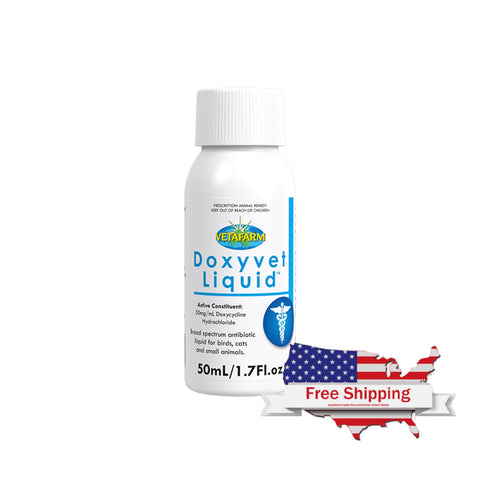
When symptoms suggest deeper tissue involvement or internal infection—such as lethargy, appetite loss, or slow recovery—broad-spectrum antibiotics are often considered. Medications like Fish Minocycline or Fish Doxy (100 Count) and Fish Doxy (60 Capsules) are commonly used to provide systemic bacterial control during recovery.
Velvet-damaged tissue can sometimes become infected with anaerobic bacteria, particularly in cases involving gill damage or internal inflammation. In these situations, Fish Zole (Metronidazole) or its higher-count formulation may be appropriate as part of a targeted treatment plan.
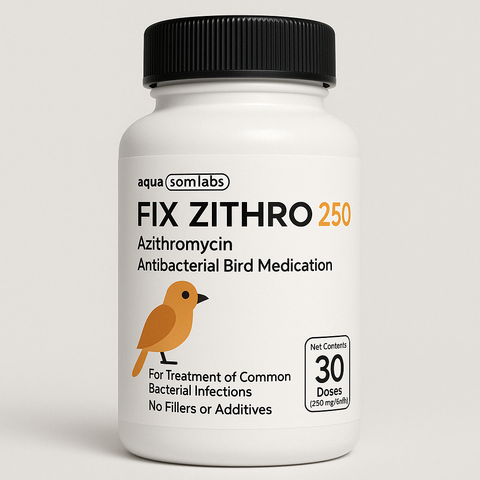
Other antibiotics, including Fish Cin (Clindamycin), Fish Sulfa, Fish Flex (Cephalexin), and Fish Zithro (Azithromycin) may be considered depending on symptom patterns and response to earlier treatment.
In some Velvet cases, fungal growth may appear on damaged skin or gill tissue. While Velvet itself is not fungal, antifungal medications such as Fish Ketoconazole or Fish Flucon (Fluconazole) may be used when fungal complications accompany bacterial infection.
Antibiotic selection should always be symptom-driven and paired with excellent water quality, oxygen support, and stress reduction. When matched correctly to Velvet-related complications, these medications can play a decisive role in stabilizing fish and supporting full recovery.
In the next section, we will discuss how to choose the right antibiotic after Velvet damage and avoid common selection mistakes.
How to Choose the Right Antibiotic After Velvet Damage
Once Velvet Disease has damaged gill and skin tissue, choosing the correct antibiotic becomes a matter of precision rather than urgency alone. At this stage, the parasite may already be under control, but the aftermath it leaves behind can determine whether fish recover fully or continue to decline. Selecting the right antibiotic requires careful assessment of symptoms, progression, and overall fish condition.
The first step is identifying where the infection is occurring. External infections affecting fins, skin, or localized wounds often present as redness, erosion, or small ulcers. These infections may remain superficial at first but can spread rapidly if left untreated. Internal infections, by contrast, often present with behavioral changes such as lethargy, loss of appetite, bloating, or abnormal swimming without obvious external damage.
Severity and speed of progression provide additional guidance. Slow-developing infections with mild symptoms may respond well to narrower-spectrum antibiotics when combined with excellent water quality and reduced stress. Rapidly worsening symptoms, spreading lesions, or relapse after initial improvement suggest more aggressive or resistant bacteria, requiring broader or combination antibiotic support.
Previous treatment history is another important factor. If a fish has already received an antibiotic and shows little improvement, repeating the same medication may not be effective. Bacteria may have survived initial exposure or resistance may be present. In these situations, switching thoughtfully to a different antibiotic class often produces better results than extending an ineffective treatment.
Fish species and sensitivity must also be considered. Some species tolerate antibiotics well, while others are more sensitive to medication and environmental changes. Using an antibiotic with a predictable safety profile allows aquarists to support recovery without adding unnecessary stress during an already vulnerable period.
Aquarium setup influences antibiotic choice as well. In complex display tanks containing invertebrates, plants, or delicate biological filtration, treating fish in a separate hospital tank offers greater flexibility. This approach allows aquarists to choose the most appropriate antibiotic without risking harm to the main system.
Patience is often the most overlooked element of antibiotic selection. Improvement may be gradual rather than immediate, especially after severe Velvet damage. Constantly changing medications can interrupt healing and increase stress. Allowing a properly chosen antibiotic to complete its course before reassessment leads to more consistent outcomes.
Choosing the right antibiotic after Velvet damage is about matching treatment to the problem—not reacting blindly. When selection is guided by observation, restraint, and environmental support, antibiotics become powerful tools for recovery rather than sources of complication.
In the next section, we will examine hospital tanks, darkness treatment, and structured recovery protocols that improve survival during and after Velvet outbreaks.
Hospital Tanks, Darkness Treatment, and Structured Velvet Recovery Protocols
When Velvet Disease reaches moderate to advanced stages, a structured recovery protocol can mean the difference between survival and loss. Hospital tanks, controlled lighting, and carefully staged treatment steps allow aquarists to reduce stress, improve oxygen delivery, and support healing while medications do their work. Velvet is unforgiving, but a disciplined approach dramatically improves outcomes.
A hospital tank provides isolation and control. By moving affected fish out of the main display aquarium, aquarists prevent further spread of the parasite and eliminate competition, aggression, and environmental instability. Hospital tanks are typically kept simple, with bare bottoms, minimal décor, and adjustable filtration and aeration to allow precise management.
One of the most important components of Velvet treatment is darkness. Oodinium is photosensitive, and reducing light exposure can slow parasite activity and reproduction. Keeping the hospital tank dark—either by turning off lights or covering the tank—reduces stress on fish and creates less favorable conditions for the parasite. Darkness should be maintained consistently throughout treatment rather than intermittently.
Oxygen support is critical during Velvet recovery. Because gill damage severely limits oxygen uptake, supplemental aeration is often necessary. Air stones, increased surface agitation, and strong but gentle water movement help ensure that dissolved oxygen levels remain as high as possible. Improved oxygen availability can stabilize fish even before parasite levels decline.
Temperature management must be handled with care. While some treatment strategies involve adjusting temperature to influence parasite life cycles, sudden changes can worsen stress and respiratory strain. Stability is more important than aggressive manipulation. Any temperature adjustments should be gradual and carefully monitored.
Water quality in hospital tanks must be maintained at the highest standard. Frequent testing, partial water changes, and removal of waste help reduce ammonia and nitrite, which are particularly damaging to compromised gills. Clean water reduces inflammation and allows damaged tissue to begin healing.
Feeding during recovery should be cautious and supportive. Fish that resume feeding should be offered small, easily digestible meals to avoid polluting the water. Appetite return is a positive sign, but overfeeding can quickly undermine water quality in small hospital tanks.
Recovery protocols should include observation periods after treatment concludes. Fish should remain in the hospital tank for several days or longer to ensure breathing stabilizes, appetite returns, and secondary infections do not emerge. Premature reintroduction to the display tank can undo progress and expose recovering fish to new stressors.
Structured recovery protocols transform Velvet treatment from reactive crisis management into controlled care. By combining isolation, darkness, oxygen support, and stable conditions, aquarists give fish the best possible chance to survive one of the most dangerous aquarium diseases.
In the next section, we will examine common Velvet treatment mistakes that often result in preventable fish loss.
Common Velvet Treatment Mistakes That Lead to Preventable Fish Loss
Velvet Disease is unforgiving, but many losses attributed to its severity are actually the result of avoidable treatment mistakes. Because the disease progresses rapidly and affects respiration, even small errors can have serious consequences. Understanding these common mistakes helps aquarists respond more effectively and avoid repeating costly missteps.
One of the most frequent mistakes is delayed action. Velvet often begins with subtle symptoms that are easy to dismiss, such as mild lethargy or increased breathing. Waiting for visible signs like a golden dust coating often means the parasite has already caused significant gill damage. Early intervention is critical; hesitation can cost valuable time that fish cannot afford.
Another major error is misdiagnosis. Treating Velvet as if it were Ich leads to inappropriate treatment choices and delayed parasite control. While both diseases are parasitic, their behavior, progression, and treatment requirements differ significantly. Using standard Ich protocols without adjusting for Velvet’s aggressive nature often results in poor outcomes.
Insufficient oxygen support is another common issue. Because Velvet directly damages gill tissue, fish struggle to breathe even in aquariums that normally have adequate oxygen levels. Failing to increase aeration during treatment places fish at continued risk of suffocation, regardless of how effective the medication may be.
Overmedicating or mixing treatments without a clear plan can also be harmful. Combining multiple parasite treatments or adding antibiotics prematurely increases stress and can destabilize water quality. More medication does not equal faster recovery; targeted, well-timed intervention is far more effective.
Inconsistent treatment duration is another frequent mistake. Stopping treatment as soon as fish appear improved allows surviving parasites to complete their life cycle and reinfect hosts. Velvet requires sustained treatment to interrupt reproduction and prevent relapse. Ending treatment early often results in a second outbreak that is more severe than the first.
Ignoring environmental factors undermines treatment success. Medications cannot compensate for unstable temperature, poor water quality, or ongoing stress from aggressive tank mates. Failing to correct these issues allows Velvet to continue damaging fish even while treatment is underway.
Finally, rushing fish back into display tanks after treatment often leads to relapse. Fish recovering from Velvet are immunologically weakened and sensitive to stress. Premature reintroduction exposes them to competition, fluctuating conditions, and potential reinfection before full recovery is achieved.
Avoiding these mistakes requires patience, observation, and a willingness to treat Velvet as the medical emergency it is. In the next section, we will focus on supporting gill healing and immune recovery after Velvet to help fish regain strength and resilience.
Supporting Gill Healing and Immune Recovery After Velvet Disease
Surviving Velvet Disease is only the beginning of recovery. Even after the parasite is controlled, fish often remain physically weakened, particularly in the gills where the most severe damage occurs. Supporting gill healing and immune recovery during this phase is essential to prevent relapse, secondary infections, and long-term health decline.
Gill tissue is highly sensitive and slow to regenerate. During Velvet infection, parasites cause inflammation, swelling, and microscopic injury that reduce oxygen exchange efficiency. After treatment, fish may continue to breathe more rapidly than normal for days or weeks as damaged tissue repairs itself. This is a normal part of recovery, but it requires careful environmental support.
Oxygen availability remains critical during this phase. Even after parasites are eliminated, compromised gills cannot extract oxygen as efficiently as healthy ones. Maintaining strong aeration, surface agitation, and stable water movement helps compensate for reduced gill function and prevents unnecessary strain on the fish’s cardiovascular system.
Water quality must be kept exceptionally stable and clean to support healing. Ammonia and nitrite must remain at zero, as even trace amounts can further irritate damaged gill tissue. Nitrate should be kept as low as practical through regular partial water changes. Clean water reduces inflammation and allows tissue regeneration to proceed more efficiently.
Immune recovery depends heavily on stress reduction. Fish recovering from Velvet are particularly sensitive to environmental disturbances, aggressive tank mates, and sudden changes in lighting or temperature. Providing a calm, predictable environment allows immune resources to shift away from survival mode and toward repair and defense.
Nutrition plays a powerful role in immune restoration. Fish that resume feeding should be offered high-quality, species-appropriate diets that support tissue repair and immune function. Small, frequent meals are often better tolerated than large feedings, especially in fish that are still regaining strength.
Close observation during this period is essential. Signs of successful recovery include gradually normalizing breathing rates, increased activity, steady appetite, and improved coloration. Warning signs include persistent lethargy, renewed respiratory distress, redness, swelling, or loss of appetite, which may indicate secondary infection or incomplete recovery.
Some fish benefit from extended time in hospital or quarantine tanks during gill recovery. Remaining isolated allows continued oxygen support, stable conditions, and early detection of complications without the added stress of a busy display aquarium.
Supporting gill healing and immune recovery transforms Velvet survival into long-term success. With patience and attentive care, fish can regain strength, rebuild resilience, and return to normal behavior after one of the most severe challenges in aquarium keeping.
In the next section, we will discuss where to source trusted fish antibiotics for Velvet recovery and why product quality and reliability matter during post-disease care.
Where to Buy Trusted Fish Antibiotics for Velvet Recovery
When Velvet Disease leads to secondary infections, the source and quality of fish antibiotics become critically important. Fish recovering from Velvet are often immunologically weakened, oxygen-deprived, and highly sensitive to stress. Using inconsistent or poorly stored medications during this phase can undermine recovery and increase the risk of relapse or resistant infections.
Experienced aquarists understand that fish antibiotics are not generic products. Accurate formulation, proper storage, and clear usage guidance all influence how effectively a medication performs. Inconsistent dosing or degraded antibiotics may appear to help temporarily, only for symptoms to return once treatment ends.
For aquarists seeking a reliable and specialized source, a curated selection such as a trusted fish antibiotics collection provides access to medications intended specifically for ornamental fish care. Having multiple options available allows aquarists to choose treatments based on symptoms rather than convenience alone.
In severe Velvet cases where secondary bacterial infections are aggressive or persistent, combination antibiotics may be required. Products like Fish Mox Clavulanate – 875mg/125mg are often selected when infections show signs of resistance, deep tissue involvement, or systemic spread after parasite control.
Soft tissue infections, open wounds, and inflammation resulting from Velvet-related skin damage may benefit from penicillin-based options. In hospital tank settings, medications such as Fish Pen (Penicillin) are sometimes used when bacterial invasion follows extensive tissue injury.
Broader-spectrum antibiotics are commonly used when Velvet complications involve deeper tissue or internal symptoms. Options such as Fish Minocycline, Fish Doxy (100 Count), or Fish Doxy (60 Capsules) are frequently chosen when fish remain lethargic or show signs of internal infection during recovery.
In some Velvet cases, damaged tissue may also become susceptible to fungal growth. While Velvet itself is not fungal, antifungal support may be appropriate when fungal symptoms appear alongside bacterial infection. In these situations, Fish Ketoconazole or Fish Flucon (Fluconazole) may be considered as part of a broader recovery plan.
Other antibiotics, including Fish Cin (Clindamycin), Fish Sulfa, Fish Flex (Cephalexin), Fish Zole (Metronidazole), and Fish Zithro (Azithromycin) may be appropriate depending on symptom patterns and response to earlier treatment.
Choosing a trusted source for fish antibiotics is an extension of responsible aquarium care. Quality medications, combined with proper dosing, clean water, and reduced stress, provide the strongest foundation for recovery after Velvet Disease.
In the next section, we will explore how to prevent Velvet Disease long-term and integrate protective practices into everyday aquarium management.
Long-Term Prevention Strategies to Protect Fish From Velvet Disease
Preventing Velvet Disease is far more effective—and far less stressful—than treating it. Because Oodinium exploits moments of weakness and instability, long-term prevention focuses on strengthening fish health, stabilizing the aquarium environment, and eliminating common entry points for parasites. When prevention becomes part of daily aquarium management, Velvet outbreaks become rare rather than inevitable.
Quarantine is the single most powerful preventive tool available to aquarists. New fish should always be quarantined in a separate tank for observation before entering the main aquarium. Many Velvet outbreaks originate from asymptomatic carriers that appear healthy at purchase but develop symptoms days later once stress triggers parasite activity. Quarantine allows time for early signs to appear without risking the entire system.
Plants, décor, and equipment should also be treated as potential vectors. Items transferred between tanks can carry parasites even when no fish are present. Dedicated nets, siphons, and tools for each aquarium—or thorough disinfection between uses—dramatically reduce cross-contamination risk.
Environmental stability is another cornerstone of prevention. Sudden temperature changes, inconsistent lighting schedules, and fluctuating water parameters weaken immune response and create windows of vulnerability. Maintaining consistent temperature, reliable filtration, and predictable lighting reduces stress and strengthens natural resistance to parasites.
Water quality management plays a critical role. Chronic exposure to elevated ammonia, nitrite, or nitrate damages gill tissue and suppresses immune function, making fish more susceptible to Velvet. Regular testing, routine maintenance, and conservative stocking levels help preserve gill health and overall resilience.
Oxygen availability should never be underestimated. Well-oxygenated aquariums support strong gill function and reduce physiological stress. Adequate surface agitation, clean filters, and proper circulation are particularly important in warmer tanks where dissolved oxygen levels are naturally lower.
Stress reduction extends beyond water chemistry. Aggressive tank mates, overcrowding, insufficient hiding spaces, and constant disturbance all elevate stress hormones that suppress immune defenses. Designing aquariums around species compatibility and natural behavior strengthens fish health and lowers disease risk.
Nutrition is another key preventive factor. High-quality, species-appropriate diets support immune function, tissue repair, and stress tolerance. Fish that receive consistent, balanced nutrition are better equipped to resist parasitic attachment and recover quickly from minor challenges.
Finally, observation is a preventive skill in itself. Aquarists who regularly watch their fish learn to recognize subtle changes in behavior, breathing, and appearance. Early detection allows intervention before parasites gain momentum, often preventing full outbreaks altogether.
Long-term prevention is not about perfection—it is about consistency. When quarantine, stability, clean water, and attentive care become routine, Velvet Disease loses its advantage.
In the final section, we will bring everything together with a comprehensive summary and actionable guidance for confidently managing Velvet Disease from identification through recovery.
Velvet Disease Master Summary: Confident Identification, Treatment, and Recovery
Velvet Disease (Oodinium) is one of the most aggressive and misunderstood illnesses in aquarium fish. What makes it especially dangerous is not just the parasite itself, but how quickly it overwhelms fish by attacking the gills, restricting oxygen, and opening the door to secondary infections. For many aquarists, Velvet feels sudden and unstoppable—but with the right knowledge, it is manageable.
Successful outcomes begin with early recognition. Subtle behavioral changes such as rapid breathing, surface hovering, light avoidance, and reduced appetite are often the first warning signs. Waiting for visible dusting on the body is often too late. Velvet demands early action, even when symptoms appear mild.
Understanding the parasite’s life cycle explains why Velvet progresses so rapidly and why incomplete or inconsistent treatment fails. Because Oodinium attacks gills early and reproduces quickly, treatment must be sustained, structured, and supported by stable environmental conditions. Medication alone is never enough.
Environmental control is a cornerstone of survival. Strong aeration, clean water, stable temperature, and reduced stress dramatically improve outcomes. Darkness treatment, hospital tanks, and oxygen support are not optional extras—they are core tools when managing Velvet effectively.
One of the most critical insights is recognizing when the disease has shifted from purely parasitic to a mixed infection. Velvet-damaged gills and skin create ideal conditions for bacterial and sometimes fungal invasion. In these cases, parasite control alone cannot stabilize fish, and targeted fish antibiotics become a necessary part of recovery.
Responsible antibiotic use is not about overmedicating—it is about timing and purpose. When secondary infections are present, correctly selected antibiotics, used in controlled hospital environments and supported by excellent water quality, can be life-saving. When used thoughtfully, antibiotics help fish survive the vulnerable post-Velvet phase and rebuild strength.
Recovery does not end when symptoms disappear. Gill healing and immune restoration take time. Continued oxygen support, stable conditions, quality nutrition, and careful observation allow fish to regain resilience and avoid relapse. Rushing recovery often leads to setbacks.
Perhaps most importantly, Velvet teaches the value of prevention. Quarantine, equipment hygiene, stable environments, proper stocking, and attentive observation dramatically reduce the likelihood of future outbreaks. Velvet is not inevitable—it exploits weakness. Strong systems and healthy fish resist it.
This master-class approach transforms Velvet Disease from a feared mystery into a manageable challenge. With knowledge, preparation, and decisive action, aquarists can protect their fish, respond effectively, and prevent devastating losses.
Velvet Disease is severe—but it is not unbeatable. Confidence, education, and structure are the aquarist’s most powerful tools.


