 Help & Contact
 Track order












The Ultimate Fish Antibiotics Guide: Types, Treatments, and Long-Term Aquarium Care
Bird AntibioticsFish Antibiotics: The Complete Guide to Types, Diseases, and Effective Treatments
In aquarium care, bacterial infections are among the most common and dangerous threats to fish health. Whether you keep ornamental guppies or breed high-value koi, understanding fish antibiotics is essential for maintaining a healthy aquatic environment. This complete guide explains how antibiotics work, the different types available, when to use them safely, and how to choose the right formulation for your aquarium or pond.
Why Fish Antibiotics Are Essential in Modern Aquarium Health
Bacterial diseases can strike rapidly, causing fin rot, ulcers, columnaris, and systemic infections that can wipe out entire tanks in days. Fish antibiotics help eliminate harmful bacteria, restore balance, and prevent the spread of disease when used responsibly. These medications are designed specifically for ornamental fish and are widely used by aquarists, breeders, and marine professionals across the United States.
Antibiotics not only cure active infections but also serve as preventive support during high-stress periods such as transportation, temperature shifts, or spawning. Understanding when and how to use these treatments helps fish recover faster and reduces the risk of resistant bacterial strains.
Understanding the Role of Bacteria in Aquatic Systems
Not all bacteria in aquariums are harmful. Beneficial bacteria play a vital role in breaking down waste and maintaining biological filtration. However, when water conditions deteriorate — from overfeeding, overcrowding, or poor filtration — pathogenic bacteria can proliferate and overwhelm a fish’s immune system. This is where antibiotics become a controlled, life-saving intervention.
Infections often enter through open wounds, gills, or stress-compromised skin barriers. Early detection and precise treatment are critical for success, and selecting the correct antibiotic is the key factor in restoring tank health.
When to Consider Antibiotic Treatment
Fish antibiotics should only be used when a bacterial infection is clearly indicated. Common signs include:
- Frayed fins or fin rot
- Cloudy eyes or skin ulcers
- Red streaks along fins or body
- Loss of appetite and lethargy
- Abnormal swimming or surface gasping
Whenever possible, confirm infection through observation, isolation, or consultation with an aquatic veterinarian before beginning any antibiotic course. Overusing antibiotics can disrupt biological filtration and create resistant bacterial strains.
Popular Types of Fish Antibiotics and Their Applications
The modern aquarist has access to a wide range of pharmaceutical-grade fish antibiotics that target specific pathogens. Each type is designed to address different bacterial groups or infection sites:
- Fish Mox (Amoxicillin) – A broad-spectrum antibiotic ideal for fin rot, body ulcers, and internal bacterial infections.
- Fish Flex (Cephalexin) – Highly effective against gram-positive bacteria responsible for skin and tissue infections.
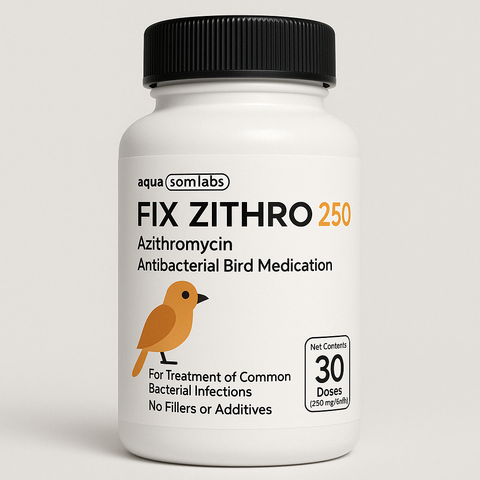
- Fish Zithro (Azithromycin) – Targets chronic respiratory and systemic infections with long-lasting tissue penetration.
- Fish Doxy (Doxycycline) – Treats columnaris, gill disease, and other gram-negative bacterial infections.
- Fish Flox (Ciprofloxacin) – A potent option for severe systemic infections or resistant bacterial strains.
- Fish Zole (Metronidazole) – Specialized for treating internal protozoan and anaerobic bacterial infections.
- Fish Pen (Penicillin) – Effective for gram-positive bacterial infections affecting skin and fins.
- Fish Cin (Clindamycin) – Used in treating mouth and gill infections caused by resistant bacteria.
- Fish Sulfa (Sulfamethoxazole + Trimethoprim) – Dual-action formula for urinary, gill, and wound infections.
Other antifungal and advanced formulations include Fish Flucon (Fluconazole), Fish Ketoconazole, and Fish Levofloxacin — all essential in treating advanced or mixed infections in ornamental fish.
Responsible Antibiotic Use and Environmental Care
Antibiotic misuse can damage aquarium ecosystems and reduce drug effectiveness over time. Always follow dosage instructions, isolate infected fish during treatment, and perform partial water changes daily. Products like Fish Mox Clavulanate 875/125 mg provide advanced resistance protection when standard antibiotics fail, but should only be used after confirming bacterial cause.
For consistent recovery, maintain clean filtration, avoid overfeeding, and supplement with probiotics once treatment is complete. Following these practices protects both your fish and your aquarium’s biological integrity.
Key Takeaway
Fish antibiotics are a cornerstone of aquarium medicine when used wisely. Knowing which antibiotic to use — and when — ensures quick recovery and long-term health. Explore premium formulations and professional-grade aquatic care solutions at BirdAntibiotic.com, your trusted U.S. source for authentic fish medications.
Identifying Common Bacterial Diseases in Aquarium Fish and Early Warning Signs
Recognizing fish diseases early is the single most important step toward successful recovery. Many bacterial infections begin subtly — a small lesion, faded color, or slight change in swimming behavior. If left untreated, these minor symptoms can quickly escalate into widespread illness affecting the entire aquarium. Knowing what to look for and understanding the bacteria behind these conditions allows aquarists to take swift, targeted action with the right antibiotic.
1. Fin Rot (Aeromonas and Pseudomonas Infections)
Fin rot is one of the most common bacterial infections in both freshwater and saltwater fish. It typically begins with frayed, discolored fins and may progress to tissue loss. Poor water quality, overcrowding, and stress are leading triggers. The primary culprits are Aeromonas and Pseudomonas species — opportunistic pathogens that thrive in unclean conditions.
Recommended treatments include Fish Mox (Amoxicillin) or Fish Flex (Cephalexin), both of which are broad-spectrum antibiotics effective against gram-positive bacteria commonly responsible for fin and tail degradation. Maintaining pristine water conditions and performing partial water changes during treatment greatly improves outcomes.
2. Columnaris Disease (Flavobacterium columnare)
Columnaris appears as grayish-white patches on the mouth, fins, or gills, often mistaken for a fungal infection. It spreads rapidly, particularly in tanks with warm water and high organic waste levels. The causative bacterium, Flavobacterium columnare, attacks external tissues before moving to internal organs.
Immediate isolation of infected fish and treatment with Fish Doxy (Doxycycline) or Fish Flox (Ciprofloxacin) can stop the disease in its early stages. Raising oxygen levels and lowering tank temperature slightly (without stress) further aids recovery.
3. Ulcer Disease (Aeromonas hydrophila)
Ulcer disease presents as red sores, bleeding lesions, or open wounds on the fish’s body. These ulcers can penetrate deep into muscle tissue, exposing internal organs if untreated. The infection often occurs in fish with compromised immune systems due to stress, overcrowding, or injury.
For effective treatment, a combination of antibiotics may be used: Fish Pen (Penicillin) targets surface infections, while Fish Zithro (Azithromycin) penetrates deeper tissue to fight internal bacterial spread. During treatment, it’s critical to keep the aquarium water clean and remove uneaten food to prevent bacterial growth.
4. Popeye (Exophthalmia)
Popeye is characterized by one or both eyes bulging outward due to internal fluid buildup. It can be caused by bacterial infection, injury, or poor water conditions. The underlying bacteria often originate from Aeromonas or Mycobacterium species.
Broad-spectrum treatments such as Fish Sulfa (Sulfamethoxazole + Trimethoprim) or Fish Doxy (Doxycycline) are effective choices. In some cases, combining antibiotic baths with improved filtration and Epsom salt soaks helps relieve internal pressure while the infection clears.
5. Dropsy (Systemic Bacterial Infection)
Dropsy isn’t a single disease but a symptom of severe internal bacterial infection. Affected fish develop swollen bellies, raised scales, and lethargy. The condition is often caused by Aeromonas or Pseudomonas species invading internal organs.
Treating dropsy requires rapid intervention with powerful systemic antibiotics like Fish Flox (Ciprofloxacin) or Fish Levofloxacin. In addition to antibiotics, perform partial water changes, improve aeration, and reduce stress factors such as overfeeding or overcrowding.
6. Gill Disease (Bacterial Gill Necrosis)
Gill disease results from bacterial colonization in the gill tissue, impairing oxygen exchange and causing fish to gasp at the surface. Symptoms include pale gills, clamped fins, and rapid breathing. Poor filtration and high ammonia levels often trigger outbreaks.
Fish Zithro (Azithromycin) or Fish Zole (Metronidazole) can be used effectively to eliminate bacterial presence in the gills. Increasing oxygenation and performing frequent small water changes help fish recover faster and prevent long-term tissue damage.
Early Intervention: The Key to Saving Infected Fish
In bacterial disease management, time is critical. The earlier an infection is detected, the higher the success rate of antibiotic treatment. Always quarantine new or sick fish before starting any medication to protect the main aquarium environment. For multi-drug-resistant infections or recurring outbreaks, advanced options like Fish Mox Clavulanate 875/125 mg can provide superior bacterial coverage.
Key Takeaway
Bacterial infections in fish are preventable and treatable when recognized early. By identifying symptoms and selecting the appropriate antibiotic, aquarists can protect their fish from devastating losses. For high-quality, lab-tested medications and detailed product guidance, visit BirdAntibiotic.com — the trusted U.S. source for professional aquarium antibiotics and aquatic health solutions.
How to Diagnose Fish Infections: Step-by-Step Water and Health Evaluation
Before administering any fish antibiotic, accurate diagnosis is the foundation of successful treatment. Many fish health problems look alike, and treating without confirming the cause can do more harm than good. Proper diagnosis ensures that the antibiotic — whether Fish Mox (Amoxicillin), Fish Flex (Cephalexin), or another formulation — is both necessary and effective for the specific condition.
1. Begin with Visual Observation
Fish often display early visual symptoms of illness. Observe your fish daily during feeding and note any of the following abnormalities:
- Clamped fins, gasping at the surface, or erratic swimming
- Loss of coloration or dull, faded scales
- Open sores, ulcers, or white patches on skin or gills
- Distended abdomen (possible dropsy)
- Rapid gill movement or scraping against objects (“flashing”)
Each of these signs can indicate bacterial involvement, though fungal or parasitic infections can appear similar. The first step is isolation of affected fish in a quarantine tank to prevent contamination of healthy specimens.
2. Test Water Quality Parameters
Poor water conditions are the number-one trigger of bacterial outbreaks. Before starting antibiotic treatment, always evaluate key water chemistry values:
| Parameter | Ideal Range | Effect if Out of Range |
|---|---|---|
| Ammonia (NH3) | 0 ppm | Causes gill irritation and bacterial stress |
| Nitrite (NO2) | 0 ppm | Blocks oxygen transport in blood |
| Nitrate (NO3) | < 40 ppm | Suppresses immune response |
| pH | 6.8–7.8 | Too high or low can cause stress and infections |
| Temperature | 75–80°F (24–27°C) | Fluctuations increase infection risk |
If any of these levels are outside the healthy range, fix them first before adding antibiotics. Water changes, gravel vacuuming, and biological filtration maintenance often resolve mild infections without medication.
3. Evaluate Feeding and Behavior Patterns
Changes in appetite, swimming posture, or interaction with other fish can indicate systemic illness. Healthy fish are active, alert, and responsive during feeding. Sick fish may isolate themselves, breathe rapidly, or rest at the tank bottom.
If symptoms persist beyond 24–48 hours and no environmental cause is found, a bacterial infection is likely. At this stage, treatment with a proven product such as Fish Doxy (Doxycycline) or Fish Flox (Ciprofloxacin) may be required, depending on the specific infection type.
4. Identify External vs. Internal Infections
Accurately determining whether the infection is external or internal helps choose the right antibiotic:
- External infections: Affect skin, fins, and gills. Treat with water-dissolved antibiotics like Fish Pen (Penicillin) or Fish Zithro (Azithromycin).
- Internal infections: Target organs, intestines, or bloodstream. Use systemic options such as Fish Mox (Amoxicillin) or Fish Zole (Metronidazole).
Some infections may require both internal and external coverage, particularly when bacteria spread through open wounds or ulcers.
5. Rule Out Non-Bacterial Causes
Many symptoms mimic bacterial infections but stem from other causes such as fungi, parasites, or nutritional deficiencies. White cotton-like growths, for example, are fungal and best treated with antifungal agents like Fish Flucon (Fluconazole) or Fish Ketoconazole. Always confirm visual symptoms before dosing with antibiotics.
6. Use a Quarantine or Hospital Tank
Isolating sick fish reduces stress and prevents contamination of the main tank. Quarantine tanks allow precise dosing and observation. Add an air stone for oxygenation, maintain temperature consistency, and avoid filters containing carbon during antibiotic use (carbon removes medication from the water).
7. Record Observations and Treatment Response
Keep a written or digital record of each treatment session, including water parameters, dosage, and visual progress. This helps identify patterns and prevents repeated use of the same antibiotic — a practice that leads to bacterial resistance.
Key Takeaway
Accurate diagnosis saves both fish and time. By observing carefully, testing water chemistry, and distinguishing bacterial from non-bacterial diseases, aquarists can select the right treatment confidently. Trusted, pharmaceutical-grade products like Fish Mox, Fish Doxy, and Fish Flox are available at BirdAntibiotic.com, ensuring reliable recovery and safe aquarium management.
How to Use Fish Antibiotics Safely: Dosage, Duration, and Water Treatment Protocols
Using fish antibiotics correctly is vital to ensuring both fish recovery and long-term tank stability. Incorrect dosing or prolonged use can harm beneficial bacteria, stress fish, or lead to drug-resistant pathogens. This section outlines precise guidelines for safe, effective treatment — from dosage and duration to tank management and aftercare.
1. Understand the Purpose of Each Antibiotic
Not all antibiotics are interchangeable. Each formulation targets specific bacterial groups or infections. For example, Fish Mox (Amoxicillin) is ideal for external lesions and body ulcers, while Fish Zole (Metronidazole) works best for internal or anaerobic bacterial infections. Matching the right medication to the infection ensures faster healing and avoids unnecessary stress on the fish.
2. Accurate Dosage Calculation
Dosage depends on the fish species, tank size, and severity of infection. Always read the product label and follow recommended instructions. If no instructions are provided, use the following general aquarium guidelines:
- Fish Mox (Amoxicillin): One 500 mg capsule per 20 gallons of water every 24 hours for 5–7 days.
- Fish Flex (Cephalexin): One 500 mg capsule per 20 gallons daily for 7 days; repeat if needed.
- Fish Doxy (Doxycycline): One 100 mg capsule per 10 gallons daily for up to 10 days.
- Fish Zithro (Azithromycin): One 250 mg tablet per 20 gallons daily for 5 days.
- Fish Flox (Ciprofloxacin): One 500 mg capsule per 20 gallons daily for 5–7 days.
- Fish Zole (Metronidazole): One 500 mg tablet per 40 gallons daily for 7 days.
For smaller aquariums, pre-dissolve tablets or capsules in water and administer the correct proportion according to tank volume. Always mix the solution well before pouring it evenly into the tank.
3. Treatment Duration and Observation
Most bacterial infections begin to improve within 3–4 days of treatment. However, prematurely stopping the antibiotic can allow remaining bacteria to rebound. Continue the full course — typically 5–10 days — even if symptoms subside early. Monitor fish for the following during treatment:
- Improved appetite and activity
- Reduced redness, ulcers, or fin damage
- Clearer water and stable behavior
If there is no improvement after 5 days, the infection may involve resistant bacteria or require a combination therapy. Consult aquatic health professionals or consider advanced formulas such as Fish Mox Clavulanate 875/125 mg for enhanced bacterial coverage.
4. Proper Water Treatment During Antibiotic Use
Antibiotics temporarily affect beneficial bacteria in the filtration system. Follow these precautions during use:
- Turn off carbon filters — activated carbon removes antibiotics from water.
- Maintain steady aeration with an air stone to increase oxygen levels.
- Perform 20–25% water changes daily before each new antibiotic dose.
- Remove uneaten food and debris to minimize bacterial load.
After completing treatment, replace carbon filters and perform two additional partial water changes to restore natural balance. Adding probiotics or live bacteria supplements helps repopulate the biofilter quickly.
5. Avoid Overlapping Medications
Never mix multiple antibiotics unless directed by an aquatic veterinarian. Overlapping medications can lead to toxicity or neutralize each other’s effects. For example, Fish Zithro (Azithromycin) and Fish Doxy (Doxycycline) should not be used together unless infection testing confirms the need for dual action.
If additional infections arise, complete the first course, wait 48 hours, perform two water changes, and then begin the second medication as recommended.
6. Supporting Recovery During and After Treatment
Supportive care is as important as medication. Fish under treatment often experience stress and reduced appetite. To aid recovery:
- Offer easily digestible foods, such as frozen brine shrimp or soaked pellets.
- Keep lighting soft and reduce handling or netting.
- Add mild aquarium salt (1 tsp per 5 gallons) to ease osmotic stress unless treating salt-sensitive species.
- Maintain consistent temperature and pH throughout the treatment course.
After antibiotic use, introduce vitamins and probiotics to restore gut health and immunity. These measures ensure that treatment success is followed by long-term stability.
Key Takeaway
Safe use of fish antibiotics requires precision, observation, and balance. By calculating proper dosage, maintaining clean water, and providing recovery support, aquarists can achieve full restoration of fish health. Explore trusted, pharmaceutical-grade fish antibiotics such as Fish Mox, Fish Flex, and Fish Flox at BirdAntibiotic.com — your reliable source for aquatic antibiotics and treatment guides in the USA.
Preventing Bacterial Outbreaks: Aquarium Hygiene, Filtration, and Stress Reduction
The most effective way to protect aquarium fish from bacterial infections is not just through treatment, but prevention. Clean, balanced, and low-stress environments naturally resist disease. Even the best antibiotics — from Fish Mox to Fish Flox — cannot compensate for poor aquarium hygiene. Prevention saves time, money, and your aquatic livestock.
1. The Importance of Clean Water and Biological Balance
Maintaining pristine water quality is the foundation of fish health. Bacteria thrive in dirty, nutrient-rich environments where ammonia and organic waste accumulate. Even minor spikes in ammonia or nitrite can compromise fish immune systems, allowing opportunistic pathogens to invade. Weekly water testing is essential for early detection of issues before they cause illness.
- Perform 20–30% water changes every week using dechlorinated, temperature-matched water.
- Vacuum substrate regularly to remove uneaten food and detritus.
- Rinse filter media in aquarium water (not tap water) to preserve beneficial bacteria.
A balanced nitrogen cycle prevents harmful ammonia buildup. Keeping this cycle stable through proper filtration ensures that fish antibiotics, when used, can work effectively without chemical interference.
2. Proper Filtration and Oxygenation
Filtration systems play a dual role — removing debris and providing oxygen exchange. Inadequate filtration or low oxygen can weaken fish, increasing infection risk. High-quality filters that include mechanical, biological, and chemical media are ideal for all aquariums.
- Mechanical filtration: Removes visible particles such as food debris and waste.
- Biological filtration: Cultivates beneficial bacteria that break down ammonia and nitrite.
- Chemical filtration: Uses carbon or resins to absorb toxins and odors (remove during antibiotic treatment).
Supplementing with an air stone or sponge filter enhances water circulation and oxygen levels, especially in heavily stocked tanks. Good oxygenation also improves antibiotic effectiveness when treating bacterial infections with Fish Zithro or Fish Doxy.
3. Avoid Overcrowding and Overstocking
Overcrowding is one of the fastest ways to trigger bacterial outbreaks. Excess waste, competition, and stress lower immunity, leaving fish vulnerable to infection. Follow the general guideline of one inch of fish per gallon of water, and ensure each species has adequate swimming space and hiding spots.
Stress reduction through proper stocking density not only prevents disease but also supports the healing process for fish under treatment with Fish Sulfa or Fish Pen.
4. Quarantine New Fish Before Introducing Them
Introducing new fish without quarantine is one of the most common causes of bacterial outbreaks in established tanks. New arrivals may carry pathogens that appear harmless at first but later infect the entire population.
- Set up a small quarantine tank (10–20 gallons) with heater, filter, and aeration.
- Observe new fish for 14–21 days before adding them to the main aquarium.
- If symptoms appear, treat with broad-spectrum antibiotics like Fish Flex (Cephalexin) or Fish Flox (Ciprofloxacin).
Quarantine tanks provide a safe environment to treat infections early without disrupting your main aquarium’s ecosystem.
5. Optimize Nutrition and Immune Support
Nutrition is your fish’s natural defense system. Poor-quality food leads to vitamin deficiencies, weakening immunity and promoting bacterial disease. Feed a balanced diet of high-quality flakes, pellets, and frozen or live foods. Rotate food types to provide complete amino acids and essential fatty acids.
Adding natural immune boosters such as garlic extract or vitamin-enriched feeds helps strengthen fish resistance against infections like fin rot and columnaris. Avoid overfeeding — uneaten food quickly degrades water quality, creating a bacterial breeding ground.
6. Control Environmental Stressors
Stress is the silent killer in aquarium ecosystems. Frequent temperature swings, loud noises, or aggressive tank mates can weaken fish immunity. Stable temperature, soft lighting, and peaceful tank environments reduce cortisol levels and improve recovery outcomes.
Monitor heaters regularly to maintain steady temperatures and prevent thermal shock. Stress reduction complements medical treatments like Fish Levofloxacin and Fish Mox Clavulanate by promoting faster healing.
7. Regular Maintenance Schedule
Develop a consistent maintenance routine. Clean filters monthly, replace cartridges as needed, and monitor for biofilm buildup on glass and decorations. Preventive maintenance keeps bacterial populations in check and reduces the need for antibiotics.
Key Takeaway
Prevention is the ultimate cure. By prioritizing clean water, proper filtration, balanced feeding, and low-stress conditions, aquarists can eliminate most causes of bacterial infection. When intervention becomes necessary, trusted medications like Fish Mox and Fish Flex from BirdAntibiotic.com ensure safe, professional treatment trusted by U.S. aquarium owners nationwide.
Comprehensive Guide to Broad-Spectrum Fish Antibiotics: Uses and Effectiveness
Broad-spectrum fish antibiotics are the backbone of modern aquarium medicine. They’re designed to combat a wide range of gram-positive and gram-negative bacteria, making them the first line of defense when the exact pathogen isn’t known. For aquarists, breeders, and hobbyists alike, understanding how these antibiotics work ensures faster, safer recovery for ornamental and pond fish alike.
1. What Are Broad-Spectrum Antibiotics?
Broad-spectrum antibiotics are formulations capable of killing or inhibiting multiple bacterial types simultaneously. They are invaluable when symptoms point to infection but the exact bacterial strain is unconfirmed. Unlike narrow-spectrum drugs that target specific bacteria, broad-spectrum options act systemically and externally, addressing skin lesions, gill infections, and internal diseases.
2. The Most Effective Broad-Spectrum Fish Antibiotics
Below are the leading professional-grade antibiotics available for fish owners in the United States. All are trusted by experienced aquarists and formulated for aquarium or pond use only.
- Fish Mox (Amoxicillin) — Highly effective against Aeromonas and Pseudomonas infections causing fin rot, ulcers, and dropsy. Works rapidly on both internal and external bacteria.
- Fish Flex (Cephalexin) — Targets gram-positive bacteria in skin tissues and fins, ideal for open sores and wound infections.
- Fish Zithro (Azithromycin) — A macrolide antibiotic with deep tissue penetration and long duration. Excellent for chronic infections or respiratory issues in labyrinth fish and cichlids.
- Fish Doxy (Doxycycline) — Versatile tetracycline class antibiotic effective against columnaris, gill disease, and Chlamydia-like bacteria.
- Fish Flox (Ciprofloxacin) — A fluoroquinolone used to treat advanced or resistant infections including ulcer disease and systemic bacteremia.
Each product has unique mechanisms and coverage spectra. Rotating them strategically reduces bacterial resistance and maintains their long-term effectiveness.
3. How Broad-Spectrum Antibiotics Work
These medications attack bacteria by disrupting cell wall formation or inhibiting protein synthesis. For example, beta-lactams like Amoxicillin damage bacterial cell walls, causing them to burst, while macrolides such as Azithromycin block ribosomal activity to stop growth. This dual approach ensures both rapid and lasting elimination of pathogens throughout the fish’s system.
4. When to Choose Broad Over Narrow-Spectrum Antibiotics
Broad-spectrum treatments are ideal when the infection’s origin is unknown or multi-bacterial — for instance, in mixed tanks with varying species or after transport stress. However, once the bacterium is identified, switching to a targeted antibiotic like Fish Zole (Metronidazole) for anaerobic bacteria or Fish Sulfa for urinary and gill infections enhances precision and reduces resistance risk.
5. Combination Therapy for Severe Infections
In serious cases such as dropsy or ulcer disease, combining two antibiotics under veterinary guidance may be appropriate. A common protocol pairs Fish Mox with Fish Flox for comprehensive coverage against both gram-positive and gram-negative pathogens. Alternatively, advanced options like Fish Mox Clavulanate 875/125 mg provide resistance-breaking support for stubborn infections.
6. Safety and Water Considerations
While effective, broad-spectrum antibiotics temporarily affect beneficial bacteria within the filter system. During treatment, maintain aeration and perform regular partial water changes to preserve oxygen balance. After the course is complete, add probiotic bacteria and resume carbon filtration to re-stabilize the aquarium’s ecosystem.
7. Long-Term Effectiveness and Resistance Management
To preserve the power of broad-spectrum antibiotics, avoid overuse or repeated treatment without clear diagnosis. Rotate formulas and allow rest periods between courses. Use preventive practices like weekly water changes and quarantine protocols to minimize the need for antibiotics altogether.
Key Takeaway
Broad-spectrum fish antibiotics offer fast, reliable solutions for bacterial outbreaks in aquariums and ponds. By choosing the correct formulation and using it responsibly, you can eradicate infections without disrupting aquatic balance. Explore trusted broad-spectrum options such as Fish Mox, Fish Flex, and Fish Doxy at BirdAntibiotic.com — your reliable U.S. source for professional fish medications and disease management solutions.
Targeted Fish Antibiotics: Narrow-Spectrum Treatments and When to Use Them
While broad-spectrum antibiotics treat a wide variety of bacteria, narrow-spectrum antibiotics are designed to target specific pathogens. Their focused action makes them ideal for confirmed infections, reducing collateral damage to beneficial bacteria and lowering the risk of antibiotic resistance. For experienced aquarists and breeders, knowing when to switch from broad to narrow-spectrum therapy is a critical skill.
1. The Science Behind Narrow-Spectrum Antibiotics
Narrow-spectrum antibiotics are formulated to combat either gram-positive or gram-negative bacteria, not both. By isolating the infection type through observation or testing, aquarists can apply precise treatment, achieving faster results with minimal biological disruption. These antibiotics are typically used once the infection source has been identified through visible symptoms or laboratory confirmation.
2. Common Narrow-Spectrum Antibiotics for Fish
- Fish Pen (Penicillin) — Targets gram-positive bacteria responsible for fin erosion, mouth infections, and mild ulcers. Best for early-stage infections detected by redness or surface lesions.
- Fish Zole (Metronidazole) — A powerful anaerobic and protozoal antibiotic used for internal infections, such as hexamita and intestinal swelling, common in cichlids and angelfish.
- Fish Cin (Clindamycin) — Effective against resistant gram-positive bacteria in the mouth, gills, and skin; often chosen when other antibiotics fail to resolve localized infections.
- Fish Minocycline (100 mg) — A second-generation tetracycline targeting internal gram-negative bacteria; particularly useful for swim bladder infections and systemic septicemia.
Each of these antibiotics offers high specificity with reduced stress on the aquarium’s microbiome, making them valuable tools for ongoing aquatic disease management.
3. When to Use Targeted (Narrow-Spectrum) Antibiotics
Targeted antibiotics should be used only when you are confident about the infection type. Here are common indicators:
- Gram-positive infections: Bright-red sores, frayed fins, and localized inflammation — treat with Fish Pen (Penicillin) or Fish Cin (Clindamycin).
- Gram-negative infections: Cloudy eyes, abdominal swelling, or internal bleeding — treat with Fish Zole (Metronidazole) or Fish Minocycline.
- Anaerobic conditions: Poorly oxygenated tanks or dirty substrates can lead to internal bacterial infections best treated with Metronidazole.
In these situations, precise targeting ensures rapid healing without disrupting biological filtration or stressing unaffected fish.
4. Combining Narrow- and Broad-Spectrum Approaches
In advanced or mixed infections, aquarists may begin treatment with a broad-spectrum antibiotic such as Fish Doxy (Doxycycline) or Fish Flox (Ciprofloxacin) to stabilize the condition, then switch to a narrow-spectrum product for targeted follow-up. This method eliminates the initial infection quickly while minimizing the chance of recurrence.
5. Diagnostic Tools for Accurate Targeting
For professional breeders and large-scale aquariums, water-borne bacterial tests and microscopic evaluation can determine bacterial type. Quick-response water testing kits are available commercially, providing real-time detection of Aeromonas or Flavobacterium. This allows informed selection between medications like Fish Pen and Fish Zole before beginning treatment.
6. Advantages of Narrow-Spectrum Treatments
- Less disruption of beneficial nitrifying bacteria in filters
- Lower environmental impact and chemical residue
- Reduced risk of antibiotic resistance development
- Faster healing for specific infections when correctly chosen
Because they act precisely, narrow-spectrum antibiotics allow aquarists to preserve ecological balance while treating infection at its source.
7. Responsible Use and Rotation
Even narrow-spectrum antibiotics must be used responsibly. Do not repeat the same treatment cycle more than twice in succession. Between treatments, cleanse the aquarium, reintroduce probiotics, and allow beneficial bacteria to stabilize. Rotating between targeted antibiotics and preventive maintenance ensures a healthy long-term aquatic environment.
Key Takeaway
Narrow-spectrum fish antibiotics deliver focused, professional-grade care for confirmed infections. When used correctly, they eliminate pathogens with minimal disruption to the ecosystem. Trusted options like Fish Pen, Fish Zole, and Fish Cin are available through BirdAntibiotic.com, ensuring U.S. aquarists have access to the most reliable treatments for precise, effective disease management.
Antifungal and Secondary Infection Control in Aquarium Fish
Fungal infections are among the most persistent and visually alarming health problems in aquariums. They often appear after a bacterial outbreak or injury, when fish immunity is already compromised. Understanding how to recognize, prevent, and treat fungal infections is crucial for maintaining a stable and disease-free aquatic environment.
1. Understanding Fungal Infections in Fish
Fungal diseases are typically caused by waterborne fungi such as Saprolegnia and Achlya. These microorganisms thrive in tanks with high organic waste, poor water circulation, or after antibiotic use when the fish’s immune system is weakened. Fungal spores attach to damaged skin, fins, or eggs, creating cotton-like growths that spread quickly if untreated.
2. Common Symptoms of Fungal Infections
- White or gray fuzzy patches on the skin, gills, or fins
- Clamped fins and sluggish movement
- Fish rubbing against decorations or gravel (flashing)
- Discoloration or erosion of scales and tissue
- Reduced appetite and buoyancy imbalance
Early detection is key — untreated fungal infections can lead to systemic issues and create secondary bacterial infections that may require broad-spectrum treatment.
3. Common Causes and Risk Factors
Several environmental and biological factors can increase fungal susceptibility:
- Unremoved organic debris such as uneaten food or decaying plants
- Overcrowding and insufficient oxygen levels
- Sudden temperature drops
- Improper handling or injuries during netting
- After antibiotic use without probiotic recovery
Regular tank maintenance and balanced filtration drastically reduce fungal risks by removing nutrient sources for fungal growth.
4. Best Antifungal Treatments for Aquarium Fish
Effective antifungal control relies on targeted medications that eliminate both active fungi and spores while remaining gentle on aquatic life. One of the most reliable treatments is Fish Ketoconazole 200mg (Fish Fungus Treatment), a pharmaceutical-grade antifungal designed to treat severe external and internal fungal infections in aquarium and pond fish.
Another powerful option is Fish Flucon (Fluconazole), known for its broad antifungal spectrum and high water solubility. It works well against resistant fungal strains, ensuring deep tissue penetration for complete eradication.
- Fish Ketoconazole: Add one 200 mg tablet per 25 gallons of water daily for 5–7 days.
- Fish Fluconazole: Add one 100 mg capsule per 10 gallons daily for up to 10 days.
Both treatments should be used with proper aeration and without carbon filtration to maintain efficacy throughout the treatment period.
5. Preventing Secondary Infections
Fungal infections often pave the way for secondary bacterial diseases. Once the fungus has weakened the fish’s tissue, bacteria such as Aeromonas or Pseudomonas can enter and cause ulceration or septicemia. To prevent this, follow antifungal treatment with a mild antibiotic course, such as:
- Fish Mox (Amoxicillin) for general bacterial protection.
- Fish Flex (Cephalexin) for skin and wound recovery.
This sequential approach minimizes relapse while restoring fish health and preventing the spread of opportunistic pathogens.
6. Water Management During and After Antifungal Treatment
Fungi release spores that can remain dormant even after visible recovery. Proper water management ensures complete disinfection:
- Perform 25–30% water changes every 48 hours during treatment.
- Disinfect ornaments and nets using a mild bleach solution (rinse thoroughly).
- Maintain strong aeration and monitor oxygen levels.
- After the final dose, reintroduce activated carbon to remove medication residue.
Following treatment, add probiotics or bacterial stabilizers to re-establish biological balance and support long-term prevention.
7. Environmental Prevention Strategies
Maintaining water quality remains the most effective preventive strategy against fungal and secondary infections. Key steps include:
- Regularly test water parameters for ammonia, nitrite, and nitrate levels.
- Keep temperature stable and suitable for your fish species.
- Avoid sudden pH fluctuations or drastic water changes.
- Feed high-quality, vitamin-enriched foods to boost immunity.
Combining strong water hygiene with proactive immune support drastically reduces fungal recurrence.
8. Key Takeaway
Fungal infections can quickly spiral into systemic issues if ignored. Prompt detection, treatment with trusted antifungal medications like Fish Ketoconazole and Fish Fluconazole, and responsible post-treatment maintenance will restore aquarium harmony. Always source pharmaceutical-grade medications from reputable suppliers such as BirdAntibiotic.com to ensure purity, potency, and the best outcomes for your fish.
Fish Antibiotic Resistance: Causes, Prevention, and Responsible Use
As with human and veterinary medicine, the misuse of fish antibiotics can lead to a major problem: bacterial resistance. Over time, bacteria can adapt and become immune to commonly used treatments, rendering even the most effective medications powerless. Responsible antibiotic use is therefore essential for the long-term health of both ornamental fish and the aquatic ecosystem as a whole.
1. What Is Antibiotic Resistance?
Antibiotic resistance occurs when bacteria evolve to survive exposure to drugs that once killed them. These resistant strains continue to multiply, making future infections harder to treat. In aquariums, resistance can develop through repeated or incomplete antibiotic treatments, overuse of broad-spectrum medications, or improper dosing.
When resistant bacteria establish themselves in the tank, even powerful antibiotics such as Fish Flox (Ciprofloxacin) or Fish Doxy (Doxycycline) may fail to restore fish health — highlighting the importance of preventive care and precise medication use.
2. How Resistance Develops in Aquariums
Fish antibiotic resistance generally arises from a few key practices:
- Incomplete treatment courses: Stopping medication early when symptoms fade allows surviving bacteria to regroup and develop resistance.
- Overdosing or underdosing: Incorrect dosages disrupt water chemistry and fail to kill all bacteria effectively.
- Unnecessary use: Treating healthy fish or “preventively medicating” tanks promotes resistance without benefit.
- Mixing antibiotics: Combining multiple drugs without direction may neutralize their effects and create resistant strains.
Once resistant bacteria are present, they can persist for months in the aquarium, filter, or substrate — even after thorough cleaning.
3. The Consequences of Resistance
When bacteria become resistant, infections become more aggressive, longer-lasting, and costlier to manage. Common diseases such as fin rot or columnaris may stop responding to first-line treatments like Fish Mox (Amoxicillin) or Fish Flex (Cephalexin). In advanced stages, aquarists may be forced to use last-resort antibiotics such as Fish Levofloxacin, increasing treatment costs and environmental impact.
4. Recognizing Early Warning Signs of Resistance
- Fish show only temporary improvement after antibiotic use.
- Infections recur soon after treatment stops.
- Multiple fish exhibit the same symptoms despite different medications.
- Water remains cloudy or foul-smelling even with filter maintenance.
These signs often indicate resistant bacterial colonies within the aquarium system, requiring a new strategy focused on sanitation and bacterial reset.
5. Prevention Through Responsible Antibiotic Practices
Preventing resistance requires a disciplined approach to treatment and aquarium maintenance:
- Complete every course: Always continue the full 5–10 day antibiotic regimen, even if fish appear recovered.
- Accurate dosing: Follow product-specific directions for each antibiotic, such as one 500 mg capsule per 20 gallons for Fish Flox or one 100 mg capsule per 10 gallons for Fish Doxy.
- Isolate sick fish: Use a hospital or quarantine tank for treatment instead of dosing the entire aquarium.
- Sanitize equipment: Clean nets, filters, and tools between tanks to avoid cross-contamination.
- Use only when needed: Treat confirmed bacterial infections, not minor behavioral changes or preventive assumptions.
6. Safe Antibiotic Rotation Strategy
Rotating antibiotics helps prevent resistance buildup. Alternate between antibiotic classes — for instance, beta-lactams (Fish Mox), tetracyclines (Fish Doxy), and fluoroquinolones (Fish Flox) — for recurring infections rather than reusing a single one repeatedly.
7. Importance of Environmental Prevention
Most antibiotic use can be avoided through consistent maintenance and hygiene:
- Maintain optimal water quality (pH, temperature, ammonia, and nitrite levels).
- Perform 25% weekly water changes to reduce organic buildup.
- Provide a nutrient-balanced diet with vitamins for immune strength.
- Quarantine new fish for at least 14 days before introduction.
A clean, balanced environment naturally limits bacterial proliferation, reducing the need for repeated treatments.
8. Post-Treatment Rehabilitation
After completing any antibiotic regimen, focus on rehabilitation. Restore beneficial bacteria using probiotics or bacterial supplements, and feed fish with immune-boosting foods like garlic-enriched flakes. This helps stabilize the microbiome and prevents opportunistic pathogens from reappearing.
9. Key Takeaway
Antibiotic resistance is preventable with knowledge, discipline, and precision. Always treat infections with verified, pharmaceutical-grade antibiotics, adhere to full courses, and focus on aquarium hygiene. Responsible use ensures that products like Fish Flox, Fish Doxy, and Fish Mox remain effective for generations of aquarists. For safe, USA-based products and professional resources, visit BirdAntibiotic.com.
Understanding Fish Disease Symptoms: How to Identify Bacterial, Fungal, and Parasitic Infections
Proper diagnosis is the cornerstone of successful fish treatment. Many aquarium diseases share overlapping symptoms — cloudy eyes, frayed fins, discoloration — making it difficult for even experienced aquarists to distinguish between bacterial, fungal, or parasitic causes. This section provides a professional breakdown of fish disease symptoms and how to identify each condition before selecting the right antibiotic or antifungal.
1. Why Accurate Diagnosis Matters
Misdiagnosing fish diseases often leads to wasted medication, unnecessary stress, and worsening infections. Using antibiotics such as Fish Mox for fungal infections, or antifungals for bacterial issues, yields poor results. By learning to observe fish behavior, body changes, and environmental triggers, aquarists can match symptoms to the correct treatment type and save their aquarium from secondary outbreaks.
2. Recognizing Bacterial Infections
Bacterial diseases are among the most common health issues in aquariums, often caused by poor water quality or injuries. They can affect both external surfaces and internal organs.
- Symptoms of External Bacterial Infections:
- Red streaks or ulcers on the body
- Frayed fins (fin rot)
- Swollen areas or open sores
- White or cloudy patches near wounds
- Symptoms of Internal Bacterial Infections:
- Loss of appetite
- Bloated abdomen (dropsy)
- Pinecone-like scales standing out
- Erratic swimming or floating near the surface
These infections are best treated with antibiotics such as Fish Flex (Cephalexin) or Fish Flox (Ciprofloxacin). Severe systemic cases may require stronger options like Fish Levofloxacin for deep internal bacterial control.
3. Identifying Fungal Infections
Fungal infections typically appear after injuries, stress, or poor tank hygiene. Unlike bacterial lesions, fungal growths have a distinct cotton-like or fuzzy texture.
- White or gray “cotton” patches on fins, mouth, or gills
- Slow movement and reduced feeding
- Rapid breathing (gill involvement)
- Secondary skin erosion beneath fungal colonies
Fungal infections respond best to antifungal medications like Fish Flucon (Fluconazole) or Fish Ketoconazole. For tanks with recurring fungal growth, check for poor filtration or high organic waste buildup, as these conditions accelerate spore formation.
4. Detecting Parasitic Infections
Parasites such as Ichthyophthirius multifiliis (“Ich”) and flukes can mimic bacterial or fungal symptoms but require entirely different treatments. Parasites typically cause intense irritation, leading to distinct behavioral signs.
- Fish rubbing against tank surfaces (flashing)
- Tiny white dots resembling salt grains (Ich)
- Rapid gill movement and gasping
- Clamped fins and lethargy
Parasitic infections are treated with antiparasitic medications (not antibiotics) and require elevated temperatures and salt adjustments to interrupt the parasite’s life cycle. Quarantining infected fish prevents rapid transmission to others.
5. Behavioral Cues That Signal Disease
Fish behavior is often the first indicator of health problems. Common warning signs include:
- Isolation from the group or hiding for extended periods
- Rapid or erratic swimming patterns
- Floating upside down or sinking uncontrollably
- Refusal to eat or spitting out food
These changes usually precede visible symptoms. Observing fish daily under proper lighting helps identify disease before it becomes critical.
6. Using Water Tests for Confirmation
Water parameters often reveal the root cause of disease. Elevated ammonia or nitrite levels stress fish and suppress immunity, while unstable pH and temperature favor pathogenic growth. Test for:
- Ammonia: 0 ppm (ideal)
- Nitrite: 0 ppm
- Nitrate: Below 40 ppm
- pH: Stable within species-specific range
- Temperature: Consistent with minimal fluctuation
Correcting water imbalance may reverse mild symptoms without medication, proving that environment management is as vital as treatment.
7. The Role of Quarantine and Early Isolation
Quarantine tanks act as diagnostic and treatment zones, preventing disease spread to healthy fish. Every new fish, plant, or decoration should be isolated for 2–3 weeks before entering the main aquarium. During quarantine, observe for discoloration, appetite changes, or external spots — signs that indicate potential infection.
8. Building a Disease Identification Routine
Experienced aquarists maintain observation logs to track fish appearance and behavior. Photographing symptoms daily helps monitor progress and compare against known infection patterns. This professional habit ensures quick, confident identification of issues requiring intervention with products such as Fish Zole (Metronidazole) or Fish Mox.
9. Key Takeaway
Identifying fish diseases accurately is the foundation of effective treatment. Different pathogens require different medications — antibiotics for bacterial, antifungals for fungal, and antiparasitics for parasitic infections. Early observation, clean water, and quarantine protocols ensure that treatments like Fish Flex, Fish Ketoconazole, and Fish Flox are used appropriately and effectively. For accurate product information and trusted aquarium antibiotics, visit BirdAntibiotic.com.
Top 10 Most Common Fish Diseases and Their Recommended Treatments
Every aquarium owner eventually encounters fish diseases, whether bacterial, fungal, or parasitic. Early detection and proper treatment can mean the difference between recovery and loss. This guide highlights the 10 most common fish diseases, their symptoms, causes, and professional-grade treatments to help maintain a healthy aquatic ecosystem.
1. Fin Rot
Cause: Bacterial infection caused by Flavobacterium or Pseudomonas species, often triggered by poor water conditions or physical injury.
Symptoms: Frayed or ragged fins, white edges, or blood streaks.
Treatment: Improve water quality immediately. Treat using Fish Flex (Cephalexin) or Fish Mox (Amoxicillin). Add aquarium salt to reduce stress and promote healing.
2. Columnaris (Cotton Mouth Disease)
Cause: Bacterial infection caused by Flavobacterium columnare, common in warm, oxygen-poor tanks.
Symptoms: White or gray cottony patches around the mouth, frayed fins, and ulcers.
Treatment: Use Fish Doxy (Doxycycline) or Fish Flox (Ciprofloxacin). Maintain strong aeration and perform 25% daily water changes.
3. Dropsy
Cause: Internal bacterial infection affecting the kidneys and fluid balance, often due to poor diet or chronic stress.
Symptoms: Bloated abdomen, raised “pinecone” scales, lethargy.
Treatment: Quarantine immediately. Use Fish Mox (Amoxicillin) combined with Fish Flox (Ciprofloxacin) for internal coverage. Improve nutrition and water parameters.
4. Fungal Infection (Saprolegniasis)
Cause: Opportunistic fungal spores infecting weakened or injured fish.
Symptoms: White, fuzzy growths on fins, gills, or mouth; skin discoloration.
Treatment: Treat with Fish Ketoconazole or Fish Fluconazole. Maintain high aeration and stable temperature.
5. Swim Bladder Disorder
Cause: Internal bacterial infection, constipation, or physical deformity.
Symptoms: Fish float sideways, upside down, or sink uncontrollably.
Treatment: Fast the fish for 24–48 hours, then feed peas or daphnia. For bacterial cases, use Fish Minocycline for targeted internal therapy.
6. Ich (White Spot Disease)
Cause: Parasitic protozoan Ichthyophthirius multifiliis.
Symptoms: Tiny white dots resembling salt grains, flashing behavior, heavy breathing.
Treatment: Raise temperature gradually to 86°F (30°C) for 10 days, and use a commercial antiparasitic. Discontinue antibiotics unless secondary bacterial infection develops.
7. Gill Disease
Cause: Bacterial or parasitic infections attacking gill tissues, often triggered by high ammonia or poor oxygen.
Symptoms: Rapid gill movement, gasping at surface, clamped fins.
Treatment: Lower ammonia immediately. Treat with Fish Doxy (Doxycycline) or Fish Zithro (Azithromycin) for internal bacterial coverage.
8. Popeye (Exophthalmia)
Cause: Bacterial infection behind the eyes due to trauma or poor water quality.
Symptoms: One or both eyes bulging outward, cloudiness, redness.
Treatment: Perform water changes and treat with Fish Mox or Fish Flex. Supplement diet with vitamin-enriched foods.
9. Ulcer Disease
Cause: Aeromonas or Pseudomonas bacterial infection, often linked to stress or injury.
Symptoms: Red or open sores on the body, lethargy, loss of scales.
Treatment: Treat immediately with Fish Flox (Ciprofloxacin). Combine with clean water, aeration, and reduced handling to speed recovery.
10. Velvet Disease (Oodinium)
Cause: Parasitic infection from Oodinium algae-like organisms.
Symptoms: Gold or rust-colored dust on skin, flashing, lethargy, and fin clamping.
Treatment: Dim lights, raise water temperature to 84°F (29°C), and use a copper-based antiparasitic. Follow with Fish Doxycycline if bacterial complications arise.
Key Takeaway
Each disease requires a different approach — from antibiotics to antifungals and environmental corrections. Quick response and accurate treatment save more fish than guesswork ever will. For safe, pharmaceutical-grade medications trusted by U.S. aquarists, explore the full collection of Fish Antibiotics at BirdAntibiotic.com.
How to Set Up a Quarantine Tank for Fish Treatment (Step-by-Step Guide)
A quarantine tank is one of the most important tools for any serious aquarist. Whether you’re introducing new fish or treating existing ones for bacterial, fungal, or parasitic infections, a separate treatment environment ensures the health of your main display tank. This guide provides a detailed, professional overview of how to set up, maintain, and use a quarantine aquarium effectively.
1. Why a Quarantine Tank Is Essential
Quarantine tanks prevent diseases from spreading to healthy fish. Many infections — including bacterial outbreaks treated with Fish Mox (Amoxicillin) or Fish Flex (Cephalexin) — can spread rapidly through shared water and filtration systems. By isolating the affected fish, you create a controlled treatment environment where medication can work effectively without disturbing the main tank’s ecosystem.
2. Choosing the Right Tank Size
The quarantine tank should be large enough to accommodate the fish comfortably but small enough for easy water changes and medication dosing. For most hobbyists, a 10- to 20-gallon tank is ideal. For larger species or multiple fish, upgrade to a 30- or 40-gallon setup. The tank should have:
- A secure lid to prevent jumping
- Minimal decorations to allow easy observation
- Gentle water flow to avoid stressing weakened fish
3. Essential Equipment Checklist
To maintain stable and safe conditions, ensure your quarantine tank includes:
- Heater: Keeps temperature stable within species-appropriate range.
- Filter: Use a sponge or internal filter for biological support — avoid using main-tank filters to prevent cross-contamination.
- Air stone or bubbler: Provides oxygenation, especially vital during antibiotic treatments such as Fish Doxycycline.
- Thermometer: For daily temperature monitoring.
- Lighting: Moderate light levels to reduce fish stress.
Keep separate tools (nets, siphons, buckets) exclusively for the quarantine tank to avoid accidental contamination.
4. Water Preparation and Conditioning
Use dechlorinated, temperature-matched water for setup. Seed the filter with beneficial bacteria from a healthy, cycled tank if possible — but never transfer filter media from tanks containing sick fish. Maintain the following baseline parameters:
- Temperature: 75–80°F (24–27°C)
- pH: 6.8–7.5 (depending on species)
- Ammonia: 0 ppm
- Nitrite: 0 ppm
- Nitrate: Below 30 ppm
Daily partial water changes (10–15%) are recommended, especially during medication treatments.
5. Administering Treatments Safely
Once the fish is placed in quarantine, observe symptoms closely for 24 hours before starting medication. When treating bacterial infections, use precise dosages to ensure effective absorption and minimal resistance development:
- Fish Flox (Ciprofloxacin) — One 500 mg capsule per 20 gallons daily for 7 days.
- Fish Zithro (Azithromycin) — One 250 mg tablet per 20 gallons daily for 5–7 days.
- Fish Doxy (Doxycycline) — One 100 mg capsule per 10 gallons daily for up to 10 days.
For fungal infections, antifungal treatments like Fish Ketoconazole or Fish Fluconazole may be used. Maintain strong aeration and turn off carbon filters to prevent medication absorption.
6. Observation Period and Recovery
Quarantined fish should remain isolated for at least 2–3 weeks, depending on the condition’s severity. During recovery:
- Monitor eating habits and swimming patterns daily.
- Feed easily digestible, vitamin-rich food to strengthen immunity.
- Perform gentle water changes to reduce medication residue.
Even after symptoms disappear, maintain quarantine for an additional 7 days to ensure no relapse occurs.
7. Cleaning and Post-Treatment Maintenance
After each treatment course:
- Disinfect the tank with a mild bleach solution (1 part bleach to 20 parts water), rinse thoroughly, and air dry.
- Replace filter sponges or carbon media before reusing the tank.
- Store all quarantine-specific tools separately from main tank equipment.
This practice prevents the reintroduction of dormant bacteria or fungal spores into your main aquarium.
8. Preventive Quarantine for New Fish
Even healthy-looking new fish can carry pathogens. Quarantine all new arrivals for 14–21 days. During this period:
- Observe closely for signs of Ich, fin rot, or fungal patches.
- Test water parameters daily to ensure stable conditions.
- Feed lightly and avoid stress-inducing changes in temperature or lighting.
Preventive quarantine ensures a pathogen-free introduction to your established aquarium population.
9. Benefits of a Proper Quarantine System
- Reduces mortality during disease outbreaks.
- Allows precise dosing and observation without affecting main tank balance.
- Improves medication efficiency and lowers costs.
- Ensures new fish are disease-free before joining community tanks.
10. Key Takeaway
A well-maintained quarantine tank is your best defense against aquarium-wide infections. It allows for targeted treatment, observation, and recovery — protecting your entire aquatic community. Always use high-quality, pharmaceutical-grade medications such as Fish Mox, Fish Flox, and Fish Ketoconazole from BirdAntibiotic.com for safe and effective treatment of aquarium diseases.
Water Quality Management During and After Antibiotic Treatments
Proper water quality management is the foundation of successful fish antibiotic treatments. No medication can fully cure an infection if the aquarium environment remains unstable. Antibiotics can temporarily disrupt the biological balance of your tank, affecting beneficial bacteria that control ammonia and nitrite levels. Maintaining and restoring water quality before, during, and after treatment is essential to ensure a full recovery and prevent relapse.
1. Why Water Quality Matters During Treatment
Antibiotics like Fish Mox (Amoxicillin) and Fish Flox (Ciprofloxacin) eliminate harmful bacteria — but they may also impact the beneficial nitrifying bacteria that stabilize your tank’s ecosystem. These bacteria convert toxic ammonia into safer compounds, keeping fish healthy. Without them, even a mild infection can escalate due to stress from poor water chemistry.
2. Preparing the Tank Before Starting Treatment
Before introducing any antibiotic or antifungal medication, perform a full water test to confirm that all parameters are within safe limits:
- Ammonia: 0 ppm
- Nitrite: 0 ppm
- Nitrate: Below 40 ppm
- pH: Stable (species-dependent, usually 6.8–7.5)
- Temperature: 75–82°F (24–28°C)
Clean the substrate, remove uneaten food, and replace 25–30% of the water with fresh, dechlorinated water. This ensures that your medication will not be wasted combating poor conditions rather than the infection itself.
3. Managing Filtration During Medication
Activated carbon and chemical resins can absorb antibiotics from the water, rendering treatments ineffective. Always remove carbon filters before starting treatment. Keep mechanical and biological filtration active to maintain circulation and oxygenation, but avoid over-cleaning filter media during therapy. After the treatment period, replace carbon or resin filters to remove residual medication.
4. Aeration and Oxygen Levels
Antibiotic treatments increase the oxygen demand of both fish and nitrifying bacteria. To prevent oxygen depletion:
- Add an air stone or bubbler for constant aeration.
- Keep surface agitation high to promote gas exchange.
- Avoid overstocking or overfeeding during treatment.
In severe infections treated with Fish Doxy (Doxycycline) or Fish Zithro (Azithromycin), strong aeration ensures better absorption and faster bacterial reduction.
5. Water Change Schedule During Treatment
Antibiotic treatments work best with consistent water quality. Follow this professional schedule:
- Perform a 20–25% water change before each new dose.
- Remove debris and waste using a gravel siphon to limit bacterial load.
- Re-dose immediately after each partial water change to maintain proper concentration.
Regular water renewal dilutes toxins and medication residues while keeping ammonia and nitrite under control.
6. Post-Treatment Water Recovery
After completing a 5–10 day antibiotic course, it’s crucial to restore biological balance. Follow these post-treatment steps:
- Perform two consecutive 30–40% water changes, 24 hours apart.
- Reinstall activated carbon or chemical filtration media to remove any residual medication.
- Add live nitrifying bacteria or bio-starters to repopulate the filter system.
- Feed lightly for the first 3 days to avoid stressing recovering fish.
For advanced aquariums, consider monitoring water with ammonia alert tags or digital meters to ensure conditions stabilize rapidly.
7. Preventing Water Parameter Spikes
Fish under antibiotic treatment produce additional organic waste due to metabolic stress. To prevent dangerous spikes:
- Clean uneaten food within 15 minutes of feeding.
- Test ammonia and nitrite daily during treatment.
- Increase aeration and perform micro water changes if levels exceed 0.25 ppm.
Adding biological enhancers post-treatment, such as liquid bacteria cultures, helps stabilize parameters faster and protects your tank from cycling disruptions.
8. Using Water Conditioners During Treatment
Some antibiotics are sensitive to chemical dechlorinators and conditioners. Avoid products containing aldehydes or formalin while medicating. Use only neutral conditioners that detoxify ammonia and chlorine without interfering with medication potency.
For example, when using Fish Mox Clavulanate or Fish Sulfa, avoid conditioners that alter pH significantly during the dosage period.
9. Rebalancing Beneficial Bacteria
After the final dose, replenish the biofilter using live bacterial supplements. This is essential for preventing mini-cycles that can re-stress fish. Introducing probiotics or specialized bacterial cultures ensures the tank’s nitrification process resumes quickly.
Products containing Nitrosomonas and Nitrobacter strains are ideal for post-antibiotic recovery. Combine this with small, consistent feedings to support microbial growth.
10. Key Takeaway
Fish antibiotics are only as effective as the environment in which they’re used. Maintaining water quality before, during, and after treatment ensures medication success, fish recovery, and long-term tank stability. For professional-grade antibiotics and expert care solutions, explore the full collection of Fish Antibiotics available at BirdAntibiotic.com — trusted by U.S. aquarists for safe, effective treatment and sustainable aquatic health.
Feeding and Nutrition During Recovery After Antibiotic Treatments
Nutrition plays a critical role in the recovery of aquarium fish following antibiotic treatments. After exposure to medications such as Fish Mox (Amoxicillin) or Fish Flox (Ciprofloxacin), fish may experience reduced appetite, weakened digestion, and lowered immunity. Proper feeding strategy and nutritional support help restore strength, re-establish gut flora, and enhance resistance to reinfection.
1. The Impact of Antibiotics on Fish Digestion
Antibiotics target harmful bacteria but can also affect the beneficial microorganisms in a fish’s digestive tract. These microbes aid in nutrient absorption and immune regulation. During treatment, fish may eat less and metabolize nutrients inefficiently, leading to weight loss or lethargy. A balanced recovery diet helps reverse these effects.
2. Feeding Strategy After Medication
Immediately after completing an antibiotic course, fish should be fed lightly for 2–3 days. This prevents digestive overload while their systems readjust. Gradually increase feeding frequency as appetite improves. Avoid overfeeding, as uneaten food can decompose and destabilize post-treatment water conditions.
- Day 1–3: Offer small amounts of soft, digestible foods once per day (e.g., soaked pellets, brine shrimp, or bloodworms).
- Day 4–7: Introduce high-protein pellets or frozen foods twice daily.
- After Day 7: Resume normal feeding schedule with enhanced nutrition.
3. Nutrients That Promote Recovery
Fish recovering from antibiotic use require specific nutrients to rebuild immune defenses and restore tissue health:
- Proteins: Essential for muscle repair and regeneration. Feed high-quality, low-fat proteins such as brine shrimp, daphnia, or commercial recovery diets.
- Vitamins C and E: Powerful antioxidants that help heal internal and external wounds caused by bacterial infections.
- Omega-3 fatty acids: Improve immune response and maintain healthy skin and fin membranes.
- Probiotics: Reintroduce beneficial bacteria into the gut after treatments with broad-spectrum antibiotics like Fish Doxycycline.
Supplementing with probiotic-rich foods or adding liquid probiotics directly into the tank supports digestion and helps re-establish bacterial balance.
4. Recommended Foods During Recovery
After antibiotic therapy, prioritize soft, nutrient-dense foods that are easy to digest:
- Frozen or live brine shrimp for energy and hydration
- Spirulina flakes to boost immune function and gut health
- Vitamin-enriched pellets to restore nutrient deficiencies
- Garlic-infused foods for natural antibacterial and appetite-stimulating effects
For herbivorous or omnivorous species, include blanched vegetables such as spinach or zucchini to improve fiber intake and regulate digestion.
5. Feeding Frequency and Observation
During recovery, feed small portions two to three times per day instead of one large feeding. Monitor for uneaten food — if present after 5 minutes, reduce the amount. Observe fish behavior closely:
- Improved activity and schooling indicate positive response.
- Continued lethargy or floating issues may signal ongoing infection or water imbalance.
If symptoms persist, retest water parameters and consider another controlled treatment cycle using appropriate medication such as Fish Flex (Cephalexin) or Fish Zole (Metronidazole).
6. Integrating Probiotics After Antibiotic Treatment
Antibiotics can reduce beneficial gut flora and biofilter bacteria. Introducing probiotics accelerates recovery. Use probiotic liquid additives or bacterial supplements that contain strains such as Bacillus subtilis and Lactobacillus. These help restore healthy digestion and natural immunity.
Alternatively, probiotic-enriched foods available at pet stores can be added to the diet. Combine them with protein-based feeds to optimize absorption and rebuild natural resistance.
7. Water and Feeding Balance
Feeding too heavily after antibiotic use can increase ammonia levels, causing stress or relapse. Always balance feeding with consistent water maintenance:
- Perform 20% water changes every 2–3 days during recovery.
- Monitor ammonia and nitrite levels daily.
- Keep dissolved oxygen high using air stones or sponges.
Healthy water ensures that the nutrients being absorbed by the fish contribute to recovery, not to waste buildup.
8. Immune System Reinforcement
Antibiotics can suppress immune activity temporarily. To strengthen defense mechanisms, use immune-supportive supplements like vitamin B complexes, beta-glucans, and natural extracts (e.g., garlic or echinacea-based enhancers). Feed these for 2–3 weeks post-treatment.
This strategy helps prevent reinfection by opportunistic bacteria such as Aeromonas or Mycobacterium, common after aggressive antibiotic use.
9. Avoiding Digestive Overload
Post-treatment, fish metabolisms may slow. Avoid feeding high-fat or overly processed foods. Overfeeding during this time can lead to constipation, swim bladder issues, or new infections. Always favor easily digestible, high-moisture feeds that mimic natural diets.
10. Key Takeaway
Proper feeding and nutrition are essential for fish recovery after antibiotic use. Focus on high-quality proteins, immune-boosting vitamins, probiotics, and clean water conditions. Balanced post-treatment care enhances survival rates and long-term vitality. For pharmaceutical-grade antibiotics and post-treatment guidance, visit BirdAntibiotic.com — your trusted source for safe, USA-based aquarium medication and fish health solutions.
Long-Term Fish Health Maintenance: Preventing Future Infections Naturally
Preventing disease is far easier—and healthier—than treating it. Long-term fish health depends on stable water parameters, balanced nutrition, and stress-free conditions that strengthen the immune system naturally. By following disciplined maintenance routines and supporting the aquarium’s microbiome, aquarists can dramatically reduce the need for antibiotics such as Fish Mox or Fish Flox in the future.
1. Maintain Crystal-Clear, Stable Water Conditions
Healthy fish begin with healthy water. Regular monitoring ensures that invisible chemical shifts never become health hazards.
- Perform 25 % water changes weekly to dilute nitrates and organic waste.
- Keep ammonia and nitrite at 0 ppm ; nitrate below 40 ppm.
- Stabilize temperature within 2 °F (1 °C) daily variance.
- Use quality test kits and log readings to spot early trends.
Consistency—not perfection—is key. Sudden parameter swings cause far more disease than minor deviations.
2. Strengthen the Biological Filter
The biofilter is the aquarium’s natural immune system. Beneficial bacteria convert toxins into harmless compounds and compete with pathogens. Avoid over-cleaning or replacing all filter media at once. Instead, rinse gently in tank water and alternate cartridge replacements monthly.
After any medication course, reseed your system with bacterial boosters to restore full nitrification and biological resilience.
3. Provide a Balanced, Immune-Enhancing Diet
Nutrition remains the single greatest long-term defense against infection. Offer varied, high-quality foods rich in antioxidants and essential fatty acids.
- Rotate between flakes, pellets, frozen brine shrimp, and spirulina-based feeds.
- Use vitamin C and E-enriched products to support tissue repair.
- Add garlic extract or beta-glucans weekly to enhance immune response.
- Avoid expired or moisture-damaged food, which can introduce fungus and mycotoxins.
Feed only what fish consume in 2–3 minutes to prevent leftover decay that fuels harmful bacteria.
4. Reduce Stress Through Environmental Design
Stress suppresses immunity and is one of the main triggers of bacterial outbreaks. Provide a calm, stable habitat by:
- Offering hiding spots and visual barriers to reduce aggression.
- Maintaining proper lighting cycles—8 to 10 hours daily.
- Eliminating sudden temperature or pH shifts during water changes.
- Minimizing loud noises or vibrations near the tank.
Low-stress environments help fish resist infections naturally without constant reliance on medication.
5. Quarantine New Additions
All new fish, plants, or invertebrates should undergo a 14–21 day quarantine before entering the main tank. This step prevents hidden pathogens from contaminating your established ecosystem. If minor infections appear, treat them early with targeted options such as Fish Flex (Cephalexin) or Fish Doxycycline inside the quarantine tank only.
6. Encourage a Healthy Micro-Ecosystem
Add live plants where compatible—they absorb nitrates, produce oxygen, and out-compete algae and harmful microbes. Introducing beneficial invertebrates such as snails or shrimp also aids in debris control and keeps biofilm populations balanced.
7. Regular Observation and Early Intervention
Spend a few minutes each day observing fish behavior, breathing, and feeding. Early detection is your greatest tool. If you notice clamped fins, faded color, or surface gasping, test water immediately and isolate the affected fish before infection spreads.
8. Seasonal Maintenance and Equipment Checks
Every 3–6 months, inspect heaters, filters, and air pumps for wear. Replace aging components to avoid malfunctions that can cause sudden temperature drops or oxygen loss—both major disease triggers.
9. Natural Supplements and Preventive Aids
Use natural products to reinforce immunity between treatments:
- Vitamin-enhanced water conditioners for trace-element replenishment.
- Liquid probiotics to stabilize digestion and biofilter strength.
- Herbal tonics containing aloe vera or tea-tree extracts to soothe tissues.
These measures support recovery after any antibiotic use and create a naturally disease-resistant aquarium system.
10. Key Takeaway
Long-term fish health is built on prevention, not medication. Stable water, clean filtration, balanced diet, and low stress keep immune systems strong and pathogens weak. By combining responsible aquarium care with access to professional treatments from BirdAntibiotic.com, aquarists ensure a sustainable, thriving aquatic environment where antibiotics become the last resort—not the routine.
Fish Antibiotic Storage, Handling, and Expiration Safety Guide
Even the most effective fish antibiotics lose their potency if stored incorrectly. Proper handling and storage ensure that medications such as Fish Mox (Amoxicillin) or Fish Flex (Cephalexin) remain stable, safe, and effective for months or years. This professional guide outlines how to protect your aquarium medications from humidity, temperature, and contamination.
1. Importance of Proper Storage
Antibiotics are sensitive to environmental conditions. Excess heat, moisture, or sunlight can degrade active compounds, reducing therapeutic effectiveness and potentially causing unpredictable reactions in aquarium water. Keeping fish antibiotics properly sealed and stored extends shelf life and ensures consistent treatment results.
2. Optimal Storage Conditions
- Temperature: Store between 59–77°F (15–25°C) in a cool, dry area. Avoid bathrooms, garages, or areas with temperature swings.
- Humidity: Keep bottles tightly closed to prevent moisture exposure. Humidity can break down capsule coatings or cause clumping.
- Light: Protect from direct sunlight — ultraviolet rays accelerate chemical breakdown.
- Air Exposure: Minimize air contact. Oxygen can reduce potency, especially in powdered or capsule forms.
A controlled environment like a medicine cabinet or drawer in a climate-regulated room is ideal.
3. Safe Handling Practices
Fish antibiotics should be treated with the same care as veterinary or human medications. Always handle with clean, dry hands to avoid introducing moisture or contaminants.
- Do not transfer capsules or tablets to other containers.
- Avoid touching the medication directly — use a clean spoon or dry tweezers.
- Close the cap immediately after removing a dose.
- Keep medications away from children and pets.
Cross-contamination or mishandling can lead to degraded medication and ineffective dosing.
4. Recognizing Expired or Degraded Antibiotics
Visual and physical cues often indicate that antibiotics have expired or lost potency:
- Discoloration or fading of capsules/tablets.
- Unusual odor or chemical smell.
- Clumping, swelling, or powder leakage.
- Loss of original label print or signs of moisture inside the bottle.
Expired fish antibiotics should never be used. They may no longer treat infections effectively and could disrupt water chemistry or harm fish.
5. How to Dispose of Expired Antibiotics
Improper disposal can contaminate water systems. Never flush antibiotics down the sink or toilet. Instead:
- Seal expired medications in a plastic bag.
- Mix with absorbent material (e.g., cat litter or coffee grounds).
- Place the sealed bag in regular household trash.
- Check with local waste facilities for hazardous disposal programs.
This approach ensures environmental safety and compliance with local disposal regulations.
6. Managing Bulk Storage or Large Orders
For aquarists who maintain large fish populations or multiple tanks, buying antibiotics in bulk is often more cost-effective. To preserve quality:
- Divide stock into small, airtight containers for individual use.
- Label each container with medication name, strength, and expiration date.
- Keep backup supplies in a dark, temperature-controlled area separate from the main storage.
For frequent treatments, ensure each bottle remains sealed until needed to avoid degradation from repeated air exposure.
7. Understanding Expiration Dates
Expiration dates printed on fish antibiotic bottles indicate the manufacturer’s guarantee of full potency. While some antibiotics may remain stable beyond that period if stored correctly, potency and safety cannot be assured. Always rotate stock and use medications in order of oldest to newest.
8. Storage for Liquid or Reconstituted Antibiotics
Once mixed with water, antibiotics begin degrading rapidly. Reconstituted solutions such as Fish Zithro (Azithromycin) or Fish Doxycycline should be used immediately after preparation and discarded within 24 hours. Never store diluted antibiotic solutions for reuse.
9. Transport and Shipping Considerations
If you purchase fish antibiotics online or transport them during travel, ensure proper packaging:
- Request insulated shipping during hot or cold seasons.
- Keep medications in their original sealed containers.
- Avoid leaving packages in direct sunlight or vehicles for long periods.
BirdAntibiotic.com ships all products in temperature-controlled packaging to ensure quality and consistency upon arrival.
10. Key Takeaway
Fish antibiotic potency depends on proper storage and handling. Keep medications dry, sealed, and out of direct sunlight; never use expired or degraded products. Responsible storage ensures your aquarium treatments—like Fish Mox, Fish Flex, and Fish Flox—remain safe and effective. For guaranteed pharmaceutical-grade antibiotics with proper labeling and expiration tracking, visit BirdAntibiotic.com.
Understanding Combination Antibiotics: When and How to Use Dual-Action Formulas
Some bacterial infections in aquariums require more than a single medication. Combination or “dual-action” antibiotics pair two active compounds with different mechanisms of action to eliminate a wider range of pathogens. When used correctly, these formulas—such as Fish Mox Clavulanate—can shorten recovery time and prevent antibiotic resistance from forming.
1. What Are Combination Antibiotics?
Combination antibiotics contain two synergistic ingredients that target bacteria in distinct ways. For example, amoxicillin attacks bacterial cell walls, while clavulanate blocks enzymes that would otherwise destroy amoxicillin. This dual-approach restores effectiveness against resistant strains of Aeromonas, Pseudomonas, and Vibrio.
2. Why Use a Dual-Action Formula?
- Broader Spectrum Coverage: Effective against both gram-positive and gram-negative bacteria.
- Reduced Resistance Risk: Prevents bacteria from neutralizing the main antibiotic component.
- Improved Treatment Efficiency: Shorter dosing cycles and faster symptom relief.
- Enhanced Safety: Lower doses of each ingredient mean reduced toxicity.
3. When to Choose a Combination Antibiotic
Use combination antibiotics when single-agent therapy (e.g., Fish Mox or Fish Flex) fails to resolve infection, or when multiple bacterial species are suspected. Typical cases include:
- Persistent fin rot with mixed bacterial flora
- Internal ulcers resistant to standard monotherapy
- Recurrent gill infections caused by both gram types
- Systemic septicemia in community tanks
Combination therapies are not for routine use; they should be reserved for confirmed or recurrent cases to prevent overexposure and maintain antibiotic effectiveness.
4. Common Dual-Action Formulations for Aquarium Use
- Amoxicillin + Clavulanate (Fish Mox Clavulanate) — broad coverage against resistant gram-negative bacteria.
- Sulfamethoxazole + Trimethoprim (Fish Sulfa) — synergistic bacteriostatic combination for skin and internal infections.
5. Dosage and Duration Guidelines
Follow manufacturer instructions exactly. Typical combination treatments last 5–10 days with partial water changes before each dose. Never combine two different dual-action antibiotics at once. After completion, restore biological filtration and add probiotics to rebalance tank bacteria.
6. Compatibility and Safety Notes
- Remove activated carbon during treatment to prevent absorption of active ingredients.
- Avoid using with other strong oxidizers or fungicides unless directed by a veterinary specialist.
- Monitor oxygen levels closely; dual formulas can increase respiratory demand in sick fish.
7. Post-Treatment Recovery
After dual-action therapy, complete two 30 % water changes over 48 hours and introduce beneficial bacteria cultures. Feed easily digestible foods and observe fish for 48–72 hours to confirm symptom resolution. Re-treatment is rarely necessary if infection was addressed early.
8. Key Takeaway
Combination antibiotics offer a powerful solution against complex bacterial infections when used responsibly. By understanding when to apply dual-action formulas and maintaining excellent tank conditions, you can maximize treatment success while preserving antibiotic efficacy for future use. Explore safe, pharmaceutical-grade options like Fish Mox Clavulanate and other Fish Antibiotics at BirdAntibiotic.com for trusted U.S.-based aquarium care.
Antibiotic Rotation and Resistance Management in Home Aquariums
Over time, repeated use of the same antibiotic can lead to bacterial resistance, reducing treatment success. This phenomenon—common in both human and veterinary medicine—can also occur in aquariums. Implementing an effective rotation strategy and responsible antibiotic use ensures long-term protection of your aquatic livestock and preserves medication effectiveness for years to come.
1. What Is Antibiotic Resistance?
Antibiotic resistance occurs when bacteria evolve mechanisms that render medications less effective. In aquariums, this often results from overuse, underdosing, or incomplete treatment cycles. Once resistant strains develop, they can persist in the substrate, filter media, or biofilm, re-infecting fish even after apparent recovery.
2. Causes of Resistance in Aquarium Settings
- Frequent or unnecessary treatments: Using antibiotics for mild or non-bacterial problems.
- Improper dosing: Applying lower doses or shortening treatment duration.
- Overcrowded tanks: Stressful conditions that weaken immunity and foster pathogen spread.
- Poor quarantine practices: Introducing untreated carriers into established tanks.
Even small errors in these areas can trigger resistance cycles that affect the entire aquarium system.
3. The Principle of Antibiotic Rotation
Rotation involves alternating antibiotic classes to minimize selective pressure on bacterial populations. By changing the active compound type, you prevent microbes from adapting to one medication. For example, alternating between Fish Mox (Amoxicillin) and Fish Flox (Ciprofloxacin) reduces the likelihood of amoxicillin-specific resistance emerging.
4. Recommended Rotation Strategies
- Cycle by Class: Alternate between beta-lactams (Fish Mox, Fish Pen), fluoroquinolones (Fish Flox, Fish Levo), and tetracyclines (Fish Doxy, Fish Minocycline).
- Separate by Treatment Phase: Use a different antibiotic family for each new infection or outbreak type.
- Observe Rest Periods: Allow at least 30 days between antibiotic types to restore biological balance.
This structured approach minimizes adaptation and maintains broad-spectrum effectiveness across treatments.
5. Identifying Resistance in the Aquarium
Signs of possible resistance include:
- Persistent infection despite full treatment.
- Recurring symptoms soon after recovery.
- Visible bacterial colonies (fuzzy growth, ulcers) that resist multiple drugs.
When these signs appear, switch antibiotic classes and improve environmental factors like temperature, oxygenation, and feeding quality to aid recovery.
6. When to Use Broad-Spectrum vs. Narrow-Spectrum Antibiotics
Broad-spectrum options such as Fish Zole (Metronidazole) and Fish Doxycycline target a wide range of pathogens but may disrupt beneficial bacteria. Narrow-spectrum antibiotics like Fish Flex (Cephalexin) are more selective and ideal for specific bacterial strains once symptoms are clearly identified.
Rotate between these types strategically—broad-spectrum for acute unknown infections, narrow-spectrum for identified pathogens.
7. Combining Rotation with Preventive Practices
Even the best antibiotic plan fails without preventive measures. Support rotation strategies by:
- Maintaining excellent water quality and stable parameters.
- Feeding immune-boosting diets to reduce disease susceptibility.
- Quarantining new fish and plants before introduction.
- Cleaning and sterilizing equipment after each use.
Healthy tanks naturally minimize antibiotic reliance and slow resistance development.
8. Using Culture-Based Diagnosis When Possible
For high-value or rare fish, consider bacterial cultures or microscopic examination through a vet or aquatic lab. Identifying the exact bacterial strain enables targeted antibiotic use and reduces unnecessary exposure. This professional approach aligns with responsible fishkeeping and long-term health management.
9. Record-Keeping for Future Treatments
Keep a detailed log of all treatments, including medication name, dosage, duration, and observed results. Over time, these records reveal which antibiotics work best for certain fish species or tank conditions and help avoid repetitive use of ineffective drugs.
10. Key Takeaway
Antibiotic rotation is a cornerstone of responsible fish medicine. By alternating drug classes, completing full courses, and maintaining strong water and feeding practices, aquarists protect both fish health and antibiotic longevity. Explore high-quality, pharmaceutical-grade products like Fish Flox, Fish Mox, and Fish Doxy available at BirdAntibiotic.com for effective, ethical aquarium care.
The Role of Antifungal and Antiparasitic Treatments Alongside Antibiotics
While antibiotics remain the primary line of defense against bacterial infections in aquariums, many diseases involve multiple pathogens — including fungi and parasites. When left untreated, these secondary invaders can hinder recovery or cause relapse. Understanding how antifungal and antiparasitic treatments work alongside antibiotics helps aquarists manage complex outbreaks effectively while safeguarding fish health.
1. Why Combine Antifungal and Antiparasitic Treatments
After antibiotic therapy, fish may develop fungal or parasitic infections due to temporary immune suppression. Fungus thrives on damaged tissues, while parasites exploit weakened hosts. Complementing antibiotic treatment with antifungal or antiparasitic care prevents opportunistic infections and ensures full recovery.
2. Common Fungal Diseases in Aquariums
Fungal infections typically appear as cotton-like growths on fins, gills, or skin. They are often secondary to bacterial infections or wounds. Common fungal species include Saprolegnia and Achlya, which flourish in stagnant or dirty water. Treatments such as Fish Flucon (Fluconazole) or Fish Ketoconazole are effective antifungals that inhibit fungal cell wall synthesis and stop infection spread.
3. When to Use Antifungals with Antibiotics
- After completing an antibiotic course, if fish exhibit cotton-like patches or persistent lesions.
- In community tanks following major bacterial outbreaks, where secondary fungus is common.
- For species prone to fungal infections (bettas, gouramis, discus, goldfish).
Always introduce antifungal medications 24–48 hours after finishing antibiotics to allow filter bacteria to stabilize. This staggered approach minimizes system stress and maximizes medication effectiveness.
4. Common Parasitic Infections in Aquarium Fish
External parasites such as Ichthyophthirius multifiliis (Ich), Costia, and Trichodina often occur after bacterial illness when fish are weakened. Symptoms include flashing, scratching, white spots, or excessive mucus production. Internal parasites like Hexamita can also appear during recovery periods.
5. Antiparasitic Treatment Options
Antiparasitic medications differ from antibiotics but may be used in combination during recovery phases. For internal parasites, Fish Zole (Metronidazole) is highly effective. It targets anaerobic protozoans and internal flagellates while being gentle on beneficial bacteria.
- External Parasites: Copper-based or formalin-free treatments; avoid mixing directly with antibiotics.
- Internal Parasites: Use Metronidazole as a food soak or water additive for 5–7 days.
- Combination Therapy: Alternate antibiotics and antiparasitics in separate treatment cycles.
6. Coordinating Multiple Treatments
Simultaneous medication can overload fish organs and disrupt tank balance. Instead, use a structured approach:
- Begin with antibiotics to eliminate primary bacterial infection.
- Stabilize water quality for 48 hours with carbon-free filtration and aeration.
- Introduce antifungal or antiparasitic medication as directed.
- Conclude with probiotic or bacterial re-inoculation to restore balance.
7. Monitoring Fish During Multi-Stage Therapy
Observe fish daily for behavioral or respiratory changes. Reduced appetite, gasping, or color loss may signal overdose or incompatible medication use. Always treat in a hospital or quarantine tank if possible to prevent exposing healthy fish.
8. Natural Preventive Approaches
Herbal and organic solutions can help prevent fungal and parasitic outbreaks without harsh chemicals:
- Use Indian almond leaves (catappa) for mild antibacterial and antifungal effects.
- Add garlic extract to food for natural antiparasitic benefits.
- Incorporate UV sterilizers to kill free-swimming fungal spores and protozoans.
These methods work best as preventive maintenance, not substitutes for proven pharmaceutical treatments.
9. Balancing Microflora Post-Treatment
After antifungal or antiparasitic therapy, reintroduce beneficial bacteria using probiotics or bio-starters. This helps restore nitrification and prevents future imbalances that could favor pathogen resurgence. Combine this with light feeding and consistent water testing for 7–10 days post-treatment.
10. Key Takeaway
Antifungal and antiparasitic treatments complement antibiotics by targeting secondary threats that hinder full recovery. Integrating them strategically—with attention to timing, dosage, and observation—creates a complete, professional-level approach to fish health. For pharmaceutical-grade antifungal and antibiotic treatments, explore the Fish Antibiotics collection at BirdAntibiotic.com, where responsible, high-quality aquarium care begins.
Building a Sustainable Fish Health Program: Responsible Use and Long-Term Prevention
Successful fishkeeping goes far beyond treating diseases. The goal is to build a balanced, resilient aquatic ecosystem that rarely requires medication. A sustainable fish health program focuses on prevention, responsible antibiotic use, and environmental stewardship — ensuring your aquarium thrives for years to come.
1. Establishing a Preventive Mindset
The best defense against infection is prevention. Every aquarist should view antibiotics as emergency tools, not routine additives. Consistent maintenance, observation, and high-quality nutrition drastically lower the risk of outbreaks. By treating the tank as a living ecosystem — not just a display — you safeguard every organism inside it.
2. Quarantine as the Foundation of Disease Prevention
New fish often carry pathogens invisible to the naked eye. A 14- to 21-day quarantine period prevents unwanted bacteria, fungi, or parasites from entering your established system. Use mild preventive treatments or water conditioners during quarantine to strengthen immunity before introduction.
3. Responsible Antibiotic Practices
- Use only when necessary: Limit antibiotic use to confirmed bacterial infections.
- Complete every course: Never stop early, even if symptoms improve.
- Follow correct dosage: Under-dosing promotes resistance; overdosing stresses fish and filter bacteria.
- Rotate classes: Alternate between medications such as Fish Flox (Ciprofloxacin), Fish Mox (Amoxicillin), or Fish Doxy (Doxycycline) to reduce resistance.
These habits maintain antibiotic potency and protect your aquarium’s microbial balance.
4. Regular Water-Testing and Maintenance Schedule
Set a strict schedule for water testing — at least once weekly for pH, ammonia, nitrite, and nitrate. Replace 25–30 % of tank water regularly and clean filter media gently in dechlorinated water. Preventive maintenance keeps stress low, and stress reduction is the single most powerful disease-prevention strategy available to aquarists.
5. Seasonal and Environmental Adjustments
Seasonal temperature fluctuations or changes in room humidity can affect dissolved oxygen and bacterial growth. Use heaters and aeration systems to stabilize temperature and oxygen year-round. In outdoor ponds, check for oxygen drop during summer heat and bacterial spikes after heavy rain.
6. Education and Continuous Learning
Fish medicine evolves quickly. Stay informed through reputable aquarium health resources, forums, and suppliers. Understanding dosage variations, compatibility rules, and water chemistry science ensures that every treatment you perform is both effective and safe.
7. Safe Product Sourcing
Only purchase verified, pharmaceutical-grade medications from trusted U.S. suppliers. Products like Fish Flex (Cephalexin), Fish Zole (Metronidazole), and Fish Mox Clavulanate sold at BirdAntibiotic.com are laboratory-formulated for aquarium use, ensuring safety and consistent purity.
8. Integrating Natural Immunity Support
Boost natural resistance with vitamin-enriched foods, probiotics, and herbal tonics. These support digestion and strengthen mucous membranes — your fish’s first line of defense against infection. Balanced, natural immunity reduces medication dependency over time.
9. Recordkeeping and Observation
Document all water-test results, feeding routines, and any medication use. Observation logs help identify small behavioral shifts — the earliest signs of illness — allowing for quick, targeted action before disease spreads.
10. Final Key Takeaway
Antibiotics save fish lives when used correctly, but prevention and ecosystem balance are what sustain them. Through stable water conditions, responsible medication, and ongoing education, every aquarist can maintain a thriving, disease-resistant environment. Explore the full range of trusted, USA-made Fish Antibiotics at BirdAntibiotic.com to keep your aquatic companions healthy — naturally and responsibly.


