 Help & Contact
 Track order













Swim Bladder Disorder: Symptoms, Causes, and Treatment Guide for Aquarium Fish
What Swim Bladder Disorder Really Is (And Why It’s So Often Misunderstood)
Swim bladder disorder is one of the most commonly discussed—and most misunderstood—conditions in aquarium fish. Many hobbyists recognize the symptoms immediately, yet struggle to understand what is actually happening inside the fish’s body.
The swim bladder is a specialized internal organ that helps fish control buoyancy. It allows them to float, sink, and maintain balance in the water column without constant effort. When the swim bladder functions normally, fish move smoothly, hover effortlessly, and adjust depth with ease.
Swim bladder disorder is not a single disease. It is a condition that describes a disruption in buoyancy control. This disruption can occur for many different reasons, which is why treatment is not always straightforward.
Some fish with swim bladder issues float uncontrollably at the surface. Others sink to the bottom and struggle to rise. Some tilt sideways, swim head-up or tail-down, or spin awkwardly when attempting to move.
Because the symptoms are dramatic and highly visible, swim bladder disorder often causes immediate alarm. Many aquarium owners fear the fish is dying or permanently damaged. In reality, the underlying cause may be temporary, correctable, or environmental.
One of the biggest misconceptions is that swim bladder disorder is always caused by physical damage to the swim bladder itself. While structural damage can occur, many cases involve pressure, inflammation, or displacement caused by other internal factors.
The swim bladder sits near the digestive tract and other organs. Swelling, constipation, internal infection, or gas buildup can all interfere with its function without damaging the organ directly.
This is why swim bladder disorder is often linked to feeding issues, water quality problems, and internal bacterial infections rather than injury.
Another reason this condition is misunderstood is because symptoms can look similar even when causes are completely different. A fish floating at the surface may be suffering from constipation, infection, stress, or environmental imbalance.
Understanding swim bladder disorder begins with shifting perspective. It is not a diagnosis—it is a sign. A signal that something is interfering with normal buoyancy control.
This article is designed to help aquarium owners move beyond panic and guesswork. By understanding symptoms, causes, and treatment options clearly, swim bladder issues can often be managed calmly and effectively.
When addressed early and correctly, many fish recover fully and return to normal swimming behavior.
Common Symptoms of Swim Bladder Disorder (What to Watch For and What It Means)
Swim bladder disorder announces itself through movement. Unlike many fish health issues that begin subtly, buoyancy problems are often impossible to miss. However, understanding what each symptom means is essential, because similar behaviors can point to very different underlying causes.
The most widely recognized symptom is uncontrolled floating. Affected fish may rise to the surface and struggle to stay submerged, even when actively swimming downward. In some cases, the fish may float on its side or upside down, appearing unable to orient itself properly.
The opposite pattern is equally common. Some fish sink to the bottom of the tank and have difficulty lifting themselves into the water column. They may rest on the substrate for long periods and dart upward only briefly before sinking again.
Tilted swimming is another hallmark sign. Fish may swim at an angle, with the head pointing upward or downward. This tilt often becomes more pronounced during movement and may lessen slightly when the fish is still.
Spinning or rolling behavior can occur in more severe cases. Fish may rotate around their axis when attempting to swim, appearing disoriented or uncoordinated. This behavior is distressing to watch but does not always indicate permanent damage.
Erratic darting followed by exhaustion is another pattern. Some fish repeatedly attempt to correct their position, only to tire quickly and settle into an abnormal posture.
It is important to distinguish buoyancy-related movement from weakness. Fish with swim bladder disorder often retain strength and appetite but lack control over position. This distinction helps separate swim bladder issues from generalized illness.
Changes in feeding behavior frequently accompany swim bladder symptoms. Floating fish may struggle to reach food below the surface, while sinking fish may have difficulty rising to feed. Appetite may appear reduced even when hunger remains.
Respiratory changes can also be observed. Fish that remain near the surface may gulp air more frequently, while those resting at the bottom may breathe more rapidly due to stress.
Not all symptoms appear at once. In mild cases, buoyancy issues may be intermittent, showing up only after feeding or during active swimming. These early signs are easy to overlook but often provide the best opportunity for correction.
Understanding symptoms in context is critical. A fish that floats after overeating may have a temporary digestive issue, while persistent imbalance over days suggests a deeper problem.
By carefully observing how, when, and under what conditions these symptoms appear, aquarium owners gain valuable clues about the root cause of swim bladder disorder.
Recognizing symptoms accurately is the first step toward effective treatment and recovery.
The Swim Bladder Explained: How Buoyancy Works Inside a Fish
To understand swim bladder disorder properly, it helps to slow down and look at how buoyancy actually works inside a fish. Many aquarium owners imagine the swim bladder as a simple balloon that fills with air, but the reality is far more nuanced and interconnected.
The swim bladder is a gas-filled organ that allows fish to regulate their position in the water without constant swimming. By adjusting the amount of gas inside this organ, fish can rise, sink, or hover effortlessly at a chosen depth.
In most aquarium fish, the swim bladder sits just beneath the spine and above the digestive tract. This positioning is important, because it means the swim bladder does not operate in isolation. What happens in nearby organs directly affects how it functions.
Fish regulate the gas inside the swim bladder through a combination of blood flow, pressure exchange, and in some species, a direct connection to the digestive tract. This process is finely tuned and highly sensitive.
When everything is working normally, the swim bladder adjusts gradually as the fish moves. Small pressure changes are balanced automatically, allowing smooth, controlled movement.
Problems arise when something interferes with this balance. The swim bladder itself may be intact, but pressure around it can change due to swelling, inflammation, or internal displacement.
For example, digestive bloating or constipation can physically push against the swim bladder, altering its position and ability to expand or contract properly. This is why swim bladder issues often appear shortly after feeding.
Internal inflammation caused by infection can have a similar effect. Swollen tissues may restrict normal movement of the swim bladder or disrupt the blood flow needed to regulate gas levels.
Infections that affect nearby organs do not need to damage the swim bladder directly to cause buoyancy problems. Even mild internal pressure changes can result in dramatic swimming abnormalities.
Gas imbalance can also occur when metabolic processes are disrupted. Stress, poor water quality, or illness can interfere with the fish’s ability to regulate internal pressure, leading to buoyancy instability.
This explains why swim bladder disorder is not always constant. Symptoms may worsen after meals, during activity, or under stress, then temporarily improve during rest.
It also explains why treatment is not one-size-fits-all. Addressing swim bladder disorder means identifying what is interfering with normal buoyancy control, not just reacting to the visible symptom.
Some cases are mechanical, such as constipation or overfeeding. Others are environmental, such as temperature fluctuations or water quality issues. Still others are internal, involving bacterial or parasitic infection.
Because the swim bladder is part of a complex internal system, effective treatment depends on understanding this relationship rather than focusing on the organ alone.
Once this internal connection is understood, the next step becomes clearer: identifying what is actually causing the disruption.
Primary Causes of Swim Bladder Disorder (Digestive, Environmental, and Infectious)
Swim bladder disorder does not originate from a single cause. Instead, it develops when normal buoyancy regulation is disrupted by one or more underlying factors. Understanding these categories—digestive, environmental, and infectious—is essential for choosing the right response.
Digestive causes are among the most common, especially in home aquariums. Overfeeding, rapid feeding, or diets that expand in the stomach can lead to temporary bloating. When the digestive tract becomes distended, it presses upward against the swim bladder, altering its position and limiting its ability to adjust gas levels.
Constipation is a frequent trigger. Dry foods, inadequate fiber, or irregular feeding schedules can slow digestion. The resulting pressure can cause fish to float, sink, or tilt unpredictably. These cases often worsen after meals and may improve with fasting or dietary adjustment.
Environmental causes are equally important and often overlooked. Temperature fluctuations affect metabolism and gas exchange. Sudden drops or spikes can disrupt the swim bladder’s pressure regulation, leading to buoyancy instability.
Water quality plays a critical role. Elevated ammonia or nitrite irritates internal tissues and increases physiological stress. Even when levels are not immediately lethal, chronic exposure weakens the fish’s ability to maintain internal balance.
Improper water flow can also contribute. Strong currents force fish to expend extra energy maintaining position, which can exacerbate buoyancy issues in already stressed individuals.
Infectious causes are less common but more serious. Internal bacterial infections can inflame tissues around the swim bladder or disrupt the organs responsible for gas regulation. In these cases, buoyancy issues are often persistent and accompanied by lethargy, appetite loss, or other signs of illness.
When infection is suspected, aquarium owners often explore targeted fish antibiotics from specialized collections such as the Fish Antibiotics collection. These products are formulated for aquarium use and address bacterial involvement when environmental and digestive causes have been ruled out.
It is important to note that fungal or parasitic conditions can also contribute indirectly by weakening the fish and disrupting normal physiological function.
Many cases involve more than one factor. For example, poor water quality may weaken immunity, allowing bacteria to establish infection, which then interferes with buoyancy.
Identifying the primary cause—or combination of causes—guides effective treatment. Addressing only the symptom without correcting the underlying issue often leads to recurrence.
By understanding these categories, aquarium owners can approach swim bladder disorder methodically rather than reactively.
Early-Stage Swim Bladder Issues vs. Advanced Cases (Why Timing Matters)
One of the most important—and often overlooked—aspects of swim bladder disorder is timing. The stage at which the issue is recognized and addressed has a direct impact on how complex treatment becomes and how likely recovery is.
Early-stage swim bladder issues are usually functional rather than structural. In these cases, the swim bladder itself is still intact and capable of working normally, but something temporary is interfering with its operation.
Early signs may include mild tilting, brief floating after meals, difficulty maintaining depth during active swimming, or subtle imbalance that comes and goes. These symptoms are often intermittent and may improve with rest.
At this stage, fish usually remain alert and interested in food. Appetite may fluctuate slightly, but the fish still responds to its environment.
Early-stage cases are often linked to recent feeding changes, mild constipation, temperature swings, or short-term water quality issues. Because the underlying cause is still reversible, correction can be relatively simple.
Addressing early-stage issues typically involves environmental stabilization. Improving water quality, adjusting feeding practices, reducing stress, and allowing the fish time to recover often leads to noticeable improvement within days.
In contrast, advanced swim bladder disorder develops when buoyancy problems persist over time or worsen due to unresolved underlying causes.
In advanced cases, abnormal swimming becomes constant rather than occasional. Fish may remain stuck at the surface or bottom, swim sideways continuously, or struggle to right themselves even when resting.
Energy levels often decline. Fish may appear exhausted, spend long periods motionless, or stop competing for food.
At this stage, internal inflammation, infection, or prolonged pressure may begin to affect surrounding tissues. The longer buoyancy is disrupted, the more stress is placed on the fish’s muscles, organs, and immune system.
Advanced cases are more likely to involve internal bacterial infection. Persistent inflammation around the swim bladder can interfere with gas regulation and healing.
This is when targeted intervention may be necessary. Aquarium owners may consider fish antibiotics from reputable aquarium-focused sources once environmental and digestive causes have been addressed.
Timing matters because early intervention reduces the need for medication and limits long-term damage. Delayed response allows minor imbalance to evolve into systemic stress.
However, even advanced cases are not always hopeless. With careful management, isolation if needed, and appropriate treatment, some fish show gradual improvement.
The key difference between early and advanced cases is not just severity, but complexity. Early-stage issues respond well to adjustment. Advanced cases require patience, consistency, and a broader treatment strategy.
Understanding this distinction helps aquarium owners act calmly and proportionately rather than waiting until symptoms become overwhelming.
Recognizing swim bladder disorder early is one of the most effective tools for successful recovery.
First-Line Response: What to Do Immediately When Symptoms Appear
The moment swim bladder symptoms appear, the most important action is not medication—it is restraint. Many swim bladder cases improve or resolve when the aquarium environment is stabilized and unnecessary interventions are avoided.
The first step is observation. Take note of when the symptoms occur, how severe they are, and whether they fluctuate throughout the day. Pay attention to recent changes in feeding, temperature, tank maintenance, or tank mates. These details often reveal the underlying trigger.
Next, pause feeding temporarily. A short fasting period reduces pressure on the digestive system and allows any bloating or constipation to subside. For many fish, especially those prone to overfeeding-related buoyancy issues, this alone can bring noticeable improvement.
Water quality should be checked immediately. Test for ammonia, nitrite, nitrate, and temperature stability. Even mild elevations can stress internal systems and worsen buoyancy control. Perform a partial water change if parameters are outside optimal ranges.
Stabilizing temperature is critical. Sudden fluctuations interfere with metabolism and gas regulation. Ensure heaters are functioning properly and that temperature remains consistent throughout the day.
Reduce stressors in the environment. Strong currents, aggressive tank mates, or excessive lighting can exacerbate symptoms. Temporarily lowering flow or providing sheltered areas allows the fish to conserve energy.
Handling should be minimized. Removing or netting the fish unnecessarily increases stress and can worsen disorientation. If isolation is required, it should be done gently and only when clearly beneficial.
At this stage, medication is rarely required. Many early swim bladder issues are functional rather than infectious, and introducing antibiotics too soon can complicate recovery.
Monitor progress over the next 24–72 hours. Improvement may be subtle at first—slightly better balance, longer periods of normal swimming, or reduced surface floating.
If symptoms stabilize or improve, continued supportive care is usually sufficient. If symptoms persist or worsen despite these steps, deeper causes should be considered.
First-line response is about creating the best possible conditions for the fish to self-correct. Acting calmly and deliberately at this stage often prevents escalation.
Feeding Adjustments and Digestive Support for Swim Bladder Recovery
Feeding practices play a central role in many cases of swim bladder disorder. Because the swim bladder sits close to the digestive tract, even minor digestive issues can translate into significant buoyancy problems. For this reason, adjusting how and what fish eat is often one of the most effective recovery tools.
Overfeeding is a common trigger. In home aquariums, fish are often fed more frequently and in larger quantities than they would naturally encounter. Excess food expands in the stomach and intestines, placing pressure on the swim bladder and disrupting its ability to regulate gas.
When swim bladder symptoms appear, temporarily reducing or pausing feeding allows the digestive system to decompress. This rest period gives the swim bladder space to function normally again.
Once feeding resumes, portion control becomes critical. Small, measured feedings spaced appropriately throughout the day are far safer than large, infrequent meals.
Food type matters as well. Dry foods that expand rapidly when hydrated can contribute to bloating if swallowed too quickly. Pre-soaking dry pellets or flakes before feeding can reduce this risk.
Incorporating fiber-rich foods supports digestion and helps prevent constipation. Certain vegetables, when appropriate for the species, can aid in moving food through the digestive tract more efficiently.
Variety supports gut health. Relying on a single food source may contribute to digestive imbalance over time. Rotating high-quality foods encourages more natural digestive function.
Feeding behavior should also be observed. Fish that gulp air while feeding at the surface may introduce excess gas into the digestive tract, worsening buoyancy issues. Adjusting feeding depth or method can help reduce this behavior.
Digestive support is not about force-feeding or supplement overload. It is about creating conditions where digestion proceeds smoothly and predictably.
As digestion stabilizes, pressure on the swim bladder often decreases, allowing buoyancy control to return gradually.
Many swim bladder cases resolve at this stage, without the need for medication, simply through thoughtful feeding adjustments and patience.
Digestive support remains important even after symptoms improve. Maintaining good feeding habits helps prevent recurrence and supports long-term aquarium health.
Water Quality, Temperature, and Environmental Stability
When swim bladder disorder appears, water quality and environmental stability become more than routine maintenance topics—they become active parts of treatment. Even when digestive factors are involved, the surrounding environment determines how quickly a fish can regain normal buoyancy.
Water chemistry affects nearly every internal process in a fish’s body. Subtle imbalances that might be tolerated under normal circumstances can become significant stressors when buoyancy is compromised.
Ammonia and nitrite are particularly disruptive. Even low-level exposure irritates gill tissue and internal organs, increasing physiological stress. This stress interferes with the fish’s ability to regulate internal pressure and gas exchange, which directly affects swim bladder function.
Nitrate, while less immediately toxic, contributes to chronic stress when elevated over time. Long-term exposure weakens immune function and slows recovery from internal imbalance.
Consistent testing during swim bladder recovery is essential. Rather than relying on visual cues alone, objective measurements provide clarity and prevent guesswork.
Temperature stability is equally important. Fish metabolism is temperature-dependent, and even small fluctuations can alter digestion, circulation, and gas regulation.
Rapid temperature changes often trigger or worsen swim bladder symptoms. Heaters should be reliable, properly sized, and monitored for consistency throughout the day and night.
Water flow deserves careful consideration. Strong currents force fish to expend extra energy maintaining position, which can exacerbate buoyancy problems. During recovery, calmer flow allows fish to rest without constantly compensating for movement.
Tank layout also matters. Providing sheltered areas where fish can rest comfortably reduces stress and prevents unnecessary exertion.
Lighting should remain consistent. Sudden changes in brightness or extended photoperiods increase stress and disrupt normal behavior patterns.
Routine maintenance should be gentle and predictable. Large, sudden water changes can destabilize parameters and shock sensitive fish. Smaller, more frequent changes often support recovery better.
Environmental stability does not mean inaction. It means deliberate, controlled adjustments that support healing rather than overwhelm the fish’s adaptive capacity.
When water quality and environmental conditions are optimized, the fish’s internal systems are better able to correct buoyancy imbalance naturally.
This foundation becomes especially important if additional intervention is required later. Medication works best in stable, low-stress environments.
In many cases, restoring environmental balance is the turning point where swim bladder symptoms begin to resolve.
When Infection Is the Underlying Cause (Recognizing Bacterial Involvement)
While many swim bladder issues are functional or environmental, a subset of cases are driven by internal infection. Recognizing when bacteria are likely involved is critical, because the response shifts from adjustment and support to targeted treatment.
Bacterial involvement is more likely when buoyancy problems persist despite proper feeding adjustments, stable water quality, and reduced stress. In these cases, symptoms tend to be consistent rather than intermittent and may gradually worsen over time.
Fish with bacterial-related swim bladder issues often show additional signs beyond buoyancy imbalance. Lethargy, reduced appetite, weight loss, clamped fins, or changes in coloration can accompany abnormal swimming.
Another indicator is progression. A fish that initially floats only after meals but later remains stuck at the surface or bottom regardless of feeding is more likely experiencing internal inflammation or infection.
Internal bacterial infections can inflame tissues around the swim bladder or disrupt the organs responsible for gas regulation. Even when the swim bladder itself is not infected, surrounding inflammation can severely impair its function.
These infections may originate from opportunistic bacteria that take advantage of stress, poor water quality, or weakened immunity. Once established internally, they rarely resolve without intervention.
At this stage, continuing to fast the fish or make environmental tweaks alone is unlikely to bring improvement. This is when aquarium owners begin to consider fish antibiotics designed for internal bacterial conditions.
Specialized aquarium-focused sources, such as the Fish Antibiotics collection, offer options intended specifically for ornamental fish rather than generalized pet use.
The choice of antibiotic depends on suspected bacterial involvement, symptom severity, and whether other signs of infection are present. Broad-spectrum options are often considered first when a specific pathogen is unknown.
For example, amoxicillin-based treatments like Fish Mox (Amoxicillin) are commonly referenced for internal bacterial issues when symptoms are moderate and systemic.
In more persistent or resistant cases, combination antibiotics such as Fish Mox Clavulanate may be considered to broaden coverage.
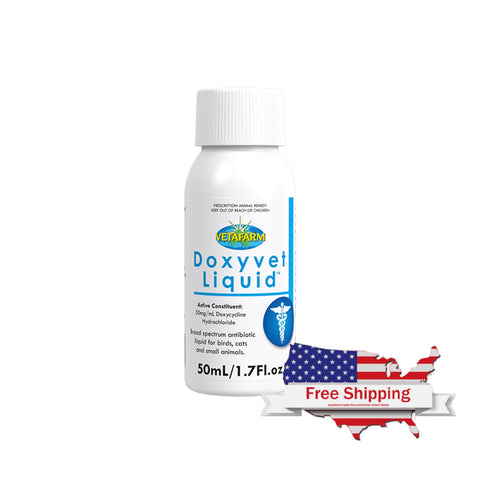
Other options, including cephalexin (Fish Flex), doxycycline (Fish Doxy), or minocycline (Fish Minocycline) may be relevant depending on presentation.
When bacterial infection is suspected, antibiotics should be used thoughtfully and consistently. Partial courses or frequent switching can worsen outcomes and increase stress.
It is also important to remember that medication works best when combined with the supportive measures discussed earlier. Clean water, stable temperature, and reduced stress remain essential during treatment.
Recognizing bacterial involvement early prevents prolonged suffering and increases the likelihood of recovery. Delaying appropriate treatment allows inflammation to deepen and complicates healing.
Understanding when infection is the underlying cause helps aquarium owners move from observation to decisive, appropriate action.
Choosing the Right Treatment Path (Supportive Care vs. Medication)
Once swim bladder disorder has been recognized and initial observations have been made, the most important decision becomes choosing the correct treatment path. This decision is not about acting quickly—it is about acting appropriately based on what the fish is telling you.
In many aquariums, the most effective treatment is not medication at all. Supportive care remains the first and often most successful approach, especially in early or mild cases where digestion, environment, or stress are the primary contributors.
Supportive care focuses on correcting conditions rather than targeting pathogens. This includes fasting when appropriate, adjusting feeding habits, improving water quality, stabilizing temperature, and reducing environmental stress. When these measures lead to improvement within a few days, medication is usually unnecessary.
Supportive care is particularly effective when symptoms fluctuate, worsen after feeding, or improve during rest. These patterns strongly suggest functional interference with the swim bladder rather than infection.
Medication becomes relevant when symptoms persist despite proper supportive care, or when additional signs of illness appear. These signs may include ongoing lethargy, appetite loss, weight loss, clamped fins, or steady deterioration in swimming ability.
When medication is considered, it should be selected based on the most likely underlying cause—not simply because swim bladder symptoms are present. This distinction is critical to avoid unnecessary treatment.
For suspected bacterial involvement, aquarium owners often explore fish antibiotics intended for internal infections from reputable, aquarium-focused sources such as the Fish Antibiotics collection.
Broad-spectrum antibiotics are commonly considered when a specific pathogen cannot be identified. For example, Fish Mox (Amoxicillin) is frequently referenced in cases involving internal bacterial inflammation that affects buoyancy.
In situations where bacterial resistance or persistent infection is suspected, combination options like Fish Mox Clavulanate may be considered for broader coverage.
Other antibiotics, such as Fish Flex (Cephalexin), Fish Doxy (Doxycycline), or Fish Minocycline may also be appropriate depending on symptom progression and response.
It is important to understand that medication does not replace supportive care. Antibiotics address bacterial causes, but they do not correct feeding errors, poor water quality, or environmental instability. Without these corrections, treatment success is limited.
Another key consideration is restraint. Using antibiotics “just in case” can disrupt beneficial bacteria, increase stress, and complicate recovery if infection was not present.
The most effective treatment path is often sequential rather than simultaneous: stabilize environment first, observe response, then escalate to medication only if necessary.
Choosing wisely between supportive care and medication protects fish health, preserves long-term tank stability, and reduces unnecessary intervention.
Swim bladder disorder is best managed through understanding, patience, and proportionate response—not urgency alone.
Antibiotic Options Explained (When and Why Each Is Used)
When swim bladder disorder is linked to internal bacterial infection, choosing the right antibiotic becomes a critical decision. Not all antibiotics work the same way, and understanding their general roles helps aquarium owners avoid unnecessary treatment while improving outcomes when medication is truly needed.
Internal bacterial infections that affect buoyancy typically involve inflammation around the swim bladder, digestive tract, or adjacent tissues. Because the exact pathogen is rarely identified in home aquariums, broad-spectrum antibiotics are often considered first.
Amoxicillin-based antibiotics are among the most commonly referenced options for internal bacterial issues. Products such as Fish Mox (Amoxicillin) are often considered when symptoms are moderate and systemic signs—such as lethargy or appetite loss—are present alongside buoyancy problems.
Amoxicillin is typically associated with infections caused by gram-positive bacteria and some gram-negative organisms. It is often selected as a first-line option when infection is suspected but not advanced.
Amoxicillin-clavulanate combinations, such as Fish Mox Clavulanate, expand coverage by addressing bacteria that may resist amoxicillin alone. These options are often considered when symptoms persist despite initial treatment or when inflammation appears more severe.
Cephalexin, available in products like Fish Flex, is another broad-spectrum antibiotic commonly discussed for internal infections. It is often referenced when tissue inflammation and persistent symptoms suggest deeper bacterial involvement.
Doxycycline and minocycline belong to the tetracycline class and are often considered for infections that may involve intracellular bacteria or when other antibiotics have not produced results. Options such as Fish Doxy and Fish Minocycline are sometimes referenced in more stubborn cases.
These antibiotics penetrate tissues differently and may be selected when buoyancy issues are accompanied by generalized weakness or chronic inflammation.
Clindamycin, found in products such as Fish Cin, is less commonly used for swim bladder issues but may be relevant in specific bacterial profiles involving anaerobic organisms.
Sulfamethoxazole-trimethoprim combinations, like Fish Sulfa, are sometimes discussed when infections involve urinary or internal systemic components.
Metronidazole, such as Fish Zole, is typically associated with protozoal infections and anaerobic bacteria. It may be considered when buoyancy issues are accompanied by digestive symptoms that suggest internal parasites.
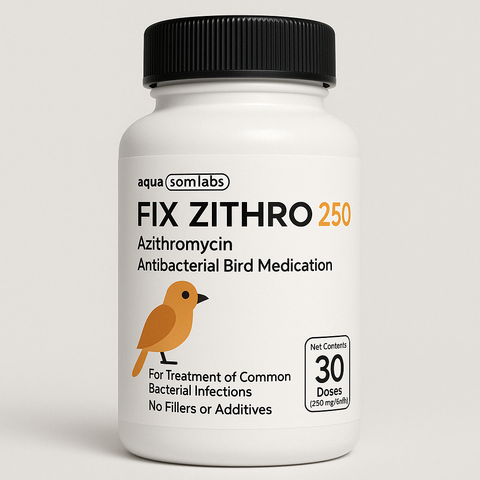
Azithromycin, available as Fish Zithro, is sometimes referenced for its broad tissue penetration and anti-inflammatory properties.
Antibiotics should never be mixed randomly or changed frequently without reason. Completing a consistent course allows the medication to work effectively and reduces stress on the fish.
It is also important to remember that antibiotics do not correct environmental or digestive causes of swim bladder disorder. They are one component of treatment when infection is truly present.
Understanding the role of each antibiotic helps aquarium owners make thoughtful, proportionate decisions rather than relying on guesswork.

How Long Recovery Takes and What Progress Actually Looks Like
One of the most challenging aspects of swim bladder disorder is uncertainty around recovery time. Aquarium owners often expect clear, rapid improvement, and when progress appears slow or uneven, concern quickly follows. Understanding realistic recovery timelines helps reduce stress and prevents unnecessary treatment changes.
Recovery from swim bladder disorder rarely follows a straight line. Because buoyancy is influenced by digestion, inflammation, environmental stability, and overall health, improvement often occurs in stages rather than all at once.
The first stage of recovery is stabilization. This means the fish stops getting worse. Floating, sinking, or tilting may still occur, but symptoms no longer intensify. Stabilization is often the earliest indicator that the chosen treatment path is appropriate.
During this phase, appetite may begin to return, and energy levels may improve slightly. These internal improvements often precede visible swimming correction.
The second stage is partial control. Fish may regain the ability to hold position for short periods, swim more normally between episodes, or rest in a more balanced posture. Symptoms may still appear during feeding or activity, but recovery periods become longer.
This stage can last days or weeks, depending on the underlying cause. Digestive-related cases often improve more quickly, while infectious or inflammatory cases take longer.
The third stage is functional recovery. Fish regain consistent buoyancy control and resume normal swimming patterns. At this point, abnormal posture or floating becomes occasional or disappears entirely.
It is important to recognize that full recovery does not always mean perfect symmetry. Some fish retain minor quirks in swimming behavior without affecting quality of life.
Temporary setbacks are common. A stressful event, feeding change, or water fluctuation can briefly worsen symptoms even after improvement has begun. These setbacks do not necessarily indicate treatment failure.
Recovery timelines vary widely. Mild cases may improve within days, while advanced or infectious cases may take several weeks to stabilize.
Patience is critical. Changing treatments too frequently can disrupt progress and increase stress.
Progress should be evaluated over time rather than day by day. Overall trends matter more than isolated moments.
Understanding what recovery actually looks like allows aquarium owners to remain calm, consistent, and confident throughout the healing process.
Common Mistakes That Delay Swim Bladder Recovery
Swim bladder disorder is frustrating largely because improvement can be slow and unpredictable. In that uncertainty, many aquarium owners make decisions that unintentionally delay recovery. These mistakes are almost always driven by concern and urgency, not neglect.
One of the most common mistakes is changing treatments too frequently. When improvement is not immediate, it is tempting to switch foods, add medication, perform large water changes, and adjust temperature all at once. This constant shifting prevents the fish’s body from adapting and stabilizing.
Overmedicating is another frequent issue. Antibiotics are sometimes introduced “just in case” without strong evidence of infection. This can disrupt beneficial internal bacteria, increase stress, and worsen digestive imbalance—ironically aggravating swim bladder symptoms.
Stopping treatment prematurely also delays recovery. When a fish shows partial improvement, owners may assume the problem is resolved and stop supportive care or medication early. Incomplete treatment allows inflammation or infection to persist beneath the surface.
Ignoring feeding behavior is a subtle but impactful mistake. Continuing to feed aggressively while buoyancy is compromised places ongoing pressure on the digestive tract and swim bladder.
Large, sudden water changes made in an attempt to “fix everything” can destabilize temperature and chemistry, creating new stress just as recovery begins.
Failing to isolate when necessary is another issue. Fish struggling with buoyancy often cannot compete for food or avoid aggression, increasing exhaustion and delaying healing.
Expecting perfection can also be counterproductive. Minor residual imbalance does not always indicate failure. Quality of life and stability matter more than flawless swimming.
Recognizing these mistakes allows aquarium owners to shift from reactive behavior to steady, supportive care—the environment in which recovery is most likely.
Long-Term Prevention: Reducing the Risk of Swim Bladder Issues
Preventing swim bladder disorder is less about special products and more about consistent, thoughtful aquarium management. Most long-term prevention strategies focus on reducing stress, supporting digestion, and maintaining environmental stability.
Feeding habits are the cornerstone of prevention. Avoid overfeeding and resist the urge to feed “a little extra.” Small, controlled portions reduce digestive pressure and prevent bloating that can interfere with buoyancy.
Food variety supports digestive health. Rotating quality foods helps ensure balanced nutrition and reduces the risk of constipation-related issues.
Pre-soaking dry foods can further reduce digestive expansion, especially for species prone to gulping air during feeding.
Water quality maintenance should be proactive rather than reactive. Regular testing and scheduled water changes prevent chronic stress that weakens internal regulation.
Stable temperature and flow reduce metabolic strain. Sudden changes—even when well-intended—can destabilize buoyancy control.
Tank design matters. Adequate swimming space, gentle flow zones, and safe resting areas allow fish to regulate energy and movement efficiently.
Observation remains a powerful preventive tool. Subtle changes in posture or swimming often appear before major symptoms develop.
Prevention is cumulative. Small daily decisions compound into long-term health and resilience.
Building a Supportive Recovery Environment
When a fish is recovering from swim bladder disorder, the environment becomes part of treatment. A supportive recovery setup minimizes energy expenditure and maximizes comfort.
Lowering water flow allows fish to maintain position without constant effort. Gentle circulation supports oxygenation without forcing movement.
Providing resting areas near preferred depths helps fish conserve energy. Plants, decor, or gentle slopes can serve this purpose.
Lighting should remain consistent and moderate. Excessive brightness increases stress and disorientation.
Isolation tanks, when used appropriately, allow focused care and prevent competition. However, isolation should remain calm and stable rather than clinical and bare.
Recovery environments should feel safe, predictable, and low-stress.
When to Consider Advanced Intervention
Most swim bladder cases resolve with supportive care, but some require escalation. Advanced intervention becomes relevant when symptoms persist or worsen despite consistent management.
Persistent buoyancy loss, refusal to eat, or progressive lethargy indicate deeper issues.
At this stage, targeted medication may be necessary, selected carefully based on symptom patterns.
Advanced cases require patience and consistency rather than aggressive experimentation.
Quality of Life Considerations
Not all swim bladder cases resolve completely. In some fish, partial recovery allows a comfortable life with minor swimming differences.
Evaluating quality of life involves appetite, interaction, responsiveness, and stress—not perfection of movement.
Many fish adapt remarkably well when supported appropriately.
Frequently Asked Questions About Swim Bladder Disorder
Is swim bladder disorder contagious?
No. It is a condition, not a transmissible disease.
Can fish live long-term with swim bladder issues?
Yes, many fish adapt and live full lives.
Should antibiotics always be used?
No. Only when infection is likely.
Does fasting always help?
It helps when digestion is involved, not in every case.
Key Takeaways for Aquarium Owners
Swim bladder disorder is manageable when approached calmly and thoughtfully.
Most cases improve with environmental and digestive support.
Medication is a tool, not a default solution.
Observation and patience are as important as intervention.
Final Thoughts: Calm, Informed Care Leads to Better Outcomes
Swim bladder disorder can look dramatic, but it is often reversible.
Understanding causes, responding proportionately, and maintaining stability give fish the best chance of recovery.
With patience and informed care, many aquarium owners successfully guide fish back to healthy, balanced swimming.


