 Help & Contact
 Track order









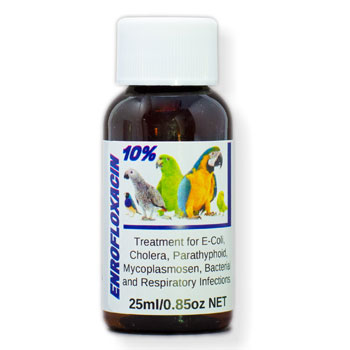

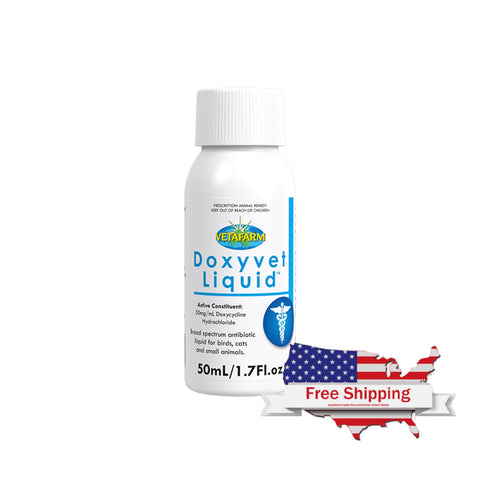


10 Most Common Fish Diseases and How to Treat Them (Complete Aquarium Health Guide)
Bird AntibioticsThe Reality of Fish Diseases in Home Aquariums
Fish diseases are one of the biggest hidden causes of aquarium failure in the United States. Every year, thousands of home aquarium hobbyists lose entire tanks due to preventable and treatable infections.
Most of these losses don’t happen because treatment is unavailable — they happen because the disease was not recognized in time or the owner didn’t understand how to respond properly.
Before learning about specific diseases, it’s important to understand why these problems appear so frequently in home aquariums.
Why Home Aquariums Are High-Risk Environments
Unlike natural rivers and oceans, aquariums are closed systems. Once a disease enters, it does not disperse — it multiplies.
This creates a high-risk environment where:
- One infected fish can spread disease to the entire tank
- Bacteria and parasites multiply rapidly in stagnant water
- Stress weakens fish immune systems
This is why professional aquarists always consider prevention and early treatment to be just as important as tank setup.
How Fish Diseases Usually Start
Most fish diseases don’t happen suddenly. They develop through a combination of environmental instability and internal weakening.
The most common triggers include:
- Poor water quality (high ammonia, nitrites, nitrates)
- Overcrowding and aggression
- Unstable temperatures
- Introducing new fish without quarantine
- Using unclean equipment from other tanks
Once the immune system weakens, bacteria, fungi, and parasites seize the opportunity.
Why Fast Action Matters
Fish do not show pain like mammals — instead, they show small behavioral changes that many owners miss.
By the time symptoms become obvious, the disease has often already progressed internally or spread to other fish.
This is why experienced aquarium hobbyists often keep essential treatment options on hand from trusted suppliers such as:
Preparation often determines if a tank survives or collapses.
How to Recognize Early Fish Disease Symptoms Before They Turn Fatal
Most aquarium fish do not die suddenly. They show symptoms long before death occurs — but those signs are often subtle and easy to ignore for an untrained eye.
In home aquariums across the United States, early warning signs are missed every day, leading to tank-wide outbreaks that could have been stopped much earlier.
This section teaches you how to recognize the earliest red flags of fish disease before they turn fatal.
Why Fish Hide Illness
In nature, weak fish get eaten. Because of this, fish evolved to hide symptoms as long as possible.
But in an aquarium, this survival instinct works against them — owners don’t notice their suffering until it’s severe.
Understanding this behavior helps you become more observant and proactive instead of reactive.
Behavioral Changes That Signal Illness
The first signs of disease usually appear in behavior, not physical appearance.
Watch carefully for:
- Sudden shyness or hiding when fish are usually active
- Separating from the group or staying near corners
- Swimming near the surface gasping for air
- Lethargy and staying at the bottom of the tank
- Erratic or unbalanced swimming
Even one of these signs can indicate the beginning of infection.
Early Physical Symptoms You Should Never Ignore
Physical symptoms often follow behavior changes. By the time these appear, disease has already started progressing.
Key physical warning signs include:
- Clamped fins
- Loss of coloration or faded appearance
- Small white spots or cloudy patches
- Bloating or sunken belly
- Red streaks or visible veins in fins and body
These changes usually indicate bacterial, parasitic, or fungal activity.
Breathing Issues: One of the Most Dangerous Signals
When fish begin having respiratory problems, time becomes critical.
Warning signs include:
- Rapid gill movement
- Staying close to filter outflow or water surface
- Opening and closing mouth repeatedly
These often signal gill disease, parasites, or internal bacterial infections.
Many US aquarium owners prepare for such situations with fish health solutions available through: Fish Antibiotics Collection
Changes in Appetite and Feeding Response
Loss of appetite is one of the earliest indicators of internal illness.
Warning signs include:
- Food being ignored or spit out
- Fish approaching food but not consuming it
- Reduction in feeding enthusiasm
- Complete refusal of food
When appetite drops, internal disease is often already developing.
Skin and Scale Changes
The surface of your fish provides major clues about what’s happening internally.
Watch for:
- White patches or fuzzy growth
- Lifting or raised scales
- Visible wounds or ulcers
- Golden dust coating
These signs can indicate fungal infection, bacterial disease, or parasites.
Why Quick Response Saves Entire Aquariums
Many beginners think they can just “wait and see.”
But experienced aquarists know: disease doesn't wait.
Once symptoms appear, bacteria and parasites multiply fast — especially in warm, stable aquarium water.
This is why many responsible fish keepers keep prevention and treatment products ready from specialized aquarium care sources such as:
Because when symptoms appear, every hour counts.
Ich (White Spot Disease): Causes, Symptoms & How to Treat It Properly
Ichthyophthirius multifiliis — commonly known as Ich or White Spot Disease — is the most widespread and recognizable fish disease in home aquariums.
In the United States, Ich is responsible for more beginner and intermediate aquarium losses than almost any other condition combined. This is not because it is untreatable — but because it spreads fast and is often mismanaged.
What Exactly Is Ich?
Ich is a parasitic disease caused by a microscopic protozoan that attaches to the skin and gills of fish.
It feeds on tissue, damages the immune system, and interferes with respiration.
Once introduced into a tank, it progresses through multiple life stages — meaning that killing the parasite requires strategic timing and proper treatment cycles.
Key Symptoms of Ich
Ich typically shows very clear external symptoms, which makes it one of the easier diseases to identify if you know what to look for.
- Small white dots on body, fins, and gills (like grains of salt)
- Fish rubbing or scratching against objects
- Rapid breathing or gasping
- Clamped fins
- Lethargy and reduced appetite
If left untreated, Ich spreads across all fish in the tank within days.
How Ich Spreads Through an Aquarium
Ich does not stay on the fish forever. After feeding, it drops off into the tank and multiplies in the substrate.
Each parasite can release hundreds of new infectious particles into the water.
This is why Ich spreads so fast when not controlled early.
What Causes an Ich Outbreak
Most Ich outbreaks are triggered by stress-related events, such as:
- Sudden temperature drops
- Transport or handling stress
- New fish introduction without quarantine
- Poor water quality or unstable conditions
Stress weakens the immune system, allowing the parasite to take over.
How to Treat Ich Effectively
Treatment must focus on eliminating the parasite during its free-swimming stage, not when it is attached to the fish.
Many experienced aquarium keepers in the United States combine supportive water treatment with reliable fish health products such as:
These are commonly used by hobbyists to support fish through bacterial and parasitic stress.
Common Mistakes When Treating Ich
Many aquarists fail to eliminate Ich because they make basic errors, such as:
- Stopping treatment too early
- Only treating some fish instead of the whole tank
- Not removing carbon from filters (which absorbs medication)
- Not repeating treatment cycles to break the parasite's life cycle
How to Prevent Ich From Returning
Once you defeat Ich, prevention becomes critical.
- Quarantine new fish for at least 2 weeks
- Avoid sudden temperature changes
- Maintain stable water parameters
- Perform regular water changes
Serious aquarium owners stay prepared with treatment options from trusted sources like:
Fin Rot: Causes, Stages & Treatment Strategy
Fin Rot is one of the most common bacterial diseases in home aquariums and one of the earliest indicators that water conditions or tank stress levels are spiraling out of control.
Left untreated, Fin Rot does not simply damage fins — it can progress into the body tissue and become a systemic infection that kills fish entirely.
How Fin Rot Develops
Fin Rot begins when bacteria attack weakened fin tissue. This usually happens when water quality declines or when fish are already stressed or injured.
The bacteria gradually eat away at the fin edges, turning healthy fins into ragged, eroded remnants.
If the underlying cause is not corrected, the infection spreads deeper into muscle and blood tissue.
Early vs Advanced Stages of Fin Rot
Understanding the stages of Fin Rot helps you react before it becomes irreversible.
Early Stage
- Small tears or fraying on fin edges
- Mild discoloration
- Slight loss of activity
Advanced Stage
- Significant fin loss
- White or red inflamed edges
- Open wounds reaching the body
- Lethargy and appetite loss
Early stage treatment has a much higher success rate.
Main Causes Behind Fin Rot Outbreaks
Fin Rot almost always traces back to poor tank conditions or chronic stress.
- High ammonia, nitrate, or nitrite levels
- Overcrowding
- Aggressive tank mates causing repeated fin damage
- Dirty substrate or poor filtration
- Incomplete tank cycling
When weakened fins meet high bacterial load, infection begins.
How to Treat Fin Rot Properly
Successful treatment requires two parallel actions:
- Stopping the bacterial infection
- Removing the environmental cause
Many experienced US aquarists rely on proven antibacterial support treatments such as:
These options are widely used to help control bacterial infections and prevent further tissue damage in aquarium fish.
Environmental Corrections That Must Happen
Treating the fish without fixing the tank will cause the infection to come back.
- Perform immediate partial water changes
- Improve filtration or clean clogged filters
- Reduce stocking density if overcrowded
- Remove or isolate aggressive fish
Without improving water quality, any treatment remains temporary.
Can Fins Regrow After Fin Rot?
If treated early, fins can regenerate significantly. However:
- Severe tissue damage may leave permanent scarring
- Repeated infections lead to abnormal regrowth
- Water quality during recovery is critical
Stable conditions, clean water, and proper support give fish the best chance of regeneration.
Columnaris (Cotton Mouth Disease): Identification, Progression & Correct Treatment
Columnaris, often called Cotton Mouth Disease, is one of the most misunderstood and dangerous bacterial infections in aquarium fish.
Many hobbyists mistakenly think it is a fungus because of its white, cotton-like appearance, but in reality it is a highly aggressive bacterial disease that spreads fast and can wipe out an entire tank in days if not treated properly.
Why Columnaris Is Commonly Misdiagnosed
Columnaris is frequently confused with fungal infections because it creates pale or white patches around the mouth, gills, and body.
The key difference is speed.
Fungal infections usually develop slowly. Columnaris spreads extremely fast — especially in warm water and poor conditions.
Most Common Symptoms of Columnaris
The signs of Columnaris can vary depending on the stage and severity, but common symptoms include:
- White or gray cotton-like growth around the mouth
- Lesions or ulcers on the body
- Frayed fins combined with skin damage
- Rapid breathing due to gill infection
- Lethargy and loss of appetite
Once the gills are affected, oxygen absorption drops rapidly, leading to suffocation.
How Columnaris Progresses Through a Tank
This bacterium thrives in warm, dirty, low-oxygen environments.
- It spreads quickly through shared water
- It attacks stressed or injured fish first
- It multiplies rapidly at higher temperatures
This is why tanks experiencing temperature spikes or filtration failures often see sudden Columnaris outbreaks.
Main Triggers Behind Columnaris Outbreaks
In most cases, Columnaris appears when several stress factors combine:
- Overcrowded tank conditions
- Dirty water and infrequent water changes
- Poor oxygenation or low water flow
- Physical injuries from aggressive fish
- Weakened immune systems due to stress
Once fish are weakened, Columnaris seizes the opportunity.
How Serious Aquarists Treat Columnaris
Columnaris requires fast and focused antibacterial treatment. Delays drastically reduce survival chances.
Many experienced aquarium keepers in the United States rely on targeted solutions such as:
These treatments are often used to help control internal and external bacterial progression.
Why Water Conditions Must Be Fixed Immediately
Treatment alone is not enough. If tank conditions remain poor, Columnaris will return.
- Perform immediate partial water changes
- Increase water flow and oxygenation
- Lower temperature slightly (unless species requires warm conditions)
- Clean substrate and remove waste buildup
Removing the environmental trigger is just as important as treating the bacteria.
How to Reduce the Risk of Future Columnaris Outbreaks
Preventing future cases mostly depends on consistent tank maintenance and stress reduction.
- Maintain stable water parameters
- Avoid overcrowding
- Quarantine all new fish before introduction
- Provide consistent filtration and oxygenation
Most experienced fish keepers avoid repeated outbreaks by staying prepared with proper aquarium health supplies, often sourced from:
Velvet Disease (Gold Dust Disease): Symptoms, Progression & Survival Strategy
Velvet Disease, also known as Gold Dust Disease, is one of the fastest-killing parasitic infections in aquarium fish. Unlike slower-moving illnesses, Velvet can destroy an entire tank within a few days if it is not identified and addressed quickly.
Many fish owners in the United States lose tanks to Velvet simply because they mistake it for mild stress or early Ich — which is a fatal delay.
What Makes Velvet Different From Other Diseases
Velvet is caused by a microscopic parasite called Oodinium. It attacks the skin, but more dangerously, it targets the gills, which disrupts oxygen intake.
This makes it far more lethal than many other aquarium diseases.
Unlike Ich, the coating is not white. It often appears as a very fine golden, yellowish, or bronze shimmer across the body and fins.
Key Symptoms of Velvet Disease
Velvet symptoms can be subtle at first but accelerate quickly:
- Golden or dusty coating on body and fins
- Clamped fins and reduced movement
- Rapid breathing and gasping near the surface
- Fish hiding and avoiding light
- Loss of appetite
By the time the coating is clearly visible, the gill damage has often already started.
Why Velvet Spreads So Fast in Aquariums
Velvet parasites reproduce rapidly in warm, stable aquarium water. Factors that accelerate spread include:
- High tank temperatures
- Stress from overcrowding
- Poor water circulation
- Lack of quarantine for new fish
Because it targets the respiratory function, infected fish often die from oxygen deprivation before external signs fully develop.
How Experienced Aquarists Respond to Velvet Outbreaks
Fast response is critical. Velvet cannot be treated passively.
Many experienced aquarium owners in the US use strong parasitic and bacterial support systems such as:
These types of treatment solutions are often used to help control internal and external parasitic stress in infected fish.
Critical Environmental Actions During a Velvet Outbreak
Along with treatment, the following actions dramatically improve survival chances:
- Increase aeration immediately (strong air stones or surface agitation)
- Reduce lighting, as the parasite is light-sensitive
- Perform controlled water changes to improve oxygen levels
- Remove activated carbon before treatment
Velvet suffocates fish — solving the oxygen problem is just as important as fighting the parasite.
Why Delayed Action Usually Results in Total Loss
One of the dangers of Velvet is false confidence. Owners assume they have time — but in reality, the parasite can destroy fish in 24–72 hours.
This is why many long-term aquarium keepers keep strong treatment solutions readily available from sources such as:
When Velvet strikes, preparedness determines survival.
Dropsy: Causes, Bloating, Pineconing & How to Respond Correctly
Dropsy is one of the most alarming conditions aquarium owners face. When you notice a fish swelling like a balloon and its scales sticking out like a pinecone, you are not just dealing with a disease — you are witnessing a sign of serious internal failure.
In the United States, Dropsy is responsible for countless fish deaths because many owners mistake it as simple bloating or constipation. In reality, it is often a symptom of advanced internal bacterial infection or organ failure.
Why Dropsy Is Not a Disease — But a Symptom
Dropsy itself is not a single illness. It is a physical manifestation of a deeper internal problem.
It usually results from:
- Internal bacterial infection
- Kidney or liver failure
- Severe fluid retention due to organ damage
- Chronic poor water conditions
Once fluid builds up inside the body cavity, it pushes the scales outward, creating the classic "pinecone" appearance.
Key Symptoms of Dropsy
Dropsy becomes visible only in later stages, but some early signs can appear before full swelling:
- Abnormally swollen abdomen
- Scales sticking outwards
- Loss of appetite
- Lethargy and isolation from other fish
- Difficulty swimming or floating abnormalities
By the time scales start lifting, internal damage is already significant.
Main Causes Behind Dropsy Cases
Most Dropsy cases are linked to a combination of environmental stress and internal infection.
- Long-term exposure to poor water quality
- Untreated internal bacterial infections
- Chronic stress weakening immune function
- Overfeeding or poor-quality diet
Fish with weakened immune systems are significantly more vulnerable.
How Experienced Aquarists Respond to Dropsy
Successful treatment depends on how early it is detected. Advanced cases have a poor prognosis.
Many aquarists in the United States apply strong internal antibacterial support as quickly as possible, often using:
- Fish Sulfa (Sulfamethoxazole + Trimethoprim)
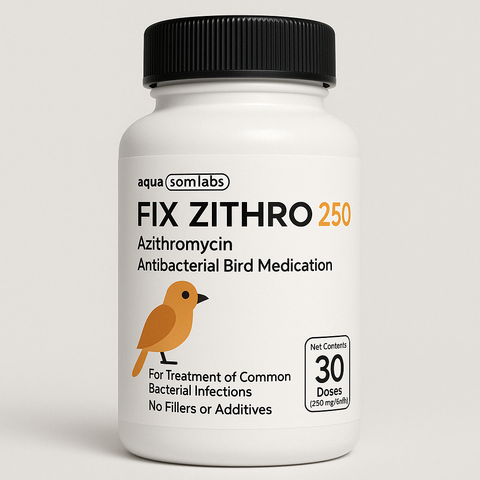
- Fish Zithro (Azithromycin)
- Fish Mox Clavulanate Tablets
These products are commonly used to support fish struggling with internal infections.
Immediate Actions During a Dropsy Case
Alongside treatment, environment correction is critical.
- Immediately isolate the affected fish if possible
- Perform controlled partial water changes
- Increase water oxygenation
- Stop overfeeding and adjust diet
- Test and correct water parameters
Leaving the fish in a stressed environment drastically reduces any chance of recovery.
Can Fish Recover From Dropsy?
Recovery depends heavily on timing:
- Early stage: possible recovery with aggressive treatment
- Visible pineconing: low survival rate
- Severe lethargy or floating: very poor prognosis
This reality is why experienced fish keepers always aim to identify internal disease before external bloating appears.
How to Reduce Dropsy Risk Long-Term
Prevention revolves around stability and cleanliness.
- Maintain excellent water quality
- Avoid overfeeding
- Feed high-quality diet
- Quarantine new fish before introduction
- Keep internal treatment products on hand
Many long-term aquarists stay prepared by sourcing critical fish care products from:
Fungal Infections: White Growth, Skin Ulcers & Effective Treatment Methods
Fungal infections in aquarium fish are extremely common and often appear after injury, stress, or prolonged exposure to dirty water.
Most hobbyists notice them only after visible white or gray cotton-like growth appears — but by then, the infection is already established and spreading.
Understanding fungal infections early gives you the ability to intervene before permanent damage or tank-wide contamination occurs.
How Fungal Infections Develop on Fish
Fungal spores naturally exist in most aquatic environments. A healthy fish with a strong immune system can usually resist them.
Fungal infections usually take hold when:
- The fish has an open wound or injury
- Water quality has deteriorated
- The immune system is weakened by stress or illness
- There is organic waste buildup in the tank
Once fungal spores find damaged tissue, they grow quickly and begin consuming healthy cells.
Most Common Symptoms of Fungal Infection
Fungal infections are often mistaken for bacterial disease, but they have distinct features.
- White or gray cotton-like patches on skin or fins
- Fuzzy or mold-like growths
- Red, inflamed areas around the infection
- Sluggish behavior and reduced appetite
- Secondary bacterial infections around affected areas
If left untreated, fungal infections open the door for deeper bacterial invasion.
Why Fungal Infections Spread So Fast
In aquariums, fungal spores multiply fast due to:
- Warm, stable water temperatures
- Organic waste accumulation
- Dead or decaying plant/fish matter
- Poor filtration and water circulation
This creates a perfect environment for aggressive fungal outbreaks.
Treatment Strategy for Fungal Infections
Fungal treatment requires a combination of direct antifungal support and environmental correction.
Many serious aquarists in the United States use antifungal solutions such as:
These products are used by hobbyists to help control fungal growth while supporting fish recovery.
Environmental Corrections That Must Be Made
Treatment without fixing water quality will result in recurrence.
- Perform partial water changes to lower organic waste
- Vacuum substrate to remove decaying matter
- Improve filtration efficiency
- Remove dead plant or fish material immediately
Fungi thrive where cleanliness is lacking.
Can Fish Fully Recover After Fungal Infection?
Recovery depends on:
- How early treatment started
- The extent of tissue damage
- Water quality during recovery
Early-stage fungal infections can clear completely, with tissue regeneration following treatment. Advanced cases may leave permanent scars or fin damage.
How to Prevent Future Fungal Outbreaks
Fungal infections are highly preventable with proper care.
- Maintain clean, stable water conditions
- Treat wounds early to avoid fungal colonization
- Remove dead organic material quickly
- Keep antifungal support products available for emergencies
Many experienced US aquarium owners use dedicated sources such as:
Being proactive is always cheaper and safer than reacting late.
Popeye Disease: Bulging Eyes, Internal Pressure & Recovery Strategy
Popeye disease, also known as Exophthalmia, is a condition where one or both of a fish’s eyes bulge outward noticeably. While it looks like an “eye problem,” Popeye is often a sign of deeper internal trouble.
In many US aquariums, Popeye appears after injury, poor water quality, or internal bacterial infection. If ignored, it can lead to permanent eye damage or total blindness.
Why Popeye Happens in Aquarium Fish
Popeye develops when fluid builds up behind the eye, forcing it outward from the socket. This pressure usually results from:
- Internal bacterial infections
- Physical trauma from fighting or sharp decorations
- Chronic poor water quality
- Secondary infection following another illness
If only one eye is affected, injury is more likely. If both eyes are affected, internal infection or water quality issues are usually the root cause.
Key Symptoms of Popeye
Beyond the obvious bulging, watch for these additional signs:
- Cloudiness around the eye
- Swelling or redness in surrounding tissue
- Loss of appetite
- Lethargy or reduced activity
- Difficulty navigating the tank
In advanced cases, the eye can rupture or become permanently nonfunctional.
How Popeye Progresses If Untreated
Without intervention, Popeye can escalate quickly:
- Pressure increases, causing eye tissue damage
- Secondary bacterial infection worsens
- Blindness or loss of the eye may occur
Fish with compromised vision struggle to compete for food and become more vulnerable to stress and predation-like behavior from tank mates.
How Experienced Aquarists Treat Popeye
Because Popeye is usually tied to bacterial infection, aquarists typically focus on antibacterial support alongside environmental correction.
Many fish keepers in the United States use the following treatments to support recovery:
These are commonly used to help control the internal bacterial aspect of the condition.
Environmental Changes That Improve Recovery
Treatment must be combined with immediate tank corrections:
- Improve water quality through partial water changes
- Remove sharp or aggressive decor that could cause further injury
- Reduce stress by lowering tank aggression levels
- Improve filtration and oxygenation
Without improving the environment, the infection is very likely to return.
Can Fish Recover From Popeye?
Recovery depends on how early the treatment begins:
- Early stage: high chance of eye recovery
- Moderate stage: possible permanent vision loss
- Severe stage: risk of full blindness or eye loss
Even in cases where vision does not fully return, many fish can still live long lives under reduced-stress tank conditions.
How to Lower Popeye Risk in Your Aquarium
Preventing Popeye involves both care and awareness:
- Keep water parameters within optimal range
- Remove aggressive fish or incompatible tank mates
- Check decorations for sharp edges
- Treat small injuries before they become internal infections
Many experienced aquarists reduce their long-term risk by keeping reliable treatment supplies available from:
This preparation allows faster response if symptoms start appearing.
Swim Bladder Disease: Floating, Sinking & How to Correct Buoyancy Disorders
Swim bladder disease is one of the most visually obvious conditions in aquarium fish. When a fish starts floating uncontrollably, sinking to the bottom, or swimming sideways, it’s a clear sign something is wrong internally.
Although many hobbyists think this is “just a digestive problem,” swim bladder issues often indicate deeper bacterial, dietary, or structural damage, especially in long-term cases.
What Is the Swim Bladder and Why It Matters
The swim bladder is an internal gas-filled organ that helps fish control their buoyancy and remain stable in the water.
When functioning normally, it allows fish to:
- Maintain balance while swimming
- Hover at specific depths
- Adjust position with minimal effort
When it becomes damaged or inflamed, buoyancy control is lost.
Most Common Symptoms of Swim Bladder Disorders
Swim bladder problems show in very specific ways:
- Floating upside down at the surface
- Sinking to the bottom and struggling to rise
- Swimming sideways or tilted
- Difficulty staying at one level
These symptoms can worsen quickly if not addressed.
Main Causes Behind Swim Bladder Issues
Swim bladder problems are usually the result of internal pressure or inflammation.
The most common triggers include:
- Overfeeding or constipation
- Internal bacterial infection
- Poor water quality and toxin buildup
- Physical trauma or injury
- Genetic abnormalities in some species (especially fancy goldfish)
How Experienced Aquarists Treat Swim Bladder Disease
Treatment depends on identifying whether the cause is bacterial, digestive, or environmental.
For suspected internal bacterial infection, many US aquarium owners turn to internal support treatments such as:
These treatments are often used when internal infection is suspected.
Dietary and Water Corrections That Are Critical
In many cases, swim bladder issues originate from diet or constipation.
Key corrective steps include:
- Temporarily fasting the fish
- Feeding softer or easily digestible foods
- Improving water quality through consistent water changes
- Reducing sudden temperature swings
Ignoring these corrections often results in repeated episodes.
Can Fish Fully Recover from Swim Bladder Disease?
Recovery depends on the underlying cause and how early treatment starts.
- Constipation-related cases: high recovery rate
- Bacterial cases: moderate to low if delayed
- Genetic swim bladder issues: often permanent
Even in permanent cases, fish can sometimes adapt if tank conditions are optimized.
Reducing Long-Term Risk of Swim Bladder Problems
To minimize future cases:
- Feed a varied, high-quality diet
- Avoid overfeeding
- Maintain stable water parameters
- Reduce stress through proper tank size and compatibility
Many long-term aquarium owners reduce risk by having disease-management options ready from:
Prepared aquarists respond faster — and their fish have a better chance.
Bacterial Gill Disease: Suffocation, Gill Damage & Emergency Response Strategy
Bacterial Gill Disease is one of the most dangerous conditions in aquariums because it directly attacks the organ responsible for oxygen exchange. When gills fail, even perfectly oxygenated water cannot save the fish.
This disease often causes sudden deaths in tanks that appear “clean” and well-maintained, confusing many aquarium owners in the United States.
Why Bacterial Gill Disease Is So Deadly
Gills are responsible for extracting oxygen from water and expelling carbon dioxide.
When bacteria infect the gills, they cause swelling, tissue damage, and mucus buildup — all of which block oxygen transfer.
This results in slow suffocation, even when surface aeration appears normal.
Key Symptoms of Gill Infection
Gill disease often presents with very specific respiratory behavior:
- Fish staying at the surface or near filter output
- Rapid or labored breathing
- Constantly opening and closing the mouth
- Red, inflamed gill tissue
- Lethargy and loss of appetite
In advanced stages, fish simply lie at the bottom gasping until death.
What Causes Bacterial Gill Disease
This condition usually develops when:
- Water quality has been poor for an extended period
- Organic waste builds up in the substrate
- Overcrowding reduces oxygen availability
- Weakened immune systems allow bacteria to attack
Even aquariums that visually appear clean can hide poor internal water conditions.
How Experienced Aquarists Respond to Gill Infections
Immediate intervention is required because time is extremely limited once gills are affected.
Many US aquarium owners use powerful antibacterial support options such as:
These products are commonly used to support fish facing bacterial respiratory distress.
Emergency Tank Actions During a Gill Disease Outbreak
Alongside treatment, immediate environmental corrections are critical:
- Increase surface agitation and oxygenation immediately
- Perform partial water change to lower toxin levels
- Reduce stock density if tank is overcrowded
- Remove activated carbon from filters
Failing to increase oxygen during treatment results in unnecessary fatalities.
Can Fish Survive Bacterial Gill Disease?
Survival depends heavily on how early action begins:
- Early intervention: moderate survival chance
- Visible gill damage: low survival rate
- Severe gasping and immobility: poor prognosis
This is why constant monitoring and fast response make the difference.
Preventing Gill Disease Before It Starts
The best form of treatment is prevention.
- Regular water changes and testing
- Avoid overfeeding and waste accumulation
- Maintain proper filtration
- Keep high-quality treatment products readily available
Many long-term aquarium keepers stay prepared using trusted suppliers such as:
Red Streak Disease (Hemorrhagic Septicemia): Blood Infection & Emergency Intervention
Red Streak Disease, also known as Hemorrhagic Septicemia, is one of the most aggressive and fast-acting bacterial infections seen in aquarium fish. It attacks the bloodstream directly, which is why it spreads through the body so quickly and becomes fatal if ignored.
Many aquarium owners in the US mistake early symptoms for simple stress or minor injury — until obvious red streaks appear along the fins and body. By that stage, the infection is already deep in the fish’s system.
How Red Streak Disease Attacks Fish
This condition is caused by internal bacterial infections that invade the bloodstream and blood vessels. As bacteria multiply, they damage blood vessels, causing them to rupture and leak under the skin.
This is why the disease becomes visible as red lines or blotches along the fish’s body.
If not treated quickly, it can lead to total organ failure.
Main Symptoms of Hemorrhagic Septicemia
Red Streak Disease presents both external and internal warning signs.
- Red streaks in fins, tail, or body
- Bloody patches on skin or gills
- Open ulcers or sores
- Loss of appetite
- Sudden lethargy or hiding behavior
Fish often deteriorate rapidly once external bleeding begins.
Most Common Causes Behind Red Streak Disease
This infection usually appears when fish are severely stressed and exposed to prolonged poor conditions.
- Long-term exposure to dirty water
- Overcrowding and stress
- Sudden temperature changes
- Weakened immune systems
Stressed fish lose their natural resistance, allowing bloodborne bacteria to take control.
How Serious Aquarists Respond to Red Streak Disease
Fast treatment is essential due to the speed of progression.
Many aquarium owners in the United States use intensive antibacterial support such as:
These are frequently chosen for systemic bacterial cases affecting the bloodstream.
Tank-Wide Emergency Actions
Because this disease spreads internally and through water, tank correction must happen immediately.
- Isolate visibly infected fish immediately
- Perform large partial water changes
- Increase oxygenation and filtration
- Remove carbon filtration before treatment
Failure to act quickly may result in mass losses.
Can Fish Recover from Red Streak Disease?
Survival depends strongly on early detection.
- Early-stage treatment: reasonable survival chance
- Visible open bleeding: low survival probability
- Severe lethargy or non-movement: extremely poor outcome
This is why monitoring for early red discoloration is crucial for prevention.
How to Prevent Bloodstream Infections in Fish
Prevention primarily involves stability and proactive care.
- Maintain excellent water quality at all times
- Avoid overcrowding tanks
- Quarantine all new fish before introducing
- Keep proven treatment options readily available
Many long-term US aquarists rely on essential supplies from:
Staying prepared is the difference between a minor outbreak and a total aquarium collapse.
Fin Rot: Fin Erosion, Tissue Loss & Full Recovery Strategy
Fin rot is one of the most common bacterial conditions affecting aquarium fish and one of the easiest to underestimate. What begins as a small tear or discoloration can quickly turn into full tissue destruction if left untreated.
In the U.S., fin rot is responsible for countless secondary infections and fish losses simply because many owners assume it will heal on its own. In reality, untreated fin rot often leads to systemic bacterial infections.
How Fin Rot Develops in Home Aquariums
Fin rot is usually caused by opportunistic bacteria that attack weakened or damaged fin tissue. It typically starts when:
- A fish is injured by decor or tank mates
- Water quality becomes unstable or polluted
- Fish are stressed or overcrowded
- Immune systems are weakened
The bacteria begin breaking down the fin tissue, causing a slow melting or fraying effect along the edges.
Early Signs of Fin Rot
Detecting fin rot early dramatically improves recovery chances. Watch for:
- Frayed or ragged fin edges
- White, black, or reddish discoloration on fin tips
- Shortening of fins over time
- Loss of fin transparency
- Fish hiding or becoming less active
These early changes can be subtle, but experienced aquarists learn to spot them quickly.
What Happens If Fin Rot Is Ignored
If untreated, fin rot progresses beyond cosmetic damage.
- Open wounds allow deeper bacterial invasion
- Infection can spread into the body
- Permanent fin loss may occur
- Secondary blood infections become possible
Severe cases often become life-threatening.
How Aquarists Typically Manage Fin Rot
Successful management usually involves both stopping the infection and correcting environmental triggers.
Many experienced aquarium keepers rely on support solutions such as:
These are commonly used to inhibit bacterial activity while tissue regeneration begins.
Environmental Corrections That Stop Fin Damage
No treatment will work properly without fixing the environment:
- Improve water quality through routine changes
- Remove aggressive or fin-nipping fish
- Inspect decor for sharp edges or hazards
- Reduce stress with proper tank layout
Fin rot almost always comes back if these conditions are not corrected.
Timeframe for Recovery and Regrowth
If treated early, fin tissue can regenerate surprisingly well.
- Minor fin damage may heal in 1–3 weeks
- Moderate cases may take several weeks
- Severe fin loss may not fully recover
The speed of regrowth depends on fish species, water quality, and ongoing care.
How to Prevent Fin Rot Long-Term
Prevention is far easier than treatment.
- Maintain stable and clean water conditions
- Avoid overcrowding tanks
- Feed nutritionally balanced food
- Quarantine new fish before adding them
Many long-term aquarists maintain readiness through trusted resources such as:
Prepared aquarists act before small issues turn catastrophic.
White Spot Disease (Ich): Identification, Rapid Spread & How to Stop It
White Spot Disease, commonly called Ich, is one of the most widespread and fast-moving fish diseases in the aquarium world. It is often described as “aquarium plague” because once it starts, it can infect an entire tank within days.
In the United States, Ich is one of the top reasons hobbyists suddenly lose large numbers of fish, often because they underestimate how aggressive and contagious this parasite really is.
What Exactly Is Ich and Why It Spreads So Fast
Ich is caused by a microscopic parasite called Ichthyophthirius multifiliis. This parasite burrows into the fish’s skin and gills, feeding on tissue and multiplying rapidly.
What makes it dangerous is its life cycle:
- The parasite drops off the fish and reproduces in the substrate
- Hundreds of new parasites hatch and swim freely in the water
- They quickly attach to other fish and repeat the cycle
This cycle can happen in just a few days in warm aquariums, leading to explosive outbreaks.
Primary Symptoms of White Spot Disease
Ich has very distinct signs that should never be ignored.
- Small white dots on fins, body, or gills
- Fish rubbing against decorations or substrate (“flashing”)
- Rapid breathing due to gill irritation
- Lethargy and hiding behavior
- Clamped fins and appetite loss
The spots often resemble grains of salt scattered on the fish.
Why Ich Appears in Aquariums
Ich outbreaks are often triggered by stress and environmental changes.
- Sudden temperature fluctuations
- Introduction of new fish without quarantine
- Poor water quality
- Overcrowded tanks
- Transport stress from pet stores
Even healthy-looking fish can carry Ich and trigger outbreaks in stressed environments.
How Aquarists Treat White Spot Disease
Because Ich invades both the skin and gills, treatment must be thorough and consistent.
Many hobbyists use targeted parasite and infection control in combination with supportive treatments such as:
These are often used when Ich infections lead to secondary bacterial complications.
Environmental Changes That Accelerate Ich Control
Beyond direct treatment, tank management is critical.
- Slightly increasing water temperature (if species allow)
- Performing frequent partial water changes
- Vacuuming substrate to remove parasite eggs
- Improving filtration and oxygenation
These steps help break the parasite life cycle.
Can Fish Survive Ich Infections?
Ich is highly survivable if treated early and correctly.
- Early-stage cases: high recovery rate
- Severe gill involvement: moderate survival rate
- Delayed treatment: risk of widespread fatalities
Most mass tank losses happen because treatment started too late.
How to Prevent Ich Outbreaks Long-Term
Preventing Ich is easier than treating it repeatedly.
- Always quarantine new fish for at least 14 days
- Maintain stable water temperature
- Avoid sudden environmental changes
- Keep essential treatment products available before outbreaks occur
Many proactive aquarium owners rely on prepared solutions from:
Prepared tanks recover. Unprepared tanks crash.
Hole-in-the-Head Disease: Causes, Head Pitting & Restoration Methods
Hole-in-the-Head disease is one of the most disturbing conditions aquarium owners can witness. It causes visible pits, lesions, and erosion around a fish’s head and lateral line, giving the appearance that the tissue is literally dissolving.
This disease is most commonly seen in cichlids (especially discus and oscars), but it can affect many freshwater species when conditions allow.
What Causes Hole-in-the-Head Disease
This condition is widely linked to a combination of internal parasite activity, bacterial infection, and chronic environmental stress.
The most common root factors include:
- Internal flagellate parasites
- Prolonged poor water quality
- Vitamin and mineral deficiencies
- Lack of essential trace elements
- Weakened immune system due to stress
Over time, these factors cause tissue breakdown around the sensory pores on the fish’s head.
Early and Advanced Symptoms
Hole-in-the-Head disease develops gradually, but ignoring early signs allows permanent damage.
- Small white or pale pits forming on the head
- Slimy or stringy material coming from the holes
- Loss of appetite
- Weight loss
- Lethargy or isolation behavior
Advanced cases lead to deep craters and severe disfigurement.
Why This Disease Is So Difficult to Treat
Hole-in-the-Head persists because it attacks both externally and internally.
You are not just treating a surface wound — you are treating parasites, bacterial infection, and nutritional deficiencies all at once.
Without addressing all underlying factors, the disease will continue to progress.
How Experienced Aquarists Handle Hole-in-the-Head
Treatment must be aggressive and multifaceted.
Many advanced aquarium owners in the U.S. use internal parasite and bacterial treatments such as:
These are often used to target internal causes while surface healing begins.
Environmental & Nutritional Correction Strategies
Medication without correction is usually ineffective.
- Improve filtration and water change schedule
- Add mineral supplements for trace nutrients
- Improve diet with vitamin-rich foods
- Reduce tank crowding
Water quality and diet are critical for tissue regeneration.
Can Fish Recover From Hole-in-the-Head Disease?
If caught early, tissue can partially or fully heal in many cases.
- Early stage: good recovery potential
- Moderate erosion: partial recovery
- Severe pitting: permanent scarring likely
Even when scars remain, fish can still live normal lives with proper care.
How to Prevent It Before It Starts
Prevention is based on consistency and nutritional quality.
- Maintain ultra-clean, stable water conditions
- Feed a diverse, nutrient-rich diet
- Avoid long-term stress and overcrowding
- Use quarantine tanks for new fish
Many experienced aquarists stay prepared using treatment supplies sourced from:
Prevention protects both fish health and your entire aquarium investment.
Velvet Disease: Gold Dust Appearance, Rapid Decline & How to Intervene Effectively
Velvet disease is one of the most lethal parasitic infections in aquarium fish. It is often confused with Ich at first, but it progresses much faster and attacks the respiratory system almost immediately.
In many U.S. aquariums, Velvet causes full tank crashes within days because its symptoms are subtle in the beginning and devastating in the later stages.
What Causes Velvet Disease
Velvet is caused by parasitic organisms such as Oodinium and Amyloodinium. These parasites attach to the skin and gills of fish, feeding on cells and penetrating deep into tissue.
Unlike Ich, Velvet parasites create a thin dust-like coating instead of visible white dots.
Key Symptoms of Velvet Infections
Velvet typically appears as a fine gold or yellowish powder dusting on the fish’s body, best seen under aquarium light.
- Gold or rusty dust covering the skin
- Fish rubbing against surfaces due to irritation
- Clamped fins and lethargy
- Rapid breathing or gasping
- Sudden loss of appetite
By the time the dust is clearly visible, gill damage is often already severe.
Why Velvet Becomes Fatal So Quickly
Velvet attacks the gills aggressively, restricting oxygen exchange and causing respiratory collapse.
Fish often suffocate even in well-oxygenated tanks because their gill tissue becomes damaged and inflamed beyond function.
How Aquarists Respond to Velvet Disease
Fast action is critical with Velvet. Delaying treatment even by a day or two dramatically decreases survival rates.
While anti-parasitic measures target the parasite lifecycle, many experienced aquarists also focus on preventing secondary bacterial infections using trusted treatment options like:
These help protect fish from bacterial complications during recovery.
Immediate Tank Adjustments During a Velvet Outbreak
Environmental correction is essential alongside treatment.
- Dim lighting to slow parasite activity
- Increase aeration due to gill damage
- Perform controlled water changes
- Remove carbon filtration during treatments
Light sensitivity is one of Velvet’s biggest exploitable weaknesses.
Can Fish Recover From Velvet Disease?
Recovery depends on speed of intervention.
- Very early stage: good survival chance
- Visible gold dust stage: moderate survival chance
- Advanced respiratory distress: poor survival outcome
Most fish losses occur because treatment starts too late.
How to Prevent Velvet Outbreaks
Prevention focuses on quarantine and stability.
- Quarantine all new fish before introducing to main tank
- Maintain stable temperature and pH
- Avoid sudden tank environment changes
- Maintain strong filtration and water oxygenation
Prepared aquarium owners stay protected by keeping emergency treatment options available from:
Those who prepare always recover faster than those who react too late.
Columnaris Disease: Cotton Mouth, Body Ulcers & Rapid Containment Strategy
Columnaris is one of the fastest-spreading bacterial infections in freshwater aquariums. It is often mistaken for a fungal infection because of its white, cotton-like appearance, but unlike fungi, Columnaris can destroy tissue and kill fish within 24–72 hours.
In many U.S. home aquariums, Columnaris is responsible for sudden unexplained fish deaths, especially in tanks experiencing stress, temperature spikes, or overcrowding.
What Causes Columnaris Disease
Columnaris is caused by the bacterium Flavobacterium columnare. It attacks fish externally and internally at the same time, colonizing skin, gills, and sometimes internal organs.
This bacterium thrives in:
- Warm water temperatures above 75°F
- Poor water quality with organic buildup
- Overcrowded aquariums
- Stress-weakened immune systems
It spreads very quickly from fish to fish.
Key Symptoms of Columnaris
Columnaris presents distinct and aggressive symptoms.
- White or gray patches near mouth (“cotton mouth”)
- Lesions or ulcers on body and fins
- Rapid breathing due to gill infection
- Clamped fins and lethargy
- Sudden loss of appetite
Unlike slow-moving infections, Columnaris can defeat fish within days.
Why Columnaris Is Often Misdiagnosed
Many aquarists assume the infection is a simple fungus due to its fuzzy appearance. This delays proper response and allows bacteria to spread.
Columnaris tends to grow faster and spreads more aggressively than most fungal infections.
How Aquarists Respond to Columnaris Outbreaks
Rapid containment is the goal, as every hour matters once visible symptoms appear.
Many serious aquarium keepers in the United States act quickly using systemic antibacterial support such as:
These options are commonly used to suppress bacterial growth and protect healthy fish during outbreaks.
Critical Tank Measures During Columnaris Cases
Medication alone is not enough for survival.
- Lower water temperature slightly if safe for species
- Increase oxygen and water circulation
- Perform immediate partial water changes
- Remove activated carbon before treatment
Reducing temperature slows the bacteria’s reproduction rate.
Can Fish Survive Columnaris?
Survival depends heavily on timing.
- Very early treatment: moderate to good survival rate
- Visible mouth erosion or deep ulcers: low survival rate
- Advanced gill involvement: very poor prognosis
This is why fast recognition and reaction are crucial.
Preventing Columnaris in Home Aquariums
Prevention relies on breaking the stress cycle that allows this bacterium to dominate.
- Maintain consistent water quality
- Avoid temperature spikes
- Do not overcrowd tanks
- Quarantine new fish before adding them
Experienced aquarists stay prepared using treatment supplies from:
Prepared tanks survive. Unprepared tanks collapse.
Internal Parasites in Fish: Weight Loss, White Stringy Feces & Effective Control
Internal parasites are one of the most overlooked yet destructive problems in aquarium fish. Unlike external diseases, they often progress quietly inside the body, causing slow decline until the fish suddenly collapses.
In many U.S. aquariums, internal parasites are misdiagnosed as “old age” or “weak genetics” when the real issue is ongoing unseen infection.
How Internal Parasites Infect Aquarium Fish
Internal parasites enter through contaminated food, infected tank mates, or unquarantined new arrivals.
Once inside the digestive system, they attach to intestinal walls and feed on nutrients, slowly starving the fish while reproducing internally.
Over time, this causes malnutrition, organ damage, and immune failure.
Key Symptoms of Internal Parasitic Infection
Watch closely for these common warning signs:
- Weight loss despite normal or increased feeding
- White, stringy or translucent feces
- Lethargy and loss of energy
- Sunken belly in advanced stages
- Loss of coloration and poor growth
These symptoms often develop gradually, which is why many aquarists miss the early stages.
Why Internal Parasites Are So Dangerous
Because these parasites attack from within, external medication or water changes alone cannot eliminate them.
The longer they remain untreated, the more internal damage they cause, often leading to:
- Organ degeneration
- Permanent digestive damage
- Severe immune system collapse
- Secondary bacterial infections
By the time severe weight loss appears, the infection is already advanced.
How Experienced Aquarists Approach Internal Parasite Control
Successful management usually focuses on internal parasite suppression while preventing bacterial complications.
Many advanced aquarium keepers in the U.S. rely on targeted parasite control combined with supportive treatments such as:
These are often used when parasite infections lead to internal inflammation or secondary bacterial issues.
Feeding & Tank Adjustments During Treatment
Treatment works best when combined with nutrition and environment correction.
- Feed high-quality foods with strong nutritional value
- Remove leftover food to avoid parasite reintroduction
- Maintain strict water quality and oxygenation
- Consider isolating affected fish if possible
Cleaner systems reduce parasite reproduction and reinfection cycles.
Can Fish Recover from Internal Parasites?
Recovery depends on how early treatment begins.
- Early cases: high chance of full recovery
- Mid-stage infections: partial recovery possible
- Severe long-term infections: permanent damage likely
Many fish regain weight and strength when intervention starts early enough.
How to Prevent Internal Parasite Infections
Prevention relies on breaking the infection chain before parasites enter the system.
- Quarantine all new fish and live food
- Avoid feeding untrusted or contaminated sources
- Regularly monitor fish for weight and behavior changes
- Keep essential treatment options on hand
Prepared aquarium owners often rely on reliable sources such as:
Prevention is always cheaper, safer, and less stressful than emergency treatment.
Cloudy Eye Disease: Causes, Vision Damage & How to Restore Clarity
Cloudy eye disease is a common condition where a fish’s eyes appear hazy, milky, or fogged over. While it may look like a simple cosmetic issue, it often indicates underlying infection, injury, or chronic water quality problems.
Many aquarium owners in the United States ignore this symptom at first — until their fish becomes blind, stops feeding properly, or develops deeper infections.
How Cloudy Eye Develops in Fish
Cloudy eye usually forms when the delicate eye surface becomes inflamed, damaged, or infected.
The most common causes include:
- Chronic poor water quality
- Bacterial infection
- Physical trauma from fighting or decor
- Secondary infection after another illness
- Vitamin or mineral deficiency
Once the protective eye layer is compromised, bacteria quickly invade, leading to clouding.
Early and Advanced Symptoms
Cloudy eye develops in stages. Catching it early improves the chance of reversal.
- Slight haze or film on one or both eyes
- Fully milky or opaque eyes
- Disorientation while swimming
- Missed food due to poor vision
- Lethargy or isolation from tank mates
In later stages, permanent blindness can occur.
Why Cloudy Eye Is Often a Sign of Bigger Problems
Cloudy eyes rarely happen without a root cause. In many cases, they signal:
- Bacterial infection inside the body
- Nutritional imbalance over long periods
- Toxin buildup from poor water quality
Ignoring cloudy eye usually allows deeper disease to develop.
How Aquarists Commonly Respond to Cloudy Eye
Effective recovery requires addressing infection and water conditions at the same time.
Many experienced fish keepers in the U.S. commonly turn to support treatments such as:
These products are often used when bacterial infection is suspected to be the basic cause.
Tank Adjustments That Improve Eye Recovery
Medication alone is not enough without correcting the environment.
- Improve water quality through partial water changes
- Remove sharp decorations that can worsen eye injuries
- Reduce tank aggression and overcrowding
- Ensure proper filtration and oxygenation
Fish cannot heal in a toxic or stressful environment.
Can Fish Regain Vision After Cloudy Eye?
Recovery depends on the root cause and duration.
- Early treatment: good chance of vision restoration
- Moderate stage: partial vision improvement
- Severe or chronic stage: permanent damage likely
The longer the cloudiness persists, the lower the chance of full recovery.
Preventing Cloudy Eye in Home Aquariums
Prevention relies on consistent care and observation.
- Keep water parameters stable and clean
- Avoid sharp tank decorations
- Feed a balanced, nutrient-rich diet
- Check fish regularly for behavioral or physical changes
Many proactive aquarium keepers stay prepared using essential support products from:
Early preparation reduces the risk of permanent damage.
Scale Loss & Skin Ulcers: Breakdown of Protection and How to Treat Deep Tissue Damage
When a fish starts losing scales or developing open sores, you’re no longer dealing with a surface problem — you’re dealing with structural tissue damage and high risk of systemic infection.
Scale loss and skin ulcers are among the most dangerous visible signs in aquarium fish, because once the protective barrier is broken, bacteria, fungi, and parasites can directly invade muscle tissue and bloodstream.
Why Scales Are Critical to Fish Survival
Fish scales are not just for appearance — they are a physical and biological defense layer.
They serve key functions such as:
- Protecting internal tissue from direct bacterial invasion
- Regulating fluid and salt balance
- Providing mechanical defense against injury
- Supporting immune response at the skin level
When scales are lost, fish become extremely vulnerable to infection and environmental stress.
What Causes Scale Loss and Skin Ulcers
Scale damage and ulcer formation usually occur due to a combination of physical trauma and infection.
The most frequent triggers include:
- Aggressive tank mates or territorial fighting
- Sharp decorations or rough substrate
- Chronic poor water quality
- Bacterial skin infections
- Secondary complications from parasitic attacks
Once the skin breaks, opportunistic bacteria quickly colonize the damaged area.
Key Symptoms of Scale Loss & Ulcer Disease
These signs indicate that protective tissue has failed:
- Missing or loose scales
- Red or white open sores on the body
- Depressed or crater-like wounds
- Swelling around damaged areas
- Lethargy and isolation behavior
Advanced ulcers often expose underlying muscle tissue.
Why These Wounds Become Life-Threatening
Once the skin barrier is broken, bacteria enter easily and spread internally.
This can lead to:
- Bloodstream infections
- Septicemia (internal organ failure)
- Organ damage due to bacterial toxins
At this stage, untreated ulcers become fatal in many cases.
How Experienced Aquarists Manage Scale Loss and Ulcers
Treatment usually focuses on stopping bacterial spread while encouraging tissue repair.
Many U.S. aquarium keepers use strong internal and external support products such as:
These are often used by aquarists to support healing when ulcers show signs of bacterial infection.
Environmental Corrections That Must Be Done Immediately
Medications will fail if the fish remains in poor water conditions.
- Perform frequent partial water changes
- Improve filtration and oxygenation
- Remove sharp decorations or stress sources
- Isolate affected fish if possible
Healing cannot happen in a toxic or aggressive environment.
Can Fish Regenerate Scales and Heal Ulcers?
Healing depends greatly on how early intervention occurs.
- Minor scale loss: often regenerates fully over time
- Moderate ulcers: partial tissue recovery possible
- Severe deep wounds: may leave permanent scars or deformities
Some species regenerate better than others, but all require correct water conditions.
How to Prevent Scale Damage and Ulcer Formation
Long-term prevention involves both tank design and fish management.
- Avoid aggressive tank mates and overcrowding
- Use smooth decor and safe substrate
- Maintain excellent and stable water quality
- Respond immediately to any visible injuries
Many professional and advanced hobbyists stay prepared by stocking essential care products from:
Quick action is always the difference between healing and loss.
Ammonia & Nitrite Poisoning: The Invisible Chemical Killers in Aquariums
Ammonia and nitrite poisoning are among the most common — yet least understood — causes of sudden fish deaths in home aquariums. These toxins are completely invisible, odorless, and often present even in tanks that look clean and clear.
In the United States, thousands of aquarium losses happen every month due to ammonia and nitrite spikes that catch fish owners off guard.
What Are Ammonia and Nitrite?
These substances are byproducts of biological waste breakdown inside your aquarium.
- Ammonia is produced from fish waste, uneaten food, and decomposing matter.
- Nitrite forms when beneficial bacteria begin breaking down ammonia.
Both compounds are highly toxic to fish even at low concentrations.
How Poisoning Happens in Aquariums
Ammonia and nitrite poisoning typically occur when the biological filtration system collapses or becomes overloaded.
Common triggers include:
- Overfeeding and organic waste buildup
- Adding too many fish too quickly
- Disruption of beneficial bacteria (filter cleaning errors)
- Skipping water changes for long periods
- Sudden tank crashes or power outages
When beneficial bacteria die or become overwhelmed, toxins rise rapidly.
Symptoms of Ammonia & Nitrite Toxicity in Fish
Fish exposed to these toxins often show extremely specific signs:
- Gasping at the water surface
- Red or inflamed gills
- Erratic swimming behavior
- Loss of equilibrium
- Sudden lethargy and collapse
Because these symptoms mimic oxygen deprivation, many owners misdiagnose the problem.
Why These Poisons Kill So Quickly
Ammonia burns delicate gill tissue, while nitrites prevent fish blood from carrying oxygen.
This results in:
- Respiratory failure
- Internal organ damage
- Severe stress and immune collapse
Once damage reaches a critical level, fish often die within hours.
Emergency Actions When Levels Spike
When ammonia or nitrite levels rise, time becomes extremely limited.
- Perform immediate large partial water changes
- Increase aeration and oxygen levels
- Stop feeding temporarily
- Test water daily until stable
However, even after chemical correction, fish may develop secondary bacterial infections.
Preventing Secondary Infections After Poisoning
After exposure to ammonia or nitrite, fish immune systems are severely weakened.
Many aquarium owners in the U.S. use supportive antibacterial products from trusted sources like:
This helps protect recovering fish from opportunistic infections such as fin rot, gill disease, and internal bacteria.
Long-Term Prevention of Ammonia & Nitrite Crashes
Once a tank crashes, recovery can take weeks or months.
To prevent these deadly chemical spikes:
- Never overstock your aquarium
- Maintain consistent water change schedules
- Use high-quality filtration systems
- Test water weekly with reliable test kits
- Avoid cleaning filters with untreated tap water
Stable tanks rarely face catastrophic toxin spikes.
Stress-Induced Fish Diseases: How Chronic Stress Weakens the Immune System
Stress is one of the most underestimated killers in home aquariums. While many hobbyists focus only on visible disease, chronic stress is often the silent trigger that allows parasites, bacteria, and fungi to take control.
In U.S. home aquariums, stress-related illnesses are responsible for a large percentage of otherwise “mysterious” fish deaths.
What Actually Causes Stress in Aquarium Fish
Unlike humans, fish cannot escape stressful environments. They either adapt — or weaken.
The most common stress factors include:
- Overcrowded tanks with limited swimming space
- Aggressive tank mates or territorial conflict
- Sudden changes in temperature, pH, or water hardness
- Poor water quality and high toxin levels
- Lack of hiding spaces or environmental security
When stress is constant, the immune system stops functioning at full strength.
How Stress Weakens Fish Immunity
Chronic stress causes elevated cortisol levels in fish, similar to stress hormones in humans.
Long-term stress leads to:
- Suppressed immune response
- Reduced disease resistance
- Slower healing of wounds
- Increased vulnerability to parasites and bacteria
This makes even minor infections become severe and life-threatening.
Diseases Commonly Triggered by Stress
Stress doesn’t always cause illness directly — it opens the door for it.
- Ich and Velvet outbreaks
- Fin rot and bacterial infections
- Internal parasite infestations
- Fungal growth on injured areas
- Swim bladder issues due to digestive suppression
Many disease outbreaks begin immediately after a stress event, such as tank relocation or new fish introduction.
How Aquarists Correct Stress Problems
Reducing stress is not only about comfort — it’s about survival.
Experienced fish keepers in the U.S. often apply a multi-layered care strategy:
- Rearranging tank decor to reduce aggression
- Providing hiding places using rocks, plants, and shelters
- Stabilizing water parameters through consistent maintenance
- Supporting fish during recovery using quality care solutions
Many rely on supportive recovery products from trusted aquatic specialists such as:
Why Stress Recovery Takes Time
Fish do not recover from chronic stress overnight. Even after correcting conditions, internal recovery may take weeks.
During this period:
- Immune function slowly rebuilds
- Existing infections may still surface
- Weak fish remain vulnerable to secondary diseases
This is why proper environmental correction must be consistent, not temporary.
How to Create a Low-Stress Aquarium Environment
Preventing stress is easier than treating its consequences.
- Choose fish species that are compatible with each other
- Provide appropriate tank size for the number of fish
- Maintain a stable lighting and feeding schedule
- Avoid rapid changes in water parameters
- Use natural-looking aquascape designs
Fish thrive in routine, stability, and environmental security.
Quarantine Tanks: How Proper Isolation Prevents Disease from Destroying Your Main Aquarium
A quarantine tank is one of the most powerful yet most ignored tools in fish disease prevention. It exists for one simple purpose: to stop new or sick fish from contaminating your main aquarium population.
In the U.S., a huge percentage of aquarium disease outbreaks begin with one mistake — adding a new fish directly into the main tank without quarantine.
Why Every Aquarium Needs a Quarantine Tank
Many fish diseases do not show symptoms immediately. Parasites, bacteria, and fungal infections often have hidden incubation periods where fish look healthy but carry active pathogens.
A quarantine tank allows you to:
- Observe new fish before introducing them to the main tank
- Treat sick fish without exposing healthy ones
- Use medications without damaging your display aquarium ecosystem
- Control disease outbreaks before they escalate
This one precaution prevents thousands of losses for experienced aquarists.
How Most Hobbyists Spread Disease Without Realizing
Many aquarium keepers accidentally introduce disease through:
- New fish purchases from stores or online
- Contaminated equipment shared between tanks
- Plants or decorations from infected aquariums
- Unwashed hands or tools
Without quarantine, these carriers introduce parasites straight into your stable ecosystem.
How to Set Up an Effective Quarantine Tank
Quarantine tanks do not need to be fancy or large — they need to be functional.
A proper quarantine setup should include:
- A simple glass tank (10–20 gallons for most hobbyists)
- Basic filtration (sponge filter or simple hang-on filter)
- Heater to maintain stable temperature
- Minimal decorations for easy cleaning and monitoring
- Separate nets and tools from your display tank
The goal is observation and controlled treatment — not decoration.
How Long Should Fish Stay in Quarantine?
Most experienced aquarists in the United States follow a quarantine period of:
- 14 days minimum for basic observation
- 21–28 days ideal for full disease detection
This time allows most disease cycles to reveal themselves before fish enter your main tank.
Treatment Advantages of Quarantine Tanks
Quarantine tanks allow precise treatment without risking the entire aquarium.
Many serious aquarists treat new arrivals preventatively using common support options like:
This approach helps catch hidden bacterial or parasitic issues before they explode into full outbreaks.
Common Quarantine Mistakes to Avoid
Improper quarantine can still allow disease through.
- Using shared equipment between quarantine and display tanks
- Ending quarantine too early due to impatience
- Failing to observe behavior and feeding habits closely
- Overcrowding quarantine tanks
A rushed quarantine is almost always worse than none.
Why Quarantine Is a Long-Term Investment
Although setting up a separate tank seems like extra work, it saves massive losses in the long run.
- Prevents mass disease outbreaks
- Protects valuable or rare fish investments
- Reduces medication costs in the future
- Preserves stability in your main aquarium
One quarantine tank can protect hundreds of fish over its lifetime.
Proper Use of Fish Medications: Why Many Treatments Fail and How to Avoid Costly Mistakes
One of the biggest reasons aquarium treatments fail is not because the product is ineffective — it’s because it is used incorrectly.
Across thousands of failed treatment cases reported by fish keepers in the United States, a clear pattern emerges: most problems happen due to human error, not product failure.
Why So Many Fish Treatments Fail
Even experienced hobbyists make the same critical mistakes when managing fish disease.
Common causes of failed treatment include:
- Stopping treatment too early when symptoms start disappearing
- Using multiple treatments without understanding interactions
- Not removing carbon filtration before treatment
- Treating the entire tank when isolation would be safer
- Ignoring water quality while focusing only on medication
Treatments support recovery — but they cannot fix poor environments.
The Importance of Consistency During Treatment
Consistency is something most aquarium owners underestimate. Many stop treatment as soon as outward signs improve, which allows remaining bacteria or parasites to recover and become stronger.
This leads to:
- Disease recurrence
- Stronger, more resistant infections
- Longer and more expensive recovery cycles
Successful recovery requires maintaining support until the entire disease cycle has been disrupted — not just until symptoms fade.
Why Water Quality Still Matters During Medication
Some fish keepers believe treatment replaces water maintenance. That is one of the most dangerous myths in aquarium care.
Poor water quality during treatment can:
- Overwhelm the fish’s immune system
- Reduce the effectiveness of treatment
- Increase stress and mortality
- Trigger new secondary infections
This is why serious aquarists use medication alongside strict water quality management — never instead of it.
One Disease ≠ One Type of Treatment
Different fish diseases require different types of support. Treating everything with the same approach is one of the most common beginner mistakes.
For example:
- Parasitic conditions require different support than bacterial ones
- Fungal problems behave differently than internal infections
- Stress-related diseases often require environmental changes more than anything else
This is why experienced aquarists often rely on specialized collections such as:
This provides access to different options for different problem types.
Why Over-Treating Can Be Just as Dangerous
More treatment does not mean better results.
Over-treating a tank can:
- Damage beneficial bacteria colonies
- Create chemical stress in water
- Disrupt biological filtration
- Cause additional harm to already stressed fish
This often leads to ammonia spikes and new outbreaks.
How Experienced Aquarists Approach Safe Treatment
Veteran fish keepers follow a balanced, structured approach:
- Observe symptoms carefully before starting action
- Identify whether the issue is bacterial, parasitic, fungal, or environmental
- Support recovery with clean water and low-stress conditions
- Use trusted treatment collections responsibly
Many source their support supplies from professional aquatic care providers like:
The focus is not on flooding the tank with chemicals — but on supporting recovery intelligently.
How Smart Treatment Prevents Future Disease
When disease is handled correctly, it often strengthens long-term aquarium health:
- Fish develop stronger immunity
- The system stabilizes after proper recovery
- Owners gain better disease recognition skills
Poorly managed treatment does the opposite — creating a cycle of constant sickness.
Why Early Detection Saves Aquariums: Spotting Problems Before It’s Too Late
In aquarium care, time is everything. A disease detected early can usually be controlled. The same disease ignored for just a few more days can completely wipe out an entire tank.
Most catastrophic aquarium losses do not happen because treatment didn’t exist — they happen because the early warning signs were missed, ignored, or misunderstood.
Why Fish Hide Illness Until It’s Advanced
In nature, showing weakness makes fish a target for predators. This instinct carries into aquarium life.
Most fish suppress visible symptoms until they can no longer function normally. By the time you notice obvious signs, the disease is usually already well-established internally.
This is why daily observation is one of the most powerful tools an aquarium owner can develop.
Subtle Signs Most People Overlook
Many early symptoms are soft behavioral cues, not dramatic physical changes.
- Slight changes in swimming patterns
- Reduced interest in food
- Spending more time hiding than usual
- Separating from other fish
- Abnormal resting at the bottom or surface
These small shifts often appear days before visible disease symptoms.
Early Physical Warning Signs
Beyond behavior, certain physical clues signal the beginning of trouble:
- Clamped fins held close to the body
- Loss of natural coloration or fading
- Faint white patches or small surface lesions
- Clouding of the eyes or scales
- Subtle swelling of the body
These signs often indicate that internal or external problems are developing.
How Early Detection Makes Treatment More Effective
The earlier a disease is recognized, the easier it is to control.
Early-stage infections usually:
- Require less aggressive intervention
- Have a much higher recovery rate
- Cause less long-term damage to fish
- Spread more slowly or not at all
Delaying action allows infections to multiply and spread faster than any treatment can counter.
What Experienced Aquarists Do Differently
Advanced fish keepers build observation into their daily routine.
- They spend a few minutes watching fish behavior each day
- They compare current behavior to normal patterns
- They inspect fins, scales, and gills regularly
- They keep treatment supplies on hand before problems occur
Many of them maintain access to professional fish care supplies through resources like:
This allows immediate response when early symptoms appear.
The Cost of Late Detection
When diseases are noticed too late, the outcome is completely different.
- Illness spreads to multiple fish
- Treatment becomes longer and more complex
- Mortality rates rise sharply
- Total tank loss becomes possible
Most hobbyists only experience large losses once — and then never make the mistake again.
How to Build a Daily Fish Health Check Routine
Consistency prevents disaster.
- Observe fish before feeding
- Watch swimming and breathing patterns
- Check fins, skin, and eyes visually
- Look for behavior changes among tank mates
- Log changes if you run a large or high-value tank
Even 5 minutes a day can be the difference between losing all your fish and saving them.
Building a Disease-Resistant Aquarium: Preventing Problems Before They Start
Most fish diseases don’t originate from bad luck — they originate from weak aquarium ecosystems.
A strong, stable aquarium does not just look good. It actively resists infections, parasites, and stress-based disease triggers. This is the difference between tanks that constantly struggle and tanks that stay healthy for years.
Why Weak Aquariums Get Sick More Often
Fish live inside a closed biological system. When that system is unbalanced, harmful organisms thrive.
Weak aquariums usually suffer from:
- Unstable water parameters
- Poor biological filtration
- Low oxygen levels
- Excess organic waste
- Incompatible fish populations
These conditions create a perfect environment for disease to grow and spread.
The Role of Beneficial Bacteria
A strong biological filter is the foundation of disease resistance.
Beneficial bacteria break down waste toxins and stabilize water chemistry, making it harder for harmful organisms to dominate the ecosystem.
Without these bacteria, even the best treatment products cannot protect your aquarium long-term.
Water Stability Over Perfection
Many beginners chase “perfect” numbers instead of stable ones.
Fish handle slight imperfections better than constant change.
A disease-resistant tank focuses on:
- Consistent temperature
- Stable pH levels
- Regular, predictable water changes
- Balanced filtration flow
Stability reduces stress — and lower stress equals stronger immunity.
The Importance of Proper Stocking
Overcrowding is one of the fastest ways to destroy aquarium health.
Too many fish in a confined environment leads to:
- Increased waste production
- Higher stress levels
- Faster disease transmission
- Aggressive behavior and injuries
Smart fish selection and proper tank sizing form the foundation of long-term health.
Nutrition as an Immune Weapon
What fish eat directly affects how well they resist disease.
Low-quality food contributes to:
- Weakened immune systems
- Poor growth and coloration
- Increased waste output
- Greater vulnerability to infection
High-quality, species-appropriate diets significantly improve natural resistance.
Why Experienced Aquarists Think in Systems, Not Products
Many beginners rely on treatments after problems appear.
Veteran fish keepers design aquarium systems that make treatment rarely necessary.
- Balanced biological filtration
- Smart stocking strategies
- Strong water change routines
- Correct lighting and habitat design
However, even with perfect prevention, problems sometimes occur — which is why professionals also keep access to trusted treatment support from resources like:
How a Healthy Tank Prevents Disease Spread
In a stable aquarium, even if a pathogen enters, it rarely dominates.
Strong fish and balanced bacteria populations prevent it from multiplying to dangerous levels.
This is why some tanks stay disease-free even when exposed to new fish periodically.
Ich (White Spot Disease): The Most Common Aquarium Killer Explained
Ich, also known as White Spot Disease, is the most widespread and deadly aquarium disease worldwide. It affects both freshwater and saltwater fish and is responsible for wiping out more home aquariums than any other single illness.
For many U.S. aquarium owners, Ich is the first major disease they ever deal with — and if handled incorrectly, it becomes their last.
What Causes Ich in Aquariums
Ich is caused by a microscopic parasite called Ichthyophthirius multifiliis. It attaches to the skin and gills of fish and feeds on their tissue.
The parasite goes through multiple life stages, which makes it especially difficult to fully eliminate if treatment is not consistent.
It often enters aquariums through:
- New fish introduced without quarantine
- Contaminated plants or decorations
- Shared equipment between tanks
- Stress-related immune collapse
How to Recognize Ich Early
The classic sign of Ich is small white dots scattered across the body, fins, and gills, resembling grains of salt.
Other early symptoms include:
- Flashing (rubbing body against surfaces)
- Loss of appetite
- Clamped fins
- Increased hiding behavior
- Rapid breathing
Ignoring these symptoms even for a short time allows the parasite to multiply rapidly.
Why Ich Spreads So Quickly
Ich has a unique life cycle that enables explosive spread once it enters a tank.
The parasite reproduces in stages, and each cycle increases the population dramatically.
Warm water temperatures and stressed fish accelerate the spread even further.
Why Environmental Correction Is Critical
Treatment alone is not enough to remove Ich.
If the environment remains stressful, the parasite will return even after initial success.
Important environmental corrections include:
- Stabilizing water temperature
- Reducing overcrowding
- Improving water quality
- Increasing aeration levels
How U.S. Aquarists Support Ich Recovery
Serious hobbyists in the United States often combine environmental correction with access to targeted support products from trusted specialty suppliers such as:
This gives them access to multiple options depending on the severity of the outbreak.
Why Partial Treatment Always Fails
Many aquarium owners stop treatment after visible spots disappear.
This is a critical mistake.
Ich parasites still exist in other life stages even when white dots are gone.
Stopping early allows the remaining parasites to reestablish and return stronger.
How Ich Weakens Fish Long-Term
Even after the parasite is removed, Ich often leaves behind damage.
- Gill tissue damage
- Increased susceptibility to future infections
- Chronic stress-related immune weakness
This makes post-recovery care extremely important.
Fin Rot: The Silent Bacterial Infection That Destroys Fins and Flesh
Fin Rot is one of the most common bacterial diseases in home aquariums, and also one of the most misunderstood. Many fish owners think it’s just “cosmetic damage,” but in reality, it is a progressive bacterial infection that can spread into the body and kill fish if ignored.
In U.S. aquariums, Fin Rot is often the first visible sign that water quality, stress levels, or tank balance have already been failing for some time.
What Actually Causes Fin Rot
Fin Rot is usually caused by opportunistic bacteria that attack weakened or stressed fish. These bacteria exist naturally in most aquariums — they only become dangerous when conditions allow them to multiply.
The most common triggers include:
- Poor water quality and waste buildup
- Chronic stress or aggression from tank mates
- Physical injuries from sharp decorations or fights
- Sudden temperature or pH fluctuations
- Weakened immune systems due to overcrowding
Fin Rot does not “just happen” — it appears when the environment fails first.
How to Recognize Fin Rot in Early Stages
Early detection can prevent permanent damage or death.
Common early signs include:
- Fraying or splitting edges of fins
- Cloudy or milky appearance on fin tips
- Fading or discoloration along the fin edges
- Small red streaks in severe cases
- Reduced activity and clamped fins
The earlier these signs are noticed, the higher the recovery chance.
How Fin Rot Progresses If Ignored
Untreated Fin Rot does not stop on its own. It continues moving inward from the edges of the fins toward the body.
As it progresses, it can:
- Completely destroy fins
- Spread to the body tissue
- Cause secondary internal infections
- Lead to septic conditions and death
Once the base of the fin is infected, survival rates drop significantly.
Why Water Quality Is the First Treatment Step
Medication alone won’t stop Fin Rot if environmental conditions remain poor.
The first corrective actions always include:
- Immediate improvement of water quality
- Removal of aggressive or injuring tank mates
- Cleaning of sharp or unsafe decorations
- Stabilization of temperature and pH
This creates an environment where recovery becomes possible.
How Experienced Aquarists Support Recovery
Once environmental correction is in place, many advanced hobbyists use targeted support products to help control bacterial involvement.
In the U.S., this often includes accessing professional aquarium-grade options from trusted suppliers like:
These types of solutions are widely used by experienced aquarists dealing with bacterial outbreaks.
Why Fin Regrowth Requires Patience
Even after the infection is stopped, fin regrowth is slow.
Healthy fins may take weeks or even months to fully recover, depending on:
- The severity of the damage
- The fish species
- Water conditions
- Ongoing stress levels
However, when properly handled, many fish fully regenerate their fins over time.
Columnaris: The Fast-Moving Bacterial Infection Often Mistaken for Fungus
Columnaris is one of the most dangerous bacterial diseases in aquariums because it spreads fast and is frequently misdiagnosed. Many fish owners wrongly assume they are dealing with a harmless fungal issue — and by the time they realize the truth, it’s often too late.
In U.S. aquariums, Columnaris is responsible for rapid, tank-wide losses, especially in warm freshwater systems.
Why Columnaris Is So Dangerous
Columnaris is caused by the bacterium Flavobacterium columnare. It attacks the external tissues and gills of fish, leading to rapid tissue destruction.
Unlike slow-moving infections, Columnaris can kill within 24–48 hours once it becomes severe.
Warm water, high organic waste, and stressed fish drastically accelerate its spread.
How Columnaris Is Mistaken for Fungus
One of the main reasons Columnaris kills so many fish is misidentification.
The disease often appears as:
- White or gray cotton-like growth on the body
- Patches around the mouth (“mouth rot”)
- Discoloration or ulcers along the back
- Rapid fin and gill damage
Unlike true fungus, these growths often have a slightly smoother, less fluffy appearance and spread much faster.
Why Delayed Treatment Is Usually Fatal
Columnaris progresses invisibly at first. By the time external signs are noticeable, damage to internal tissues and gills is often well underway.
Common fatal scenarios include:
- Fish dying overnight with minimal warning
- Multiple fish showing symptoms simultaneously
- Rapid decline even in previously healthy fish
This is why early detection and immediate response are critical.
Environmental Triggers Behind Columnaris Outbreaks
This bacteria thrives when the aquarium environment is unstable or overloaded.
Major triggers include:
- High water temperatures
- Overcrowding
- Dirty substrate and filters
- Sudden environmental changes
- Transport or shipping stress
Most Columnaris outbreaks occur after a stress event.
How Advanced Aquarists Respond to Columnaris
Because Columnaris is bacterial, experienced U.S. aquarium owners often move quickly to isolate affected fish and support recovery using professional products from sources such as:
These are commonly used by experienced hobbyists when bacterial involvement is suspected.
How to Reduce Mortality During Columnaris Outbreaks
Speed is more important than perfection when dealing with Columnaris.
- Isolate visibly affected fish immediately
- Increase oxygen levels with strong aeration
- Lower water temperature slightly (when safe for species)
- Improve water quality aggressively
The goal is to slow progression while supporting recovery.
Why Columnaris Often Returns
If underlying issues are not fixed, this bacteria remains in the system and strikes again.
Long-term prevention includes:
- Consistent tank maintenance routines
- Reducing stress through stable conditions
- Improved filtration and waste control
- Sourcing quality support products from reliable suppliers like:
https://birdantibiotic.com/collections/fish-antibiotics
Swim Bladder Disorder: Floating, Sinking & Why Your Fish Loses Balance
Swim bladder disorder is one of the most visually alarming conditions for aquarium fish owners. Fish affected by it often float uncontrollably, sink to the bottom, tilt sideways, or struggle to maintain normal swimming position.
While it sometimes appears suddenly, it is rarely random. Swim bladder issues are usually a symptom of deeper environmental or internal problems.
What the Swim Bladder Actually Does
The swim bladder is an internal organ that controls buoyancy. It allows fish to stay balanced in the water column without constantly swimming.
When this organ is affected or compressed, fish lose control of their balance — similar to a human experiencing inner ear problems.
Common Causes of Swim Bladder Problems
Swim bladder disorder is not a disease itself. It is usually a result of other issues, such as:
- Constipation or digestive blockage
- Sudden temperature changes
- Internal infections or inflammation
- Physical injury
- Chronic poor water quality
In fancy goldfish and certain body-shaped species, genetics also play a role.
Visible Signs of Swim Bladder Malfunction
Fish suffering from buoyancy problems display very recognizable behaviors:
- Floating at the surface without swimming
- Sinking and resting on the bottom
- Swimming sideways or upside down
- Difficulty reaching food
- Sudden loss of coordination
These symptoms often cause stress and make fish vulnerable to bullying or injury.
When Swim Bladder Issues Are Environmental
In many cases, swim bladder problems are triggered by purely environmental factors.
These include:
- Cold water slowing digestion
- High nitrate levels stressing internal organs
- Poor oxygen levels affecting organ function
- Overfeeding of dry foods without proper hydration
Correcting water conditions often leads to gradual improvement.
When Swim Bladder Issues Are Caused by Infection
In more serious cases, bacterial infections cause swelling around the swim bladder, compressing or damaging it internally.
This is usually accompanied by other symptoms, such as:
- Bloating or abdominal swelling
- Loss of appetite
- Redness or inflammation near the abdomen
- General weakness or isolation behavior
In these situations, experienced aquarists often access professional aquarium support options such as:
These are frequently used by long-time fish keepers when internal issues are suspected.
Why Swim Bladder Disorders Can Become Permanent
If the swim bladder or surrounding tissues sustain permanent damage, some fish may never fully recover normal buoyancy.
Even with long-term supportive care, some individuals adapt by living near the bottom or surface.
This is why early detection and addressing the root cause is critical.
Preventing Recurring Swim Bladder Problems
Prevention focuses on long-term stability rather than quick fixes.
- Maintain stable water temperatures
- Provide balanced feeding routines
- Avoid overfeeding and sudden diet changes
- Perform regular water tests and maintenance
- Support overall fish health with clean environments
Healthy swim bladder function depends on a stable internal and external environment.
Fungal Infections: Cotton-Like Growths, Causes & How to Support Safe Recovery
Fungal infections are one of the most visually obvious problems in aquariums. They typically appear as soft, white, cotton-like patches on the body, fins, or mouth of fish. While they may look dramatic, they usually develop as a secondary problem after another issue has already weakened the fish.
In many U.S. aquariums, fungal outbreaks are not the root problem — they are a signal that the tank environment or a fish’s immune system has already been compromised.
What Actually Causes Fungal Infections in Fish
True fungal infections often develop when protective tissues on a fish are damaged or stressed.
Common triggers include:
- Open wounds or injuries from fighting or sharp décor
- Stress caused by poor water quality
- Weakened immune system from chronic health issues
- Sudden environmental changes
- Parasitic or bacterial damage to the skin
Fungal spores are naturally present in most environments – they only become dangerous when fish defenses are low.
How to Tell True Fungus from Bacterial Look-Alikes
This is one of the most common points of confusion for aquarium keepers.
True fungal infections tend to:
- Look soft and fluffy, like bread mold
- Attach loosely to the skin or fins
- Develop slowly compared to bacterial infections
Bacterial infections like Columnaris often look similar but usually spread faster and have a smoother, more aggressive appearance.
Correct identification is crucial, because misdiagnosis leads to wrong treatment choices.
Why Fungus Usually Appears After Another Problem
Fungal infections rarely attack fish that are already healthy.
They usually follow:
- Physical injuries
- Stress-induced immune suppression
- Parasitic infections like Ich or Velvet
- Long exposure to poor water quality
This means treating the fungus alone without fixing the root cause often results in recurrence.
How Experienced Aquarists Support Recovery
Advanced hobbyists in the United States address fungal outbreaks using a combination of environment correction and targeted support methods.
Many rely on professional aquarium care options such as those found in:
These resources provide access to solutions commonly used when bacterial or secondary involvement is suspected alongside fungal conditions.
Why Clean Water Matters More Than Anything
Fungal spores thrive in dirty, organic-heavy environments.
Maintaining clean water dramatically reduces fungal survival and growth.
- Removed decaying organic matter regularly
- Siphon uneaten food and debris from substrate
- Maintain consistent filtration routines
- Perform scheduled water changes
Clean water weakens the fungus while strengthening fish immunity.
Preventing Future Fungal Outbreaks
Once a fungus appears, the aquarium environment must be improved to prevent recurrence.
- Avoid overcrowding
- Use smooth decorations to reduce injuries
- Quarantine new fish properly
- Reduce chronic stressors
- Keep access to supportive aquarium care when needed
Fungal infections are rarely random — they follow weakness.
Parasitic Worms in Fish: Internal vs External Infestations & How to Detect Them Early
Parasitic worms are one of the most overlooked yet destructive problems in aquariums and ponds. Unlike visible surface diseases, many worm infestations develop silently inside the fish until the damage is already advanced.
In many U.S. tanks, unexplained weight loss, slow decline, and sudden deaths are often traced back to internal parasite infestations that were never identified.
Types of Parasitic Worms Affecting Aquarium Fish
Fish can suffer from both external and internal parasites. The most common worm-related problems include:
- Internal roundworms affecting digestion and nutrient absorption
- Gill flukes that damage respiratory tissue
- Skin flukes that attach to outer tissue
- Tapeworms that steal nutrients from inside the body
Each type affects fish differently and requires different management approaches.
Symptoms of Internal Worm Infestations
Internal parasites often show subtle symptoms at first, which makes them extremely dangerous.
Common warning signs include:
- Unexplained weight loss despite eating
- White, stringy feces
- Sunken belly or abnormal body shape
- Lethargy and reduced activity
- Stopped growth in young fish
Many hobbyists mistakenly believe their fish are just "naturally thin" when parasites are actually draining their nutrients.
Symptoms of External Worm Infestations
External parasites are usually easier to detect because they directly irritate the skin and gills.
These fish may show:
- Flashing (scratching against surfaces)
- Rapid breathing or gasping
- Excess mucus production on skin
- Clamped fins
- Red patches or inflamed gills
If left untreated, external infestations often lead to bacterial or fungal secondary infections.
How Worm Infestations Enter Aquariums
Most parasite outbreaks begin through contaminated introductions.
- New fish introduced without quarantine
- Live foods carrying parasite eggs
- Shared equipment between different aquariums
- Pond water contamination
This is why quarantining new arrivals is one of the strongest defense tools.
Why Parasite Infestations Are So Difficult to Notice
Parasitic worms operate quietly. Unlike visible white spots or lesions, they work internally and progressively.
By the time physical changes are obvious, internal damage may already be severe.
This is where experienced aquarists turn to professional aquatic support resources such as:
These are commonly used when internal or parasitic conditions are suspected in fishkeeping environments.
Long-Term Damage Caused by Parasitic Worms
Untreated parasite infestations cause more than just visible problems.
They lead to:
- Nutritional deficiencies
- Organ damage
- Slow starvation despite feeding
- Immune system suppression
- Higher vulnerability to bacteria and fungus
This is why parasite management is critical, not optional, for long-term fish health.
Preventing Future Parasitic Invasions
The most effective way to control parasitic worms is prevention rather than reaction.
- Always quarantine new fish before introducing them
- Avoid feeding wild-caught live foods
- Use dedicated equipment for each tank
- Maintain stable water conditions
- Monitor fish behavior closely
Parasites thrive in neglect — they struggle in properly managed environments.
Popeye Disease: Swollen Eyes, Internal Pressure & What It Reveals About Fish Health
Popeye disease is one of the most visually alarming conditions fish owners encounter. It causes one or both eyes of the fish to bulge outward, sometimes severely, giving the fish a “popped-out” appearance.
While it is often treated as just an eye problem, Popeye is usually a warning sign of deeper internal or environmental issues.
What Actually Causes Popeye in Fish
Popeye is not a single disease — it’s a symptom caused by underlying conditions that increase pressure behind the eye or damage surrounding tissue.
The most common causes include:
- Physical trauma or injury
- Bacterial infections
- Poor water conditions
- Internal organ failure
- Gas buildup caused by internal dysfunction
Sometimes, only one eye is affected — which often signals physical injury. When both eyes bulge, it usually points to internal infection or systemic illness.
How to Recognize Popeye Symptoms
Popeye is usually obvious, but early signs may be missed.
- One or both eyes appear swollen or protruding
- Cloudiness around the eye surface
- Red or inflamed tissue behind the eye
- Reduced vision or disorientation
- Increased hiding and stress behavior
Left untreated, the eye tissue may rupture or lead to blindness.
Why Popeye Should Never Be Ignored
When Popeye is caused by internal infection, it often signals that bacteria has entered the bloodstream.
This condition can lead to:
- Sepsis and systemic infection
- Internal organ failure
- Rapid physical decline
- Death if treatment is delayed
This is why seeing Popeye should always trigger immediate investigation rather than waiting.
Environmental Conditions That Contribute to Popeye
Even when caused by injury, poor water conditions make the situation worse.
- High ammonia or nitrate levels
- Unstable pH and temperature
- High stress due to overcrowding
- Dirty substrate and filter systems
Correcting these conditions is always the first step in recovery.
How Experienced Aquarists Respond to Popeye
Veteran fish owners approach Popeye by isolating the affected fish and improving water conditions immediately.
Many also rely on trusted aquarium health support from specialized providers such as:
These are commonly used by experienced aquarists when bacterial involvement is suspected.
Why Recovered Fish Can Still Have Lasting Damage
Even after the swelling reduces, vision damage may remain, especially if treatment was delayed.
Some fish never fully regain sight in the affected eye.
This can impact:
- Feeding ability
- Social interaction
- Overall long-term quality of life
Early response dramatically improves the chances of full visual recovery.
How to Prevent Popeye from Occurring
Prevention focuses on eliminating the conditions that allow internal infections to form.
- Maintain excellent water quality consistently
- Quarantine all new arrivals
- Avoid overcrowding and aggressive species pairing
- Monitor fish closely after transportation or tank changes
Popeye is not a harmless cosmetic issue — it is a clear message from the fish’s internal system.
Hole-in-the-Head Disease: Facial Erosion, Root Causes & How to Stop Its Progression
Hole-in-the-Head disease (often abbreviated as HITH) is a chronic and progressive condition most commonly seen in cichlids, discus, and larger tropical species. It appears as small pits or erosions around the head, face, and lateral line, which slowly expand if the underlying cause is not addressed.
While some hobbyists mistakenly treat it as a “surface skin issue,” it is actually a multi-factor condition linked to internal health, water quality, and long-term nutrient imbalance.
How Hole-in-the-Head Disease Develops
This condition develops slowly, often over weeks or months. Unlike fast-acting diseases like Columnaris, HITH is a sign of chronic stress rather than an acute outbreak.
It usually begins with:
- Small, pinhole-sized pits around the head
- Fading coloration near the lateral line
- Subtle loss of appetite or sluggish behavior
- Slow but visible erosion of tissue
Without intervention, these pits deepen and become infected.
The Most Common Causes Behind HITH
Hole-in-the-Head doesn’t come from one single source. It emerges when multiple stress factors overlap.
Key contributors include:
- Chronic poor water quality and high nitrates
- Long-term nutritional deficiencies
- Stress from overcrowding or improper tank size
- Internal parasites or intestinal protozoa
- Inadequate filtration or poor oxygen levels
This is why simply treating the visible wounds is not enough.
Why Nutritional Deficiencies Play a Major Role
Many fish suffering from HITH are kept on repetitive or low-quality diets lacking essential nutrients.
Over time, deficiencies weaken tissue and immune function, allowing parasites or bacterial infections to take advantage of vulnerable areas.
Variety, high-quality feeding, and proper mineral balance are critical long-term preventative factors.
When Parasites Are Involved
In many cases, internal protozoa (such as flagellates) are suspected contributors in Hole-in-the-Head disease.
This is why experienced aquarists often explore internal health support through professional aquatic care resources like:
These options are frequently used when internal protozoan or bacterial involvement is suspected.
Why HITH Progresses If the Root Cause Isn’t Solved
Some hobbyists treat only the visible pits and see slight improvement — but without correcting the environment and diet, the disease returns.
This leads to:
- Expanded lesions and deeper tissue damage
- Secondary bacterial or fungal infections
- Permanent scarring or deformity
- Total loss of the affected fish
HITH is a long game — it requires long-term correction, not short-term reaction.
Environmental Changes That Help Stop Progression
Recovery focuses heavily on aquarium stability.
- Lowering nitrate levels through consistent water changes
- Upgrading or optimizing filtration systems
- Improving oxygenation and flow
- Reducing fish density and stress triggers
Many cases show significant improvement once nitrates are consistently kept low and water stability improves.
Why Some Fish Recover and Others Don't
Outcomes depend on how advanced the disease is and how quickly corrective action occurs.
Fish treated early and supported through proper environmental correction often stabilize and recover with minimal permanent damage.
Advanced cases with deep lesions may stabilize but show permanent scars or sensitivity.
Dropsy: Bloating, Pineconing & Why It Signals Internal Organ Failure
Dropsy is one of the most misunderstood and feared conditions in aquarium fish. It is not a disease itself — it is a visible symptom of serious internal failure. By the time Dropsy appears, a fish’s organs are already under extreme stress and damage.
In home aquariums across the United States, Dropsy is often a sign that the internal system has been breaking down for a long time before the external signs became obvious.
What Dropsy Actually Means in Fish
Dropsy occurs when a fish’s body loses its ability to regulate internal fluids properly. This causes liquid to build up inside the body cavity.
As pressure increases, the scales begin to lift outward in a characteristic “pinecone” pattern.
This scale lifting is one of the clearest warning signs in aquarium care — and one that should never be ignored.
Early Signs That Appear Before Full Pineconing
Before the dramatic bloating and scale flaring appear, more subtle symptoms often occur:
- Slight abdominal swelling
- Lethargy and reduced movement
- Loss of appetite
- Pale coloration
- Increased isolation or hiding behavior
These early signs are often mistaken for temporary digestion problems, which causes dangerous delays.
What Causes Dropsy in Aquarium Fish
Dropsy can be triggered by multiple underlying problems, including:
- Advanced bacterial infections
- Severe kidney or liver failure
- Long-term poor water quality
- Internal parasites or chronic inflammation
- Exposure to toxins or ammonia spikes
Most cases are linked to prolonged stress combined with internal bacterial involvement.
Why Dropsy Has a High Mortality Rate
Unlike surface diseases, Dropsy means major organs are already failing.
By the time pineconing appears, recovery becomes extremely difficult, especially if the fish has been stressed long-term.
However, early intervention still plays a major role in whether the fish has a chance or not.
How Advanced Aquarists Respond to Dropsy
When Dropsy is detected, experienced fish owners usually isolate the affected fish immediately and optimize all environmental conditions.
They often seek support through professionally formulated aquarium treatments such as those found in:
These are commonly considered by experienced aquarists when internal bacterial infection is suspected as a root cause.
Can Fish Survive Dropsy?
The chance of survival depends on how early the condition is detected.
- Early stage: Some recovery possible with fast action
- Mid stage: Recovery becomes difficult and uncertain
- Advanced stage: Often fatal, even with strong intervention
This is why early monitoring and proper tank maintenance are your strongest tools.
How to Reduce the Risk of Dropsy Long-Term
Since Dropsy is usually a symptom of long-term failure, prevention focuses on eliminating chronic stress and internal strain.
- Maintain consistently low ammonia and nitrate levels
- Provide a high-quality, varied diet
- Avoid overcrowding and overfeeding
- Use proper quarantine procedures
- Address early behavioral changes before they worsen
Most Dropsy cases are not random — they are the final stage of long-term neglect or imbalance.
Gill Disease: Respiratory Breakdown, Gasping Fish & Why Oxygen Balance Is Critical
Gill disease is one of the most dangerous conditions in aquariums because it directly affects a fish’s ability to breathe. When gills fail, oxygen cannot enter the bloodstream, and death can occur rapidly — sometimes before obvious external signs appear.
Many fish deaths that appear “sudden” are actually the final stage of undetected gill damage that developed over time.
Why Healthy Gills Are Vital for Fish Survival
Gills are not just breathing organs. They also help regulate salt balance and remove waste from the bloodstream.
When gills are damaged, fish suffer from oxygen deprivation and toxic buildup at the same time.
This double stress quickly overwhelms even strong, healthy fish.
Common Causes of Gill Disease
Gill damage does not have one single cause. It results from several overlapping stress factors.
- Ammonia or nitrite toxicity
- Parasitic gill flukes
- Chronic low oxygen levels
- Bacterial infections
- Poor water circulation
In many cases, gill disease is a combination of chemical damage and infection.
Warning Signs of Gill Dysfunction
Fish experiencing gill distress often show very clear behavioral changes:
- Persistent gasping at the surface
- Rapid gill movement or flaring
- Staying near water flow or filter outlets
- Lethargy and reduced swimming
- Red, inflamed gills when visible
If these signs are observed, action must be taken immediately.
How Gill Damage Develops Over Time
Gill irritation and minor damage often begin silently.
Long-term exposure to low oxygen levels or toxins causes gradual breakdown of delicate gill tissue.
By the time fish begin gasping, the inner gills may already be significantly damaged.
Why Poor Tank Aeration Contributes to Gill Failure
Many aquariums suffer from low oxygen saturation without the owner realizing it — especially in warm water setups.
High temperatures reduce oxygen content, while overcrowding increases oxygen demand.
This imbalance leads to chronic respiratory stress.
How Experienced Aquarists Support Gill Health
When gill disease appears, the first step is correcting oxygen and water quality.
At the same time, experienced aquarists often support recovery with professional aquatic care options such as:
These are frequently used when bacterial involvement is suspected in respiratory conditions.
How to Increase Oxygenation in an Emergency
Fish suffering from gill distress require immediate oxygen support.
Effective emergency actions include:
- Increasing surface agitation
- Adding additional air stones or pumps
- Improving water circulation
- Lowering water temperature slightly (when species-appropriate)
These actions help stabilize oxygen while deeper issues are addressed.
Preventing Future Gill Disease
Long-term prevention relies on maintaining stable conditions that protect gill tissue.
- Maintain excellent water quality
- Use proper tank filtration for tank size
- Avoid overcrowding
- Test water regularly for harmful toxins
- Observe daily fish behavior
Healthy gills are one of the strongest indicators of a properly balanced aquarium.
Lymphocystis: Viral Growths, Cauliflower Lesions & Natural Immune Recovery
Lymphocystis is a viral disease that causes distinctive white, cauliflower-like growths on the skin and fins of aquarium fish. Unlike bacterial or fungal infections, it does not respond to traditional medications because it is caused by a virus, not a microorganism that can be chemically targeted.
Although visually dramatic, Lymphocystis is not always fatal. In many cases, the fish can survive and recover over time if the underlying conditions are properly corrected.
What Causes Lymphocystis in Aquarium Fish
Lymphocystis is caused by an iridovirus that infects connective tissue cells. It spreads primarily through contact and poor water conditions that weaken immune defenses.
The virus often enters a tank through:
- New fish introduced without quarantine
- Stressful environmental changes
- Injuries that allow viral entry
- Long-term poor water quality
Fish with weakened immune systems are far more susceptible than healthy individuals.
How to Recognize Lymphocystis Lesions
Lymphocystis is sometimes mistaken for fungus or parasites due to its white coloration.
However, it has unique characteristics:
- Cauliflower-like bumps or nodules
- Slowly developing growths on fins or skin
- Painless appearance (no flashing or irritation)
- Firm rather than fluffy texture
Unlike infections that spread rapidly, Lymphocystis grows slowly over time.
Why Medication Alone Is Not Effective
Because Lymphocystis is viral, antibiotics or antiparasitic treatments do not eliminate the virus itself.
However, secondary bacterial or fungal infections can develop around the lesions — especially if tissue becomes damaged.
In those cases, experienced aquarists often access professional aquarium support through:
This helps protect against secondary complications while the immune system handles the virus.
Why Some Fish Recover Naturally
Healthy fish with strong immune systems can sometimes fight off the virus on their own.
This usually occurs when:
- Water quality is significantly improved
- Stress factors are reduced
- Nutrition is optimized
- Tank conditions are stabilized long-term
In these situations, lesions may slowly shrink and disappear over time.
How Long Lymphocystis Can Last
Lymphocystis is not a quick disease — it can persist for weeks or even months.
Even when visible growths decrease, the virus may still remain present at low levels.
This is why preventing re-stress is critical during recovery.
How to Prevent Lymphocystis in Your Aquarium
Prevention focuses entirely on maintaining strong immune health and stable environmental conditions.
- Always quarantine new fish arrivals
- Avoid overcrowding and aggressive tank mixes
- Provide varied, high-quality nutrition
- Keep ammonia and nitrate levels low
- Remove stress triggers quickly
Viruses thrive in stressed systems. Stable tanks resist them.
Red Streak Disease: Hemorrhagic Infections, Internal Bleeding & Early Danger Signals
Red Streak Disease is a severe bacterial condition that attacks blood vessels and tissues, causing visible red lines, streaks, or patches under the skin and along the fins of infected fish. It is one of the clearest visual warnings that a fish’s internal system is under serious bacterial attack.
In home aquariums, this condition often develops after prolonged stress or poor water conditions weaken the fish’s immune defenses.
What Causes Red Streak Disease
This condition is usually caused by aggressive bacterial infections that damage small blood vessels, leading to internal bleeding beneath the skin and fins.
Common triggers include:
- High ammonia or nitrite levels
- Chronic stress and overcrowding
- Sudden temperature or pH changes
- Poor hygiene and organic waste buildup
- Untreated minor injuries or fin damage
When combined with stress, bacteria spread more freely through the bloodstream.
How Red Streak Disease Appears
The earliest visible sign is thin red lines running through the fins or body. As the condition worsens, the streaks become thicker and more widespread.
Advanced symptoms include:
- Bright red veins in fins and tail
- Dark red blotches under scales
- Swelling near affected areas
- Lethargy and refusal to eat
- Rapid deterioration in behavior
These signs indicate internal damage is already occurring.
Why Red Streak Disease Is Highly Dangerous
Because it affects the bloodstream, this disease spreads internally very fast.
Fish often die not from external damage, but from systemic internal failure caused by bacterial invasion.
Without action, death can occur suddenly even if the fish seemed stable just days before.
How Experienced Aquarists Respond
Advanced aquarium owners respond to Red Streak Disease with immediate isolation and water correction.
Many then seek support through professional aquarium treatment sources such as:
These products are commonly chosen by experienced aquarists when bloodstream infections are suspected.
Why Environmental Correction Is Just as Important as Treatment
Without fixing the environment, Red Streak Disease will continue to reappear.
- Water changes reduce bacterial load
- Improved filtration limits organic buildup
- Better oxygenation helps fish immune recovery
- Reduced stress prevents relapse
Bacteria flourish in dirty, unstable tanks.
Early Warning Signs to Act On
Many aquarists miss early red streak signs until the disease is advanced.
Early action should be taken when:
- Small red lines appear on fins
- Fish behavior changes suddenly
- Minor wounds start to redden
- Multiple fish show stress symptoms
Fast intervention significantly improves survival odds.
Anchor Worms: Embedded Parasites, Visible Threads & How to Identify the Threat Early
Anchor worms are external parasitic crustaceans that burrow into a fish’s skin and remain anchored to the body while feeding on blood and tissue. Despite the name, they are not true worms — and they are one of the most visibly disturbing parasites found in both aquarium and pond environments.
Because part of the parasite remains outside the body, anchor worms are often noticed sooner than internal infestations — but that does not make them less dangerous.
What Anchor Worms Actually Are
Anchor worms belong to the genus Lernaea. They penetrate deep into the fish’s muscle tissue and anchor themselves internally while their tail-like body remains visible outside the skin.
This embedded structure causes continuous damage, inflammation, and stress as the parasite remains attached.
<How Anchor Worms Usually Enter Aquariums
Most infestations begin through contamination, not spontaneous appearance.
Common introduction points include:
- New fish added without quarantine
- Pond plants transferred into aquariums
- Outdoor pond water introduced into closed systems
- Contaminated equipment or décor
This is why quarantine remains one of the strongest defenses against parasite outbreaks.
How to Recognize Anchor Worm Infestation
The most obvious sign is the presence of thin, thread-like structures protruding from the fish’s body.
Other symptoms include:
- Red, inflamed tissue around attachment points
- Frequent flashing or rubbing against surfaces
- Visible wounds or ulcers forming around the parasite
- Reduced appetite and lethargy
- Secondary bacterial or fungal infections
The parasite weakens the fish both through direct injury and chronic stress.
Why Anchor Worms Cause Long-Term Damage
Because they embed into muscle tissue, anchor worms can leave deep wounds even after they detach.
This creates entry points for:
- Bacterial infections
- Fungal growth
- Systemic infections via open tissue
These secondary infections often pose a greater risk than the parasite itself.
How Experienced Aquarists Handle Anchor Worm Outbreaks
Veteran aquarium keepers typically combine environmental correction with targeted support strategies.
Many turn to professional aquatic care resources such as:
These are often used to help control secondary bacterial involvement and reduce systemic stress after parasite injury.
Why Ignoring Anchor Worms Leads to Severe Consequences
Without intervention, anchor worm infestations can escalate quickly.
- Constant stress weakens immune function
- Open wounds become infected
- Multiple fish may become infested simultaneously
- Mortality rates increase dramatically
This is especially dangerous in smaller tanks or high-density populations.
Preventing Anchor Worm Outbreaks Long-Term
Prevention is focused on isolation and environmental control.
- Always quarantine new fish before introducing them
- Avoid mixing pond and aquarium equipment
- Disinfect tools between tanks
- Maintain strong water quality and low stress levels
- Observe new additions closely for several weeks
Anchor worms are rarely random — they arrive through exposure, not appearance.
Fish Tuberculosis: Chronic Wasting, Deformity & Why It’s One of the Most Persistent Aquatic Diseases
Fish Tuberculosis (often called Fish TB) is one of the most serious and difficult-to-eradicate diseases in aquariums. It is a chronic, slow-developing bacterial infection that attacks internal organs and tissue over time, gradually weakening and deforming affected fish.
Unlike fast-moving diseases like Columnaris, Fish TB operates quietly — often going unnoticed until significant damage has already occurred.
What Causes Fish Tuberculosis
Fish TB is caused by Mycobacterium species, slow-growing bacteria that are naturally resistant to many environmental stresses.
These bacteria enter fish bodies through:
- Open wounds or skin damage
- Contaminated water or equipment
- Chronic poor water conditions
- Stress and immune suppression
Once inside the body, they slowly spread to internal organs.
How Fish TB Manifests Over Time
Fish TB does not happen overnight. It develops gradually and progressively.
Common visible symptoms include:
- Progressive weight loss despite normal eating
- Curvature of the spine and skeletal deformities
- Skin ulcers that do not heal
- Fading coloration and chronic lethargy
- Posture changes or abnormal swimming behavior
Many fish live for months with Fish TB before collapsing.
Why Fish TB Is So Difficult to Eliminate
The bacteria responsible for Fish TB are extremely resistant and persist in aquarium environments for long periods.
Unlike many aquatically transmitted diseases, this infection often survives:
- In substrate and filter media
- On aquarium surfaces and decorations
- Inside biofilms and stagnant areas
This makes full eradication extremely challenging in infected systems.
How Advanced Aquarists Respond to Fish TB
When Fish TB is suspected, experienced aquarium keepers focus on containment and risk reduction.
This includes:
- Removing and isolating visibly affected fish
- Deep cleaning and disinfecting tools and affected areas
- Improving water quality and reducing system stress
- Monitoring remaining fish closely for early symptoms
Many also maintain access to professional aquarium care resources such as:
These are often consulted when managing secondary infections or immune-compromised fish.
Why Fish TB Can Spread Through an Aquarium
This disease spreads not through fast contagion, but through contaminated environments and stress.
If tank conditions remain poor, healthy fish gradually become vulnerable over time.
It is not an “all-at-once” outbreak — it’s a slow, systemic takeover.
When Removing Fish Is the Only Safe Option
In advanced, confirmed cases, removing severely affected fish is often necessary to protect the rest of the population.
This decision is difficult but sometimes essential to prevent long-term tank collapse.
Safe handling practices should always be followed to minimize direct contact with infected water or wounds.
How to Minimize the Risk of Fish TB
Prevention focuses entirely on maintaining strong environmental health and reducing exposure risk.
- Never introduce sick or questionable fish into the tank
- Quarantine new arrivals strictly
- Keep stress factors low and water quality stable
- Disinfect equipment between tanks
- Observe fish behavior regularly
Fish TB is a slow killer — awareness and prevention are your best protection.
Black Spot Disease: Dark Parasitic Dots, Lifecycle & How to Stop Re-Infestation
Black Spot Disease, also known as “Black Ich,” is a parasitic condition caused by trematode larvae that embed just beneath the fish’s skin. These parasites trigger an immune response that forms small black cyst-like dots across the body and fins.
While it may look harmless at first, Black Spot Disease is a warning that your aquarium environment is hosting parasite life cycles — and if not controlled, the problem will continue to return again and again.
What Causes Black Spot Disease in Aquarium Fish
Unlike typical bacterial or fungal infections, Black Spot Disease is part of a parasite lifecycle involving multiple hosts.
The parasites usually enter aquariums through:
- Infected live foods or feeder fish
- Outdoor pond contamination
- Snails or intermediate hosts inside the tank
- Unquarantined new fish or plants
Once introduced, the lifecycle continues inside your aquarium ecosystem.
How to Identify Black Spot Disease
The defining symptom is the appearance of small pepper-like black dots scattered across the body.
Additional signs often include:
- Flashing or rubbing against surfaces
- Increased stress and agitation
- Clamped fins or listlessness
- Decreased appetite
Each black spot represents an encapsulated parasite under the skin.
Why Black Spot Keeps Coming Back
If you only treat the visible dots, the problem will return.
The parasite lifecycle continues through:
- Snails or intermediate organisms
- Substrate and tank surfaces
- Fish hosts in different life stages
Without breaking the lifecycle, eradication becomes nearly impossible.
Why Environmental Control Is Critical
Unlike simple diseases, Black Spot requires both treatment and ecosystem management.
Effective control includes:
- Removing snail hosts
- Performing consistent gravel vacuuming
- Preventing wildlife or pond water contamination
- Improving filtration and sanitation
Parasites thrive when ecosystems remain unmanaged.
How Advanced Aquarists Manage Black Spot Disease
Experienced fish keepers often use a combination of quarantine, environmental reset, and bacterial protection options.
Trusted aquarium resources include:
These are typically used to prevent secondary infections caused by parasite wounds.
How Long It Takes to Break the Parasite Cycle
Complete lifecycle interruption may take several weeks depending on infestation severity.
Most aquarists must remain consistent with tank cleaning, host removal, and long-term monitoring.
One weak point in the process allows the cycle to restart.
How to Prevent Black Spot Disease Long-Term
Prevention always focuses on avoiding parasite introduction.
- Avoid introducing untreated outdoor items into aquariums
- Always quarantine new fish and plants
- Inspect live foods before use
- Maintain strict tank hygiene
- Limit exposure to external water sources
Black Spot Disease is a system-level problem, not just a fish issue.
Dropsy: Internal Organ Failure, Abdominal Swelling & The Silent Killer of Aquarium Fish
Dropsy is not a simple disease. It is a visible symptom of severe internal failure, usually involving the kidneys or liver, and often represents the final stage of a chronic internal infection.
Many fish keepers mistake Dropsy as “just bloating,” but in reality, it is a systemic condition where fluid builds up inside the body cavity due to organ breakdown.
What Causes Dropsy in Aquarium Fish
Dropsy is most commonly the result of internal bacterial infection that interferes with normal kidney and organ function.
When the organs fail, the fish can no longer regulate internal fluids. As pressure builds, the body swells outward.
Underlying causes often include:
- Chronic poor water quality
- Untreated internal bacterial infections
- Severe long-term stress
- Weakened immune systems
- Poor or inconsistent nutrition
Dropsy is rarely “sudden” — it is the visible end of an already-existing internal battle.
The Pinecone Effect: How to Identify Dropsy Visually
The most classic sign of Dropsy is the “pinecone effect” — where the fish’s scales begin sticking out instead of lying flat against the body.
Other visible symptoms include:
- Swollen, rounded abdomen
- Raised scales giving a spiky appearance
- Bulging eyes (in advanced cases)
- Lethargy and isolation in corners or bottom of tank
- Loss of appetite and weak swimming
Once the pinecone effect is visible, internal damage is already severe.
Why Dropsy Is Difficult to Treat
Because Dropsy is not a single disease but a condition caused by organ failure, treatment becomes complex.
Even if the bacteria is addressed, the damaged organs may not recover.
This is why early detection before scale protrusion is critical for any chance of reversal.
What Experienced Aquarists Do When Dropsy Appears
Advanced aquarium keepers immediately isolate affected fish and correct environmental conditions.
Many also look to internal bacterial treatment solutions used in the professional aquarium field, such as:
These are typically used by experienced aquarists when internal bacterial failure is suspected.
Why Quick Isolation Protects the Whole Tank
Some bacterial causes of Dropsy may spread through poor-quality water or shared equipment.
Isolating the fish:
- Limits bacterial spread
- Protects other tank inhabitants
- Allows focused treatment in a controlled environment
- Prevents stress to healthy fish
A quarantine tank becomes critical during this stage.
Can Dropsy Be Reversed?
In early stages, some fish may recover if the underlying cause is treated quickly and effectively.
However, advanced Dropsy with severe pineconing usually carries a poor prognosis.
This reinforces the importance of daily observation and early detection.
Preventing Dropsy in Healthy Aquariums
Prevention revolves around system stability and stress reduction.
- Maintain optimal water parameters at all times
- Avoid overstocking tanks
- Perform consistent water changes
- Feed high-quality, balanced diets
- Never delay treatment of early bacterial symptoms
Dropsy is a message, not just a symptom — it tells you when a system has been failing silently.
Swim Bladder Disease: Floating, Sinking, Balance Loss & Internal Pressure Disorders
Swim Bladder Disease is one of the most common conditions aquarium fish experience, and one of the most misunderstood. It affects a fish’s ability to control buoyancy — its natural ability to float, sink, and maintain stable position in the water.
While some cases are mild and temporary, others are symptoms of serious internal problems that require immediate attention.
How the Swim Bladder Functions Normally
The swim bladder is a gas-filled internal organ that helps fish regulate their position in the water column.
Under normal conditions, it allows fish to:
- Hover at a stable depth
- Ascend and descend smoothly
- Conserve energy while swimming
- Maintain balance and orientation
When this organ malfunctions, the fish loses control over its buoyancy.
Common Causes of Swim Bladder Disorder
Swim bladder problems do not always come from the same source. Several internal and external factors can cause dysfunction.
- Overfeeding or constipation
- Internal bacterial infections
- Physical trauma or injury
- Poor water quality and high ammonia levels
- Congenital deformities (especially in fancy goldfish)
In some fish, diet and digestion play a major role.
Visible Signs of Swim Bladder Issues
Symptoms vary depending on whether the bladder is over-inflated or under-inflated:
- Floating upside down or sideways
- Constant sinking to the bottom of the tank
- Spinning or rolling while swimming
- Inability to stay upright
- Difficulty reaching food
These signs often appear suddenly after feeding or water changes.
Why Swim Bladder Problems Sometimes Signal Deeper Issues
While mild cases may resolve with fasting or diet adjustment, chronic swim bladder problems may indicate internal infections or organ damage.
When instability lasts more than a few days or worsens, bacterial involvement should be considered.
How Advanced Aquarists Respond to Swim Bladder Problems
Experienced fish keepers begin with environmental and dietary corrections.
If symptoms persist, many turn to professional aquarium treatment solutions used for internal bacterial support, such as:
These are often used by experienced aquarists if internal infection is suspected.
Certain Fish That Are More Prone to Swim Bladder Issues
Some fish breeds are genetically more susceptible due to body shape.
- Fancy goldfish
- Orandas and Ranchu varieties
- Betta fish with large fins
- Balloon mollies or modified species
These fish require special attention with feeding and tank conditions.
Preventing Swim Bladder Problems
Long-term prevention is based on maintaining digestive health and water stability.
- Avoid overfeeding
- Use high-quality, sinking and varied foods
- Maintain clean and stable water conditions
- Reduce sudden temperature changes
- Observe fish after feeding sessions
Most swim bladder problems start as small imbalances — consistency prevents escalation.
Fin Rot: Bacterial Tail Decay, Tissue Loss & How to Stop Permanent Damage
Fin Rot is one of the most common and visibly distressing diseases in home aquariums. It attacks the delicate fin tissue, causing gradual decay, fraying, and in severe cases, complete tail loss.
Many hobbyists mistake Fin Rot as just mechanical damage or fin nipping, but when left untreated, it progresses into deep bacterial infection and tissue necrosis.
What Causes Fin Rot in Aquarium Fish
Fin Rot is typically caused by opportunistic bacteria that thrive in poor water conditions and attack weakened tissue.
It usually develops after:
- Prolonged exposure to poor water quality
- Stress from overcrowding or aggressive tank mates
- Minor fin injuries from fighting or decorations
- Low immune response due to malnutrition
- Unstable pH or temperature fluctuations
Once bacteria settle into damaged fin tissue, decay begins to spread rapidly.
How to Identify Fin Rot in Early vs Advanced Stages
Recognizing the early stages of Fin Rot dramatically increases the chance of reversal.
Early signs include:
- Slight fraying or uneven fin edges
- Discoloration (white, red, or black edges)
- Small tears or missing fin sections
- Reduced fin movement
Advanced Fin Rot shows:
- Visible tissue melting or dissolving
- Blackened, rotting fin edges
- Rapid loss of fin length
- Spreading infection into the body
Advanced cases become life-threatening.
How Experienced Aquarists Treat Fin Rot
Effective intervention requires both environmental correction and targeted bacterial treatment.
Many advanced aquarium keepers use professional aquatic support tools such as:
These options are commonly turned to when fin tissue breakdown becomes bacterial in nature.
Why Stopping Infection Early Prevents Permanent Deformity
Once fin rays and supporting tissue are destroyed, regeneration becomes limited or impossible.
This is especially true in species with long, flowing fins like bettas and guppies.
Early correction helps ensure fins grow back clean and strong instead of scarred or deformed.
Environmental Steps to Support Fin Regrowth
After treatment begins, tank conditions must support healing.
- Perform frequent partial water changes
- Remove sharp décor or aggressive tank mates
- Ensure stable temperature and pH
- Improve oxygenation and filtration
- Provide high-quality nutrition
Healthy water is critical for healthy tissue regrowth.
Why Fin Rot Often Returns If Root Causes Are Ignored
Treating Fin Rot without correcting water quality is like treating a wound in a dirty environment.
Recurring infections usually indicate:
- Underlying water condition problems
- Persistent stress or aggression
- Inadequate maintenance routines
- Overstocked tank populations
Without addressing the root, the problem will reappear.
Preventing Future Fin Rot Outbreaks
Prevention focuses on stability and cleanliness.
- Maintain consistent water changes
- Avoid overcrowding your aquarium
- Introduce new fish carefully and gradually
- Remove aggressive species when needed
- Keep stress and injuries minimal
Fin Rot is one of the clearest signs that an aquarium system needs attention.
Columnaris: The Fast-Deadly “Cotton Mouth” Bacterial Infection Often Confused for Fungus
Columnaris is one of the most aggressive bacterial infections in aquarium fish. It spreads rapidly and can kill entire tanks in a matter of days if not recognized and addressed immediately.
Many hobbyists misidentify Columnaris as a harmless fungal infection because of its white or gray cotton-like appearance — but unlike true fungus, Columnaris is a highly virulent bacteria.
What Causes Columnaris Infections
Columnaris is caused by the bacterium Flavobacterium columnare, which thrives in warm, low-oxygen, and stressed aquarium environments.
The bacteria become dangerous when fish are weakened due to:
- Poor water quality and organic buildup
- High temperatures with low oxygen
- New fish stress after transport
- Open wounds or damaged fins
- Overcrowding and aggression
Once conditions are favorable, Columnaris multiplies extremely fast.
How to Identify Columnaris Correctly
Columnaris often starts around the mouth, fins, and gills but can spread across the body.
Key identifying features include:
- White or gray patches on the mouth (“cotton mouth”)
- Saddle-shaped pale lesion across the back
- Fraying fins combined with fuzzy growth
- Rapid breathing and gill irritation
- Sudden loss of appetite and energy
Unlike fungus, Columnaris growth often appears flat and slimy rather than fluffy.
Why Columnaris Is Especially Dangerous
This disease spreads faster than most aquarium infections because it attacks both external tissues and internal organs.
In warm water tanks, fish can go from healthy to dead within 24–72 hours once symptoms appear.
This makes early detection absolutely critical.
How Advanced Aquarists Respond to Columnaris
When Columnaris is suspected, experienced aquarium keepers act quickly with tank isolation, temperature management, and bacterial treatment.
Many use professional aquarium treatment options like:
These are commonly selected by advanced aquarists facing aggressive bacterial outbreaks.
Why Temperature Plays a Key Role
Columnaris thrives in warm, stagnant conditions.
Lowering the temperature slightly (if safe for the species) can slow the bacterial growth and give the fish a better chance while treatment begins.
Improving oxygenation is equally important to slow its spread.
Preventing Future Columnaris Outbreaks
Prevention focuses on reducing stress and maintaining robust water quality.
- Quarantine all new fish before adding them to your main tank
- Maintain strong filtration and daily aeration
- Avoid sudden temperature spikes
- Reduce overcrowding and aggression
- Monitor fish daily for mouth or body discoloration
Columnaris is not just a disease—it is a rapid system collapse trigger.
Ich (White Spot Disease): The Most Common Parasite in Home Aquariums & Why It Keeps Coming Back
Ich, also known as White Spot Disease or Ichthyophthirius multifiliis, is the most widespread parasitic infection in freshwater aquariums. Almost every fish keeper in the United States will face Ich at some point — and many lose fish because they underestimate how fast and persistent it can be.
What makes Ich so dangerous isn’t just the parasite itself — it’s its lifecycle, which allows it to hide from treatment and reappear even after the fish look cured.
What Causes Ich in Aquarium Fish
Ich is caused by a microscopic protozoan parasite that attaches to the fish’s skin, fins, and gills.
It usually enters aquariums through:
- New fish added without quarantine
- Shared equipment between tanks
- Stress from temperature or water changes
- Low immune response in weak fish
Once in the tank, the parasite multiplies rapidly if conditions are favorable.
How to Identify Ich Early
The classic symptom of Ich is the appearance of tiny white dots that look like grains of salt scattered over the fish’s body.
These are embedded parasites inside the skin.
Additional symptoms include:
- Scratching and flashing against surfaces
- Rapid gill movement or labored breathing
- Clamped fins
- Lethargy and reduced feeding
Early treatment before full infestation dramatically improves survival rates.
The Three Stages of the Ich Lifecycle
Understanding Ich’s lifecycle explains why simple treatments often fail.
The parasite goes through three critical stages:
- Trophont: The visible white spot attached to the fish
- Tomont: The cyst stage on tank surfaces and substrate
- Theront: The free-swimming infectious stage
Most treatments only kill the parasite during the free-swimming stage, which makes timing and repetition critical.
Why Ich Keeps Returning After Treatment
Many hobbyists stop treatment too early when spots disappear.
However, unseen parasite cysts remain hidden in gravel and décor.
When conditions change again, the parasites re-emerge, infecting fish all over again.
Treatment must continue through multiple lifecycle stages to fully break the cycle.
How Experienced Aquarists Combat Ich
Advanced aquarium keepers focus on both parasite elimination and immune support.
Many strengthen treatment plans with reliable aquarium care solutions such as:
These are commonly used by experienced fish keepers when secondary bacterial infections develop alongside parasite damage.
Why Temperature Matters With Ich
Ich reproduces faster in warmer water.
Many aquarists raise temperatures slightly to accelerate the parasite lifecycle while treating — forcing more parasites into the vulnerable free-swimming stage.
This must be done carefully to avoid stressing sensitive species.
How to Prevent Future Ich Outbreaks
Prevention depends on strict quarantine and stress minimization.
- Always quarantine new fish before introduction
- Stabilize water temperature and chemistry
- Maintain clean aquarium equipment
- Avoid overcrowding or sudden environment changes
- Observe fish daily for early white spot signs
Ich is not just common — it’s persistent. But with the right strategy, it is controllable.
Next disease: Velvet Disease — golden dust appearance, parasitic skin damage & nighttime symptoms.
Velvet Disease: Golden Rust Appearance, Skin Parasite Damage & Rapid Tank Spread
Velvet Disease, also known as Gold Dust Disease, is a fast-moving parasitic infection that attacks the skin and gills of aquarium fish. It gets its name from the fine golden or rusty powder-like coating that appears across the fish’s body under light.
Because it often begins on the gills, many fish start dying before visible symptoms fully develop on the skin.
What Causes Velvet Disease in Aquarium Fish
Velvet is caused by a parasitic organism called Oodinium, which embeds itself into the skin and gill tissue to feed on the fish’s cells.
It usually enters aquariums through:
- New fish without quarantine
- Plants or decor transferred from infected tanks
- Contaminated nets or equipment
- Stress-induced immune suppression
Once inside, it spreads aggressively through water contact.
How to Identify Velvet Disease
Velvet is harder to see than Ich because of its very fine texture.
Signs to watch for include:
- Golden or rust-colored dusting on body and fins
- Rapid breathing due to gill irritation
- Lethargy and staying near the bottom
- Clamped fins
- Increased hiding or light sensitivity
Velvet is often easier to detect using a flashlight in a dark room, where the dust effect reflects light.
Why Velvet Is Extremely Dangerous
Unlike slower parasites, Velvet multiplies very quickly once established.
It damages gill tissue first, meaning the fish can suffocate even before external spots become prominent.
In warm water conditions, entire populations can crash in a few short days.
How Advanced Aquarists Respond to Velvet Outbreaks
Experienced aquarium owners immediately isolate affected fish and reduce lighting levels to slow parasite activity.
Many also use trusted aquarium care resources when secondary bacterial infections begin appearing on damaged skin and gills, such as:
These are often used by experienced aquarists to manage secondary complications caused by skin damage.
Why Darkness Slows Velvet Spread
Velvet parasites rely on light to enhance activity and reproduction.
Reducing light exposure slows the lifecycle and gives fish a better chance while corrective measures are taken.
This also reduces additional stress on infected fish.
How Velvet Disease Affects Gill Function
Velvet parasites attach heavily to gill tissues, disrupting oxygen exchange.
This explains why infected fish often gasp or hover near the surface or water flow.
Gill damage combined with bacterial invasion leads to rapid decline.
Preventing Velvet Disease in Your Aquarium
Prevention remains the most effective defense against Velvet outbreaks.
- Always quarantine new fish for at least 2 weeks
- Never mix equipment between tanks
- Maintain consistent water conditions
- Lower stress and aggression in tank mates
- Inspect fish closely under varied lighting
Velvet is one of the fastest killers in aquariums — awareness and quick reaction make the difference.
Hole in the Head Disease: Facial Lesions, Nutritional Deficiency & Chronic Parasitic Damage
Hole in the Head Disease (HITH), also known as Head and Lateral Line Erosion (HLLE), is a progressive condition that causes visible pits and lesions on the head and along the lateral line of aquarium fish.
Although most commonly seen in cichlids, especially Oscars and Discus, this disease can affect many freshwater species when environmental and nutritional conditions are poor.
What Causes Hole in the Head Disease
HITH is not caused by a single factor. Instead, it develops due to a combination of chronic stressors that weaken tissue integrity over time.
The most common contributing factors include:
- Long-term poor water quality and high nitrate levels
- Mineral and vitamin deficiencies (especially Vitamin C and D)
- Chronic stress and overcrowding
- Intestinal parasite infestations
- Electromagnetic interference from poor equipment grounding
The disease gradually erodes tissue around sensory pores and lateral line structures.
How Hole in the Head Disease Develops Over Time
Early symptoms often appear as small pits around the eyes, forehead, or gill plates.
If conditions do not improve, the lesions deepen and expand, eventually forming large craters in the skull tissue.
Advanced cases may include:
- Deep visible holes on the head
- Erosion along the lateral line
- Chronic weight loss and reduced appetite
- Secondary bacterial or fungal infections
- Behavioral changes and isolation
By the time deep craters appear, the fish has been suffering for weeks or months.
The Role of Nutrition in HITH
Poor diet is one of the largest contributors to the development of Hole in the Head Disease.
Fish fed only commercial flakes or low-quality feed often develop micronutrient deficiencies that weaken tissue repair processes.
Balanced nutrition including high-quality pellets, fresh or frozen foods, and vitamin supplementation dramatically lowers risk.
How Parasitic Infections Contribute to HITH
Internal parasites can aggravate HITH by weakening nutrient absorption and immune function.
This chronic internal stress accelerates tissue breakdown in the head and lateral line areas.
When parasitic involvement is suspected, experienced aquarists often reference professional aquarium treatment resources such as:
These are commonly used in addressing secondary bacterial or parasitic involvement.
Why Water Quality Strongly Influences HITH
Long-term exposure to high nitrate levels weakens the protective tissue around sensory organs.
Chronic irritation caused by polluted water accelerates tissue erosion and prevents healing.
Stable, nitrate-controlled environments are critical for halting progression.
Can Hole in the Head Disease Be Reversed?
In early and mid-stage cases, HITH progression can often be slowed or reversed by correcting environmental and nutritional issues.
- Improve water quality immediately
- Enhance diet with high-quality and vitamin-rich options
- Reduce tank stressors and overcrowding
- Address internal parasites or infections if present
However, severe cranial damage may leave permanent deformities.
Preventing Hole in the Head Disease
Prevention requires consistent attention to long-term tank health, not just short-term correction.
- Perform regular water testing and water changes
- Provide a balanced diet rich in nutrients
- Avoid long-term overcrowding
- Monitor cichlids and sensitive species closely
- Respond quickly to early pit formation
Hole in the Head Disease is not a sudden illness — it is the long-term result of neglect or imbalance.
Fungal Infections: Cotton Growths, Open Wounds & How Opportunistic Fungi Take Over
Fungal infections in aquarium fish are usually secondary conditions — meaning they rarely infect healthy fish with intact skin. Instead, they take advantage of injuries, stress, or previous bacterial or parasitic damage.
Most fungal infections appear after a fish has already been weakened, making them both a symptom and a complication of deeper problems.
What Causes Fungal Infections in Fish
Aquatic fungi exist naturally in most aquarium environments. They only become dangerous when fish defenses are compromised.
Common triggers include:
- Open wounds or physical injuries
- Recent parasite or bacterial infections
- Poor water quality and high organic waste
- Chronic stress or overcrowding
- Low immune response due to poor nutrition
Once attached to damaged tissue, fungal threads begin spreading outward.
How to Identify Fungal Infections
Fungal infections are known for their classic cotton-like, fuzzy appearance.
Most often they appear on:
- Wounds or ulcers
- Fin edges or damaged tails
- Gills and mouths
- Dead tissue patches
The difference between fungus and bacteria is that fungus looks softer and more fibrous instead of slimy.
Why Fungal Infections Spread Quickly
Fungi reproduce through microscopic spores that easily travel through water currents.
In tanks with poor filtration or high organic debris, spores multiply rapidly and settle on vulnerable fish tissue.
If untreated, fungal colonies expand deeper into damaged tissue, slowing healing and increasing infection risk.
How Experienced Aquarists Respond to Fungal Outbreaks
Veteran aquarium keepers focus on both treating the fungus and strengthening the fish body’s ability to recover.
Because fungal infections often follow bacterial damage, many look to professional aquarium treatment support such as:
These products are commonly used when fungal or secondary complications appear.
Why Fungus Is Often a Secondary Disease
Fungal infections rarely appear alone. They usually take advantage of:
- Fin Rot damaged areas
- Parasite wounds
- Poor water quality injuries
- Immune-compromised fish
Which is why fungal treatment should always be combined with solving underlying issues.
How Long Fungal Infections Take to Heal
Recovery depends on severity and response time.
Minor infections can heal within days if conditions improve quickly, while advanced fungal growth may take weeks to fully resolve.
Clean water and stress-free surroundings are crucial during the healing phase.
Preventing Fungal Growth in Aquariums
Prevention is based on maintaining fish skin integrity and environmental cleanliness.
- Repair injuries quickly
- Maintain excellent water quality
- Remove organic waste and decaying matter
- Quarantine wounded or weakened fish
- Avoid overcrowding and fighting
Fungus does not usually invade strong fish — it exploits weak ones.
Popeye Disease: Bulging Eyes, Internal Swelling & Trauma-Induced Infection
Popeye, medically known as Exophthalmia, is a condition where one or both eyes of a fish appear swollen, protruding, or unnaturally enlarged. While it can look like a simple physical deformity, Popeye is usually a sign of internal pressure buildup, trauma, or bacterial infection.
In many cases, Popeye is not the root problem — it is a symptom of deeper environmental or internal damage.
What Causes Popeye in Aquarium Fish
Popeye can develop for several different reasons, which is why correct diagnosis is important.
The most common causes include:
- Physical trauma from bumping into décor or tank walls
- Fighting or aggressive tank mates
- Internal bacterial infections
- Poor water quality leading to fluid imbalance
- Gas bubble disease in rare cases
Unilateral Popeye (one eye) usually indicates trauma, while bilateral Popeye (both eyes) often points to a systemic internal issue.
How Popeye Develops in the Fish’s Body
Popeye occurs when fluid builds up behind or inside the eye, pushing it outward.
This fluid accumulation can result from:
- Inflammation due to infection
- Internal organ failure affecting pressure regulation
- Physical damage to surrounding tissue
When pressure increases, the eye socket can no longer retain normal shape, causing protrusion.
How to Recognize Popeye Symptoms
Popeye symptoms vary depending on severity and cause.
Early and advanced signs include:
- Swollen or bulging eye(s)
- Cloudiness or discoloration of the affected eye
- Redness behind the eye
- Behavior changes such as hiding and lethargy
- Reduced appetite
In severe cases, the eye may rupture or permanently lose function if untreated.
How Advanced Aquarists Respond to Popeye
Serious aquarium keepers isolate affected fish immediately to prevent further stress or secondary infection.
When bacterial involvement is suspected, many rely on professional aquarium treatment support options such as:
These are often selected when pressure symptoms are linked to internal bacterial infection.
Why Water Quality Plays a Critical Role
Popeye frequently develops in tanks with long-term water quality issues.
High ammonia or nitrate levels place chronic stress on fish, making them more vulnerable to fluid imbalance and infection.
Correcting water quality is critical — without it, treatments will not hold.
Can Fish Recover from Popeye
Recovery depends on cause and severity.
Mild trauma-related Popeye may resolve over time with proper tank conditions.
Bacterial-induced Popeye requires both treatment and environment correction to reduce eye pressure and prevent permanent damage.
How to Prevent Popeye Disease
Prevention comes from minimizing environmental and physical stress on your fish.
- Avoid sharp or dangerous tank decorations
- Provide appropriate tank size and swim space
- Prevent aggressive interactions between incompatible species
- Maintain stable and clean water conditions
- Observe fish daily for subtle eye changes
Popeye is not just cosmetic — it’s a warning that something deeper may be wrong.
Ammonia Poisoning: Invisible Water Toxins, Burning Gills & Rapid Aquarium Collapse
Ammonia poisoning is one of the deadliest silent killers in home aquariums. It doesn’t appear as spots, wounds, or growths — instead, it attacks internally through the water itself, burning fish at the cellular level.
Many new and even experienced aquarium owners lose fish without understanding that ammonia is the real cause behind “sudden” deaths.
What Is Ammonia and Why It’s Toxic to Fish
Ammonia is a waste byproduct released from fish waste, decaying food, and decomposing organic matter.
In natural environments, it gets diluted and processed. In closed aquarium systems, it builds up quickly if not controlled.
Even small amounts of ammonia in water can:
- Burn delicate gill tissue
- Damage skin and internal organs
- Disrupt normal oxygen absorption
- Cause neurological stress and death
A healthy aquarium should maintain zero ammonia levels at all times.
How Ammonia Poisoning Develops
Ammonia poisoning usually develops due to a breakdown in biological filtration or sudden system overload.
Common triggers include:
- Overfeeding or excess food decay
- Overstocked aquariums
- New tanks without full nitrogen cycle establishment
- Filter failure or improper maintenance
- Sudden death of large fish in the tank
When beneficial bacteria cannot convert ammonia to nitrite quickly enough, toxic levels build.
How Ammonia Poisoning Affects Fish Behavior
Ammonia exposure leads to severe respiratory distress and internal damage.
Typical symptoms include:
- Rapid or labored breathing
- Gasping near the surface
- Clamped fins and erratic swimming
- Loss of appetite and lethargy
- Burned, red gills and inflamed skin
These signs indicate severe water toxicity — not just a fish illness.
Why Ammonia Burns Fish Internally
Ammonia disrupts the normal function of gills by destroying the outer membrane tissue.
As gills burn, fish lose the ability to absorb oxygen efficiently, leading to suffocation even in oxygen-rich water.
It also enters the bloodstream and damages internal organs directly.
How Experienced Aquarists Respond to Ammonia Spikes
Immediate action is required when ammonia is detected.
- Perform large partial water changes immediately
- Use ammonia-neutralizing water conditioners
- Increase aeration and surface agitation
- Temporarily reduce feeding
- Remove rotting organic material and waste
Once damage is done, fish become highly vulnerable to secondary bacterial infections.
Many advanced aquarists use professional support options to protect stressed fish, such as:
These are often applied when tissue damage increases infection risk.
How to Test and Monitor Ammonia Levels
Regular water testing is the only way to catch ammonia before it becomes deadly.
Effective practices include:
- Using liquid test kits at least twice per week
- Monitoring after any new fish additions
- Testing after filter changes
- Checking levels after feed schedule changes
Ammonia should always read 0 ppm in a healthy system.
Preventing Ammonia Poisoning Long-Term
Long-term prevention depends on maintaining a healthy nitrogen cycle.
- Cycle tanks fully before adding fish
- Never overstock aquariums
- Avoid overfeeding
- Maintain biological filtration media
- Perform consistent water maintenance
Ammonia poisoning is preventable — but only when aquarium systems are respected as living ecosystems.
Nitrite Poisoning: Brown Blood Disease, Oxygen Deprivation & Deadly Water Chemistry Imbalance
Nitrite poisoning is one of the most dangerous transitional failures in an aquarium nitrogen cycle. While ammonia burns gills directly, nitrites attack the fish’s blood — preventing oxygen from being carried through the body even if oxygen is present in the water.
This condition is commonly called “Brown Blood Disease” because nitrites convert hemoglobin into methemoglobin, which cannot transport oxygen.
What Nitrites Do Inside a Fish’s Body
When nitrites enter a fish’s bloodstream through the gills, they bind to hemoglobin and block oxygen transport.
This leads to internal oxygen starvation even when the tank appears well-aerated.
Common internal effects include:
- Severe oxygen deprivation
- Organ stress and failure
- Circulatory system collapse
- Immune suppression
Without fast correction, fish can die even in apparently “clean” water.
Why Nitrite Poisoning Occurs in Aquariums
Nitrite buildup usually happens when the nitrogen cycle is disrupted or incomplete.
Common triggers include:
- New aquariums that have not fully cycled
- Removal or damage of biological filter bacteria
- Sudden increases in fish population
- Over-cleaning filter media with tap water
- Failure of biological filtration systems
When beneficial bacteria die off, nitrites stop converting to nitrates — leading to dangerous buildup.
How to Recognize Nitrite Poisoning Symptoms
Fish affected by nitrite toxicity show respiratory and neurological signs.
- Gasping at the surface
- Rapid gill movement
- Lethargy and loss of coordination
- Pale or brownish gills
- Loss of appetite and unusual stress behavior
Brown or dark-colored gills are a key indicator of methemoglobinemia.
Why Nitrites Are Just as Dangerous as Ammonia
While nitrites do not burn tissue like ammonia, they silently shut down the fish’s ability to breathe internally.
This leads to sudden death without obvious external damage.
Because the fish looks “fine” until very late stages, many hobbyists miss the warning signs.
How Experienced Aquarists Respond to Nitrite Spikes
Immediate emergency steps include:
- Large partial water changes (30–60%)
- Adding salt to block nitrite absorption (species-appropriate)
- Boosting filtration efficiency
- Reducing feeding and waste production
- Testing water daily until stabilized
When internal damage occurs, fish become vulnerable to secondary infections.
Many experienced aquarists then turn to trusted aquarium support sources such as:
These are commonly referenced when tissue damage leads to secondary bacterial complications.
How to Test and Control Nitrite Levels
Nitrites should always be kept at 0 ppm in a stable aquarium.
Best practices include:
- Using reliable liquid test kits
- Testing daily after any system change
- Monitoring closely after adding new fish
- Maintaining constant biological filtration
Stable filters prevent nitrites from ever becoming a threat.
Preventing Nitrite Poisoning Long-Term
Long-term prevention focuses on protecting and nurturing beneficial bacteria.
- Never fully sterilize filter media
- Avoid overcleaning filter components
- Maintain a steady feeding schedule
- Stock tanks gradually, not all at once
- Support bio-media performance through gentle maintenance
Nitrite poisoning is a cycle failure — healthy bacteria prevent it.
Stress Disease: Chronic Immune Suppression, Weak Fish Syndrome & How Tank Conditions Trigger Illness
Stress Disease is not caused by a single pathogen. It is the long-term weakening of a fish’s immune system due to poor environmental conditions, improper handling, or continuous pressure from its surroundings.
Many of the “mysterious” fish deaths in aquariums are actually stress-related collapses that make the fish vulnerable to every other disease.
What Stress Really Does to Aquarium Fish
When fish are exposed to chronic stress, their natural immune defenses weaken over time.
This makes them unable to fight off bacteria, fungi, parasites, or even small environmental changes.
Stress does not kill fish instantly — it strips away their ability to survive.
Most Common Causes of Stress in Aquariums
Stress can come from physical, chemical, or social factors within the tank.
The most damaging stressors include:
- Overcrowding or incompatible tank mates
- Sudden temperature or pH changes
- Poor water quality and instability
- Aggressive fish behavior or dominance fighting
- Constant handling or tank disturbance
Even small daily fluctuations can accumulate into long-term damage.
How Stress Disease Presents in Fish
Fish suffering from chronic stress often show slow, subtle changes that are easy to miss.
Common signs include:
- Reduced appetite or refusal to eat
- Loss of color or vibrant patterns
- Erratic or withdrawn behavior
- Increased susceptibility to infections
- Frequent unexplained illness
These symptoms are often mistaken for specific diseases when the root cause is environmental.
Why Stress Makes Other Diseases Deadlier
Stress does not create bacteria or parasites — it simply opens the door.
Once immune defenses drop, even harmless bacteria become lethal.
This is why stress often precedes outbreaks of Ich, Fin Rot, Dropsy, and Columnaris.
How Advanced Aquarists Reduce Stress in Their Tanks
Experienced aquarium keepers focus on creating stable, predictable environments.
- Maintaining strict water parameter stability
- Providing proper tank size for species
- Reducing aggression through suitable tank mates
- Minimizing excessive decoration or overcrowding
- Following consistent feeding and lighting schedules
They also maintain access to professional aquarium care resources such as:
This ensures rapid response when stress weakens fish immunity.
How to Tell If Stress Is the Root Cause
Fish suffering from stress often experience recurring problems despite treatment.
If diseases keep returning, stress may be the primary cause rather than infection alone.
Look for environmental inconsistencies instead of focusing only on symptoms.
Preventing Stress Disease Long-Term
Stress prevention is about building stability, not reacting to problems.
- Maintain consistent tank parameters
- Avoid unnecessary tank disturbances
- Use slow acclimation when adding fish
- Monitor interactions between species
- Test water parameters weekly
Stress is invisible — but its effects are responsible for most aquarium losses.
Disease Prevention Blueprint: How to Build a Self-Protecting Aquarium Health System
Most aquarium diseases do not start with bacteria, parasites, or fungi. They start with system failure.
This final section is not about reacting to problems — it is about building a tank environment so stable, so balanced, and so controlled that most diseases never take hold in the first place.
This is how professional aquarists and serious hobbyists protect their tanks long-term.
The Core Principle: Stability Beats Treatment
Fish thrive on consistency, not perfection.
Most home aquarium failures happen not because conditions are bad, but because conditions keep changing.
A prevention-focused system maintains:
- Stable temperature with minimal daily fluctuation
- Consistent pH and hardness
- Zero ammonia and zero nitrites
- Controlled nitrate levels
- Predictable lighting cycles
When these factors stay stable, most pathogens never get the opportunity to dominate.
The 5 Pillars of Long-Term Fish Health
A true disease-prevention aquarium is built on five permanent pillars:
- Stable Water Chemistry – No rapid shifts or spikes
- Biological Filtration Strength – Healthy bacterial colonies
- Correct Stocking Levels – No overcrowding
- Quarantine Discipline – Zero exceptions for new fish
- Early Symptom Awareness – Fast action before spread
When even one pillar collapses, disease finds its way in.
Why Quarantine Tanks Are Not Optional
Most aquarium diseases enter systems through new fish.
A quarantine tank allows:
- Observation for symptoms before exposure
- Stress recovery from transport
- Controlled treatment if needed
- Protection of your main display tank
Even a simple 5–10 gallon quarantine tank dramatically reduces disease risk.
The Role of Proper Nutrition
Fish immune systems depend heavily on diet.
Poor or repetitive feeding weakens tissue regeneration and infection resistance.
A strong nutrition plan includes:
- High-protein quality pellets or flakes
- Frozen or fresh supplemental foods
- Occasional vitamin enrichment
- Species-appropriate feeding schedules
Healthy fish resist disease. Weak fish invite it.
Why Every Serious Hobbyist Stays Prepared
Even with strong prevention, problems sometimes occur.
That’s why experienced aquarists keep access to professional aquarium treatment solutions for immediate response, such as:
Not to abuse or misuse — but to be ready when delay would cost fish lives.
Building a Weekly Tank Health Routine
A strong prevention system is not built by intention alone. It is built through routine.
A professional-level weekly routine includes:
- Water testing for ammonia, nitrite, and nitrate
- Partial water changes (10–25%)
- Light substrate cleaning
- Visual fish behavior inspection
- Filter checks and flow inspection
Most tank crashes happen when routines stop.
How to Create a Self-Monitoring Aquarium System
Advanced aquarists design tanks that “signal” problems early.
These systems include:
- Clear observation zones for fish behavior monitoring
- Consistent lighting schedules
- Flow and oxygen circulation points
- Easy access to filtration for maintenance
A good system shows problems before they become disasters.
Final Thought: Why Most Aquarium Losses Are Preventable
Fish do not randomly die.
They die when systems fail.
With the knowledge from this full guide, combined with stable management and responsible aquarium practices, over 90% of common fish diseases can be prevented entirely — or stopped before they ever become fatal.
Healthy tanks are not about luck — they are about systems.


